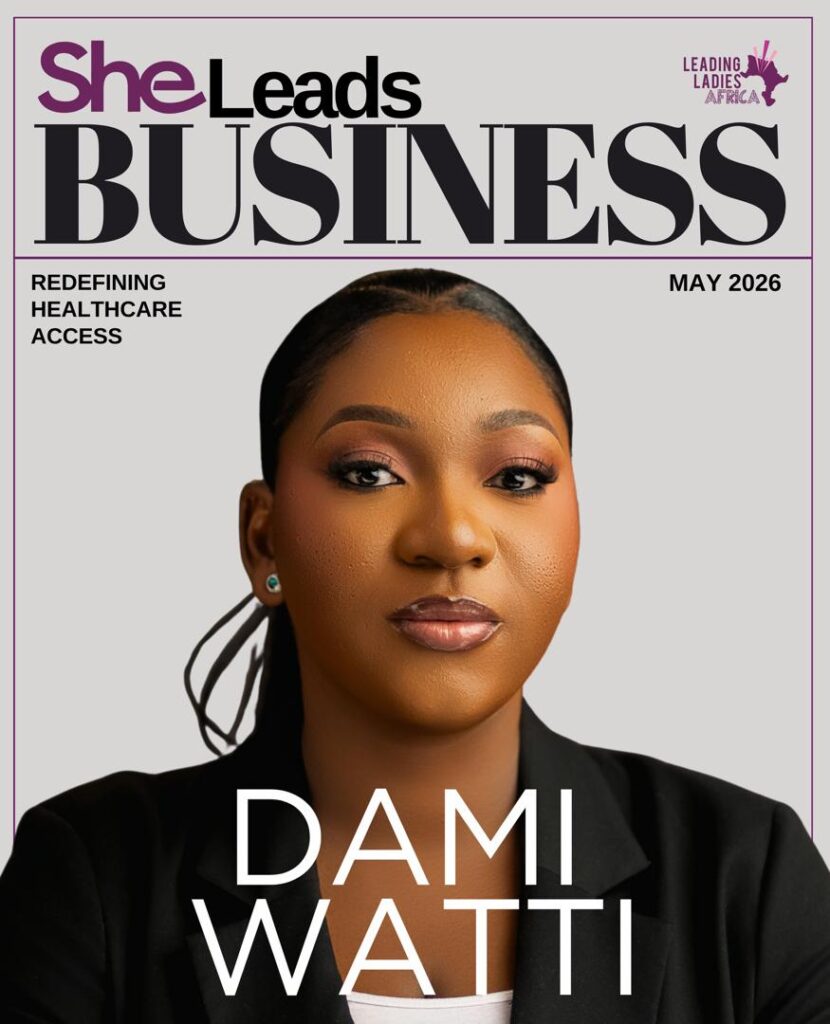
There are moments in life that break you open. For Dami Watti, one of those moments happened in a hospital in the Netherlands, repeatedly stabilised, repeatedly sent home, and repeatedly told that what she was experiencing was normal. Until her organs began to deteriorate and she had to leave the country against medical advice just to receive proper care.
That experience did not just change her life. It changed her purpose.
Dami Watti is the CEO and co-founder of FEHT Health, a digital health platform built to make healthcare easier to access and navigate for individuals, families, and members of the African diaspora. Through FEHT Health, she is building solutions that help people locate hospitals, pharmacies, and laboratories in unfamiliar cities, connect with trusted healthcare providers, and access medical guidance across borders, so that geography, language barriers, and cultural disconnects never again stand between a person and the care they urgently need.
A corporate lawyer and juriste with international experience across Nigeria, France, and Europe, Dami brings a rare combination of legal precision, strategic thinking, and deeply personal lived experience to the work of building in healthcare. She understands systems from the inside and she understands exactly who they leave behind.
FEHT Health was not born in a boardroom. It was born in an emergency room. In a doctor’s office in France where a medical professional had to search her genotype online. In the quiet frustration of being a highly educated, globally mobile woman who still could not navigate a system that was never designed with her in mind.
In this conversation, Dami opens up about the experiences that shaped her, the mission behind FEHT Health, and what she wants every woman sitting on an idea born from her own pain to know about turning that wound into something that changes the world.
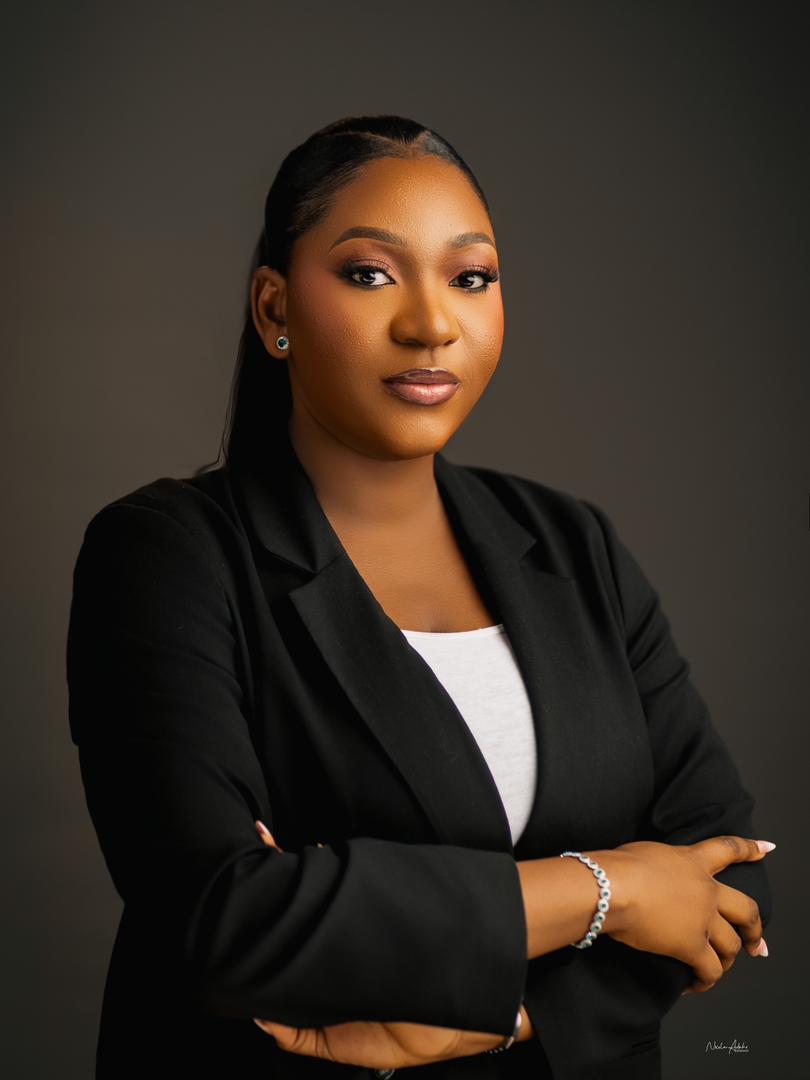
Before we get into the company you’re building and the system you’re challenging, tell us who Dami Watti is, in your own words.
At my core, I’m someone who has always been curious about systems; how they work, who they work for, and who they unintentionally leave behind.
I’ve lived and worked across Nigeria, France, and the Netherlands, and those experiences shaped how I see the world. They showed me how powerful institutions can be when they work well, but also how overwhelming they can feel when you’re trying to navigate them from the outside.
I’ve also always been someone who genuinely cares about people’s wellbeing. Even growing up, that instinct showed up early. I was the health prefect in my senior secondary school, and I remember taking that role very seriously. Looking back now, it’s interesting how those small early experiences can quietly shape the things you care about later in life.
Today, that same mindset influences the work I do. I pay attention to the moments when systems break down in everyday life; in healthcare, in access and in information because those moments often reveal opportunities to build something better.
FEHT Health grew from that mindset. It’s about making complex systems easier for people to navigate, especially when they are vulnerable, sick, or simply in unfamiliar environments.
So if I had to describe myself simply, I would say I’m someone who believes lived experiences can lead to meaningful solutions, and that sometimes the people who have struggled inside a system are the ones best positioned to help improve it.
Living and working across France, Nigeria, and Europe gave you a rare lens, you understood systems, structures, and how institutions operate from the inside. How did that shape you as a woman and a leader, even before you knew you were going to disrupt one of those systems entirely?
Living across different countries teaches you very quickly that systems are not universal. The same healthcare experience can feel completely different depending on where you are, your background, and how familiar you are with the system around you.
In France, Nigeria, and the Netherlands, I saw both the strengths and the blind spots in institutions. I saw systems that worked efficiently for some people but were incredibly difficult for others to navigate.
That perspective shaped me deeply. It made me more observant and more empathetic. As a leader, it taught me that sometimes the most important question is simply: Who is this system not working for?
Being a woman navigating these spaces also made me more aware of how perspective matters. Often the people designing systems are not the ones experiencing the gaps within them.
Those experiences quietly shaped how I think about leadership today. For me, leadership means listening carefully, questioning assumptions, and building solutions that include the people who have historically been overlooked.
You were in emergency rooms in the Netherlands, repeatedly stabilised and sent home. Your organs were deteriorating and still you were told it was normal. What did that season do to you — and when did it become a turning point?
That period was one of the most difficult experiences of my life.
There was a time when I could not eat, drink, or function properly. I was in the emergency room repeatedly in the Netherlands, stabilised and sent home again and again. Each time I kept saying something was wrong. Each time I was told it was normal.
Eventually my organs began deteriorating.
At that point, I had to make a very difficult decision. I left the country against medical advice and travelled back to Nigeria to seek proper care.
But even before that experience, there were warning signs of how easily cultural and contextual gaps can affect healthcare.
Years earlier in France, I told a doctor my genotype is AS. She didn’t know what that meant. It had to be searched online in front of me. Later a laboratory called urgently saying I had sickle-shaped cells and needed immediate intervention. After further review it turned out I was simply a carrier.
But the confusion, the panic, and the cultural disconnect stayed with me.
Those experiences showed me something very clearly: healthcare systems can be incredibly advanced, but still miss critical context when they don’t fully understand the people they serve.
That realisation became the turning point.

Walk us through what FEHT Health actually does and why the problems it solves are so urgent for women, for Africans, and for anyone navigating healthcare in a country that wasn’t built with them in mind.
FEHT Health exists to make healthcare easier to navigate, especially when you are outside your usual environment.
One of the core features of the platform is a doctor and healthcare facility locator that helps people quickly find hospitals, pharmacies, and laboratories near them when they are in unfamiliar cities or countries.
That feature was inspired by a real moment. We once experienced how a simple night out could suddenly turn into a medical emergency, and no one knew where to go. In those moments you don’t have time to think clearly, especially when you’re in an unfamiliar place.
The locator helps remove that panic by quickly connecting people with nearby healthcare options.
Beyond that, FEHT Health also addresses a gap that many Africans in the diaspora face. Many people living abroad still coordinate healthcare for family members back home. At the same time, they sometimes struggle to find culturally familiar healthcare when they need it themselves.
Through the platform, diaspora users can find healthcare providers who understand conditions that disproportionately affect African communities like sickle cell disease or concerns such as Black pregnancy care.
For Nigerians locally, the platform also offers practical solutions like skipping long hospital queues to obtain doctors’ reports and the ability to seek second medical opinions from foreign doctors.
In many ways, FEHT Health sits at the intersection of technology, accessibility, and cultural understanding.
What do you want hospitals, doctors, and health institutions to take away from what you’re building?
More than anything, I want institutions to recognise that accessibility goes far beyond infrastructure.
It’s not just about having hospitals, doctors, or equipment. It’s also about whether people can easily find care, understand their options, and feel confident navigating the system.
Healthcare can be overwhelming even in familiar environments. When you add unfamiliar cities, language barriers, cultural differences, or medical conditions that are poorly understood in certain regions, it becomes even more complex.
What we are building with FEHT Health is not about replacing healthcare systems. It’s about making them easier for people to access.
Sometimes innovation simply means creating bridges between people and the care that already exists.
Building a health-tech company is already an enormous undertaking especially as a woman. What has the behind-the-scenes reality of that journey looked like?
Building a health-tech company is both exciting and incredibly demanding.
Healthcare is one of the most sensitive areas you can work in because the decisions you make ultimately affect people’s wellbeing. That means every feature, every partnership, and every step forward requires a lot of thought and responsibility.
Behind the scenes there are long hours, constant problem-solving, and moments where you’re learning things you never expected to learn.
But there are also moments that make it all worthwhile when someone says a feature solved a problem for them or made navigating healthcare a little easier.
Those moments remind me why we started.
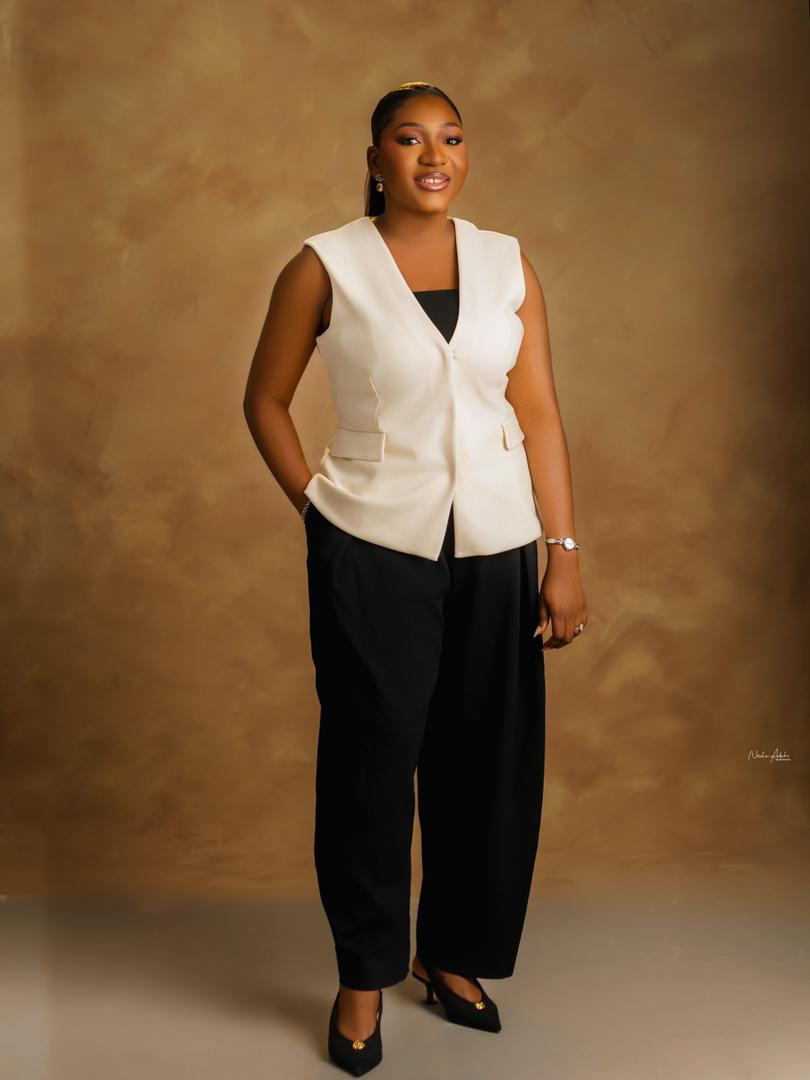
There is a version of “being taken seriously” that women in tech and health innovation have to fight for constantly. What has that fight looked like for you, and what would you say to women who are exhausted from having to prove themselves in rooms that should already welcome them?
I think many women recognise the experience of walking into a room and feeling like you need to prove your credibility before your ideas are fully heard.
It can be frustrating at times, but it also strengthens your conviction.
What I’ve learned is that confidence grows when you remain anchored in the purpose behind your work. When you know why you’re building something and who it’s meant to serve, the external noise becomes less important.
To women who feel exhausted from constantly proving themselves, I would say this: the world needs your perspective precisely because it is different.
Many of the solutions we need today will come from people who have experienced systems from the outside.
Your voice matters.
For every woman sitting on an idea born from her own pain, her own gap, her own frustration with a system that failed her, what do you want her to know about turning that wound into something that changes the world?
Some of the most powerful innovations come from lived experiences.
When you personally encounter a gap in a system, you see something that others may have overlooked.
Turning that experience into a solution doesn’t require having everything figured out from the start. It simply requires the courage to begin exploring the problem and asking how things could work better.
Many transformative ideas begin with someone saying, this shouldn’t be this difficult.
If your experience has shown you a problem that needs solving, that insight is incredibly valuable.
Decades from now, when a woman in an unfamiliar country finally gets the right care because someone built a system with her in mind, what do you want her to know about the woman who made that possible?
I would want her to know that FEHT Health was built with empathy.
That it came from someone who understood how vulnerable it can feel to navigate healthcare in unfamiliar environments.
And that the goal was always simple – to make sure that when someone needs care, they can find it faster, understand it better, and feel supported rather than lost in the process.
If FEHT Health can make that experience easier for people across different countries and communities, then the journey of building it will have been worthwhile.