Leadership stories are often told in clean arcs. Vision. Hard work. Breakthrough. Success.
But the truth is rarely that linear.
For many women, leadership arrives wrapped in contradictions: visibility and loneliness, conviction and self-doubt, courage and exhaustion. The work itself is demanding, but the internal journey — the emotional, spiritual, and intellectual transformation — is often the part no one prepares you for.
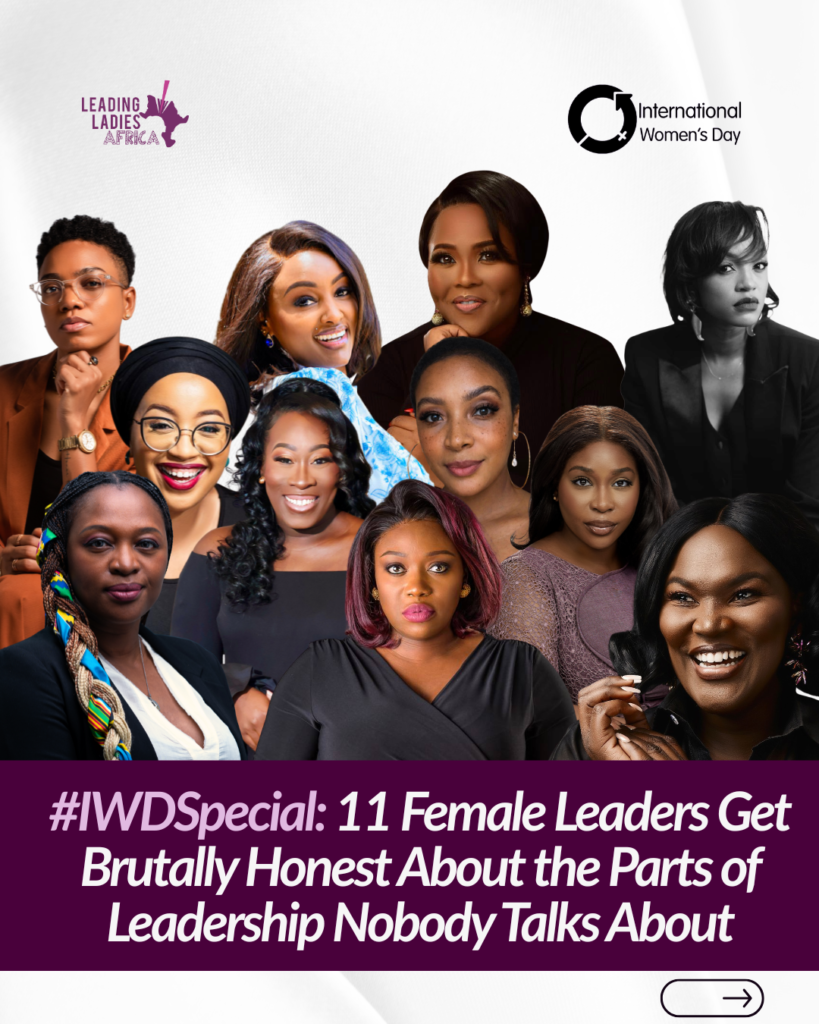
This International Women’s Day, we asked a group of women across industries simple but revealing questions: on the part of leadership nobody prepared them for.
From the emotional weight of responsibility to the loneliness of vision, from pivoting careers to challenging systems, their answers show the less visible layers of leadership — the moments of doubt, growth, courage, and recalibration that shape the journey.
Here is what they shared.
What’s the part of the journey nobody prepared you for?
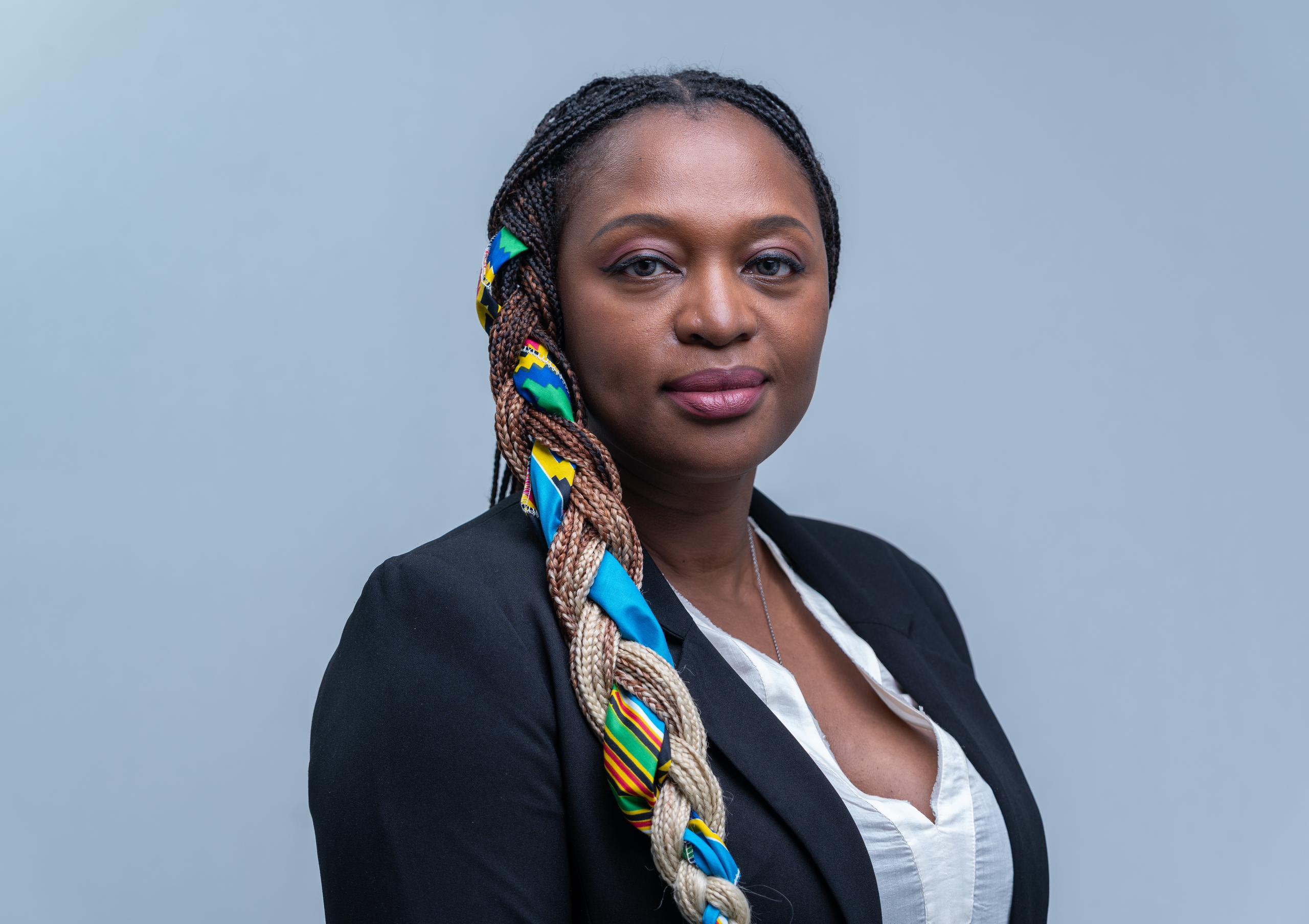
Mimi Kalinda, Group CEO and Co-founder, Africa Communications Media Group
Nobody warned me about the emotional weight of it all. The self-doubt that creeps in right when you need confidence the most. The silent negotiation you have with yourself between how far you want to go and what it truly costs to get there. As a woman you often carry that weight quietly because you feel like you cannot afford to show it. You have worked too hard to be in the room to let anyone see you waver. But what I have come to understand is that wavering is not a weakness. It is part of the process. The conflicts, the setbacks and the moments where I felt completely out of my depth were never interruptions to my growth. They were the growth. And learning to lean into that rather than hide it has been the most transformative and liberating thing I have ever done for myself.
Anita Erskine, Media Entrepreneur and Talk Show Host
The part of my journey that nobody truly prepared me for was the emotional and intellectual weight of risk, and the realization that leadership ultimately means standing alone with the outcomes of your decisions long before anyone else understands the vision behind them.
We often celebrate entrepreneurship as an act of courage, but very few conversations acknowledge what happens after the decision is made — when certainty disappears and responsibility becomes deeply personal. I started my business because I knew I wanted to shape conversations differently and create spaces where storytelling, leadership, and impact could intersect in a more intentional way. I wanted ownership over the narratives I helped build and the platforms I contributed to. What I did not fully anticipate, however, was that ownership is not only empowering; it is also profoundly demanding.
Risk reveals who you are because it removes the comfort of distance. When you choose growth, you also choose accountability in its purest form. Every success belongs to you, but so does every misstep, every recalibration, and every moment of doubt that arrives quietly when decisions must be made without guarantees. There are seasons in leadership when applause is absent and clarity feels distant, yet those are precisely the moments that shape your capacity to lead with conviction.
Over time, I came to understand that discomfort is not a warning sign but an invitation to evolve. Some of the most defining transitions in my life required me to step into rooms where I did not feel entirely ready, to pursue opportunities before I had complete certainty, and to trust growth even when the path forward felt unfinished. Leadership, I have learned, is less about confidence and more about courage — the courage to move while still becoming.
What nobody tells you is that evolution demands a version of you that does not yet exist when you begin. You build that version through experience, through the humility of learning and finally through risk. And eventually, you realize that the greatest risk is not failure at all but remaining in spaces that no longer challenge your expansion…but you also realize that that risk is also a major responsibility.
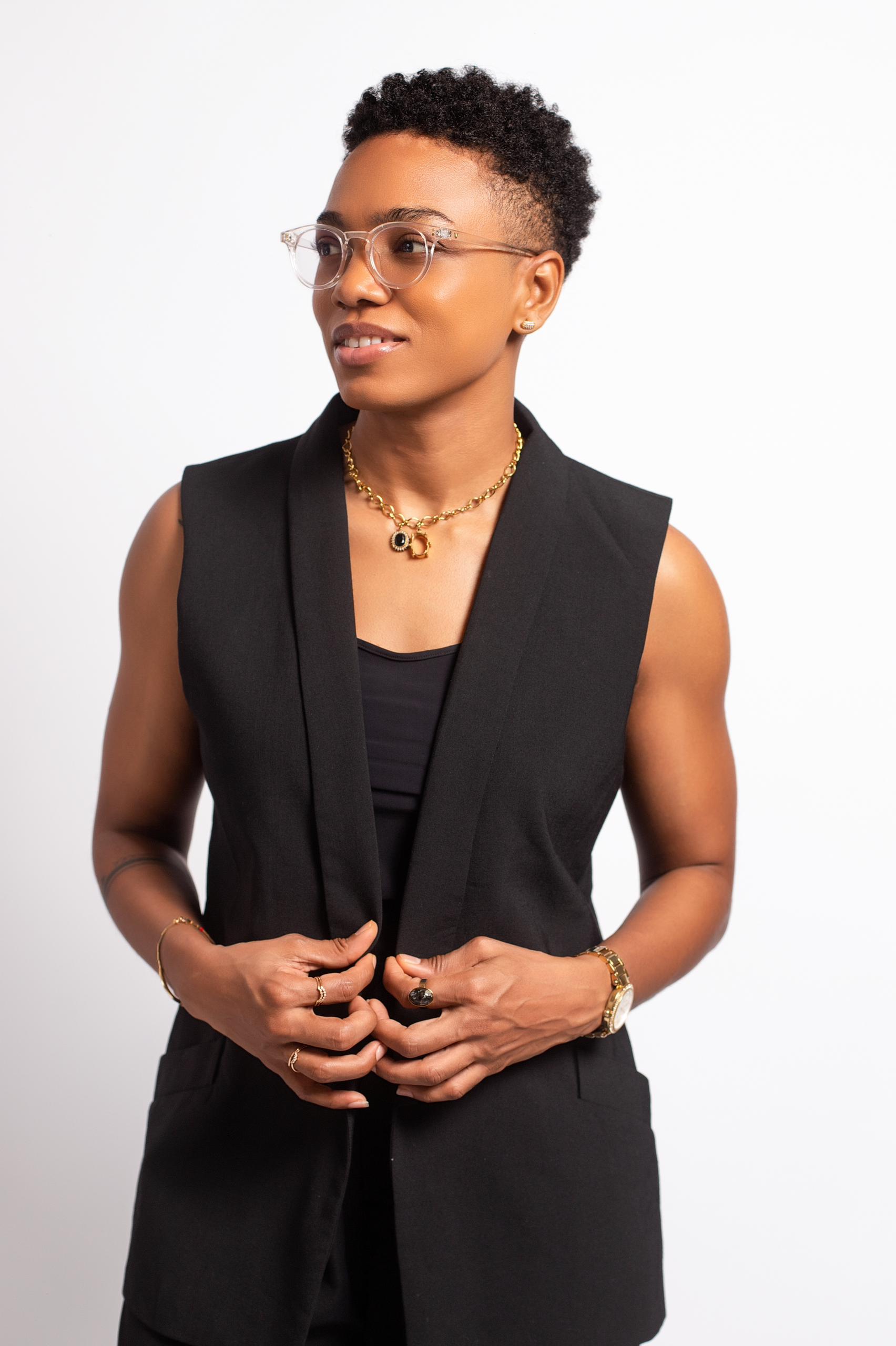
Adaora Mbelu, Co-Founder, Lumination Global Network
Nobody prepared me for what it truly means to be a pioneer builder. A lot of entrepreneurial advice is built around improving what already exists. You find a problem that someone is solving, and you solve it better. You build a stronger brand, better systems, better customer service, better infrastructure. There are examples to study and models to adapt. That path has reference points. My path has been different. I naturally build in spaces where there isn’t an existing template. I tend to create things in industries or intersections that are still forming. The gaps I see are not always obvious to everyone else yet. That means there are no local case studies. No “this is how it’s been done before.” I have to design the structure, test the process, define the language, and often educate the market at the same time. And that’s the part nobody really prepares you for.
When you’re pioneering, you don’t get to just focus on execution. You spend a lot of time explaining why the thing even matters. You have to convince people that the problem is real and worth solving. You have to build trust around something that doesn’t yet have proof of concept in your environment. It’s heavier work. It also comes with a lot of delayed gratification. Results, recognition, and buy-in takes longer. You’re building foundations that won’t be visible for a while.
I don’t go out of my way to choose hard things. But I’ve had to accept that I’m wired to see what’s missing before it’s mainstream. And when I see a gap that aligns with my values, I feel responsible to build into it. It’s a tougher road. But it’s also an honest reflection of how I’m built. And I’ve had to learn to embrace that instead of wishing my path looked easier.
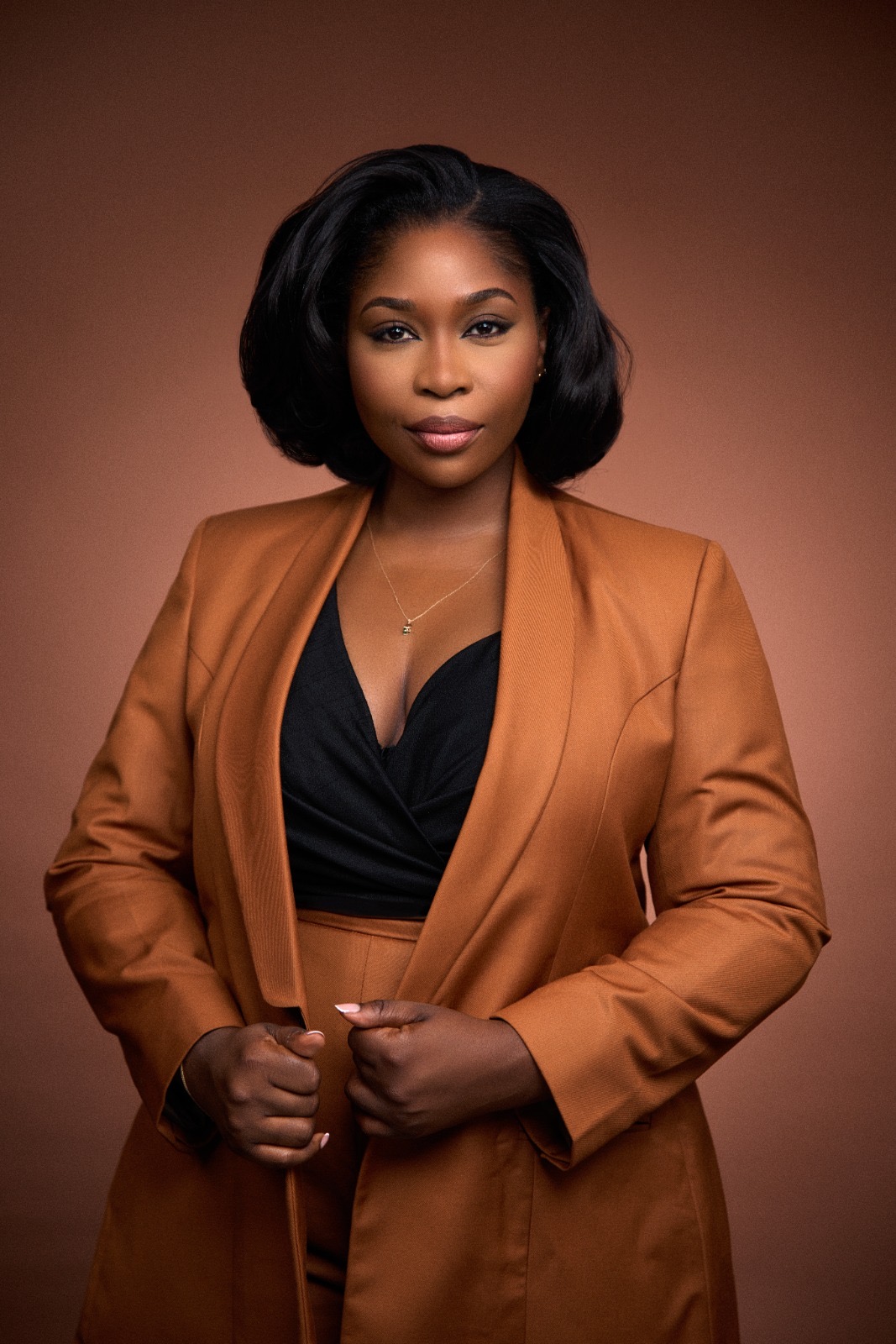
Valerie Lawson, Beauty Entrepreneur
The part of the journey no one prepared me for is pivoting. No one really talks about it, and no one warns you how tough it can be.
So many people stay in spaces they have outgrown because they are afraid of the unknown. They are afraid to pivot. Especially in my industry, where a smooth and successful transition is rarely seen, people shortchange themselves. They play small. Fear quietly shuts down their ability to dream bigger and to move beyond what they have known for years.
But I believe there are tools that can help you pivot successfully.
First, embrace solitude. You need quiet so you can clearly hear from God about where you are going and what he needs from you for that space. From there, begin to move intentionally. Read. Have the right conversations. Learn everything you can about the space you are stepping into.
Second, conduct an honest audit of the people around you. The people in your circle influence your thoughts, your beliefs, and your confidence. If you are trying to evolve, your environment must support that evolution.
Finally, take it one day at a time. Moving forward does not require a dramatic leap. It requires daily dedication. Dedicate time each day to learning, researching, and connecting with the right people in the new space you are entering.
Pivoting is uncomfortable, but staying stuck is costly.
Abosede George-Ogan, Founder, WILAN Global
There is a difference between being competent and being visible and no one prepared me for visibility and sometimes, how important it is to the pace at which your career accelerates or otherwise. In addition, no one prepared me for the emotional discipline and resilience that leadership requires. I had to learn from experience.
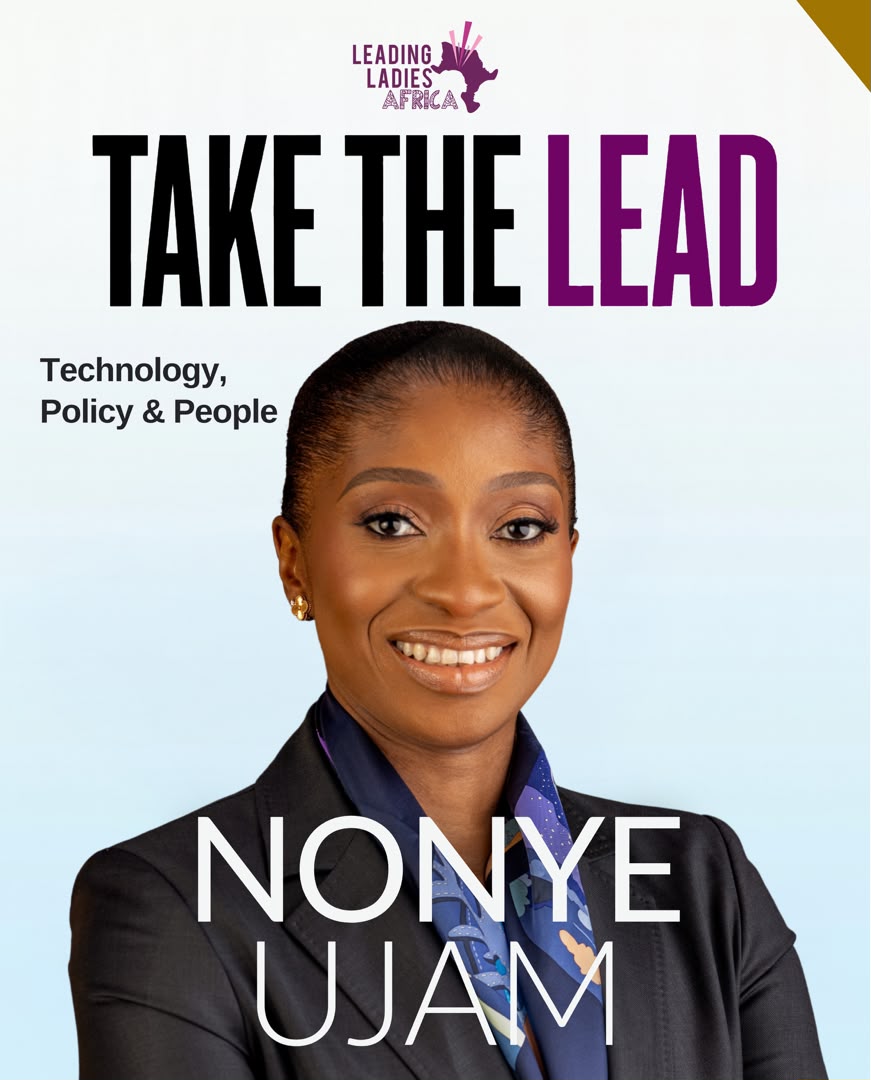
Deniece Laurent-Mantey, Senior Foreign Affairs Officer, US Department of State
Honestly, It unfolded in phases. There was a season marked by disappointment — when doors I prayed for didn’t open and outcomes didn’t align with what I thought was obedience. Then came betrayal — the realization that not everyone assigned to your life is aligned with your destiny, and some people are just simply — mean, to say the least. A pastor I love dearly once said “human beings will hume”. No one really prepares you for the emotional cost of leadership or the isolation that can come with purpose.
But purpose is powerful, not always painless. There is a quiet stretching that happens when you realize you can’t shrink back just because it’s heavy, but It teaches you discernment and endurance.
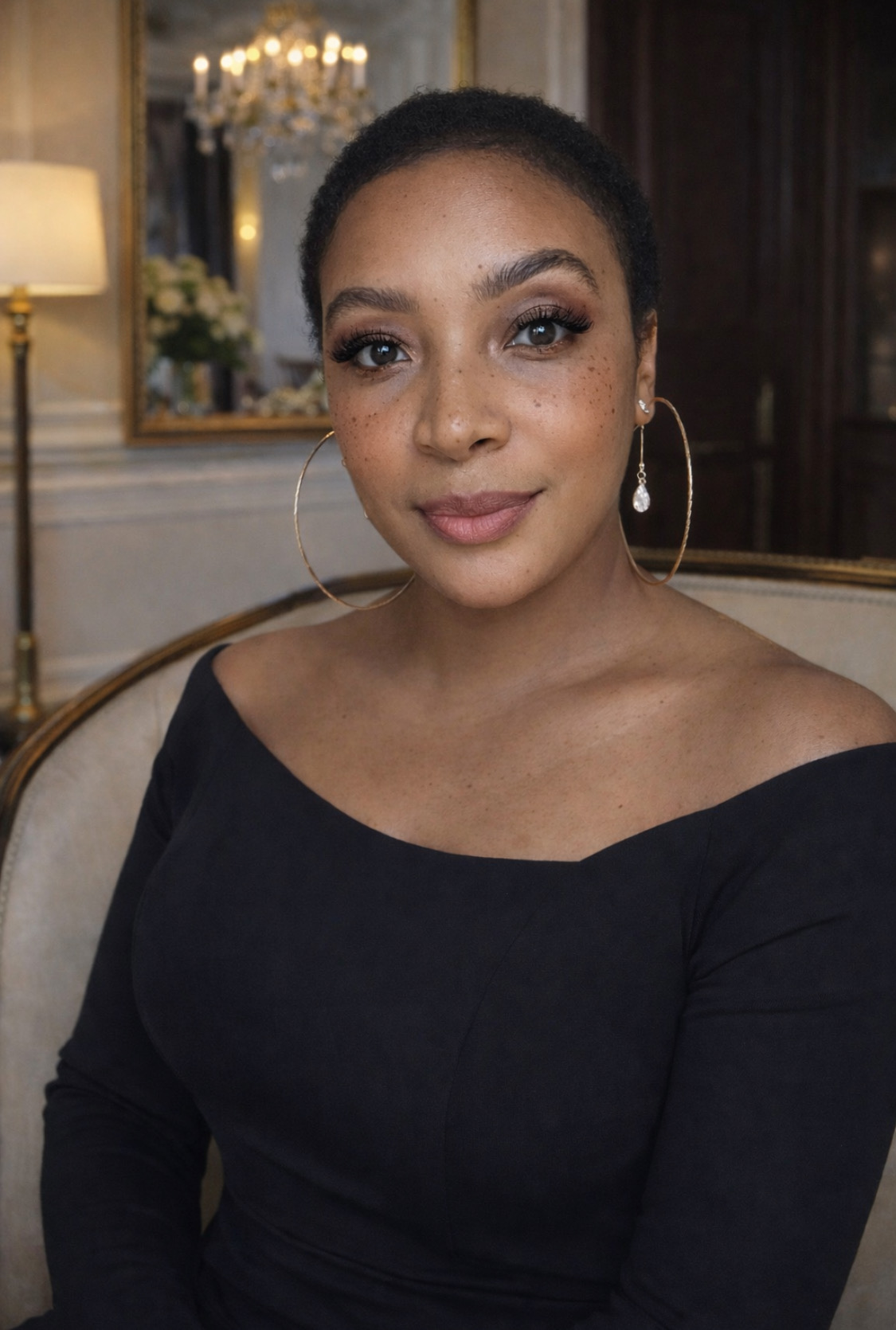
Uyanda Sibiya, Chairperson, UMC Disability Connect
Nobody prepares you to confront regulatory design that renders millions of citizens structurally unemployable.
In South Africa, fire detection and evacuation standards under the South African Bureau of Standards, specifically SANS 23601 and SANS 10139, are built around sirens and audible alarms. There is no mandatory integration of South African Sign Language or visual alert systems within compliance frameworks. The result is systemic exclusion. Safety certification regimes in high risk industries effectively code Deaf professionals as non compliant, leaving more than 70 percent of the Deaf community economically excluded despite accredited qualifications.
When I presented evidence to Parliament exposing how safety codes structurally exclude Deaf professionals from certification based industries, I realised that the greatest resistance is not ignorance. It is design inertia. Institutions defend what they have normalised. No one prepares you for the loneliness of being the person in the room who can see the structural flaw clearly, quantify its economic cost, and still be told to be patient.
Nobody prepares you for the realisation that constitutional recognition is only the first step. South African Sign Language was recognised as the twelfth official language in 2023. Yet regulatory systems continued to operate as if nothing had shifted. That gap between constitutional promise and operational reality is where the real work begins.
You are also not prepared for the psychological discipline required to challenge systems that are structurally comfortable with exclusion. Advocacy sounds noble until you confront resistance embedded in standards, procurement rules, compliance systems, and professional gatekeeping.
Finally, no one prepares you for the moral weight of representation. As someone who is not Deaf but entrusted by the Deaf community to carry aspects of this mandate, the responsibility is constitutional, not symbolic. Trust cannot be mishandled. Precision becomes an ethical obligation.
Tosin Adefeko, Founder, AT3 Studios
Nobody prepared me for how much leadership would refine me. I have always been quite set in my ways and as bold as building a company sounds, what people don’t see is the ‘turmoil’. The moments of self-doubt. The hard decisions that keep you up at night. The loneliness of a vision that not everyone can see yet. The discipline required to stay steady when things feel uncertain. The emotional weight of leadership. No one really tells you that building something from scratch means carrying vision, payroll, reputation, and people’s dreams, sometimes all at once. I’ve learned to listen more. To pause before reacting. To lead with empathy but still hold standards. As a CEO in the strategic communications industry, you’re not just shaping narratives for brands; you’re constantly shaping clarity in chaos. Leadership isn’t just about strategy; it’s about stamina. emotional, moral & visionary stamina. That refinement has been one of the greatest gifts of this journey.

Nadia Ahmed Abdalla, Social Impact Leader
Outgrowing the things and passions I believed would be with me for the longest time. I have outgrown a lot of things that built me to be the person I am today, and I have now understood that every phase in our lives is meant to be embraced, understood and later outgrown for new opportunities, new personalities and new interests to grow.
Michelle Ntalami, Founder, Marini Naturals
No one prepares you for the visibility that success often comes with. And for someone like me, fame was never the goal. I just wanted to build a great brand that will help ethnic women around the world in their beauty routine. But as Marini grew, so did the spotlight. Suddenly, I wasn’t just running a company. I was managing a persona, public expectations and constant scrutiny. The weight of carrying a brand and public scrutiny can be exhausting. People admire the persona, wins and accolades. But they don’t see the silent moments of despair. Over time though, I learned how to protect my peace, separate my identity from the brand and stay grounded in who I am beyond the applause.
Ivy Wanjiru, Founder, The Movers Society
The quiet, painful experience of outgrowing people and spaces I thought would be by my side forever. As you innovate and evolve, you’ll find that not everyone is equipped for the velocity of your next chapter, and letting go of those anchors is a hidden ‘tax of growth’. I had to dust myself off and heal the heart, mind and body after those departures, to allow me to stand tall again.
By picking myself up and refining my vision, I realized that creating space is actually a strategy to attract the new mentors and collaborators who align with where I am going, not where I have been. While the departure of old faces is lonely, while you may end up the villain in someone’s story, it is the only way to position yourself for the caliber of people waiting for you at the start of your next great venture.
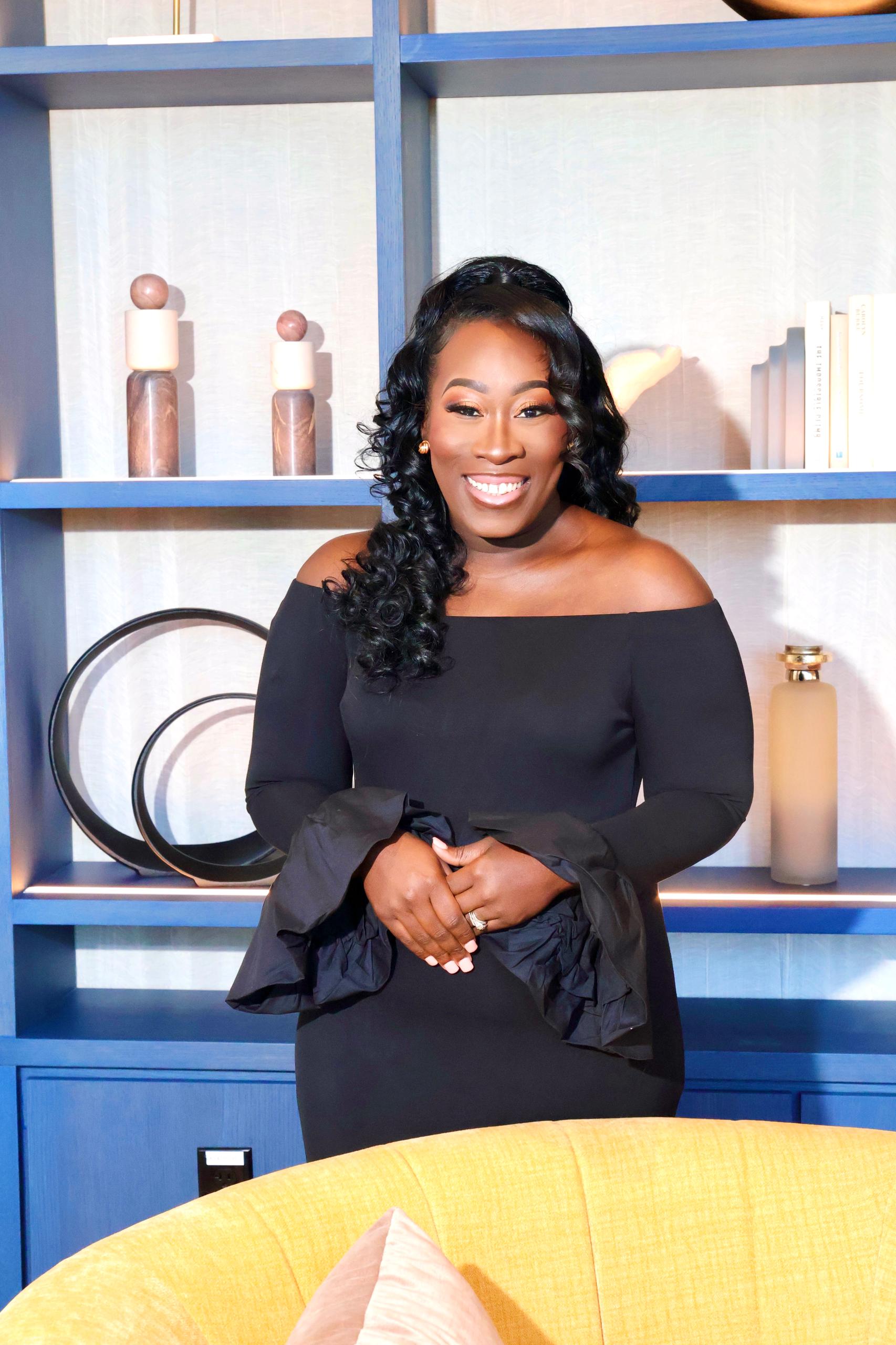
Deniece Laurent-Mantey, What do you do when the fight feels bigger than you?
I remind myself that the fight was never supposed to match my strength. If the battle were my size, it wouldn’t require my faith. When it feels overwhelming, I don’t retreat — I recalibrate. I pray. I fast. I realign. I anchor myself in what God said, not what I see.
When the weight increases, I build deeper spiritual stamina. Jesus is not a cliché for me — He is my infrastructure. It’s how I stand when circumstances shake. The fight may be bigger than me, but it is never bigger than the One who sent me.
Valerie Lawson, How has leading others shaped you?
I began my journey in the beauty industry at age 17. By 19, I was leading people. I was young, and many of the women I led were older than me. That dynamic was eye-opening and interesting.
Over the years, I have led across every age group. I have led people younger than me, older than me, and even peers and former classmates. Each experience shaped me differently, but leadership itself has been one of my greatest teachers.
Leading others has sharpened skills, crucial not just for career success, but for life. It has taught me discernment. It has deepened my empathy. It has strengthened my ability to be assertive.
As someone raised to be considerate, respectful and to keep people happy, leadership confronted me with a hard truth. Keeping people longer than you should can be costly. Avoiding difficult decisions in the name of kindness can delay growth for everyone involved. I had to learn that empathy without discernment leads to compromise, and discernment without empathy leads to harshness. For me, true leadership lies in the balance of both
These are the skills I now lean on in every area of my life. I use them as a mother and in marriage. I use them when mentoring younger people. I use them in friendships, partnerships, and professional spaces. Leadership did not just teach me how to manage people. It shaped how I navigate life with wisdom, clarity, and compassion.
Abosede George-Ogan, In your journey, what have you learned about power and staying in power?
Power is presence and it is built through intangibles like: your relationships and values like credibility, consistency, and the perception people have of you. Staying in power requires three things:
- Competence that cannot be ignored. You must know your work deeply. When your expertise is undeniable, it becomes harder to sideline you.
- Strategic alliances. No one sustains influence alone. Building alliances across gender, across sectors and across generations is invaluable.
- Emotional intelligence. Power tests ego. Staying in power requires wisdom and restraint. You must know when to speak, when to negotiate, and when to let silence do the talking.
I have also learned that power without purpose is fragile. When power is rooted in service, it is more durable.This is the type of power that outlives individuals and builds lasting legacies.
Uyanda Sibiya, When did you realise that your passion could create a real impact?
I realised my passion had structural impact when South African Sign Language was recognised as the twelfth official language of the Republic in 2023. That moment was not emotional. It was architectural. It confirmed that sustained policy engagement, coalition building, and legislative strategy can shift constitutional frameworks. Impact is not applause. It is an amendment.
It was also during my Master of Philosophy in Corporate Strategy at GIBS that my advocacy matured into systems design. My research focuses on the institutional alignment of South African Sign Language within Early Childhood Development and its long term relationship to adult economic participation. The evidence from human capital economics is clear. Early interventions compound over time. If language access is embedded at foundational education level, it alters labour market trajectories decades later.
That is when I understood that passion must be institutionalised. Recognition of a language is a milestone. Embedding that language into Early Childhood Development, teacher pipelines, curriculum architecture, safety standards, and economic policy is impact.
When research, constitutional law, and economic modelling converge, advocacy becomes infrastructure.
Mimi Kalinda, When did you realize that your work could change how people view certain things?
It did not happen the way I imagined it would. There was no big stage moment or viral campaign. It came quietly the way the most meaningful things often do. Someone pulled me aside and told me that something I had created had genuinely changed how they saw a situation. That it had given them the courage to approach a challenge differently and to take a step they had been hesitating on for a long time. I sat with that for days. Because as a storyteller and communications expert I have always understood intellectually that words and narratives carry power. But experiencing that power land in someone’s real life in a way that moved them to act was something else entirely. That was the moment I stopped seeing this as just a career. It became a calling. A reminder that the work we put out into the world travels further than we will ever fully know and carries a responsibility we must never take lightly.
Adaora Mbelu, When did you realize your work could change how people view certain things?
I realized it quite early, even before I had the language for it. Storytelling has always been one of my natural instincts. As a child, I was always the person explaining things through stories – whether it was in the drama club, the music club where I served as vice president, or even just in my community with other kids.If there was a disagreement, or if I was trying to convince someone of something, I wouldn’t just say “do this” or “don’t do that.” I would tell a story or give an example that helped them see things differently. It was my way of connecting with people and helping them understand each other.
As I grew older, I found myself consistently in leadership roles, both in school and later in my professional life. Those roles reinforced to me that good communication shapes perception. When you tell the right story in the right way, it can move people, bring people together, and sometimes even change the direction of a conversation or a community.
Then in my professional work as a creative strategist and storyteller, I started to see it at scale. I would work on campaigns, speeches, documentaries, or brand narratives and watch audiences respond to them. I would see people shift how they thought about an idea, a brand, or even themselves. Even with my own writing—like my book This Thing Called Purpose—people have told me that something they read changed the way they were thinking about their lives.
So for me, it wasn’t one single moment. It was a pattern I kept witnessing over time: that a well-told story can move people, shape how they see the world, and sometimes even change what they choose to do next. And once I realized that, I became very intentional about the responsibility that comes with storytelling.
Nadia Ahmed Abdalla, What have you learned about creating change as an African woman?
You always need allies in your space categorically, those who will hold you down when things get tough, those who will remind you of who you are and why you started what you are doing and those who will always drop your name in rooms and spaces that support that change and vision you have for African Women.
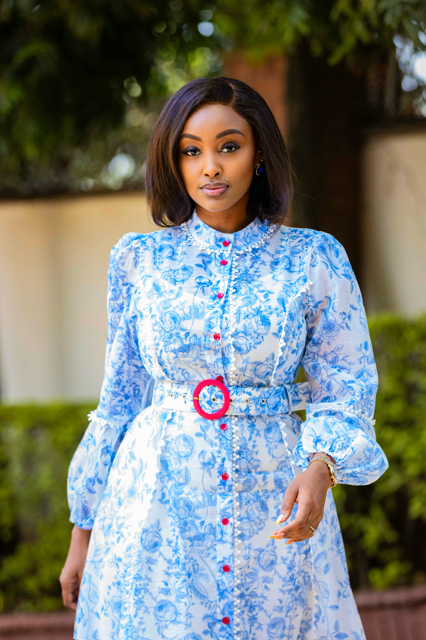
Michelle Ntalami, How did you know that your passion could create an impact?
There is nothing that lights up my little entrepreneurial world more than when customers tell me how both my products and my journey have changed their lives!
This goes beyond mere reviews. Women sharing with me how their thinning hair grew back. Mothers thanking us because their babies’ eczema improved. Young girls saying they finally felt confident in their natural hair. Customers urging me to get back into the market. That’s when you realize you were never just selling “products.”
It is impact: a changed or better life, in one way or another. Even the heartfelt complaints when we’re out of stock mean a lot to me, they are proof of genuine love for Marini. People don’t complain about things they don’t care about. 🙂 Such priceless moments remind me that I have always been onto something special. Marini was not just filling shelves of beauty stores, it was filling gaps in confidence for women. And soon by God’s grace, we intend to spread that impact even further around the world.
Tosin Adefeko, What have you learned the most as a leader when it comes to leading others?
I’ve learned that leadership is really about people not power. You can have the title, but if people don’t trust you, they won’t truly follow you. People don’t need perfection; they need clarity and trust. Leading others has taught me to balance empathy with excellence. To create space for people to think, to contribute, to challenge. I believe in clarity. I believe in accountability. But I also believe in humanity. In truth, as tough as people think I am, I can actually be quite empathetic. People need to feel safe enough to grow and bold enough to try. The most powerful teams I’ve built are not driven by fear. They’re driven by belief; belief in the mission and belief in themselves.
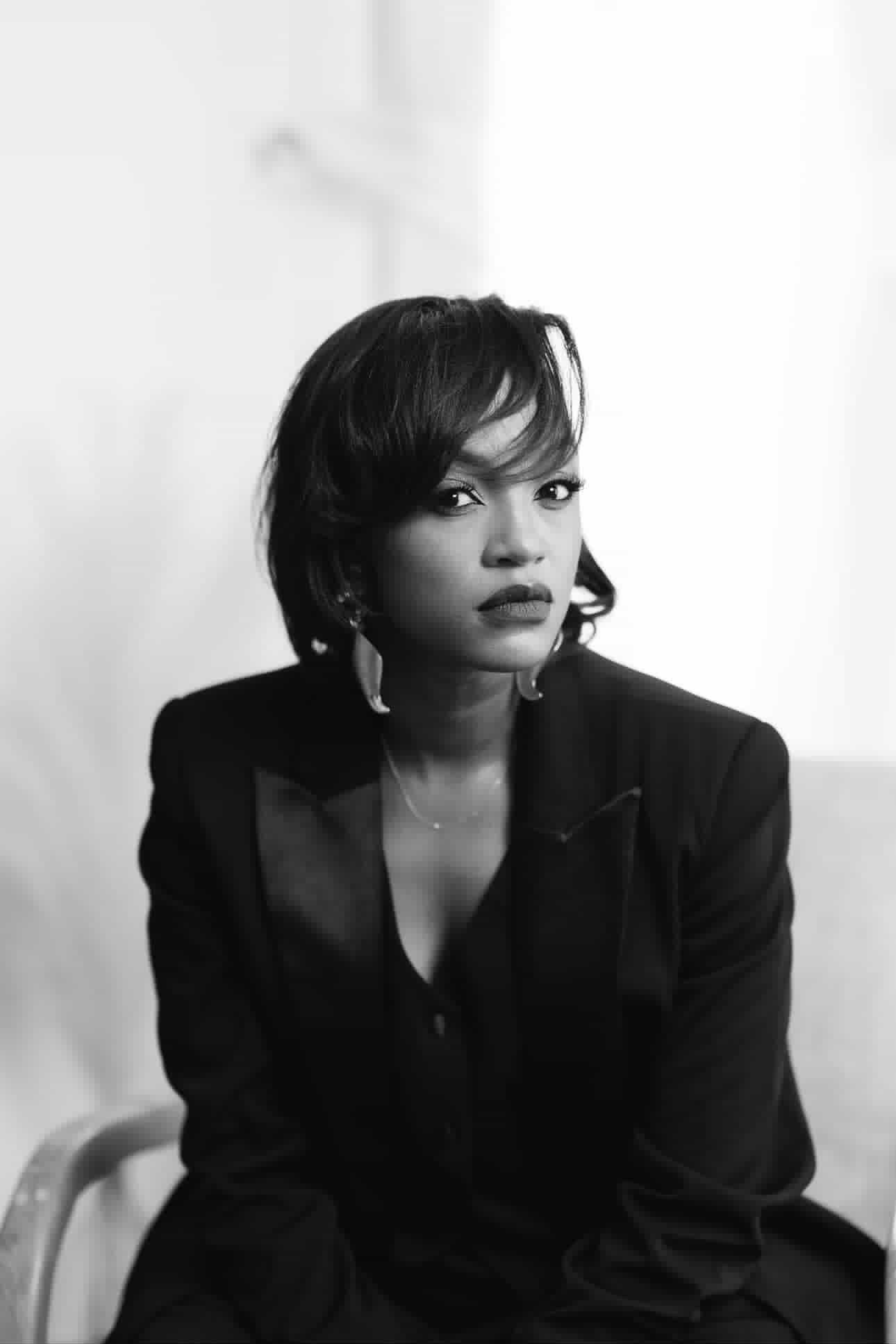
Ivy Wanjiru, What’s a mistake you made early in your journey that you want growing leaders to know?
‘The longer you stay on the wrong train, the more expensive it is to get back home’
Early in my career, I spent years on a seemingly ‘right’ track that felt like a high-speed train heading exactly where I didn’t belong, costing me peace of mind, my creative edge and money. I’ve learned that the longer you sit there convincing yourself it will eventually feel right, the more expensive the ‘fare’ back to your true purpose becomes.
Young innovators often fear the sunk cost of walking away, but the real risk is letting a misaligned path bankrupt your self-trust and original vision. I eventually stepped off that train mid-journey, proving that no matter how much time you’ve ‘invested’ in the wrong direction, it is never too late to course-correct. As scary as it sounds, having the courage to switch tracks mid-journey is a measure of great leadership.
Anita Erskine, What is the hardest part of being seen by everyone?
For me, visibility has never been about being watched. It has been about being useful. And when usefulness becomes the measure, being seen transforms from pressure into privilege. I have always said that I may work in the public eye, but that is the by-product of the work I do and not the reason I do what I do.
I did not pursue leadership, storytelling, or convening global conversations because I wanted to be seen; I pursued them because I believed in the power of shaping narratives that influence policy, culture, and opportunity. The visibility simply followed the responsibility. When you understand it that way, public presence becomes less about image and more about impact.
If there is a challenging aspect to being seen, it lies in the discipline required to remain grounded while being constantly interpreted. Visibility invites projection. People create versions of you in their minds based on fragments of what they observe — a stage moment, a photograph, a headline, a comment — without always understanding the private work, the preparation, the recalibration, and the humanity behind it. The real work, therefore, is staying anchored in your values so that perception never begins to dictate identity.
There is also a heightened sense of accountability that comes with being visible. You recognize that your words travel further, your decisions carry weight, and your posture in difficult moments may become reference points for others. That awareness demands intentionality, integrity, and alignment between who you are in private and who you appear to be in public.
In the end, being seen is not the work itself; it is simply evidence that the work is reaching beyond you. And when purpose leads, visibility stops being a performance and becomes a form of service.
Adaora Mbelu, In your journey, how have you learnt to protect your voice?
For me, it starts with being grounded in purpose. I’m very clear on my mission and on the core pillars of my life. I know what matters to me, and what I’m building toward. That clarity makes it easier to filter noise.I’m also very intentional about my values. I try to ensure that what I say, what I build, and how I show up are aligned with those values. It requires becoming the kind of person who can actually uphold the standards they speak about. So I invest a lot of time and energy into building myself – into growth, self-awareness, discipline, and integrity. The more secure I am in who I am, the less I allow the world to label me or redefine me.
Another major part of protecting my voice is community. I’m surrounded by people who respect, encourage, and understand who I am. I often say, “there’s love at home,” and what I mean by that is I’m loved in my family, in my friendships, and in my working relationships. That foundation is a privilege. When you’re grounded in your identity and supported by real community, it becomes much harder for external noise to shake you or steal your voice.
Uyanda Sibiya, What do you do when the advocacy feels bigger than you?
When advocacy feels bigger than me, I return to structure.
I break the problem into institutional pillars, regulatory levers, fiscal implications, and stakeholder pathways. Systems change feels overwhelming when approached emotionally. It becomes manageable when approached architecturally.
I remind myself that I am not required to carry the full horizon of transformation in one season. My responsibility is to design frameworks that outlive me. The SASL Bilingual South Africa 2125 plan is a 100 year national architecture. That perspective removes ego from urgency. This is intergenerational work.
I also anchor in evidence. Data steadies emotion. When exclusion is measurable, reform becomes defensible. When reform is defensible, it becomes investable. When it becomes investable, it scales.
At that point, advocacy ceases to feel personal. It becomes national infrastructure.
Ivy Wanjiru, How do you protect your voice, and what have you learned in protecting it?
‘Better to remain silent and be thought a fool, than to open your mouth and remove all doubt.’ My friend Naa Ashakor taught me that proverb.
I’ve learned that when you speak simply to avoid being judged, you risk trading your true authority for a hollow noise that doesn’t serve you. By guarding my words until they are seasoned with reflection, I ensure that when I do speak, my voice carries the weight of intention. True innovators don’t fear being underestimated in the quiet; they understand that the most resonant voices are those that know exactly when and when not to be heard.
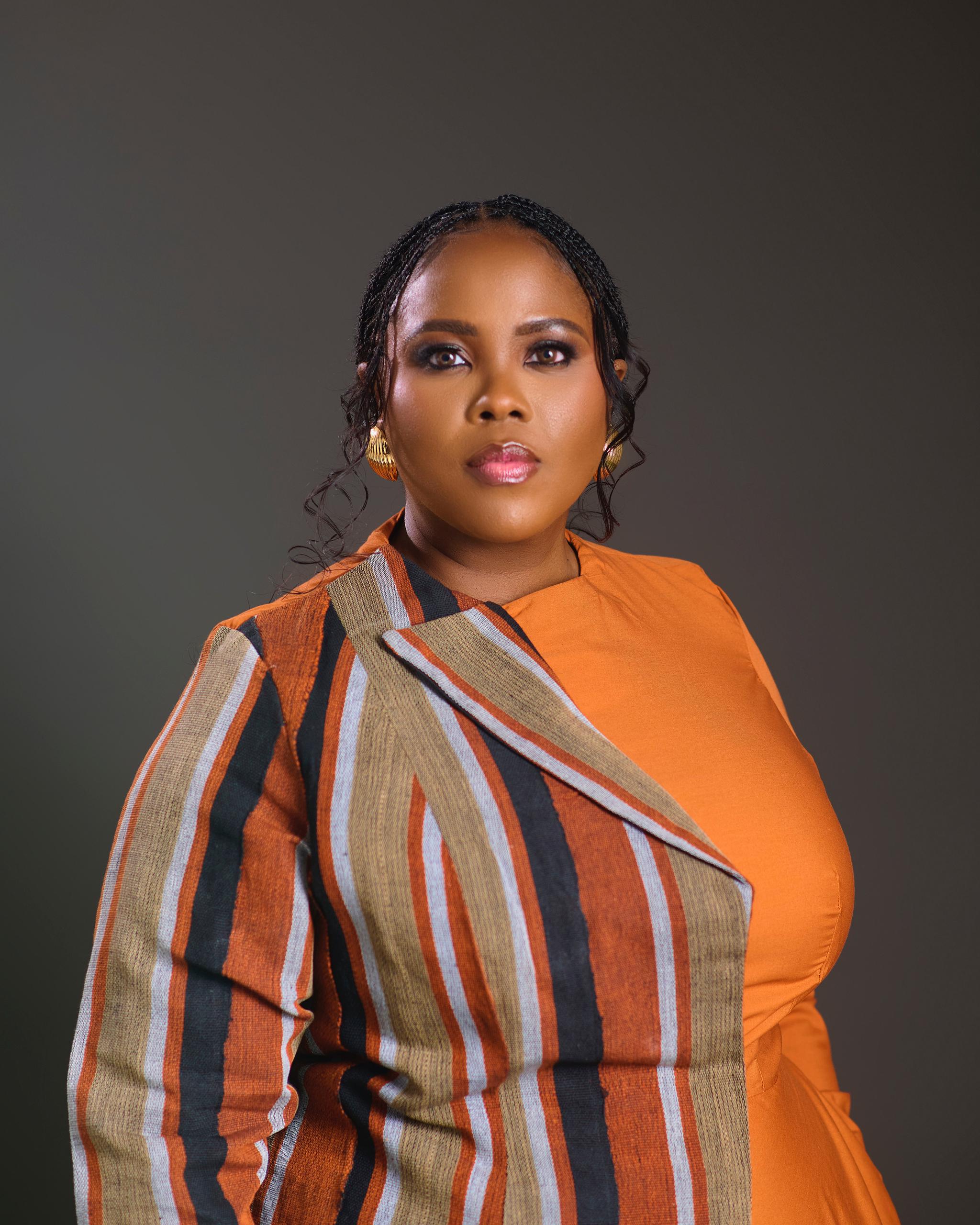
Abosede George-Ogan
Abosede George-Ogan, When did you realize that your passion could create real impact?
From a very young age, I had a strong desire to make a difference and change the world is what I would say not knowing how. Over time, I realized my passion was to see people have the freedom of choice and I was drawn to any type of work that allowed me to achieve this. And I have had the privilege to do this now for 23 years.
This passion has seen me impact the lives of hundreds of thousands if not millions of people through corporate social responsibility, sustainability and impact development work I led and coordinated in various roles. It has moved from passion to real impact through my work in advocacy, mentorship, narrative reframing policy influencing and mobilizing collective action.
Deniece Laurent-Mantey, What have you had to sacrifice that people didn’t see?
As a wife, mother of 5, pastor, pastor’s wife, and career professional, the sacrifices are layered! and often invisible. There is a kind of fatigue that this kind of leadership carries that no one sees and no one applauds (except my amazing husband). There are also prayers whispered before stepping into rooms that require great strength. I’ve chosen responsibility over rest at times and obedience over comfort. Grace makes it look effortless.
Yet I understand times and seasons. Every season is not meant to be easy — some are designed to build, stretch, and fortify you. And every season does not demand the same level of sacrifice. Wisdom is knowing the difference.
So I embrace the seasons without resentment. I’ve become more disciplined about rest— sometimes it simply looks like staying in bed a little longer, or changing the channel finally from YouTube Kids, and allowing myself to watch a little Netflix — without guilt.
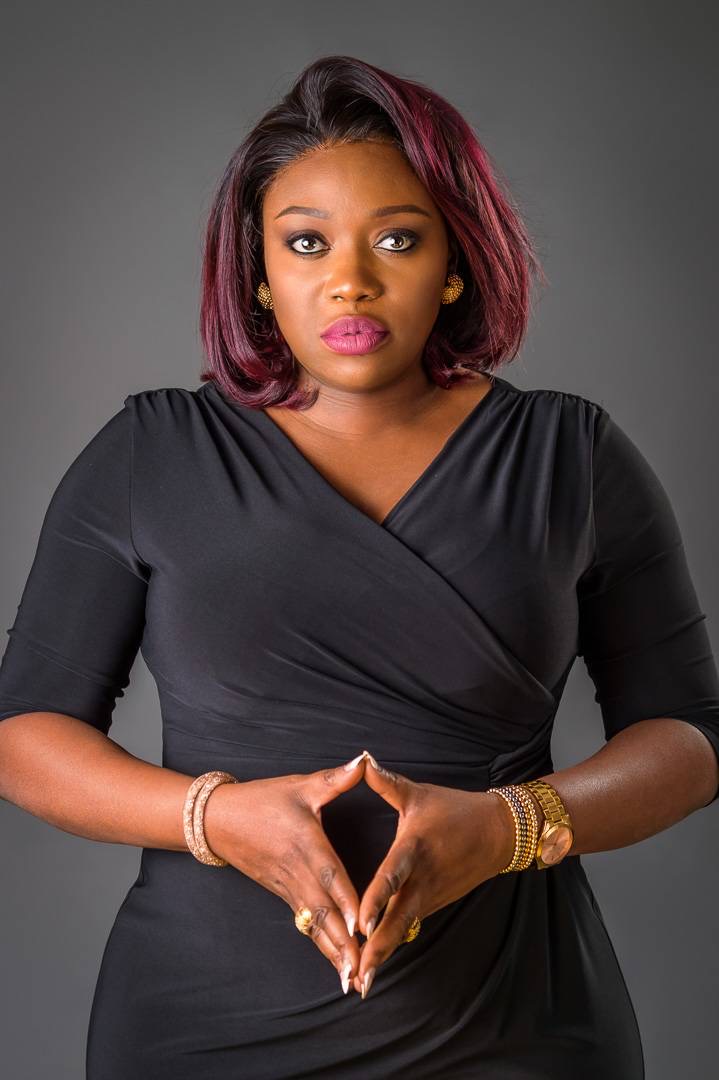
Tosin Adefeko, What drives you the most in your journey to creating lasting change?
I am driven by ownership. Especially ownership of our stories, systems, and influence. I’m deeply motivated by the idea that communication is not cosmetic; it is structural. The way we position brands, leaders, and ideas shapes perception, capital flow, and opportunity.
Lasting change happens when we move from reacting to narratives to designing them. I am driven by the belief that when we build strong platforms, amplify credible voices, and design systems that scale impact, we don’t just participate in culture, we shape it. For too long, many of our stories have been told for us. I am passionate about building platforms and systems that allow us to tell them ourselves; powerfully, strategically, and globally. Podfest Naija is my response to some of the gaps within our ecosystem. Having convened a successful podcast and storytelling festival last year, bringing together over 1,000 storytellers, creators, brands, and policymakers in one room, I’m deeply energised by what’s possible next. The real work is building platforms that outlive us, shaping culture intentionally, creating spaces where stories are not just told, but protected, amplified, and monetised sustainably. That’s what excites me now. Building this ecosystem.
But beyond industry impact, what truly drives me is legacy. I want to build something that makes it easier for the next woman to step into leadership without shrinking. Something that proves you can be strategic and soft, visionary and grounded, bold and thoughtful, all at once.
That is the change I’m committed to.
Valerie Lawson, How do you rest, especially in busy seasons?
When there is a lot to do and my body and mind asks for rest, I listen. I turn everything off. I step away. I sleep. Or I spend time with my toddler, who has this beautiful way of simplifying everything and putting life back into perspective.
After surviving an accident, I carry a different kind of clarity. I understand that we are replaceable in the workplace. The emails will still be answered. The brides get married, and the students will be taught. Life moves on. And I also know that we are on borrowed time. We are not as in control as we sometimes believe.
Because of that, my priorities are clear.
I know I can live on through my child, through my family, through the people I love. That is where I choose to invest most of my time and energy. That is the legacy that matters to me.
I also believe wholeheartedly that a woman should never have to compromise her wellbeing or her peace. So I am intentional about my wellness. The small daily rituals matter, taking my supplements, creating quiet moments, checking in with myself. The bigger commitments matter too, booking massages, getting my hair washed or done, carving out time to feel cared for.
All of it feeds into what rest truly means to me. Rest is not just sleep. It is preservation and choosing to honour my humanity in a world that constantly demands output.
Michelle Ntalami, What’s one mistake that you learned early on that shapes how you lead now?
In the beginning, I tried to do everything. I thought being a strong founder meant mastering tech, finance, operations and marketing all at once. It was exhausting! And totally unnecessary. I quickly learned that in leadership, depth is greater than breadth. Focus on what you are great at, then wisely delegate and outsource the rest. If you’re a visionary, communicator or creative like I am, spend most of your time doing just that. Hire the experts for the tech, legal, finance, operations, etc. Today, I build around my strengths and trust specialists to handle theirs. This kind of shift protects my energy and enables me to better serve my team, my customers and above all, God, as a good steward of His business.
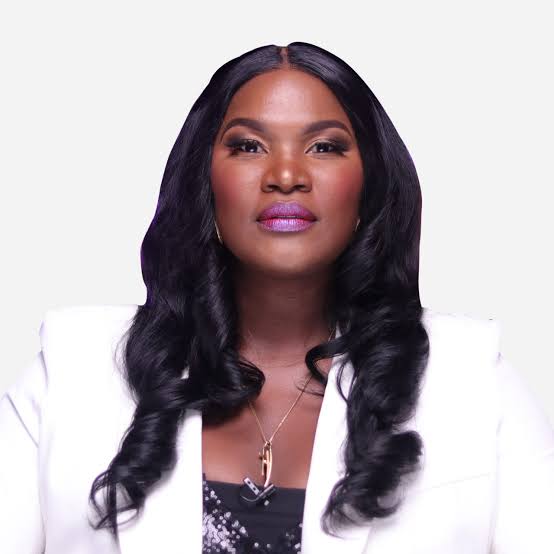
Anita Erskine, What have you learned the most about creating lasting change?
What I have learned about creating lasting change is that change is never a single moment or a grand declaration; it is a continuous process that must happen at every turn and at every level of our lives because we are constantly evolving as human beings, both professionally and personally.
Early in my journey, I believed change was something you initiated — a bold decision, a new idea, a transformative project. Over time, I came to understand that real change is sustained not by moments, but by consistency. It requires the willingness to reassess, to listen, to unlearn, and sometimes to rebuild what you once believed was already complete. As we grow, our understanding deepens, and the systems, conversations, and even identities that once served us must also evolve.
Lasting change is therefore less about disruption and more about alignment. It happens when values, action, and intention begin to move in the same direction over time. Whether in leadership, institutions, or personal growth, meaningful transformation occurs when people feel seen within the process and understand their role in shaping what comes next.
I have also learned that change cannot be imposed sustainably; it must be cultivated. It requires patience, dialogue, and the humility to recognize that progress often happens incrementally, long before it becomes visible. The work is not only to inspire change, but to create environments where change can survive beyond your presence.
Ultimately, lasting change is not measured by what you start, but by what continues to grow when you are no longer the one driving it. That is when you know transformation has truly taken root.
Nadia Ahmed Abdalla, How do you protect your voice, and what have you learned in protecting it?
It is less about protecting my voice and more about what purpose my voice has and the boundaries I create around it. I have learnt that your voice doesn’t always need to be heard in places and spaces. My voice is meant to inspire and prompt a generation to understand the value of it in order to influence change and build courage. Your voice is your power and once harnessed, it protects you from what doesn’t serve you.
Mimi Kalinda, In your journey, what have you learned about resilience?
Resilience is one of those words that sounds simple until life asks you to actually live it. What I have learned is that it is not about being unshakeable. Real resilience is much quieter than that. It is built in the moments when you acknowledge that you are struggling and choose to keep going anyway. As a woman I have learned that so much of our resilience happens invisibly. We show up fully in rooms where we are still having to prove our right to be there. We absorb more than we let on and we keep moving. But I have also learned that sustainable resilience requires honesty. It requires asking for help without shame and allowing yourself to recover without guilt. A setback is not a verdict on your worth. It is a redirection. And when you can hold onto that perspective even in your most difficult seasons you stop fighting your circumstances and start learning from them. That shift is where I found my deepest strength.