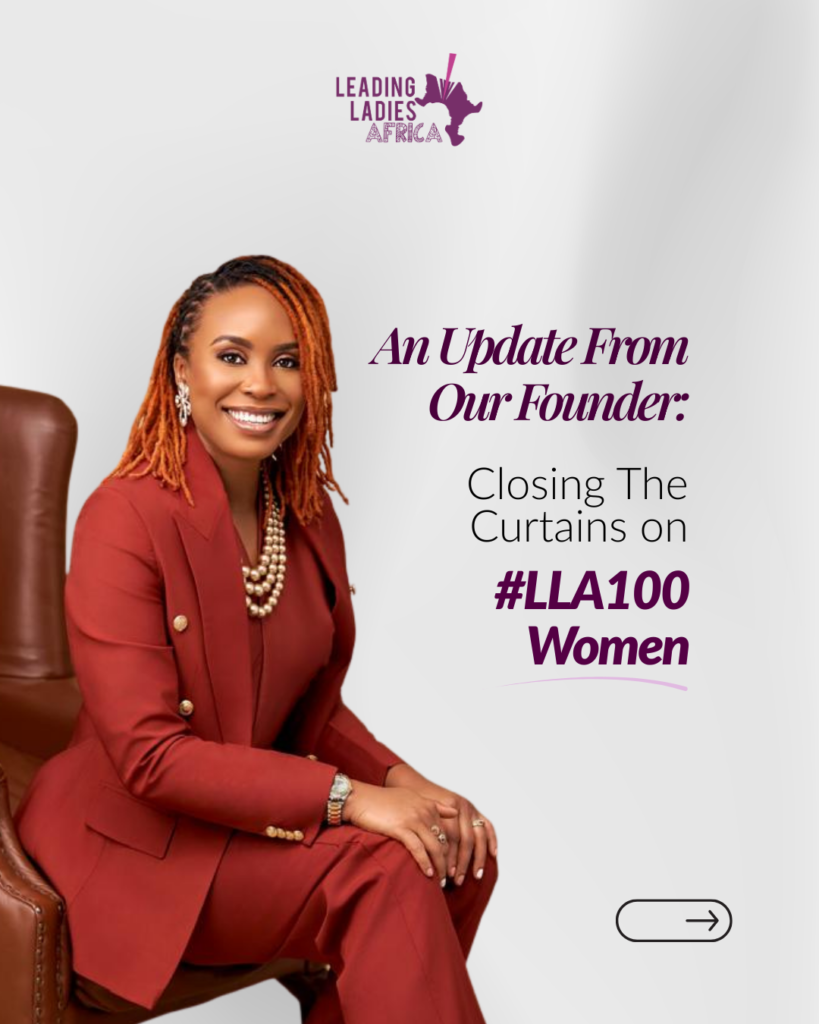
Some things start as an idea. Some start as a feeling. The #LLA100 Women list started as both, a feeling that would not leave our founder Francesca Uriri alone, a quiet, insistent voice that said: the world is not seeing what you are seeing. Do something about it.
So she did.
In 2015, Francesca Uriri launched the first ever #LLA100 Women list on International Women’s Day, a curated celebration of 100 Nigerian women whose lives, work, and contributions deserved to be seen by the world. What she could not have known then was that she was not just publishing a list. She was planting a flag. She was saying, loudly and for the record, that Nigerian women are not a footnote in anyone else’s story. They are the whole story.
Eleven years later, Leading Ladies Africa has featured 1,100 women across every sector, background, and culture, scientists, diplomats, activists, CEOs, artists, athletes, poets, entrepreneurs, and pioneers, on the continent and in the diaspora. The list became a movement. The movement became a mirror and the mirror showed Nigerian women exactly how powerful they had always been.
Today, Francesca has something to say. About why she built it, what it became, and why — after eleven years of proof, Leading Ladies Africa is ready to close this chapter and build the next one.
This is her story, in her own words.
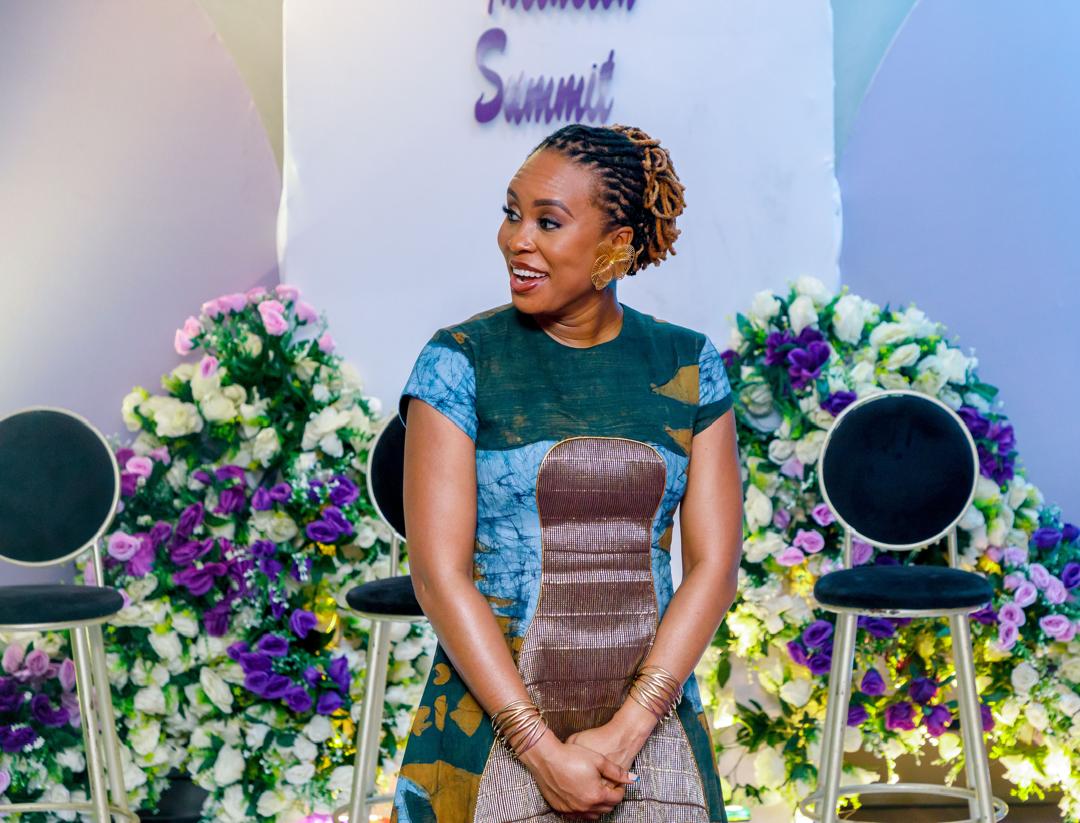
What inspired you to create the #LLA100 Women list back in 2015?
The inspiration for #LLA100 Women came from different quarters. First off, I’d been interviewing mostly Nigerian women every week, and I was really inspired by their lives, work and careers, and I’d been tinkering with the idea of what it would look like if I had all these incredible women on one list — for the world to see. And then I came across BBC’s 100 Women — which had a few Nigerian women on it, and thought to myself “we should have a version that solely features Nigerian women.” At this time, I believe, Okay Africa was also doing their #100 Africa Women list as well — which I thought was also great because it featured African women in the continent and in the diaspora.
And so in 2015, after a lot of research, I came up with the first list and published it on International Women’s Day that year. We had women like Lisa Folawiyo — a global renowned fashion designer and icon, Dr. Stella Ameyo Adadevoh — who sacrificed her life to ensure Nigeria remained unscathed by the Ebola virus, Agbani Darego — the first Black Miss World, Hadiza Bala Usman – former Managing Director of Nigerian Ports Authority, and so many wonderful women.
The reaction was swift, almost instantaneous, and overwhelmingly positive. I was pleasantly surprised with how widespread and well received the list was. I think what was also interesting (and important for me), was to also include Nigerian women in the diaspora — because their voices and experiences were (and continue to be) an important piece of Nigeria’s heritage. It was heartwarming to read all of the feedback from the women themselves, and our community, who loved the idea. We partnered with YNaija in the first few years of the list — because we also wanted to reach audiences that were diverse from ours. And over the years, it became our flagship editorial piece.
What was the original vision for the list, and how did it evolve over the years?
The original idea for #LLA100 Women started out as an editorial intervention to highlight the contributions and impact of Nigerian women across various sectors. However, as it evolved over the years it became clear that it was also an advocacy tool to highlight the importance and value of women’s leadership — especially in a culture that has a myriad of gender, cultural and religious norms that prevent women from fully advancing into leadership.
Furthermore, we also began to see the importance of having diverse lists that really highlighted women that weren’t always “mainstream” or popular, or widely known. Because every woman’s voice matters, and every woman’s lived experience is an important blueprint for a young(er) woman or girl somewhere to emulate. Over the years we’ve also seen many more #100 Women lists spring up — and that makes us truly happy. We led the charge on that, and are happy that others followed.
What do you hope the legacy of the #LLA100 Women list will be?
I hope that through #LLA100 Women — the world will see that Women’s Leadership is a critical component in nation building and socio-economic development. Too many times, women and their contributions are pushed to the side or included as an after-thought, when they should be driving conversations around business, commerce, policy, politics, religion, faith, and so much more. I want people to see the diversity of the women on the lists — celebrate their impacts and achievements, and understand that the world would go so much further if women were brought more thoughtfully and intentionally to the centre. Or as Gen Z’s (or is it Millenials who say), Women are the whole menu, not the side meal. Or something like that. Hahaha!
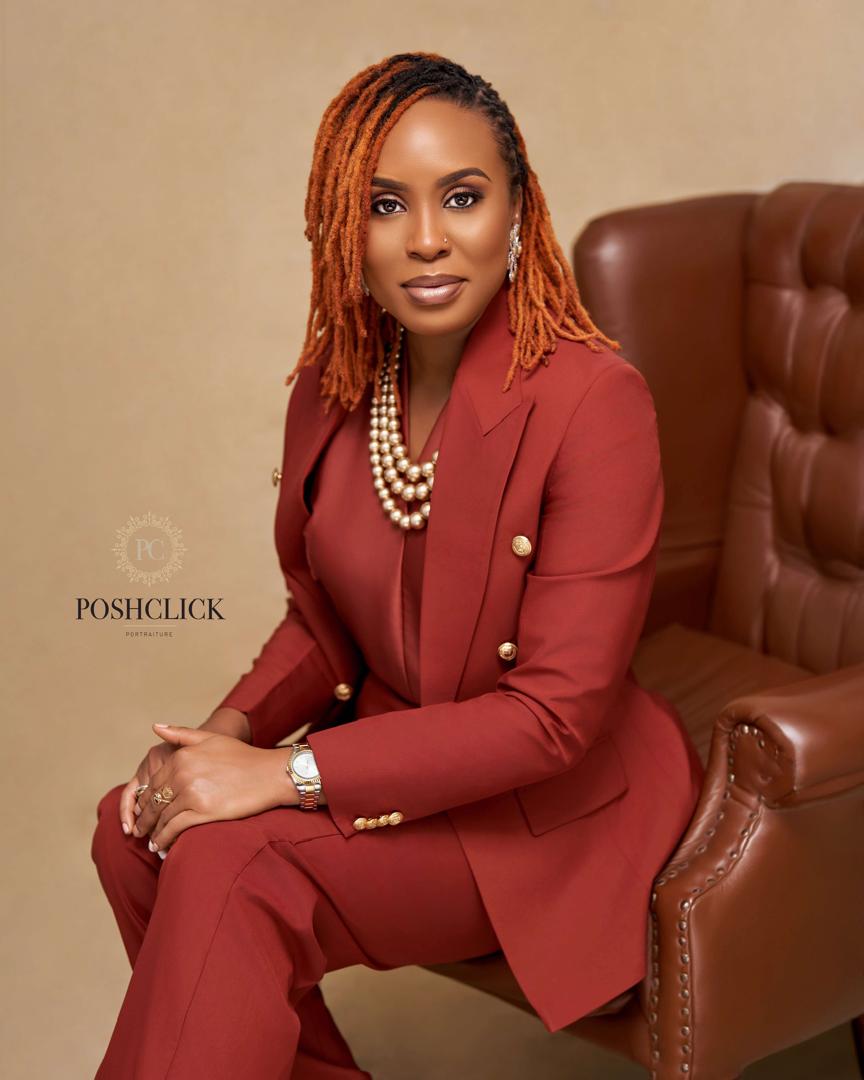
Why is now the right time to officially bring the campaign to a close?
Over the past 11 years, through this particular editorial intervention, every year on International Women’ Day, we’ve featured and highlighted a total of 1,100 Nigerian women — on the continent and in the diaspora. We’ve had scientists, politicians, entrepreneurs, careerists, artists, diplomats, athletes, poets, musicians, CEOs, advocates, activists — women from different backgrounds, sectors and cultures have been on the list. We’ve done what we set out to do: which is highlighting the importance and value of Women’s Leadership — not just as a vague concept or an idea — but as a pillar in accelerating socio-economic development.
We’re bringing this particular campaign to a close, because we are focusing even more on deepening our editorial efforts to be wholly Pan-African, strengthening our programs, and utilizing advocacy to reshape narratives, influence systems, and expand opportunity for African women.
What’s next for Leading Ladies Africa as this chapter ends?
Honestly? We see it not as an end, but as a transition. We’ll continue our work as a women-led, non-profit and storytelling platform advancing women’s leadership, economic justice, and gender equity across Africa. We’re building intersectional partnerships with institutions, organizations and communities, who are doing similar work. And we’ll continue to do this through media, leadership programs, and advocacy that shift narratives, build power, and drive systems change.