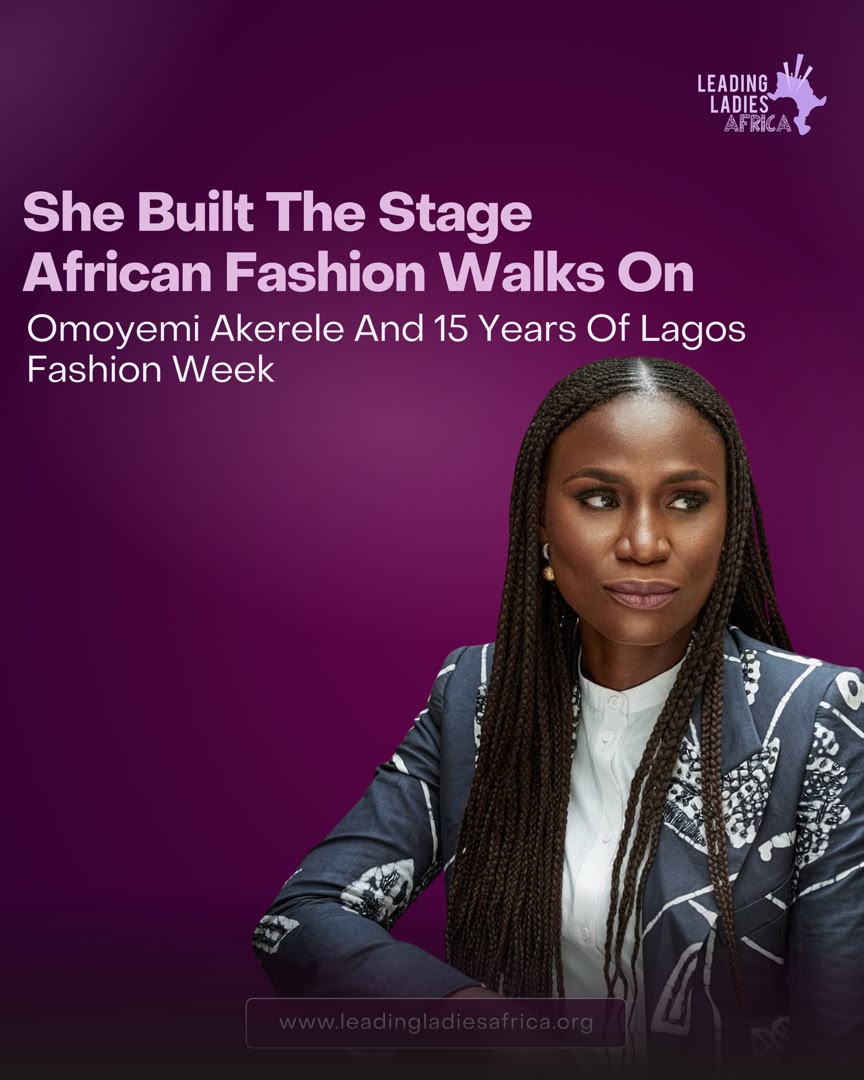
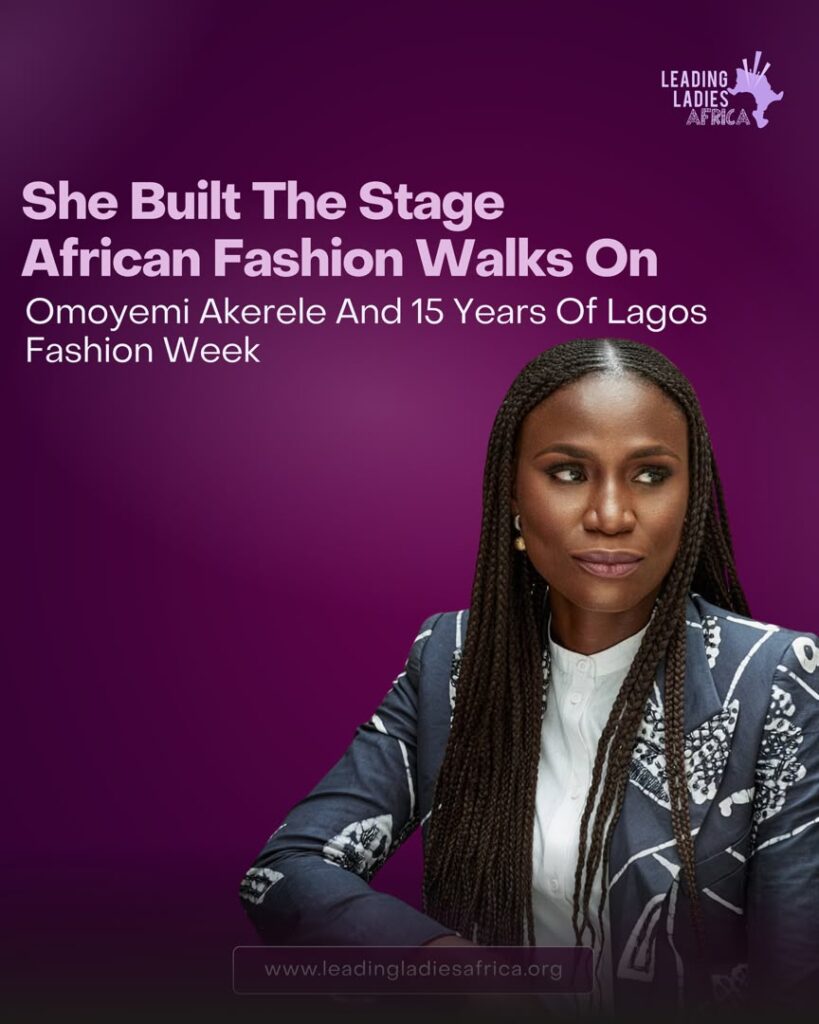
Omoyemi Akerele is a Nigerian entrepreneur, fashion executive and industry builder whose work has helped shape the growth and international visibility of African fashion. As the founder and Chief Executive Officer of Lagos Fashion Week and Style House Files, she has spent more than a decade creating opportunities for African designers, strengthening the business of fashion and bringing the continent’s creative industries into global conversations. Fifteen years after launching Lagos Fashion Week, her influence extends from the runway to international cultural institutions, fashion policy, sustainability and the development of Africa’s fashion economy.
Born in Lagos, Nigeria, Akerele’s professional journey began in law, a background that might seem far removed from the fashion industry she would eventually help transform. She earned a Bachelor of Laws degree from the University of Lagos and a Master’s degree in International Economic Law from the University of Warwick in the United Kingdom. Between 2000 and 2003, she worked at Nigerian law firm Olaniwun Ajayi & Co.
In 2004, she made a significant career change, leaving legal practice to focus on the Nigerian apparel and textile industry. It was a decision that would place her at the intersection of fashion, business, culture and entrepreneurship.

From Law to Fashion: Finding Her Place in the Industry
Akerele’s early years in fashion gave her experience across different parts of the industry. In 2004, she co-founded Exclusive Styling with Bola Balogun, a consultancy that worked on styling for television productions, including Big Brother, Idols West Africa and Deal or No Deal.
She also developed her editorial experience as Fashion Editor of True Love, a fashion, beauty and lifestyle magazine for Black women, a position she held from 2005 to 2010.
These experiences brought her closer to designers, creative professionals, fashion brands and the commercial realities of the industry. They also helped her identify a problem that would become central to her work: African fashion had no shortage of talent, but the structures needed to support its growth were not developing at the same pace.
Designers were creating distinctive collections and drawing from rich cultural and artistic traditions, yet many struggled to access international buyers, retail opportunities, investment and the business networks that could help them grow beyond their immediate markets. The challenge was not simply getting African designers seen. It was ensuring that visibility could translate into commercial opportunities and sustainable businesses.
Akerele began to build her work around that gap.
Style House Files: Building the Business of African Fashion
In 2008, she founded Style House Files, a fashion business development agency focused on accelerating the Nigerian and wider African fashion industry.
The organisation was built around a broader understanding of what designers needed to succeed. Beyond creative exposure, they required business development, stronger production capacity, access to retail markets and connections to the people and institutions that could support their growth.
Through Style House Files, Akerele has worked to strengthen the commercial foundations of African fashion, helping designers build businesses and positioning fashion as an important contributor to economic development, employment and international trade.
Her work has also involved engaging with public institutions and industry stakeholders. As Special Adviser to the Nigerian Export Promotion Council (NEPC), she has contributed to efforts to strengthen the country’s fashion industry’s capacity to produce garments commercially and expand the international retail presence of Nigerian brands.
This relationship between creativity and commerce has remained a defining feature of her approach. For Akerele, developing African fashion means creating an environment in which designers can build viable businesses, local production can grow and the value generated by the industry can reach more people across its supply chain.
Lagos Fashion Week: A Platform With a Bigger Purpose
In 2011, Akerele launched Lagos Fashion Week, bringing one of the most visible expressions of her vision to life.
Based in Lagos, the annual event brings together African designers, buyers, manufacturers, media, investors and other fashion professionals. It gives designers the opportunity to present their collections, build relationships with industry stakeholders and connect their work to audiences and markets beyond their home countries.
Over the years, Lagos Fashion Week has grown into one of the continent’s most recognised fashion platforms. It has featured more than 60 African designers in its seasonal programming and attracts thousands of visitors, according to figures reported about the event.
Designers such as Lisa Folawiyo, Orange Culture, Kenneth Ize and Andrea Iyamah are among the names associated with the wider Lagos Fashion Week story. Their work reflects the range of contemporary African fashion, from distinctive textile experimentation and craftsmanship to modern interpretations of identity, culture and design.
But the significance of Lagos Fashion Week goes beyond the collections presented on its runways. It has helped create a meeting point for the different parts of the fashion industry, bringing designers closer to buyers, retailers, media and potential collaborators. It has also helped make Lagos an important destination in conversations about the future of fashion on the continent.
Akerele’s ambition has always been to make the platform useful to the industry beyond the days of the shows. The runway attracts attention, but the relationships, business opportunities and conversations it makes possible are an equally important part of its purpose.

Taking African Fashion Into Global Conversations
Akerele’s influence has extended well beyond the Nigerian fashion industry. Through her work and advisory roles, she has contributed to international conversations about fashion, culture, creative economies and the representation of African design.
Her advisory experience includes engagements with major cultural and industry institutions such as the Museum of Modern Art (MoMA) in New York, the Victoria and Albert Museum in London, the British Fashion Council, the United Nations and State of Fashion in the Netherlands. She has also held advisory positions with fashion platforms including Industrie Africa and Jendaya.
In 2017, she served on the advisory committee for MoMA’s exhibition Items: Is Fashion Modern?, which explored the cultural and social significance of fashion and featured African designers and textiles. The exhibition included work and references connected to African fashion, including Kente cloth, African wax prints and the Dashiki. Akerele also participated in the accompanying MoMA Live conference, speaking about the global impact of African fashion.
Her relationship with the Victoria and Albert Museum continued with its landmark 2022 exhibition, Africa Fashion. The exhibition brought together designers, photographers, artists and creatives whose work reflected the breadth of contemporary African fashion. Lagos Fashion Week runway footage was included in the exhibition, and Akerele advised the curatorial team and delivered the keynote address at its private view.
These engagements are significant because they place African fashion within wider discussions about design history, cultural influence and the future of the global fashion industry. They also reflect the growing recognition of the knowledge and perspective that African fashion leaders bring to international institutions.
Akerele has also spoken at major industry gatherings, including Business of Fashion’s VOICES, the Global Fashion Agenda’s Copenhagen Fashion Summit and the Condé Nast International Luxury Conference. Across these platforms, she has continued to advocate for African designers and the development of a more inclusive, commercially viable and sustainable fashion industry.
Her Work on Sustainability, Craftsmanship and Local Production
Another important dimension of Akerele’s work is her commitment to sustainability and the preservation of African craftsmanship.
Through Lagos Fashion Week initiatives such as Woven Threads and Green Access, she has helped bring greater attention to traditional craft, local production, responsible manufacturing and circular approaches to fashion.
Woven Threads creates space for the stories, techniques and creative knowledge behind African textiles and craftsmanship. It draws attention to the artisans and communities whose skills contribute to the continent’s fashion heritage, while encouraging designers and audiences to consider the cultural value of the materials and processes used in fashion.
Green Access, meanwhile, focuses on supporting designers and businesses working towards more sustainable practices. It provides a platform for conversations about responsible production, innovation, resource use and the possibilities of building a fashion industry that is more conscious of its environmental and social impact.
This work is particularly relevant to Africa, where fashion is closely connected to local manufacturing, textile traditions, artisanal skills and livelihoods. Supporting sustainability in the industry therefore requires more than encouraging consumers to buy less. It also means investing in local production, strengthening supply chains, preserving traditional knowledge and creating better opportunities for the people involved in making fashion.
Akerele has consistently made these issues part of the wider Lagos Fashion Week conversation, helping to position sustainability and craftsmanship as important considerations in the industry’s development rather than passing trends.
Her work with the Nigerian Export Promotion Council has also aligned with efforts to expand local manufacturing and increase the export potential of Nigerian fashion businesses. In 2021, she was named Nigeria’s Zero Oil Ambassador by the NEPC, in recognition of efforts to promote non-oil exports. The appointment came with a ₦500 million grant intended to support 30 fashion brands.
Fifteen Years of Lagos Fashion Week: What the 2026 Edition Represents
The 2026 edition of Lagos Fashion Week, held from 28 October to 1 November at the Federal Palace Hotel in Lagos, marked 15 years since Akerele launched the platform.
Themed CRAFTED: Heritage. Innovation. Circular Futures., the five-day edition brought together more than 60 designers for runway shows, presentations, industry gatherings and conversations about the direction of African fashion.
The theme reflected several ideas that have shaped Akerele’s work over the years: the importance of cultural heritage, the role of innovation in developing the industry and the need to rethink how fashion is produced, distributed and consumed.
The collections offered different interpretations of these ideas. Weizdhurm Franklyn’s The Remembering drew inspiration from Igbo-Ukwu art, while Cynthia Abila’s The Common Ground explored its own creative perspective on identity and connection. Across the programme, designers brought together traditional references, contemporary design and new approaches to craftsmanship.
Beyond the runway, the Capital, Craft & Commerce summit, organised in partnership with BusinessDay, placed attention on the business realities of the industry, including the need to scale African fashion brands and connect them to wider markets. Offsite presentations and showcases across Lagos further demonstrated how the event has expanded beyond a single venue into a wider fashion gathering.
The edition also attracted public attention with an unexpected runway appearance by Lagos State Governor Babajide Sanwo-Olu.
Fifteen years after its first edition, Lagos Fashion Week was bringing together designers, industry professionals and audiences around questions that remain central to the platform’s purpose: how can African fashion businesses grow? How can local creativity create more economic value? And how can the industry’s international visibility translate into lasting opportunities for the people building it?

A Career Still Shaping the Future of African Fashion
Over the course of her career, Omoyemi Akerele has moved between entrepreneurship, fashion business development, public-sector engagement and international cultural advocacy. Her work has been recognised by influential industry platforms, including the Business of Fashion 500, and she has continued to contribute to conversations about the relationship between fashion, climate and economic development.
Her influence is not limited to the designers who present collections at Lagos Fashion Week or the institutions that invite her to advise on exhibitions and industry initiatives. It is also reflected in the broader questions she has helped bring into focus: how African designers access global markets, how local manufacturing can be strengthened, how traditional craftsmanship can be sustained and how fashion can create meaningful economic opportunities across the continent.
Fifteen years ago, Akerele identified a gap between the creative potential of African fashion and the structures available to support it. She responded by building organisations, creating platforms and bringing industry stakeholders into conversations that needed to happen.
Today, Lagos Fashion Week is an established part of the African fashion calendar, while Style House Files continues to reflect her commitment to developing the industry beyond the runway.
Her story is ultimately one of sustained industry-building: recognising the possibilities in African fashion and doing the work to create the conditions in which those possibilities can grow. Fifteen years on, the platform she built continues to evolve, and so does the future she set out to help shape.