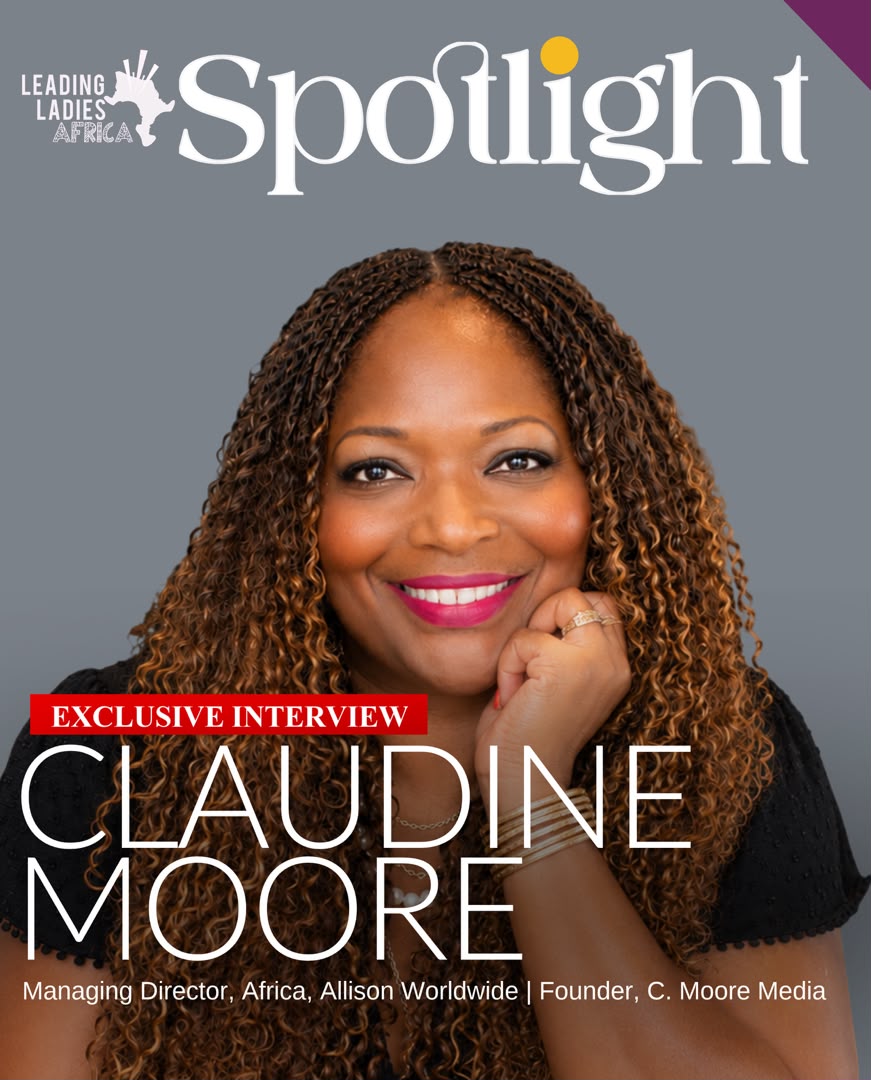
At 13 years old, Claudine Moore placed a small advertisement in Blues & Soul magazine looking for pen pals in Africa. She did not know it then, but that small act of reaching out, across an ocean, toward a continent she felt connected to but had never visited, was the first chapter of a 25-year career that would take her from the City of London to a Brooklyn apartment to the stages of the United Nations, the African Development Bank, and the Tony Elumelu Foundation, and everywhere in between.
This year, Claudine Moore is marking 15 years of working across African markets. And those 15 years have not simply built a career. They have built a narrative, one that has challenged how global media portrays Africa, opened doors for African businesses to access the visibility and credibility they deserve, and created a mentorship movement dedicated to making sure the women who come next have more support than she did.
Claudine Moore is the Managing Director for Africa at Allison Worldwide and the Founder of C. Moore Media, the specialist communications consultancy she built from her Brooklyn apartment and watched get acquired by one of the world’s fastest-growing agencies. She is a Professor at New York University, a sought-after moderator and speaker at global forums, and the Founder of The Future is Female Mentorship Programme, born during COVID from a simple question: if I’m struggling with uncertainty, how are women founders with fewer resources managing?
She is British-born to Barbadian and Jamaican parents who raised her with a deep and unapologetic sense of Pan-African identity. She has advised Tony Elumelu, moderated conversations alongside UN Secretary Generals, and lived in Lagos long enough to fall in love with it. She has been recognised as one of the UK’s most influential Black people by The Powerlist, honoured as a 2026 Women to Watch by the Global Connections for Women Foundation, and celebrated as a Top 5 GEMS Award Honouree for her contribution to the communications profession.
What defines Claudine most is not the awards or the clients or the stages. It is the conviction she has carried since that first trip to Ghana in 2010, that Africa’s story deserves to be told with the same complexity, ambition, and humanity that she experienced on the ground. And that communications, done right, is not simply about getting attention. Its greatest power lies in changing perceptions. Because when perceptions change, opportunities follow.
In this conversation, Claudine opens up about the 15-year journey that brought her here, what building and selling C. Moore Media taught her about building something that lasts, what The Future is Female Mentorship Programme is and why this next chapter feels like exactly the right moment for it, and what she wants to say to the version of herself who placed that advert in a magazine at 13 and waited for someone in Africa to write back.
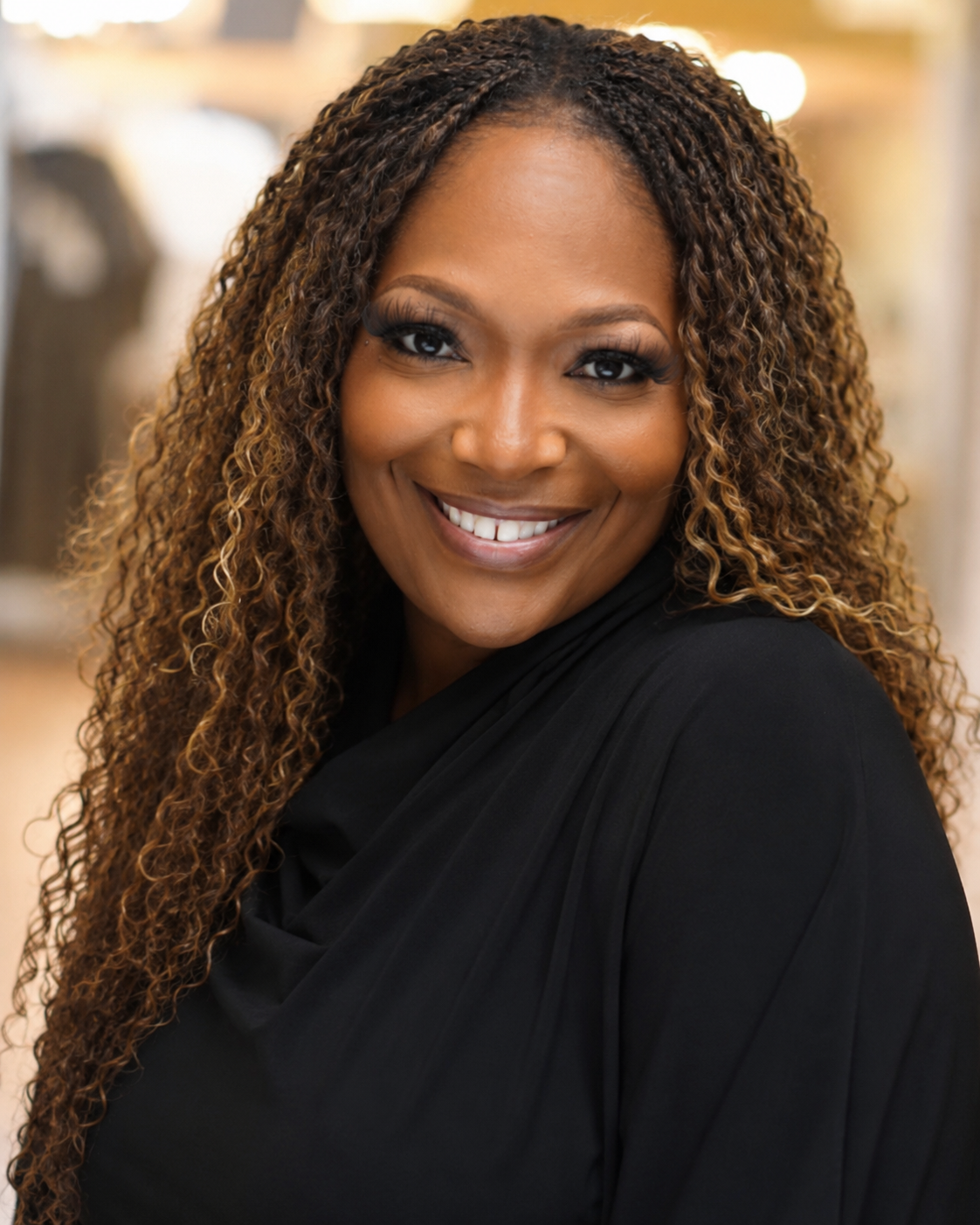
You are a British-born, New York-based global PR powerhouse who has spent over 15 years helping shape how the world sees Africa. Before every title and every market, who are you, and what shaped you?
Before I was a communications professional, I was a little girl raised by two proud Pan-Africanist parents who taught me that while I was born and raised in Britain to Barbadian and Jamaican parents, my heritage and identity began in Africa. That wasn’t simply history in our home—it was a way of thinking. Africa wasn’t somewhere “over there”; it was part of who we were as a family.
I often smile when I think back to being 13 years old and placing a small advert in Blues & Soul magazine seeking pen pals in Africa, hoping someone, somewhere, would write back. Long before I ever worked on the continent, I was searching for ways to connect with it. Looking back now, it feels like the first chapter of a journey I didn’t yet know I was beginning.
That journey took on new meaning during my first trip to sub-Saharan Africa in 2010. Visiting Ghana, I saw first-hand the disconnect between the Africa I was experiencing and the Africa so often portrayed in international media. In that moment, my childhood curiosity evolved into a clear sense of purpose. I realized I wanted to dedicate my expertise in communications, storytelling and public relations to helping shape how the world sees Africa. I’ve never believed communications is simply about getting attention. Its greatest power lies in changing perceptions because, when perceptions change, opportunities follow.
When I’m not working, I love travelling, reading, spending time with family and friends, and have completed two half marathons. I’m also an enthusiastic amateur dancer and chef. Those experiences keep me curious, grounded and constantly learning qualities that continue to shape both my life and my work.
You have built a career that spans Europe, the Americas, and Africa, working with everyone from Tony Elumelu to Louis Vuitton to UN Secretary Generals. How did your journey actually unfold, and what were the defining moments that brought you here?
Looking back, my career has been shaped less by a master plan and more by curiosity, purpose and a willingness to embrace opportunities that pushed me outside my comfort zone.
Although I’ve had the privilege of working with global brands such as Louis Vuitton and Johnson & Johnson, and advising leaders across business, government and international institutions, the defining chapter of my career began in 2011 when I was invited to deliver the keynote address at the Nigerian Institute of Public Relations’ Annual Conference—my first international speaking engagement.
Instead of flying straight home, I stayed in Nigeria for another two weeks, meeting entrepreneurs, business leaders, journalists and anyone who would spare me thirty minutes over coffee. A former boss once called me a “master networker,” and I suppose he was right. Those conversations led to my first client in Nigeria and marked the beginning of what has now become fifteen years working across African markets.
Over the years, that journey has given me the privilege of working alongside some truly remarkable leaders, including Tony Elumelu, whose vision for African entrepreneurship has inspired millions, and the late Kofi Annan through his Africa Progress Panel, where I witnessed first-hand the power of strategic communications to influence policy and shape global conversations about Africa.
Looking back, I realize my career has always been about far more than communications. It’s been about building relationships, creating opportunities and helping shape how the world sees Africa.
You founded C. Moore Media, grew it into a globally recognized agency, and then watched it get acquired by one of the fastest-growing agencies in the world. What did that journey teach you about building something that lasts?
Founding C. Moore Media was never about building an agency for the sake of owning a business. It was about creating something I believed was missing—a specialist communications consultancy with deep expertise in African markets and a genuine understanding of how to bridge Africa with the rest of the world.
When I launched the agency from my office in my Brooklyn apartment, Africa wasn’t attracting the level of global attention it is today. Many organizations still viewed the continent through a narrow lens. I recognized that my British, American and African professional experience gave me a distinctive combination of expertise, skills, networks and cultural understanding. Having built my career at some of the world’s leading communications agencies, including WPP and IPG, I benefited from what is fondly described as being a classically trained public relations and corporate communications professional.
Combined with years of working across African markets, it meant I understood not only how global organizations and international media operated, but also the ambitions, realities and nuances of businesses across Africa. It was a rare combination of global agency training and deep African market experience, enabling me to bridge worlds in a way that very few communications consultancies could.
When Allison Worldwide acquired C. Moore Media, it was an incredibly proud moment because it validated that vision. It demonstrated that deep expertise in African markets, combined with international experience and built over years of purpose-driven work and trusted relationships, had real value.
The biggest lesson? Build something authentic. Purpose, integrity, trust and reputation endure. Looking back, it’s humbling to think that a business which began in an office in my Brooklyn apartment would become part of the growth story of one of the world’s leading communications agencies. It reinforced something I have always believed: the world eventually catches up with an authentic vision.
What was the moment or the realization that made you decide Africa’s business story was the one you wanted to spend your career telling?
Before Ghana, Africa was my heritage. After Ghana, it became my purpose.
The decision was immediate. Seeing the energy, innovation and entrepreneurial spirit on the ground, while recognizing how differently the continent was portrayed internationally, was a defining moment. I realized there was an extraordinary gap between perception and reality, and I knew I wanted to dedicate my career to helping close that gap through strategic communications.
While my work has evolved to also include advising global organizations on executive, internal and strategic communications across complex, cross-cultural environments, that experience in Ghana shaped the lens through which I approach all of my work. At its core, it has always been about building understanding, strengthening trust and helping organizations communicate across cultures and perspectives.
While my career began long before Africa, the continent has become the defining purpose of my professional life. That purpose continues to shape how I approach communications, whether advising African organizations or global businesses navigating complex, cross-cultural environments.
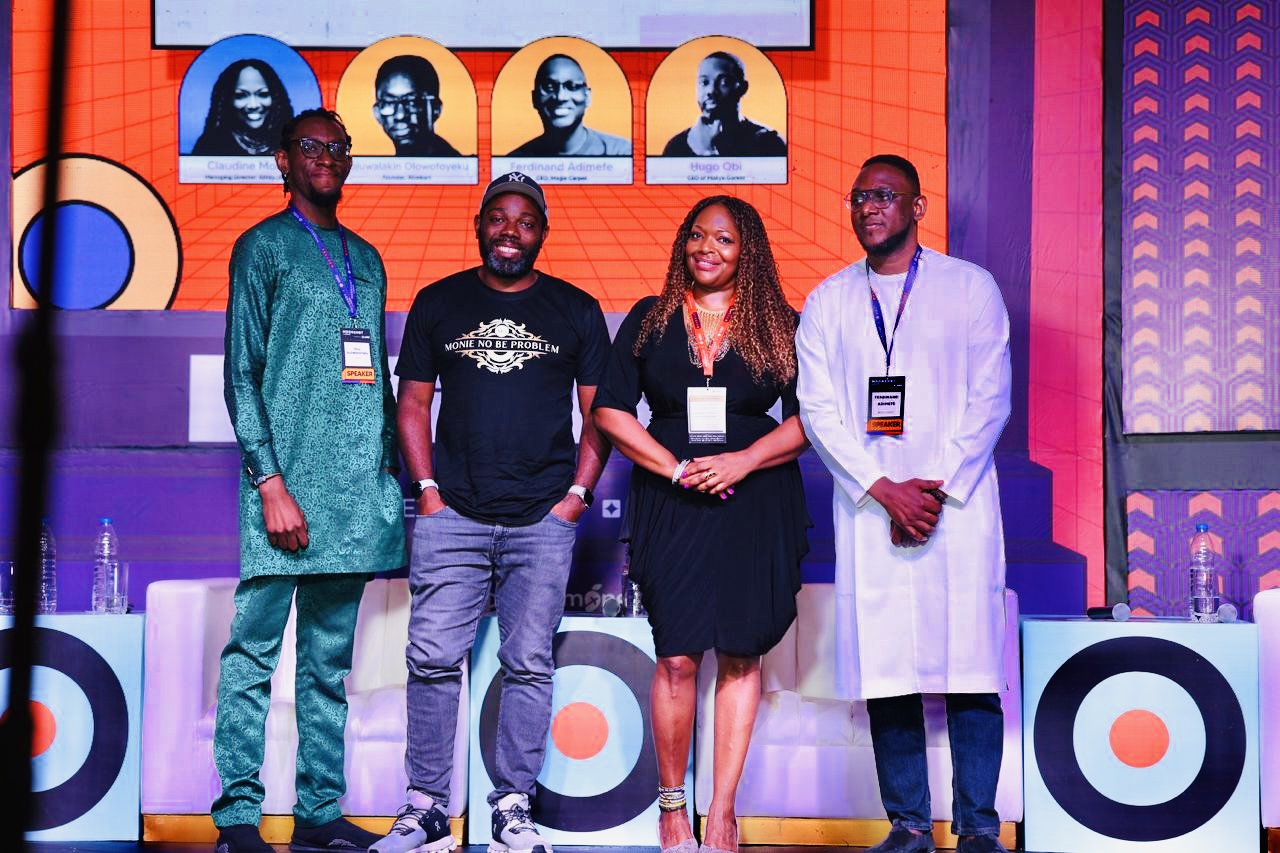
Africa’s narrative in global media is still being contested. As someone who has been in that fight for 15 years, where have we won, and where is the work still unfinished?
We’ve definitely made progress, and it’s exciting to see. Fifteen years ago, many of the stories reaching global audiences were still being told about Africa rather than by Africa. Today, that’s changing. You only have to look at the global influence of Afrobeats, the success of African film and television, or even the recent IShowSpeed tour, which gave millions of people a glimpse of an Africa they may never have experienced otherwise. Those moments matter because they broaden understanding.
That said, I don’t think our job is done. Africa is still too often viewed through a single lens rather than as 54 countries, each with its own story, opportunities and challenges. I’ve always believed that communications can’t change reality, but it can change understanding—and understanding is often where opportunity begins.
You are now marking 15 years of that work. Looking back at the leader, the storyteller, and the advocate you were at the beginning, what would you say to her?
I’d probably tell her to enjoy the journey a little more. She was so focused on doing the work well that she rarely stopped to appreciate how extraordinary some of the moments would become.
I’d also tell her not to worry so much about taking the less conventional path. Some of the opportunities that would define her career hadn’t even been imagined yet, and many of them came from simply saying yes, being curious and building genuine relationships.
And I’d remind her that progress will always beat perfection. Perfection doesn’t exist, and waiting for it only holds you back. Some of the best decisions I’ve made were simply about taking the first step and trusting that I would figure the rest out along the way.
Most of all, I’d tell her that purpose has a funny way of opening doors you could never have planned for.
Alongside this milestone, you are launching a new chapter of The Future is Female Mentorship Program. What gap does this programme exist to close and why is now the right moment for this next chapter?
The programme was actually born during COVID. Like so many people, I was trying to figure things out. Business had slowed, the world had come to a standstill, and there was so much uncertainty. I remember thinking, if I’m feeling this, how are women founders with fewer resources, smaller teams and less support managing?
That thought stayed with me. Instead of focusing only on my own challenges, I decided to do what communicators do best—I looked at what I had to give. Between myself and my team, we had years of expertise in communications, branding, media relations and storytelling. We pulled everything together and, within three weeks, The Future is Female Mentorship Program was born.
At its heart, the programme exists because talent alone isn’t always enough. I’ve met extraordinary women building businesses across Africa, but many simply haven’t had access to the networks, visibility or communications support that help turn great ideas into recognised brands. I’ve always believed communications can be a great equalizer. It gives people the confidence and the platform to tell their story, build credibility and create opportunities.
Launching this next chapter feels especially meaningful because Africa’s entrepreneurial ecosystem has evolved so much since 2020. More women are building ambitious, globally minded businesses than ever before, and I want The Future is Female to evolve alongside them. My hope is that every woman who comes through the programme leaves knowing that her voice matters, her story has value, and that she’s part of a community that’s genuinely invested in her success.
You have led in boardrooms, agencies, universities and on international stages as a Black woman. What have been the real challenges that don’t make it into the award citations?
To be honest, I’ve never spent much time worrying about other people’s prejudice. If someone chooses to underestimate me because I’m a Black woman, that’s their issue, not mine.
The bigger challenge has been the responsibility I place on myself. I set incredibly high standards, and I care deeply about doing good work. Whether I’m standing in front of a classroom, advising a CEO or moderating an international forum, I want to leave knowing I was prepared and that I added value.
Leadership can also be lonely. People see the awards and the highlights, but they don’t always see the long flights, the late nights, the constant learning, or the pressure you put on yourself because you know people are trusting you with something important.
I’ve learned that confidence doesn’t come from titles or recognition. It comes from preparation, experience and staying true to your values. Those are the things that have carried me through every room I’ve walked into.
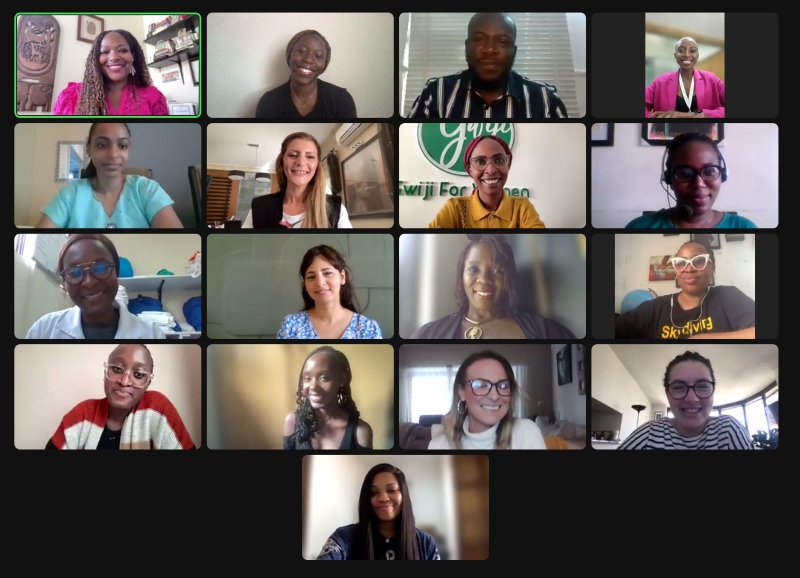
The Future is Female is not just a programme name, it is a statement. In the communications and PR industry specifically, what does the future of female leadership actually need to look like?
One of the things I love about our industry is that we’ve never lacked talented women. Communications and public relations have long been shaped by exceptional female leaders, so I don’t think the conversation is simply about getting more women into the profession.
For me, it’s about influence. It’s about ensuring women are leading the biggest conversations, running global businesses, sitting around boardroom tables, building agencies, mentoring the next generation and shaping the future of our industry.
I also think leadership comes with a responsibility to create opportunities for others. I’ve been fortunate to have people throughout my career who believed in me, challenged me and opened doors when they didn’t have to. That taught me an important lesson—that success isn’t something you hold onto; it’s something you share.
Ultimately, I hope The Future is Female becomes less about gender and more about leadership. I want it to represent a generation of women who are confident, collaborative, generous with their knowledge and committed to creating opportunities for those coming behind them. That’s the kind of leadership that leaves a legacy.
Fifteen years of amplifying Africa, a mentorship movement, a career that has spanned continents—what is the legacy you are intentionally building?
I’ve never really thought about legacy in terms of recognition. I think about impact. At the end of the day, I simply want to know that I made a difference.
I know I’ve had a unique life and career. Being raised by proud Caribbean parents in Britain, building my career across Europe and the United States, and then spending the last fifteen years working across Africa has given me a perspective that few people have. It’s taught me that while our cultures, experiences and backgrounds may be different, there’s so much more that connects us than divides us. I genuinely believe that perspective has allowed me to bring something distinctive to every role I’ve held, every stage I’ve stood on and every organization I’ve worked with.
If there’s one thing I hope people remember, it’s that I helped build understanding. Whether that was shifting perceptions of Africa, bringing important conversations to life on stages around the world, mentoring the next generation of leaders and entrepreneurs, or helping organizations and individuals communicate with greater clarity and purpose, it’s always been about creating connection and opening doors.
I’d love to think I’ve left people just a little more curious, a little more culturally aware, and a little more willing to see the world through someone else’s eyes. If, in some small way, I’ve helped people see each other—and the world—a little differently, then I’ll know I’ve made a difference.