What does it mean to truly lead?
Not to speak at conferences or collect titles and keynote invitations, but to actually build something, something permanent, something institutional, something that will still be standing and still be serving people long after the moment that created it has passed.
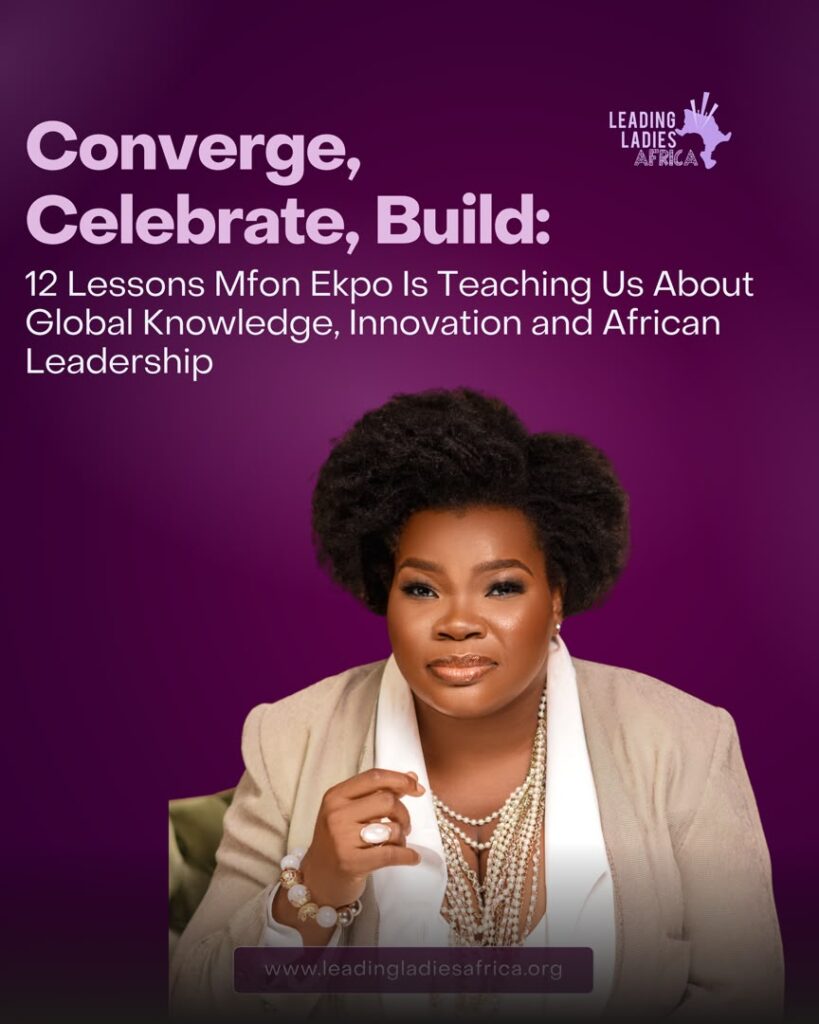
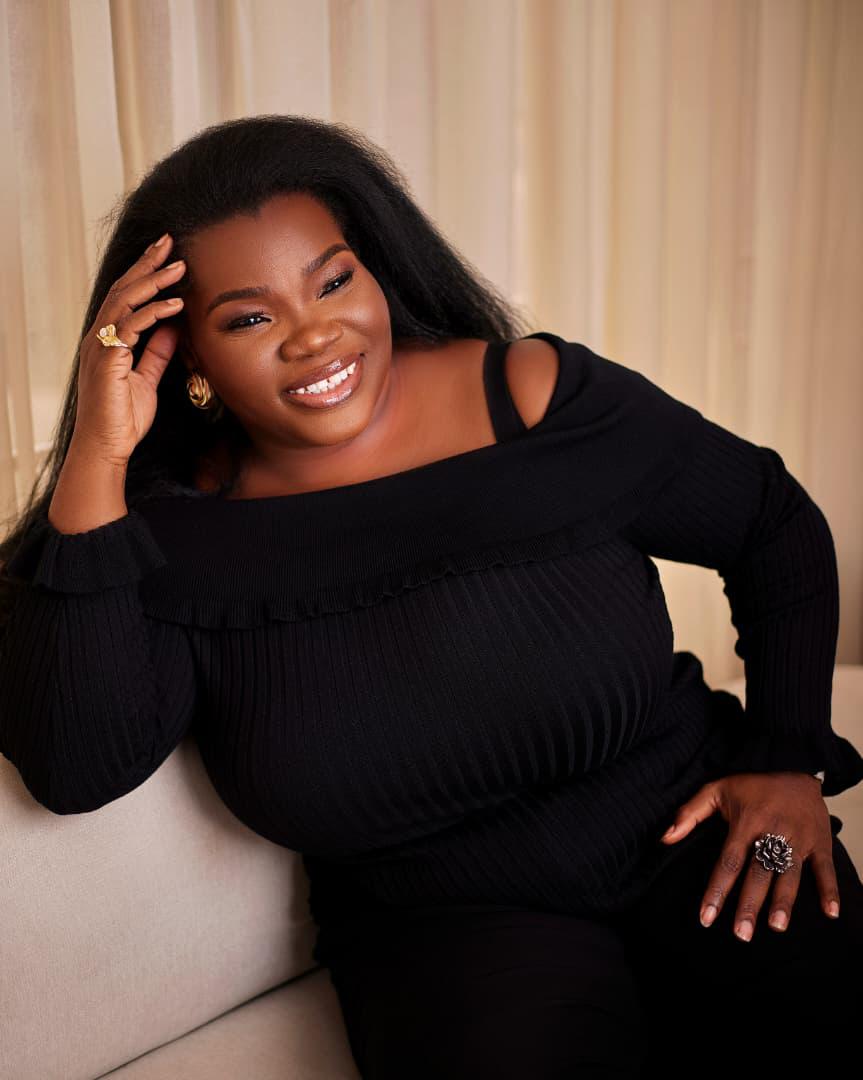
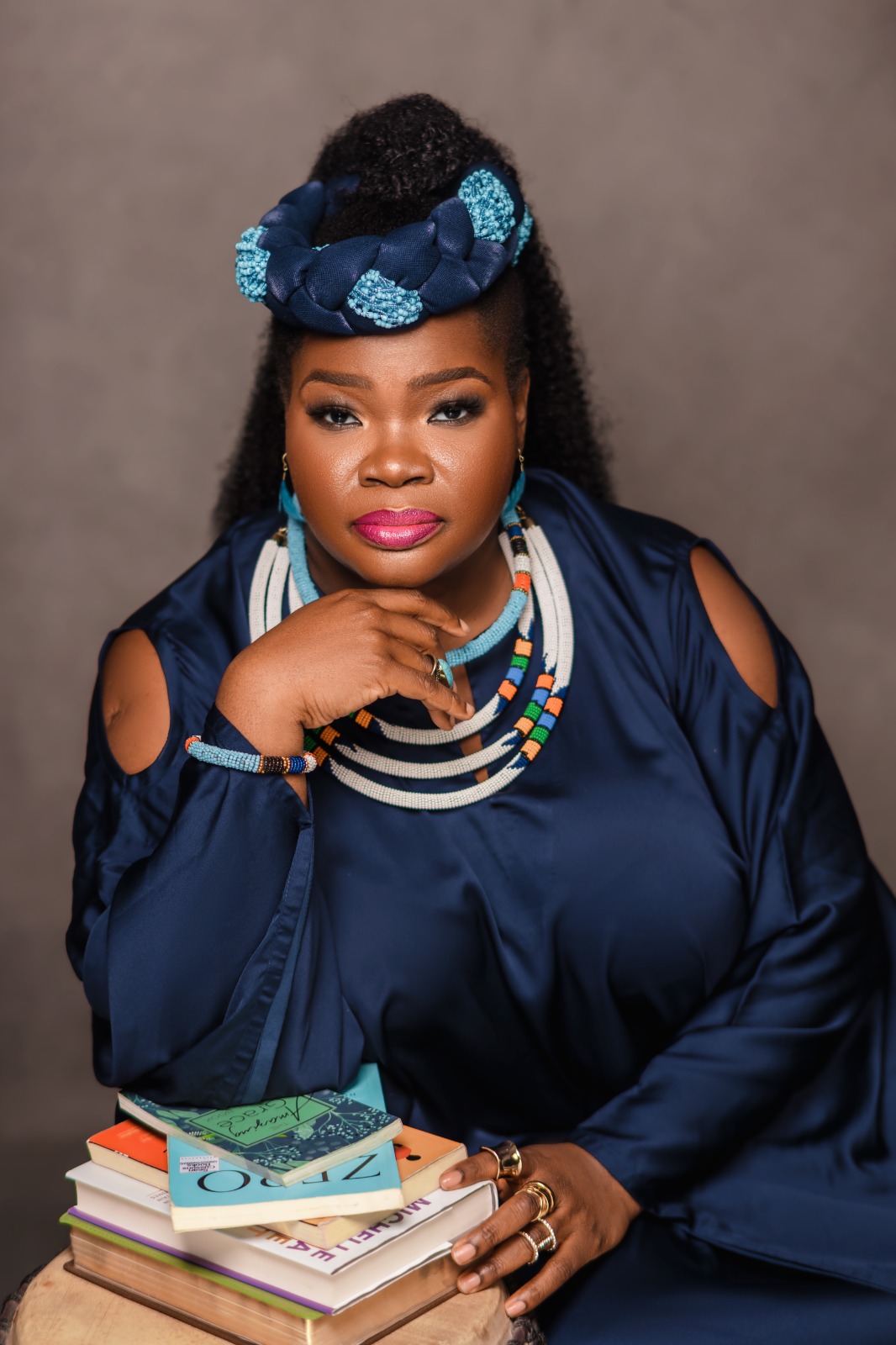
Ambassador Mfon Ekpo has spent over two decades answering that question with her work. As the Founder and CEO of The Discovery Centre, Convener of The Blueprint of How, Founding Partner and Executive Director of the Maxwell Leadership Certified Team, Founding Partner of Lobella, and now the Visionary behind Africa’s first Global Knowledge Centre, she has built her entire career around one urgent conviction: that knowledge is most powerful not when it is acquired, but when it moves. When it influences decisions, creates connections, and produces meaningful action.
And from September 17 to 20, 2026, that conviction is taking its most permanent form yet. The Global Knowledge Festival is bringing together voices from Nigeria, Africa, and beyond in Uyo, Akwa Ibom State, culminating in the commissioning of the Global Knowledge Centre, Africa’s first permanent hub for leadership, innovation, and human development.
Here are 12 lessons from her journey, for every woman building something she wants to last.
1. The Most Powerful Leaders Build Spaces, Not Just Platforms
Most leaders build platforms, places where ideas are shared, celebrated, and then forgotten the moment the event ends and the audience goes home. Mfon Ekpo built something different. For years, her platform The Blueprint of How has been convening conversations around leadership, knowledge, and human development across Nigeria. But she was never satisfied with conversations that ended when the event did. The ideas were powerful. The people were extraordinary. The connections were real. And then everyone went home, and the momentum dissipated.
So she decided to build against that pattern. Not just a platform for ideas, but a space where those ideas could continue, grow, and compound over time, a space that could outlast her and outlast any single gathering. That decision is the foundation of everything she is building now.
2. Every Institution Starts With One Conviction
Before there was a Global Knowledge Centre, before there was a Global Knowledge Festival, there was The Blueprint of How, a platform Mfon built around a single, urgent conviction: that knowledge, leadership, and human development are not abstract concepts. They are tools. And if the right people have access to the right conversations at the right time, lives change, organisations transform, and communities grow.
Everything she is building now grew from that one idea, held consistently over years, and acted on with the kind of discipline and persistence that turns a conviction into an institution. The lesson is not that you need a perfect plan from the beginning. The lesson is that you need a clear enough conviction to start — and the patience to let it evolve into something bigger than you imagined.
3. Build Where You Come From
There is something deeply intentional about choosing Uyo, Akwa Ibom as the home of Africa’s first Global Knowledge Centre. Not Lagos. Not Abuja. Not a city the world already has its eyes on. Mfon chose home — and in doing so, made a statement that the most important conversations about Africa’s future do not have to happen in the usual places.
She didn’t leave to find opportunity. She brought it back. And in doing so, she expanded what is possible for every leader who has ever been told they are too far from the centre to matter — every woman building in a city that doesn’t yet have a seat at the global table of ideas. Mfon didn’t wait for a seat. She built the table in Uyo.
4. Decentralising Knowledge Is An Act Of Power
For too long, Africa’s most significant intellectual and leadership conversations have been concentrated in a handful of cities. The assumption — rarely stated, always felt — is that ideas matter more when they happen in the right postcode. That influence flows from the centre outward, and never the other way.
Mfon rejected that assumption entirely. By positioning Uyo as a global meeting point for ideas, she is making a case that power, knowledge, and innovation do not belong to geography. They belong to whoever is willing to build the infrastructure for them. She built it in Uyo. And in doing so, she expanded what is possible for every city, every community, and every leader who has ever been told they are too far from the centre to matter.
5. Africa’s Problems Are Too Complex For Single Disciplines
The Global Knowledge Festival is not a leadership conference. It is not a tech summit. It is not a policy forum or a cultural gathering or a business convention. It is all of those things at once — and that is precisely the point.
The problems that African women, entrepreneurs, and leaders are navigating every single day do not sit neatly inside one discipline. They sit at the intersection of governance and innovation, culture and finance, personal development and systemic change. A woman trying to build a business in Nigeria is navigating economic policy, cultural expectations, access to capital, digital infrastructure, and her own psychology — all at the same time. Mfon built a festival that reflects that reality. Because the solutions Africa needs will not come from conferences that only speak one language.
6. Convergence Is Where Innovation Is Born
When you put a policymaker, a podcaster, an entrepreneur, a young leader, and a governance expert in the same room for four days, something happens that could not have happened if they had each stayed in their own lane. Ideas cross-pollinate. A solution that seemed impossible inside one sector suddenly becomes obvious when someone from a completely different field asks the right question. Connections form that would never have formed inside the usual networks.
The Global Knowledge Festival is built on this conviction: that the most transformative ideas in Africa will not come from silos. They will come from convergence. From the deliberate, facilitated collision of different kinds of knowledge, different kinds of experience, and different kinds of ambition in the same space at the same time.
7. Build Permanent Infrastructure For Ideas
Events end. Conversations fade. Communities scatter back to their lives and their routines and their individual challenges, and the energy that was so palpable in the room dissipates like it was never there. Mfon Ekpo understood this — and instead of accepting it as the natural order of things, she built against it.
The Global Knowledge Centre is designed to be a permanent home for learning, collaboration, and leadership engagement. A place where the ideas sparked at the festival can continue to grow, be tested, be developed, and be applied long after September 20th has passed. Because the most powerful thing you can do for an idea is give it somewhere to live. Not just in the minds of the people who heard it, but in a physical, permanent, institutional space designed to keep it alive.
8. Knowledge Is Only Powerful When It Moves
Mfon’s philosophy is as clear as it is urgent: knowledge is most powerful not when it is acquired, but when it moves — when it influences decisions, creates connections, and produces meaningful action. Most of us have attended enough conferences and read enough books and consumed enough content to know that information alone does not change anything. What changes things is what you do with it.
The Discovery Centre, the institution she leads, draws on psychology, human-centred design thinking, and interdisciplinary approaches to learning to help individuals and organisations translate what they know into what they do. That gap — between knowledge and action, between potential and reality — is where most leaders get stuck. She built an institution specifically designed to close it.
9. Access To Knowledge Is A Leadership Issue
For women and emerging leaders navigating an increasingly complex world, access to knowledge, networks, and spaces for meaningful engagement is not a nice-to-have. It is infrastructure. It is the difference between a woman who has the potential to lead and a woman who actually does — between a young person with a vision and a young person with the tools, connections, and confidence to execute it.
By building a platform deliberately designed to bring different generations, sectors, and perspectives into the same space, Mfon is making a case that access to global knowledge should not depend on where you were born, who you know, or whether you can afford to travel to where the conversations are happening. She is building those conversations into the fabric of Uyo — and making them available to anyone willing to show up.
10. Africa Needs Institution Builders, Not Just Thought Leaders
Africa has no shortage of brilliant thinkers, powerful speakers, and visionary leaders. It has no shortage of ideas, of energy, of people who can diagnose the problems and articulate the solutions with extraordinary clarity. What it needs more of are the people willing to do the harder, slower, less glamorous work of building the institutions that outlast them.
Mfon Ekpo is one of those people. She could have built a personal brand around her ideas and called it a career. Instead, she built The Discovery Centre, The Blueprint of How, and now the Global Knowledge Centre — institutions designed to carry her vision forward long after her name stops opening doors. That distinction, between building a platform for yourself and building an institution for others, is one of the most important choices a leader can make.
11. Institution Building Is The Highest Form Of Leadership
Mfon Ekpo could have kept convening events. She could have built a well-regarded annual gathering that people looked forward to every year, collected speaking invitations, and built a career on the strength of her ideas alone — and that would have been more than most people build. Instead, she chose the harder, more enduring thing.
This September, the Global Knowledge Festival culminates in the commissioning of Africa’s first Global Knowledge Centre in Uyo — a permanent hub for leadership, innovation, and human development designed to outlast any single event, any single year, and any single generation of leaders. Not a moment. Not a platform. An institution. And that is the highest form of leadership there is.
12. The World Comes To The Table You Build
From September 17 to 20, 2026, some of the most powerful and consequential voices in Nigeria and beyond are converging in Uyo. Bishop Funke Felix-Adejumo. Richard Mofe-Damijo. Olori Atuwatse III. Dr. Nike Adeyemi. Timi Dakolo. Nancy Isime. Abubakar Suleiman. Dr. Gabriel Ogbechie. These are not people who show up anywhere. They show up where something meaningful is being built. And they are all in Uyo this week — because Mfon Ekpo built the kind of table the world wants a seat at.
That is what legacy looks like. Not the announcement. Not the accolades. The room full of extraordinary people who chose to show up because they believed in what was being built. Mfon built that room. And it is only just beginning.
Amb. Mfon Ekpo did not just build a festival. She built a case, for what Africa deserves, for what knowledge can do when it is made accessible and permanent, and for what leadership looks like when it is more committed to what outlasts it than what celebrates it. The Global Knowledge Centre is the proof. And Uyo, Akwa Ibom, is where that proof will live.
The Global Knowledge Festival is happening now, September 17 to 20, 2026. Visit the official page on Instagram to learn more