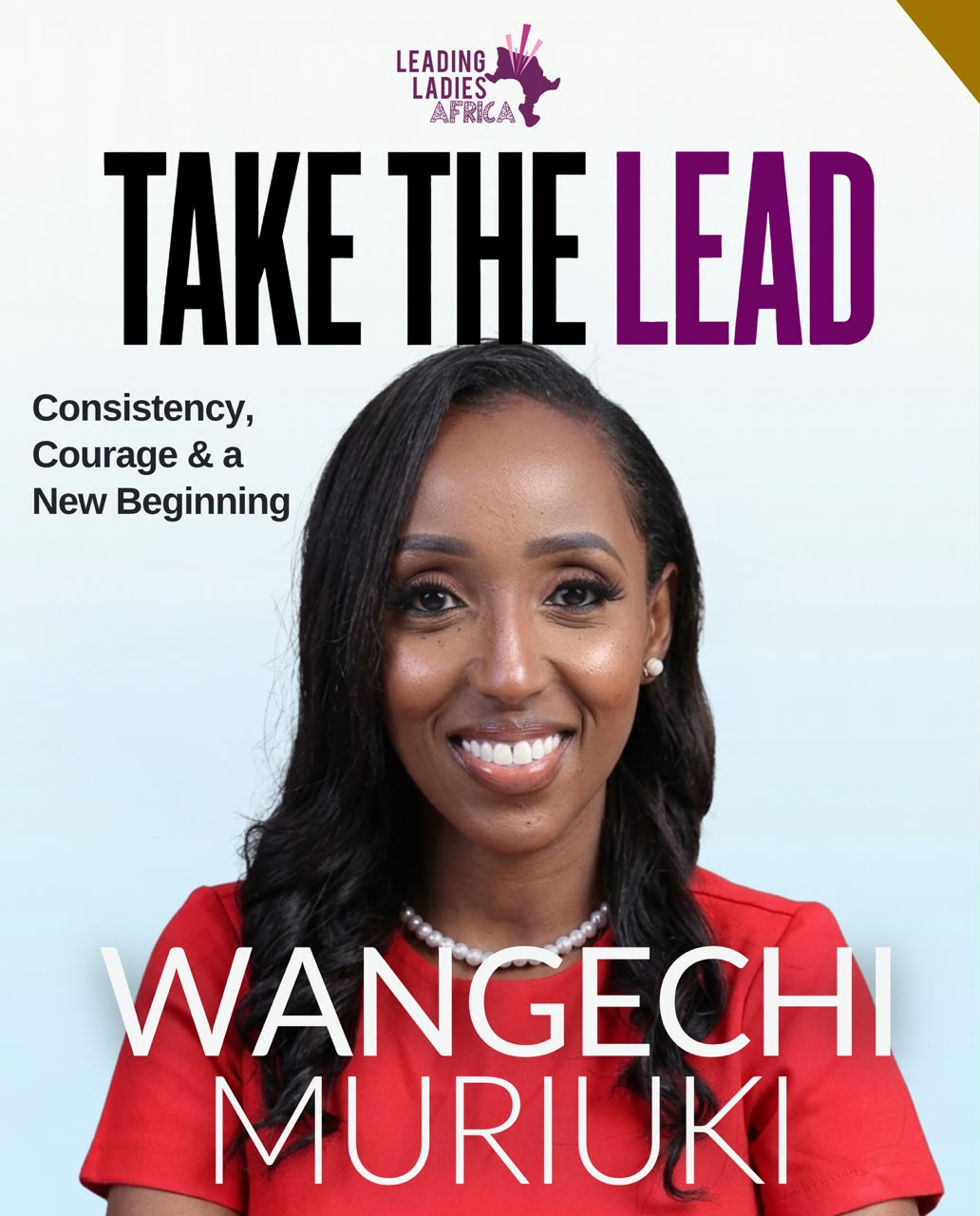
Most journalists spend years trying to get to prime-time. Wangechi Muriuki got there — and then chose to start all over again.
She attended a public school outside Nairobi, the kind Kenyans call polling stations, built her career from the ground up and spent nine years at Inooro TV becoming one of Kenya’s most trusted broadcast voices. She co-hosted Kiririmbi alongside Mike Njenga, anchored prime-time news, hosted Irio to Githeri and produced for Citizen TV. She also paired her journalism degree with a Master’s in Conflict Management, because she has always believed that understanding people matters as much as reporting on them.
Then in January 2025, she walked into NTV — new language, new audience, the same woman who has never confused comfort with growth. She came in as an anchor and senior producer, launched a morning podcast-meets-TV show that found its audience quickly and has since built a parallel career as a corporate moderator trusted by executives, investors and government officials across Kenya.
In this edition of Take The Lead, Wangechi talks about what nine years in vernacular broadcasting taught her about trust, what it really takes to start over when you are already known, and what she wants every woman in a regional newsroom who is dreaming of the national stage to finally believe about herself.
Read the exclusive interview with Wangechi Muriuki.
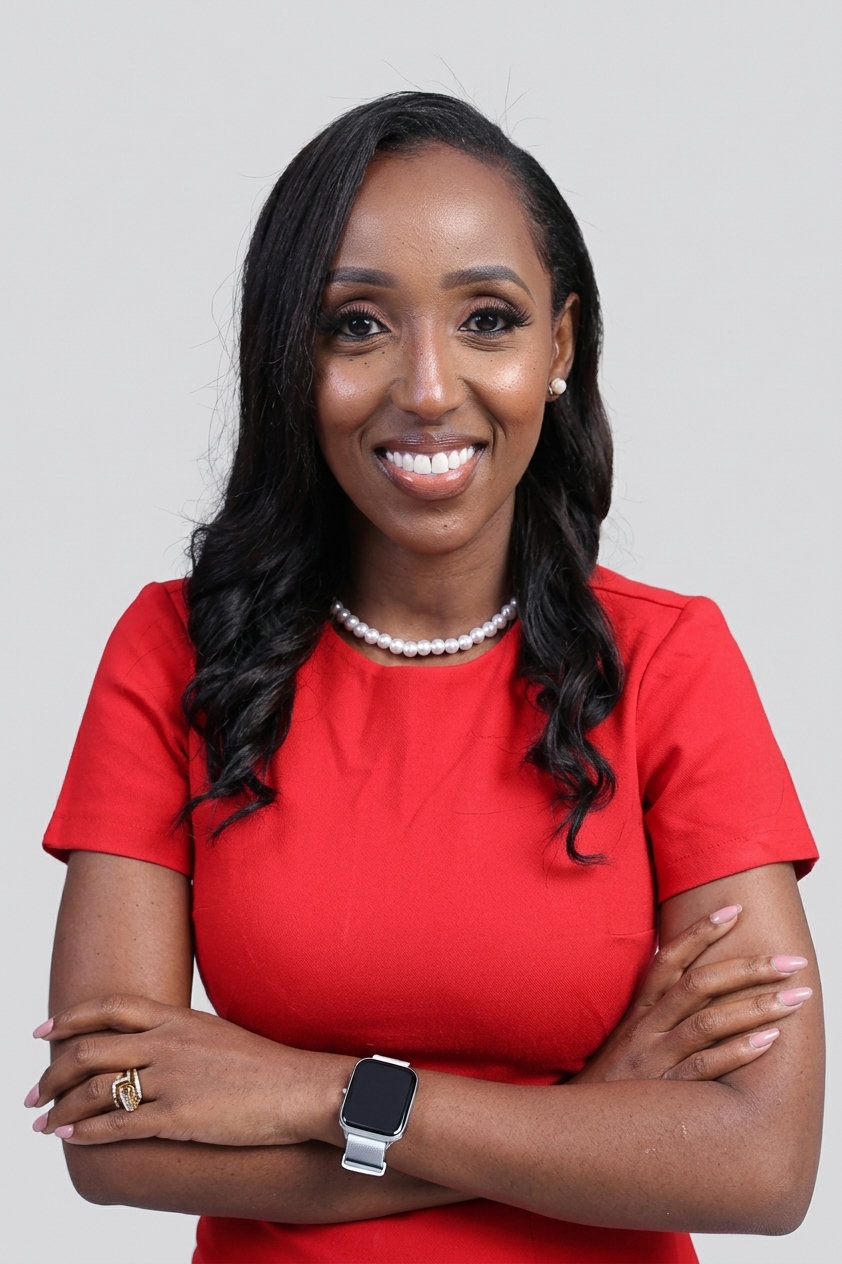
Before the anchor desk, the vernacular stage, and the conference podiums, who is Wangechi wa Muriuki, and what shaped you?
At my core, I am a woman who believes deeply in growth, purpose and the power of using my talent and skills to make a difference. Beyond the titles, I am a daughter,a wife, a mother and someone who has never been afraid to evolve.
My journey has been shaped by my upbringing, my experiences, the people who have believed in me and, perhaps most importantly, the challenges that have forced me to discover strengths I didn’t know I had.I attended a normal public school, in Kenya we call them polling stations, that was outside Nairobi. My Christian background has been at the centre of my journey.
I am a woman who has had to learn that you can be a work in progress and still be worthy of occupying significant spaces. I don’t have everything figured out, but I am intentional about becoming better, doing meaningful work and leaving people and spaces better than I found them. Starting off as a production assistant to hosting a cooking show and later becoming a current affairs and political producer for leading political shows in Kenya, hosting big news makers alongside anchoring and being a corporate moderator. Doing all the above while still being present for my family.
Nine years on Inooro TV made you a household name in your mother tongue. What did speaking to Kenyans in their own language teach you about trust, and what should every communicator understand about it?
My nine years at Inooro TV were some of the most defining years of my professional journey. They taught me that language is much more than a means of communication; it is an identity, an emotion and a bridge to people’s hearts.
When you speak to people in a language they understand deeply, you are not simply delivering information. You are connecting with their experiences, their culture, their humour, their fears and their everyday realities.
I learnt that trust is earned when people feel that you understand them, respect them and are genuinely interested in their lives. You cannot demand trust because you have a microphone, a title or a television platform. You earn it through consistency, credibility, honesty and accountability.
In December 2024 you walked away from a platform where everyone knew your name, and by January 2025 you were anchoring in English at NTV. What does it take to start again when you are already established, and what did you have to unlearn?
Leaving Inooro TV and the station Citizen TV where I worked as a Producer was not that easy but I come to appreciate that sometimes growth requires you to leave spaces where you are celebrated to explore spaces where you have to introduce yourself all over again.
Moving to NTV reminded me that my abilities were not confined to one language, one audience or one platform. I came in as an anchor and a senior producer , began a morning podcast meets TV show and it has been very successful.
You paired a journalism degree with a Master’s in Conflict Management. How has that training changed the way you listen, ask questions and handle difficult conversations, on air and off it?
My academic journey has given me a very interesting perspective on communication. Journalism taught me the importance of seeking truth, asking difficult questions and holding conversations that matter.
Conflict Management, on the other hand, deepened my understanding of human behaviour, differing perspectives and the complexities behind disagreements.
It taught me that what people say is not always the full story. Sometimes, there are underlying emotions, fears, experiences or unmet needs that influence how people communicate.
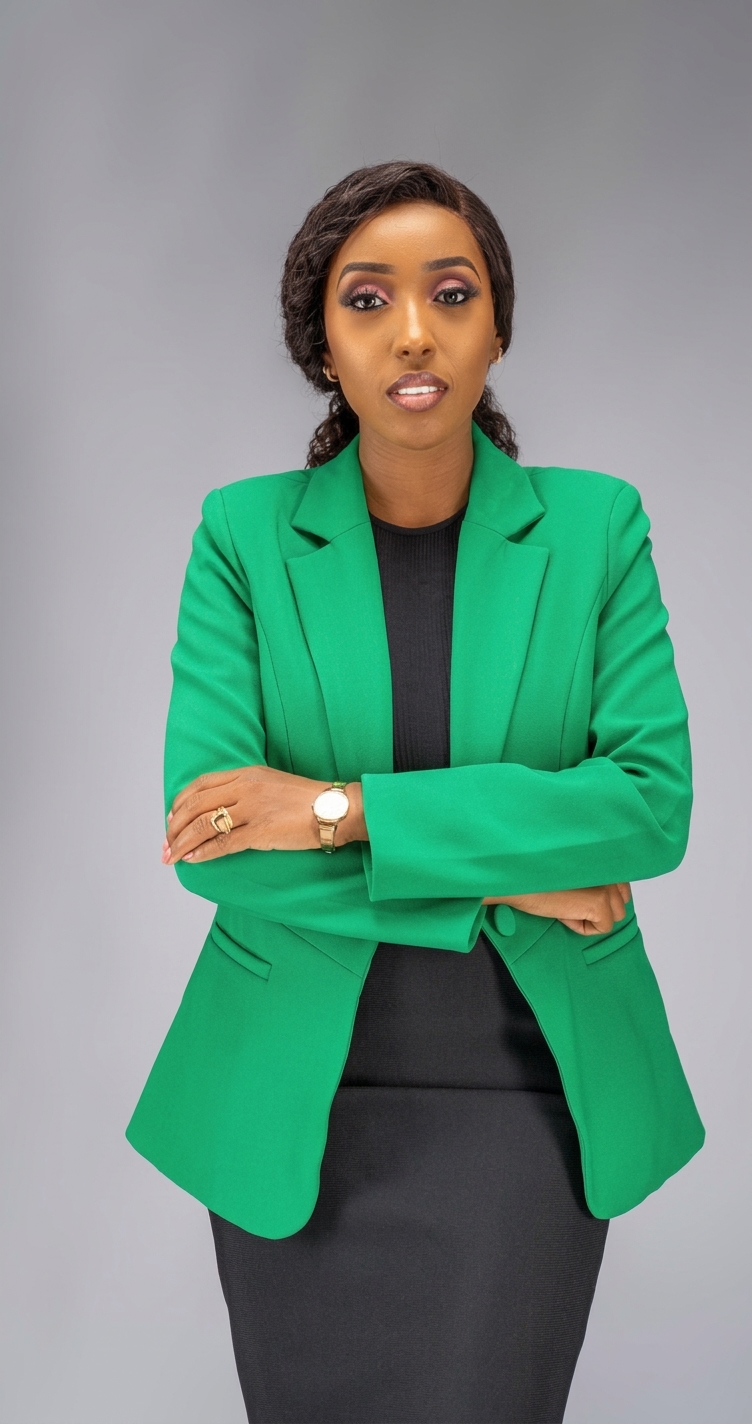
Taking over Kiririmbi meant stepping into a slot a veteran had just left. What does it feel like to fill big shoes in public, and how do you stop the comparison from shrinking you?
Taking over Kiririmbi alongside my co-anchor Mike Njenga was both an honour and a responsibility. When you step into a space previously occupied by someone who has built a strong legacy, you are aware that people already have expectations and a standard they associate with that show.
Comparison is inevitable, particularly in public spaces, but it becomes limiting when you allow it to define your worth.
I remind myself that I am not there to erase somebody else’s contribution or replicate their journey. I am there to make my own contribution.
I believe you can honour the person who came before you without apologising for the person you are becoming.
From the newsroom to the conference stage, you now moderate panels of executives, investors and government officials. What makes a moderator trusted by the room, and what do women need to know before they take that seat?
A good moderator understands that the conversation is not about them, it is about the value they help create in the room.
You must be well prepared, understand the subject matter, know your audience and appreciate the different perspectives represented by the people on the panel. But preparation alone is not enough. You need presence, confidence, emotional intelligence and the ability to think on your feet.
For women stepping into these spaces, my message is simple: prepare thoroughly, know your value and never confuse humility with shrinking yourself.
Take your seat at the table, not because you have all the answers, but because you have something valuable to contribute
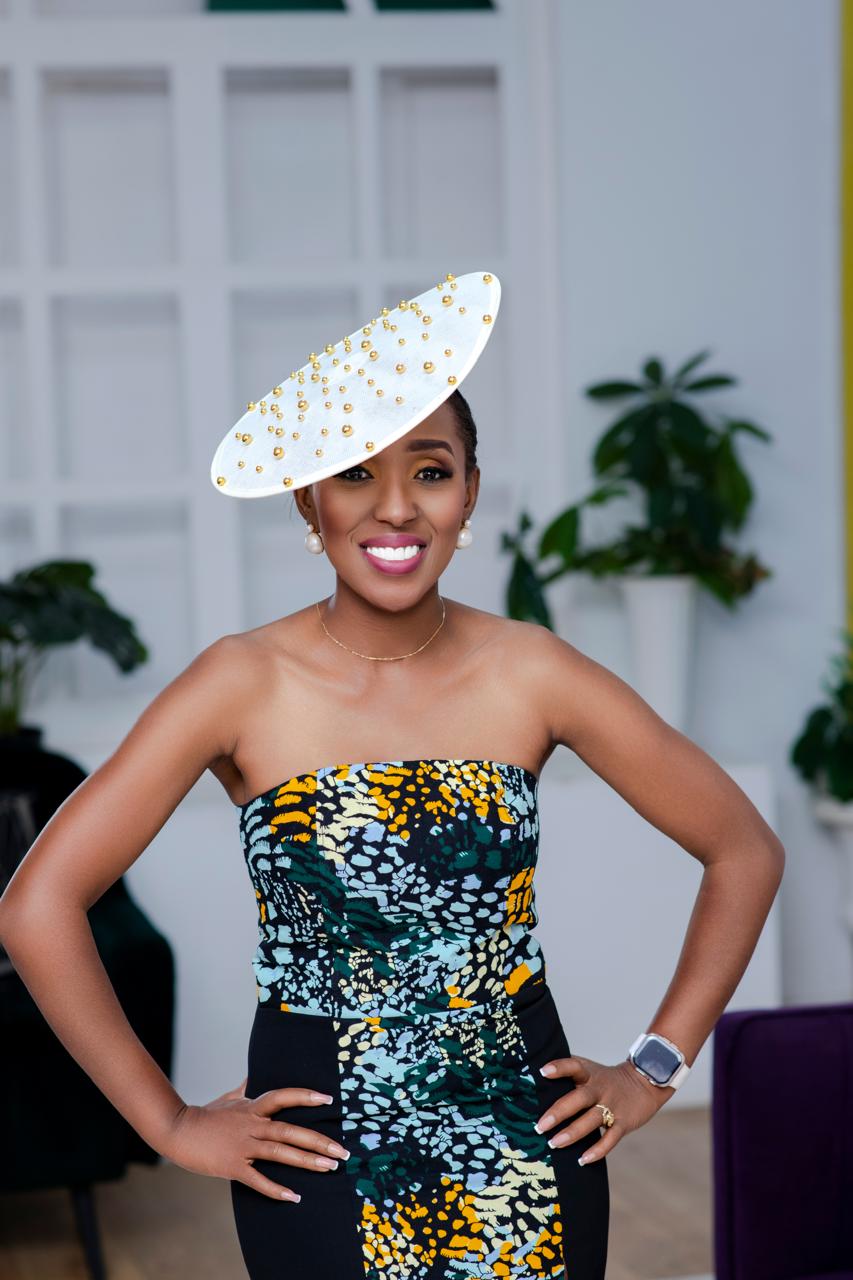
Your mantra is that a diamond is shaped by heat and pressure and that you trust the process.What would you say to the woman in the middle of hers right now?
I would tell her that she is not necessarily falling apart; she may be in the process of becoming.A diamond does not become what it is without undergoing immense pressure.
And while I am not suggesting that we should romanticise pain or remain in situations that harm us, I believe there is something powerful about understanding that challenges can refine us. I have met rejection but that didn’t stop me, it just fueled my passion. Some people will doubt you until you prove them wrong.
To the woman in her difficult season, give yourself permission to grow at your own pace. Do not allow someone else’s timeline to make you question your journey.
Trust the process, but also trust yourself enough to make the decisions that move you towards the life you deserve.
Women in media are expected to be warm, polished and always camera-ready while carrying the same workload as everyone else. What do you want newsrooms and audiences to understand about the pressure women work under?
A woman’s value in the media should never be reduced to how she looks on camera, but should be measured by the depth, integrity and excellence of the work she brings to the table.
I would like newsrooms to recognise that women are not simply faces on television screens. They are journalists, researchers, analysts, leaders, mothers, daughters and individuals with ambitions and responsibilities beyond the newsroom
I also want audiences to remember that the person delivering the news is human. Behind the polished presentation is someone who prepares, studies, works under deadlines and is going through life challenges as everyone else.
What would you tell the young woman in a vernacular or regional newsroom who dreams of the national stage but wonders whether she is allowed to cross over?
I would tell her that her current platform is not a limitation; it is a training ground.
Never allow anyone to make you feel that working in a vernacular or regional newsroom makes your ambitions smaller or your talent less significant.
My own journey is evidence that where you begin does not have to determine how far you can go.
You are allowed to aspire beyond your current environment. You are allowed to occupy national spaces. You are allowed to evolve.
Never mistake the size of your current platform for the size of your potential.
Beyond the desk, the stage and the titles, what do you want the name Wangechi Muriuki to stand for among the women who are still finding their voice?
I would want my name to represent possibility,resilience, and the courage to take risk knowing that im here on earth for a God-given purpose
I want women to look at my journey and understand that they do not have to remain confined to the versions of themselves that the world first became familiar with. You can grow. You can change direction. You can reinvent yourself. You can pursue opportunities that once seemed beyond your reach.