
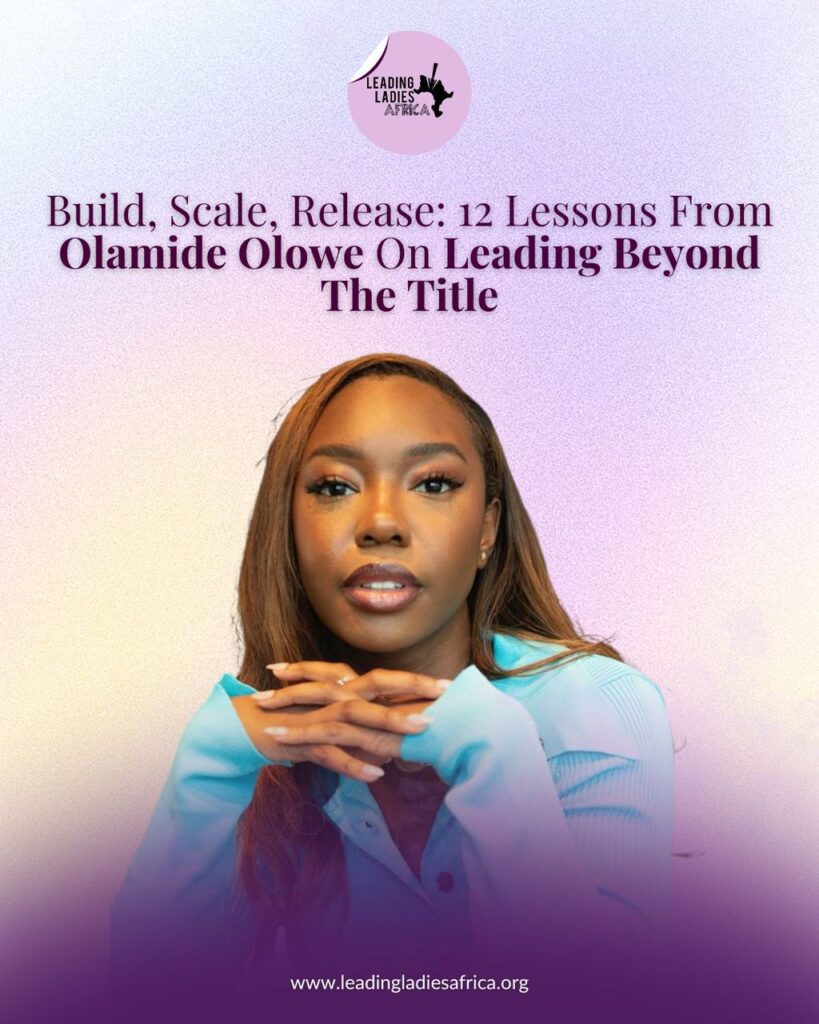
In 2020, Olamide Olowe was 23 years old, freshly out of college, and convinced that the beauty industry had been lying to Black women for decades. Not about everything, but about skin, about who deserved solutions for hyperpigmentation, eczema, and chronic skin conditions and about whose complexion was worth designing for. She wasn’t waiting for the industry to correct itself, so she built Topicals.
What followed was six years of relentless, purposeful, category-defining work. She raised over $22 million in venture funding, becoming the youngest Black woman ever to cross the $10 million mark. She grew revenue 12x in five years. She attracted investors including WNBA star Angel Reese and Nigerian artist Rema. She turned Topicals into one of the fastest-growing skincare brands at Sephora, built a cultural following that most brands spend decades trying to manufacture, and proved, with numbers, with awards, and with an audience that genuinely loved what she had built, that a brand designed for Black skin could dominate the mainstream beauty market, then, at the peak of it all, she has stepped down as CEO.
Not because she failed. Not because she was pushed out, but because she looked honestly at where Topicals needed to go, global expansion into Europe, Africa, and the Middle East, and made the kind of decision that most founders are too attached to their own titles to make. She chose the company’s future over her own role in it. And the woman she chose to lead that future is Sukiana Chancy, former General Manager of Fenty Beauty’s skin, hair, and fragrance divisions, a Black woman with one of the most impressive global beauty careers in the industry, who left her own dream job because she believed in what Olamide had built enough to bet her career on it.
Here are 12 lessons from Olamide’s journey, on building, scaling, and knowing when to lead beyond the title.
1. Build Something Worth Handing Over
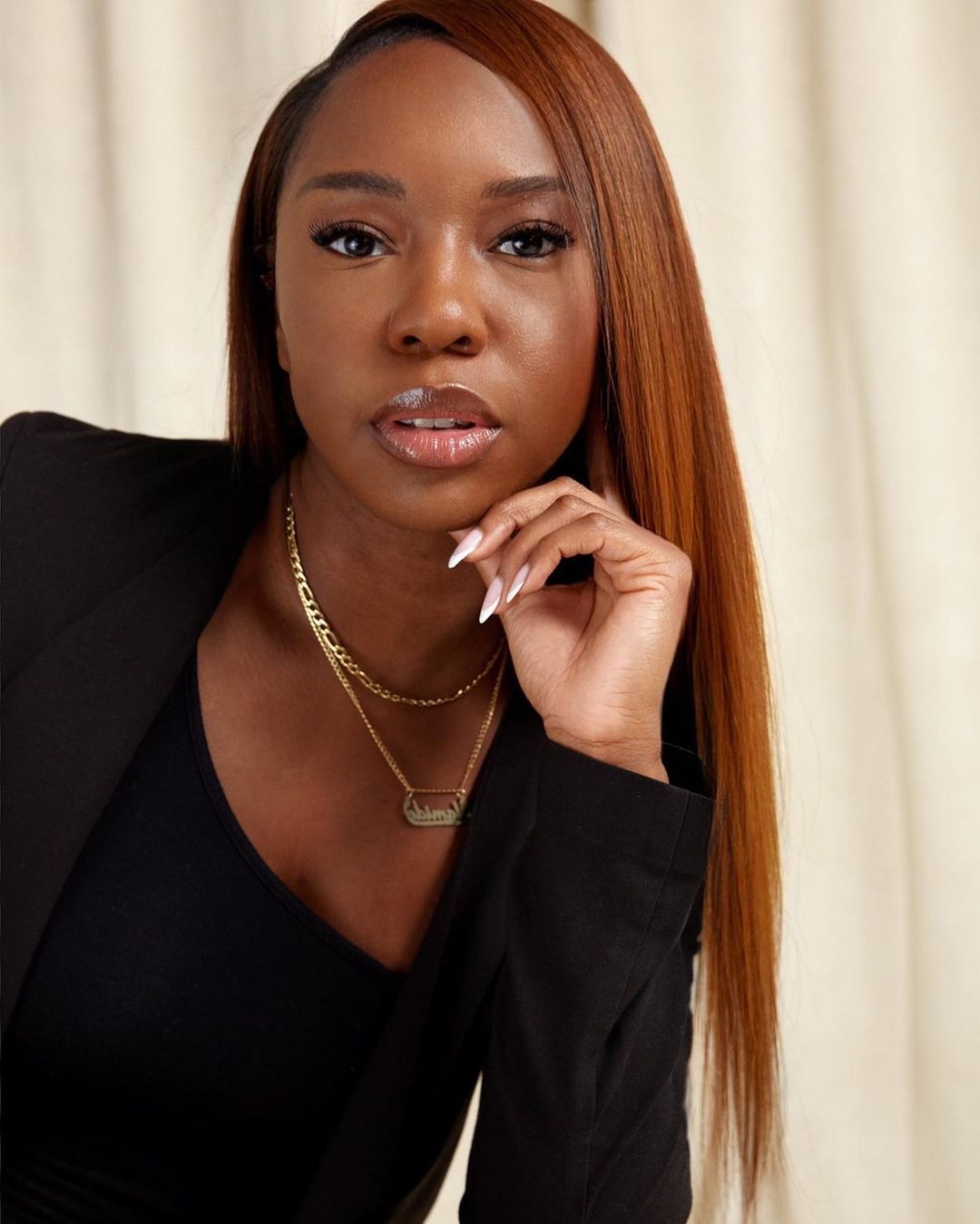
In 2020, Olamide Olowe founded Topicals to solve a problem the beauty industry had been ignoring for decades — chronic skin conditions like hyperpigmentation and eczema, specifically for darker skin tones. At the time, the beauty shelves were full of products designed for lighter complexions, and the women who needed something different were being told, implicitly and explicitly, that their skin was not worth designing for.
Olamide decided otherwise. Six years later, she had raised over $22 million in funding, grown revenue 12x, attracted investors including Angel Reese and Rema, and built one of the fastest-growing skincare brands at Sephora. Before you can hand anything over, you have to build something strong enough to outlive your role in it. She did that first, and she did it with a clarity of purpose that made every subsequent decision possible.
2. Know When The Role Has Changed
Being Topicals’ CEO was once Olamide’s dream job. Then she looked honestly at where the company needed to go, global expansion into Europe, Africa, and the Middle East, and recognised that the next chapter required a different kind of leadership than the one that built it. She didn’t resist that reality. She responded to it.
That kind of honesty is rarer than it sounds. Most founders are so deeply identified with the role they created that admitting it needs to change feels like admitting failure. Olamide separated those two things, the company’s needs and her own identity, and made the decision that served the brand, not the title. The most powerful thing a founder can do is know when the company needs something she isn’t. And then do something about it.
3. Don’t Let The Title Run The Company
Founders are often expected to hold every title and make every decision, to be the face, the brain, and the engine of everything they build, indefinitely. Olamide chose differently. She looked at what Topicals needed to scale globally and made a deliberate structural decision: separate the founder from the CEO, and let each role do what it does best.
“I wanted to partner with someone who has worked their way up through marketing, built a global brand, and managed a profit-and-loss sheet much larger than ours,” she said. That is not the statement of a founder clinging to control. It is the statement of a leader who cares more about where the company is going than about who gets to be in charge of getting it there. Knowing when to make room for someone else is a leadership skill too, and it is one of the hardest ones to develop.
4. Choose Your Successor With The Same Intentionality You Built With
Olamide didn’t just hire a CEO. She chose a partner. Sukiana Chancy, former General Manager of Fenty Beauty’s skin, hair, and fragrance divisions, with previous experience at Cay Skin, Devacurl, and the Estée Lauder Companies, was not a random appointment. She was a deliberate, values-aligned choice. Someone who had built global brands, managed large P&L operations, and understood what it means to build something culturally resonant for Black women.
“Many of the factors that drew her to Fenty Beauty, such as it being a culturally resonant line founded by a Black woman, also drew her to Topicals,” Chancy said. That alignment is not coincidental. It is the result of a founder who knew exactly what she was looking for, not just in terms of skill, but in terms of belief. The people you bring in at the most critical moments define the next chapter of what you built. Choose with the same intentionality you used to build it in the first place.

5. Black Women Choosing Black Women Is A Power Move
Olamide Olowe, the youngest Black woman to raise over $10 million in venture funding, handed the keys of her company to Sukiana Chancy, a Black woman who built her career at some of the most powerful beauty brands in the world. In an industry that has historically overlooked, underfunded, and underestimated Black women, this handover is not just a business decision. It is a statement.
It is what it looks like when Black women build tables and then invite other Black women to sit at the head. When success is not hoarded but extended. When the milestone you achieved becomes the foundation for someone else’s. That is not a small thing. In a world that has spent centuries telling Black women that there is only room for one of us, two Black women just proved otherwise, publicly, commercially, and at scale.
6. Stepping Back Is Not The Same As Stepping Away
Olamide is not gone. She remains involved in day-to-day operations, is still the creative and strategic heartbeat of the brand, and is still the founder whose vision, identity, and relationship with the Topicals community is — as she herself put it, “part of the game.” The transition is structural, not personal. She is not abandoning what she built. She is freeing herself from the operational weight of running it so she can focus on being the reason people fell in love with it in the first place.
This distinction matters enormously for founders who equate stepping back with losing. There is a version of leadership that is about holding everything. And there is a version that is about knowing what only you can do, and making sure you have the space to do it. Olamide chose the second version. You can leave the seat without leaving the mission.
7. Your Founder Story Is A Brand Asset
One of the most revealing things Olamide said in announcing this transition was this: “Having a founder that people love is part of the game.” She is not wrong. In the age of personal brands and founder-led marketing, the person behind the product is often as powerful as the product itself. Customers don’t just buy Topicals because of what it does for their skin. They buy it because of who made it, why she made it, and what she was willing to risk to bring it into the world.
By stepping out of the CEO role, Olamide is not diminishing her presence in the brand. She is freeing herself to be more visible, more vocal, and more connected to the community that made Topicals what it is. Sometimes your best contribution comes not from running everything, but from being the living embodiment of why any of it matters.
8. Great Collaborations Are Built On Mutual Recognition
Sukiana Chancy left what she called her dream job at Fenty Beauty for this. That is not a small thing. She walked away from one of the most coveted roles in the global beauty industry because she saw something in Topicals, and in Olamide, that was worth the leap. “I am excited to work alongside Olamide Olowe to fan the flames on the dope brand that she has brilliantly built,” she wrote.
That language matters. Fan the flames, not replace the fire. Expand, not erase. The best partnerships are not transactional. They are built on shared values, shared vision, and a mutual recognition that what you are building together is worth the sacrifice of what you are each leaving behind. Sukiana didn’t take this job to make it hers. She took it to make it bigger. That is the foundation of a collaboration that can actually last.
9. Build A Brand That Attracts The Best People
Angel Reese invested. Rema invested. Sukiana Chancy left Fenty for it. The calibre of people Topicals has attracted, as investors, as collaborators, as executives, is not accidental. It is the result of six years of building a brand with such clarity of purpose, such cultural specificity, and such commercial credibility that the best people in the industry want to be part of it.
That is the ultimate proof of what Olamide built. Not the revenue numbers. Not the Sephora ranking. The people who chose it. Because the most valuable brands are not the ones with the most impressive metrics, they are the ones that make extraordinary people want to be in the room. Build something worth believing in, and the believers will find you.
10. Choose Longevity Over The Title
Olamide could have stayed CEO indefinitely. Nobody would have questioned it. She had the track record, the credibility, and the cultural capital to hold that seat for as long as she wanted. But she chose what she believed Topicals needed for its next chapter over what she could have kept for herself. She chose the brand’s future over her own title. And in doing so, she demonstrated something that very few founders ever manage to do: she loved what she built more than she loved being in charge of it.
That is a rare and extraordinary thing, and it is the kind of leadership that builds companies that last, not for one founder’s tenure, but for generations.
11. Bigger Vision Requires Bigger Leadership
Topicals is now eyeing expansion into Europe, Africa, and the Middle East. That is a fundamentally different company than the one that launched in 2020. Getting to global requires a different playbook, different infrastructure, different relationships, and different leadership capacity than getting to national. Olamide knew that. And instead of pretending that the structure that got Topicals here was sufficient to get it there, she made the structural decisions necessary to actually close that gap.
Vision without the humility to build the right team around it is just ambition. Olamide paired her ambition with the discipline to ask what Topicals actually needed, and then she went and found it. That is not a retreat. That is strategy at its most sophisticated.
12. Make Room For Someone Else To Win
Olamide Olowe built Topicals. Sukiana Chancy now gets to lead its next chapter, and somewhere in that handover, in that deliberate, intentional, public act of one Black woman choosing another Black woman to carry something she built, is a lesson that goes far beyond business strategy.
Real leadership is not about being indispensable. It is about building something worthy of being passed on, choosing someone worthy of receiving it, and then trusting them enough to let them run. It is about understanding that the greatest thing you can do with the table you built is not sit at the head of it forever, it is make room for someone else to win. That is what Olamide did. And that is what it looks like to lead beyond the title.
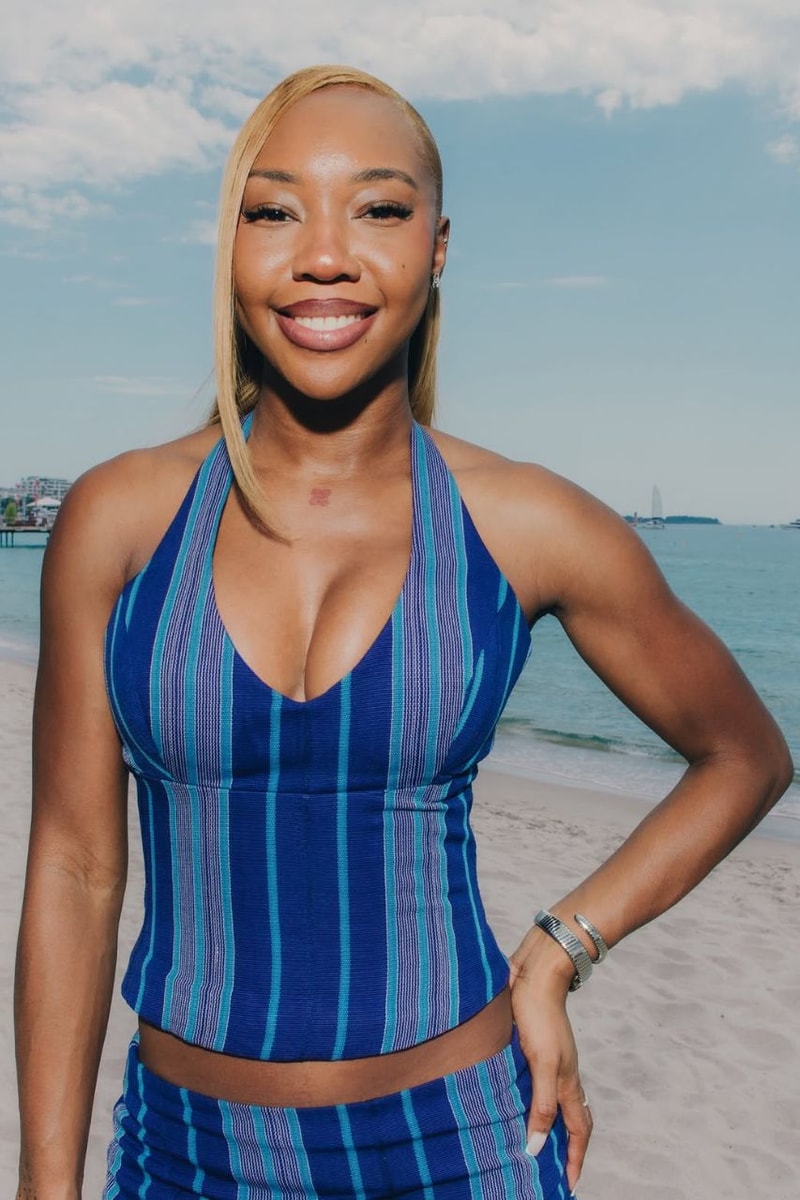
Olamide Olowe did not just build a skincare brand. She built a blueprint for what it looks like when a Black woman leads with vision, scales with intention, and loves what she built enough to let it grow beyond her. The Topicals story is still being written. But the lessons it has already taught us are ones every woman building something should carry with her.