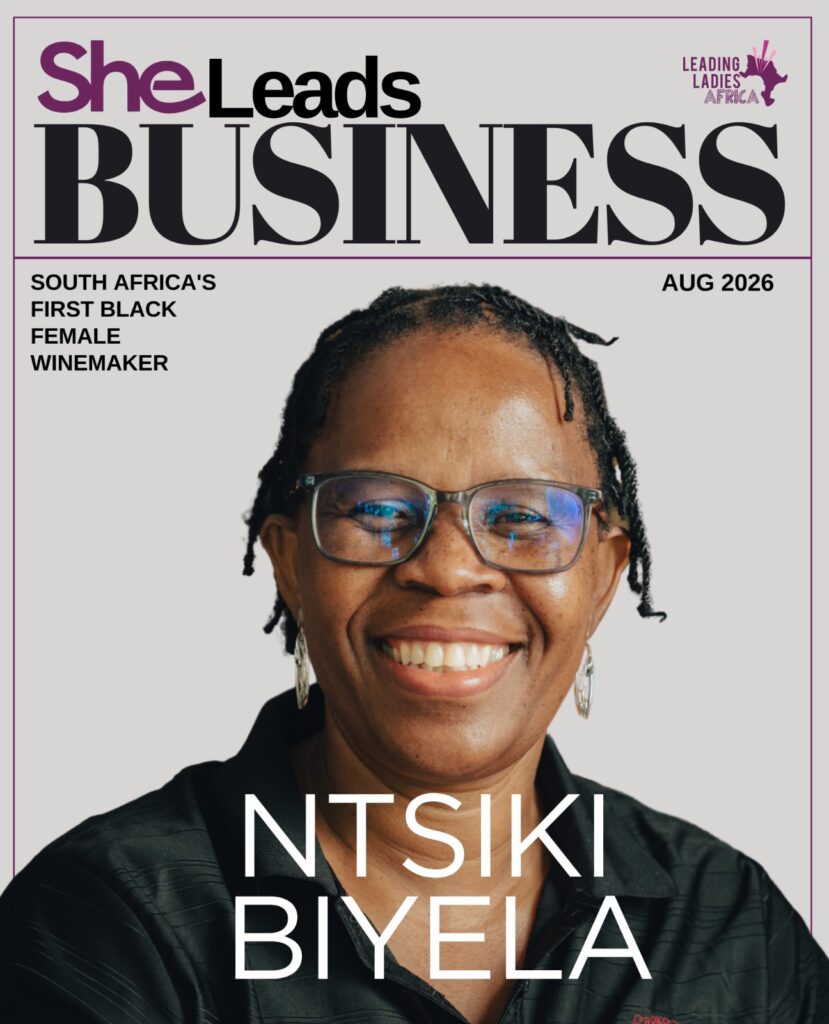
Ntsiki Biyela grew up in Mahlabathini, a rural village in Zululand, where she milked cows, grazed livestock, and was raised by her grandmother in a household built on love and hard work. She had never tasted wine. She had never imagined she would one day make it. Then a scholarship changed everything.
In 1998, South African Airways offered Ntsiki a full scholarship to study viticulture and oenology at Stellenbosch University, one of the most competitive winemaking institutions in the world. Her lectures were delivered primarily in Afrikaans, a language she did not speak. Other students questioned why she was there. The industry she was entering had never seen anyone who looked like her. She stayed anyway because as she will tell you herself, there was nothing to fall back on.
In 2004, Ntsiki became the first Black female winemaker in South Africa when she joined Stellekaya Wines. Her first red wine won a gold medal at the Michelangelo Awards. In 2009, she was named South Africa’s Woman Winemaker of the Year and in 2017, after 13 years of building her craft and her reputation, she bet on herself and launched Aslina Wines, a self-funded, globally exported wine brand named after her grandmother, built on her values of love, authenticity, and care for others.
Today, Aslina Wines is winning international awards and reaching consumers across the world.
In this conversation, Ntsiki opens up about the scholarship that changed her life, what it truly took to stand in spaces that were not designed for her, and what she wants every young African woman who has ever been told her background is a limitation to take from her story.
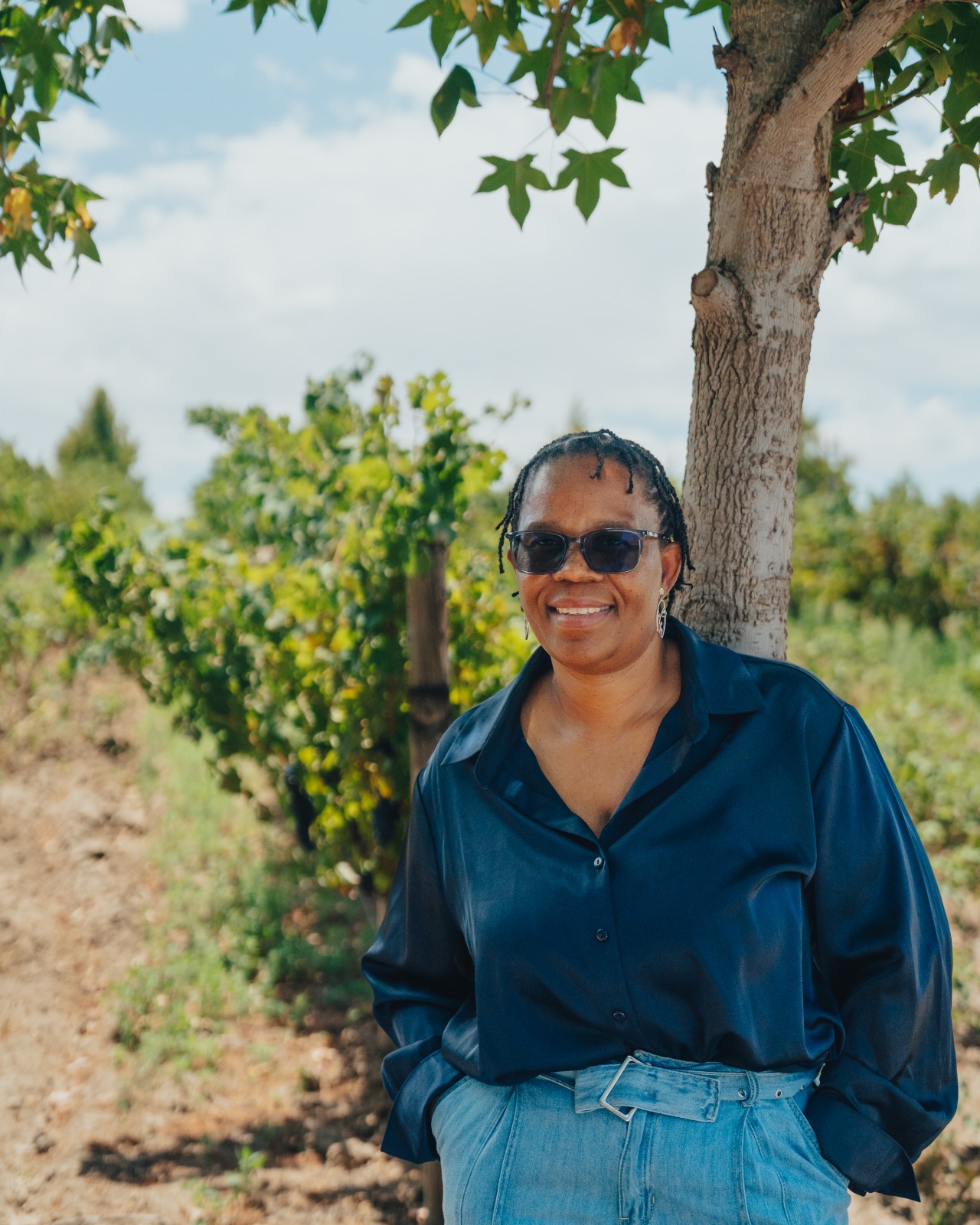
You are a rural girl from Mahlabathini who had never tasted wine, became South Africa’s first Black female winemaker, and built a globally exported wine brand named after your grandmother. Before every title and every award, who is Ntsiki, and what shaped her?
Ntsiki is shaped by the strength of her childhood. I was born to my mother, Chashile Sibiya, a daughter of my grandmother, who worked as a domestic worker in Durban. She had only two daughters, me and my sister. Growing up, I was raised by my grandparents in Mahlabathini, and I was doing what was in those days categorised as the boys’ jobs, milking cows, taking them to the grazing land, and helping with the slaughtering of goats when needed. I spent time with both girls and boys and was involved in both kinds of chores. That upbringing taught me that there are no limits to what you can do and I have carried that belief into everything I have built since.
A scholarship changed the entire trajectory of your life. Looking back at the girl who received it, what did she have inside her that made her ready for everything that came next?
Looking back, what that girl had was a singular focus. All I wanted to do was change my life and take care of my family and that desire was strong enough to carry me through everything that followed. The scholarship opened a door I had never imagined, but the determination to walk through it and stay the course was already there. I did what I set out to do and I did it for them.
You walked into Stellenbosch University navigating classes taught in languages that were not your own, in an industry that had never seen someone like you. What kept you standing when everything around you was designed to make you doubt yourself?
Walking into Stellenbosch, I quickly understood the reality of where I was. The lectures were primarily in Afrikaans, a language I did not speak, and I was navigating an industry that had never seen someone like me. But when I looked at it all, I knew there was no choice. It was either I was going to do it or have nothing to do, there was nothing to fall back on. That clarity was what kept me standing. When you have no safety net, you stop looking down and start looking forward.
You spent 13 years at Stellekaya building your craft, your reputation, and your name, and then you bet on yourself and launched Aslina Wines. What made that the moment, and what were you no longer willing to wait for?
After 13 years of building my craft and my name at Stellekaya, the moment to launch came through divine intervention, when the time was simply right. One of the defining experiences was being selected to attend an African Women’s Entrepreneurship Programme in the US, organised by the State Department. I met women from all over the continent, each navigating their own struggles but making it work. I made friends on that trip and they called me to order. Their intervention, the way they held up a mirror and showed me what I was capable of, gave me the push I needed to finally do what I had been meant to do. I launched Aslina Wines in 2017 and never looked back.
You named your flagship wine Umsasane, the umbrella tree, after your grandmother. How much of who she was lives in the brand you have built?
It is difficult to measure how much of her lives in the brand, but what I can say is that Aslina Wines lives and breathes her values. My grandmother was a woman of love, someone who took care of everyone around her. Those values are not just in the name. They are in how I build relationships, how I approach my craft, and how I want every person who picks up a bottle of Aslina to feel. She is present in all of it.
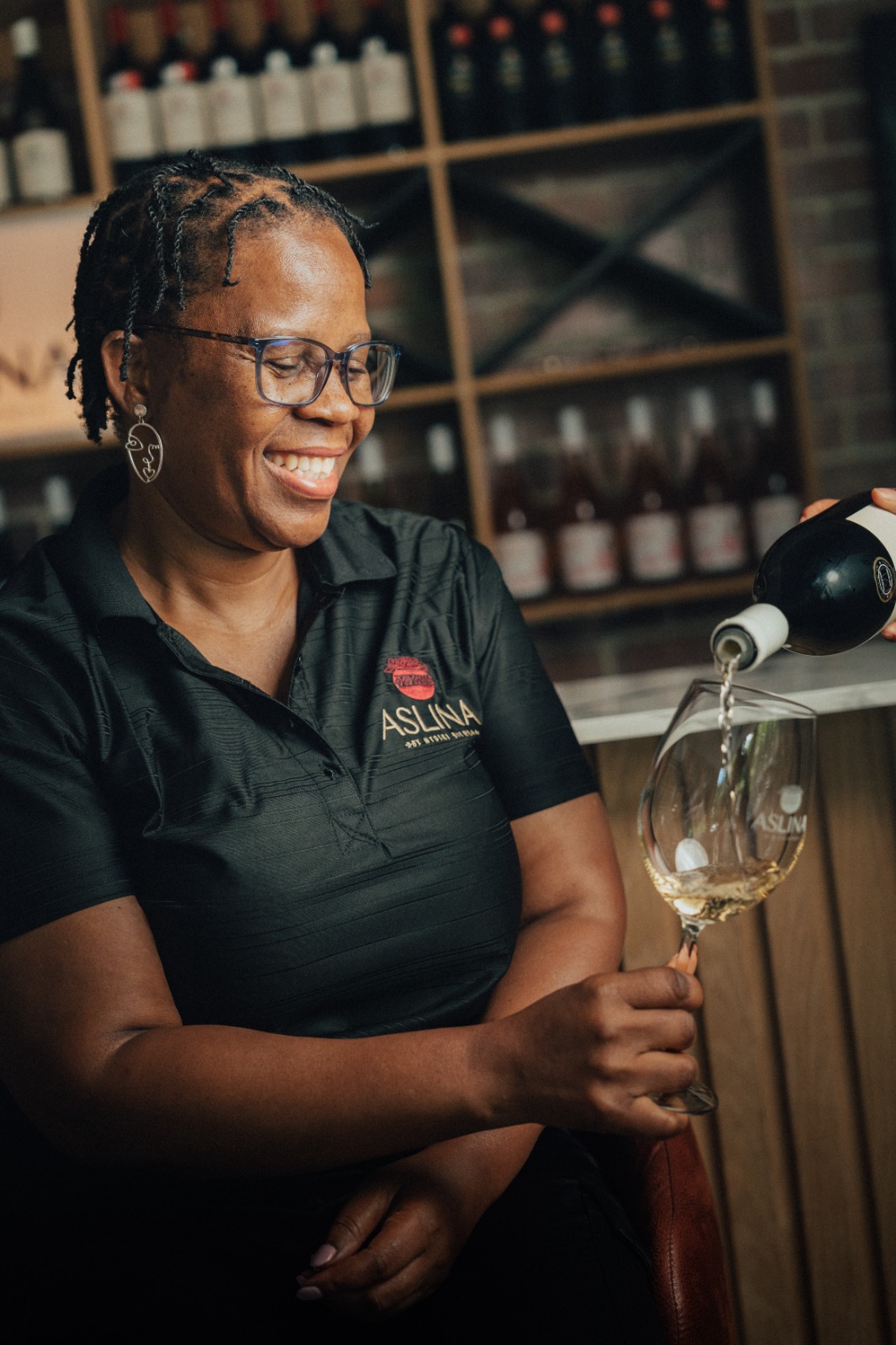
The global wine industry is one of the least diverse spaces in the world. As a Black African woman operating and winning at its highest levels, what has that fight actually looked like from the inside?
Navigating the global wine industry as a Black African woman has required intentionality at every turn. I had to stay focused on the goal and invest in building genuine relationships, even when I encountered growers and industry players who assumed that because I was Black, I knew nothing about wine. I made the deliberate choice to focus on the positives, to let them drive me forward, and to ignore the negatives that could have held me back. That mindset has been one of the most powerful tools in my journey. The fight is real, but so is the progress.
Aslina Wines is now exported globally and winning international awards. What does building a proudly African wine brand that competes on the world stage mean to you beyond the business itself?
Beyond the business, Aslina Wines has become something I did not fully anticipate, it has touched souls, inspired people, and built bridges. It has shown people how far you can go simply by being authentic, to yourself, to those around you, and to the world at large. When I see the response to the brand globally, I am reminded that this was never just about wine. It was about showing what is possible when an African woman backs herself fully and refuses to shrink.
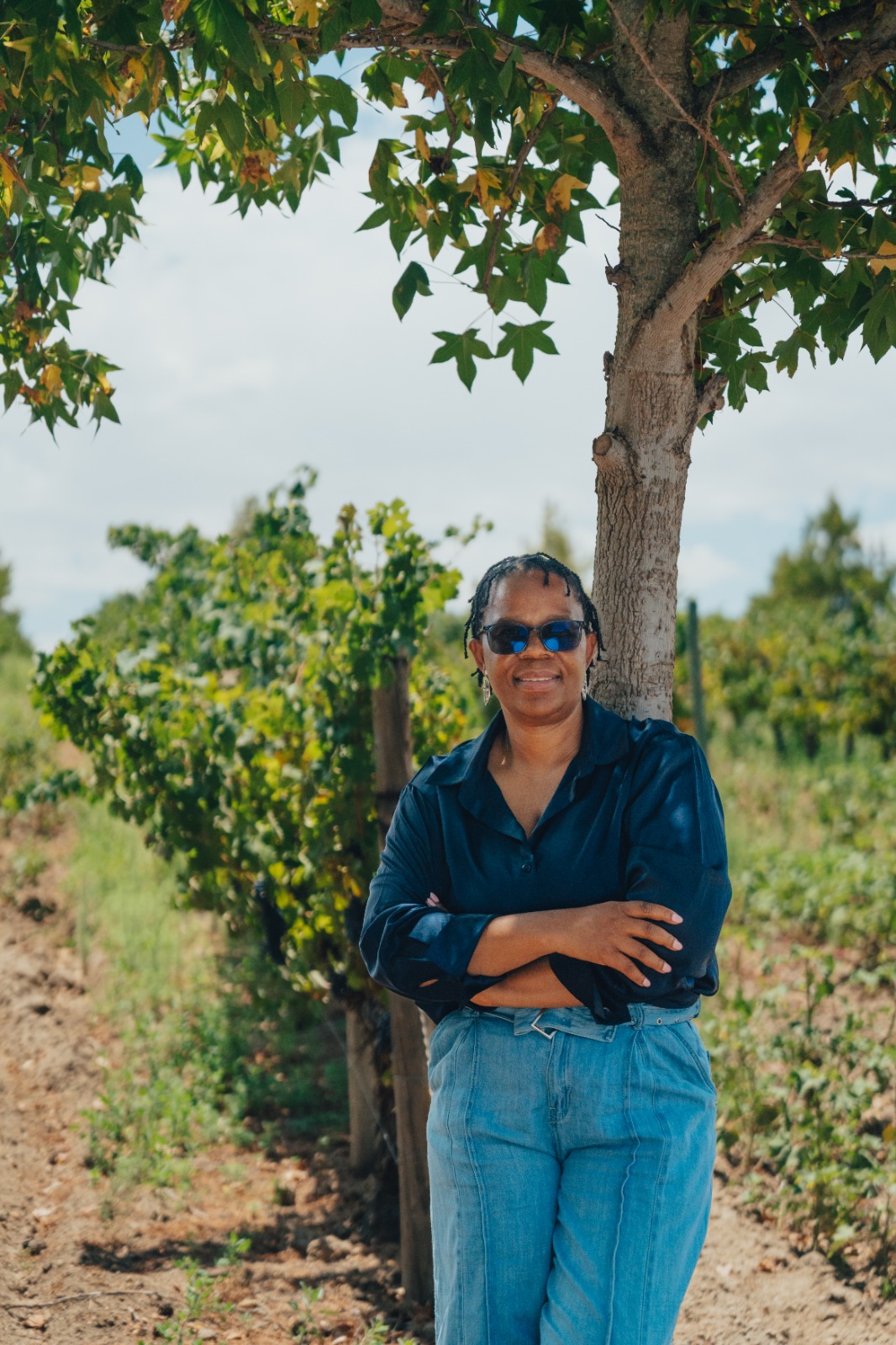
You sit on the board of the Pinotage Youth Development Academy, preparing young South Africans for careers in wine and tourism. What do you want to open up for them that was never opened for you?
The space is already open in ways it was not when I started, and that itself is progress worth acknowledging but what I want these young people to understand is that it does not end there. The door being open is only the beginning. The work within the space still needs to be done to make the environment smoother, more welcoming, and more equitable for everyone who walks through it. My hope is that they see themselves not just as beneficiaries of the space, but as the ones responsible for making it better for those who come after them.
What do you want every young African woman who has ever been told her background is a limitation to take away from the story of Ntsiki Biyela?
I want her to know that your background is not what holds you back, it can be the very thing that makes you rise above whatever you face in the future. Growing up in Mahlabathini, milking cows, navigating university in a language I did not speak, walking into an industry that had never seen me, none of that was a limitation. All of it prepared me. So focus on where you are going, do the work, and ignore the noise. The story of Ntsiki Biyela is proof that it can be done.