Every year, African Women’s Day gives us a reason to pause and celebrate the women moving the continent forward, but this year, we’re widening the lens because “moving Africa forward” doesn’t always look like staying home. Sometimes it looks like a Lagos-raised engineer designing flight paths for NASA. A Kenyan-born nurse rebuilding disability care in Perth. A Congolese daughter of the diaspora building bridges between Paris and Kinshasa. A descendant of the transatlantic slave trade turning a beauty brand into a billion-dollar reckoning with representation.
These are 18 African women, some born on the continent, some generations removed, all carrying its blood, its rhythm, its resilience into rooms it was never meant to enter. They’re rewriting the rules in aerospace, AI, medicine, fashion, film, and beyond, proving that African excellence isn’t confined by borders, passports, or geography. Wherever they’ve landed, they’ve carried Africa with them and the world is better for it.
This is our tribute to the diaspora: women who left, women who stayed connected, and women whose very existence is proof that African brilliance was never meant to be contained.

Charlotte Kalala — Founder of Congo Na Paris, Charlotte Mysha Kalala has built one of the most influential platforms connecting the Democratic Republic of the Congo with its global diaspora. Through the annual forum and cultural festival in France, she has brought together entrepreneurs, policymakers, creatives, and investors to drive conversations around economic development, cultural exchange, and diaspora-led nation-building. Alongside her work as a communications and CSR executive, she has become a leading voice on women’s leadership, corporate strategy, and social impact.
With roots in the DRC, Kalala has dedicated her career to ensuring the Congolese diaspora remains an active force in shaping the country’s future. A cancer survivor, she also uses her platform to champion resilience, health awareness, and mentorship, proving that leadership can bridge continents while remaining firmly connected to home.
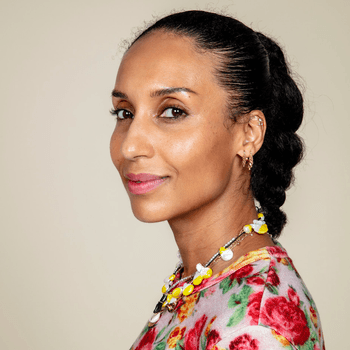
Chioma Nnadi — British Vogue had never been led by a Black woman until Chioma Nnadi took the top editorial job in 2023, succeeding Edward Enninful as Head of Editorial Content. She built the credibility for that role over more than a decade at American Vogue, rising from fashion writer to Fashion News Director before running Vogue.com from 2020 to 2023, where she drove major growth in the site’s audience and social engagement, the kind of digital instinct traditional fashion media desperately needed.
Born in London to a Nigerian father and a Swiss-German mother, Nnadi has used her platform to champion independent designers and pull fashion coverage closer to the culture and music surrounding it, rather than treating style as something that exists in isolation. Anna Wintour has called her “beloved among her colleagues,” but her real legacy may be structural: proving that British Vogue’s editorial future didn’t need to look like its past to still command the same authority.
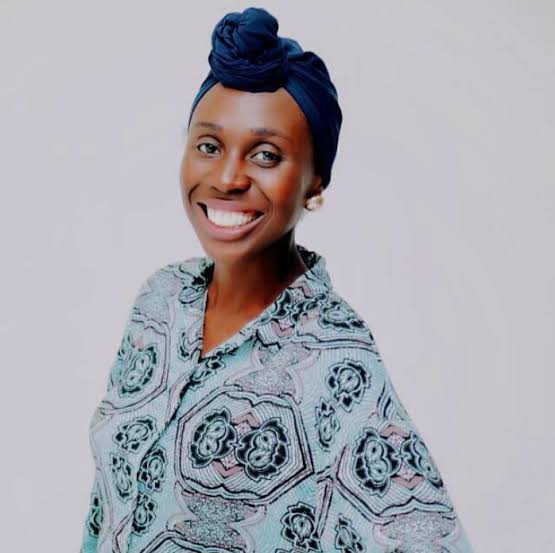
Comfort Arthur — Award-winning animator, filmmaker, and founder of The Comfy Studio, Comfort Arthur is helping redefine African animation through stories that challenge beauty standards, identity, and social norms. Her acclaimed films, including Black Barbie and Imagine, have screened at more than 40 international film festivals, while her studio has become a hub for original African animation. Beyond filmmaking, she has trained and mentored emerging female animators across the continent, expanding opportunities in an industry where African women remain underrepresented.
Born in the United Kingdom to Ghanaian heritage, Comfort made the bold decision to relocate to Ghana and build her creative career on the continent. Her work continues to place African stories, experiences, and perspectives at the center of global animation, proving that locally rooted storytelling can resonate around the world.
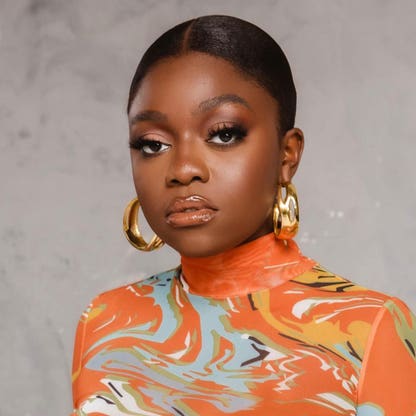
Fisayo Longe — Founder and CEO of Kai Collective, Fisayo Longe has built one of fashion’s most exciting independent brands by turning bold prints, inclusive design, and unapologetic self-expression into a global movement. Her viral Gaia Dress became an international phenomenon, driving remarkable business growth, attracting global recognition from icons like Beyoncé, and challenging conventional ideas of beauty and body confidence. What began as a fashion and lifestyle blog evolved into a brand now worn by women across the world.
The British-Nigerian entrepreneur has kept her heritage at the heart of everything she creates. Drawing inspiration from West African colours, textures, and storytelling, Fisayo has built a globally celebrated brand without sacrificing cultural identity. Beyond fashion, she is committed to mentoring emerging entrepreneurs, proving that African creativity isn’t simply influencing global culture but also helping define where it goes.

Francia Márquez — Vice President of Colombia and the first Afro-Colombian to hold the office, Francia Márquez pioneered a model of grassroots environmental activism before she ever entered politics, organizing a 350-kilometre march of 80 Afro-Colombian women to Bogotá that forced the government to dismantle illegal mining operations threatening her community’s water supply. That fight earned her the Goldman Environmental Prize in 2018, and by 2022 she’d turned decades of land and human rights defense into the vice presidency, later serving as the country’s Minister for Equality and Equity. Her connection to Africa isn’t jjust symbolic, it’s ancestral. As vice president, Márquez launched Colombia’s Africa Strategy, touring South Africa, Kenya, and Ethiopia and describing the continent as “the cradle of humanity”; in Ethiopia, President Sahle-Work Zewde greeted her with the words “Welcome to your roots.”
Descended from the Afro-Colombian communities built by enslaved Africans trafficked to South America, Márquez has made reconnecting Colombia’s Black population with the continent a defining pillar of her time in office, proving that diaspora leadership can reshape foreign policy, not just cultural identity.

Grace Wales Bonner — A menswear line untouched for four decades finally changed hands in 2025, and it went to Grace Wales Bonner, making her the first woman of Black heritage to lead a major luxury fashion house when Hermès named her creative director, succeeding Véronique Nichanian. She earned that appointment through her own label, founded in 2014, where she fused sportswear, tailoring, and deep cultural research into collections that read as much like scholarship as fashion, work that’s earned her the LVMH Young Designer Prize, CFDA International Men’s Designer of the Year, and an MBE.
Born in South London to a White English mother and a Black Jamaican father, Wales Bonner has spent her career treating fashion as one thread in a much larger cultural practice. She’s curated major exhibitions at the Serpentine Galleries and MoMA exploring Black diasporic art, sound, and spirituality, collaborated with artists like Kerry James Marshall and Theaster Gates, and designed official kits for the Jamaican Football Federation, consistently pulling the African diaspora’s aesthetic and intellectual traditions into rooms that rarely made space for them before her.
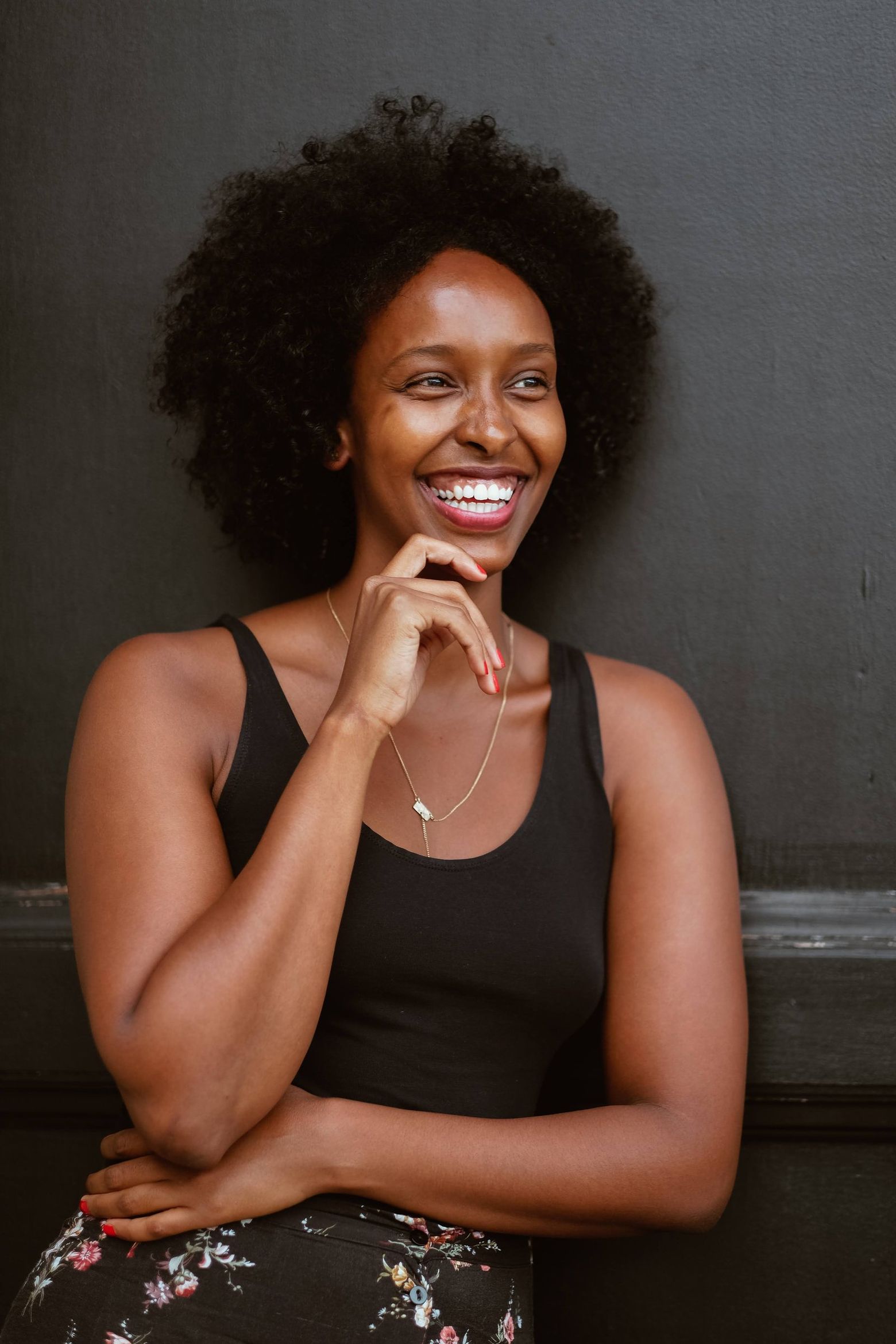
Hawa Hassan — Chef, entrepreneur, and founder of Basbaas Foods, Hawa Hassan has transformed African cuisine from something often overlooked into a globally celebrated archive of history, identity, and resilience. Through her bestselling cookbooks In Bibi’s Kitchen and Setting a Place for Us, she has documented recipes and oral histories from women across the continent, preserving culinary traditions that conflict, migration, and globalization have threatened to erase. Her work has reshaped conversations around African food, positioning it not simply as cuisine, but as cultural heritage worthy of global recognition.
Born in Mogadishu before the Somali Civil War forced her family into displacement, Hassan eventually rebuilt her life in the United States while holding tightly to her Somali roots. Those experiences now shape everything she creates, from the sauces produced by Basbaas Foods to the stories she tells through food. By preserving the knowledge of African grandmothers and amplifying the voices of displaced communities, she has become one of the diaspora’s most influential cultural innovators, proving that heritage can travel, survive, and flourish across generations.

Issa Rae — Award-winning writer, producer, and entrepreneur Issa Rae transformed the entertainment industry by creating stories that Hollywood had long ignored. From her breakout web series Awkward Black Girl to the critically acclaimed HBO series Insecure, she redefined how Black women are represented on screen while building Hoorae Media, a production company committed to giving underrepresented creators ownership of their stories. She has since expanded into music, film, business, and investing, building an ecosystem that extends far beyond entertainment.
With Senegalese roots through her father and childhood years spent in Dakar, Issa has remained deeply connected to her African heritage throughout her career. That perspective has shaped both the stories she tells and the communities she invests in, using storytelling not only to entertain but to expand opportunity for Black creatives around the world.
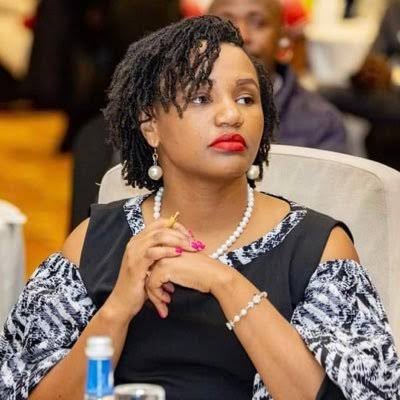
Joan Chebet Gregory — Joan Chebet Gregory is the founder and CEO of Alpha Carers Australia, where she has transformed how complex disability care is delivered across Australia. By pioneering high-complexity support models that combine continuous clinical nursing with everyday disability care, she has helped people living with severe brain injuries, spinal injuries, and permanent ventilation receive specialist care from home instead of hospitals. Her work has also reshaped disability services through personalized care models and stronger collaboration between healthcare providers and community support systems.
Born and raised in Kenya, Joan relocated to Australia to study nursing, an experience that exposed the gaps in care for people with complex disabilities. Rather than accept the system as it was, she built one that worked better. Today, Alpha Carers is recognized for delivering compassionate, person-centered care that continues to influence Australia’s disability and healthcare sectors.
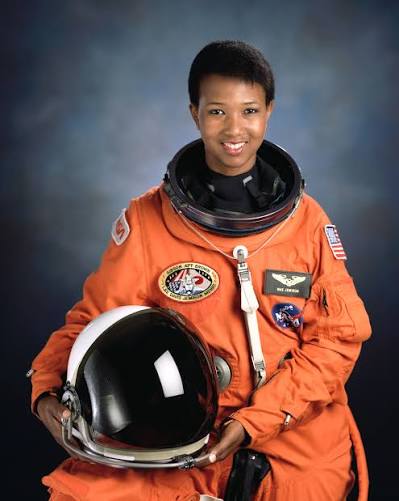
Mae Carol Jemison — She made history as the first African-American woman to travel into space, logging over 190 hours in orbit during her nearly eight-day mission aboard the Space Shuttle Endeavour in 1992 as a mission specialist on NASA’s STS-47. She carried a West African statuette and a photo of pioneering aviator Bessie Coleman with her into space, and after leaving NASA in 1993, she founded a technology research company and later became principal of the DARPA-funded 100 Year Starship project. A physician as well as an engineer, she’d already served as a Peace Corps medical officer in Liberia and Sierra Leone before ever applying to the astronaut corps.
Born in Alabama and raised in Chicago, Jemison has spent decades using her platform to push for equity in STEM and better healthcare access in the developing world, founding a science camp for teenagers that’s run in South Africa and Tunisia alongside its U.S. locations. She remains one of the most decorated women in American science, inducted into both the National Women’s Hall of Fame and the International Space Hall of Fame, and continues to argue that representation in science is overdue.
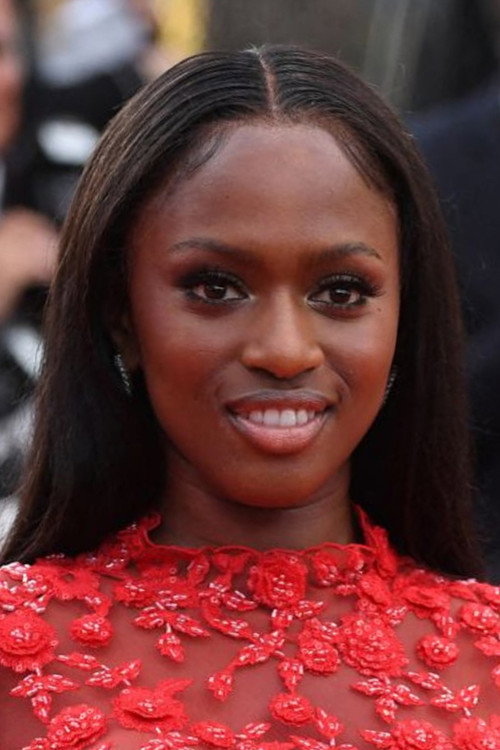
Maïmouna Doucouré — The filmmaker pioneered a body of work that refuses to look away from the messiest parts of girlhood, tackling hypersexualization, exclusion, and identity through a lens rarely handed to Black Muslim women directors. Her 2020 feature debut Cuties won the Directing Award at Sundance despite becoming the target of a global outrage campaign, a controversy sparked entirely by a Netflix marketing poster she never approved and her follow-up film Hawa premiered at the Toronto International Film Festival in 2022. She’s now developing a biopic on Josephine Baker, another Black woman who built an unlikely legacy across borders.
Born in Paris to a Senegalese family, Doucouré has never separated her filmmaking from her heritage, drawing directly from her own upbringing in a polygamous Senegalese household to shape stories about childhood and belonging. In 2017, accepting a César Award, she spoke openly about navigating a white, male-dominated industry as a Black Muslim woman, a moment that made clear her films weren’t just personal, they were political. France has since knighted her into both the National Order of Merit and the Order of Arts and Letters, recognition for a filmmaker who has consistently put Senegalese identity at the center of European cinema.

Dr. Meriem Elyajouri — The Postdoctoral Fellow at NASA’s Space Telescope made history as the first Moroccan woman to join the institute, where she manages science operations for some of the world’s most important space missions, including the Hubble Space Telescope, the James Webb Space Telescope, and the upcoming Nancy Grace Roman Space Telescope. Her research digs into diffuse interstellar bands, the mysterious absorption features in starlight linked to complex interstellar molecules, work that earned her the PhD Prize for Excellence from the International Astronomical Union. She’s also an extended core team member of the PDRs4All project, co-authoring pioneering papers on the Orion Bar using data from JWST and Hubble.
Born and raised in Morocco, Meriem has made grassroots science education across Africa just as central to her career as her research. She founded SpaceBus Morocco, a mobile astronomy initiative that travels to remote areas teaching children and communities about space science, and has served as Morocco’s National Outreach Coordinator for the IAU, Vice President of the Atlas Dark Sky Foundation, and chair of the 2024 African Astronomical Society conference. Named one of the “100 Young and Exceptional Africans” by The New Africa Magazine, she continues to prove that African expertise belongs at the frontier of space science, both in the lab and on the ground.
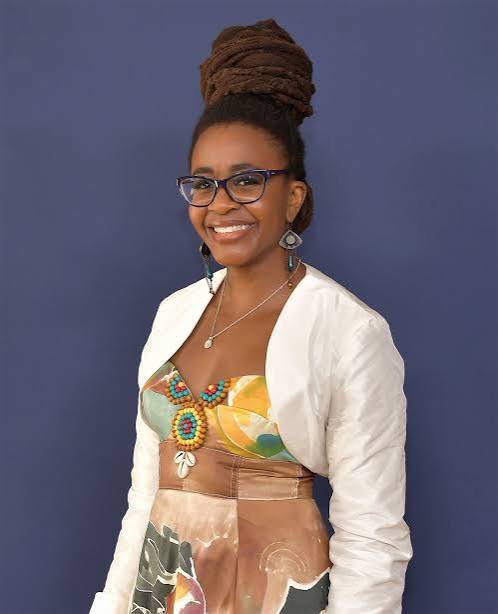
Nnedi Okorafor — Award-winning author Nnedi Okorafor coined the terms Africanfuturism and Africanjujuism, carving out an entirely new literary space for science fiction and fantasy rooted in African settings, folklore, and mysticism rather than Western frameworks. Her Binti trilogy won both the Hugo and Nebula Awards, her novel Who Fears Death won the World Fantasy Award, and she’s since written for Marvel’s Black Panther universe and seen her work adapted for HBO and Hulu, all while insisting that Africa doesn’t need to borrow the genre’s iconic imagery, it can generate its own. In 2024, she was inducted into the Science Fiction Hall of Fame.
Born in Cincinnati to Igbo Nigerian parents who couldn’t return home due to the Nigerian Civil War, Okorafor grew up in Chicago while spending holidays in Nigeria, and describes herself not as Nigerian-American but as “Naijamerican”, a dual identity she credits directly for her ability to write across borders and perspectives. Nigeria remains her muse, its folklore and mythology woven into nearly everything she writes, and her stories consistently center Black girls and women in roles the genre rarely gave them. She’s become one of the clearest examples of how a diaspora upbringing doesn’t just inform African storytelling, it can invent an entirely new genre for it.

Rana El Kaliouby — Dr. Rana El Kaliouby is the co-founder of Affectiva and Emotion AI, building technology that enables machines to recognize and respond to human emotions through facial expressions and vocal cues. Her groundbreaking work has shaped the future of artificial intelligence across healthcare, automotive safety, education, and consumer technology. Today, as Managing Partner at Blue Tulip Ventures, she continues investing in startups building more ethical and human-centered AI.
Raised in Egypt before earning her doctorate at the University of Cambridge, Rana has consistently championed the idea that technology should understand people, not just process data. Through her bestselling memoir Girl Decoded and global advocacy, she continues pushing for a future where innovation is driven by empathy, inclusion, and responsible AI.
:max_bytes(150000):strip_icc():focal(708x346:710x348)/rihanna-savage-x-fenty-celebration-of-lavish-lace-debut-010125-1-bb1cab970949486b87c1b91db11f81dc.jpg)
Robyn Fenty — Founder of Fenty Beauty, Fenty Skin, Savage X Fenty, and one of the world’s most influential businesswomen, Robyn Rihanna Fenty revolutionized the global beauty industry by launching a 40-shade foundation range that challenged decades of exclusion and sparked the now-famous Fenty Effect. She went on to become the first woman to build an original fashion house under luxury giant LVMH, proving that representation and innovation can reshape entire industries while building a billion-dollar empire.
Though born in Barbados, Rihanna’s story is deeply rooted in the African diaspora. With Afro-Guyanese heritage and cultural traditions shaped by generations of African ancestry, she has consistently used her influence to invest in communities connected to that legacy through the Clara Lionel Foundation. From climate justice to education and healthcare, her work extends far beyond beauty, reflecting a vision of leadership that honours heritage while creating lasting global impact.
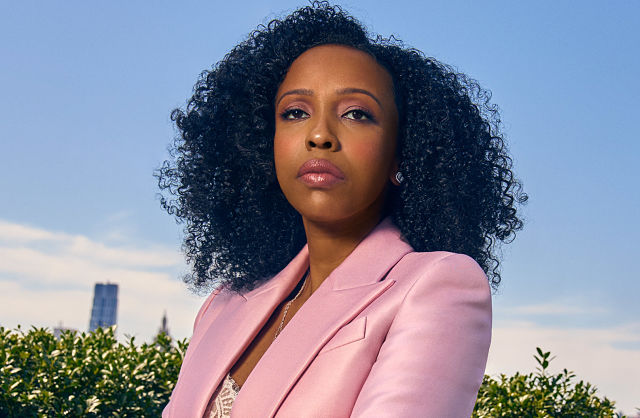
Sara Menker — As the founder and former CEO of Gro Intelligence, Sara Menker pioneered one of the world’s most sophisticated AI-powered agricultural intelligence platforms, using satellite imagery, climate data, and predictive analytics to help governments, businesses, and development institutions anticipate food shortages before they occurred. After leaving a successful career at Morgan Stanley, she built a company that reshaped how the world quantifies climate risk and food security. Though Gro Intelligence ceased operations in 2024, the groundbreaking models and platform Menker developed set a new standard for environmental data analysis and earned her recognition on TIME’s 100 Most Influential People list.
Raised in Ethiopia, where she witnessed the realities of famine and food insecurity firsthand, Menker has spent her career turning data into solutions for the world’s most urgent challenges. A trusted advisor on global crisis response and climate action, her work has helped position Africa not only as a region facing food insecurity, but as a source of innovation capable of shaping the future of global agriculture and policy.
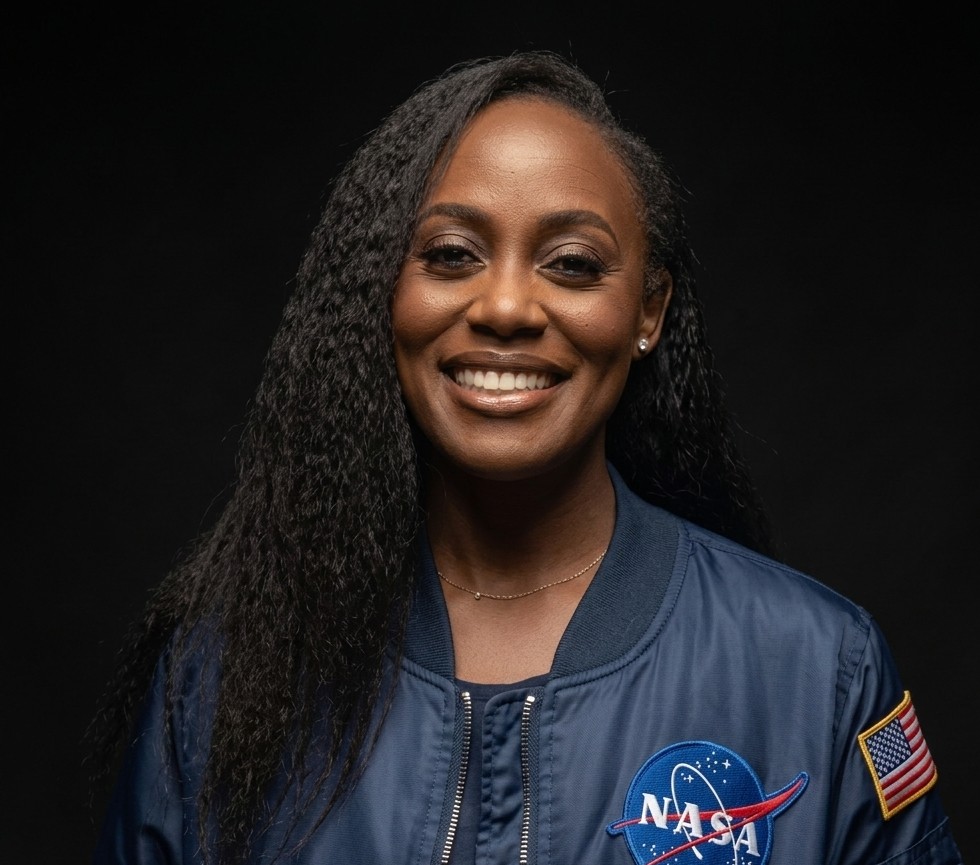
Wendy Okolo — An aerospace research engineer and Associate Project Manager at NASA’s Ames Research Center, Dr. Wendy Okolo is helping shape the future of aviation and space exploration through the autonomous flight technologies powering next-generation aircraft and spacecraft. At just 26, she became the first Black woman to earn a PhD in Aerospace Engineering from the University of Texas at Arlington, later securing a U.S. patent for flight-control technology and contributing to advanced aerospace programmes, including NASA’s Orion mission and Lockheed Martin’s Skunk Works. Her groundbreaking work has earned her some of the industry’s highest honours, including the NASA Exceptional Technology Achievement Medal.
Raised in Lagos before relocating to the United States, Wendy has never lost sight of where her journey began. The Queen’s College alumna has used her platform to champion women in STEM, push for more inclusive workplaces at NASA, and inspire young African girls to imagine themselves in laboratories, boardrooms, and even outer space. Her career is a powerful reminder that African brilliance is helping engineer the future.
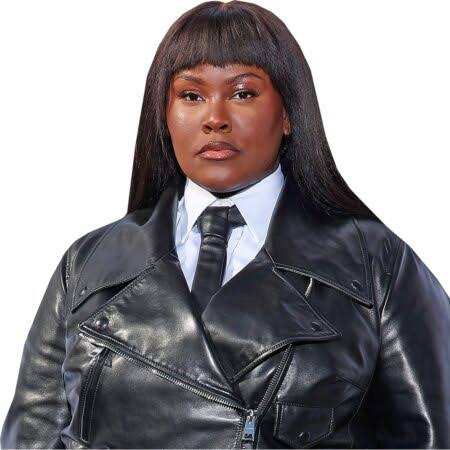
Yseult Marie Onguenet — The French-Cameroonian singer-songwriter, pioneered a fully independent path back into French pop stardom, walking away from Polydor Records after a disappointing debut to found her own label, YYY, and rebuild her career entirely on her own terms through the EPs Noir, Rouge, and Brut. That independence paid off: in 2024 she performed “My Way” at the closing ceremony of the Paris Summer Olympics, released her album Mental, and became an international spokesperson for L’Oréal Paris, all while collaborating with names like Kanye West, Christina Aguilera, and Rema.
Born in Tergnier, France, to Cameroonian parents, Yseult has never separated her artistry from the body and identity politics she grew up navigating in a French music industry that rarely made room for either. Her father initially forbade her from pursuing music, so she skipped school to audition for Nouvelle Star in Paris, a defiance that’s carried through into a career built entirely on refusing to shrink. She’s since modeled for major fashion campaigns and stepped into acting, proving her Cameroonian-French identity isn’t a footnote to her work, it’s the throughline.