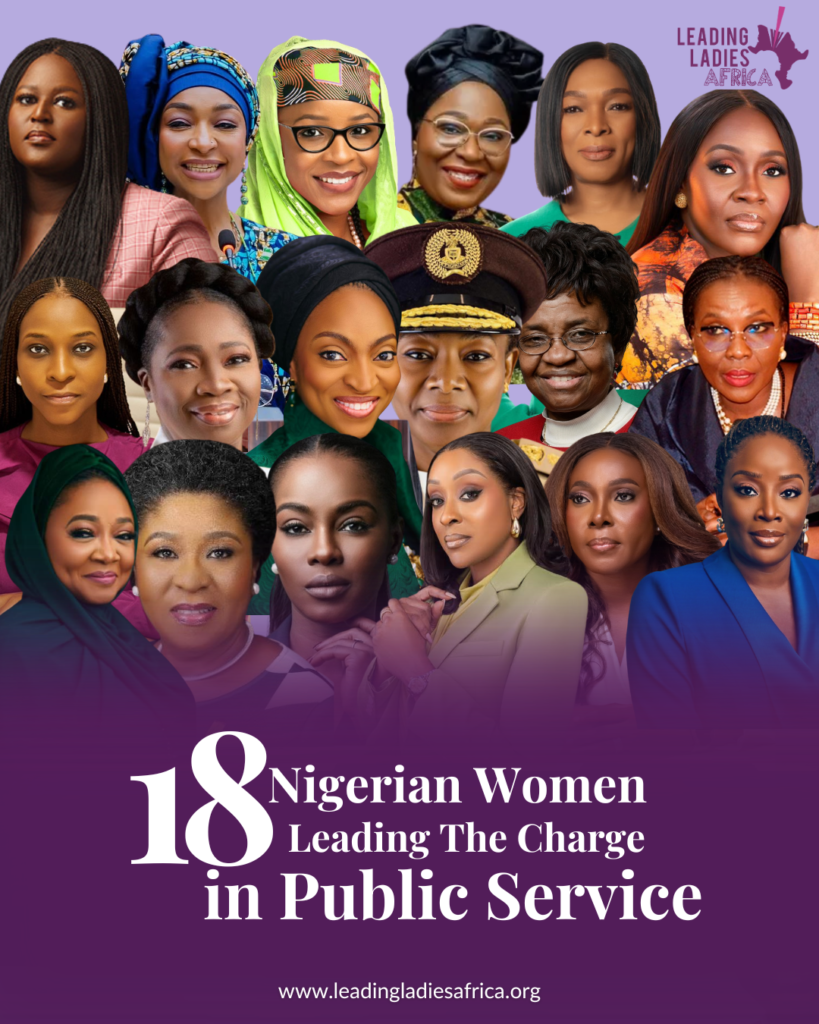
When most people think about power in Nigeria, they think about the men in the room. The ones with the titles on the door and the cameras at the gate, but spend five minutes looking at who is actually running things, who is rebuilding the institutions, fixing the systems, making the hard calls, and showing up for citizens when the system has historically shown up for no one and a very different picture emerges.
It is a picture full of women.
Women who did not stumble into public service but built their way into it, degree by degree, role by role, reform by reform. Women who took broken agencies and turned them into functioning institutions. Women who broke historic barriers so quietly that half of Nigeria still does not know the barrier existed. Women who went abroad, built formidable careers at the highest levels of global tech, finance, and communications, and then came home to bring all of that expertise to bear on the country’s most complex challenges. Women who have been in the trenches long before anyone was paying attention, doing the unglamorous, essential work of governance that does not trend but absolutely transforms.
This list is about those women. The ones holding the line at the Federal Ministry of Justice. The ones digitising immigration infrastructure and satellite communications. The ones protecting survivors of gender-based violence and disability rights. The ones engineering Nigeria’s national reputation from the ground up. The ones running the postal service, the power company, the arts institution, and the civil service and running them with a standard that demands attention.
Nigeria’s public service has some of the most capable, experienced, and driven women on this continent inside it. They deserve to be known by name, understood by work, and celebrated without qualification. That is exactly what this list is here to do.
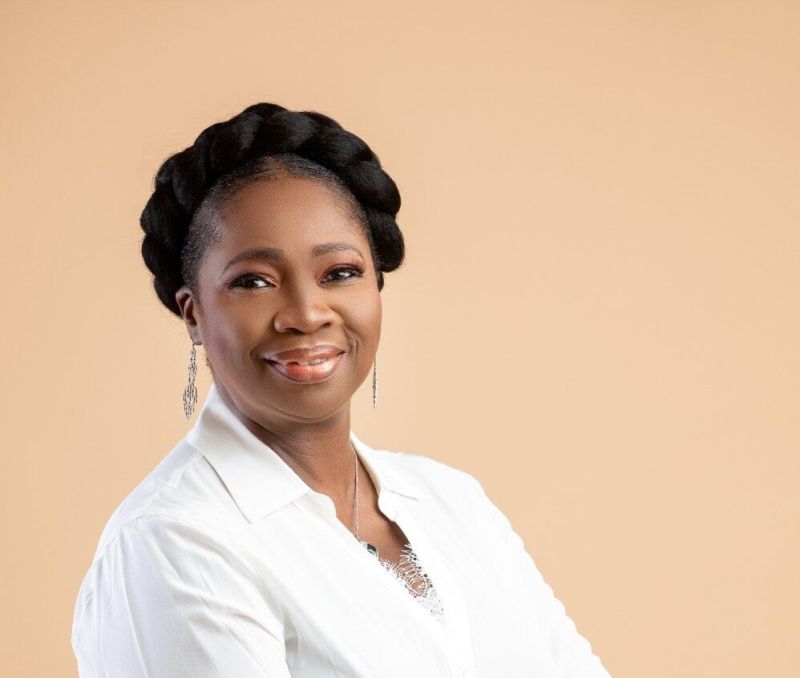
Abike Dabiri-Erewa — As pioneer Chairman and CEO of the Nigerians in Diaspora Commission, Dr. Abike Dabiri-Erewa is the woman the Nigerian government calls when its citizens abroad are in crisis and she answers every time. But what makes her singular in this role is that she did not just accept an appointment to lead NiDCOM. She imagined it, sponsored the bill that created it in the House of Representatives, and then ran it herself, making her perhaps the only Nigerian public servant currently heading an institution she personally legislated into existence.
The road to that moment was built on fifteen years of celebrated journalism at NTA, where she earned the nickname “Mother Teresa of the Tube” for using her platform on the weekly programme Newsline to spotlight child abuse, violence against women, and the stories of Nigeria’s most forgotten people. She carried that same energy into twelve years as a lawmaker representing Ikorodu Federal Constituency, where she also sponsored the Freedom of Information Bill and the Violence Against Persons Prohibition Bill, two of the most consequential pieces of legislation in Nigeria’s recent history. Since taking the helm at NiDCOM in 2019, she has coordinated emergency evacuations across Libya, China, Saudi Arabia, Ukraine, India, and beyond, launched the Nigeria Diaspora Investment Summit, and built a commission that treats every Nigerian abroad not as a statistic but as a citizen worth fighting for. Affectionately called “Lady Diaspora,” she has spent her entire career proving that title right.
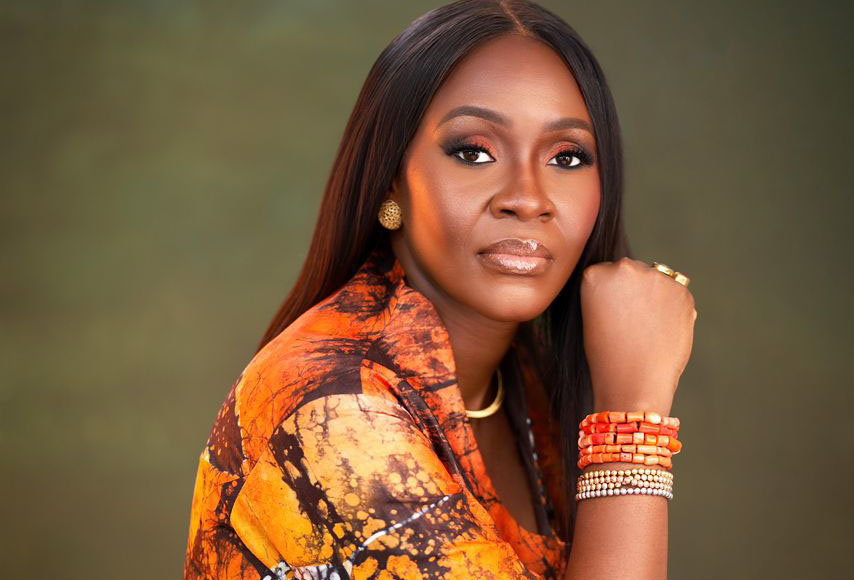
Adenike Oyetunde-Lawal — She is the General Manager of the Lagos State Office for Disability Affairs, and Adenike Oyetunde-Lawal leads that agency with the authority of someone who has lived the reality her policies are designed to address, a bone cancer survivor who had her right leg amputated above the knee during her university years and chose, from that experience, to build a career around protecting the rights of people with disabilities. At LASODA, she oversees disability inclusion policies, data management, and the coordination of Lagos State’s ten recognised disability clusters, while using her legal background to push the agency toward the active prosecution of physical and sexual abuse cases targeting persons with disabilities, a shift from advocacy to accountability that marks her tenure.
Beyond the agency, she founded the Amputees United Initiative, has spoken at TEDx Gbagada, and operates as a multimedia professional using every platform available to challenge the stigmas that make disabled Nigerians invisible in public life. She is a trained lawyer, a certified ADR expert, holds a diploma in special needs education, and has obtained professional certifications in autism, Asperger’s syndrome, and ADHD from the University of Derby. She has published her memoir, Adénìké, and she collaborates closely with neighbouring agencies, including DSVA, which LASODA honoured with a Public Service Inclusion Award, reflecting a philosophy that the most vulnerable Nigerians are best protected when institutions work together rather than in silos.
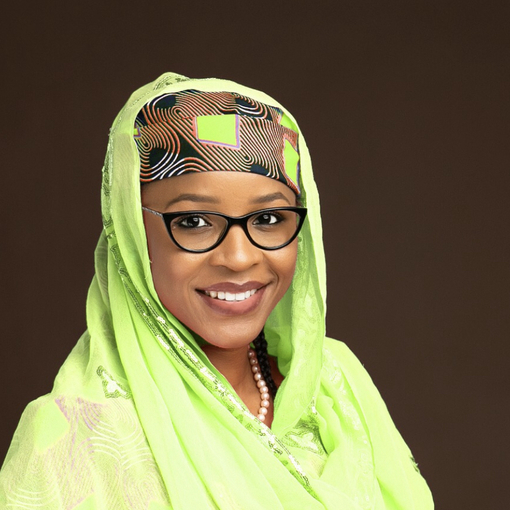
Aisha Adamu Augie — Aisha Augie-Kuta has spent her career on both sides of the cultural equation, creating it as a photographer and filmmaker, and now stewarding it as Director-General of the Centre for Black and African Arts and Culture, the federal institution charged with preserving and promoting Black and African arts on the world stage. Her practice spans documentary, fashion, and aerial photography, and her work has always carried a deliberate philosophical edge: using juxtaposition to insist that there are always two sides to a story, and turning the lens on questions of gender, identity, and belonging drawn from her own experience as a mixed-race, mixed-tribe Nigerian woman who struggled to find her place earlier in life.
Her path to CBAAC ran through government communications and digital strategy; Senior Special Assistant on New Media to the Governor of Kebbi State, then Special Adviser on Digital Communications Strategy to the Federal Minister of Finance, building the kind of public sector fluency that allows her to operate inside bureaucratic structures without being flattened by them. She holds a degree in Mass Communication from Ahmadu Bello University, certifications in digital filmmaking from the New York Film Academy and curating contemporary art from Chelsea College of Arts in London, and co-founded Photowagon, Nigeria’s pioneering photography collective, in 2009. A UNICEF High-Level Women Advocate on Education, a TEDx speaker, and the first woman to contest the House of Representatives primaries for the Argungu-Augie Federal Constituency under a major party, she earned the Creative Artist of the Year award at The Future Awards in 2011 and represented Nigeria’s visual arts sector when the Prince of Wales visited the British Council in Lagos in 2018. At CBAAC, the creator and the custodian are finally the same person.
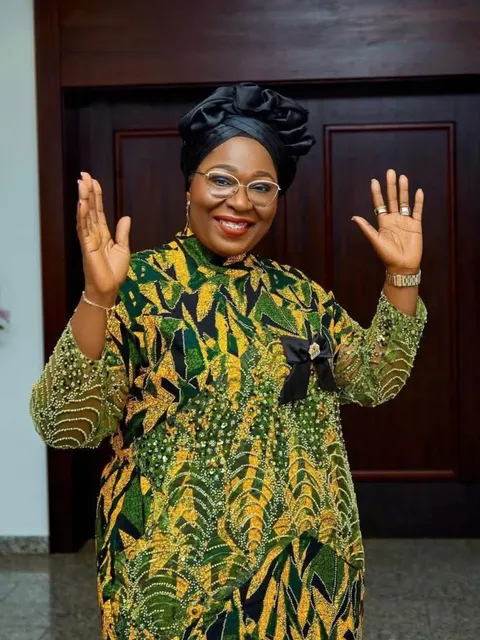
Akon Eyakenyi — As the first democratically elected female Deputy Governor in the history of Akwa Ibom State, Her Excellency, Dr. Eyakenyi, did not arrive at Government House as a political newcomer, she arrived as a woman who had already been a teacher, a commissioner, a federal minister, and a senator. Her career in public service stretches back to 1986, when she began as a classroom teacher with the Cross River State Education Board, and has since taken her through the Akwa Ibom State Ministry of Education, a stint as Commissioner for Industry, Commerce and Tourism, an appointment as Minister of Lands, Housing and Urban Development under President Goodluck Jonathan, and four years representing Akwa Ibom South in the Senate, where she introduced a landmark bill for the establishment of the Nigerian Coast Guard.
She earned her Bachelor of Education while already working in public service, completed her Master of Education in 2000, and obtained her PhD in Curriculum Education during her era of federal ministerial service. Dr. Akon Eyakenyi has never stopped learning, never stopped building, and never waited for the perfect conditions to do either. Now as the first democratically elected female Deputy Governor in the history of Akwa Ibom State alongside Governor Umo Eno, she brings to the role a depth of experience that most people spend a lifetime accumulating. Akwa Ibom has never had an executive leader quite like her.
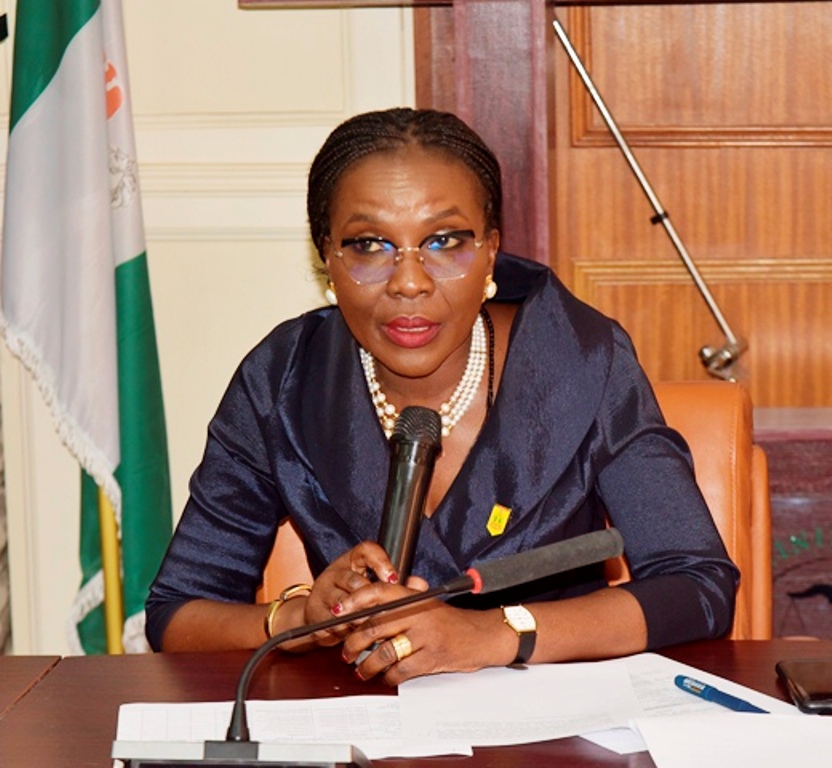
Beatrice Jedy-Agba — As Solicitor-General of the Federation and Permanent Secretary of the Federal Ministry of Justice, Beatrice Jedy-Agba occupies one of the most consequential legal offices in Nigeria and she has the battle scars to prove she belongs there. In 2014, she became the first Nigerian ever to be honoured by the United States Department of State as a Trafficking in Persons Report Hero, a recognition that placed her among a rare global cohort of individuals whose work against human trafficking has genuinely moved the needle. That came from years of frontline advocacy as Executive Secretary of NAPTIP, where she built international enforcement partnerships and took on one of the most complex humanitarian crises in Nigeria’s recent history.
Her transition to the Ministry of Justice brought that same relentless energy to a different arena, justice delivery reform, transparency in international asset recovery, and the systemic strengthening of Nigeria’s legal infrastructure. First appointed Solicitor-General under President Buhari and renewed in March 2026, she has consistently operated at the intersection of law, policy, and accountability, pushing for openness in the management of recovered assets and working in close alignment with the Head of the Civil Service to reward excellence in public service. Beatrice Jedy-Agba is the kind of public servant that institutions are built around.

Chalya Shagaya — As Senior Special Assistant to the President on Entrepreneurship Development in Communications, Innovation, and Digital Economy, Chalya Shagaya brings to the role a profile that defies easy categorisation and that is precisely the point. She is a corporate executive, a brand strategist, a certified forensic crime scene investigator, a culinary chef, a photographer, and a 24-year founder of her own PR and brand strategy outfit. Before arriving at the presidency, she served as Director General of the National Institute of Archaeology and Museum Studies, headed Government Relations at the Nigerian Exchange Group, and built a career that spans oil and gas, maritime, public affairs, and media. What ties all of it together is a consistent focus on building ecosystems, institutions, brands, and the kinds of entrepreneurial environments that give ordinary Nigerians an extraordinary shot.
In her current role, she is spearheading initiatives that strengthen entrepreneurial ecosystems, drive digital transformation, and advance sustainable economic development at the national level. She is also an Editor at Large, a capacity builder, and a policy thinker who understands that the distance between a great idea and a thriving enterprise is infrastructure, the kind she has spent her career helping to create. Chalya Shagaya is the kind of public servant who arrives at government already knowing that creativity and governance are not opposites. In the right hands, they are the same thing.
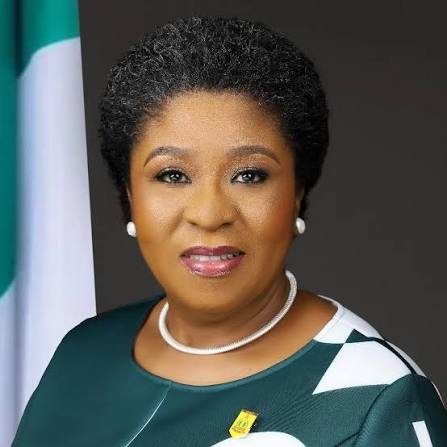
Didi Walson-Jack — As Head of the Civil Service of the Federation, Didi Esther Walson-Jack sits at the apex of Nigeria’s entire public administration machinery and she arrived there carrying thirty-seven years of institutional experience accumulated from the ground up. Called to the bar in 1987 after earning her LLB from the University of Lagos, she began as a State Counsel in Rivers State, rose to Solicitor-General and Permanent Secretary in Bayelsa State, and joined the federal service in 2009, serving as Permanent Secretary across some of Nigeria’s most demanding ministries: Power, Water Resources, Niger Delta Affairs, and Education before succeeding to the role of Head of Service in August 2024.
What distinguishes her tenure at the top is the clarity and ambition of her reform agenda. She is implementing a merit-based performance management system, driving the Federal Civil Service Online Academy to build institutional capacity at scale, and launching the INSPIRE network to embed gender-responsive leadership across the service. She has partnered with CREDICORP to improve staff welfare and pushed for inclusivity in a system that has historically been resistant to it. An Officer of the Order of the Niger, recipient of the African Public Service Award and the African Iconic Female Administrator of the Year honour, and author of the book Roses in the Thorns, Didi Walson-Jack is not merely managing Nigeria’s civil service. She is quietly rebuilding it.
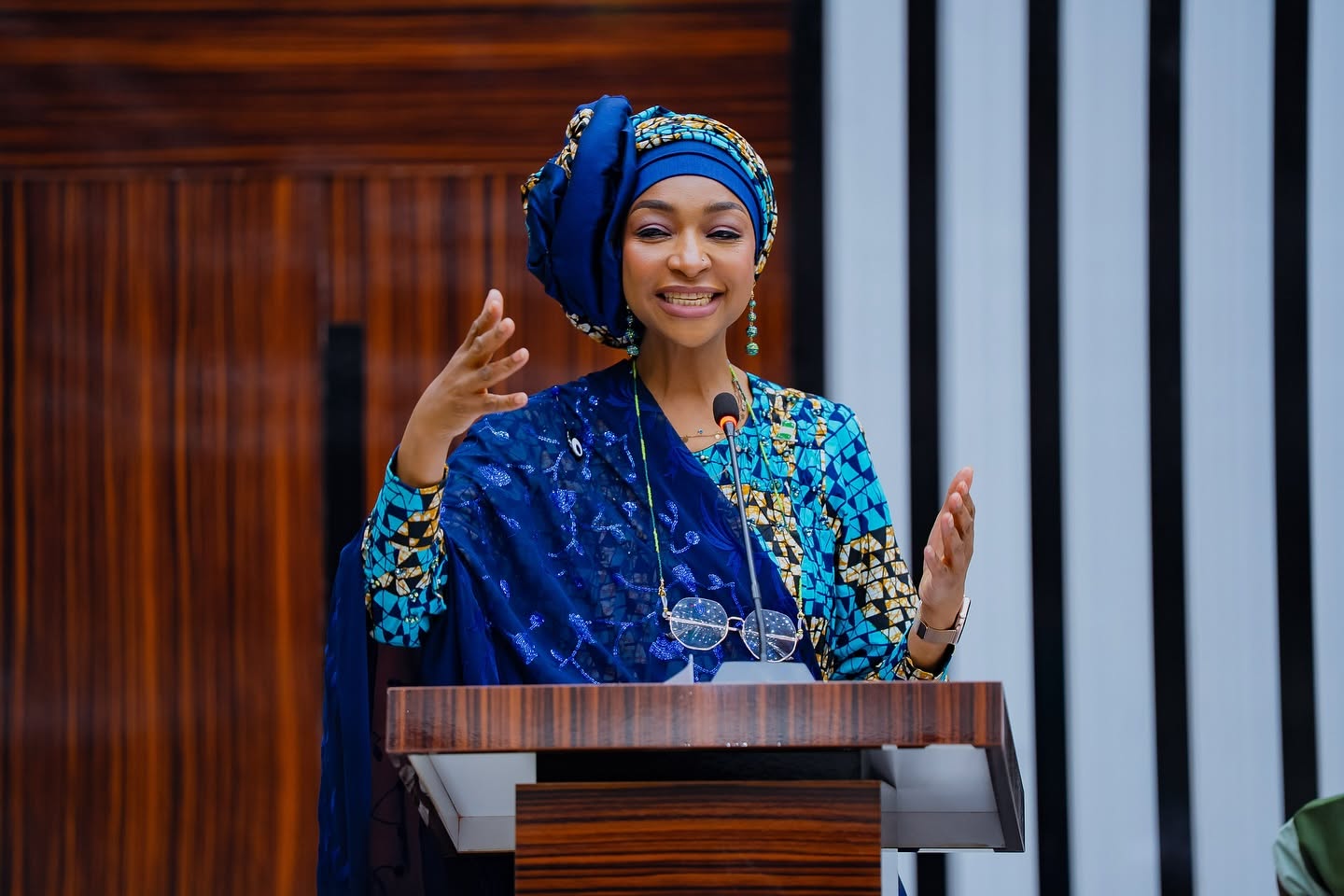
Hannatu Musawa — As Nigeria’s Minister of Art, Culture and the Creative Economy, Hannatu Musawa is the kind of appointment that makes immediate sense: a human rights activist and seasoned lawyer who has spent her entire career fighting for the dignity of people and the integrity of systems, now handed the portfolio that sits at the very soul of a nation. Her legal credentials are formidable: a law degree from the University of Buckingham, a call to the Nigerian Bar in 2003, an LLM in Oil and Gas Law from the University of Aberdeen, an Associate of the Chartered Institute of Arbitrators, and a principal partner at Hanney Musawa & Associates where she has litigated high-profile national and international cases. She is not a woman who does surface-level work.
What makes her story particularly compelling is the structural depth she has brought to a traditionally fragmented sector. Rather than treating culture as a series of transient festivals, she has operationalised it into an economic powerhouse. Under her leadership, the ministry launched the landmark “Destination 2030” initiative, a comprehensive national roadmap designed to transform Nigeria’s massive cultural capital into measurable economic growth, expand global creative tourism, and create millions of jobs for youths. By executing bold public policy with sharp corporate precision, Hannatu Musawa is successfully proving that Nigeria’s greatest resource isn’t underneath its soil, but inside the creative brilliance of its people.
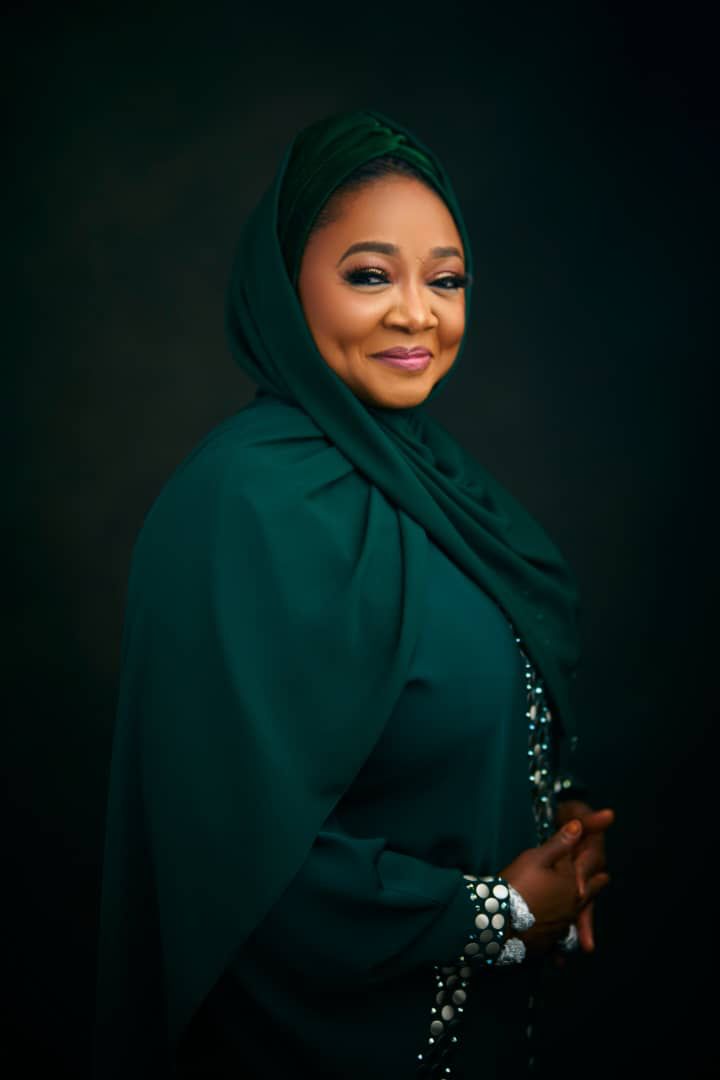
Imaan Sulaiman-Ibrahim — As Nigeria’s Minister of Women Affairs, Imaan Sulaiman-Ibrahim is executing one of the most ambitious gender empowerment mandates in the country’s history, a programme targeting 10 million women over three years, with over 5 million already reached in phase one. To understand what she is building today, you have to understand the road she took to get here: a sociology degree at 19, two master’s degrees by 21, a corporate career in London as a certified SAP consultant, a stint as a senior Mary Kay sales director, and a series of high-stakes advisory roles that sharpened the instincts of a woman who was always, quietly, preparing for something larger.
When her federal appointments began, those instincts proved razor sharp. At NAPTIP, she repositioned an entire agency in six months, enough to move Nigeria off the US Trafficking in Persons Tier 2 Watchlist. At the National Commission for Refugees and IDPs, she impacted over 2 million lives and passed the NCFRMI Act of 2022, a bill that had failed for 14 consecutive years before she arrived. She then broke new ground as Nigeria’s first female Minister of State for Police Affairs, driving a 1,000% increase in revenue allocation and championing reforms that put communities at the heart of policing. Imaan Sulaiman-Ibrahim is the rare kind of public servant who leaves every institution she touches permanently better than she found it.

Jumoke Oduwole — She is Nigeria’s Minister of Industry, Trade and Investment and she arrived at that title having already studied the global trade system at Stanford, taught it at the University of Lagos, and reformed it from inside the presidency, where her leadership as Special Adviser on Ease of Doing Business propelled Nigeria an unprecedented 39 places up the World Bank’s Doing Business Report. Dr. Jumoke Oduwole does not do surface-level work. She has spent her entire career going deeper, into the architecture of trade, the mechanics of investment, and the policies that determine whether a country grows or stagnates.
Her preparation for this moment spans decades and continents. A law degree from the University of Lagos, an LLM from Cambridge, a master’s and doctorate in International Trade and Development from Stanford, stints in corporate and investment banking, a lectureship at UNILAG, a Senior Fellowship at Harvard Kennedy School, and the distinction of being the only African nominated to the World Economic Forum’s Global Future Council on Trade and Investment in 2016. She is a Tutu Fellow of the African Leadership Institute and a Trustee of the Mandela Institute for Development Studies. When President Tinubu appointed her to this role, he made the most logical decision in the room.
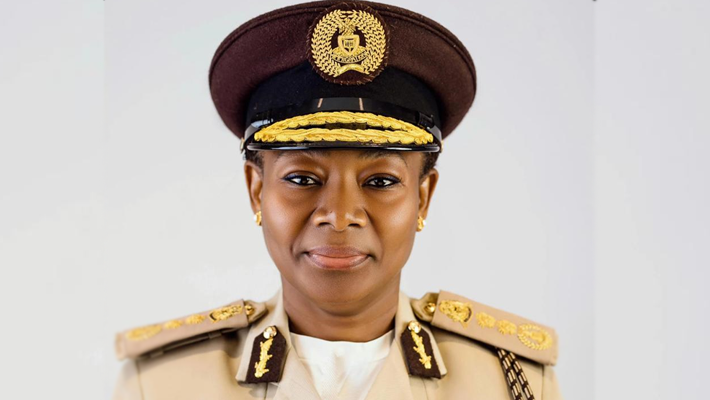
Kemi Nandap — As Comptroller-General of the Nigeria Immigration Service, Kemi Nandap sits at the top of an institution she has spent thirty-five years learning from the inside out. She joined the NIS in 1989 as an Assistant Superintendent, fresh from a biochemistry degree at the University of Ilorin and proceeded to work her way through every significant layer of the service, from the Murtala Muhammed International Airport Command to Zone F Headquarters, from Assistant Comptroller-General to Deputy Comptroller-General overseeing the Migration Directorate, where she tackled human trafficking, smuggling, and international migration cooperation long before those issues became headline conversations.
What distinguishes her tenure at the top is the clarity of her vision for what a modern immigration service should look like. Since her appointment by President Tinubu in March 2024, she has driven a sweeping technological overhaul of Nigeria’s immigration infrastructure, deploying the Advance Passenger Information System, installing e-Gates at airports, automating visa issuance and passport processing, and advancing the e-Border Solution Project that is quietly transforming how Nigeria manages its borders. She arrived at the Comptroller-General role having already modernised the Passport and Other Travel Documents Directorate in the months before her appointment, so when the top job came, she was not starting from scratch. Kemi Nandap has been building toward this moment for three and a half decades and it shows.
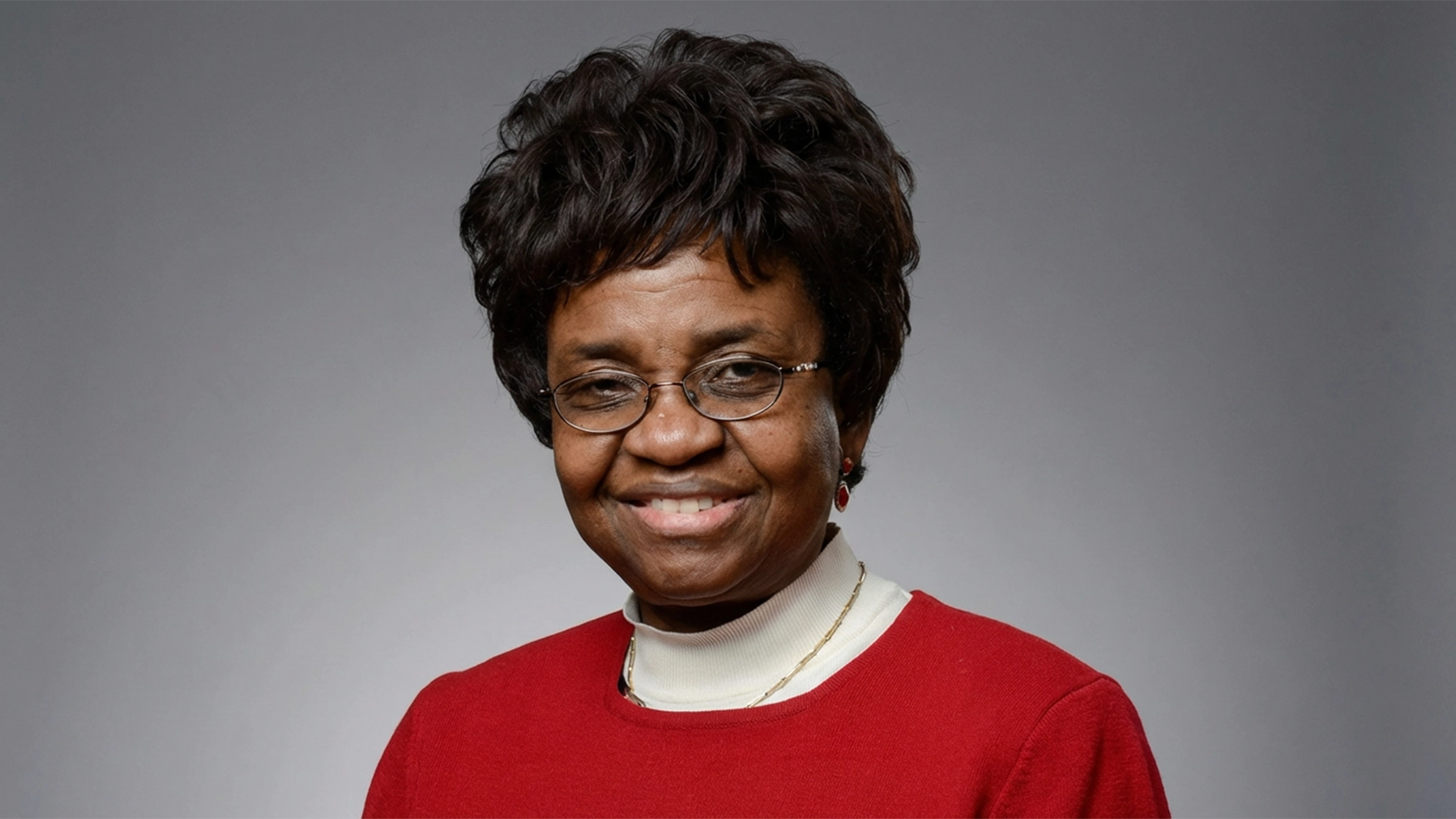
Mojisola Christianah Adeyeye — Director-General of NAFDAC since 2017 and reappointed in 2022, Prof. Mojisola Christianah Adeyeye returned to Nigeria after thirty years of academic life in the United States and proceeded to rebuild the country’s food and drug regulatory agency from the inside out. She brought with her five patents, over 60 peer-reviewed publications, a professorship at Roosevelt University in Illinois, and the distinction of being the first African woman named a Fellow of the American Association of Pharmaceutical Scientists, credentials that signalled, from day one, that NAFDAC under her watch would operate at a different standard.
That standard is now on record. She led the agency to WHO Maturity Level 3 status, secured ISO 9001-2015 certification, achieved international prequalification for its Central Drug Control Laboratory, and pioneered a GS1-driven traceability system to track vaccines and medicines through Nigeria’s supply chain. She returned NAFDAC to the country’s ports and borders, resulting in the interception and destruction of falsified pharmaceuticals and high-strength Tramadol that would otherwise have reached ordinary Nigerians. Beyond the agency, she founded Drugs for AIDS and HIV Patients to provide care for HIV-positive children and established Sarah Extended Family Homes for orphans because for Prof. Adeyeye, the mandate to protect Nigerians has never been limited to what happens inside a laboratory.

Patricia Obozuwa — With the Nigeria Global Reputation Management Project, a National Orientation Agency initiative, Patricia Obozuwa is leading efforts to reshape how the world sees Nigeria. After building global brands across Africa for more than two decades, she has brought that strategic expertise into public service. Her mission is simple: strengthen Nigeria’s reputation as a destination for investment, innovation, and opportunity. Before this national assignment, she was Vice President of Public Affairs, Communications and Sustainability for Coca-Cola Africa, driving regional sustainability systems across the continent. Before that, nearly a decade as Chief Communications and Public Affairs Officer for GE Africa, building corporate reputation strategies from scratch. She has also served on the Lagos State Industry Advisory Board for the Yaba ICT Hub Project, so the public-private terrain is not new to her.
What she has brought to this role is a corporate architect’s precision: using international tracking frameworks like the Anholt-Ipsos Nation Brands Index to measure real-time global sentiment and align Nigeria’s image with foreign direct investment, tech innovation, and tourism, shifting the country’s narrative from defensive damage control into a proactive economic asset. Patricia Obozuwa is making the case, with data and discipline, that a country’s story cannot be left to chance. It must be engineered.
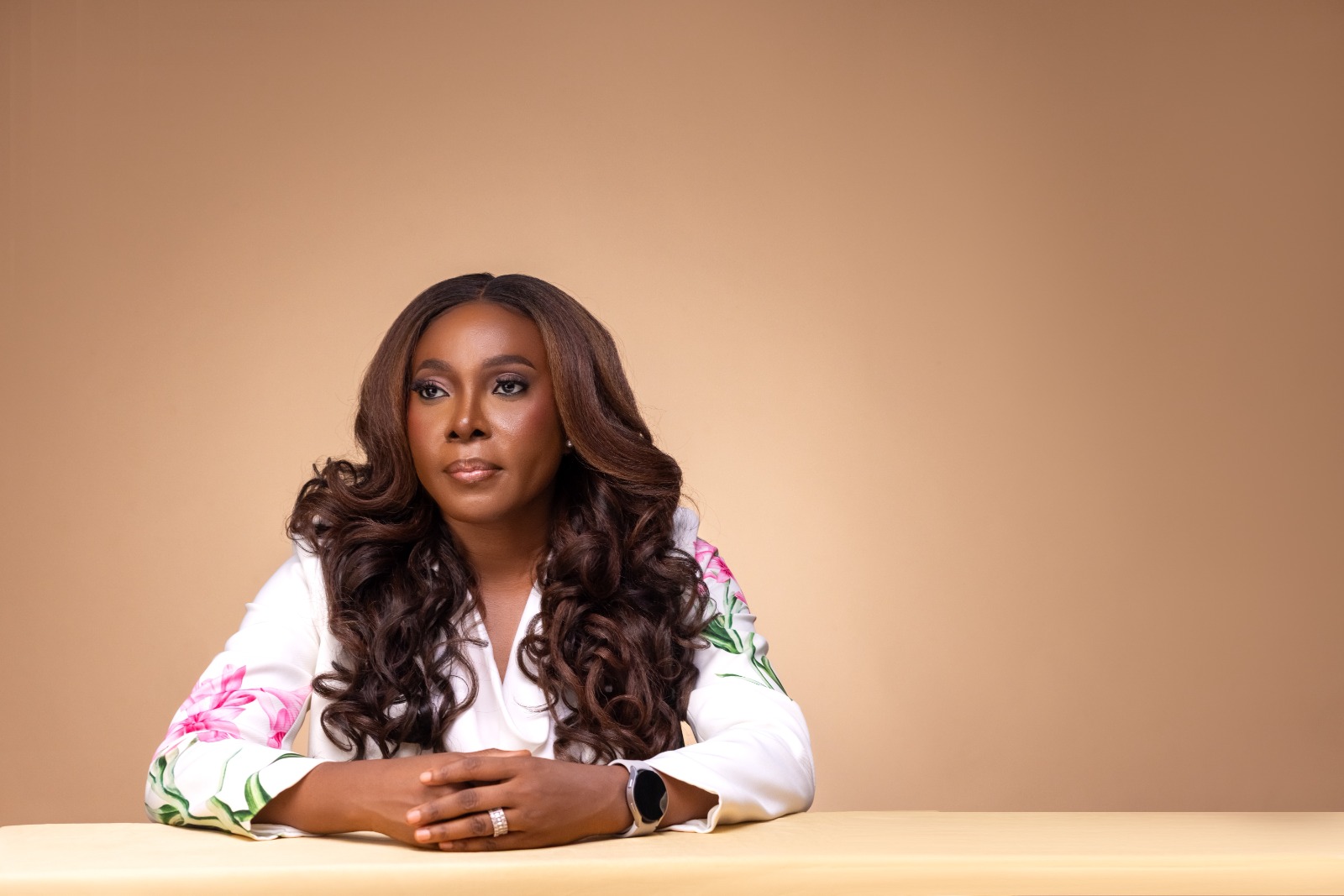
Jane Egerton-Idehen — She is the MD/CEO of Nigerian Communications Satellite Limited, and Jane Egerton-Idehen arrived at the helm of one of Nigeria’s most strategically significant federal institutions carrying 17 years of experience across the sharpest edges of Africa’s telecommunications industry, Ericsson, Nokia Siemens Networks, Avanti Communications, and Meta, where she served as Head of Sales for the Middle East and Africa. That corporate trajectory gave her something rare in a public institution: the instincts of someone who has competed at the highest level of global tech before being asked to lead at home. She holds a degree in Electronics Engineering from the University of Nigeria Nsukka, an MBA from Warwick Business School, and executive education from Harvard Business School, credentials she has consistently put to work beyond the boardroom.
She co-founded the IEEE Women in Engineering chapter in Nigeria, built Women and Career as a practical resource platform for corporate women and emerging leaders, and wrote Be Fearless: Give Yourself Permission To Be You, an Amazon bestseller aimed at young girls and professional women navigating male-dominated spaces. At NIGCOMSAT, she is now steering Nigeria’s satellite communications future with the same combination of technical depth and strategic clarity that defined her private sector career, proving that the most prepared person in the room doesn’t always come from within the system

Rimini Makama — She is the Executive Commissioner for Stakeholder Management at the Nigerian Communications Commission, and Rimini Haraya Makama brought to that Senate-confirmed appointment a career that had already taken her from INTERPOL’s Office of Legal Affairs in Lyon to the boardrooms of Google, Uber, BlackBerry, and Microsoft. At Microsoft, where she served as Government Affairs Director for Middle East and Africa Emerging Markets, she became a regional authority on AI ethics and policy and was involved in global rollouts including Xbox Cloud Gaming, the kind of experience that makes her current mandate to modernise Nigeria’s telecommunications regulatory framework feel less like a stretch and more like a natural next chapter.
Before Microsoft, she managed policy, government relations, and communications strategy for global companies entering Africa at Africa Practice, and before that, she was cutting her teeth in international law at INTERPOL. She holds an LLB from the University of Jos, an LLM in International Law and World Order from the University of Reading, and a Diploma in Marketing from the London School of Marketing. Forbes named her one of the 20 Youngest Power Women in Africa. At the NCC, she now oversees Legal and Regulatory Services, Compliance and Enforcement, Consumer Affairs, and Licensing, bringing to Nigeria’s digital economy the rare combination of someone who has both written the policies and watched them play out from the other side of the table.
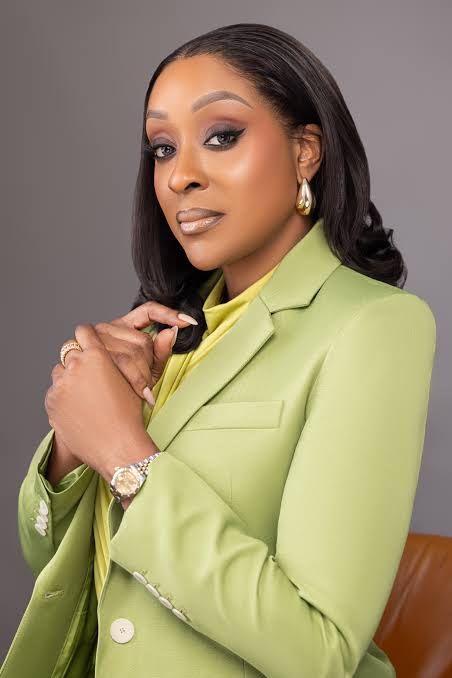
Jennifer Adighije — She is the Managing Director and CEO of the Niger Delta Power Holding Company, the first woman to lead the continent’s largest power generation company and since Engr. Jennifer Adighije walked through that door in August 2024, she has been doing what engineers do: fixing things. In less than two years, she revived six dormant gas turbines across national integrated power projects, restoring approximately 750MW of generation capacity, resolved a three-year gas dispute to bring the 450MW Alaoji Power Plant back online, recovered over $10 million in legacy debts, and positioned NDPHC to supply an additional 1,500 megawatts to address Lagos State’s energy deficit. The results are remarkable, but they are not surprising when you trace the career that preceded them.
She began as a transmission maintenance engineer at PHCN, moved into telecoms as an NSS specialist at Globacom, led procurement and capital project cost control at the Central Bank of Nigeria, and served as Senior Special Assistant to President Tinubu on Entrepreneurship Development before her NDPHC appointment. She holds a B.Sc. in Electrical and Electronics Engineering from the University of Lagos, an M.Sc. with Distinction in Wireless Networks and Telecommunications from Queen Mary University of London, and is pursuing doctoral studies in Spain. She is a Fellow of the Nigerian Society of Engineers, the Institute of Electrical and Electronics Engineers, and the Chartered Institute of Leadership and Management. Her name is already circulating within the Presidency as a candidate for broader leadership in the Federal Ministry of Power. Given what she has delivered at NDPHC, that conversation makes complete sense.
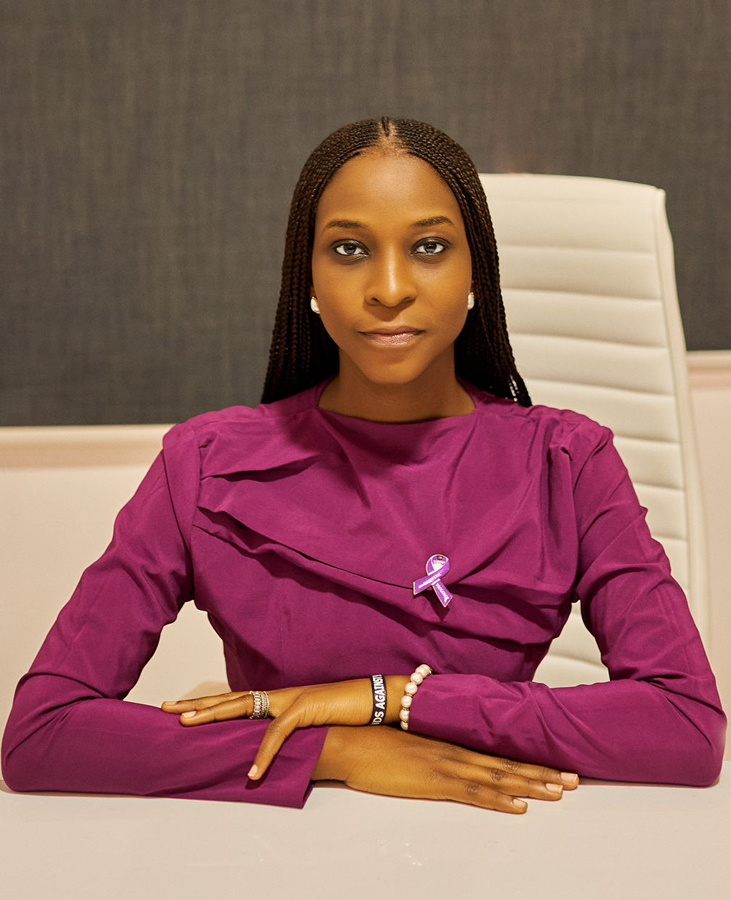
Titilola Vivour-Adeniyi — She is the pioneer Executive Secretary of the Lagos State Domestic and Sexual Violence Agency, and Titilola Vivour-Adeniyi has been building the infrastructure to protect survivors of gender-based violence in Lagos long before the agency existed, starting in 2014 as the first coordinator of the DSVRT, the response team that preceded it. When Lagos State upgraded that unit into a full statutory agency in 2021 and appointed her to lead it, she arrived with seven years of institutional knowledge and a clear sense of what the system still needed. Under her leadership, the agency has driven the implementation of the Lagos State Sex Offenders Register, Mandated Reporting policies, and a Safeguarding and Child Protection Programme, while integrating digital tools and virtual response networks to improve how survivors access support and how cases get reported.
She is a great-granddaughter of Steven Bankole Rhodes, Nigeria’s second indigenous judge, holds an international relations background from Middlesex University, and has completed executive governance programmes at the London School of Economics and the University of Oxford. She has published a memoir, Living for a Higher Purpose: Inspiring Hope Through the Nigerian Public Service, and is widely known by the title her community gave her, Merchant of Hope. It is a title she has spent more than a decade earning, one survivor at a time.
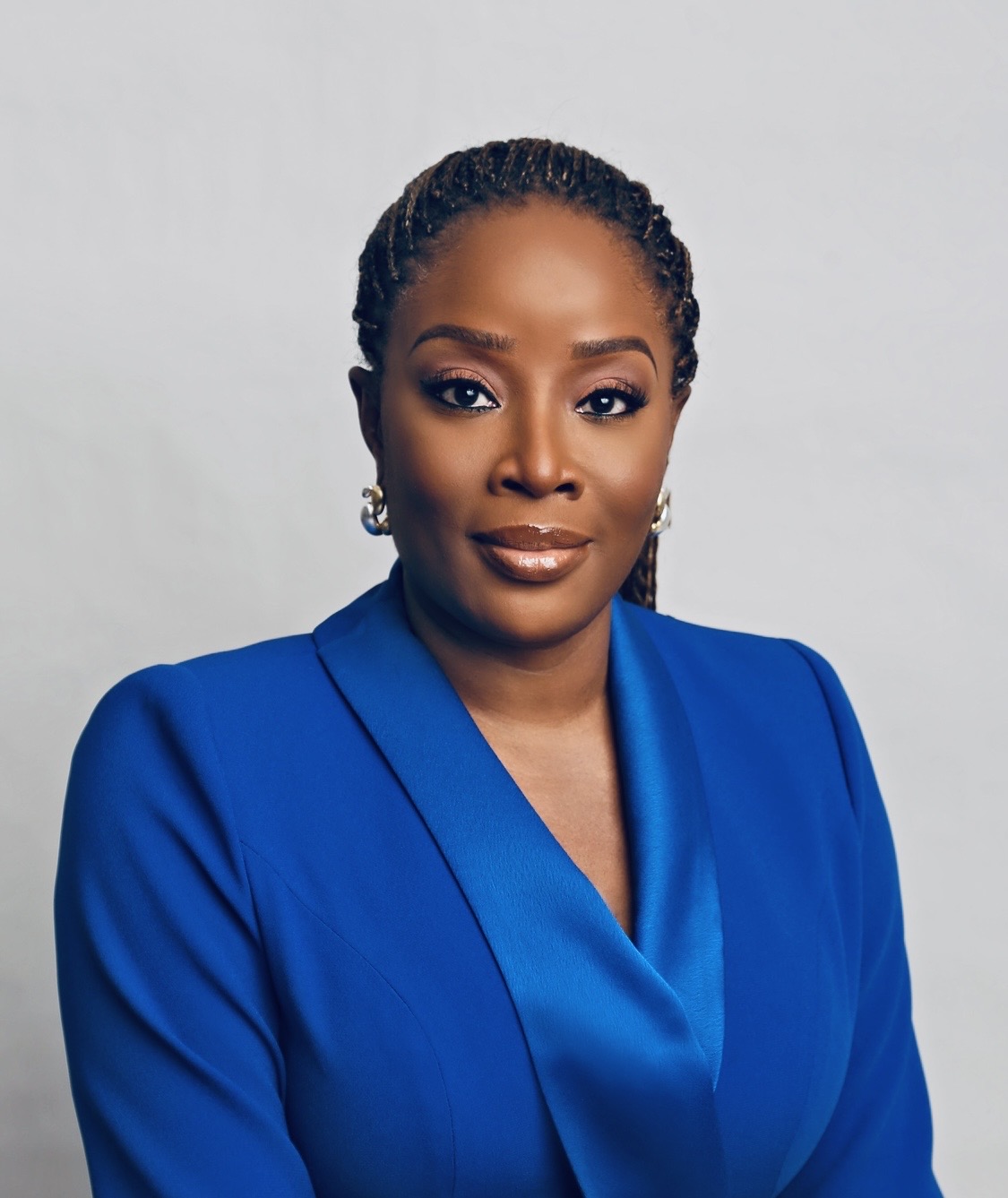
Tola Odeyemi — Appointed in October 2023 as the first female Postmaster General and CEO of the Nigerian Postal Service, Tola Odeyemi walked into NIPOST carrying something the institution had rarely seen from its leadership, a career built equally inside government and at the cutting edge of the private sector. Before this appointment, she had worked on regulatory frameworks for fintechs at the Central Bank of Nigeria, driven environmental infrastructure funding under Governor Ambode at the Lagos State Environmental Trust Fund, shaped innovation policy as Head of Public Policy for West Africa at Uber, and navigated one of the most complex regulatory environments in tech as Head of Government Relations at Binance. The through-line across all of it is the same, she goes where the systems are broken and figures out how to fix them.
At NIPOST, the fixing is happening at scale. She is leading the most ambitious transformation in the agency’s history, repositioning a postal service that most Nigerians had written off into a digitised, commercially viable platform capable of serving as a last-mile enabler of government services and a serious player in the digital economy. She holds a Bachelor’s in Electrical Engineering from Morgan State University, a Master’s in Systems Engineering from George Washington University, and an executive certification in Public Policy from Harvard. This is the kind of formation that produces someone who understands both the technical architecture of a system and the policy environment it operates in. Tola Odeyemi is not just managing NIPOST, she is rebuilding it.