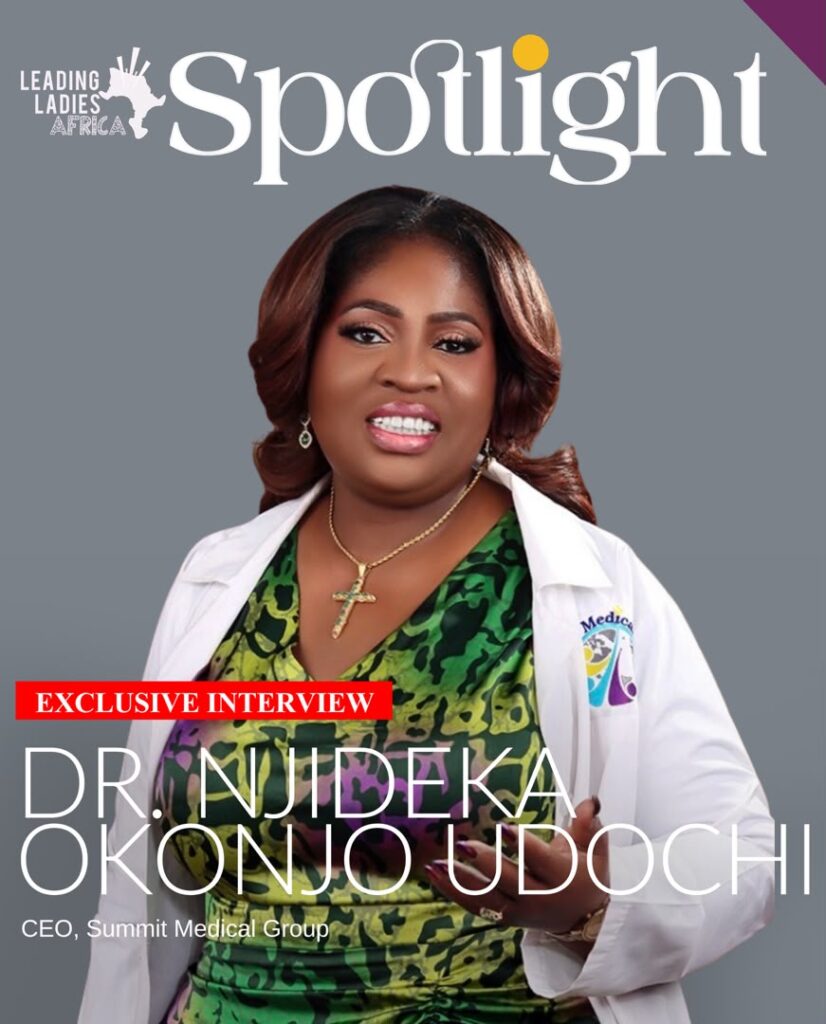
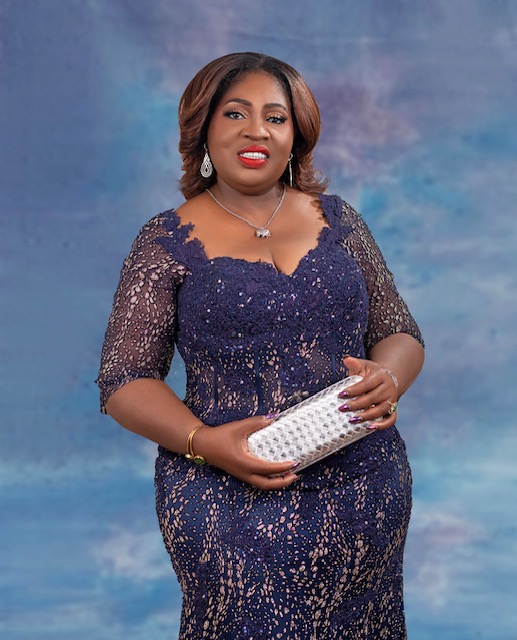
Her father used to say, “Nothing succeeds like success.” Dr. Njide Udochi took that and built a career that proves it.
A Nigerian-born physician who arrived in America with a vision and a relentless work ethic, Dr. Udochi has spent decades at the intersection of medicine, advocacy, and service, building a practice, a legacy, and a standard of care for the communities American healthcare has historically overlooked.
She holds a medical degree from the University of Nigeria, completed her residency at George Washington University, earned a fellowship in Geriatrics, and holds a Master’s in Public Health from Johns Hopkins Bloomberg School. She is certified in HIV Medicine and Addiction Medicine, a Fellow of the American Academy of Family Physicians, and in 2021 became the first Black woman and minority to be named Maryland Family Physician of the Year, an honour that was long overdue and entirely deserved.
Beyond her practice, she co-founded Zinure to empower women through health education and support, and serves as an Associate Professor of Family Medicine, training the next generation of physicians to lead with both excellence and compassion.
In her LLA Spotlight interview with Leading Ladies Africa, Dr. Udochi speaks candidly about navigating medicine as a Nigerian-born Black woman, the most dangerous assumptions the American healthcare system makes about minority communities, and what she wants the girl back home who is just beginning to dream to know about what is truly possible.
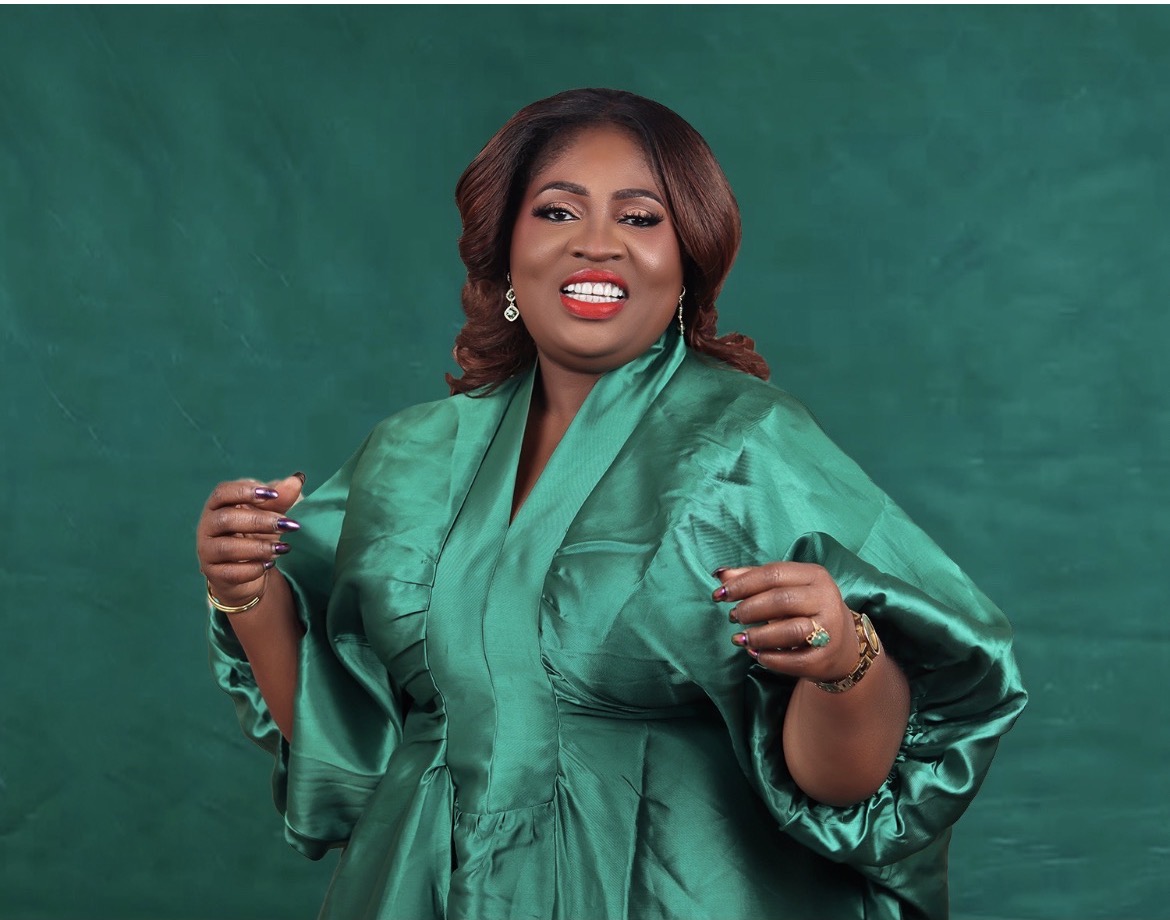
Dr. Udochi, you have spent decades at the intersection of medicine, public health, and service. In your own words, who are you, and what has driven everything you have built?
I am a proud African woman, characterized by resilience, dedication, and a commitment to service.
My journey is deeply rooted in the values instilled by my parents, who laid a solid foundation for my aspirations. They emphasized hard work, perseverance, and the importance of uplifting others. My father often said, “Nothing succeeds like success,” which has fueled my belief in my capacity to enhance health and quality of life for those I serve. The unwavering support from my family and my faith in God are my guiding forces.
You chose to build something of your own in a system that was not designed with women like you in mind. What gave you the audacity to do that and what did you know about yourself that the system did not?
This question resonates with me profoundly. My audacity stems from a strong belief in my potential. I meticulously laid the groundwork through education, understanding that failure is merely a steppingstone to success. My passion for medicine shines through in everything I do, driving me to differentiate myself in a system that often overlooks women like me. I sought the best education and qualifications and delivered services that addressed gaps others missed. A mentor who recognized my potential played a pivotal role in my journey, guiding me through challenges and helping me carve my unique path.
Medicine has a long history of telling certain people they do not belong. As a Nigerian-born Black woman, what has it truly felt like to navigate that, and what did you refuse to let it take from you?
Navigating the complexities of medicine as a Nigerian-born Black woman has been both challenging and enlightening. Coming from a family of educators, including my sister Ngozi Okonjo-Iweala, I was instilled with a strong sense of selfworth and resilience.
I refused to let negative sentiments shape my identity or deter me from my goals. My focus remained unwavering, and with the support of my community and family, I navigated obstacles while staying true to who I am
A proud Naija girl.
My struggles have only deepened my joy and commitment to my purpose.
You have worked with patients navigating HIV, addiction, aging, and disability people the world often looks away from. What has that work revealed to you about humanity that nothing else could?
My work with marginalized populations has illuminated the profound importance of kindness and compassion.
The ability to witness suffering and provide meaningful care transcends barriers of race, disease, and disability. This experience has shown me the boundless rewards that come from serving others, often manifesting as unexpected support from the universe. The gratitude expressed by my patients reinforces the notion that genuine care can change lives and build a legacy of compassion.
What is the most dangerous assumption the American healthcare system makes about the communities you serve?
One of the most dangerous assumptions is that these communities do not matter. This bias manifests in the treatment of my patient population, primarily composed of minorities and immigrants, leading to significant disparities in health outcomes. Acknowledging this bias is crucial for transforming the healthcare landscape and ensuring equitable care for all.
Where does public health end and justice begin, and how do you hold both in the work you do every day?
Public health is foundational to my approach with patients, guiding the delivery of education, treatment, and preventive care. Justice intersects with public health as a policy issue that often lacks fairness. As an advocate for my patients, I strive to ensure their voices are heard and that they receive the support necessary for better health outcomes. This dual focus empowers my community to thrive.
What do you know now about power, about rooms, and about who gets to lead that you wish someone had told you at the very beginning?
I have learned that hard work and intelligence alone do not equate to power. Access to decision making spaces is crucial for making meaningful change. It is vital to have champions who advocate for you when you are not in the room. If necessary, build your own table to ensure your voice and vision are represented.
What needs to change for medicine to stop being a space where women of African descent have to fight twice as hard for half the recognition?
The mindset needs to evolve. As women, we must recognize our value and advocate fiercely for ourselves. I am witnessing a gradual but encouraging shift in this regard, and I believe we are moving towards a more equitable landscape.
What does it mean to you to be a Nigerian woman who has built something lasting in America, and what do you want that to say to the girl back home who is just beginning to dream?
It means everything to me. It signifies resilience, determination, and the realization of dreams against all odds.
To the young girl back home, I want to convey that you can achieve anything you set your mind to. Believe in yourself nothing is impossible.
When all is said and done, what is the one thing you want your life’s work to have changed?
I aspire to transform how Africans, Black individuals, and minorities view their health and healthcare delivery.
We matter, and I hope to demonstrate that culturally relevant care, such as the Patient Centered Medical Home model, can significantly improve health outcomes and enhance our communities’ overall wellbeing.