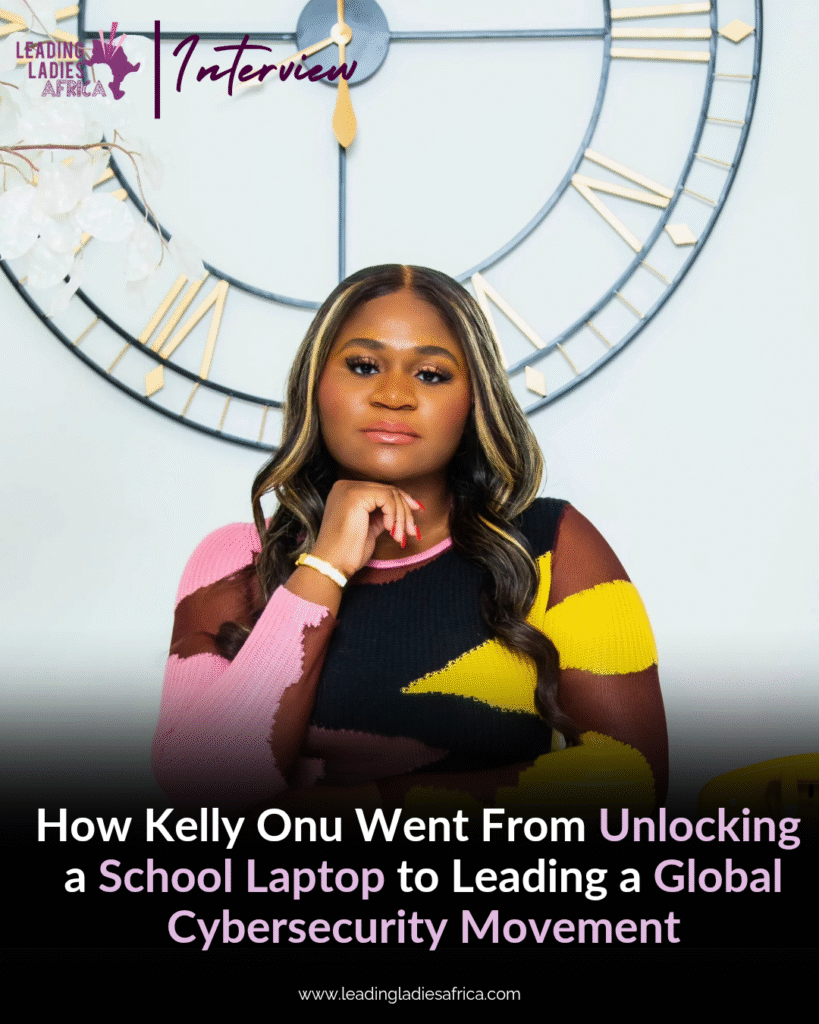
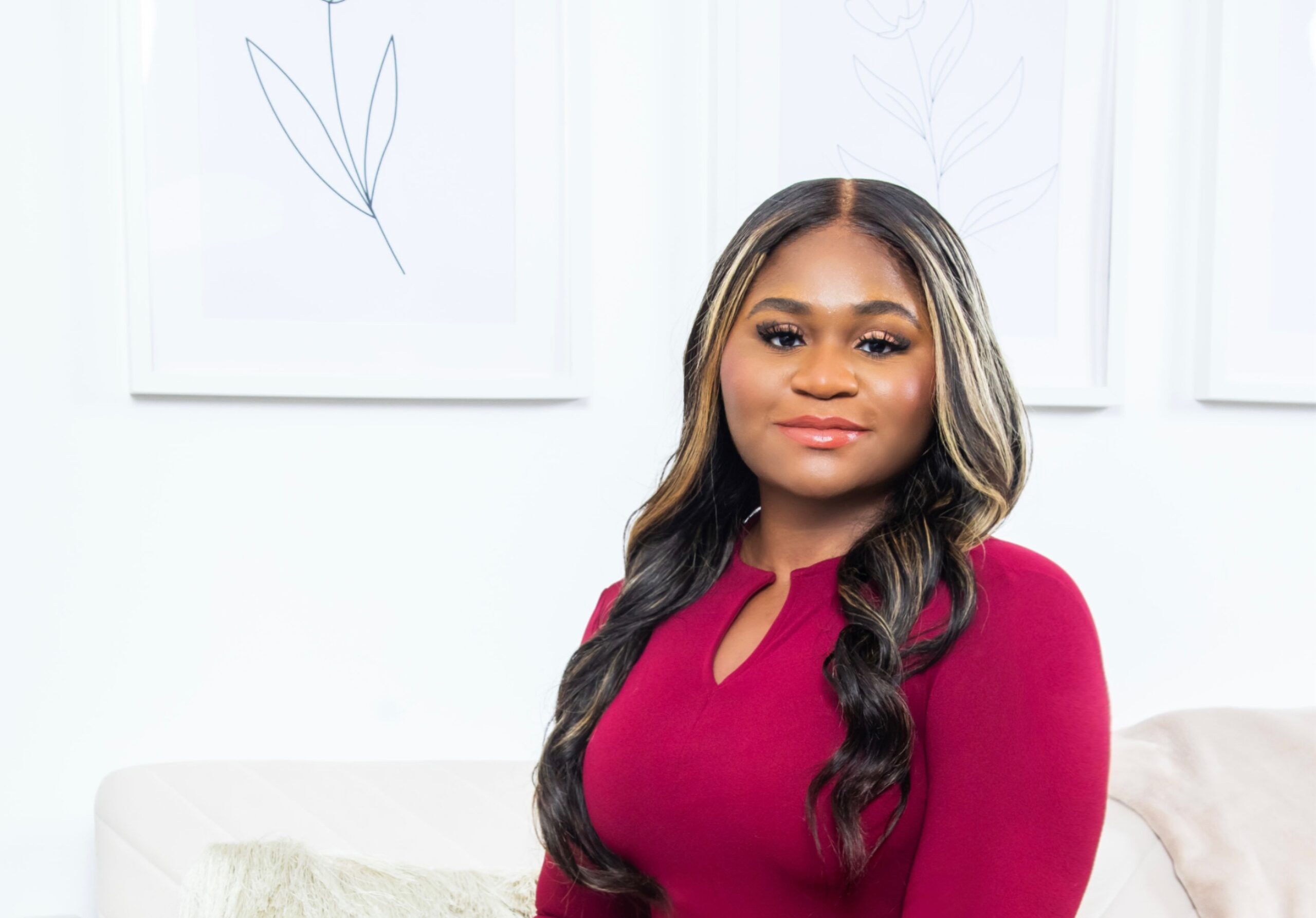
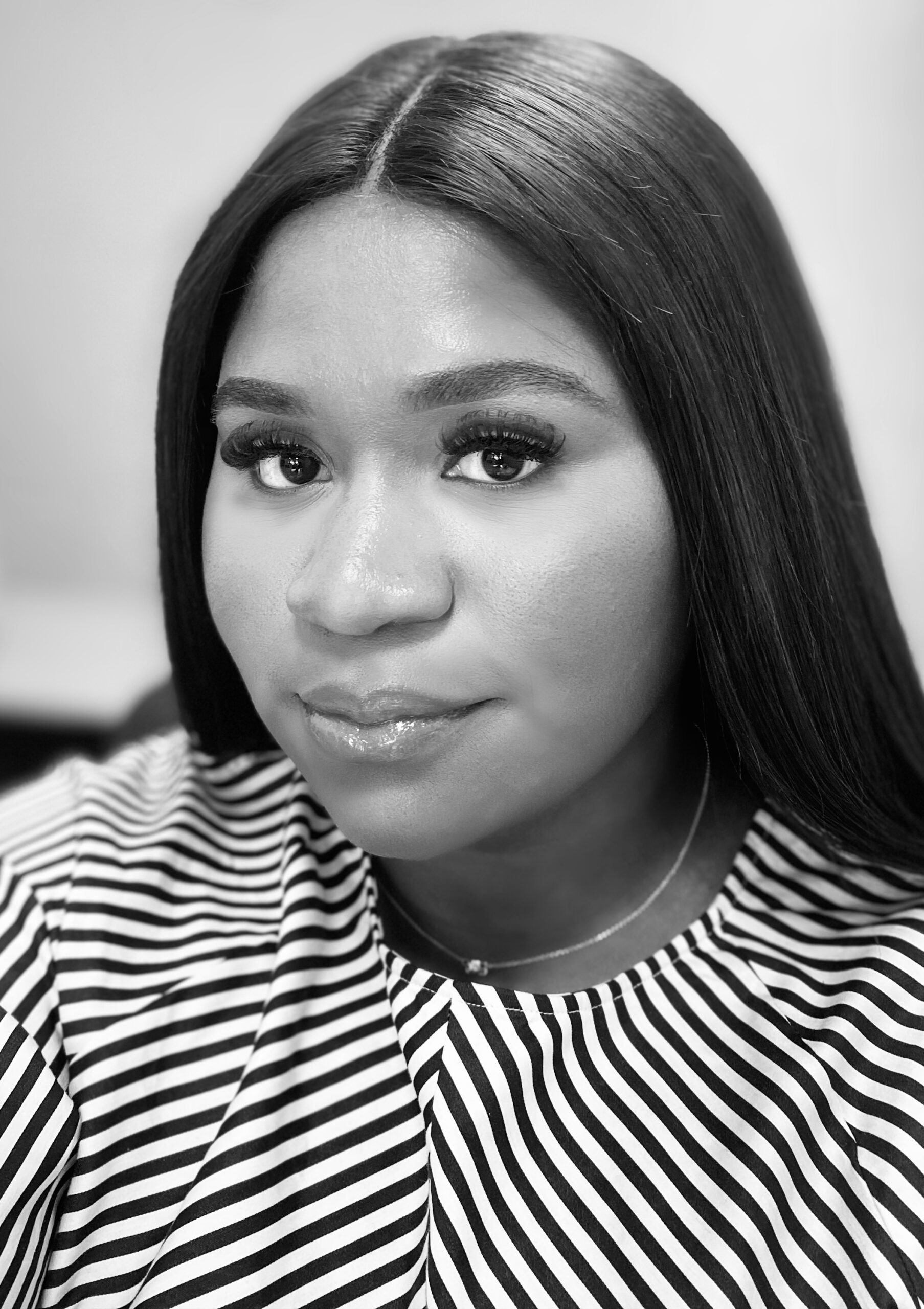
Kelly Onu is a cybersecurity consultant, speaker, and advocate who is turning complex tech into everyday power for underrepresented voices in the digital age.
With nearly a decade of experience securing systems across industries, Kelly has built a career rooted in tech transformation, not just defense. Her work bridges secure technology, inclusive innovation, and cultural relevance, helping organizations build responsibly while elevating the people often left out of the conversation.
What started as a podcast among friends craving a safe space in tech has grown into a movement. Through Hacker Proof HQ and her global advocacy, Kelly is equipping a new generation of cybersecurity leaders from Africa and the diaspora, making cybersecurity approachable and deeply community-rooted.
Kelly has been recognized as one of IEEE Computing’s Top 30 Early Career Professionals in 2025 and was awarded EY Women in Tech Unsung Hero of the Year in 2025.
Read the full interview below.
Hello Kelly! Thank you for taking the time to speak with us at LLA. In your own words:Who is Kelly, and what does she do?
Thank you for having me. I’m Kelly Onu, a cybersecurity consultant, speaker, and mentor. For the past eight years, I’ve worked with Fortune 500 organizations to design secure systems, especially in complex, fast-evolving spaces like AI. In my current role, I help global companies solve high-stakes security challenges through practical, human-centered strategies. In my spare time, I’m deeply committed to opening doors for others, especially African women, to rise confidently in the cybersecurity field through giving back to my community.
Wonderful! Kelly, how did it all start? What sparked your interest in cybersecurity, and how did that evolve into a career?
My journey began with a gift, my first desktop, from my Mom. She showed me how to use it, and unknowingly became my first tech role model. A few years later, in secondary school, I helped a friend unlock her password-protected XP laptop. I didn’t know much about hacking then, but I was curious enough to try, and I figured it out. That small moment gave me a sense of possibility and confidence that I could solve real problems with technology. Soon after, when it was time to select my major in University, it was an easy yes to choose Information Technology which enabled me to land my first internship that introduced me to cybersecurity. After graduation, I joined Deloitte as a cybersecurity consultant. Since then, it’s been a journey of learning, leading, and lifting others every step of the way.
You’ve often found yourself as “the only”, the only woman, the only African, in many rooms. How have you navigated that, and what helped you turn isolation into leadership?
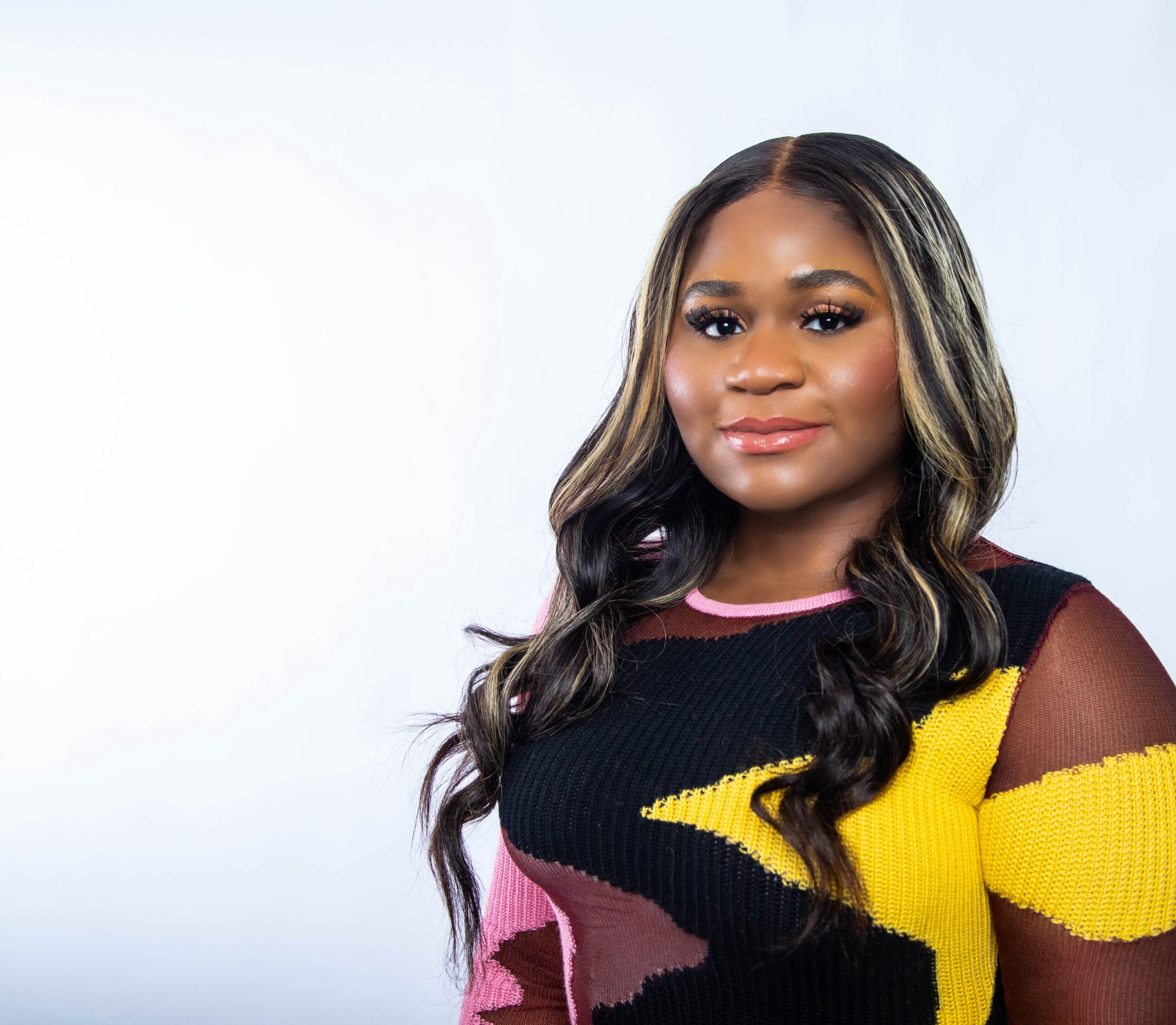
Being “the only” in a room is a quiet burden. I moved to the U.S. from Nigeria at 15 for university that time, I was young, and far from everything familiar. I quickly realized that what made me different was also what made me valuable. And so instead of trying to blend in, I chose to stand out with purpose. I leaned into my authentic self, sought mentors, and plugged into local cybersecurity communities that helped me grow in both skill and confidence. Over time, I started viewing leadership as my responsibility to create space for others and ensuring I wouldn’t be the last “only” in the room.
Cybersecurity is high-stakes and fast-evolving. What does “secure by design” mean in your work, and why is it so essential now?
Secure by design means embedding security from day one, not as an afterthought but as a foundation during software development. In my current role, I help organizations build systems where security is woven into the architecture from the beginning. This is especially important with AI, where we see an uptick in systems that can make decisions, generate content, and automate operations. If those agentic systems aren’t secure, the consequences can be far-reaching in terms of financial and reputational damages. Secure-by-Design embraces concepts like zero trust architecture to limit system access on a need-to-know basis, ethical guardrails to ensure the safe use of AI, and ongoing threat modeling for proactive detection.
You’re shaping global standards in AI ethics and compliance. How do you see Africanvoices influencing the future of ethical tech?
African voices are essential to the future of ethical tech. We bring rich perspectives, cultural depth, and original innovation that can anchor AI in human-centered values. But we must move beyond seeing ourselves only as consumers. We have the capacity to be builders, researchers, and standard-setters shaping the direction of ethical technology. Imagine using large language models to vibe code in Igbo, Amharic, or Swahili, creating tools tailored to local needs. Imagine healthcare AI trained on data that reflects the realities of African communities, helping diagnose and treat conditions with greater accuracy. All of this is possible once we step into the role of co-creators, not just recipients, and take our place at the table where the future of tech is being defined. Women make up only 10 percent of Africa’s cybersecurity workforce.
What are the biggest barriers, and what must shift to build a thriving ecosystem?
The biggest barrier to breaking into cybersecurity is access. Many entry-level jobs still ask for years of experience, and that discourages young women before they even get started. There’s also an accessibility gap. Too few women see role models in the field, so they assume cybersecurity isn’t for them. We need to change that narrative by amplifying that Cybersecurity is for everyone. We need more entry-level programs, scholarships, mentorship pipelines, and communities that offer a soft landing. I’ve seen communities, owned and run by Africans, like She Can Code and 10 Alytics that are focused on creating those training opportunities.

As a mentor, what’s the most common fear you hear from women entering cybersecurity, and how do you respond?
The most common question I hear is, “How do I stand out?” It’s a fair concern in such a competitive field. I always say start with the fundamentals. Learn the basics, understand frameworks like NIST and OWASP, and stay current with industry news. Certifications like ISC2’s Certified in Cybersecurity or CompTIA Security+ are great places to begin to ground your cybersecurity knowledge. But more importantly, find your people. Join local tech communities, ask questions, and before you know it, the right conversation can change everything.
Tell us about Hacker Proof HQ. What led a group of Africans in cybersecurity to work toward such a vibrant diaspora community, and what are you hoping it grows into next?
Hacker Proof HQ began as a podcast between friends who were craving a safe, relatable space to share our experiences in tech. What started as a conversation quickly grew into a community. Today, we have over 5,000 members across the globe. We host events, mentorship circles, and job prep sessions. I’m excited to share that we’re now building an AI-powered job agent designed specifically for African tech professionals. It will help users find roles, tailor resumes, and unlock new opportunities.
As someone leading conversations around AI risk, compliance, and innovation, what are the biggest ethical or technical questions keeping you up at night?
Right now, the pace at which AI is being used to commit crime is my biggest concern. AI is evolving faster than public awareness or policy can keep up with. Deepfakes are getting more convincing. I’ve seen scammers impersonate CEOs, government officials, and trick employees into transferring money or sensitive information. Even in my personal life, I’ve had loved ones send me messages that looked real but were actually AI-generated scams. We need stronger controls to curb widespread use of deepfakes, better awareness, and a global conversation around ethics that includes everyone beyond developers and corporations.
What does leadership look like for you today, and what kind of legacy do you hope to leave behind for African women coming into tech?
Leadership means building while lifting. In the near future, I want to create rooms where African women can grow, lead, and shape the future of tech on our own terms. I hope to one day launch a foundation that provides scholarships, mentorship, and access to digital tools for girls across Africa. If one woman dares to dream because of something I shared or created, then I’ve done something that matters.