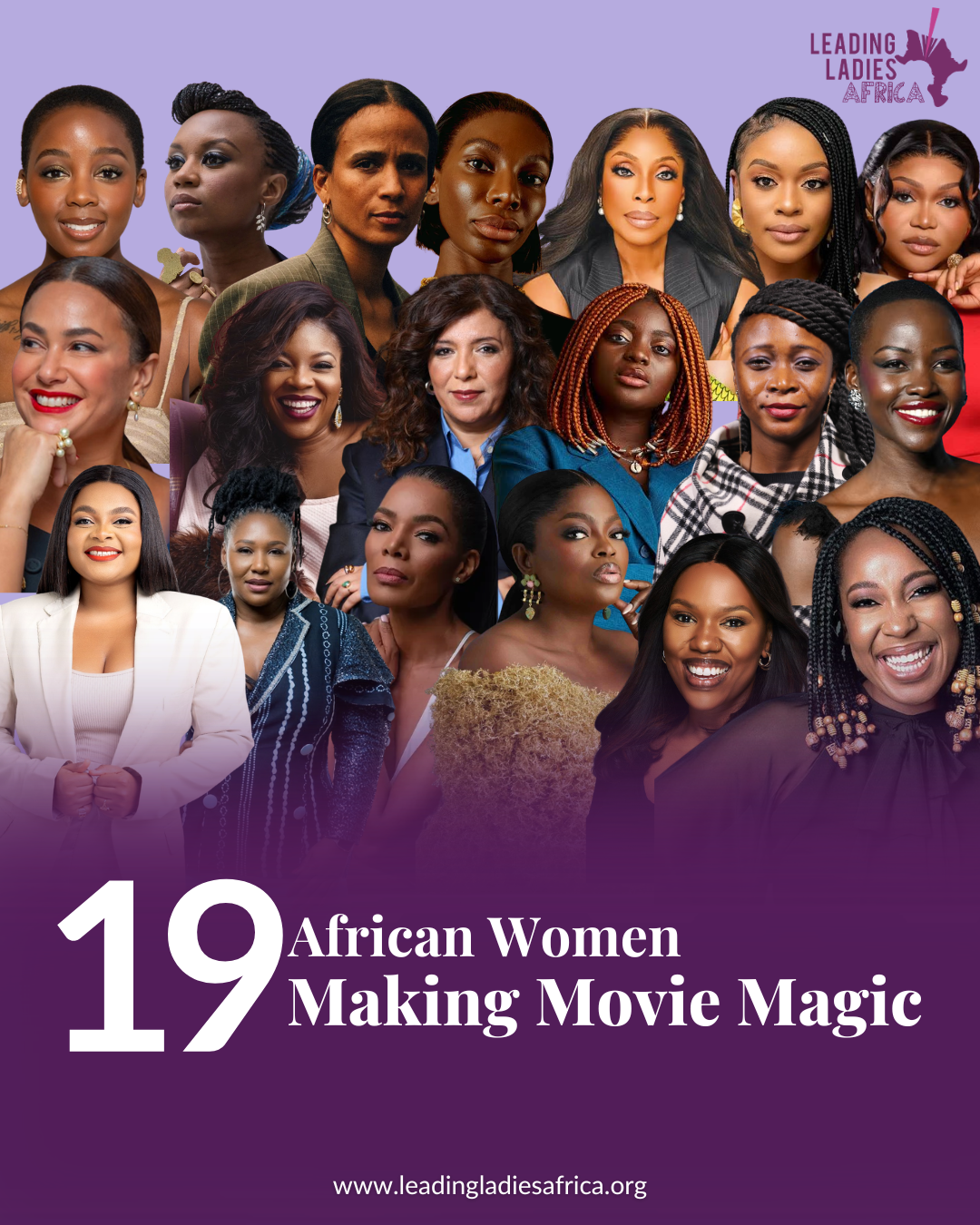
Every great film has a plot twist, a big scene, and a box office number that makes the whole industry sit up. Behind all three, more often than you’d think, is an African woman.
They wrote the twists you didn’t see coming. They gave us the big scenes we still quote, the characters whose names the whole country knows, the performances that left a room silent, and they turned it into box office, with YouTube premieres that passed a million views in under four hours, series that held a place in Netflix’s global Top 10 for seven weeks, and films that won at Cannes and Berlin.
Some stepped in front of the camera and stayed there for decades. Some stood behind it and made the films the industry said nobody would fund, watch, or allow. Many did both, then built the production companies, channels, and academies that let others do the same. They work in Lagos and Johannesburg, Tunis and Cairo, Nairobi and Accra, Ouagadougou and Dakar, and London.
What they share is not a genre, a country, or a job title. It is a refusal. One refused to change the ending of her film when it was banned at home. One reportedly turned down a million-dollar offer because it did not come with ownership of her work. One started making films at 19. One built a pan-African television channel after a career in human resources.
So cue the music and bring up the lights. Meet 19 African women making movie magic.
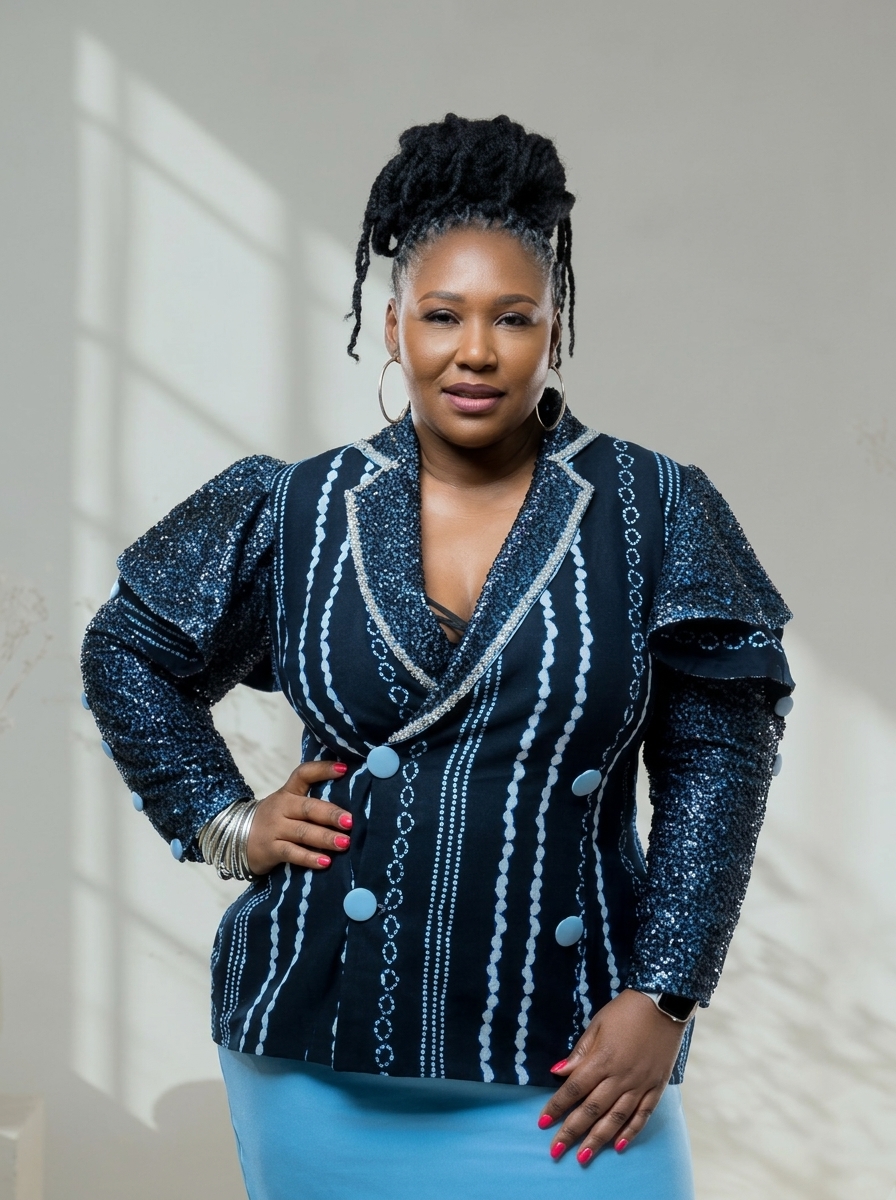
Apolline Traoré
- Apolline Traoré — Apolline Traoré is a Burkinabé filmmaker, screenwriter and producer whose films bring some of the most pressing social realities of African life to the screen, often through the experiences of women. Born in Ouagadougou in 1976, she spent much of her childhood moving between African and European countries because of her father’s diplomatic career. She later moved to the United States to study at Emerson College’s School of Arts in Boston, where she developed her filmmaking practice. Her career began attracting attention with The Price of Ignorance, her graduation short film, which won the Jury Prize at FESPACO in 2001. She subsequently worked with acclaimed Burkinabé filmmaker Idrissa Ouédraogo, who became her mentor and encouraged her to return to Burkina Faso. Over the years, Traoré has built a filmography that includes Kounandi, Moi Zaphira and Desrances, exploring themes of motherhood, social expectations, identity, conflict and the realities confronting women across the continent.
Much of Traoré’s filmmaking is distinguished by her determination to place women’s experiences at the centre of stories about society, politics and survival. In Borders (2017), she follows four women travelling across West Africa, exposing the corruption, exploitation and sexual violence they encounter along the way. The film won Best Narrative Film at the Pan African Film Festival and received two awards at FESPACO. She continued this exploration of women’s resilience in Sira (2023), which tells the story of a young Fulani woman who survives an attack on her caravan in the Sahel and fights back against the Islamist militants responsible. The film premiered at the Berlin International Film Festival, where it won the Panorama Audience Award for Best Feature Film, before earning the Étalon d’argent de Yennenga at FESPACO 2023. It was subsequently selected as Burkina Faso’s submission for the 96th Academy Awards, its first submission in more than three decades. Through her work, Traoré continues to bring African stories, particularly those of women navigating difficult and often overlooked realities, to international audiences.
- Bimbo Ademoye — Bimbo Ademoye has built her own cinema, and it lives on YouTube. Bimbo Ademoye TV, which she launched in July 2022, is where she releases the feature-length films she writes, produces, and stars in, and has built over 1.82 million subscribers. None of this came overnight. Born in Lagos in 1991, she and her elder sister Adebike Maryam were raised by their father after their parents separated when she was 2, and he backed her career choice. She studied Business Administration at Covenant University, then began acting in 2014 with the short film Where Talent Lies, which earned recognition at the Africa International Film Festival. Her mentor, Uduak Isong, helped her into the industry and produced her first feature, It’s About Your Husband (2015). Premium Times tipped her as an actor to watch in 2018, and she won Best Supporting Actress at that year’s Best of Nollywood Awards for Personal Assistant.
She won Best Actress in a Comedy at the 2023 Africa Magic Viewers’ Choice Awards for Selina, a role she carried into Selina’s Wedding, and she was nominated that night for Best Actress in a Drama and Best Online Social Content Creator. On the big screen, she played young Asake in Battle on Buka Street, which became Nollywood’s highest-grossing film at the time, and Arolake in Anikulapo (2022). She is now part of the large ensemble of EbonyLife’s The Secret Lives of Baba Segi’s Wives, which was selected for the Toronto International Film Festival and opens in Nigerian cinemas on 4 December.
- Connie Ferguson — For more than three decades, Connie Ferguson has been a familiar face on South African television, but her influence on the country’s entertainment industry extends well beyond acting. She has built a career that spans television, film production and entrepreneurship, turning her experience in front of the camera into opportunities to create and own entertainment and beauty businesses. Her breakthrough came in 1993 when she landed the role of Karabo Moroka on Generations, one of South Africa’s most popular soap operas. She played the character for 16 years, becoming one of the show’s most recognisable faces before departing in 2010. She later returned in 2014 for its relaunch as Generations: The Legacy, and again in 2023. Between these appearances, she starred in M-Net’s The Wild and featured in productions including Soul City, establishing herself as a longstanding presence in South African television.In 2010, Ferguson took a significant step behind the camera when she co-founded Ferguson Films with her late husband, actor and producer Shona Ferguson. The production company went on to develop television dramas for audiences in South Africa and beyond, including Rockville, The Queen, The Throne, The Imposter and The Gift. Connie also executive produced and starred as Harriet Khoza in The Queen, which ran from 2016 to 2023 and received multiple South African Film and Television Awards nominations. The company’s reach expanded internationally with Kings of Jo’burg, its Netflix crime drama, in which she played Josaline ‘Mermaid’ Masire. Following Shona’s death in 2021, Connie continued the company’s work, with the second season of Kings of Jo’burg premiering in 2023 as a tribute to his legacy. Her entrepreneurial interests also extend into beauty. She launched her fragrance, True Self, in 2008, before developing Connie Body Care, which was relaunched as Connie Brands in 2024 with an expanded range of skincare, haircare and wellness products. Across these ventures, Ferguson has built a career that encompasses performance, production and business ownership, contributing to the growth of South Africa’s television industry while establishing herself as a brand beyond the screen.
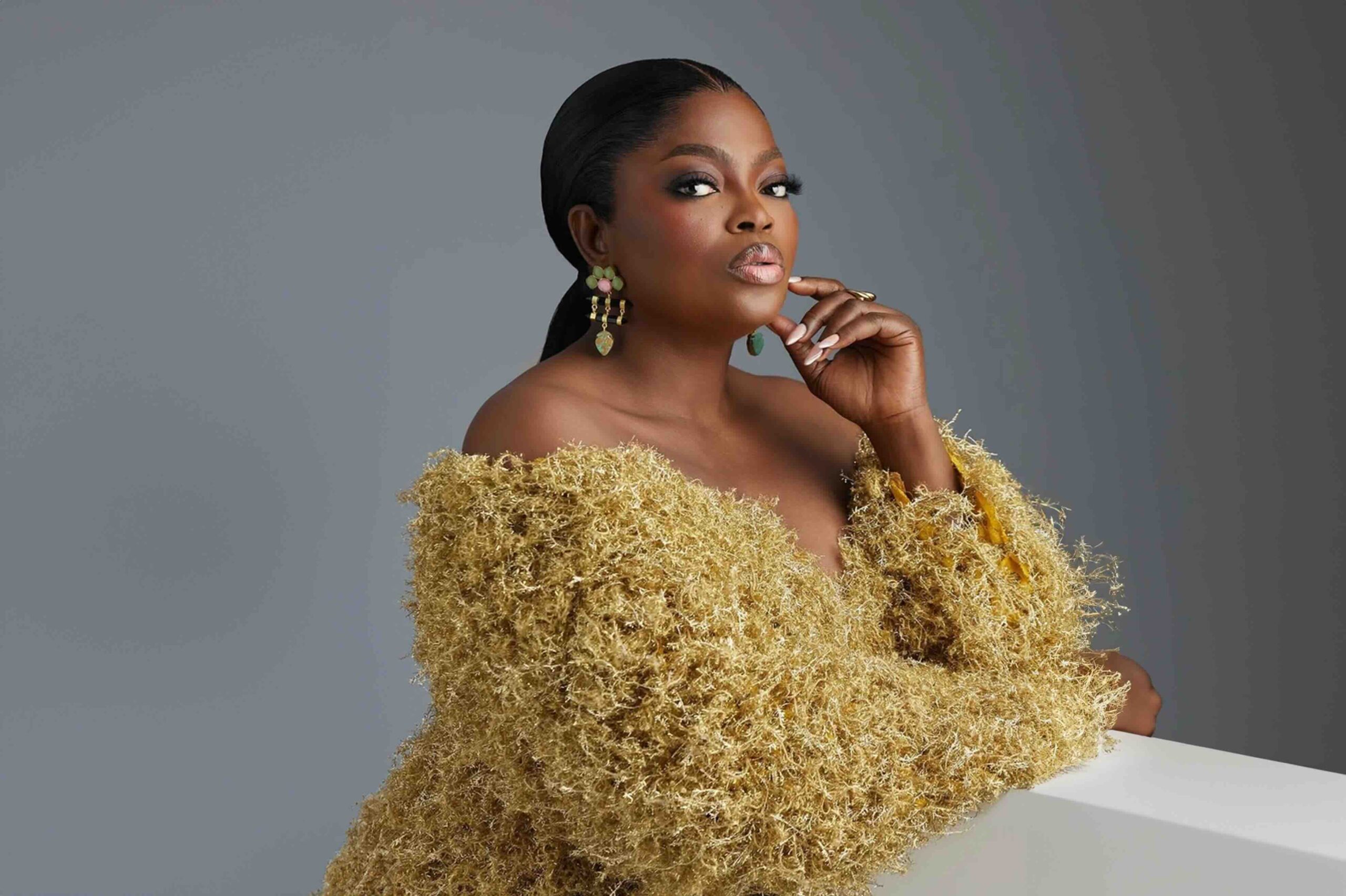
Funke Akindele - Funke Akindele — Few characters in Nigerian film and television have travelled as far beyond the screen as Jenifa. When Funke Akindele introduced the hilariously ambitious, unconventional character in her 2008 film Jenifa, she created more than a memorable comedy role; she launched a franchise that would become one of Nollywood’s most recognisable entertainment properties. Funke had begun building her acting career a decade earlier, playing Bisi, a curious secondary school student, in the United Nations Population Fund-sponsored educational sitcom I Need to Know (1998–2002). However, Jenifa marked a turning point, earning her the Africa Movie Academy Award for Best Actress in a Leading Role in 2009 and establishing her as a household name. She continued developing the character through The Return of Jenifa (2011), the long-running television series Jenifa’s Diary and its spin-off Aiyetoro Town. Her ability to turn a character into a lasting cultural phenomenon speaks to her understanding of comedy, audience connection and the power of storytelling rooted in familiar social experiences.
Beyond her success as an actress, she has become one of the most influential creative forces in Nollywood, building a career around writing, directing, producing and taking ambitious stories to cinema audiences. She made her cinematic directorial debut with Your Excellency in 2019 and went on to co-direct and star in commercially successful productions including Omo Ghetto: The Saga (2020), Battle on Buka Street (2022) and A Tribe Called Judah (2023), which became the first Nigerian film to cross the ₦1 billion mark at the domestic box office. Her 2024 release, Everybody Loves Jenifa, continued the franchise’s success, while Behind the Scenes (2025) set another major box-office milestone, becoming the highest-grossing Nigerian film of all time at the time of its release. Akindele’s achievements have also earned her six Africa Magic Viewers’ Choice Awards for acting, making her the most-awarded actress in the awards’ history. In 2022, she was invited to join the Academy of Motion Picture Arts and Sciences as a voting member, and in 2025, The Hollywood Reporter recognised her among the most influential women in international film. Through her work, Akindele has demonstrated how African filmmakers can build commercially successful film franchises, create employment and production opportunities, and take locally rooted stories to increasingly global audiences.


- Gugu Gumede — For nearly a decade, Gugu Gumede made MaMlambo one of the most recognisable characters on South African television. Her portrayal of the prophetess Hlengiwe Mhlongo on Uzalo became a defining part of the soap opera’s success, introducing audiences to an actress whose ability to inhabit a character extended far beyond her years. Born in KwaZulu-Natal on 10 December 1991, Gumede is the daughter of the late South African politician Zanele kaMagwaza-Msibi and Simon Hulumeni Gumede. She trained at the American Academy of Dramatic Arts in Los Angeles before returning to South Africa in 2013, when she made her television debut as Mandisa on Generations. Two years later, she joined Uzalo, taking on the role that would establish her as a household name. Her performance as MaMlambo required her to bring authority, conviction and complexity to a character considerably older than she was, demonstrating her range as a performer.
Gumede has continued to expand her television career beyond the role that first brought her widespread recognition. She played MaMkhize in eHostela, Connie Zondo in Isiphetho, Destiny and, in 2026, took on the leading role of Joyce Gomora in Netflix’s The Polygamist, marking another significant chapter in her career and bringing her work to a wider international audience. She also appeared in Umjolo: The Gone Girl, adding to a growing body of screen work. Beyond acting, Gumede has explored television presenting, co-hosting the 11th Crown Gospel Music Awards in 2018. From her early days on Generations to her leading role in a pan-African streaming production, she has built a career that reflects both her staying power in South African television and her growing presence in the wider African entertainment industry.

- Gugu Zuma-Ncube — Gugulethu Zuma-Ncube’s journey in the entertainment industry has taken her from acting in front of the camera to shaping some of the biggest television productions in South Africa. Although she initially pursued law, a visit to AFDA, the South African film and television school, changed the direction of her career. She graduated in 2007 with a degree in Live Performance, and Sindiswa, a graduation film in which she acted, went on to receive a nomination for the Student Academy Awards. She began her professional career with appearances in productions including Interrogation Room, Isidingo and Rhythm City, before expanding into production. In 2011, she co-produced and starred in the Mzansi Magic sitcom It’s for Life through Nyenyedzi Productions, a company she co-owned with her sisters. That early experience behind the scenes would become the foundation for a much larger role in South African television.In 2015, Zuma-Ncube co-founded Stained Glass TV with producer Kobedi “Pepsi” Pokane, building a production company responsible for several major television titles. Its portfolio includes Uzalo, the long-running SABC1 telenovela that became one of South Africa’s most-watched television programmes, as well as The Wife, the popular Showmax drama, Durban Gen, eHostela, Lingashoni and Ifalakhe. In 2026, the company reached another major milestone with The Polygamist, a Netflix adaptation of Sue Nyathi’s novel. The 22-episode drama drew a substantial international audience, reportedly recording nearly 28 million views and spending seven consecutive weeks in Netflix’s global Top 10 across 62 countries. As an executive producer, Zuma-Ncube’s contribution extends beyond individual performances to the development, financing and production of stories that reach millions of viewers. Her career illustrates the influence of women working behind the camera and the role African production companies can play in building television stories with both local resonance and international reach.

Hend Sabry - Hend Sabry — Hend Sabry’s career began with a film that would become a landmark in Arab cinema. At just 13, she made her acting debut in Moufida Tlatli’s The Silences of the Palace (1994), playing Alya in a story exploring women’s lives, class and power in Tunisia. The film received international recognition, including the Caméra d’Or at Cannes, while Sabry won Best Actress at the Carthage Film Festival for her performance. Rather than immediately pursue acting, she returned to her education, earning a law degree from Tunis University in 2001 and a master’s degree in intellectual property and copyright law in 2004. She resumed acting in The Season of Men (2000) before making her Egyptian cinema debut in A Teenager’s Diary (2001). The film’s frank treatment of female sexuality generated controversy, but it also introduced her to Egyptian audiences and marked the beginning of a career that would see her become one of the most recognisable actresses across the Arab world. Her subsequent performances in The Yacoubian Building (2006), Asmaa (2011), The Blue Elephant 2 (2019) and Kira & El Gin (2022) have demonstrated her ability to move between commercially successful productions and films tackling complex social issues.
Sabry has also been deliberate about creating opportunities beyond her work as an actress. In 2015, she established Salam Production, her Cairo-based production company, with the intention of developing stories that give women more substantial roles. One of its early projects was The Flower of Aleppo (2016), in which she played a mother who disguises herself to rescue her son after he joins ISIS. She later expanded her responsibilities as an executive producer with Netflix’s Finding Ola (2022), reprising the character Ola from the popular series I Want to Get Married and telling a new story about a woman rebuilding her life after separation. The series reached Netflix’s global Top 10 and topped the charts in the Arab-speaking world. In 2019, Sabry became the first Arab woman to receive the Venice Film Festival’s Starlight Cinema Award, while her work in Kaouther Ben Hania’s Four Daughters (2023) contributed to a film that received three awards at Cannes and went on to earn two Academy Award nominations. Her recognition extends beyond cinema: she was named an Officer of France’s Order of Arts and Letters in 2021 and included in the BBC’s 100 Women list in 2024. Through acting and production, Sabry has built a career that combines artistic range with a clear interest in the stories and opportunities available to women in Arab cinema.
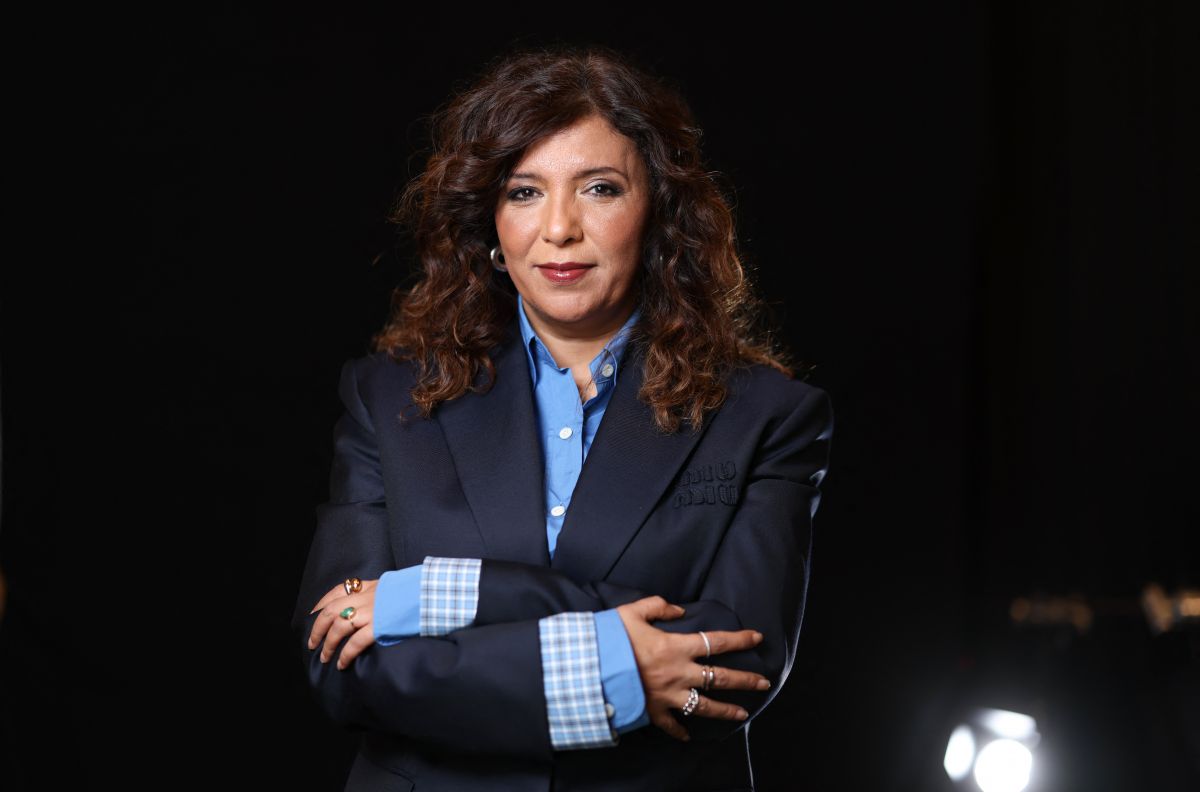
Kaouther Ben Hania - Kaouther Ben Hania — Kaouther has built a distinctive place in contemporary cinema by telling stories that challenge the boundaries between documentary and fiction, often using intimate human experiences to confront difficult social and political realities. Born in Sidi Bouzid, Tunisia, on 27 August 1977, she studied at the École des Arts et du Cinéma in Tunisia before continuing her film education at La Fémis and the Sorbonne Nouvelle University in Paris. She also worked with Al Jazeera Documentary Channel before turning her attention to feature filmmaking. Her first feature, The Challat of Tunis (2014), was a satirical exploration of gender relations and social attitudes in Tunisia. She followed it with Beauty and the Dogs (2017), a tense drama about a young woman seeking justice after being sexually assaulted. The film premiered in the Un Certain Regard section at the Cannes Film Festival and was selected as Tunisia’s submission for the Academy Award for Best Foreign Language Film. Across these early works, Ben Hania established a filmmaking approach that examines power, gender and the ways institutions shape people’s lives.
Her international recognition grew with The Man Who Sold His Skin (2020), a satire about a Syrian refugee who agrees to have his back tattooed by a celebrated artist in exchange for the opportunity to travel to Europe. The film became the first Tunisian production to receive an Academy Award nomination for Best International Feature Film. In Four Daughters (2023), Ben Hania pushed her hybrid filmmaking approach further, combining documentary and staged performances to tell the story of a Tunisian mother whose two eldest daughters joined ISIS. The film won the L’Œil d’or for Best Documentary at Cannes, received the César Award for Best Documentary and earned an Academy Award nomination. Her 2025 docudrama, The Voice of Hind Rajab, brought another urgent story to international audiences, recreating the final hours of six-year-old Hind Rajab, who was killed in Gaza. After receiving a 23-minute standing ovation at the Venice Film Festival, the film won the festival’s Grand Jury Prize and went on to earn another Academy Award nomination for Tunisia. With these films, Ben Hania has established a body of work that brings questions of gender, displacement, violence and human rights into the cinematic conversation, while continually experimenting with how real-life stories can be told on screen.

Kemi Adetiba - Kemi Adetiba — Before Kemi Adetiba became one of Nollywood’s most recognisable directors, she was already shaping how audiences experienced music and entertainment through radio and television. She began her career at Rhythm 93.7 FM, where she presented the nationally syndicated shows Soul’d Out and Sunday at the Seaside, before moving to television with programmes including Studio 53 and Temptation Nigeria. She also hosted three seasons of Maltina Dance All. But Adetiba was interested in more than being in front of the camera. After earning a law degree from the University of Lagos, she trained in filmmaking at the New York Film Academy and began directing music videos and short films. Her short film Across a Bloodied Ocean screened at the Pan African Film Festival and the National Black Arts Festival in 2009. She went on to direct music videos for some of Nigeria’s biggest music acts, earning recognition for her visual storytelling and winning the City People Entertainment Award for Best Music Video Director in 2015.
In 2016, Adetiba made her feature-film debut with The Wedding Party, which premiered at the Toronto International Film Festival and became one of Nollywood’s biggest box-office successes. She followed the romantic comedy with King of Boys (2018), a political crime thriller centred on powerful businesswoman and political figure Eniola Salami. The film showcased a different side of her filmmaking, with its complex female lead, political intrigue and unflinching exploration of power. Its sequel, King of Boys: The Return of the King (2021), became Netflix’s first Nigerian original series, extending the story to an international streaming audience. She continued exploring darker, high-stakes narratives with the Netflix series To Kill a Monkey (2025), further demonstrating her range as a director. Through Kemi Adetiba Visuals, she has also built a platform for her creative work, establishing a career that moves confidently between music, television and feature filmmaking.
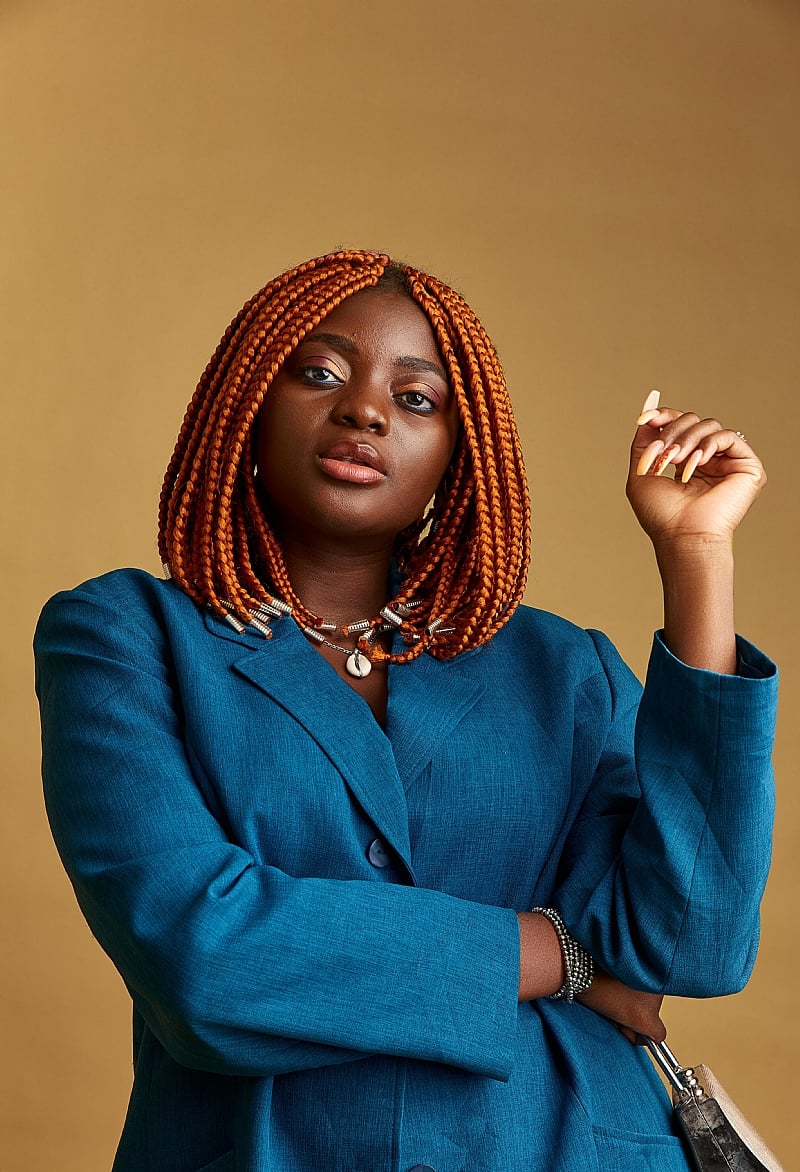
- Kuukua Eshun — Kuukua Eshun’s filmmaking sits at the intersection of personal expression and social advocacy, using visual storytelling to bring attention to experiences that are often difficult to discuss, particularly around mental health, sexual violence and gender inequality. Born in Accra on 18 May 1994 and raised with ties to Aburi in Ghana’s Eastern Region, the Ghanaian-American filmmaker, artist and writer studied Art and Science at Columbus State Community College. She began developing her filmmaking practice through short films that she wrote, directed and produced, including Stranger to Your Seed (2018) and Artist, Act of Love (2019). The latter received the Best Visual Effect award at the Worldwide Women’s Film Festival and earned international recognition. Her work is distinguished by an interest in using artistic expression to explore difficult subjects and create space for conversations around women’s experiences.
Eshun’s creative work has also taken her into music and documentary filmmaking. In 2021, she directed and co-produced Unveiling, a documentary commissioned by the ANO Institute of Arts & Knowledge that explored sexual violence and premiered at the Museum Ostwall im Dortmunder U in Germany. That same year, she co-directed the Made in Lagos (Deluxe) short film with Nigerian musician Wizkid, translating the album’s musical world into a visual experience. Beyond film, Eshun is committed to creating spaces where young people and women can express themselves and challenge social expectations. She co-founded Boxedkids, which provides educational and creative opportunities for young people in Accra’s Jamestown community, and Skate Gal Club, an all-girls skateboarding collective in Ghana. She has also worked with UNFPA Ghana on a healing session for young women who have survived sexual assault. Across these projects, Eshun brings her artistic practice into conversations and communities beyond the screen, connecting filmmaking with advocacy, creative access and social change.

Leila Djansi - Leila Djansi — Leila Djansi began making films at 19, turning an early script into a professional debut and setting herself on a path that would take her from Ghana’s film industry to international independent cinema. Raised in Ghana and India, she initially considered careers in medicine and forensics before a meeting with actor Sam Odoi led her to write Babina, which was produced by Akwetey Kanyi. She began her film education at Ghana’s National Film and Television School before continuing at Savannah College of Art and Design in the United States. Her early work included Grass Between My Lips, a film addressing female circumcision and early marriage, which won a Platinum Award at WorldFest in 2009. Her feature directorial debut, I Sing of a Well (2009), earned 11 nominations at the Africa Movie Academy Awards and won three, including the Special Jury Award for Overall Best Film. The film’s recognition helped establish Djansi as a distinctive voice in Ghanaian cinema, known for combining period storytelling with difficult social themes.
Djansi continued to use film to examine women’s lives, power and injustice. Her 2011 drama Sinking Sands, which explores domestic abuse, received 10 Africa Movie Academy Award nominations, including a Best Original Screenplay win for Djansi. In Ties That Bind (2011), she brought together stories of three women, with Kimberly Elise in the lead role; the film won Best Diaspora Film at the San Diego Black Film Festival and received further recognition in the United States. Her 2016 film Like Cotton Twines turned to the practice of trokosi in Ghana, following an African-American volunteer who discovers that one of her students is being forced into religious servitude. The film won Best Narrative Feature at the Savannah Film Festival and Riverbend Film Festival. Djansi has also worked in television, creating 40 and Single, which received recognition from Film Independent and was picked up by AMC’s Urban Movie Channel. Working across Ghanaian and American cinema, she has built a body of work centred on women’s experiences and social realities, while helping bring Ghanaian stories to international audiences.
Lupita Nyong’o - Lupita Nyong’o — Before she became an Oscar-winning actress, Lupita Nyong’o was already telling stories about African lives from behind the camera. In 2009, she wrote, directed and produced In My Genes, a documentary examining the discrimination faced by people with albinism in Kenya. The film reflected an early interest in using cinema to bring overlooked experiences into public view, a concern that would continue to shape her work. Born in Mexico City to Kenyan parents, Nyong’o grew up in Nairobi, where she discovered acting through school productions and made her professional stage debut at 14 as Juliet in Romeo and Juliet. She studied film and theatre at Hampshire College before earning a master’s degree in acting from Yale School of Drama. Her breakthrough arrived in 2013 with 12 Years a Slave. As Patsey, an enslaved woman whose story exposes the brutality of slavery, Nyong’o delivered a performance that earned her the Academy Award for Best Supporting Actress, making her the first Kenyan and first Mexican actress to win an Oscar.
Rather than allowing that breakthrough to define the limits of her career, Nyong’o continued choosing roles that stretched her range. She brought physicality and emotional depth to Nakia in Black Panther and Black Panther: Wakanda Forever, and played two sharply contrasting characters in Jordan Peele’s psychological horror film Us. On Broadway, she starred in Danai Gurira’s Eclipsed, a play about women surviving the Liberian civil war. The production made history with its all-Black, all-female cast and creative team, while Nyong’o earned a Tony Award nomination for her performance. She has also taken her storytelling beyond acting: her children’s book Sulwe, inspired by her childhood experiences of colourism, became a New York Times number-one bestseller, while her work as narrator of Serengeti earned two Primetime Emmy nominations. From her early documentary work to major film productions, theatre and children’s literature, Nyong’o has built a career that brings African stories and perspectives into spaces where they have not always been represented.
Mati Diop - Mati Diop — Mati Diop’s cinema often begins with people and histories caught between worlds. Growing up between France and Senegal, she developed a perspective shaped by questions of identity, memory, migration and belonging—subjects that would become central to her filmmaking. Her early work moved between fiction and documentary, including Atlantiques (2009), a short film following young Senegalese men contemplating the dangerous journey to Europe, and Mille Soleils (2013), which revisited Magaye Niang, the actor from her uncle Djibril Diop Mambéty’s landmark film Touki Bouki. Diop made her acting debut in Claire Denis’s 35 Shots of Rum (2008), but it was her feature directorial debut, Atlantics (2019), that announced her as a major force in world cinema. Set in Dakar, the film follows a young woman whose lover leaves by sea in search of a better life, blending romance, social realism and the supernatural to explore the cost of migration and the lives left behind. Its selection for the Cannes Film Festival’s Palme d’Or competition made Diop the first Black woman director to compete in the festival’s main competition; she went on to win the Grand Prix.
With Dahomey (2024), Diop turned her camera toward another journey: the return of 26 royal treasures looted from the Kingdom of Dahomey and held in France for generations. Rather than treating restitution as a simple transfer of objects, the documentary considers what their return means to the people and nation receiving them, giving the treasures an unexpected voice through a poetic, imaginative approach. The film won the Golden Bear at the Berlin International Film Festival, making Diop one of the few filmmakers to win major prizes at both Cannes and Berlin with her first two features. Her work continues to challenge conventional boundaries between documentary and fiction, the visible and the unseen, and personal memory and collective history. Through stories rooted in African and diasporic experiences, Diop brings questions of migration, colonialism and cultural ownership into international cinema, not as distant historical debates, but as living questions about who gets to tell a story, whose history is preserved, and what it means to bring something home.
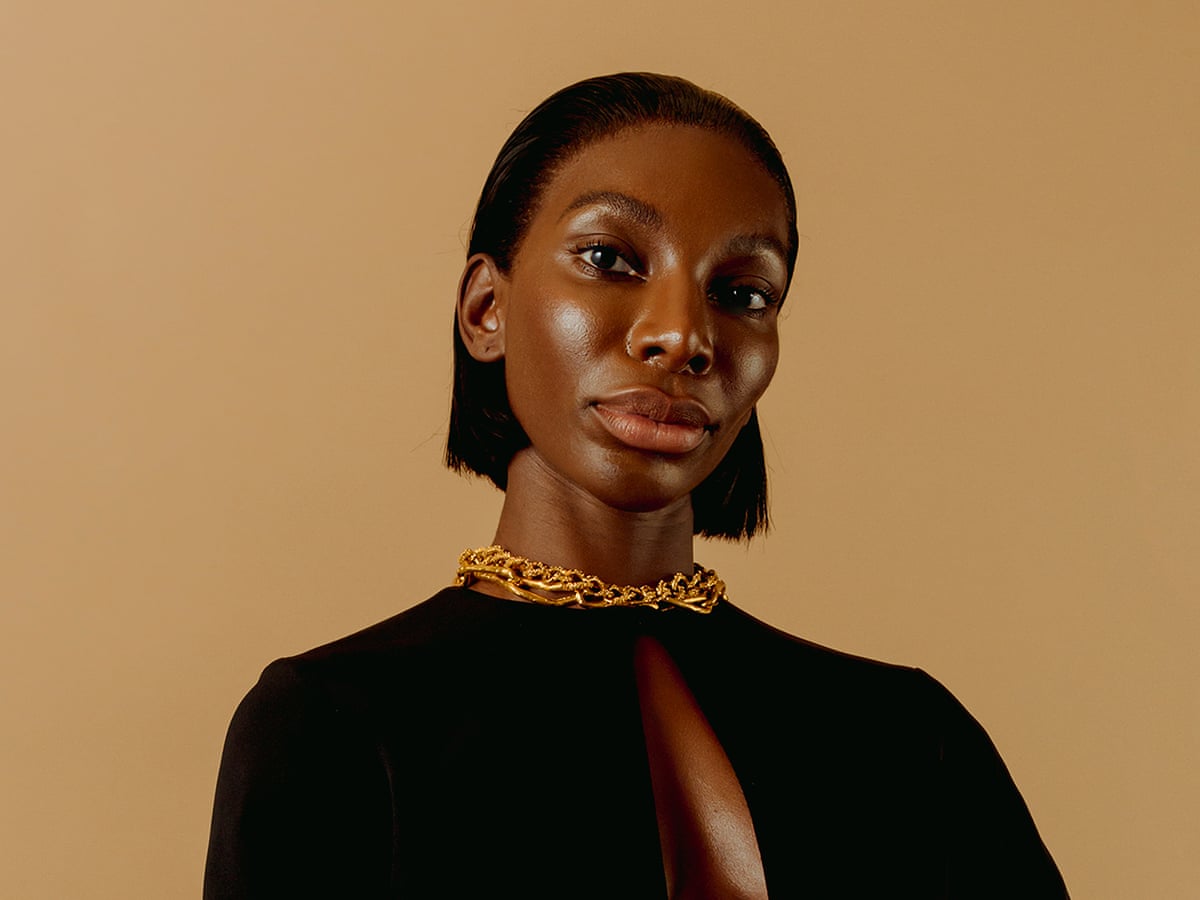
Michaela Coel - Michaela Coel — Michaela Coel’s first major television success grew out of a story she had already taken to the stage. While studying at Guildhall School of Music and Drama, she wrote Chewing Gum Dreams, a one-woman play about Tracey, a 14-year-old girl navigating faith, desire and growing up in East London. Coel performed the play herself, and its success led to Chewing Gum, the television comedy she created, wrote and starred in. The series brought her distinctive voice to a wider audience, earning her a BAFTA for Best Female Comedy Performance and a second for Breakthrough Talent. But Coel’s work was never confined to comedy. She went on to star in Black Earth Rising, a drama exploring the legacy of the Rwandan genocide, and appeared in Black Mirror and Been So Long, moving between television, theatre and film while building a career on her own creative terms.
In 2020, Coel created, wrote, co-directed, produced and starred in I May Destroy You, a series inspired by her experience of sexual assault. Rather than presenting trauma as a straightforward story of recovery, the drama explored consent, memory, friendship and the complicated ways people make sense of harm. Its impact was recognised at the 2021 BAFTA Television Awards, where Coel won for writing, directing and acting; she also became the first Black woman to win the Primetime Emmy for Outstanding Writing for a Limited Series. Her decision to turn down a reported $1 million offer from Netflix when the deal did not include ownership of her work further underscored her insistence on creative control. Coel has since brought her talent to Black Panther: Wakanda Forever as Aneka, published Misfits: A Personal Manifesto, and won an Emmy for her guest role in Mr. & Mrs. Smith. Her upcoming series First Day on Earth, which she created and stars in, continues her exploration of identity and belonging through a British novelist’s journey to Ghana. Across her work, Coel has shown what can happen when a creator refuses to separate artistic ambition from personal truth.

- Mo Abudu — Mo Abudu did not begin her career in film or television. With a background in human resources management, she worked at ExxonMobil and founded her own HR consultancy before making a bold move into media. In 2006, she created and began hosting Moments with Mo, a syndicated daily talk show that brought conversations about African leadership, culture, business and public life to television audiences across the continent. Her guests included presidents, celebrities, Nobel laureates and former US Secretary of State Hillary Clinton. The show was an early expression of a larger ambition: to change how Africa and its people were represented in global media. In 2013, she took that ambition further by launching EbonyLife TV, becoming the first African woman to own a pan-African television channel. The network created a platform for African entertainment and lifestyle programming, opening up more space for stories produced on the continent to reach audiences across Africa and beyond.
Through EbonyLife Media, Abudu has since built an entertainment business that spans television, film, production, training and hospitality. She established EbonyLife Films in 2014, helping bring major Nollywood productions such as The Wedding Party, Chief Daddy and Òlòtūré to the screen. Her productions have also found international audiences, with Blood Sisters ranking among Netflix’s global top ten and Elesin Oba, The King’s Horseman premiering at the Toronto International Film Festival. She has pursued partnerships with international companies including Sony Pictures Television, Netflix, BBC Studios, Lionsgate and Westbrook Studios, creating opportunities for African stories to travel through some of the world’s biggest entertainment networks. Beyond production, she established the EbonyLife Creative Academy to develop filmmaking talent and EbonyLife Place as an entertainment destination in Lagos. Her influence has earned recognition from Forbes and The Hollywood Reporter, while in 2019 she became the first African to chair the International Emmy Awards Gala. Abudu’s contribution to African cinema lies not only in the films and series she has helped bring to life, but also in the infrastructure, partnerships and platforms she continues to build around African storytelling.

- Nomzamo Mbatha — When Nomzamo Mbatha took on the role of Queen Nandi in Shaka iLembe, she was stepping into the story of a woman whose influence on one of Africa’s most enduring historical figures has often received less attention than his own. Mbatha brought the character to life while also serving as a co-producer on the historical drama, taking on a greater role in shaping how an important part of African history was told on screen. The production marked another significant step in a career that began with her breakthrough as Thandeka Zungu in the South African telenovela Isibaya, where she starred for seven seasons. She went on to appear in films including Tell Me Sweet Something and All About Love, before making her Hollywood debut as Mirembe in Coming 2 America (2021), alongside Eddie Murphy. Her subsequent roles in Assassin and Shaka iLembe have continued to expand her presence across local and international productions.
Away from acting, Mbatha has built a humanitarian platform focused on communities often excluded from opportunity. Appointed a UNHCR Goodwill Ambassador in 2019, she has used her visibility to advocate for refugees and displaced people, including through visits to refugee camps in Kenya. She also founded the Nomzamo Lighthouse Foundation in 2015, an organisation working to improve access to education, support young people and strengthen women’s economic participation. Its initiatives include student bursaries, youth mentorship and the EmpoweringHER programme for women entrepreneurs. In 2026, the foundation partnered with Cotton On Foundation and The Bookery to open its first library under the Beyond Words project at Masivuke Primary School in Cape Town, addressing literacy in underserved communities. Mbatha also holds a Bachelor of Commerce degree in Accounting from the University of Cape Town. Her work across entertainment and humanitarian advocacy reflects an ambition that extends beyond building a successful acting career: to use her platform, resources and influence to create opportunities for others.

Ruth Kadiri - Ruth Kadiri — Ruth Kadiri has built a career in Nollywood by taking on more than one role in the filmmaking process. An actress, screenwriter and producer, she has been involved in shaping stories both in front of and behind the camera, writing and co-writing films such as Matters Arising, Heart of a Fighter, Ladies Men, Sincerity and First Class. She also produced several projects, including Matters Arising, Over the Edge, Somebody Lied and Memory Lane. Since making her screen debut in Boycott, Kadiri has appeared in a wide range of productions, steadily establishing herself as one of the familiar faces in Nollywood. Her work has earned her recognition at the Nigeria Entertainment Awards, where she won Actress of the Year in 2015, and the City People Movie Awards, where she received the Best Actress of the Year award in 2018.
In recent years, Kadiri has also found a significant audience in digital Nollywood, using her RuthKadiri247 YouTube channel to bring films directly to viewers online. With more than four million subscribers, the channel has become an important part of her production reach, with releases attracting millions of views. This move reflects the changing ways Nigerian films are being produced, distributed and watched, and Kadiri’s place in an industry increasingly shaped by digital platforms. She has built a filmmaking brand around consistent releases and stories that reach audiences beyond traditional cinema and television. A graduate of Mass Communication from the University of Lagos and Business Administration from Yaba College of Technology, Kadiri represents a generation of Nollywood creatives building careers not only through the roles they play, but through the stories and platforms they create.

Thuso Mbedu - Thuso Mbedu — Before Hollywood came calling, Thuso Mbedu had already begun making her mark on South African television. Her breakthrough came in 2016 with Is’Thunzi, in which she played Winnie Bhengu, a young woman whose ambitions are disrupted by circumstances beyond her control. The performance earned Mbedu consecutive International Emmy nominations in 2017 and 2018, making her the only African nominee in the 2017 acting category. She had earlier appeared in productions including Isibaya, Scandal! and Saints and Sinners, but Is’Thunzi introduced her to a much wider audience. In 2021, she took a significant step onto the international stage as Cora in Barry Jenkins’ The Underground Railroad. Her performance earned her the Independent Spirit Award for Best Female Performance in a New Scripted Series and a Gotham Award for Outstanding Performance in a New Series. She also made history as the first South African actress to lead an American television series.
Mbedu made her feature-film debut in 2022, starring opposite Viola Davis as Nawi in The Woman King, a historical epic inspired by the women warriors of the Kingdom of Dahomey. She has since continued to take on international projects, including voicing Annette in Netflix’s animated series Castlevania: Nocturne and appearing in HBO’s Task. Her upcoming role as Zélie in the film adaptation of Tomi Adeyemi’s Children of Blood and Bone is another major production bringing an African fantasy story to a global screen. Beyond acting, Mbedu became L’Oréal’s ambassador and spokesperson for Sub-Saharan Africa in 2023. A graduate of the University of the Witwatersrand, where she studied Physical Theatre and Performing Arts Management, she was also named to Forbes Africa’s 30 Under 30 list in 2018. From South African television to leading international productions, Mbedu’s career reflects the range of stories and performances African actresses can bring to audiences around the world.

Wanuri Kahiu - Wanuri Kahiu — Wanuri Kahiu is interested in telling African stories that leave room for more than the familiar narratives of poverty, conflict and hardship. That conviction led her to co-found AFROBUBBLEGUM, a media company and creative philosophy championing African art that is fun, fierce and frivolous. Through the platform, Kahiu has pushed back against the idea that African stories must always be defined by struggle, making a case for films that embrace joy, imagination, romance and possibility. Her own filmmaking reflects this vision. In Pumzi (2009), a science-fiction short film set in a post-apocalyptic world, she imagined an African future through the story of a young botanist searching for life beyond her underground community. The film premiered at the 2010 Sundance Film Festival and won Best Short Film at the Cannes Independent Film Festival. Her debut feature, From a Whisper (2008), had already earned her five Africa Movie Academy Awards, including Best Director, Best Picture and Best Screenplay, for its fictionalised account of the 1998 US Embassy bombing in Nairobi.
In 2018, Kahiu brought another kind of Kenyan story to the international stage with Rafiki, a love story about two young women navigating their relationship in a society that does not accept it. The film became the first Kenyan feature selected to screen at the Cannes Film Festival, where it received a standing ovation. At home, however, it was banned by Kenya’s Film Classification Board over its portrayal of same-sex love. Kahiu refused demands to change the film’s hopeful ending, taking the fight to court in defence of artistic freedom and the right to tell stories without compromising their truth. She has since expanded her work internationally, directing Netflix’s Look Both Ways (2022) and taking on other major screen projects. Also an author, she wrote the children’s book The Wooden Camel and co-wrote the science-fiction short story Rusties with Nigerian writer Nnedi Okorafor. Across film and literature, Kahiu continues to make space for African characters, futures and experiences that are too often left out of the stories told about the continent.