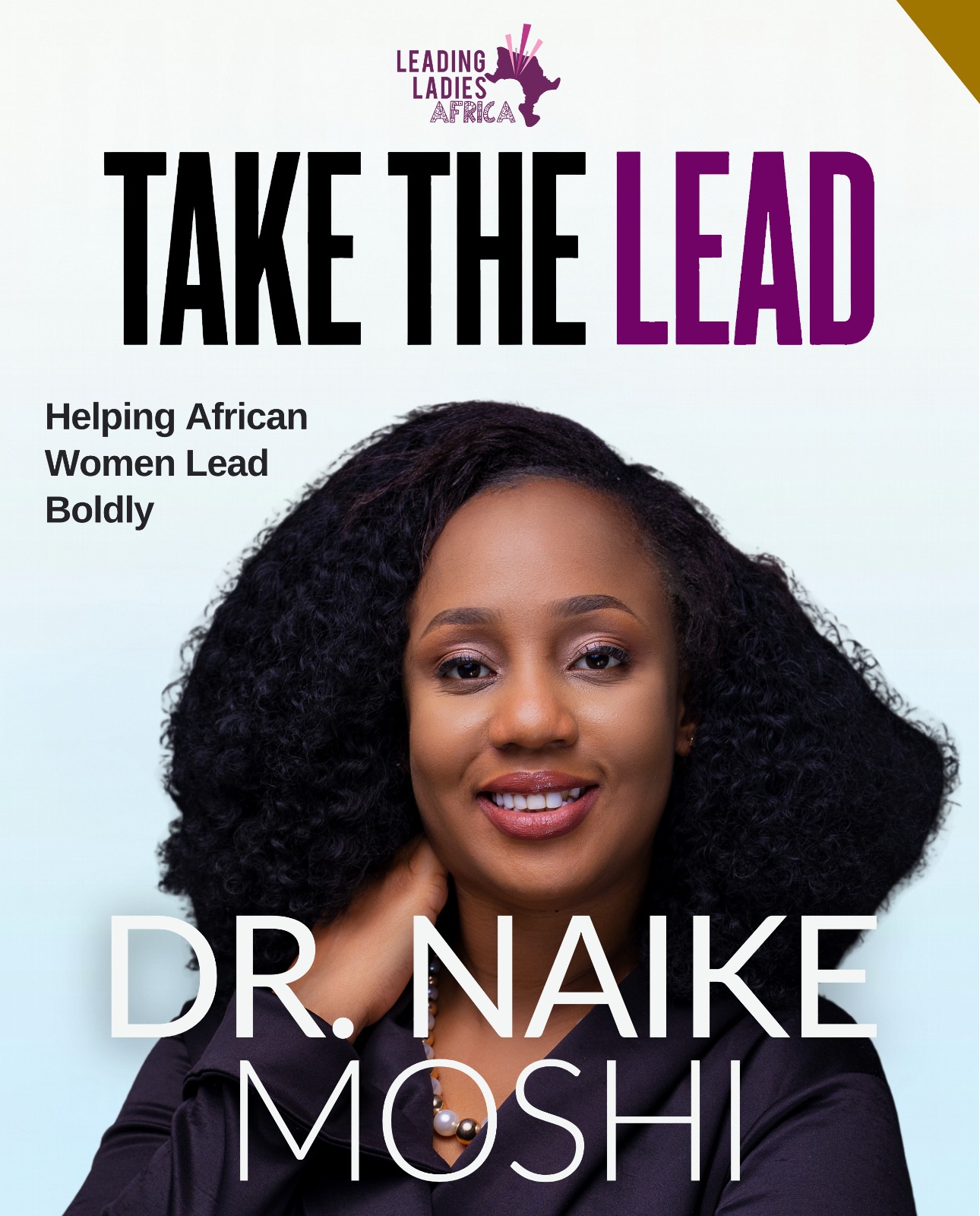
Dr. Naike Moshi has a question she has been asking for years and it has shaped everything she has built.
If African women are this qualified, this capable, and this ready, why are they still not in the room?
The answer she found was not about competence. It was about visibility, access, confidence, and the deeply embedded belief that some rooms were simply not built for women like them and instead of accepting that as fact, she built Women in Management Africa, WIMAch, allenge it.
Dr. Naike Moshi is a leadership development expert, executive search consultant, gender advocate, and the founder of WIMA, a continent-wide movement dedicated to helping women become visible, confident, and impactful at the decision-making table. What started in 2017 as a social media campaign profiling 50 women grew into one of Africa’s most powerful women’s leadership ecosystems, offering mentorship, leadership training, executive search, and now WIMA LUXE, a premium platform for women leaders in the luxury and lifestyle space.
Her journey has not been without its own valleys. She studied in Tennessee, worked at UNESCO, and launched her first business in Tanzania in 2013 and watched it fail. That failure, she will tell you, taught her more than any success ever could. It gave her humility, resilience, and the empathy to walk alongside women who are rebuilding and rising at the same time.
Today, WIMA has touched lives across the continent. Women are joining boards, launching businesses, stepping into global leadership roles, because they first saw someone who looked like them on a WIMA platform and dared to believe it was possible for them too.
In this conversation, Dr. Naike opens up about the pattern she could no longer ignore, what she accidentally unlocked when she started putting women’s stories on a screen for the world to see, and what Africa will look like when WIMA has done everything she dreamed it would.
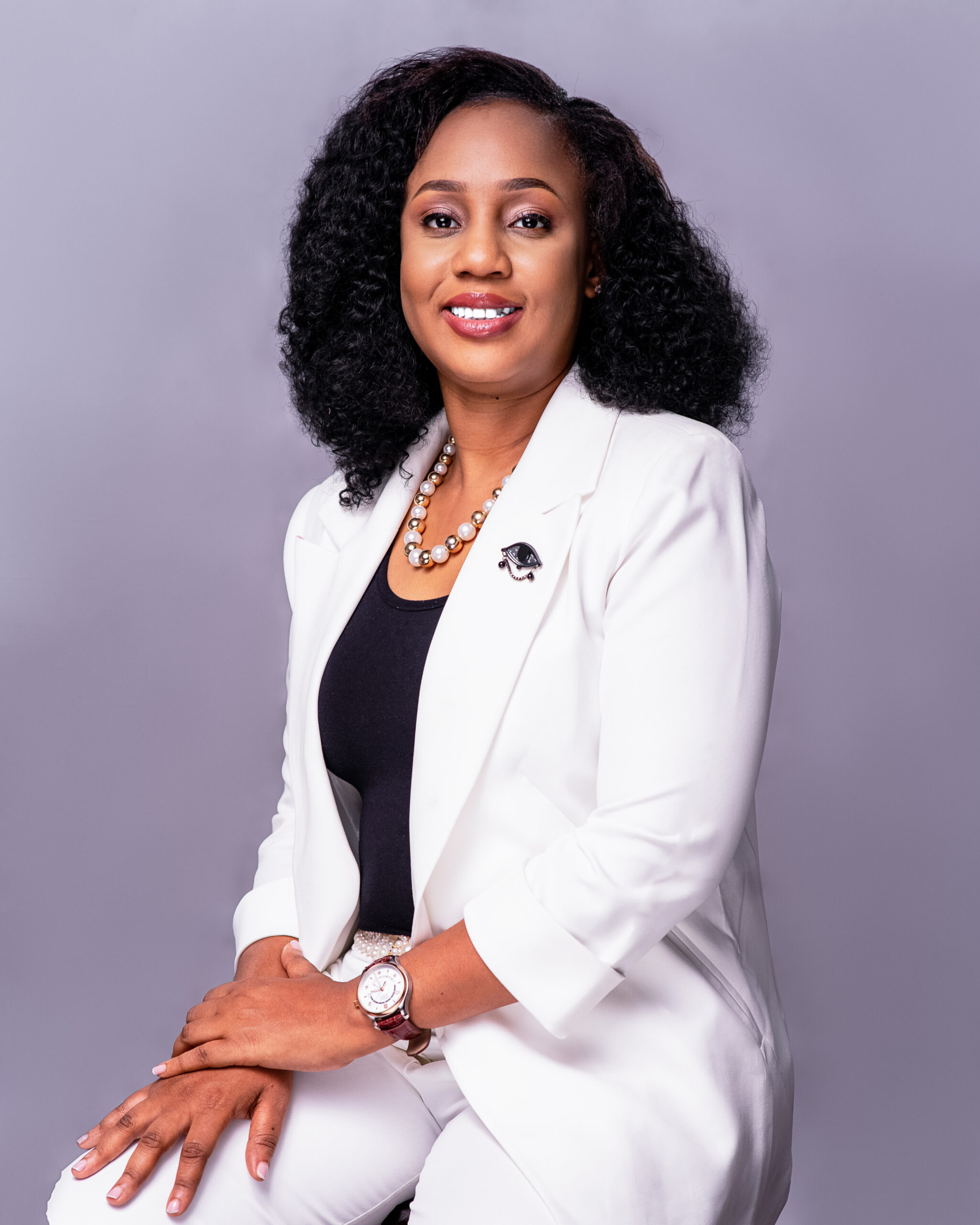
Naike, you have worn many hats, recruiter, entrepreneur, advocate, founder. How do you introduce yourself when someone asks what you do?
I usually say: “I help leaders — especially women — become visible, confident, and impactful at the decision-making table.”
Everything I do, whether through leadership development, executive search, mentorship, or advocacy, is centered around helping women step into rooms they were always qualified to be in. I believe leadership is not just about having a title; it is about influence, representation, and the courage to use your voice where decisions are being made.
Over the years, I realized that many talented women are not lacking capability — they are lacking visibility, networks, and access. My mission became helping women not only develop leadership skills, but also position themselves strategically in spaces where policies, investments, and the future are shaped. Whether I am building programs, mentoring executives, or advocating for gender inclusion, the heart of my work is creating pathways for more women to lead boldly and unapologetically.
You studied in Tennessee, USA worked at UNESCO, and launched your first business in Tanzania in 2013 and it failed. What did that failure teach you that success never could have?
Failure taught me humility, resilience, emotional intelligence, and the ability to rebuild. When my first business failed in 2013, it was painful because I had attached my identity to the success of that dream. But looking back now, that experience shaped me more than any success ever could.
It taught me that vision alone is not enough. You need systems, financial discipline, strategy, and patience. It also taught me not to romanticize entrepreneurship. Behind every successful founder is sacrifice, uncertainty, and moments where you question yourself deeply.
Most importantly, failure taught me empathy. Today, when I mentor women and young entrepreneurs, I understand their fears because I have lived through disappointment myself. Failure gave me the courage to start again — wiser, stronger, and more intentional.
You spent years sitting across the table from some of Africa’s most qualified women and watching them talk themselves out of opportunities. At what point did you decide that seeing that pattern was no longer enough, that you had to do something about it?
As an executive and Gender consultant, I spent years interviewing incredibly brilliant women. Women with qualifications, experience, intelligence, and leadership capability. But many of them minimized themselves before anyone else even had the chance to doubt them.
I remember sitting in interviews watching women apologize for ambition, hesitate to negotiate salaries, or disqualify themselves from opportunities they were fully capable of handling. Meanwhile, less qualified individuals were confidently taking up space.
That was the turning point for me. I realized the issue was deeper than skills. It was about confidence, exposure, mentorship, and representation. I knew then that I could not just continue observing the pattern — I had to build something that challenged it.
That is how WIMA was born. Not just as an organization, but as a movement to help women see themselves differently and occupy leadership spaces with confidence.
WIMA started as a social media campaign profiling 50 women and grew into a continent-wide leadership movement. What do you think you accidentally unlocked when you started putting women’s stories on a screen for the world to see?
I accidentally unlocked the power of visibility and representation.
Many women are doing extraordinary work quietly, but the world rewards what it sees. When we started profiling women online, something powerful happened — women began seeing reflections of themselves in leadership stories. It gave them permission to dream bigger.
The visibility created confidence. The confidence created courage. And the courage created action.
I also realized that women were hungry for community. They wanted spaces where they could learn, connect, collaborate, and grow without competition or intimidation. WIMA became more than a platform; it became a mirror that reminded women of their potential.
Today, when I see women joining boards, launching businesses, speaking globally, or stepping into leadership because they first saw someone who looked like them through WIMA, I know visibility truly changes lives.
WIMA offers mentorship, executive search, leadership training, and now WIMA LUXE for women in the luxury sector. How do you hold such a wide vision together without losing focus on the core of what you are building?
Because the mission has never changed — the platforms simply evolved.
At the center of everything we do is one goal: empowering women holistically. Leadership is not only about education or titles. It is also about confidence, presence, access, exposure, wellness, networks, and economic empowerment.
WIMA mentorship develops the mind. Leadership training develops capability. Executive search creates opportunities. WIMA LUXE speaks to confidence, identity, and occupying premium spaces unapologetically.
I do not see these initiatives as separate things. I see them as different pieces of the same ecosystem designed to help women rise fully — personally, professionally, socially, and economically.
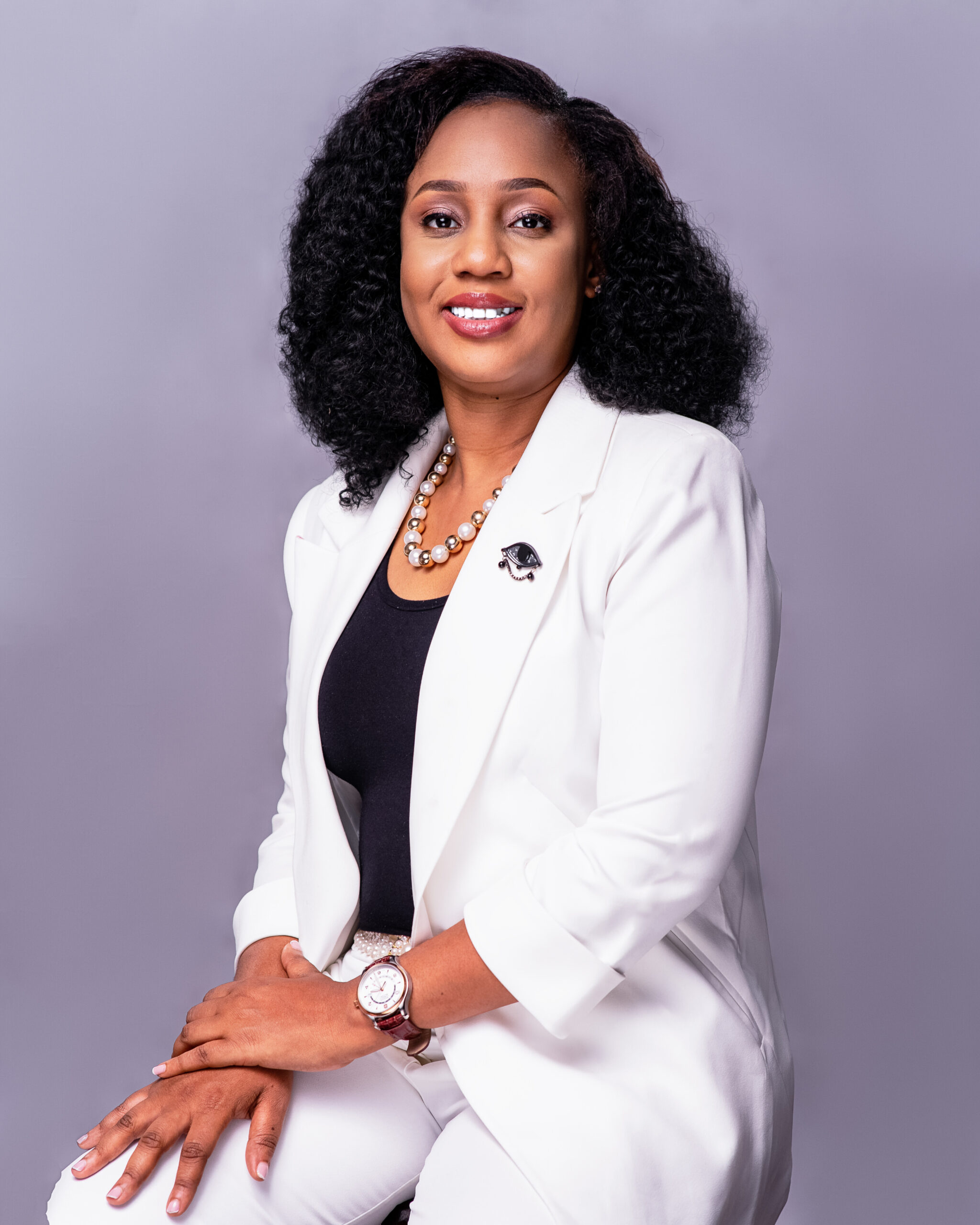
WIMA LUXE is a fascinating addition as we are expanding the brand, its for leaders looking for premium and luxury pieces from suits, handbags, cosmetics and watches Why does a woman’s confidence in premium spaces matter as much as her qualifications?
Because many women are qualified for rooms they still psychologically feel they do not belong in.
I have seen women with incredible credentials shrink themselves in premium spaces because they were never conditioned to see themselves there. Confidence matters because leadership is not only about competence — it is also about presence, energy, and how you carry yourself.
WIMA LUXE was designed to challenge that mindset. I wanted women to experience leadership beyond survival. I wanted them to understand that elegance, wellness, luxury, and confidence are not superficial — they are part of self-worth and self-expression.
A woman should not walk into a boardroom feeling grateful just to be invited. She should walk in knowing she belongs there and that her voice carries value.
You have built your entire career around one stubborn truth, that women are being left out of rooms they are more than qualified to be in. How much has actually changed since you started sounding that alarm?
A lot has changed, but there is still a long way to go.
When we started these conversations years ago, gender diversity was often treated as a side conversation or a CSR issue. Today, more organizations are beginning to recognize that inclusion affects governance, innovation, profitability, and sustainability.
We are seeing more women on boards, more women in executive leadership, and more conversations around representation. Through WIMA and our gender diversity research, we have helped amplify the importance of women in leadership and governance spaces.
But the deeper challenge still exists. Many systems continue to unconsciously reward familiarity over inclusion. Women are still underrepresented in key decision-making spaces, investment circles, and policy leadership.
The conversation has started. Now the focus must move from symbolic inclusion to actual power, influence, and equal participation at the table.
If African corporations were truly serious about closing the gender gap — not performatively, but seriously, what are the three things they would do tomorrow?
First, they would intentionally build leadership pipelines for women instead of waiting for representation to happen naturally.
Second, they would tie diversity and inclusion goals directly to executive accountability and performance measurement. What gets measured gets prioritized.
Third, they would invest in mentorship, sponsorship, visibility, and succession planning for women leaders. Many women do not lack capability; they lack access to influential networks and sponsors who advocate for them in powerful rooms.
I always say gender inclusion should not be treated as charity or compliance. It is a leadership and business advantage. Diverse leadership teams make better decisions, understand markets better, and create more sustainable organizations.
When WIMA has done everything you dreamed it would do, what does Africa look like, and what does Naike Moshi’s chapter in that story say?
Africa will look more inclusive, balanced, innovative, and transformational. Women will not have to constantly prove they deserve leadership spaces. Young girls will grow up seeing women CEOs, board chairs, policymakers, and investors as normal, not exceptional.
I want to see more women at decision-making tables — shaping policies, leading corporations, influencing economies, and driving the future of Africa confidently.
And if my chapter in that story is remembered, I hope it says:
“She helped women leaders become visible — and visibility changed generations. She believed Africa could not fully rise while women remained absent from decision-making tables. Her mission was simple but powerful: to ensure more women were seen, heard, and represented where leadership, policy, and the future were being shaped.”