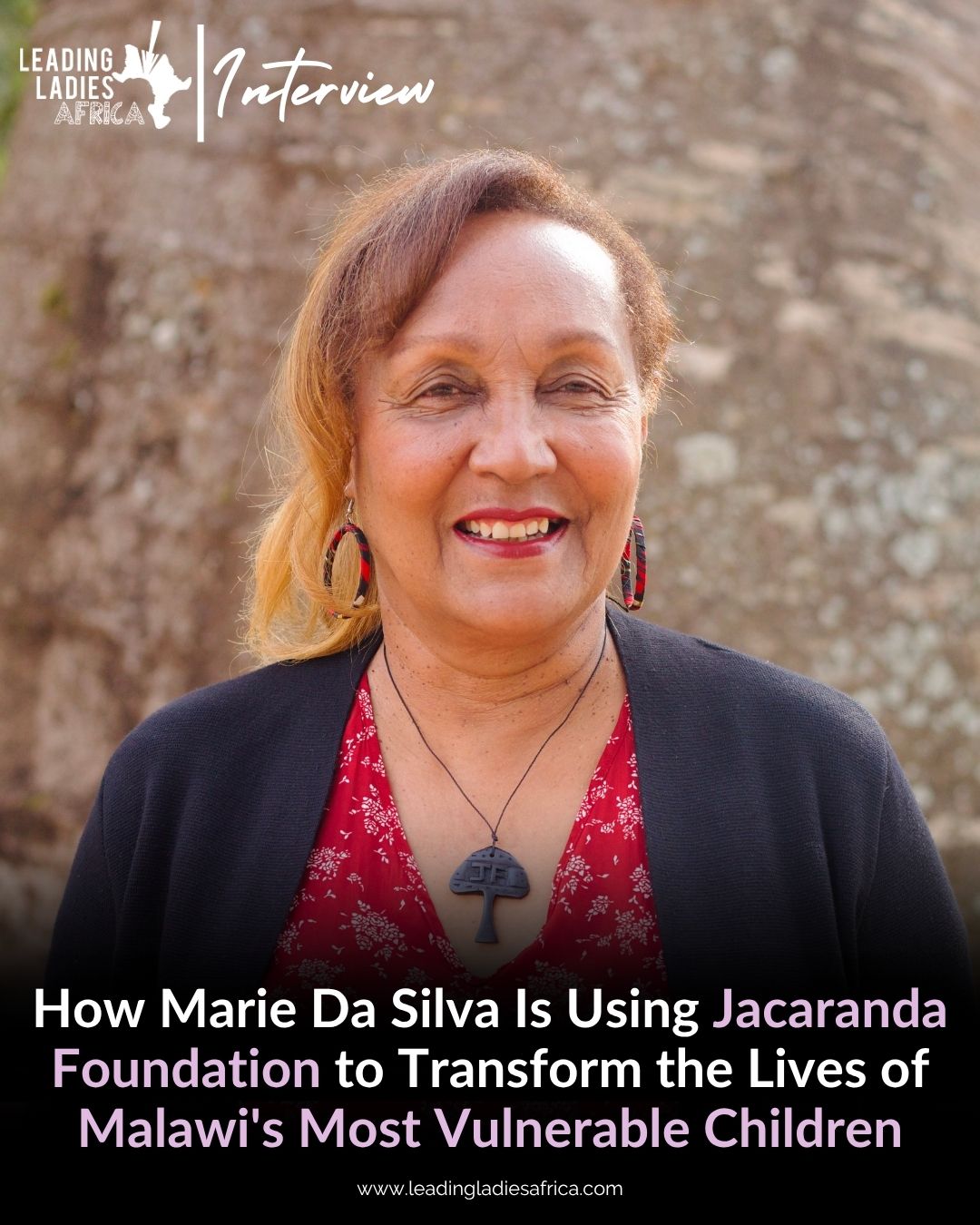
In 2002, Marie Da Silva was working as a nanny in the United States when she heard that the school in her village in Blantyre, Malawi, was closing. Dozens of orphaned children, many of them affected by the AIDS epidemic that had already taken 14 members of her own family were about to be left with nowhere to go.
She did not wait for someone else to fix it. She called her mother, asked if they could open the family home she had grown up in, and began funding it with a third of her nanny salary. That family home became Jacaranda School.
More than two decades later, Jacaranda Foundation supports 600 orphaned and vulnerable children with free education from preschool through secondary school, college scholarships, a paediatrics physiotherapy clinic, a vocational school, and girl empowerment programs. Over 150 students have gone on to Malawian and international universities. Jacaranda alumni are now engineers, nurses, teachers, IT specialists, and artists and through Luc’s Libraries, an initiative Marie runs alongside her husband and Jacaranda’s Executive Director, Luc Deschamps, 37 libraries have been created across Malawi, reaching over 80,000 children.
In 2008, Marie was named a Top Ten CNN Hero. She has also received the Lifetime Achievement Award from the President of Malawi but ask her what all of this means, and she will tell you simply: she found her purpose.
In this feature, Marie opens up about the moment that changed everything, what she wants the girls at Jacaranda to know about their education, and what she would say to every woman sitting on a big idea and waiting for the right time.
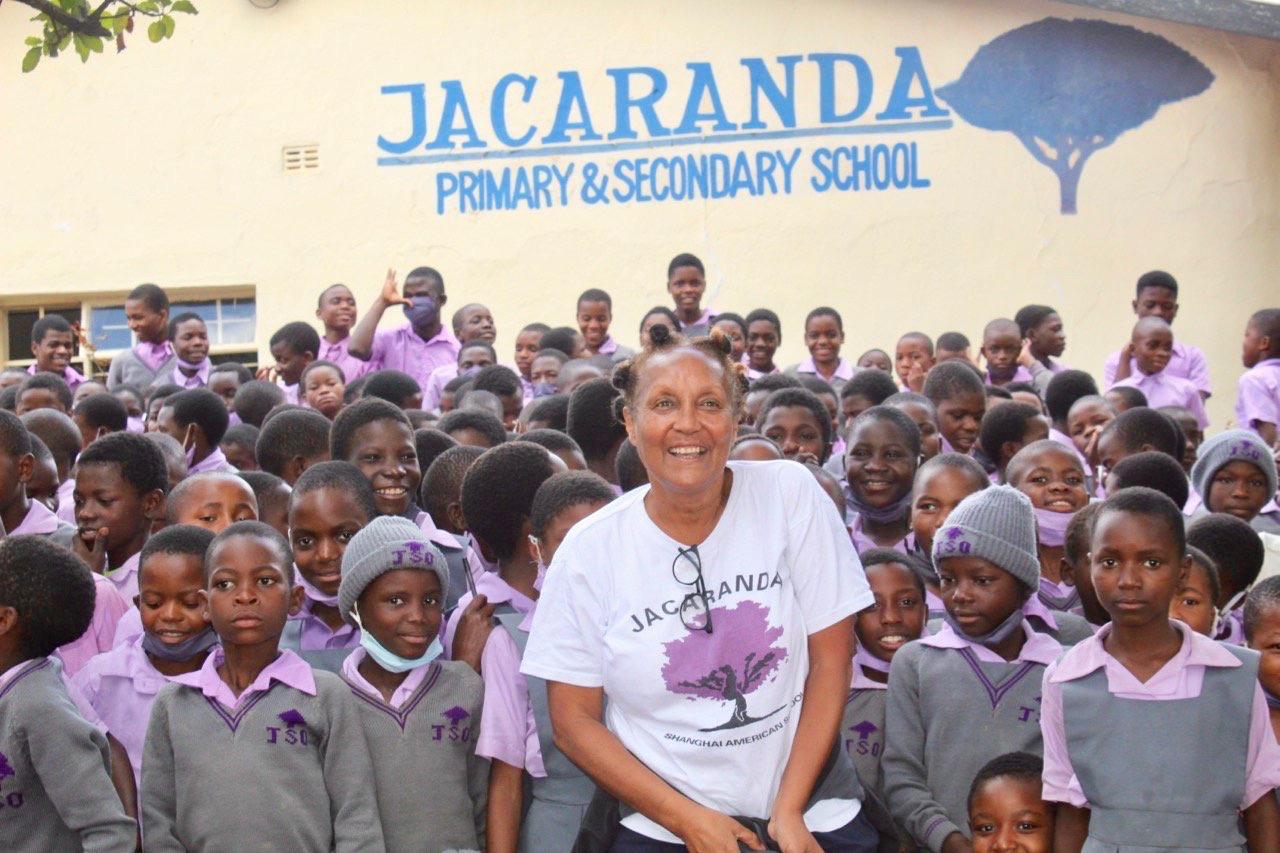
You started a school in your kitchen while working as a nanny in the US. Tell us about Jacaranda Foundation and what it means to you.
I started the school in 2002 in my family house that I was raised in as a child. Jacaranda started with 50 orphaned children, providing them with education, medical help and nutrition. Today there are 524 children and free school from 3 years old (preschool, primary school, secondary school). We also provide scholarships to college for them.
Jacaranda has grown, we do more than providing education: we have a pediatrics physiotherapy clinic for 67 special needs children as well as a vocational school that provides entrepreneurship classes and skills training for women in the community.
Jacaranda has created many outreach programs, one of them being providing primary school libraries in public schools -there are now have 37 libraries reaching over 80,000 children in Malawi, including a reformatory center.
Jacaranda means I have found the purpose in my life. Seeing a child go to school and stay in school and grow healthy all the way to completion of secondary school and then access university, fulfills my life mission. And through this, the child experiences feeling secure and mostly loved. This makes me happy.
You heard the school in your village was closing and decided to do something about it, from thousands of miles away. What gave you the audacity to believe you could fix it?
When I heard a school was closing in my village I had just returned from my country, where I attended the funeral of my father. who died of AIDS. I lost many members of my family to AIDS at this time, when there were no medications available in Malawi.
So when I heard that children who lost their parents to AIDS -and many living with HIV- would be out of school, I felt I could do something. Thats when I asked my mother if we could open our family house that I was raised in -which she was renting out. And I would reimburse her the rent money with a third of the salary I was earning working as a nanny in the USA. I did that because I felt I needed to do something rather than watching children stay out of school because their families could not afford school funds or even buy a uniform.
I do not believe that I can fix everything. I believe that if I try, I can make even a small kind of a difference. So that’s why I tried.
Jacaranda now schools, feeds, and provides healthcare for almost 600 children. What is the moment that reminds you every single day why this work matters?
The moment that reminds me that each day matters is when I see the kids walk through the gates. Jacaranda is a place I see as a sanctuary. Where, when they walk in, they can see and feel that there will be a future for them. That they are safe and it is all in their hands, because they are in a place where they can work towards what they want for their future.
At Jacaranda it is not only about academics, it is a place where they can find themselves through the arts too. A place where tools of expressing themselves are available for them.
When they are sick or hungry, they know they will find help. The students feel they can be listened to. To me, that is very important. Because every child, no matter where they are from, needs to be heard. They all need the same tools to prosper. Most of all need to feel they are loved.
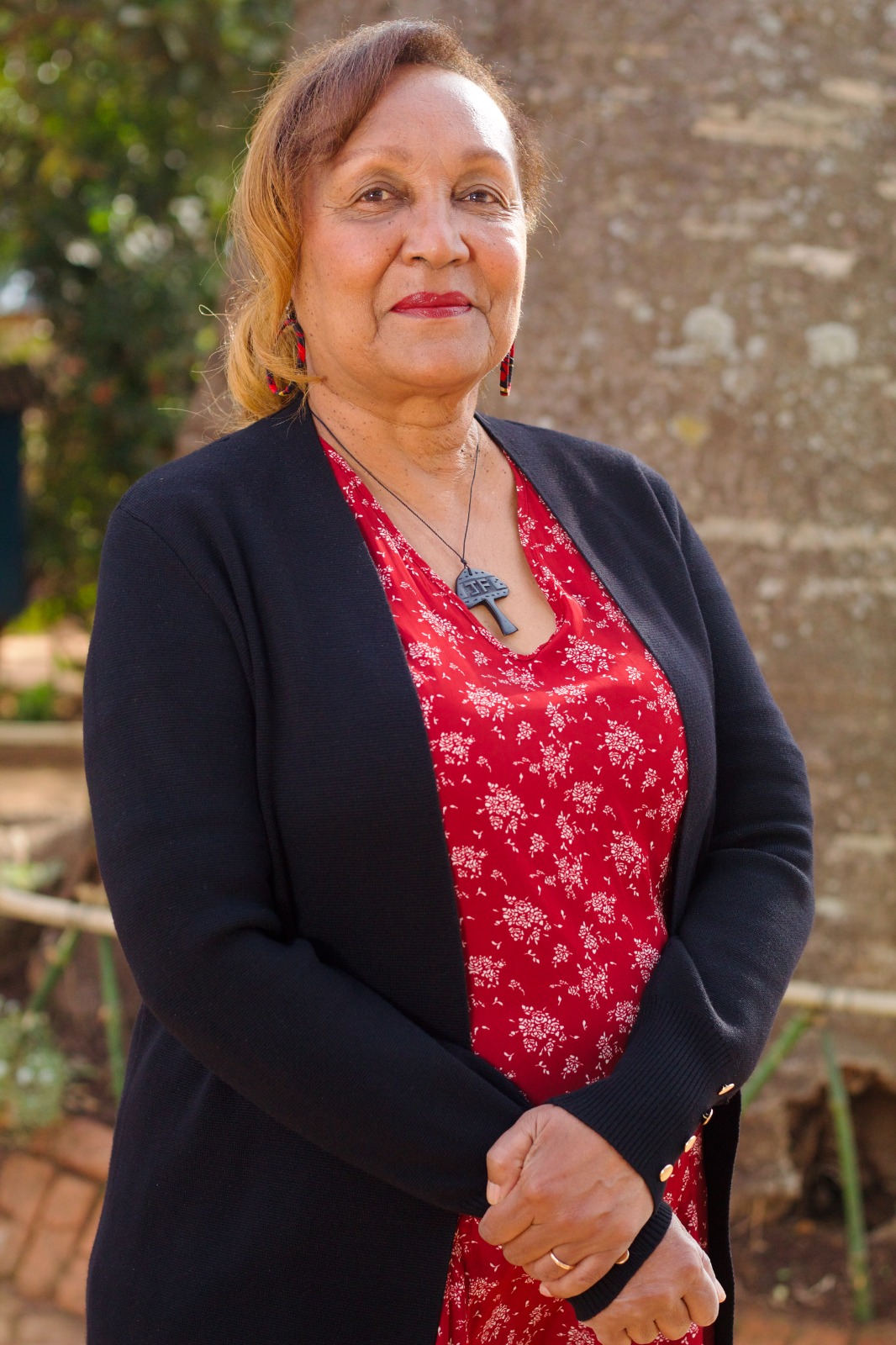
In a country where only half of women finish primary school, Jacaranda teaches more girls than boys. What do you want those girls to know about what their education means?
We have more girls at Jacaranda, and they are completing school and entering universities, and in most classrooms they are the high scorers. The reason is that we put lots of emphasis on them, considering that girls drop out of school and many do not complete college.
In most cases, when it comes to orphans, it is even more likely that the girls will drop out. But not at our school: there are girl empowerment programs, as well as involvement of the girls in leadership programs. Motivating them with workshops -inviting women speakers such as bankers, lawyers, high-ranking women- to come to talk to them about the importance of education.
Whilst at school the girls are given leadership and decision making chances to encourage them and to experience their potential. This allows them to build confidence and drives them to understand that they can do better whilst going through the education system.
You started with remittances, your kitchen, and a conviction. What is your advice to the woman sitting on a big idea, waiting for the right time and the right resources?
My advice to anyone thinking of bringing their idea to life is to not start big if they do not have the funds or resources readily available. Start small, grassroots, organically, and then work towards growth. Take a step at a time investing in the priorities first. Think of priorities.
I started with kids sitting on the floor, painting walls black to use as blackboards, employing teachers whom I could afford. When I managed to get first money after my CNN Heroes award I looked at what was priority. Build toilets with running water for hygiene, since we were now using 4 pit latrines for 280 students. Expanding the school with secondary, as my house was too small for both schools. And slowly we added what was priority. With more qualified teachers and students learning comfortably, after the first year 18 students took national exams: 7 passed and went to college, whilst for 6 years none had done so. But I still kept those kids in school until one day they passed.
So my advice is not to panic. To start your project and work up. Because some have an idea but will only put it in practice if they have the big money available. I was a nanny sending my salary home to keep kids in class and today those kids are in qualified employment here in Malawi.
I believed in what I chose to do and throughout the years, with a lot of learning, I am able to understand the needs of my community. Focusing first and foremost on the beneficiaries.