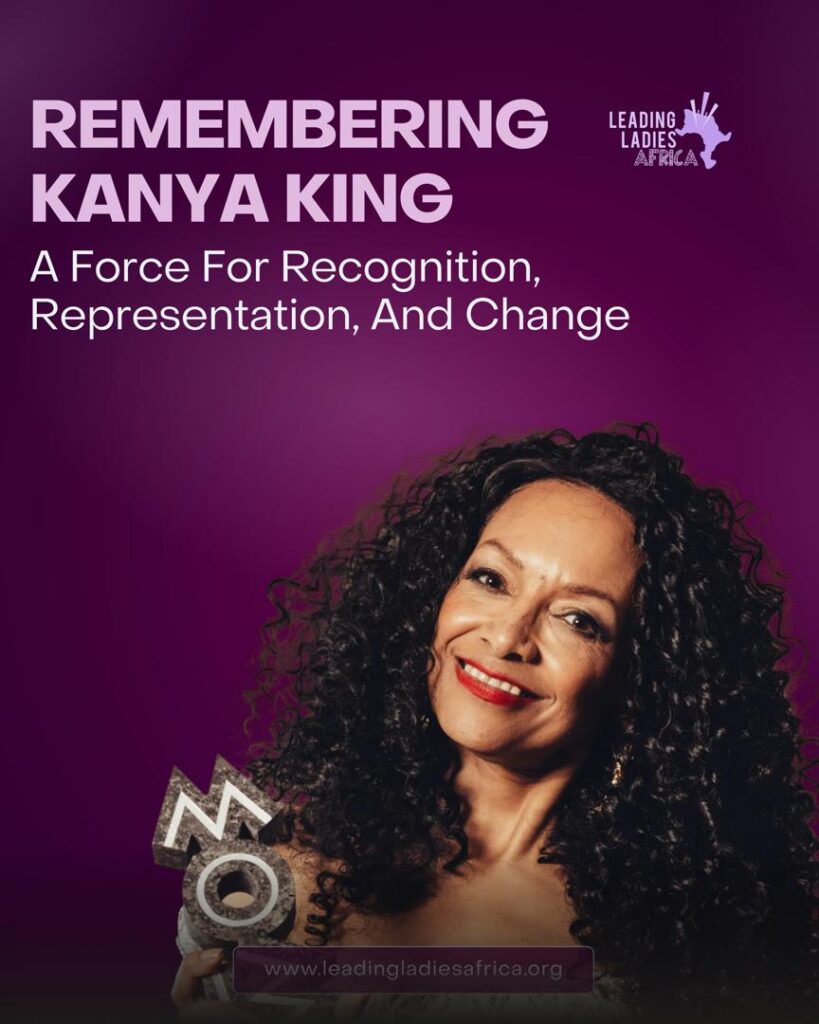
When Kanya King launched the MOBO Awards in 1996, she was not simply creating an awards show. She was challenging an entire industry.
At a time when Black artists were shaping British culture through hip-hop, R&B, soul, reggae, gospel, and jazz, the recognition they received rarely reflected their influence. The talent was there. The audiences were there. The commercial success was there. What was missing was a platform that treated that contribution with the seriousness it deserved.
Kanya decided to build it herself.
Armed with little more than conviction, persistence, and an idea many people did not fully understand, she created what would become one of Britain’s most influential cultural institutions. For three decades, MOBO celebrated excellence, opened doors, launched careers, and forced the wider industry to pay attention.
Following her passing in June 2026, we look back at nine powerful lessons from the woman who transformed Black British culture forever.

1. Sell The Vision Before The World Is Ready For It
Kanya King was working as a television researcher when she noticed a gap that many people had accepted as normal. Black music was influencing everything, yet the industry’s biggest stages rarely reflected that reality.
Most people would have complained about the problem. Kanya became obsessed with solving it.
With no experience running an awards show and no roadmap to follow, she developed the idea for the MOBO Awards – Music of Black Origin. It was a bold concept at a time when many industry leaders questioned whether such a platform was necessary.
Then came a chance encounter at an Arsenal Football Club event. Kanya pitched her idea to the head of London Weekend Television, and instead of letting the opportunity pass, she made her case with conviction.
Seven weeks later, the first MOBO Awards was born.
The lesson is simple: if you wait for everyone to understand your vision before you start, you may never start at all.
2. Risk What You Have For What You Believe In
Great ideas often sound inspiring in hindsight. In real time, they usually look terrifying.
When it became clear that the first MOBO Awards would need significant funding, Kanya faced a difficult choice. She could scale back her ambition, postpone the idea, or walk away entirely.
Instead, she remortgaged her home.
There were no guarantees. No proof the event would succeed. No certainty that the investment would ever return. What existed was belief.
That decision became the foundation of a brand that would endure for thirty years.
Many people say they believe in their dreams. Far fewer are willing to place something valuable on the line for them. Kanya understood that conviction often requires sacrifice.
3. Let Your Story Be Fuel, Not A Limitation
Kanya’s story did not begin with privilege or perfect circumstances.
She lost her father at thirteen. At sixteen, she became a mother and left school. For many young women, society would have treated those realities as the end of the conversation.
Kanya refused to accept that narrative.
She returned to education, earned a degree from Goldsmiths, University of London, and continued building a future that looked very different from the one others might have predicted for her.
Throughout her life, she spoke openly about her journey as a teenage mother because she wanted people to understand something important: your starting point does not determine your destination.
The experiences that could have limited her became part of the resilience that defined her.
4. Recognition Is Not A Favour. It Is Overdue Justice.
When MOBO launched, it did more than hand out awards.
It challenged assumptions about whose contributions deserved celebration.
For decades, Black artists had influenced British music while often being treated as niche, secondary, or outside the mainstream. Yet the numbers told a different story. These artists were shaping culture, driving sales, and creating genres that would influence generations.
Kanya understood that recognition is not simply about prestige. Recognition shapes investment. It shapes opportunity. It shapes whose stories get told and whose talents get nurtured.
MOBO became a statement that Black music was not on the margins of British culture.
It was central to it.
And sometimes justice begins with making people impossible to ignore.
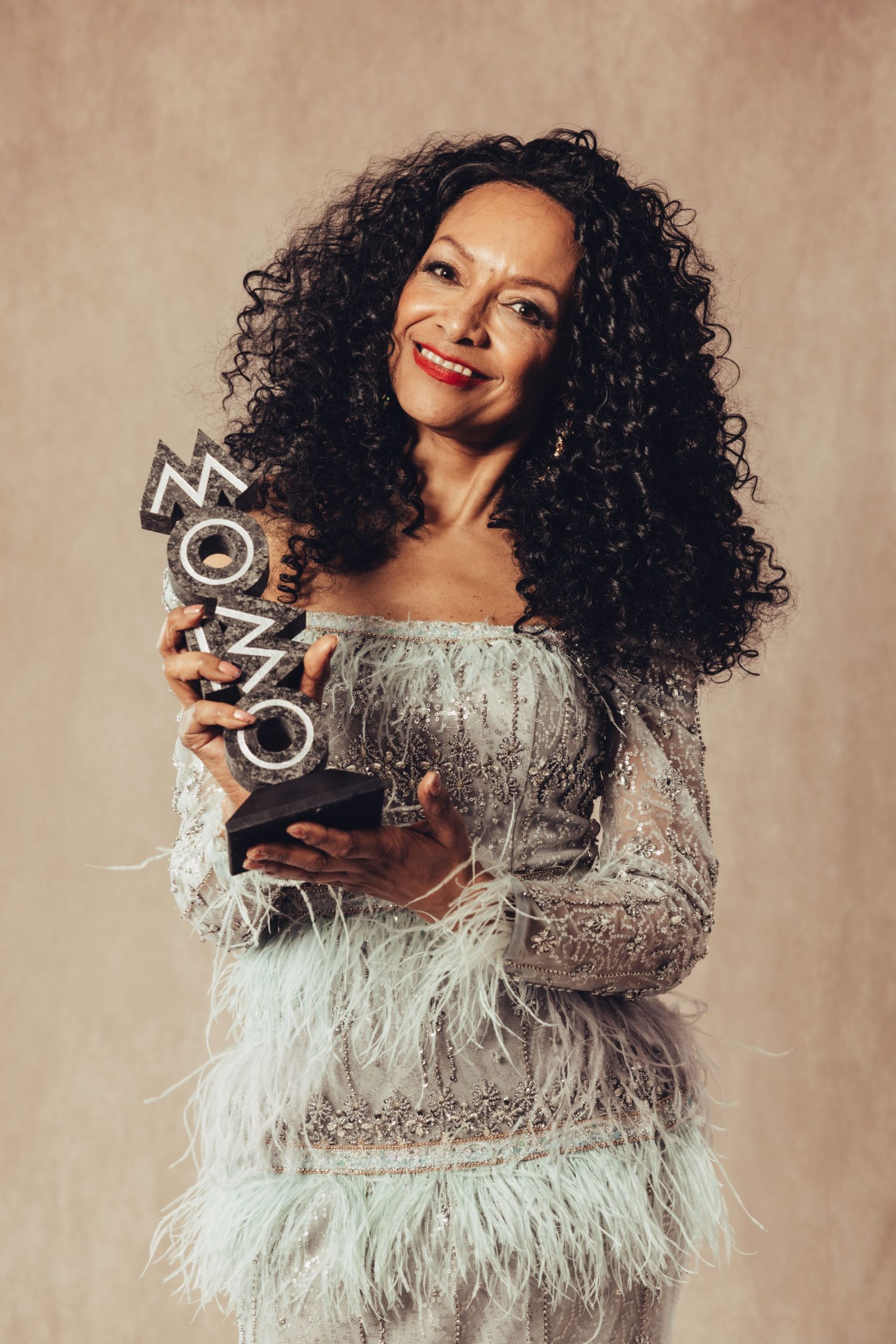
5. Build An Ecosystem, Not A Moment
Many people know MOBO as an awards ceremony.
Kanya saw something much bigger.
She understood that one evening of applause could not solve deeper issues around access, visibility, and opportunity. If she wanted lasting impact, she needed to create pathways, not just platforms.
That thinking led to initiatives like MOBO Unsung, MOBO Fringe Festival, MOBO Musicians Amplified, and House of MOBO.
Each programme addressed a different part of the journey for emerging talent.
Kanya was never interested in creating a single moment of celebration. She wanted to build infrastructure that could continue creating opportunities long after the cameras stopped rolling.
The strongest leaders do not just build events.
They build ecosystems.
6. Longevity Is The Loudest Response To Doubt
Every ambitious idea attracts sceptics.
Many people questioned whether MOBO would survive. Others dismissed it as a temporary movement. Some doubted whether an awards show focused on music of Black origin could sustain relevance over time.
Kanya heard the criticism.
Then she kept building.
Year after year, MOBO adapted, evolved, and remained culturally relevant through changing music trends, shifting media landscapes, and industry disruption.
In March 2026, she celebrated thirty years of MOBO.
Three decades earlier, many people doubted the concept would survive three years.
Longevity became her answer.
Sometimes you do not need to argue with your critics. You simply need to outlast them.
7. Refuse To Let Circumstances Define Your Limits
In December 2024, Kanya revealed that she had been diagnosed with stage IV bowel cancer.
For most people, such news would understandably change everything.
Yet even as she navigated treatment, she continued showing up publicly, advocating for the causes she believed in, and supporting the institution she had spent three decades building.
At the MOBO Awards, she delivered a message that captured her entire approach to life:
“I never allowed someone to define my limits. Not in life. Not in business. And I’m certainly not going to have that happen now.”
Those words resonated because they reflected how she had lived from the beginning.
Her story was never about pretending challenges did not exist.
It was about refusing to surrender to them.
8. The People You Lift Will Carry Your Name
Success is often measured by titles, awards, and wealth.
Legacy is measured differently.
At her final MOBO appearance in March 2026, Pharrell Williams took the stage to honour her. His tribute reflected something larger than professional respect.
It reflected gratitude.
For thirty years, Kanya had created opportunities for artists, executives, creatives, and entrepreneurs. She had opened doors, amplified voices, and created spaces where people could thrive.
Those investments compounded over time.
The artists she celebrated became global stars. The talent she supported became industry leaders.
The people she lifted became part of her legacy.
And there is no greater return on leadership than that.
9. Build Something That Outlives You
Kanya King passed away on 3 June 2026 at the age of 57.
But what she built remains.
MOBO continues. The opportunities it creates continue. The careers it helped launch continue. The cultural shift it sparked continues.
Few people get to leave behind something that fundamentally changes an industry.
Kanya did.
The official MOBO tribute described her work as an act of cultural justice. It is difficult to find a more fitting description bcause what she created was never simply an awards ceremony.
It was proof that one woman, one idea, and one refusal to accept the status quo can permanently change what a society chooses to celebrate and that is a legacy that will outlive every award she ever received.