There is a question that sits quietly at the back of every ambitious young African woman’s mind:
‘Has anyone else felt this way before?’
Not the polished, retrospective version of the story but the real one. The uncertainty, the pivots, the moments where the path forward was anything but clear. The answer, almost always, is yes. The problem has never been the absence of women who figured it out. It has been the absence of spaces where they were asked to say so out loud.
A Letter to My Younger Self is that space. Initiated by Aïda Diouf, Executive Director for Africa at the Camusat Group and a 2026 World Economic Forum Young Global Leader. The book brings together 17 exceptional African women across 12 nationalities and more than fifteen sectors, from technology and finance to literature, gastronomy, sport, and the arts. Together, they have created something the continent has been waiting for: an honest, intimate, and deeply human record of what it actually takes to build a life of impact on African soil and beyond.
The book is set for release in September 2026, with distribution across more than ten African countries and a freely accessible digital version designed to reach as many young women as possible. But before it lands in their hands, we want you to meet the women who made it, because their stories, even in summary, are already everything.

Aisha Ayensu — Aisha Ayensu is the creative mind behind Christie Brown, Ghana’s leading luxury womenswear brand, worn by Alicia Keys, Gabrielle Union, Chimamanda Ngozi Adichie, and styled for Beyoncé’s The Mrs. Carter Show World Tour. She has spent over fifteen years redefining what African luxury looks like on the global stage. Her design philosophy sits at the intersection of traditional Ghanaian craftsmanship and modern aesthetics, and the result is a brand that has shown at Paris Fashion Week, landed in the Brooklyn Museum, and earned her back-to-back African Designer of the Year wins at the Glitz Style Awards.
Forbes, Vogue, and the global fashion circuit have all taken notice but what drives Aisha Ayensu is less about recognition and more about what endures. Through the Christie Brown Academy, she mentors young creatives and supports local craft communities, turning the brand’s success into a pipeline for the next generation. In A Letter to My Younger Self, she writes as a woman who understood early that building something great and bringing others along are not two separate ambitions, they are the same one.
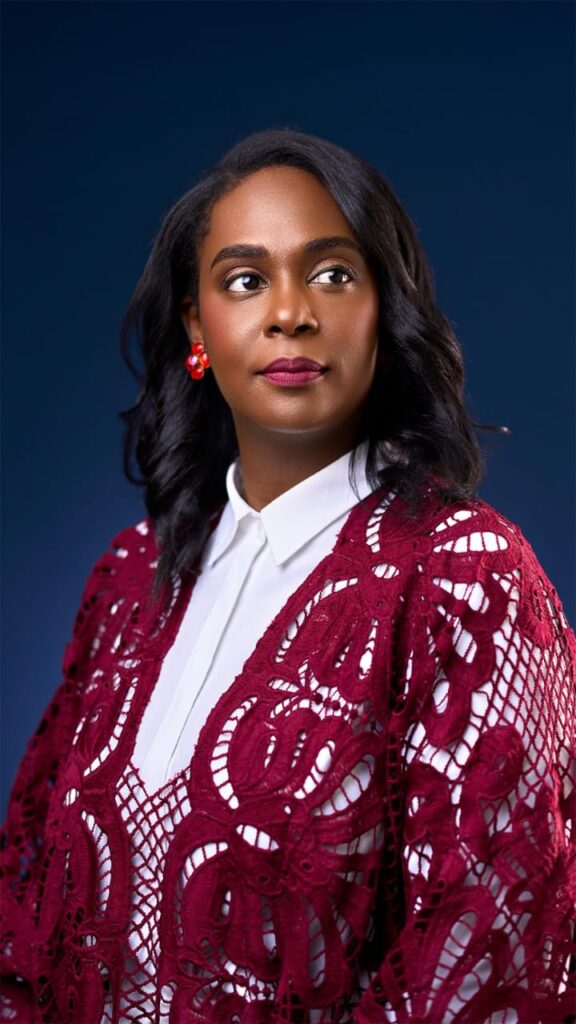
Aminata Kane — As the Senior Vice President and Head of West and Central Africa at Visa, Aminateleads digital payment operations across 23 markets. She arrived at that seat after a career that began at Goldman Sachs, ran through McKinsey, and then spent over twelve years reshaping mobile money across Africa at Orange Group, where she rose to CEO of Orange Money for Africa and the Middle East. Seventeen countries. Digital banking, mobile money, fintech. She ran it all.
An MIT Legatum Fellow, a World Economic Forum Young Global Leader, and winner of the CEO of the Year award at AfricaCom 2020, she now sits on the board of Africa Leadership University and actively invests in African tech startups, putting capital behind the same ecosystem she has spent her career building. In A Letter to My Younger Self, she writes as someone who has always understood that the most powerful thing you can do with access is use it to build more of it.
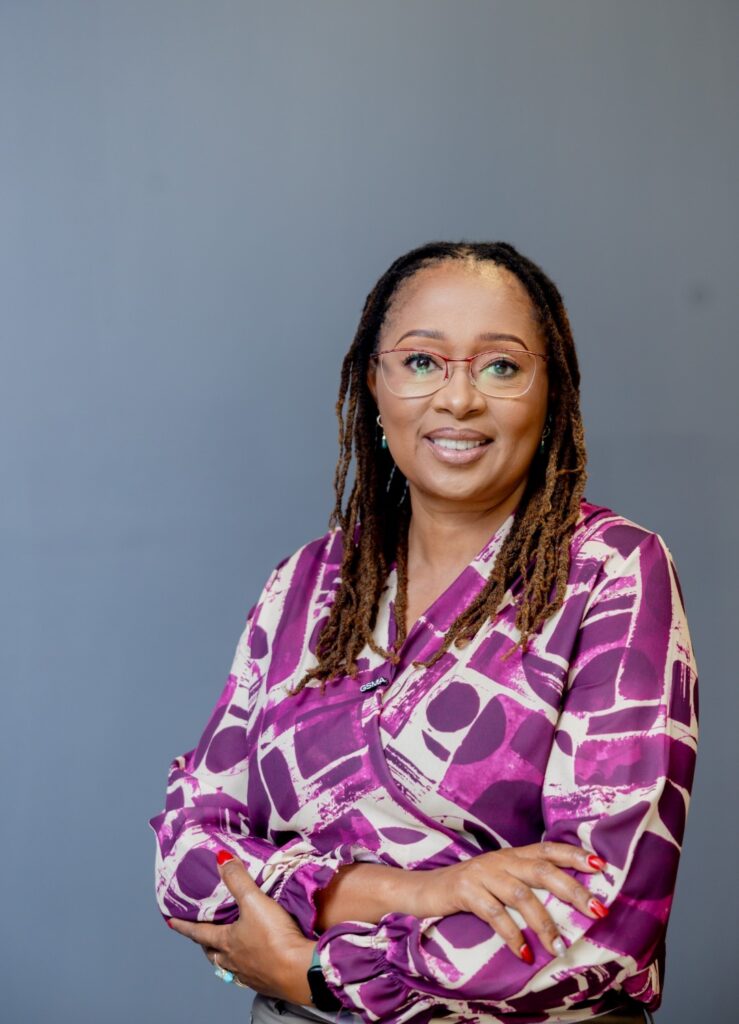
Angela Wamola — It was Angela Wamola who delivered two undersea cables that connected Kenya to the global network. It was Angela Wamola who spearheaded Safaricom’s Network IP Transformation and Modernisation Programme and it was Angela Wamola who, in 2011, founded Safaricom’s Women in Technology initiative, creating dedicated pathways for women entering the tech sector at a time when the industry was not making space for them on its own. She did all of this before becoming the Head of Africa at the GSMA, the global body representing mobile network operators worldwide.
President William Ruto recognised her contributions with one of Kenya’s prestigious Presidential Awards, the Order of Grand Warrior, a distinction that reflects the scale of what she has built across more than a decade in the mobile industry. A Civil Engineering graduate of the University of Nairobi with an Executive MBA from the University of Cape Town, she brings both the technical depth and strategic range of a leader who has spent her career transforming how Africa connects. In A Letter to My Younger Self, she writes as a woman who built the infrastructure and then made sure others could walk through it.
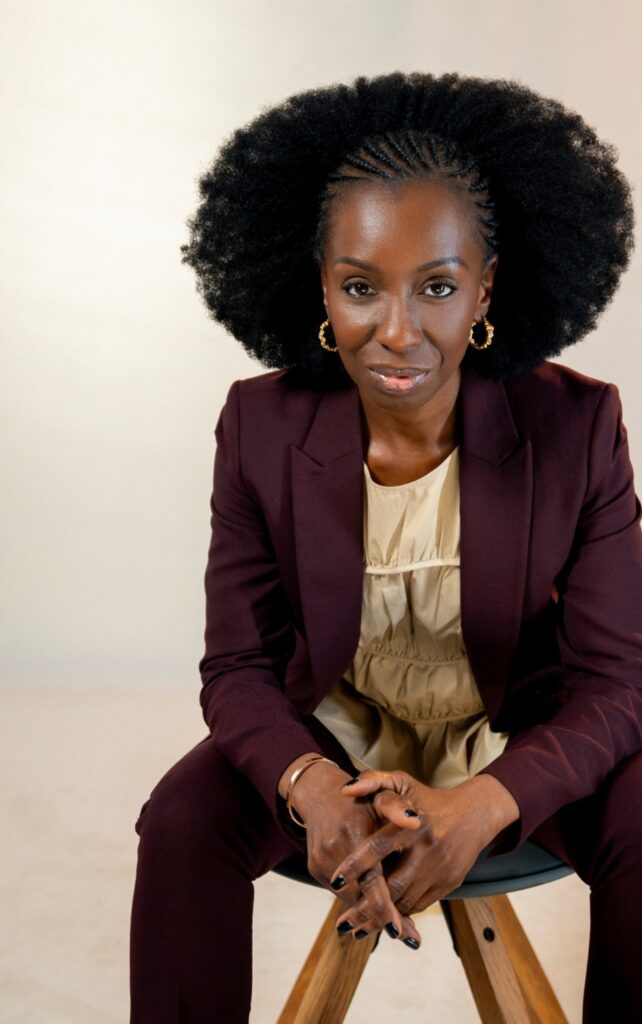
Claude Borna — Claude Borna is the Managing Director and Chief Innovation Officer of Sèmè City, Benin’s flagship government project for knowledge and innovation, a role she came to after a career that moved fluidly between London, Los Angeles, and the global headquarters of some of the world’s most recognisable companies. A graduate of McGill University and UCLA, she began at Deloitte, moved to Amazon to manage strategic product categories in e-commerce, then created and led the European department for strategic planning and innovation at Sony Pictures before becoming Senior Vice President for Global Customers and Worldwide Commercial Strategy. In 2016, she made the deliberate decision to return to Benin.
That return is the centre of everything Claude Borna represents. At Sèmè City, she leads a dynamic ecosystem bringing together students, entrepreneurs, creatives, and technologists, with one animating question behind all of it: how can talent be unlocked where it matters most? Growing up across Africa, Europe, and North America gave her both the global fluency and the continental commitment to answer that question with something real. In A Letter to My Younger Self, she writes as a woman who understood that the most meaningful innovation she could lead was the one happening right at home.
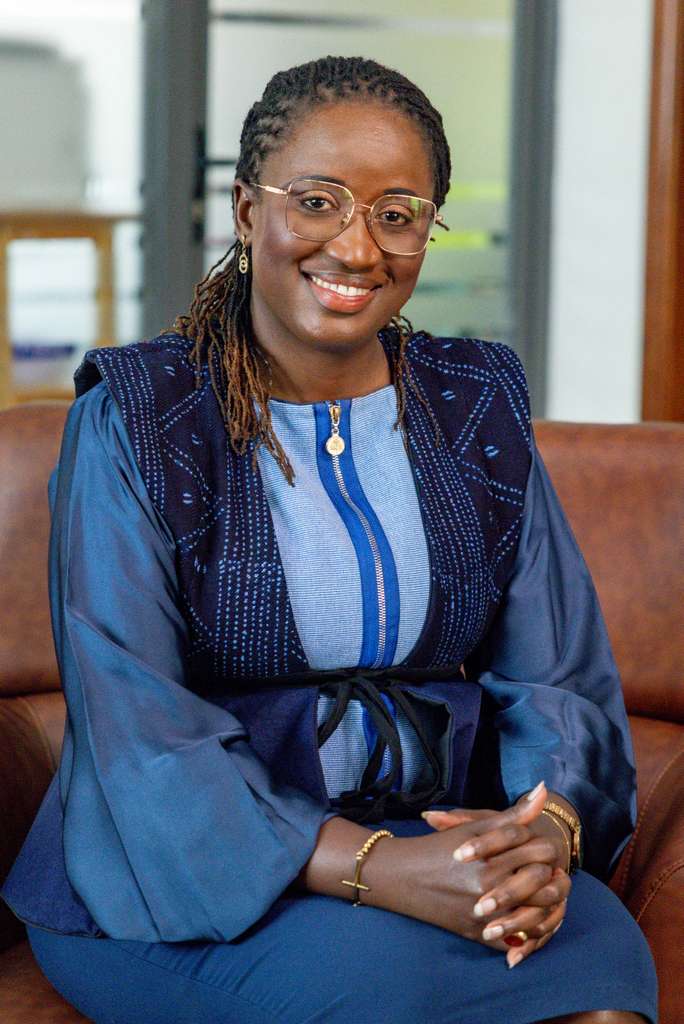
Coura Carine Sène — As regional Director and Public Affairs lead at Wave Mobile Money, Coura Carine Sène has spent over two decades at the intersection of technology, finance, and economic inclusion. She began as a software engineer in France’s insurance sector, returned to Senegal in 2012 with a conviction that digital financial services could change who gets access to the economy, and has been proving that conviction right ever since. Under her leadership, Wave has seen explosive growth across Senegal and Côte d’Ivoire.
A member of Senegal’s National Digital Council, she advises on the country’s digital transformation strategy and champions the economic empowerment of African women with the same urgency she brings to fintech policy. Her Master’s in Engineering from Polytech’Lille built the technical foundation. Everything she has built since is the argument. In A Letter to My Younger Self, she writes as a woman who came home to solve a problem the world had been ignoring and refused to stop until the numbers proved her right.
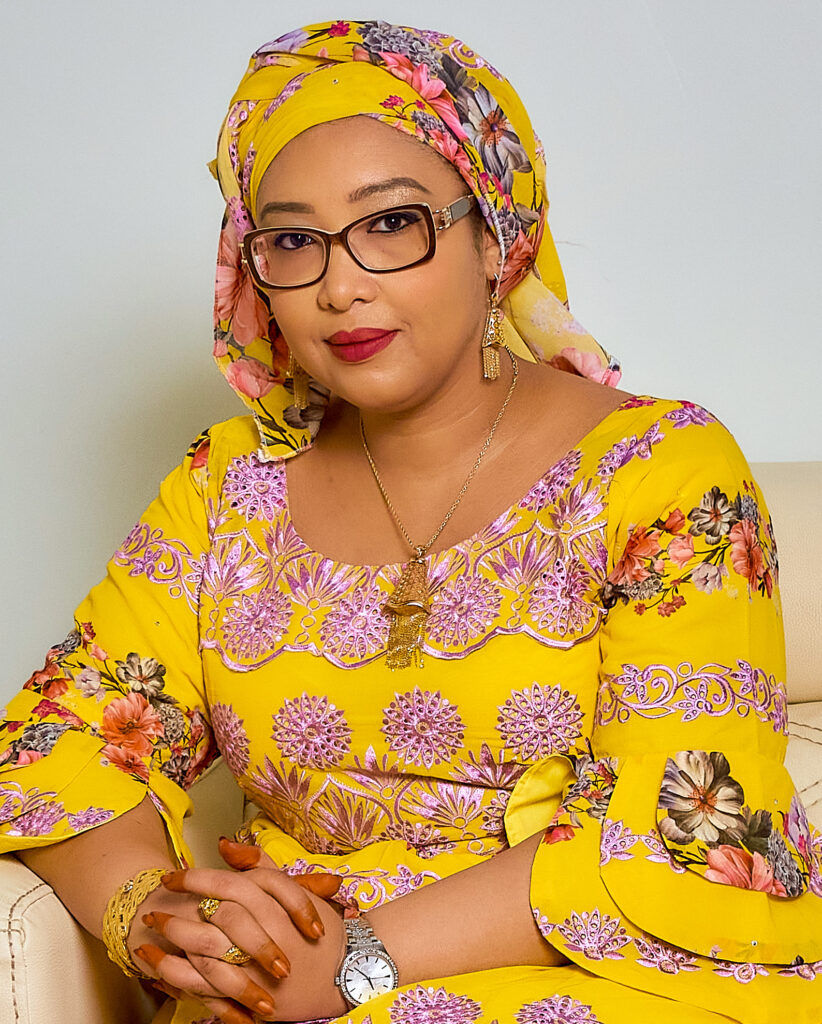
Djaïli Amadou Amal — Winner of the Prix Goncourt des Lycéens, Knight of the Legion of Honour in France, Officer of the Order of Merit in Cameroon, Honorary Doctorate from the Université de la Sorbonne Nouvelle, and named by France 24 among the ten women who shaped 2020, alongside Angela Merkel and Kamala Harris, Djaïli Amadou Amal is one of the most decorated African writers of her generation. Born in Maroua, Far North Cameroon in 1975, she published her first novel in 2010 and has not stopped writing, or fighting, since. Her third novel Les Impatientes announced her to the world. Her latest, Espoir, arrived in March 2026.
The writing is inseparable from the activism. In 2012, she founded Femmes du Sahel, an NGO funding girls’ education, supporting women in income-generating activities, and building libraries in underserved communities. A UNICEF and UN Women Ambassador, she has never allowed the weight of literary acclaim to slow the urgency of what she is trying to change. In A Letter to My Younger Self, she writes as a woman who has always known that the most dangerous thing a story can do is tell the truth and has never stopped telling it.
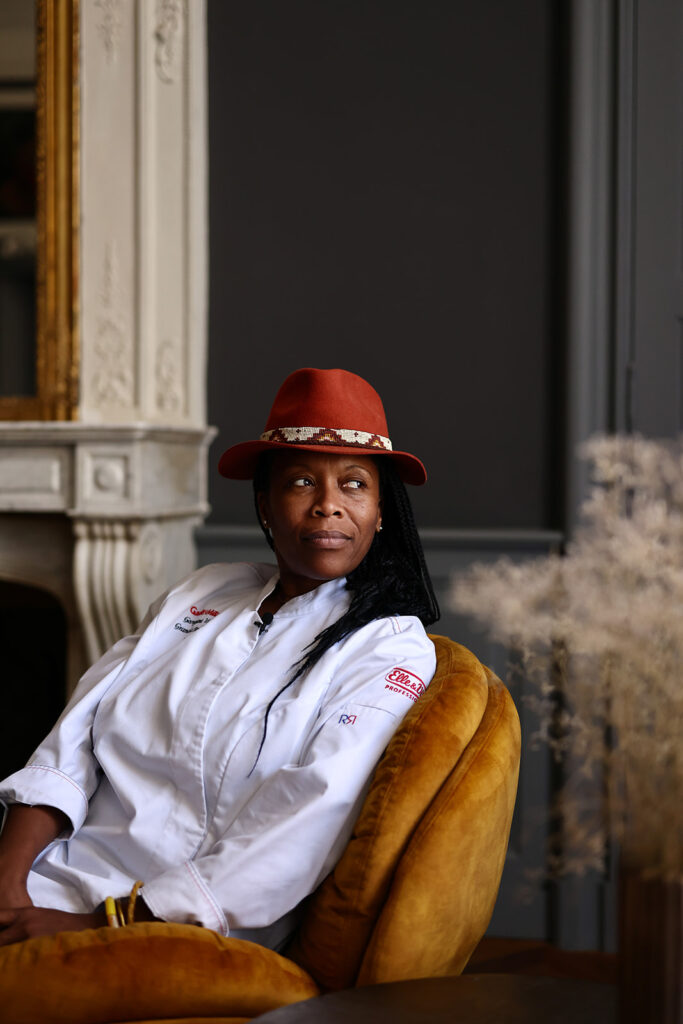
Georgiana Viou — She is the chef behind Rouge, the Michelin-starred restaurant in Nîmes that put an African woman on gastronomy’s most coveted list for the very first time. Georgiana Viou built her way to that kitchen without a culinary degree and without a conventional entry point. Born in Cotonou, Benin, she made a bold pivot from conference interpreting at 34, trained alongside great names in prestigious French establishments, and developed a cuisine that moves freely between the Mediterranean and Africa, between Marseille and Cotonou. The industry did not see her coming.
Beyond the star, she is building for the long game. As Culinary Director of L’Ami at the Sofitel Cotonou Marina, she is actively shaping Benin’s gastronomic future, and her involvement in the creation of a national hotel and gastronomy school signals a woman thinking in generations. Her books, including Le Goût de Cotonou and Oui, Cheffe, carry through writing the same meditation on heritage, identity, and transmission that lives in every dish she makes. In A Letter to My Younger Self, she writes as a woman who walked into a room that wasn’t expecting her and changed everything about it.
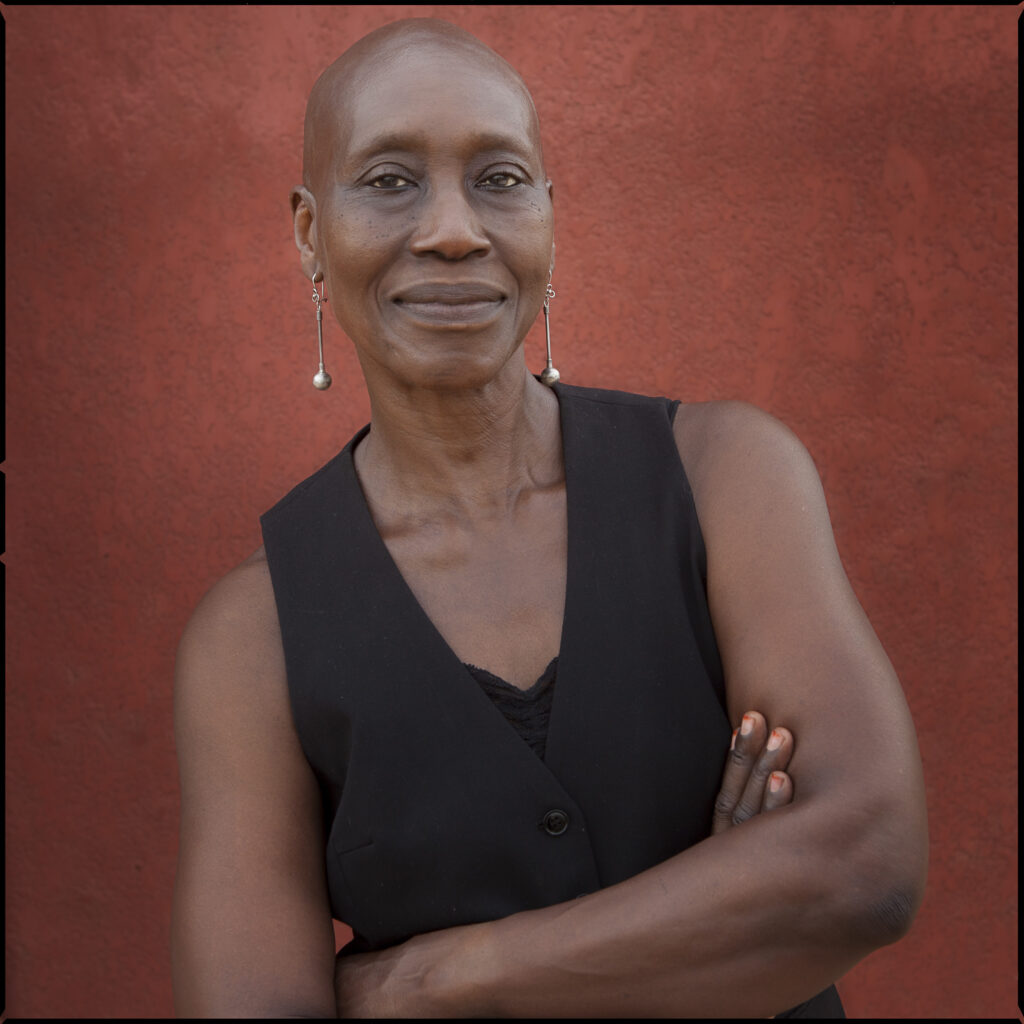
Germaine Acogny — She is called the mother of contemporary African dance, not as metaphor, but as fact the world has long agreed on. Founder of the École des Sables, the International Centre for Traditional and Contemporary African Dance she built in Senegal in 1995, Germaine Acogny has spent over five decades constructing the architecture for African dance to be taken as seriously as it deserves. She opened her first studio in Dakar in 1968, developed her own technique of Modern African Dance drawing on the gestural heritage of her Yoruba priestess grandmother, and in 1977 became Artistic Director of Mudra Afrique, created by Maurice Béjart and President Léopold Sédar Senghor.
The École des Sables, completed in 2004, has brought together around 40 dancers annually since 1998, training professionals from across the African continent and the world. She has danced, choreographed, and taught globally, authored Danse Africaine in three languages, and spent a lifetime ensuring that what she built would outlast her. In A Letter to My Younger Self, she writes as a woman who mastered her art and built the school so others could too.
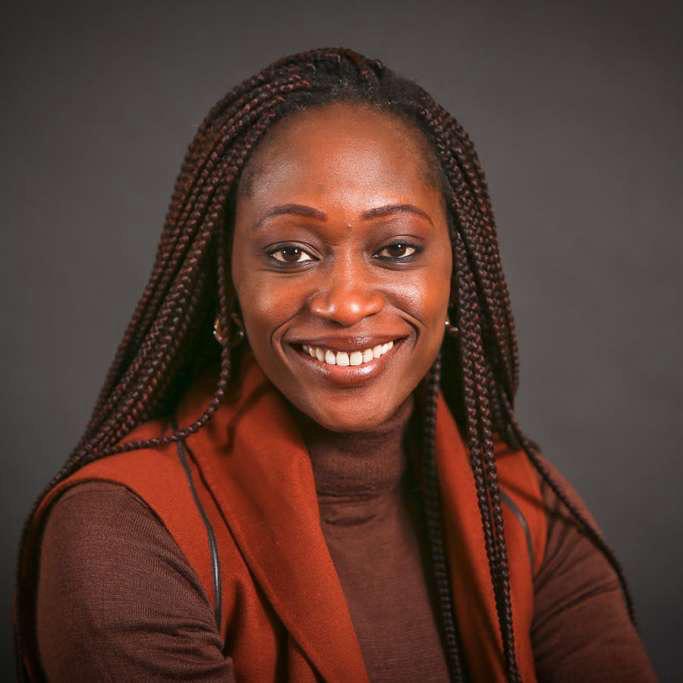
Hafsat Abiola — She is the President of Women in Africa and co-founder of Project Dandelion, and Hafsat Abiola has spent thirty years building movements for justice with the particular intensity of someone who knows personally what it costs when systems fail. The daughter of MKO Abiola, whose 1993 presidential election victory was annulled by Nigeria’s military, and of Kudirat Abiola, assassinated in 1996 for her pro-democracy activism, she turned grief into architecture, building platforms, coalitions, and institutions designed to centre people in the shaping of their own futures.
An economist educated at Harvard and Tsinghua, she has served in Ogun State’s cabinet overseeing the MDGs and trade and investment portfolios, co-founded the Majority World Forum, and sits on the UK board of World Connect. Her awards span continents, the Vital Voices Global Leadership Award, Japan’s Goi Peace Foundation Prize, the Freedom Award from the U.S. National Civil Rights Museum, the Prize for Human Rights from the Forum de Bamako, and the European Women’s International Leadership Award. Each one is a marker on a career that has never confused visibility with impact, and that has consistently chosen the harder, more necessary work of building systems over the easier work of simply speaking about them. In A Letter to My Younger Self, she writes as a woman who learned the hardest way that the work does not wait for grief to finish and chose to let the work become the answer.
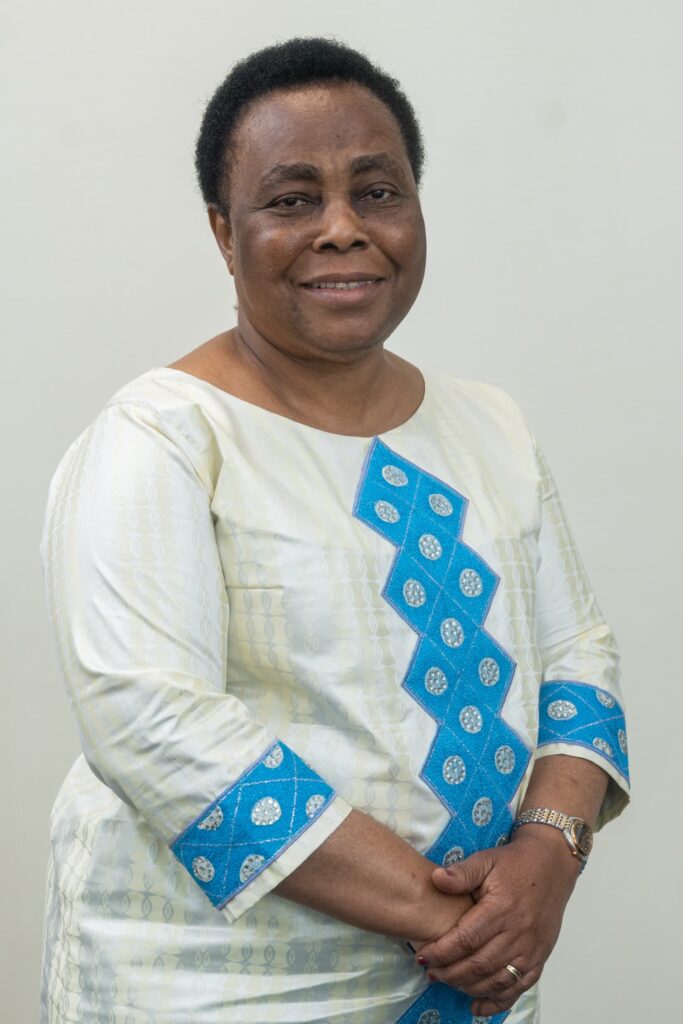
Julienne Lusenge — From Eastern Democratic Republic of Congo, one of the world’s most volatile conflict zones, Julienne Lusenge has spent over two decades doing work that most people would find too dangerous to attempt, and the world has taken notice. She co-founded SOFEPADI in 2000 to defend the rights of women and girls in a region where sexual violence has been used as a weapon of war, then founded the Fonds pour les Femmes Congolaises in 2007 to scale that advocacy across six interconnected pillars: women’s empowerment, political leadership, conflict transformation, sexual and reproductive health, climate justice, and gender-based violence.
The recognition that has followed is staggering; Knight of the French Legion of Honour, Amnesty International’s Ginetta Sagan Award, the Aurora Prize for Awakening Humanity, the United Nations Human Rights Prize in 2023, and a place on Time 100’s list of the world’s most influential people in 2024. She has served on the High Panel advising the President of the DRC, sits on the Board of Directors of Nobel Women’s Initiative, and was designated by the UN as one of twenty women to watch. In A Letter to My Younger Self, she writes from the kind of clarity that only comes from spending decades choosing, over and over, not to look away.
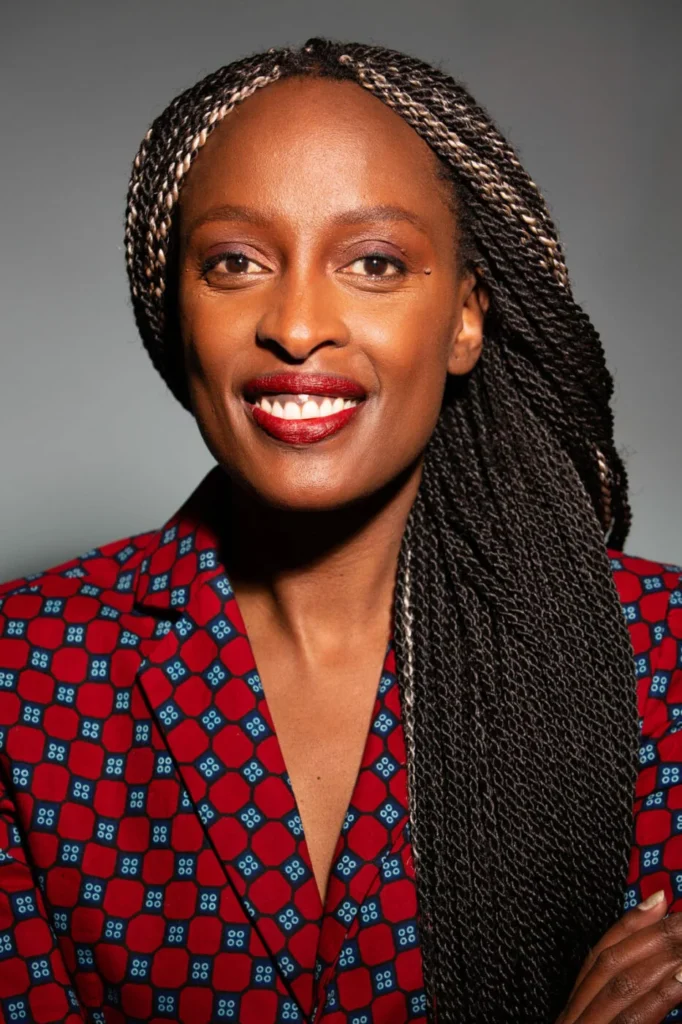
Jocelyne Muhutu-Remy — General Manager of Spotify Sub-Saharan Africa, Jocelyne Muhutu-Remy has spent her career at the intersection of technology, culture, and storytelling, moving through Facebook, Disney, Viacom, and Reuters to build the kind of expertise in Africa’s creative economy that only comes from engaging it with genuine intention. Each role deepened her understanding of how media shapes perception and how access to culture can either open or close doors for entire communities.
At Spotify, her mission is explicit: to amplify African voices and make digital technology accessible to all, a mandate she carries as a committed Pan-Africanist who understands the stakes of who gets to tell Africa’s story and on whose platforms. She is passionate about the rise of the Global South, the role of diasporas in shaping global culture, and the human impact of technological change, not as talking points, but as the throughline of a career built on the belief that storytelling, done right, can change how the world sees an entire continent. In A Letter to My Younger Self, she writes as a woman who has spent her entire career making sure the volume is turned all the way up.
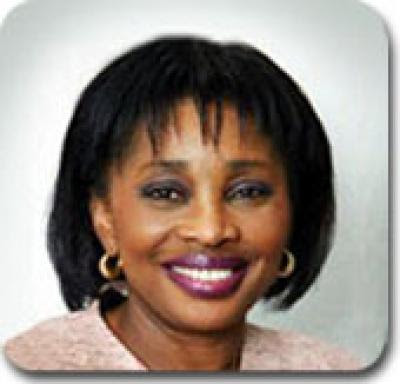
Marie-Roger Biloa — President of the Africa International Group and one of the most recognisable voices in African journalism, Marie-Roger Biloa has spent her career at the intersection of media, public policy, and continental affairs and the résumé that has accumulated along the way is the kind that only comes from decades of showing up at the centre of history. She was the first journalist in France to secure an exclusive interview with Nelson Mandela after his release in 1990, has led Africa International magazine, created multiple successful publications including ICI-Les Gens du Cameroun and ICI-Les Gens du Gabon, and since 2005 has run Club Millenium as a forum for Africa’s intelligentsia to interrogate the evolution of the continent’s societies.
A regular commentator on African and international affairs across TV5Monde, France24, BBC, Al Jazeera, and RFI, she holds degrees from Harvard Kennedy School of Government and the Diplomatic Academy of Vienna, where her name features in the Hall of Fame. Born in Yaoundé as the eldest of nine children of a pioneer of independence, she has been decorated by France, Cameroon, and Togo, and has spent her entire career building platforms that take Africa’s story seriously enough to tell it with rigour, depth, and authority. In A Letter to My Younger Self, she writes as a woman who understood early that the pen, the camera, and the platform are not just tools but territory.
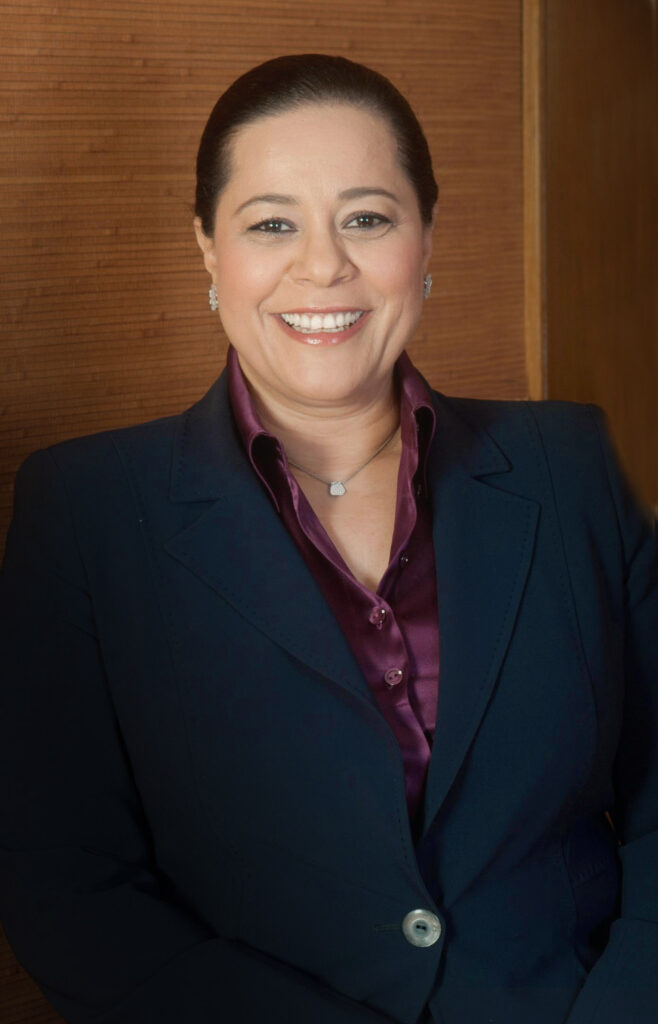
Miriem Bensalah Chaqroun — Vice-President and General Manager of Les Eaux Minérales d’Oulmes and Administrator of the Holmarcom Group, Miriem Bensalah Chaqroun made history between 2012 and 2018 as the first woman and the first in the entire MENA region, to chair a national employers’ organisation, serving two successive terms as President of the General Confederation of Moroccan Enterprises. During that tenure she drove landmark reforms including the overhaul of payment terms law, the introduction of progressive corporate tax and unemployment compensation, and VAT reform, changes that reshaped Morocco’s business environment in ways that outlasted her presidency.
Appointed by King Mohammed VI as Commissioner of Earth Day and by UN Secretary-General António Guterres as a member of the Global Investors for Sustainable Development Alliance, she sits on the boards of Renault Group Worldwide, Al Akhawayn University, and Care International Morocco, among others. She holds an MBA in International Management and Finance from the University of Dallas, has been ranked repeatedly among the top 20 most influential women in the MENA region by Forbes, and was named among the 25 most influential businesswomen in francophone Africa by Jeune Afrique. Outside the boardroom, she is a licensed pilot, a Harley-Davidson rider, a competitive golfer, and a winner of the Aïcha des Gazelles rally. The range is, by any measure, extraordinary. In A Letter to My Younger Self, she writes as a woman who walked into institutions built without her in mind and ran them anyway.
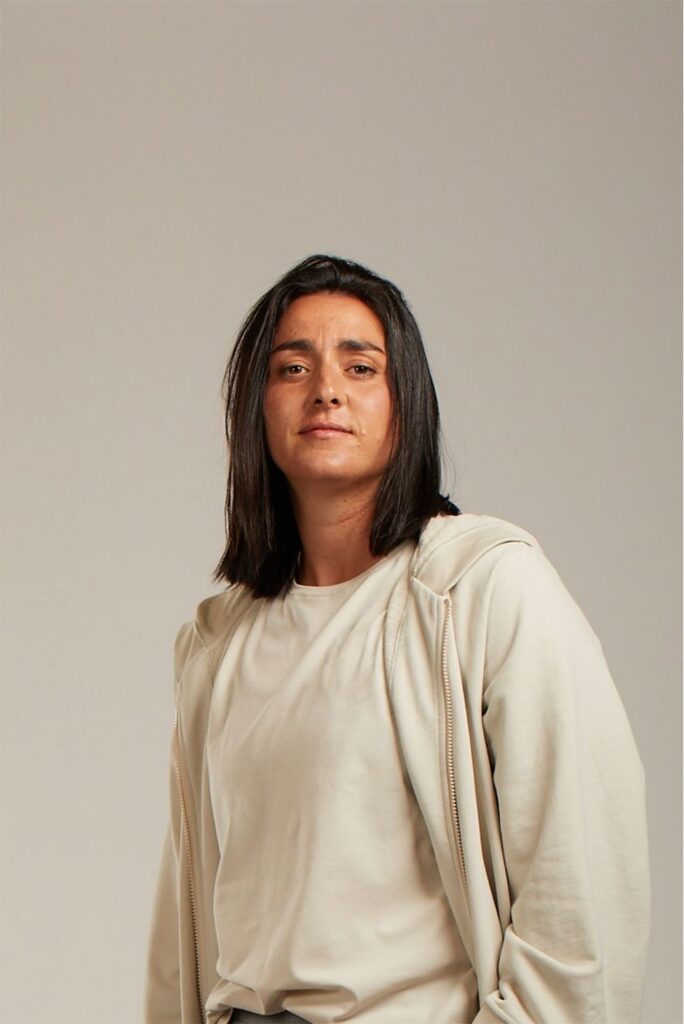
Ons Jabeur — The first Arab and African woman to reach a Grand Slam singles final and the highest-ranked Arab and African tennis player in history, Ons Jabeur has spent her career breaking barriers that nobody had broken before and doing it with the kind of charisma that has made her one of the most beloved figures in professional sport. Her record WTA ranking of world number 2, three Grand Slam finals at Wimbledon 2022, the US Open 2022, and Wimbledon 2023, and multiple WTA titles tell the competitive story.
What makes Jabeur singular is everything alongside it, her willingness to speak publicly about inequality in sport, her investment in North Carolina Courage of the NWSL, her appointment as Global Goodwill Ambassador for the United Nations World Food Programme, and the Ons Jabeur Foundation, established in Geneva in 2024 to build inclusive sports facilities in Tunisia and support children through education. Nicknamed the Minister of Happiness by her fans, she has been profiled by The Guardian, Vogue Arabia, and the BBC, and in November 2025 opened her first tennis academy in Dubai. She is not just a champion. She is a movement. In A Letter to My Younger Self, she writes as a woman who played every point like the whole continent was watching because it was.
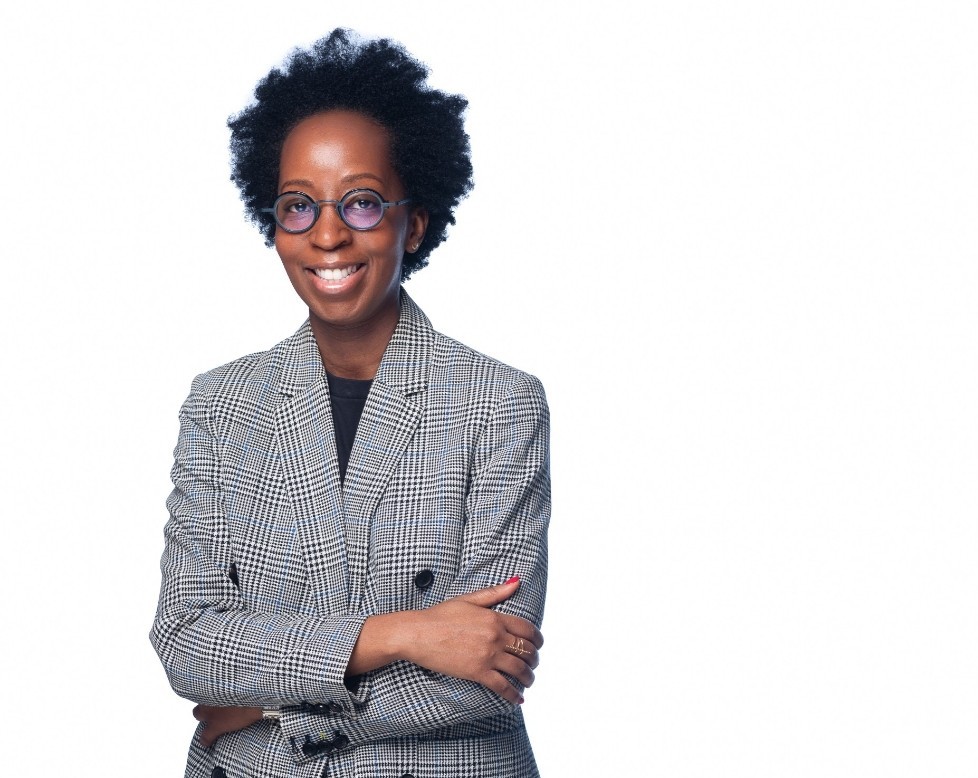
Paula Nascimento — An architect and independent curator based between Luanda and the world’s most significant contemporary art institutions, Paula Nascimento has built a practice at the crossroads of architecture, urbanism, visual arts, and geopolitics that has made her one of the most consequential curatorial voices emerging from Africa. A graduate of the Architectural Association School of Architecture in London, she co-founded Beyond Entropy Africa, advised on the Angolan Pavilions at Expo Milano 2015 and Expo Dubai 2020, and has been curator of the African Galleries at Arco Lisboa since 2019.
She is President of the Artistic Committee of the Nesr Art Foundation, a founding member of the multidisciplinary Luanda collective Pés Descalços, and a recipient of the Okwui Enwezor Fellowship Research Grant from Independent Curators International in 2022, one of the field’s most prestigious recognitions. Her appointment as the first African curator of the Sharjah Biennial in 2027 marks another historic milestone in a career that has consistently expanded what African curatorial leadership looks like on the global stage. In A Letter to My Younger Self, she writes as a woman who has spent her career making space for African stories where there was none before.
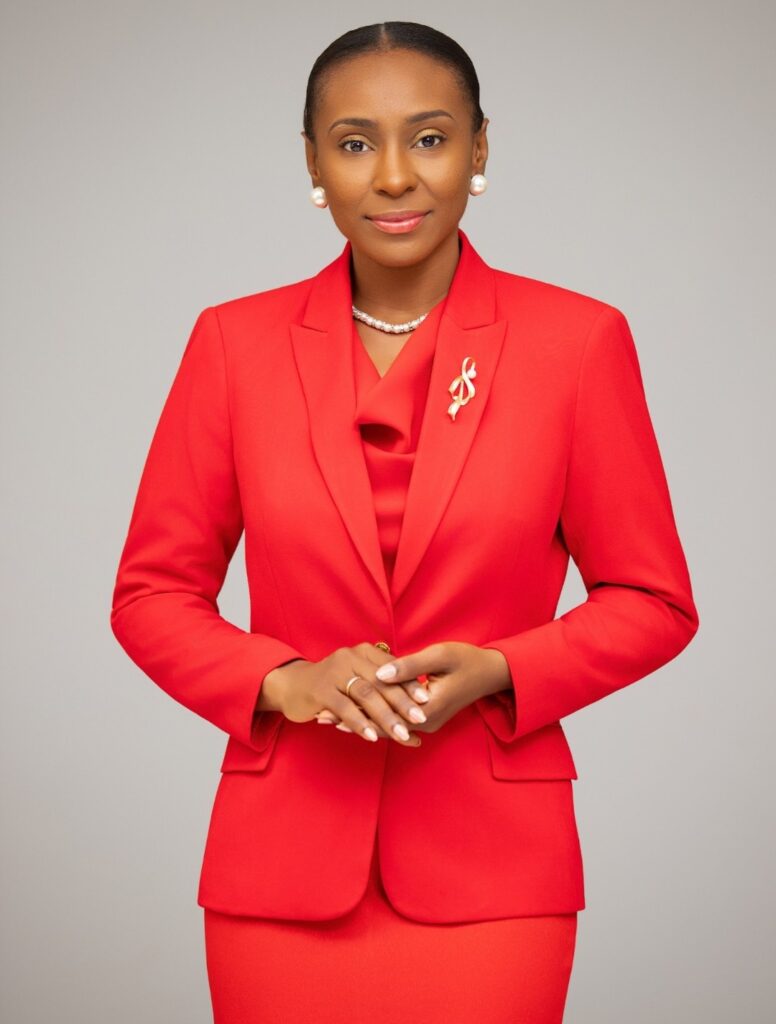
Sefora Kodjo — At 34, Sefora Kodjo is already the co-president of all 39 country chapters of the African Women Leaders Network, founder of the SEPHIS Foundation, and the architect of the International Forum for Women’s Leadership, now the largest gathering for women entrepreneurs in francophone Africa. The foundation she built from a student union victory has grown into a pan-African organisation operating across Côte d’Ivoire, Togo, and Senegal, supporting over 5,000 women entrepreneurs, facilitating 3.5 million euros in financing with a 100% loan repayment rate, and contributing to the creation of more than 3,500 direct jobs.
Through strategic partnerships with the U.S. Department of State, the Mastercard Foundation, GIZ, and UNICEF, she has mobilised over 10 million euros in credit lines, systematically dismantling the stereotype of women as risky borrowers one repaid loan at a time. She holds an Executive Master in Development in Africa from Sciences Po Paris, additional certifications from Harvard, and has published a book on leadership. In 2019, Barack Obama recognised her work on International Women’s Day. The World Bank and IFC co-organised her Forum’s 2024 edition. She works alongside former African heads of state at the AU and UN level. In A Letter to My Younger Self, she writes as a woman who turned a personal injustice into a continental institution.
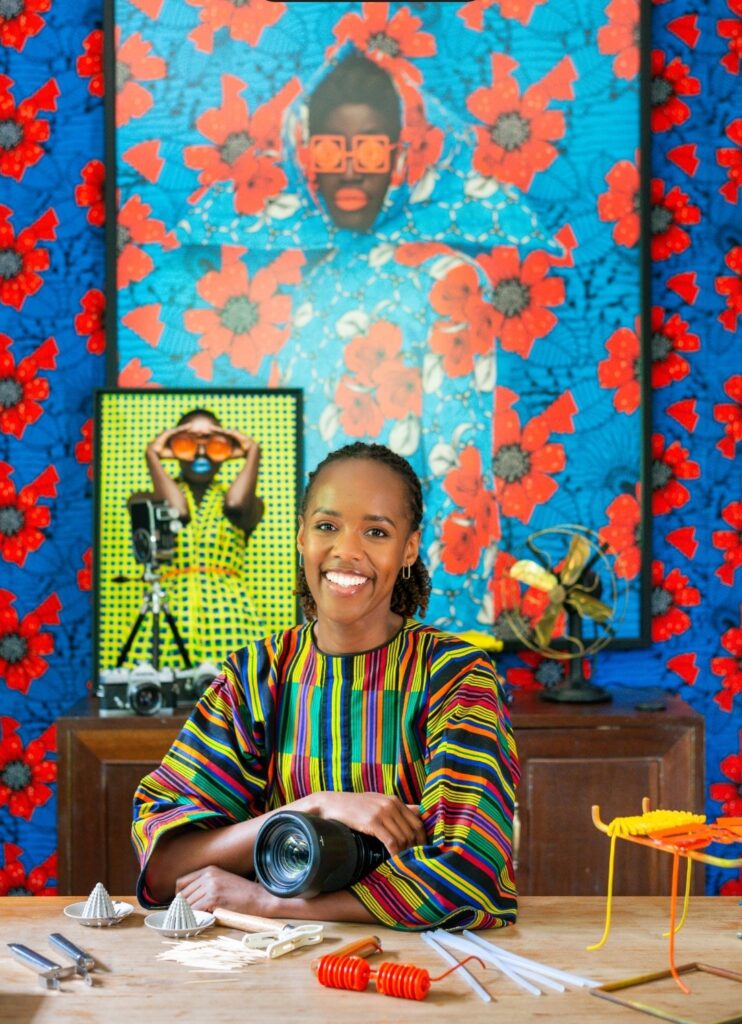
Thandiwe Muriu — Self-taught in a country that had no formal photography schools when she picked up her father’s camera at 14, Thandiwe Muriu built her practice from curiosity and discipline and went on to create one of the most internationally recognised bodies of work in contemporary African photography. Her commercial career began with a multinational campaign in 2013 and grew through multiple industry awards and teaching workshops, but it was her artistic series Camo, first exhibited in Paris in 2020, that announced the full depth of her vision to the world.
Since then, her work has entered the collections of Photo Élysée Museum and UNESCO, been exhibited at the Musée de l’Homme and New York University, and earned her a Rockefeller Foundation residency in 2024. In 2025 she completed residencies with Kyotographie and the National Museums of Kenya, and released her first monograph. Shaped by her mother’s lesson to find creative possibility in the ordinary, Muriu has built a practice that is unmistakably rooted in African visual culture and unmistakably speaking to the entire world. In A Letter to My Younger Self, she writes as a woman who knows exactly what it costs to choose the creative fire over the comfortable path and who would make that choice again.