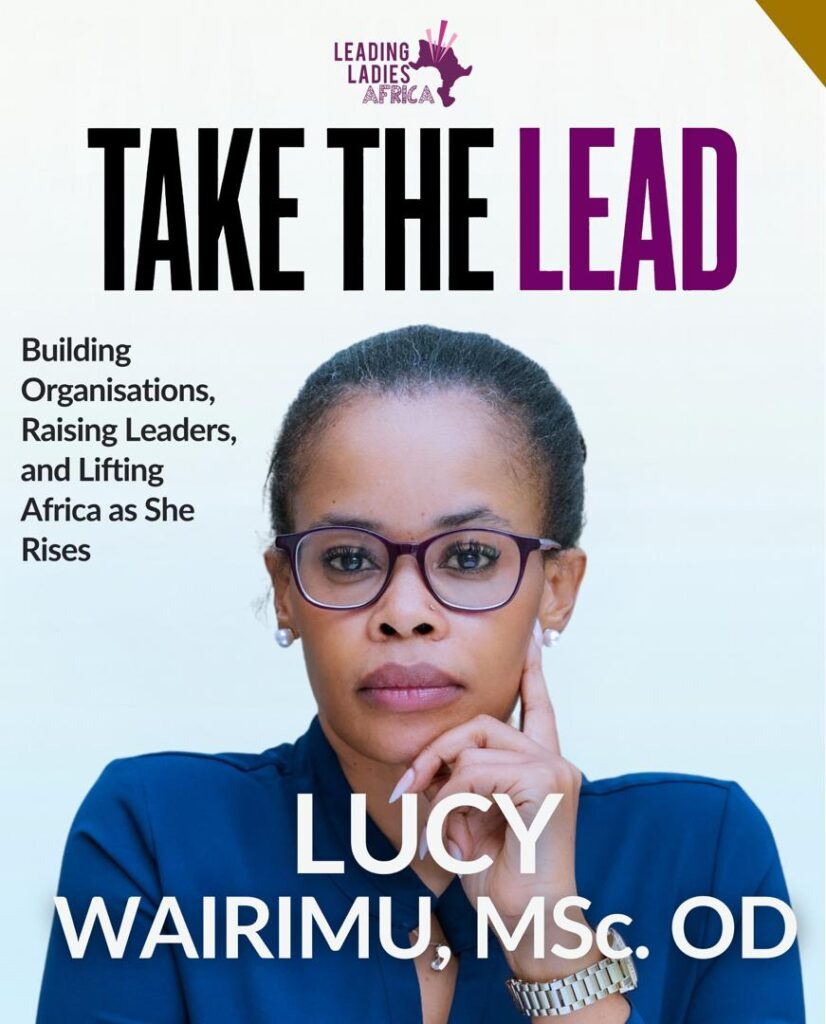
There is a phrase Lucy Wairimu uses to describe her journey that says everything about the woman she is: “I took the stairs to get here and now I am sending the elevator down.”
This statement is a declaration of purpose.
Lucy Wairimu is a transformational leader with over 19 years of progressive global experience in people, culture, capability, and governance across international development organisations. She has directly led people departments across over 18 African countries, sat on boards in Kenya, Nigeria, and Rwanda, and been recognised as CHRO of the Year 2025, one of the Top 100 Career Women in Africa, and one of the Top 50 African Women making an impact in the workplace but before any of that, she is Tiffany and Jaszmine’s mother and she will tell you that is her most treasured title of all.
A published author, certified mediator, board director, and DEI and social justice advocate, Lucy has spent her career building the kind of organisations where people thrive. Where culture is not a department but a discipline. Where governance is not a box to tick but a foundation for lasting impact.
Her faith is her anchor. Her people are her purpose and her mission is clear: to raise leaders who lead with integrity, govern with courage, and lift others as they rise.
In this conversation, Lucy opens up about the defining moments that shaped her career, what most leaders get wrong about people and culture, and what she believes it will truly take for African women to not just reach the top but transform everything once they get there.
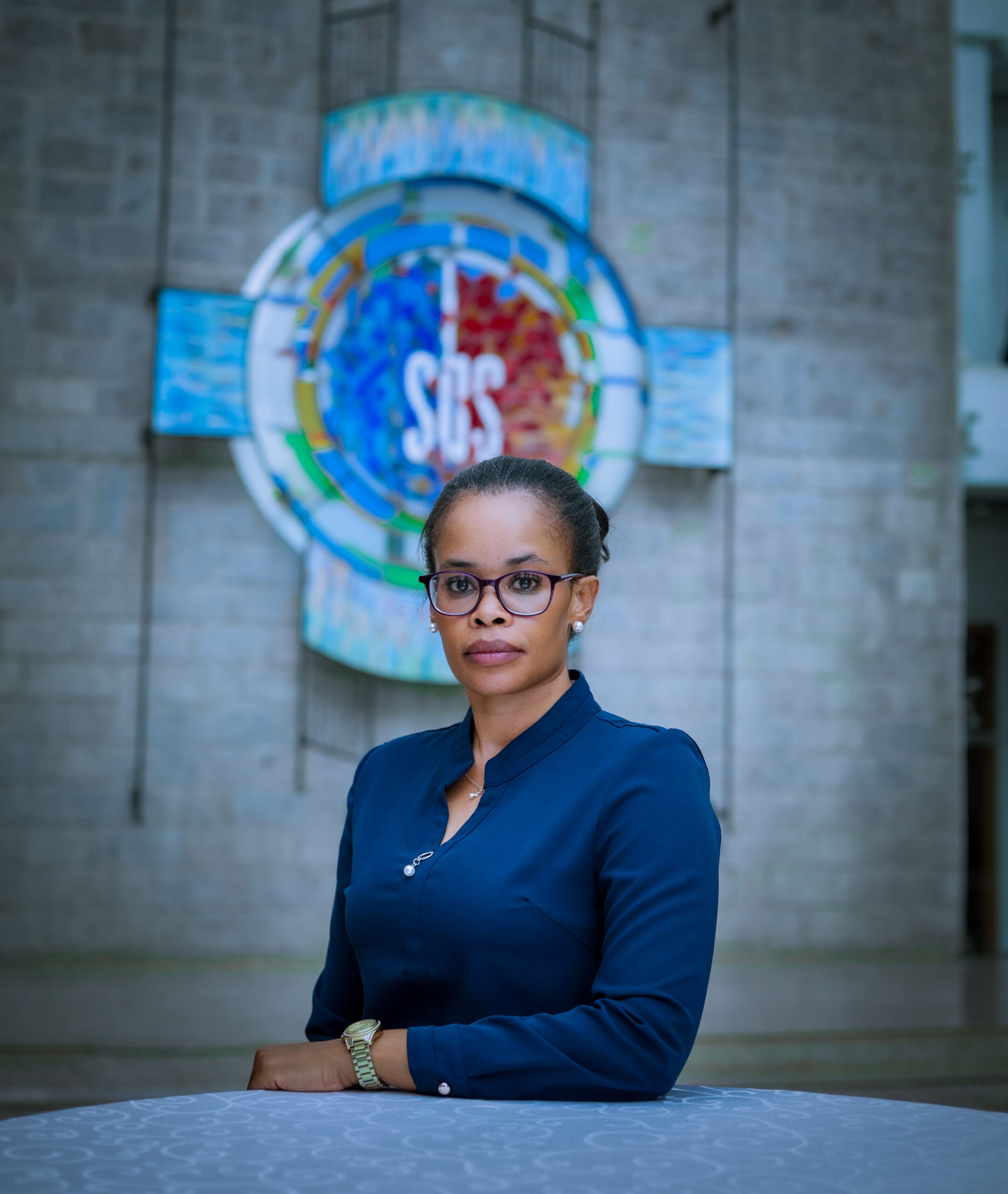
Lucy, take us into your world — who is Lucy Wairimu and what drives everything you do?
I am Tiffany and Jaszmine’s mother. Also known as the girl who took the stairs. Other than that, I am a transformational and ethical leader in the Not for profit and development sector and I concern myself with People, culture and governance for development.
My love for people, concern for social injustice and safeguarding all round (and more so, having recently gone through a really terrible violent, safeguarding incident that I will speak about in due time), ethical and good governance all drives me to do what I do. Seeing transformation in both individuals and in how organizations conduct business, position themselves for the future and continue to create sustainability is my greatest delight.
You have built an extraordinary career spanning People and Culture, governance, Looking back, was there a defining moment that set you on this path?
Definitely! There were actually several of these moments but the most prominent one is when I realized people in any organization, company or enterprise are actually the backbone and the determinants of the success of any business. I figured that an organization can have great funding, great infrastructure, and even great strategies, well thought programs but the ultimate executors are people! With all that and no people, nothing moves. And so, the impact and success of an organization depend on people and great people leadership. And there and then I knew I would be the best transformational people leader there’ll ever be! Over time, I have evolved into a broader leader, focusing on corporate and good governance.
You have led People and Culture departments across 18+ African countries. What does it truly take to build a high-performing, values-driven organisation and what do most leaders get wrong?
Three things: Intentionality, leadership clarity and alignment. These are also the things most leaders either get wrong or omit. I must say that integrity and ethical behavior are non-negotiables. Most leaders are also stuck in business as usual while progressive ones have transitioned to ‘doing business unusual’(ethically of course) for instance, managing people rarely gets you results but engaging people does. To achieve exemplary people and culture departments over the years, I have been clear on the function being a business one and hence building teams to be business partners.
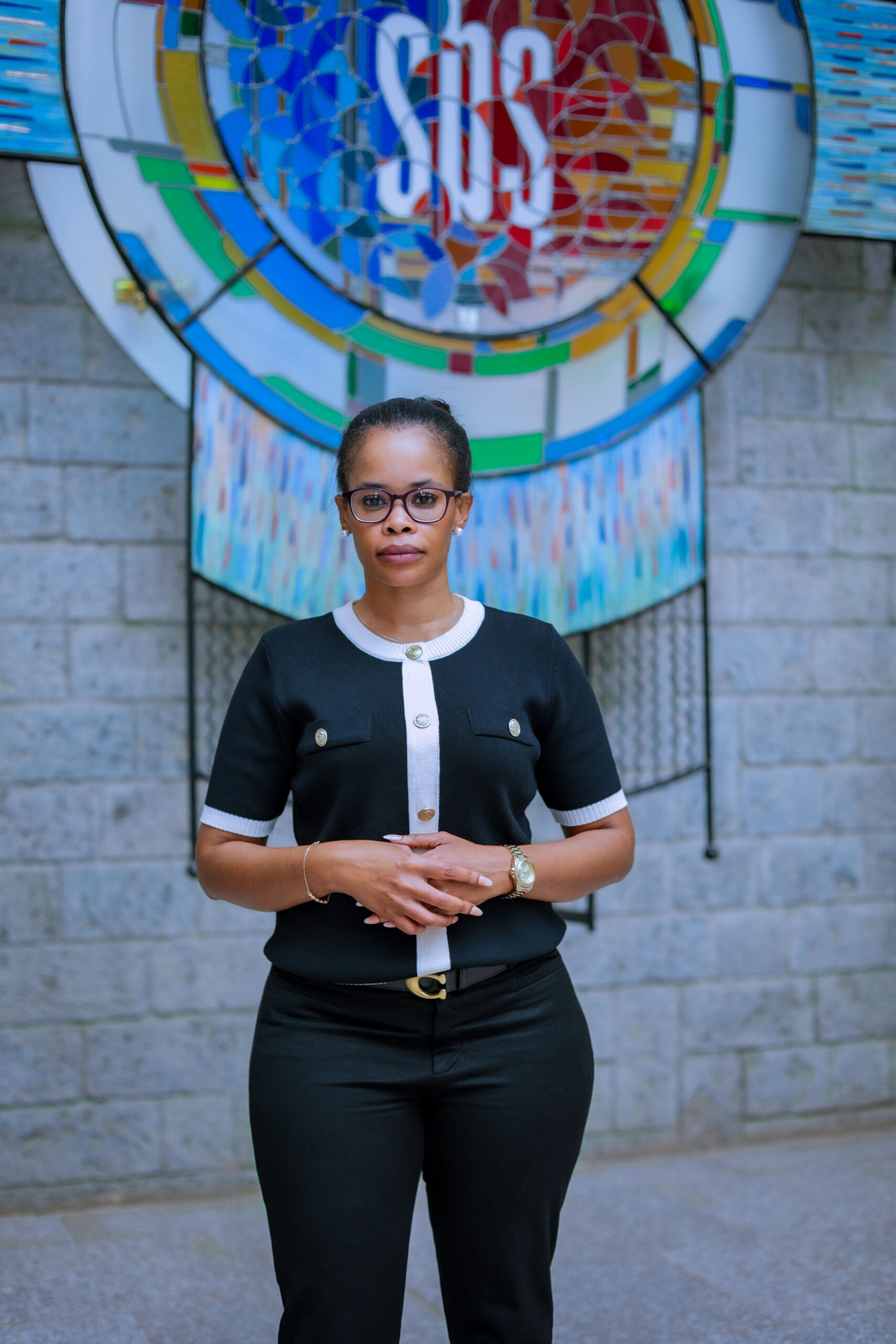
You have achieved so much across so many spaces — how has faith shaped the leader and woman you have become?
My faith in the almighty God has been my firm foundation and will always be my anchor. God has his generals in the marketplace and I am blessed to be counted as one. Anyone that knows me, knows that I speak very boldly about my faith in and out of boardrooms. Praise, Prayer, gratitude and spending time studying the word has shaped me into the wholesome woman that I am.
And finally, the leader I have become is shaped by my non-negotiable- being fed and led by God first before I can lead others. Being on my knees first before I can stand in boardrooms and on podiums.
You have been recognised among the Top 100 Career Women in Africa and the Top 50 African Women making an impact in the workplace, CHRO of the year, 2025, What needs to fundamentally change for more African women to reach and thrive at the top?
I think we are done breaking barriers. It can be done. We have proven that. And so, the conversation or challenge now needs to shift to building lasting systems that will not only keep women at the top and inspire other and upcoming women leaders but systems that will change organizations, enterprises and even countries for the better. Lead with posterity in mind. Women will need to collaborate more, lift each other as we rise and partner with men other than see them as competitors or people, we need to prove ourselves to. Raise more women’s men!
You work closely with DEI and safeguarding strategies across multinational organisations. How do you respond to leaders who still treat diversity and inclusion as a box to tick rather than a business priority?
Simple, businesses are no longer measured by their bottom-line. Funders and investors are not just looking for companies that make profit, or organizations that create impact or are popular. They are looking at more than that. Is the impact ethical, is there shared value in how business is done, is the organization positioned for future- sustainable, does the organization value human life and dignity? Are communities safeguarded and so on. How about the environment it operates in? is the organization preaching water but imbibing wine? A progressive organization will be intentional on how it runs business beyond bottom lines. I see the traditional balanced score card replaced by ESG (Environmental, Social and Governance score) and it is important that organizations catch up and align
You have poured yourself into organizations, people, communities, and causes across an entire continent. When all is said and done — what do you want the name Lucy Wairimu to stand for?
Ethical leadership, good governance, social justice all round and lifting others as we rise. I took the stairs to get here and now I am sending the elevator down and intentionally raising other leaders.
And to my daughters, Mommy in Chief !