
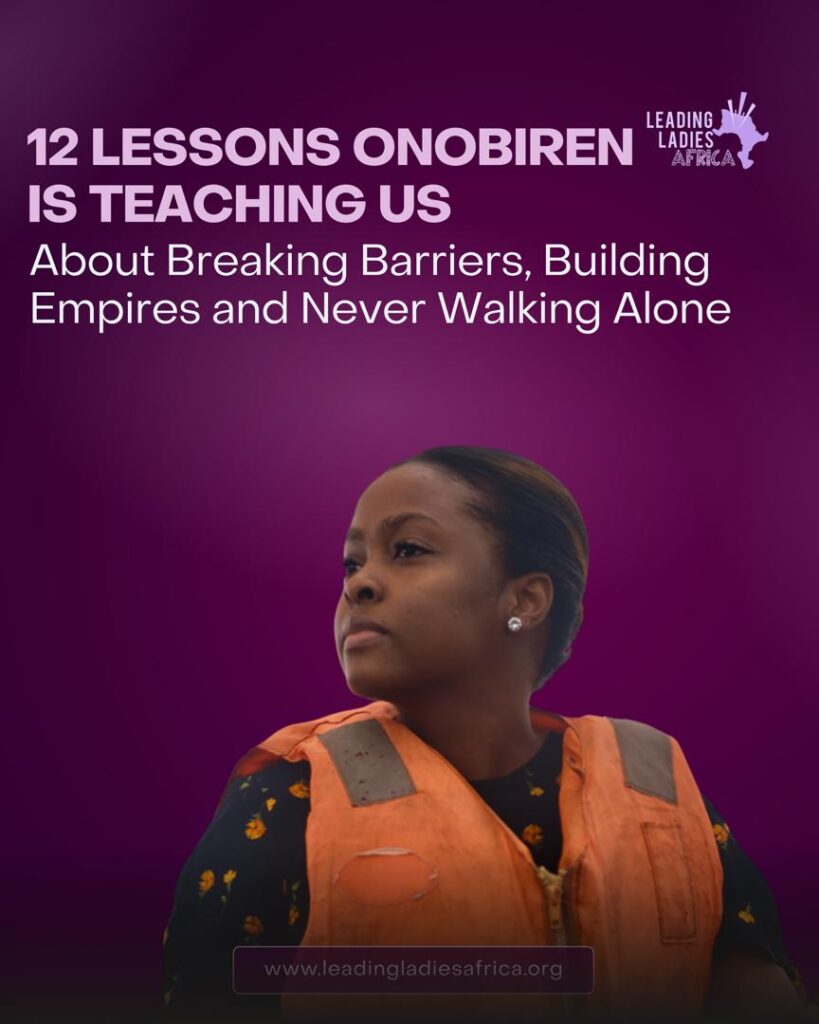
The best stories about women don’t just tell you what happened. They tell you what is possible.
They take the things that have been accepted for so long that nobody questions them anymore, the rules, the labels, the limits and they hold them up to the light until you can see exactly how thin they are. They show you women not as they have been told to be, but as they actually are: resourceful, faithful, stubborn in the best possible way, and capable of building something extraordinary out of almost nothing.
Onobiren, produced by Laju Iren and Laju Iren Films, is that kind of story.
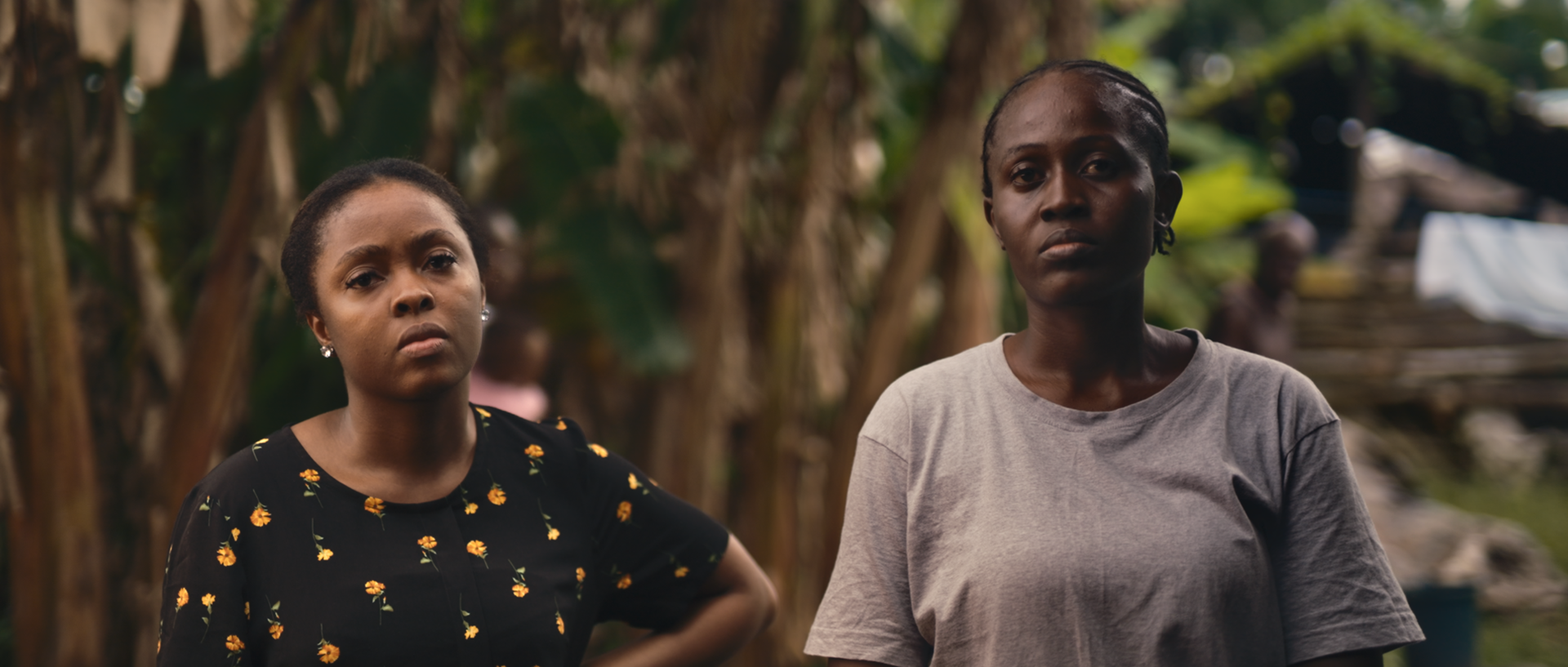
It is the story of RoliM a fisherwoman from Warri who was never supposed to be one. A girl who grew up in a community with rules she didn’t make, was handed labels she didn’t ask for, and faced obstacles that would have stopped most people long before the halfway mark. By 26, she had built a fish business worth over 500 million naira, saved her brother’s life, formed a women’s cooperative, and stood on a stage in her community to receive Business Founder of the Year.
We watched Onobiren and walked away with 12 lessons we have not stopped thinking about. Here they are.

We Don’t Have to Keep the Narratives We Inherit
In Roli’s community, women were not allowed to fish in deep waters. That was the rule, unwritten, unquestioned, and enforced by everyone, including the fish women at the market who called her a bad omen just for showing up. Nobody sat down and decided that rule was right. They just inherited it, passed it on, and agreed without speaking to keep passing it on.
The most dangerous thing about a harmful norm is not the norm itself. It is the silence around it, the collective agreement to never ask why. Roli’s father broke that silence simply by taking his daughter fishing and that one act of refusal, small, quiet, personal — set in motion everything that followed. Every harmful norm in your life was built by people who are no longer in the room. You are under no obligation to maintain it on their behalf.
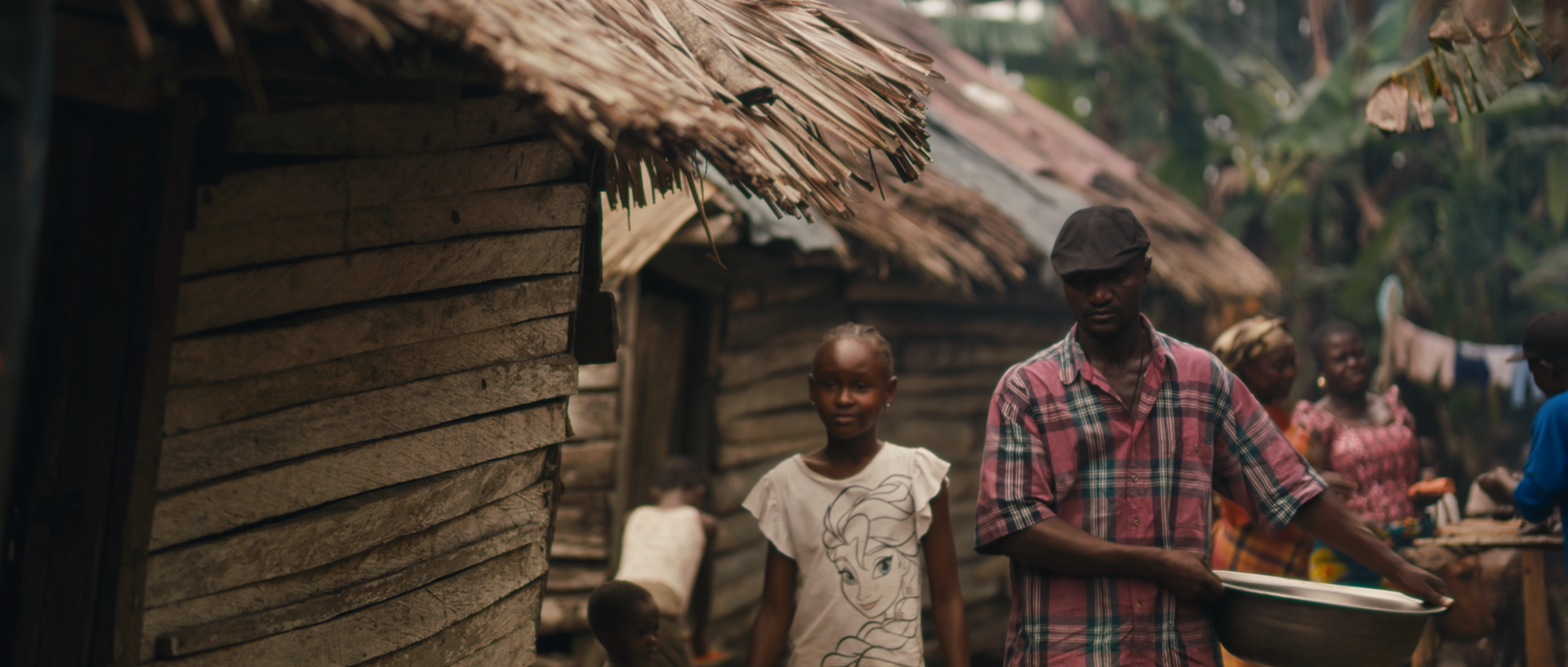
A Father Who Believes in His Daughter Gives Her Something No One Can Take Away
Roli’s father didn’t treat her differently from her brother. He took her fishing, called her his good luck, and refused to let bias dictate how he loved her. In a community that had decided what a girl could and could not do, he simply chose not to participate in that decision. He gave her a bracelet and a belief in herself that outlasted his life.
That is the thing about being seen clearly by a parentm it becomes the voice you hear when every other voice in the room is telling you to sit down. Roli carried her father’s belief into every difficult moment in this story. It was there when the fish women called her a bad omen. It was there when she built her cooperative. It was there when she stood on that stage.
Not every woman gets a father like that but every man raising a daughter should understand what it means to be one, and what it costs a girl when she doesn’t have it.
When Men Show Up for Women, Everything Changes
Onobiren could have made its male characters obstacles. Instead, it made some of them heroes,and in doing so, it gave us one of the most honest depictions of male allyship we have seen in a Nigerian film. Rebecca’s father-in-law stood up to his own wife, told her that children come from God, and asked the question nobody else was willing to ask, what if it is the son with the problem? Jolomi prayed with Roli when things felt impossible and comforted her when she was scared. A stranger offered his cold room to store her fish at a critical moment. A campus fellowship raised 500,000 naira for her brother’s surgery.
None of these men made speeches about supporting women. They just showed up at the moment it mattered, at the moment it cost them something. That is what real allyship looks like. Not a statement. A sacrifice.
They Will Label You. Outlive the Label.
The fish woman called Roli a bad omen. The mother-in-law shamed Rebecca for not having children. Every woman in this story was handed a label she didn’t ask for and every single one of them outlasted it.
This is one of the quiet lessons Onobiren teaches: that a label only has power for as long as you let it define the conversation. Roli did not spend time arguing with the fish woman. She did not try to convince the people who had already decided who she was. She just kept going, building, fishing, pushing, praying, until the results made the argument for her.
You don’t have to prove yourself to people who have already decided who you are. You just have to keep going until the evidence becomes impossible to ignore.
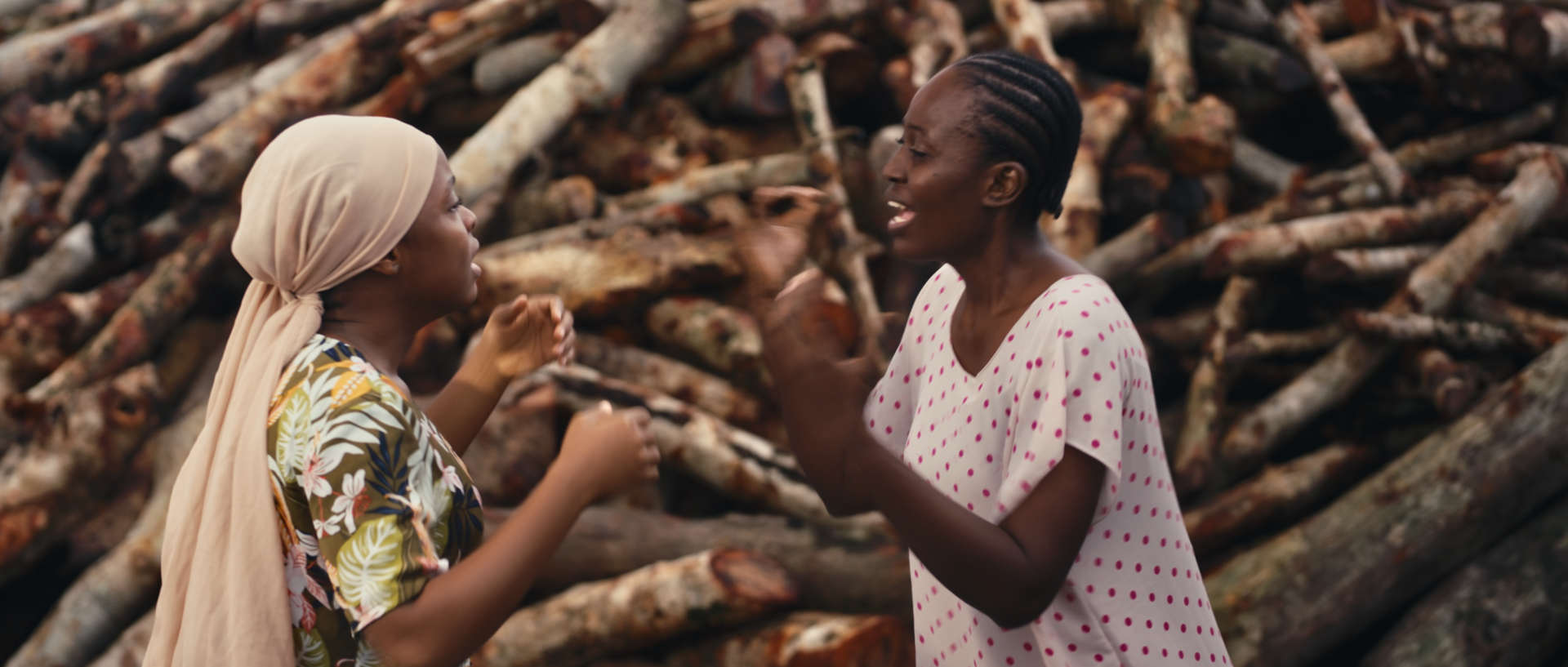
Your Lowest Moment Might Be Your Most Powerful One
Roli arrived at Rebecca’s house with a plan, not mama Temisan’s plan to seduce the son, but her own plan. She was going to ask for a job, beg for money, or do whatever honest work it took to save her brother. When that plan didn’t work, she did something even braver. She came clean. She laid out the medical reports, told the couple everything, and asked for help without performing strength she didn’t have.
That kind of raw honesty, showing up in your need without shame, without a performance, without pretending, is one of the hardest things a person can do. It is also, as Roli’s story shows us, one of the most powerful. The moment she chose honesty over manipulation was the moment everything began to shift.
Your lowest moment is not the end of your story. It might be the very place where your story actually begins.
Faith Is Not Passive. It Moves Things.
Roli’s mother prayed. Jolomi prayed. Rebecca prayed and in Onobiren, faith was not background noisem it was infrastructure. It held things up. It opened things. It moved things that should not have moved.
It was prayer that preceded the 15 million naira order that changed Roli’s life. It was Rebecca’s mother who told her that God would wipe her tears and use her to wipe someone else’s, a word that planted the seed for everything that followed between Rebecca and Roli. It was Jolomi who said they should pray for a miracle when the situation looked impossible, and the miracle came.
Faith in Onobiren is not a coping mechanism for people who have run out of options. It is a force that keeps opening doors that logic says should stay closed. It is active, expectant, and deeply tied to the choices these women made to keep going even when there was no visible reason to.
The Thing That Looks Like a Setback Might Be the Setup
Roli went to buy pepper soup ingredients and ended up building a fish empire. Rebecca’s search for a child led her to Roli, the woman who would become one of the most important people in her life. Roli’s brother gave up his dream of being a footballer and became a fisherman and then got drafted by Warri Wolves anyway.
Nobody in this story found their breakthrough in a straight line. Every detour turned out to be a road. Every door that closed pointed toward one that was about to open. The thing that looked like a disaster was, every single time, the exact road that led somewhere worth going.
This is not a call to be passive and wait for things to work out. It is a reminder that when you are doing the work, staying faithful, and refusing to give up on the thing that looks like it is working against you is often working for you in ways you cannot see yet.
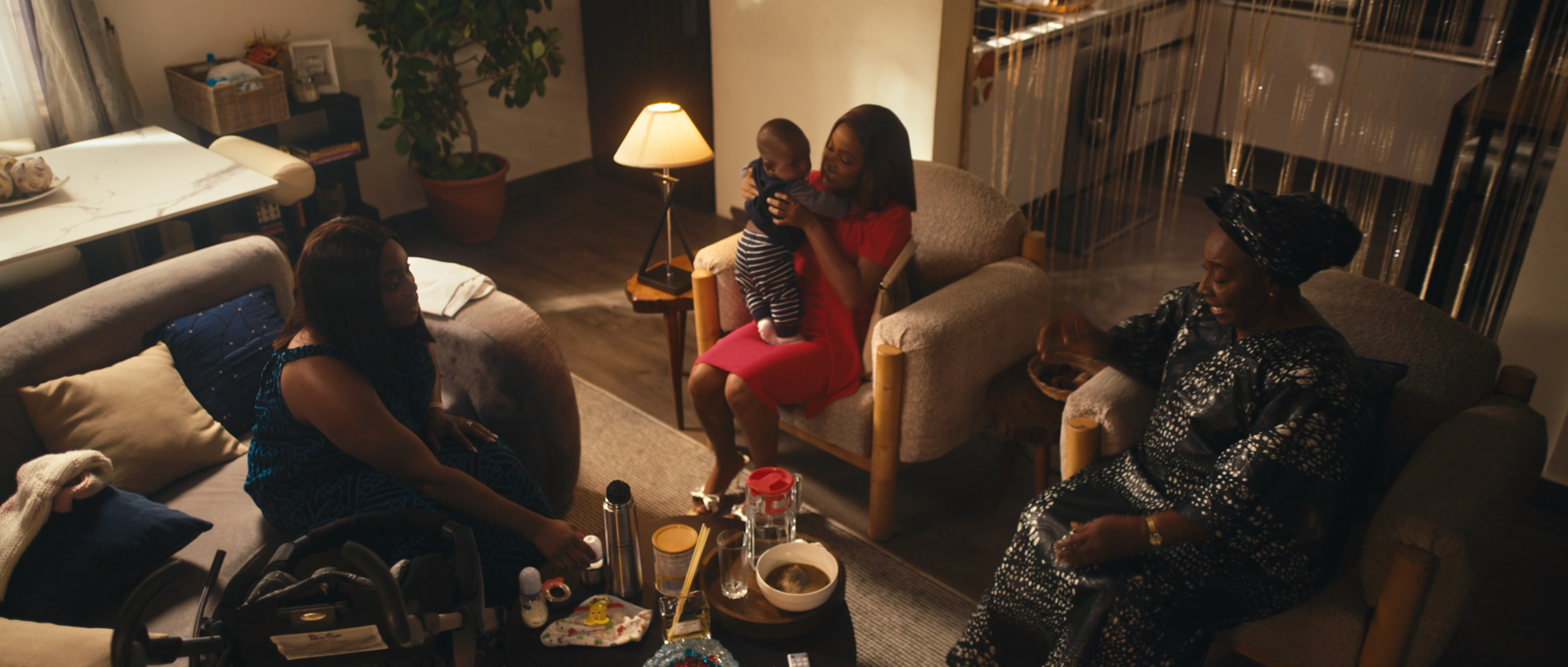
When Women Unite, Nothing Can Stand in Their Way
When Mama Dede threatened to seize the boats and the fish spoiled, Roli did not fall apart. She made calls. She reached out to family in another fishing community. She built a women’s association with rotating boats and shared cold storage. She turned a crisis, one that was designed to break herm into a cooperative that made everyone stronger.
Phylicia Rashad once said that any time women come together with a collective intention, magic happens. Onobiren showed us that it is not just magic, it is strategy. It is survival. It is the thing that beats every obstacle that was designed to work when women are isolated and fighting alone. Mama Dede kept trying. The power of unity kept winning. Nothing has ever trumped that. Nothing ever will.
The Most Empowering Thing a Woman Can Do Is Own Something
When Roli asked Rebecca how it felt to own her own business, Rebecca said it was the most empowering thing in the world. That line was not throwaway dialogue. It was the seed of everything Roli went on to build, the fish business, the women’s cooperative, the foundation, the app that generated over a billion naira in revenue.
Economic independence is not just about money. It is about the particular kind of freedom that nobody can revoke when circumstances change, when the marriage ends, when the in-law arrives, when the community turns on you, when the job disappears. It is the freedom that Roli built with her own hands, brick by brick, fish by fish, until nobody could take it from her.
Own something. Build something. It does not have to be big to start. It just has to be yours.
Keep Your Hands Open and the Right People Will Always Find You
Roli always had people. Women, strangers, men, family, a campus fellowship, an NGO, a man with a cold room, a wife who refused to let her leave. But she had people because she was open, because she asked for help, came clean, and showed up in her need without shame and with her whole self.
The people who walk alone are often the ones who have convinced themselves they have to. They have mistaken self-sufficiency for strength, and closed their hands to the very help that was trying to reach them. Roli never made that mistake. She reached out, again and again, and again and again, someone reached back.
Keep your hands open. The right people are always closer than you think.
Every Woman Standing Has Someone Who Poured Themselves Out for Her
Roli’s mother sold everything she had to send her daughter to nursing school. She prayed without stopping. She was ready to give her own kidney for her son. Rebecca and her friend were Roli’s first customers. Rebecca helped Roli secure the order that changed her life. Aunty Rebecca got her an internship. The campus fellowship raised 500k.
Behind every woman who makes it against the odds, there is almost always another woman or multiple women, who poured themselves out quietly so she could keep going. This is one of the most important things Onobiren shows us: that the story of a woman’s success is never just her story. It is the story of every person who believed in her, sacrificed for her, and refused to let her give up.
When you make it, remember who poured themselves out for you. And then pour yourself out for someone else.
A Woman Can Be Whatever She Decides to Be
They told Roli she couldn’t fish in deep waters because she was a woman. That the sea was not for her. She fished anyway and became the most successful fisherwoman in her community, built a business worth over 500 million naira, formed a cooperative that lifted other women with her, and stood on a stage in her community to receive Business Founder of the Year.
The world will always have an opinion about what a woman can and cannot be. It will dress that opinion up as tradition, as culture, as concern, as common sense. It will find fish women and mother-in-laws and community rules to deliver the message. But Roli’s story, and the stories of every woman in Onobiren, is proof that the opinion of the world is not the final word.
The final word belongs to the woman who decides what she is going to be. And then becomes it.

Onobiren is produced by Laju Iren Films. Make sure you visit a cinema near you to watch and then come back and tell us which lesson stayed with you the most.