There is a strange kind of guilt many African women carry, even if we do not name it. It is the guilt of wanting more than our mothers had. The guilt of choosing differently. The guilt of looking at our mother’s life, loving her deeply, and still thinking, I do not want this.
We are raised to believe that good daughters replicate their mothers. That gratitude looks like imitation and that deviation is rebellion. But if you look closely at the lives of many African women, especially our mothers, you begin to realize that most of them are not living from desire but from duty.
My mother worked very hard from a young age. She was responsible early. She carried siblings. She carried expectations. By the time she became a wife and a mother, she was already a fully formed adult who knew how to survive. On paper, she was doing well. She came from a comfortable working class background. She was educated and capable.
Then she got married.
And then something happened that is very common and yet, rarely discussed honestly. My mother’s marriage did not expand her life. It reduced it. Her world became smaller. Her options narrowed. Her brightness dimmed. Not dramatically. Not in a way that makes for good stories. But slowly, quietly and respectably. Her marriage sucked the light out of her life. She settled into poverty because her responsibilities became a trap. Children came. Expectations multiplied. Sacrifice became normalized. And like many African women, she learned to call survival a virtue.
Watching that does something to a daughter. It teaches you early that womanhood can be a place where dreams go to die. You can deny it and use the word postponed instead. But what is indefinite postponement if not death?
Watching your mother suffer and wither teaches you that love can demand too much. It teaches you that being good is often rewarded with exhaustion. So I decided I was not going to put myself in that position. Not because I am better than my mother. But because I am her continuation. And continuations are allowed to evolve.
I think this is why it is so important for women to do the things their mothers never got to do. If your mother never got to finish school, you absolutely should. Not because education is a trophy, but because it expands your thinking and your options. My mother would often remind me that she graduated with a 2:1 and expected better from me. It was never pressure, but it stayed with me. It shaped what I believed was possible and expected.
If your mother married poorly, you are allowed to marry well. You are allowed to take your time. You are allowed to be selective. You are allowed to learn from her experience without inheriting the consequences of it.
If your mother moved from marriage to marriage, or stayed in one that drained her, you are allowed to choose stability, or even solitude, if that brings peace. If you were raised by a single mother who carried everything alone, you are allowed to decide that your children will grow up in a stable, loving, two parent home. That is not a rejection of her strength but a refusal of her burden.
If your mother endured abuse, humiliation, or disrespect because leaving was unthinkable, you are allowed to decide that no love is worth that price.
And if your mother never worked outside the home, or never controlled her own money, you are allowed to choose differently. You are allowed to build power. You are allowed to be your own boss. You are allowed to call the shots.
This matters deeply for African women because our cultures are built on continuity. We inherit not just surnames, but silence. We inherit endurance. We inherit the idea that a good woman adapts, absorbs, and endures.
But progress does not come from endurance alone. It comes from discernment.
Choosing differently is not about rejecting our mothers. It is about refusing to romanticize their suffering. It is about understanding that many of them did the best they could with limited choice, limited rights, limited economic power, and heavy social expectations.
We have more information now. More access. More language. More room to breathe.
And with that comes responsibility.
Your mother did not suffer so that you could rehearse her suffering in a different decade. She suffered so that you might have a chance to choose better. To live more fully. To say no where she could not. To walk away where she stayed. To ask for more where she settled. Doing what our mothers never got to do is not betrayal but generational repair.
It is saying thank you, and then going further.
And that, I think, is one of the most loving things a daughter can do.
About the Author
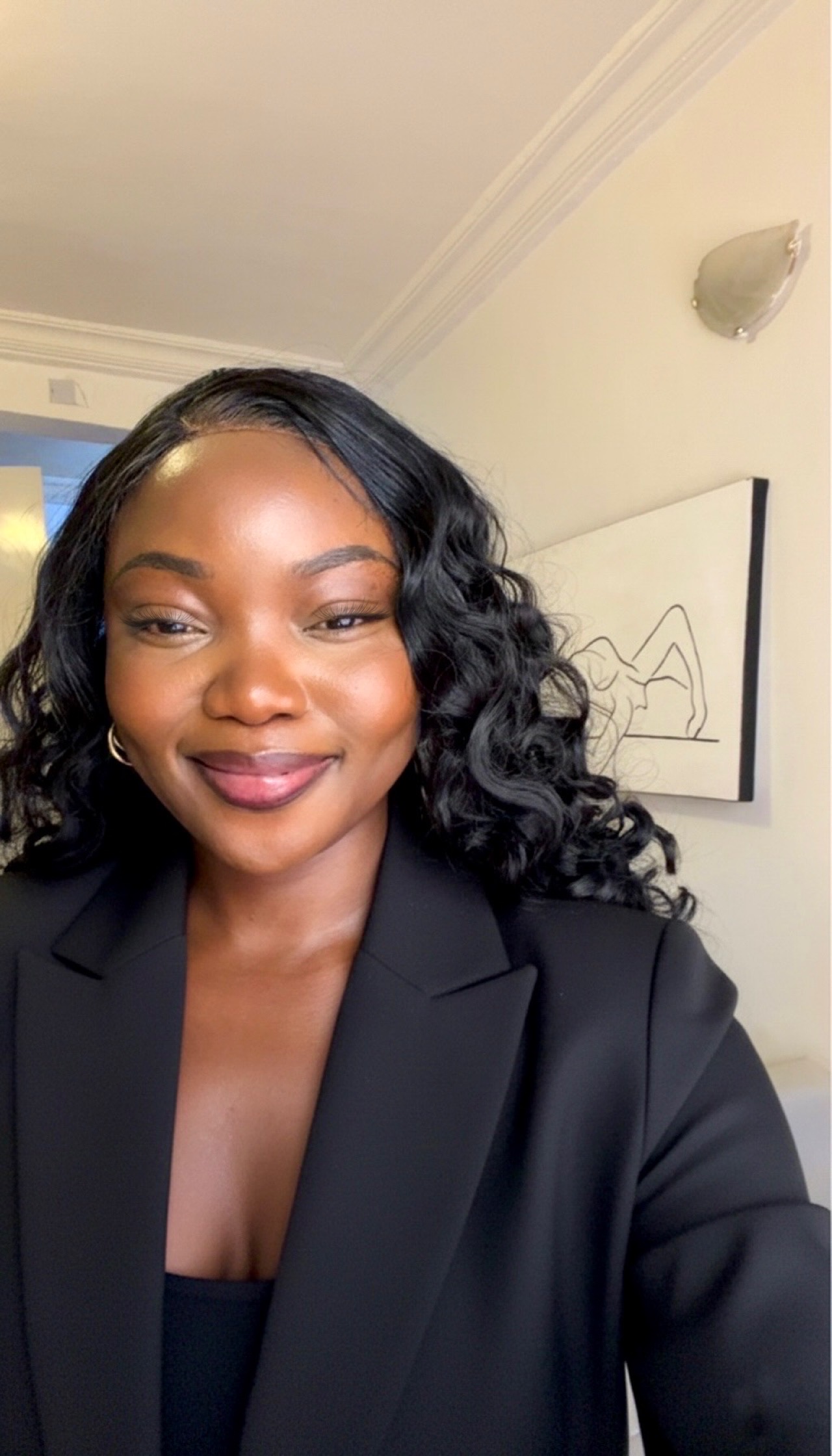
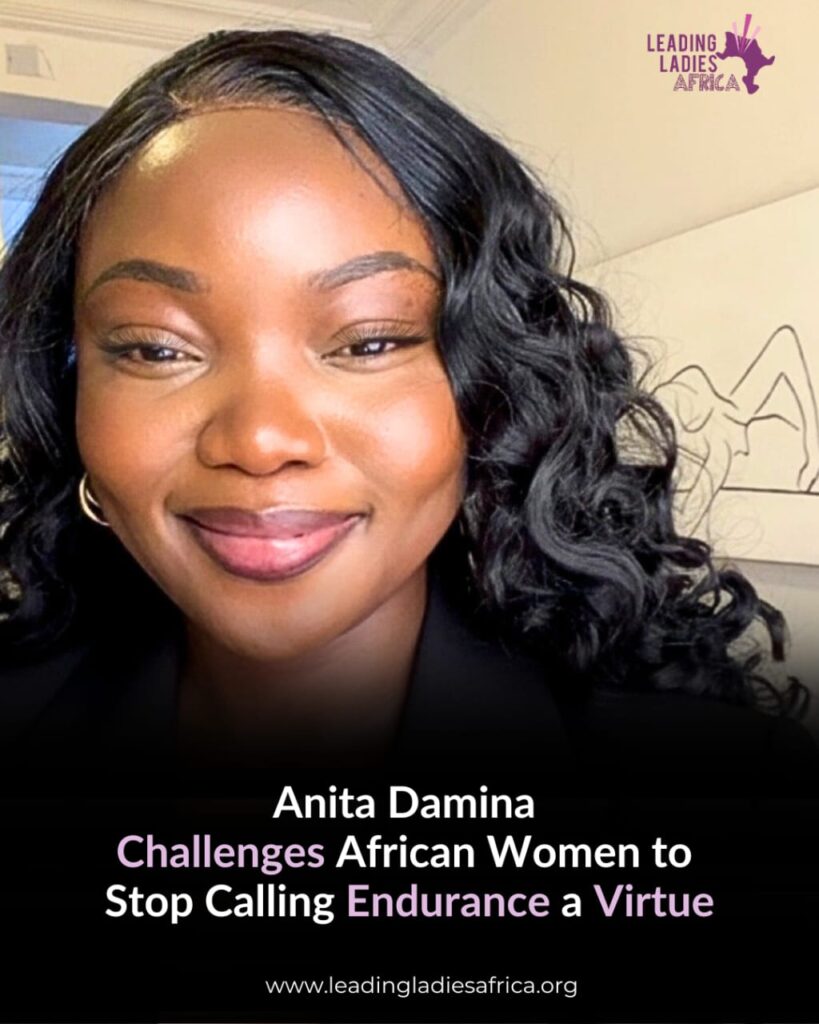
Anita Damina is a Nigerian writer and identity transformation coach working at the intersection of women, feminism, education and human potential. Armed with a strong passion for helping women gain clarity and agency, she uses sharp cultural critique and personal narrative to empower women to build lives rooted in authenticity and power.