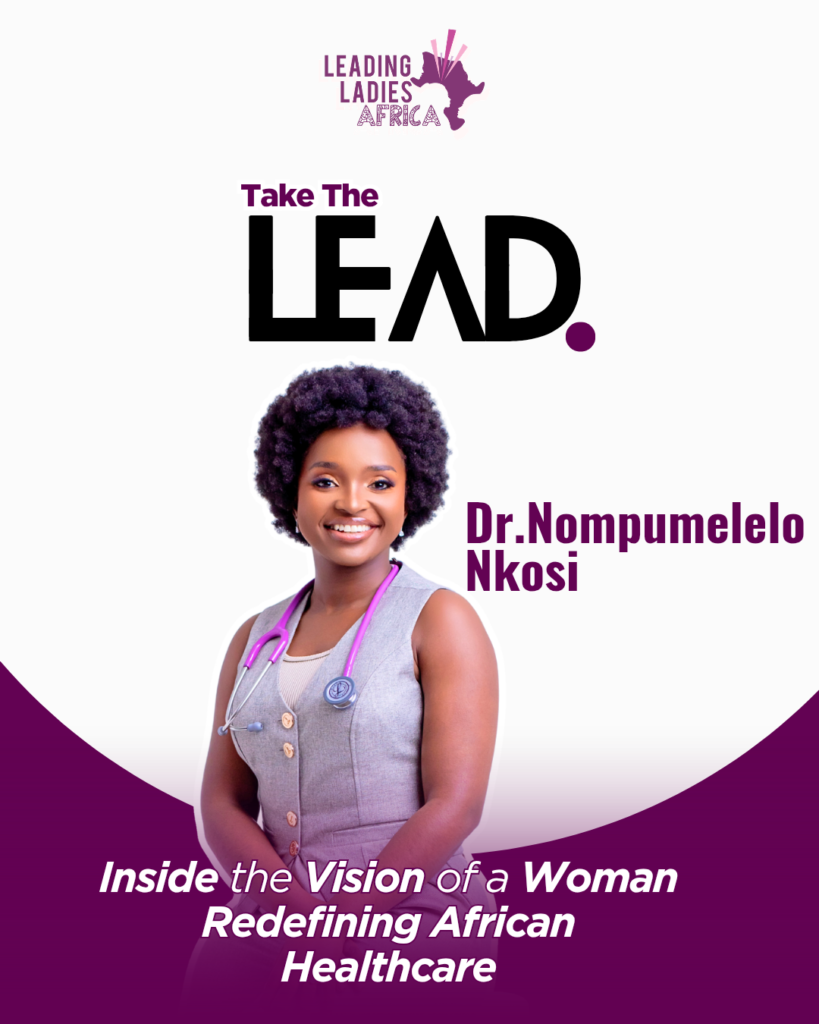
She didn’t just grow into a doctor.
She grew into a movement. ✨
From the classrooms of Mandeni to global health rooms, Dr. Nompumelelo Nkosi is proof that healing can look like leadership, and medicine can sound like “I see you.”
She speaks about patients the way most people speak about family.
Teen girls not as statistics, but as futures.
Healthcare not as a system, but as a sacred space for dignity, hope, and confidence.
In our conversation, she shared how:
📌Respect and humility shaped her long before a stethoscope did
📌Being a creative spirit made her a more empathetic doctor
📌Teen health is where prevention meets purpose
📌And why beauty, mental health, and medicine should never be separated
This isn’t just a profile.
It’s the story of a woman building a new kind of African healthcare, one where young girls feel safe, seen, and strong enough to dream loudly.
✨ A doctor.
✨ A youth advocate.
✨ A climate health leader.
✨ A woman who believes healing should be human.
Read the full conversation below.
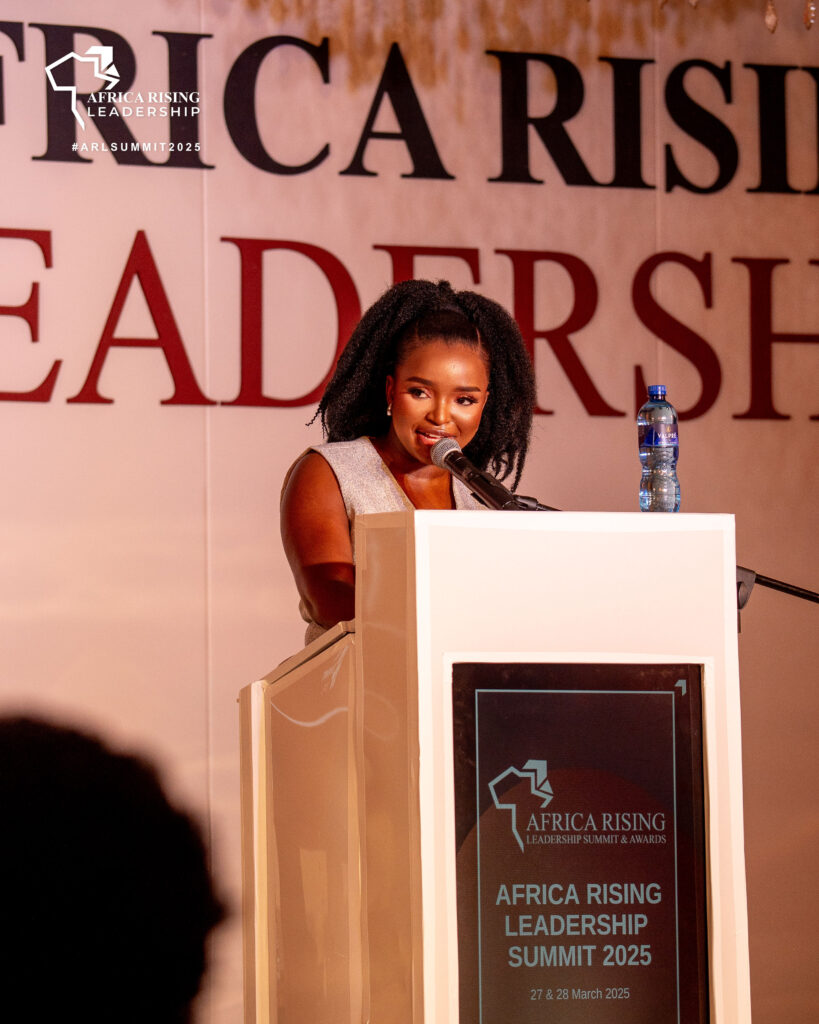
You grew up in Mandeni and shone academically, later becoming Head Girl at Stanger High School. What core values from your childhood continue to influence your approach to healthcare and community service today?
What a beautiful question! Two values from my childhood continue to anchor my journey today: respect and humility. Growing up, I was raised to honour and respect my parents in everything I did, whether in their presence or absence. That early discipline taught me to value all people regardless of age, background, or status. In healthcare, respect is not optional; it’s what allows me to connect with patients from all walks of life and treat each one with dignity. The second is humility. Even as a young girl aspiring to leadership, I understood that leadership is not about status but service. Medicine places you in positions of authority by default, but it is humility that allows you to positively influence others and truly serve. These two values, deep respect and genuine humility have shaped the way I lead, the way I practice medicine, and the way I give back through my foundation.
During medical school, you also explored modeling and dance. How did juggling such creative interests alongside rigorous medical training shape your identity?
For many years I shied away from this part of my identity, almost feeling guilty for having passions outside of medicine. In medical school, I sometimes thought my love for modelling and dance made me “less serious” compared to the typical medical student. But I’ve since embraced that being a multi-potentialite is my strength. From primary school, I was always involved in academics, sports, debate, arts, and entertainment while still making sure I excelled academically. What kept me grounded was my parents’ unwavering support. My father in particular would ask, “Which pageant is next? When will I see you in the paper or on TV?” They constantly reminded me that I was more than just a doctor, and they fuelled the spark they saw in me. Looking back, I realize that these creative pursuits made me a more balanced, empathetic doctor; someone who sees patients not only through a medical lens but also as full human beings with dreams, talents, and insecurities.
After earning your MBChB from UKZN, you founded the LELANI Private Clinic to provide holistic care. What inspired you to create this multidisciplinary practice, and what gaps in traditional healthcare did you aim to fill?
Yes, I did start LELANI Private Clinic, and although I later had to close it due to unforeseen circumstances, that experience planted seeds for what I am building now. My passion has always been adolescent healthcare, lifestyle medicine, and leadership in health. I realized quickly that teenagers are often overlooked, they’re not treated as children, but they’re not yet adults either. Many struggle with issues like mental health, sexual health, and identity, yet they rarely feel comfortable opening up to parents or traditional healthcare providers. I want to change that. My vision is to become the “go-to teen doctor,” creating safe platforms where adolescents are not just treated medically but also mentored, heard, and empowered. For communication enhancement, I also want to be the bridge between a teenager and their parent. For me, ive always said that it’s not only about saving lives,it’s about saving souls and nurturing a generation to live fully and fearlessly.
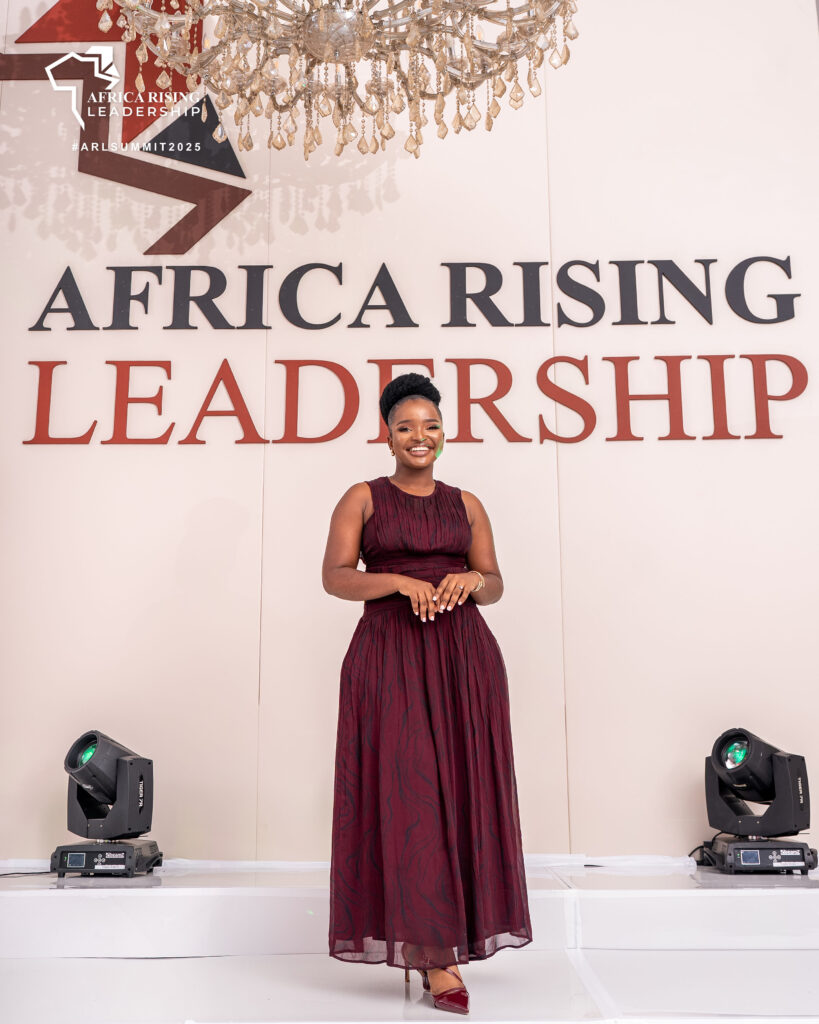
Adolescent healthcare and lifestyle medicine are central to your work. Why is this area important, and what unique needs do adolescents face that conventional systems often overlook?
Lifestyle medicine drew me because of its focus on prevention. I believe prevention is more powerful than cure, and if we empower communities with knowledge and healthier habits, we can prevent entire generations from unnecessary suffering. With adolescents, the challenge is even greater because medicine doesn’t formally recognize them as a unique group, they fall between paediatrics and adult medicine. Too often, society assumes they’re young and strong and therefore “fine,” but statistics tell a different story. Rising rates of depression, anxiety, substance use, and even chronic conditions in young people prove that we are missing the mark. What adolescents need from us as doctors is simple: respect, confidentiality, non-judgmental listening, and care tailored to their stage of life. They need champions, not critics. They need safe spaces to talk, and role models who remind them that their health: physical, mental, and emotional-matters.
You also completed a Diploma in Advanced Aesthetic Medicine. How does integrating aesthetics with general and mental health elevate your practice and patient experience?
Completing my Diploma in Advanced Aesthetic Medicine (with cum laude) was such a rewarding journey. For me, aesthetics is about restoring confidence and well-being. Take a teenager battling severe acne: the medical treatment is essential, but often their self-esteem, confidence, and even mental health are deeply affected. By combining medical care with safe aesthetic treatments, I can offer them not just healing but transformation. Many patients’ mental health is closely tied to how they feel about their appearance, and by addressing both physical health and aesthetic concerns in an ethical, patient-centered way, I can empower them to feel healthier, Integrating aesthetics with general and mental health allows me to create a holistic, patient-centred experience where people feel healthier and more confident and most importantly, this blend of medicine, mental wellness, and aesthetics transforms the patient experience into one of healing, self-discovery, and empowerment, making health care not only preventive and restorative but also uplifting and life-enhancing.
The Dr Nompumelelo Foundation and the NGIMUHLE Campaign are making a tangible difference, especially for young girls. What motivated these initiatives, and what change do you hope to see in the communities you serve?
The Dr. Nompumelelo Foundation and NGIMUHLE Campaign were born from my desire to see an end to teenage pregnancy and to empower girls to embrace their worth. It was out of out of my deep passion for health, empowerment, and creating spaces where the youth can thrive with dignity and confidence NGIMUHLE, which means “I am beautiful,” celebrates natural beauty, confidence, and self-love. Too many young girls face barriers such as period poverty, low self-esteem, and limited access to health education (barriers that limit their potential). Through these initiatives, we want to create spaces where girls feel seen, supported, and inspired. My hope is that communities begin to normalize open conversations about reproductive health, eliminate stigma, and raise a generation of young women who stand tall in their power. The ultimate change I envision is healthier, more confident young women who, in turn, uplift their families and communities. Our foundation also supports and indirectly aligns with the Sustainable development goal #3 (SDG 3), taking into consideration my role as a brand too.
At every meaningful patient interaction, you’ve emphasized the value of human connection. How do these moments sustain you emotionally and reinforce your mission as a physician and advocate?
For me, medicine has never just been about prescriptions or procedures, it’s about connection. The moments that sustain me are when a patient walks in broken and leaves with hope, when a teenager who was silent and guarded finally opens up and trusts me with their truth. Those encounters remind me that I matter, that I’m walking in my purpose. If you rush through medicine and only see patients as numbers, you miss the beauty of transformation happening in front of you. These connections are what keep me grounded, fulfilled, and determined to keep advocating for compassionate, patient-centred care.
You’ve been vocal about gaps in medical training like, financial literacy, business operations, and mental health. What changes would you like to see in medical education to better prepare future doctors?
I would love to see medical schools include compulsory courses in financial literacy, entrepreneurship, and business management (designed specifically for doctors). We graduate knowing how to save lives, but not how to run practices, manage finances, or protect our mental health. If we truly want doctors to thrive and sustain their impact, we need to equip them with tools that go beyond the stethoscope.
With empathy at the heart of your vision, how do you envision the future of healthcare in your community? What would an ideal, compassion-led system look like?
I envision the future of healthcare in my community as one where compassion is the foundation of every interaction, and access is not a privilege but a right. The future of health must be inclusive, affordable, and human-centred. An ideal, compassion-led system would see people as whole beings; treating body, mind, and soul. It would prioritize prevention, dignity, and education, while also being culturally relevant and accessible to all and so that communities are empowered to take charge of their own health journeys . Ultimately, I see a model where no one is unseen or unheard, where innovation is driven by empathy, and where healthcare restores not just health but hope, resilience and humanity.
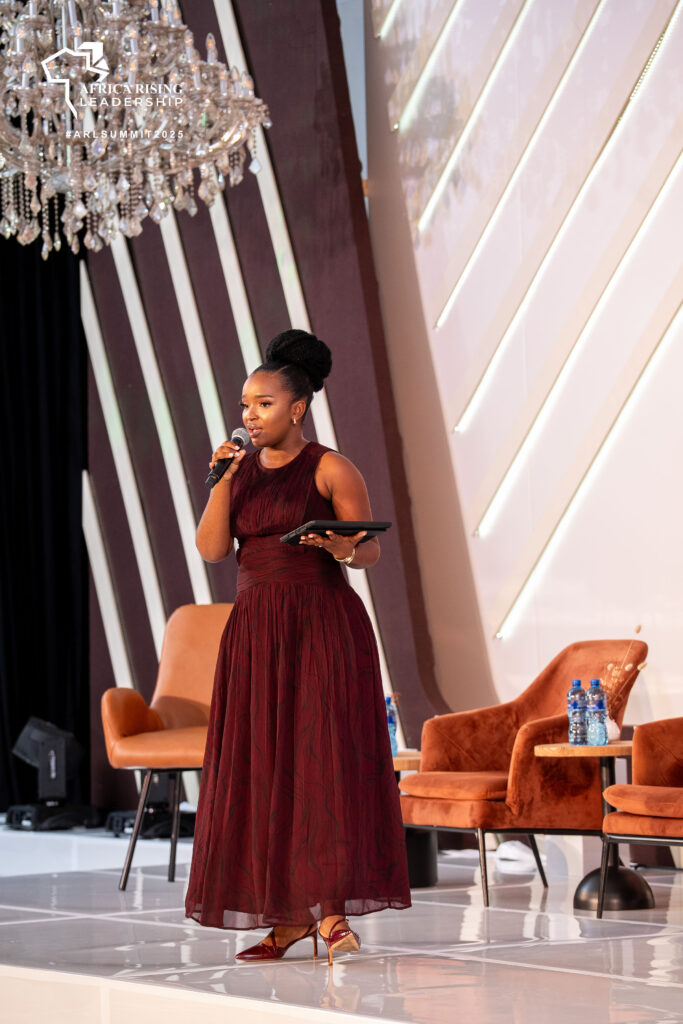
You encourage donations to the UKZN Foundation to combat barriers like food insecurity and financial stress. What impact has donor support already made, and how do you hope to see it scale?
The impact of donor support is very personal to me. I remember in 2014 when I was financially excluded, and if it weren’t for student leaders mobilizing support, I might not be here today. I’ve also seen firsthand how food drives and donations from the UKZN Foundation have sustained struggling students, giving them dignity and a fighting chance. Such platforms take me back to every post I’ve seen online where a medical student or any student is asking for donations to be able to pay towards his/her fees, it takes me back to food donation collection back in medical school. Donor support has already helped many students remain in school and believe in their dreams again. Looking forward, I want this to grow into a sustainable movement where no student has to choose between an education and their next meal, where donor partnerships become a catalyst for long-term transformation in higher education and I believe every contribution is not just charity, it’s an investment in future leaders who will uplift families, communities, and the continent.
As someone who balances entrepreneurship, clinical work, and social advocacy, how do you maintain your own well-being and self-care? What advice would you give to others juggling multiple impactful roles?
I’ll be honest, sometimes I don’t get it right. But I try. Running keeps me grounded; I love signing up for monthly races and doing simple home workouts. I recharge at the spa and reset with my favourite podcasts. My advice to others is simple: in the midst of serving everyone else, don’t forget to serve yourself too. Protect your health, your peace, and your joy, because without a healthy you, there can be no sustainable impact. You matter just as much as the work you do.
Looking ahead, what legacy do you hope to build, for your clinic, for young African women, and for community-centered medicine at large?
I now describe myself as the space where “medicine meets leadership and empowerment sparks change.” Looking ahead, I want my legacy to show that health is more than the absence of disease, it is confidence, opportunity, and empowerment. Through my clinic, I aim to redefine patient care as holistic, accessible, and dignified. For young African women, I want to be living proof that they can lead, innovate, and shape the future of healthcare while staying true to themselves. For community-centred medicine, my dream is to pioneer models that merge modern healthcare with the realities of our people, ensuring no one is left behind. Ultimately, I want to be remembered as a doctor who didn’t just treat illness but who sparked transformation, opened doors, and left communities healthier, stronger, and more hopeful.