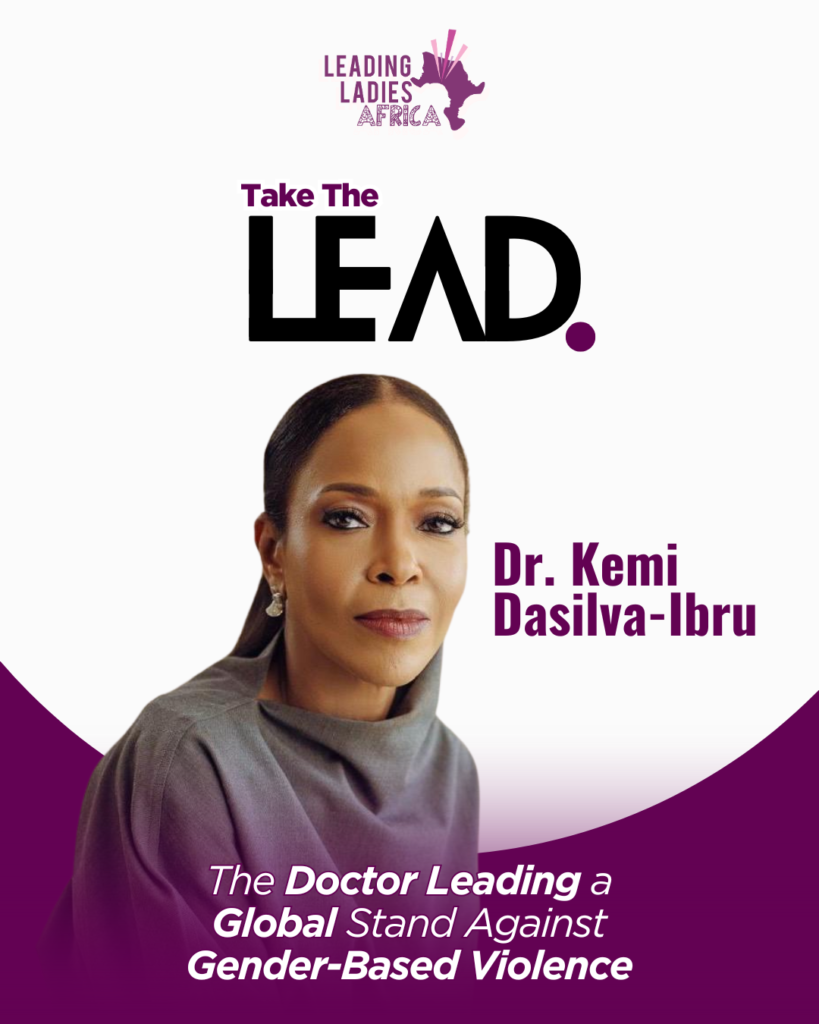
Some people treat medicine as a job. Dr. Kemi Dasilva-Ibru treats it as a mission, to heal, protect, and empower women and girls. As a specialist physician, public health expert, and founder of WARIF, she has spent over 25 years on the frontlines of gender-based violence, turning the pain she witnesses into action.
What started as a fight for a single survivor has grown into a global movement. Today, the No Tolerance March spans cities from Lagos to London, New York, Sydney, and beyond, sending a clear message: silence is no longer an option.
In this interview, Dr. Kemi shares how her medical journey shaped her advocacy, why GBV persists, and what each of us can do to be part of the solution. Every voice, every step, and every stand matters.
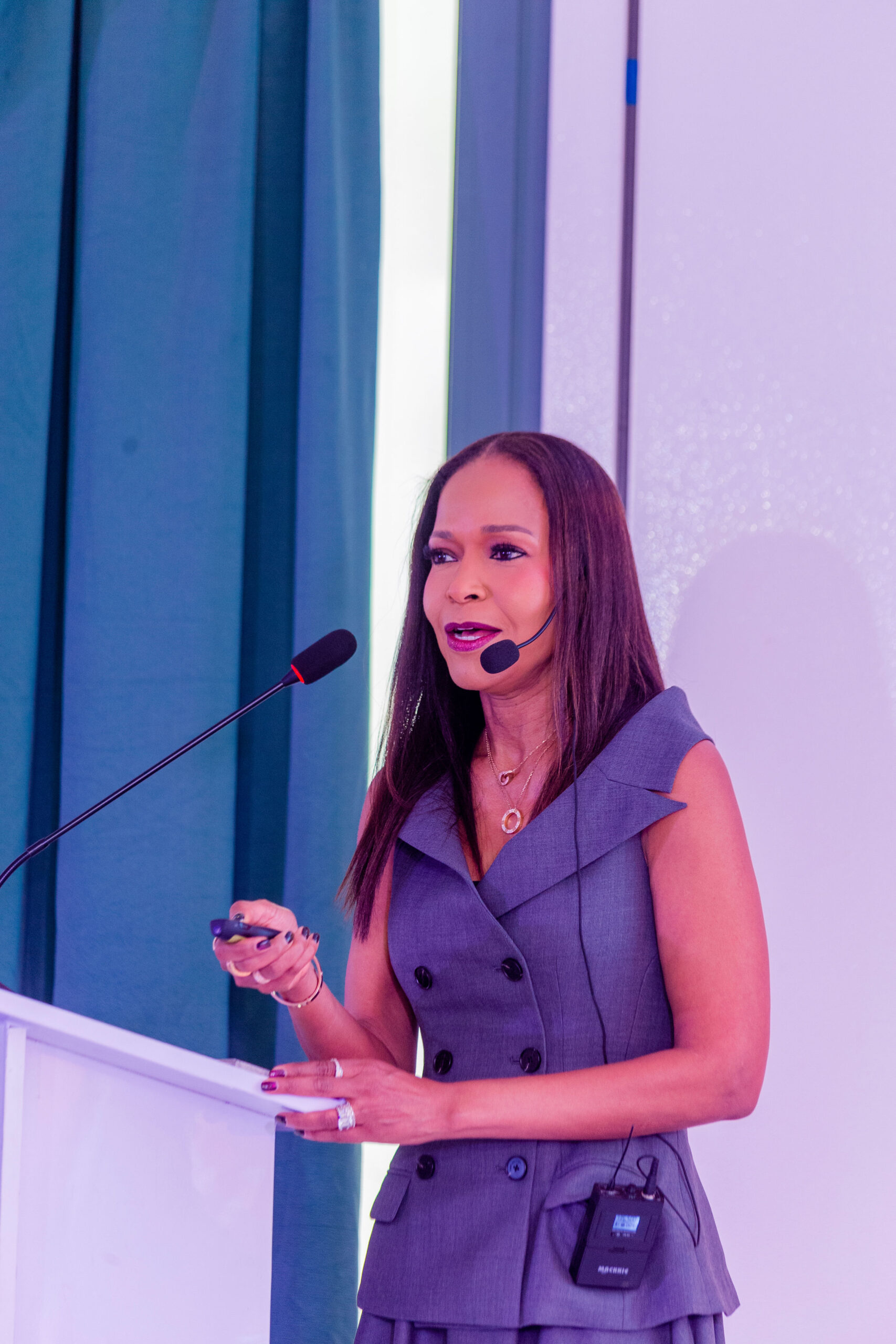
Dr. Kemi, you’re a physician, a public health expert, a researcher, an activist and at the heart of it all, a woman deeply committed to healing other women. How has your medical journey shaped the kind of advocate you’ve become?
My medical journey I believe has been the foundation of my advocacy. For the last 25 years, as a practicing specialist Obstetrician and Gynaecologist, my patient population have only been women and girls and working closely with this cohort group of patients who are survivors, in various clinical settings exposed me to the harsh realities women and girls face— often remaining hidden due to fear and stigmatisation. I witnessed firsthand the horrific physical, emotional, and psychological impact of gender-based violence and this gave me a deeper understanding, empathy and respect for survivors. It also underscored the fact that healing extends far beyond post incident clinical care and treatment of injuries; it requires compassion, access to safety and justice and a voice.
As a physician and public health professional, I learned to look beyond individual cases and see the wider systemic issues affecting women’s healthcare. As a researcher, I uncovered the data that validated what I witnessed in practice. And as an activist, I recognised the need to transform that knowledge into tangible action—offering essential services, educating communities, building support systems, and pushing for change.
As I continue on this journey, I am constantly reminded that medicine and advocacy are intertwined. Treating women means healing; it also means standing with them, fighting for the more vulnerable of us and creating spaces where every survivor is believed, supported and empowered.
When you think back to the moment WARIF became more than an idea, what was happening in your world that made you say, “I can’t wait for change, I have to build it”?
This was almost 10 years ago; I had been working in the gender space offering my services pro bono in my clinical practice and trying the best I could to offer holistic care beyond what my clinical services could handle. This involved leveraging on the existing referral service
system and this was very difficult as many of these services were not readily available at that time. My line in the sand was a young 18 month of child who had been raped and in need of full comprehensive post incident care including my intervention. It became apparent that this was not forthcoming as it just was not available . This was an extremely frustrating and harrowing moment for me and I was compelled to look at the dearth of essential services in our healthcare system. I knew I couldn’t continue to attempt to offer care to women and girls at risk if I was not fully committed to all aspects of their well-being. In that moment, I also realised I couldn’t continue treating survivors one after the other without addressing the underlying causes and social drivers with preventative initiatives. Waiting for change to happen was no longer an option. The scale of the problem demanded a structured, sustainable solution and WARIF then became more than an idea.
The No Tolerance March started with a few hundred people in Lagos. Now it’s happening in London, New York, Sydney, Accra, everywhere. What ripple effects have you seen as this movement has reached a global stage and inspired more people to take a stand?
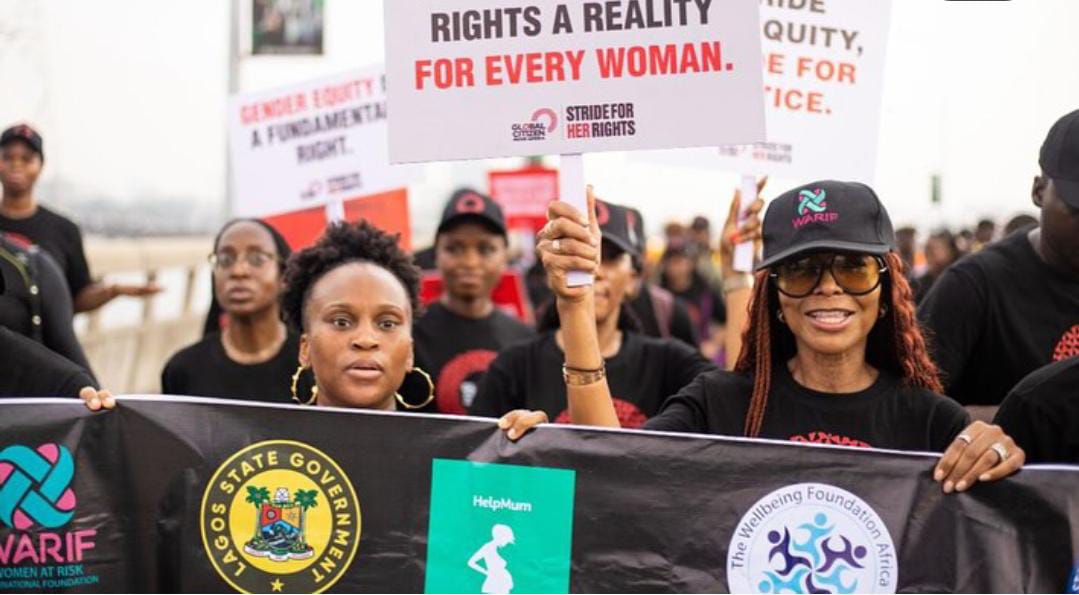
With our first WARIF No Tolerance March 7 years ago, it was to commemorate the UN 16 Days of Activism by raising awareness to the issue of gender based violence in our communities in Lagos, Nigeria. It was a powerful but local statement. However we were well aware that this problem went far beyond Lagos as this was a pervasive human rights violation happening across the world and so we started to reach out to other communities, and they listened, asking to stand with WARIF, marching against all forms of violence.
The following year we were in other cities in Nigeria such as Abuja , Ibadan and Abeokuta , and then over the subsequent years, we got bigger with more cities joining on the African continent in Accra and now Nairobi and across the other continents – Europe where first London and Frankfurt joined and this year Paris to. In North America, we have held Marches both on the East Coast in New York, Washington DC and now Atlanta and to the West Coast in Los Angeles. We have been as far as Sydney, Australia and to Bangkok. This year, we are in 18 cities on 3 continents, conveying how a single act of solidarity can become a global movement.
The ripple effects have been profound. First, we’ve seen an extraordinary shift in awareness. People who once felt disconnected from the issue now recognize that gender-based violence is not one community’s problem or even one continent but it is a global crisis that demands collective action.
Second, the March has empowered more individuals and communities—especially young people—to take a stand and speak up. Survivors have found courage in seeing others rally for them. Communities have begun difficult conversations that were once avoided. And organizations around the world have reached out to collaborate, sharing resources, and building stronger networks of support.
Finally, the global expansion has turned advocacy into action. We’ve seen new policies proposed, more institutions integrating GBV training, and grassroots groups launching their own initiatives in response to what they witnessed through the March. The No Tolerance March has become more than an event—it’s a catalyst. Every city that joins sends a message that echoes across borders: we will not be silent, we will not stand by, and we will not tolerate violence in any form.
You’ve seen GBV from the medical side, the public health side, and the societal side. What do you wish more people understood about why GBV persists, especially in African communities?
GBV persists not because the survivor remains silent about the abuse but because of the enabling environment the survivor belongs to. It is not just an individual act of harm; but rooted in cultural norms, power imbalances, and long-standing structures that enable violence to continue unchecked.
In many African communities, harmful traditions, social norms, stigma and silence still shape how GBV is viewed. In a patriarchal community often seen in many African countries, survivors are often shamed and blamed. Pressured by families to remain silent as cases are “settled” quietly with households prioritizing reputation over justice. These dynamics create an environment where perpetrators feel protected and survivors feel alone.
From the medical and public health perspective, I have seen how deeply GBV affects not an individual both physically and emotionally , but also the family unit and entire communities. Yet the societal response often minimizes this impact, treating violence as a private issue rather than a public health emergency.
GBV will continue to persist so long as inequality persists. When girls are taught to endure instead of speaking out, when boys are not taught about consent, and when systemic and institutional failures persist. Ending GBV requires more than just acknowledgement or even outrage; it requires reshaping attitudes, educating communities, strengthening laws, supporting survivors, and challenging the norms that allow violence to hide in plain sight.
As this year’s No Tolerance March begins, what is the one message you hope lands the deepest?
Gender-based violence can feel like an overwhelming issue, but real change begins when each person decides that silence is no longer an option. So every voice matters, and every action counts. Taking a stand isn’t just symbolic, it saves lives. Whether you are marching, speaking out, supporting a survivor, educating a young person, or challenging harmful norms in your own community, you are part of a collective force pushing back against violence.
If there is one message I would like to impart , it is : We all have a role to play; when we stand together, our “No Tolerance” becomes more than a slogan; it becomes a promise, it becomes a commitment towards change.
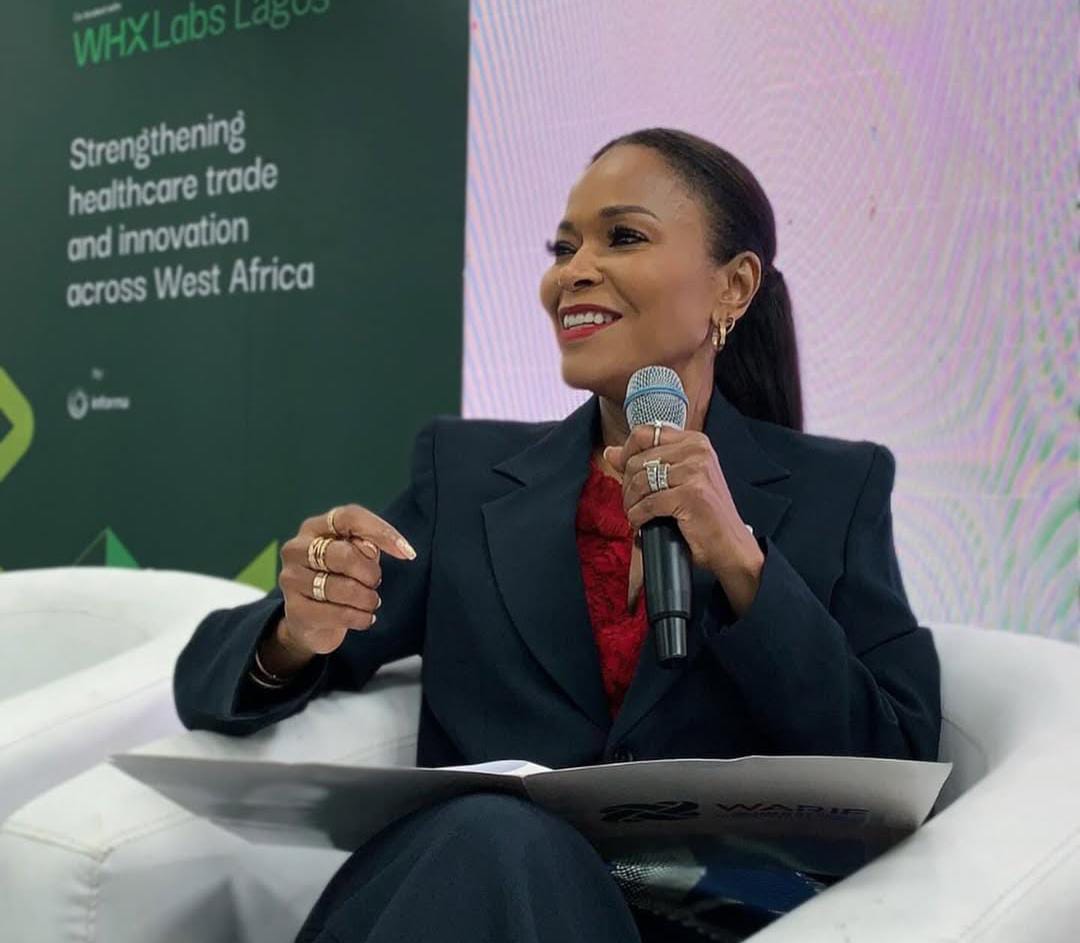
For many young people, creatives, and community members, the question is: “What can I do?” What is one action you believe every Nigerian, regardless of age, job, or background can take today to help end GBV?
The most powerful action every Nigerian can take, or any individual regardless of his or her geographical location is to speak up and challenge the culture of silence that allows GBV to thrive. Ending GBV begins with one brave decision of saying “No more”. Violence persists when communities look away, accommodating harmful behaviour or protecting perpetrators. When we all keep each other accountable , being truly our brother or sister’s keeper, refusing to stay silent and calling out abuse, correcting harmful comments, supporting survivors, and creating safe spaces, real change begins and the ripple effect would be enormous.