Education has always been one of the most powerful tools for transformation, but in Africa, millions of children are still denied access to quality learning.
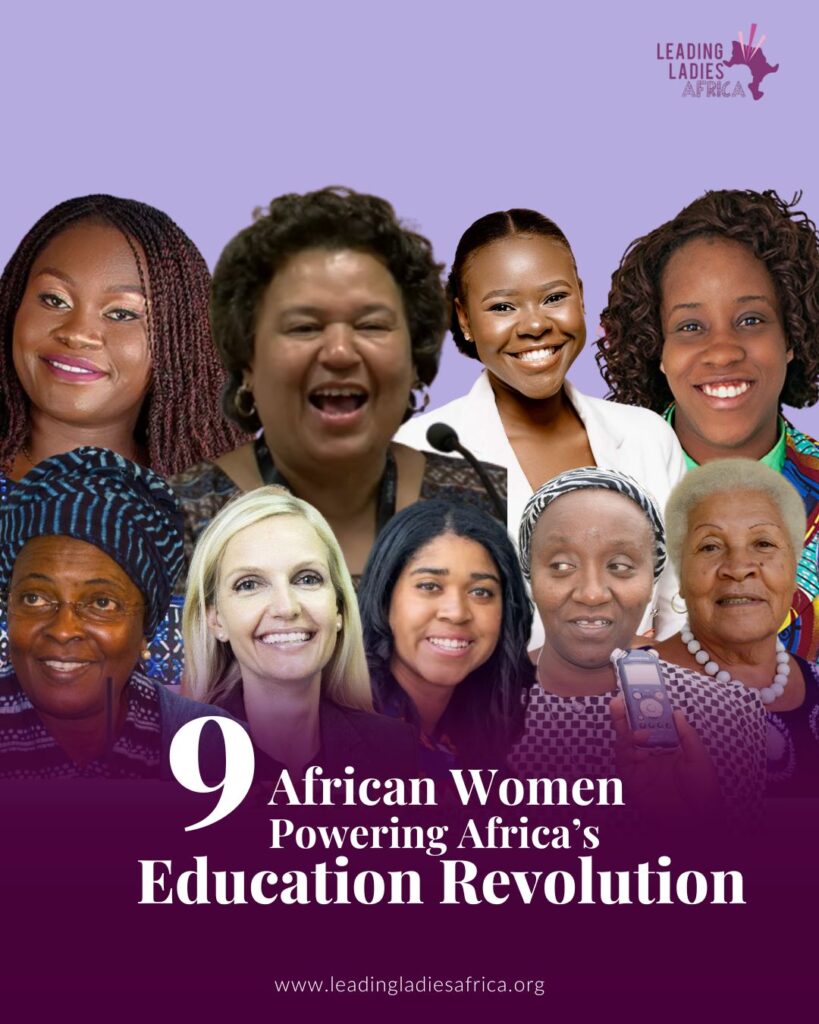
At the heart of this movement, women who are visionary leaders, educators, innovators, and advocates are rewriting the story of what education can look like across Africa. They’ve created grassroots initiatives in underserved communities, leveraged technology for digital learning, and shaped national and global education policies.
This list highlights nine remarkable African women who are driving bold initiatives to ensure that every child, regardless of background, has the chance to learn, dream, and thrive. Their work reminds us that investing in education is more than classrooms and textbooks, it is equipping a generation to transform Africa’s future.
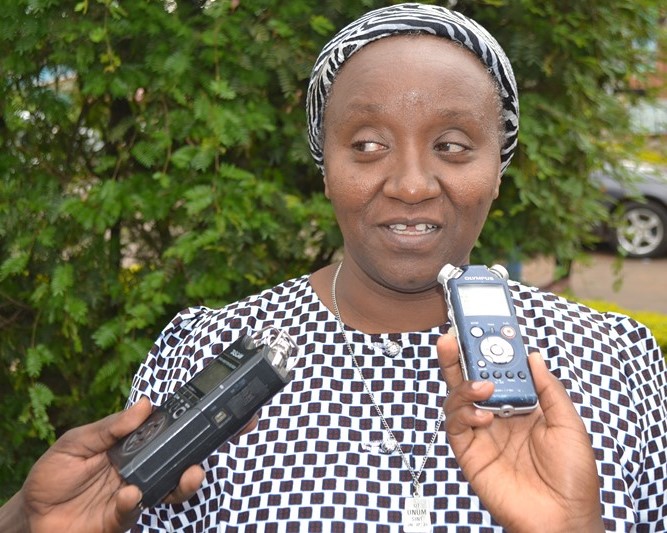
Sister Deodata Bunzigiye — In the conflict-ridden eastern Democratic Republic of Congo, Sister Deodata Bunzigiye is proving that literacy can be more than a skill. In 2001, she founded Collectif Alpha-Ujuvi as a bold response to the intersecting crises of illiteracy, gender inequality, and violence facing women in North Kivu. Over two decades, the initiative has grown into a beacon of hope, transforming literacy into a tool for peacebuilding, economic independence, and social justice. Today, more than 80% of its beneficiaries are women, many of whom are rewriting not only their own futures, but those of their communities.
Collectif Alpha-Ujuvi’s impact is far-reaching: from digital training hubs in Bukavu, Goma, and Kinshasa that have graduated over 300 women in IT and business, to safe spaces like Logis TALITHA Khoum, which shelters survivors of gender-based violence and helps them reclaim their education. Its Tushiriki Wote Project equips women traders with literacy and conflict resolution skills, positioning them as mediators in peace processes across the region. In 2011, the organization’s groundbreaking work earned it the UNESCO Confucius Prize for Literacy, amplifying its influence across the DRC and beyond. In a region scarred by conflict, Sister Deodata’s work is a reminder that to educate a woman is, indeed, to awaken a nation.
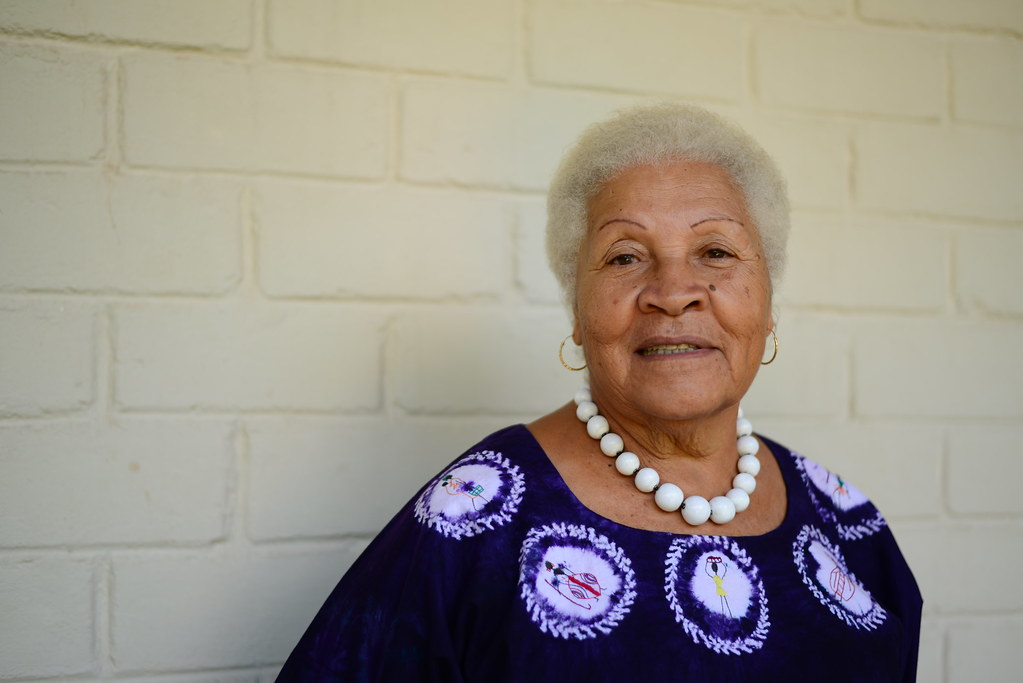
Maria Josephine Kamm — Long before girls’ education became a global rallying cry, Maria Josephine Kamm, fondly called Mama Kamm was quietly rewriting the story in Tanzania. Born in Iringa in 1937, she defied expectations by pursuing higher education at a time when most Tanzanian girls’ schooling ended at Form II. From Saint Mary’s College to Syracuse University in the United States, she became one of the first Tanzanian women to earn a U.S. degree, returning home with a conviction that education was the most powerful tool for transformation.
Kamm began teaching in the mid-1960s, just as Tanzania was shaping a new national vision for post-colonial education. In 1970, she became headmistress of Weruweru Secondary School, a public girls’ school she led for over two decades. Under her leadership, Weruweru became a beacon of excellence, nurturing women who would go on to lead in politics, medicine, academia, and beyond. But her impact didn’t stop there. When government policy forced pregnant girls out of school, she refused to accept their exclusion. Instead, she founded Kilimanjaro Academy, a parallel school that gave young mothers a second chance at learning. She also launched the Mama Clementine Foundation in 1988, dedicated to expanding access to education for underprivileged girls. Even in retirement, she remained an advocate, supporting initiatives like Lyra Africa and the Mwalimu Nyerere Foundation. In recognition of her lifelong commitment, she was named Tanzania’s Woman of the Year in 2014 and celebrated nationally as a role model.
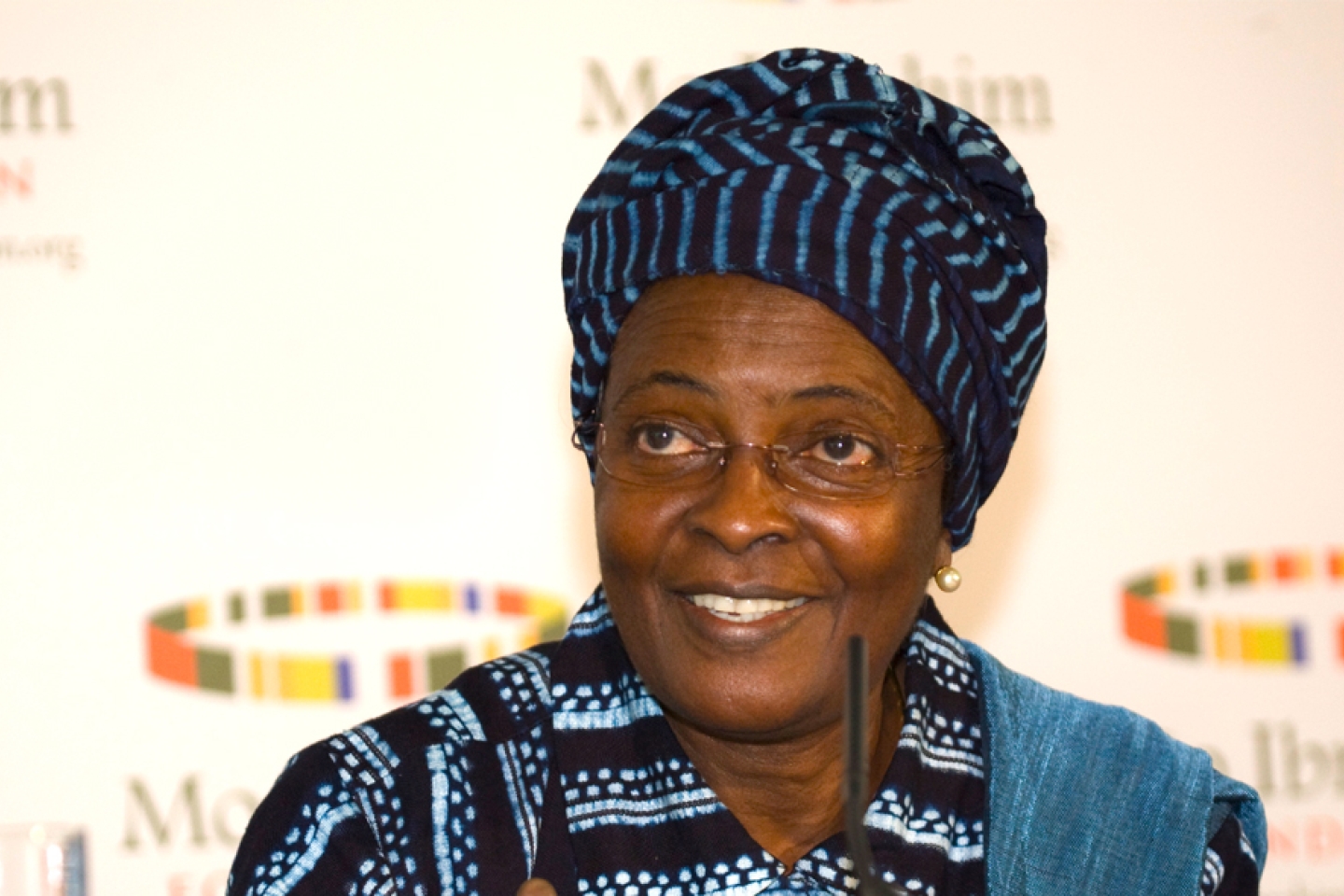
Aïcha Bah Diallo — When Aïcha Bah Diallo stepped into her role as Guinea’s Minister of Education in 1989, she carried a vision that many thought impossible: to make schools places where girls not only entered but thrived. Over the next seven years, she proved that change was possible. Under her leadership, the number of girls enrolled in Guinean schools doubled, from 113,000 to 233,000, a landmark achievement in a country where cultural and structural barriers had long kept girls out of classrooms.
Beyond national service, Diallo became a continental force. In 1992, she co-founded the Forum for African Women Educationalists (FAWE), a pan-African network that has championed millions of girls’ access to quality education. Later, at UNESCO, she was entrusted with advancing female education in some of the world’s least developed countries, while also founding ASHEWA (the Association for Strengthening Higher Education for Women in Africa), to push women’s representation in universities and beyond.
Her influence has been recognized across Africa and globally. From the French Ordre des Palmes Académiques to being named among the 100 Most Influential Africans, to the WISE Prize for Education, her accolades reflect the transformative scale of her work. Today, schools in Guinea and Senegal proudly carry her name, a lasting tribute to a woman who proved that when you fight for girls’ education, you build a nation’s future.
Susannah Farr — Faced with the challenges of poverty, violence, and high school dropouts, Susannah Farr saw an opportunity: use peer pressure not to break young people down, but to build them up. Through Generations of Leaders Discovered (GOLD), she developed a structured three-year curriculum that trains teenagers in leadership, life skills, and peer education. These young leaders then mentor and inspire their peers, creating ripple effects of positive behavior change in schools and communities.
What began in Rwanda has grown into a regional movement. GOLD operates across Zambia, South Africa, and Botswana, reaching over 13,000 young people directly through peer educators and touching 48,000 more indirectly. To date, it has trained more than 2,800 peer educators and 100 facilitators, equipping them to fight challenges like substance abuse, violence, and HIV/AIDS, while simultaneously carving out new pathways in youth leadership and education. For Susannah, education is not only about literacy and academics, it is about dignity, resilience, and leadership. By channeling the energy of youth themselves, she is proving that Africa’s most powerful resource is its young people, and that when they lead, whole communities rise.
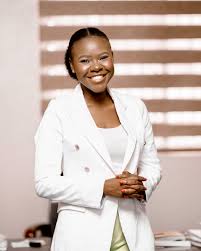
Lydia Charles Moyo — Lydia Charles Moyo is reshaping how young women in Tanzania access education, entrepreneurship, and economic opportunities. As the Founder and Executive Director of Her Initiative, she leads a young women–run organization breaking cycles of poverty by equipping girls with financial resilience and entrepreneurial skills. Her vision is bold yet practical: combine social innovation with technology to ensure that girls and young women can thrive in today’s digital economy. Through Her Initiative, Lydia has championed programs that directly confront youth unemployment, gender inequality, and underrepresentation of women in STEM.
Her most groundbreaking innovation, Panda Digital, is Tanzania’s first Swahili hybrid e-learning platform for women. Using AI-powered SMS and web technology, it gives young female entrepreneurs the chance to learn at their own pace, bridging the digital divide in one of Africa’s fastest-growing economies. Lydia’s impact has earned her global acclaim, including the 2024 Global Citizen Prize and the 2023–2024 KBF Africa Prize, recognizing her role in advancing gender equality and economic empowerment across sub-Saharan Africa. With every program, Lydia is proving that when women access education and technology, entire societies move forward.
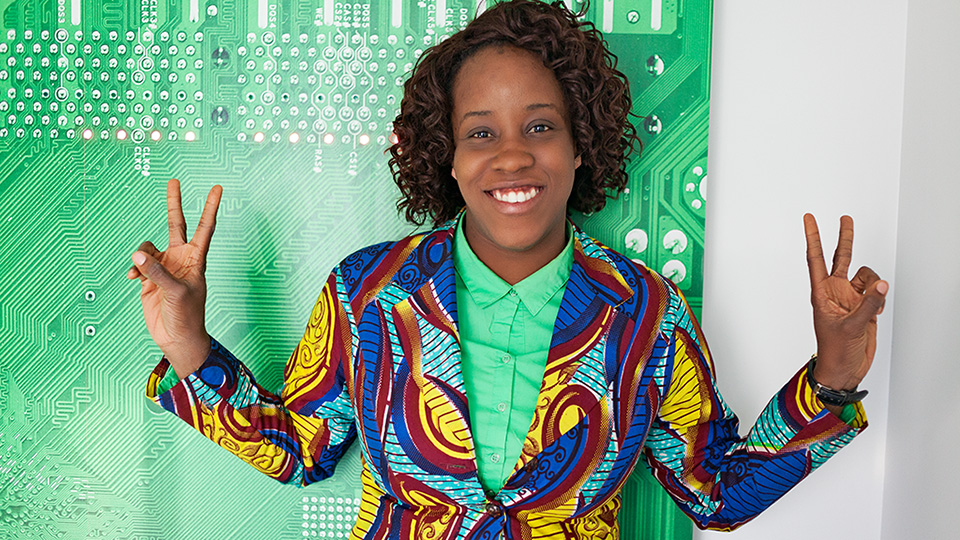
Josephine Marie Godwyll — When Josephine Marie Godwyll discovered that children in rural Ghana were being taught ICT without ever touching a computer, she knew something had to change. In 2013, she founded Young At Heart Ghana, a social enterprise that empowers children with practical digital literacy skills through ICT outreaches, digital learning clubs, fairs, and maker spaces. Since then, the initiative has reached more than 5,000 children, bridging the gap between classroom theory and real-world technology. Her flagship innovation, Ananse the Teacher, is a STEAM-based mobile and web app that uses beloved Ghanaian folklore to make science and technology fun, relatable, and practical for young learners.
Her work is closing the rural-urban digital divide while also creating a sustainable model where urban schools pay for services that subsidize programs in underserved communities. With upcoming projects like a mobile laboratory to deliver hands-on STEAM experiences to remote schools, Josephine is reimagining education for the digital age. By fusing culture, technology, and creativity, she is ensuring that Ghana’s children consume information and become innovators capable of solving community problems.
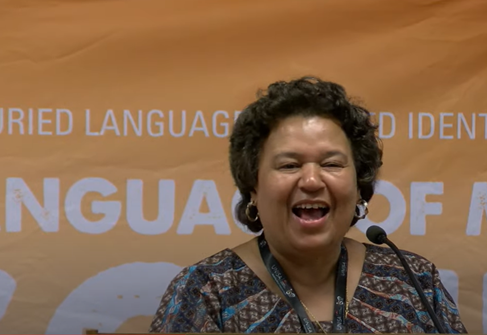
Elinor Sisulu — Elinor Sisulu has spent her life proving that children’s literature is far more than entertainment. It is a cornerstone of literacy, identity, and cultural pride. Born in Zimbabwe and later settling in South Africa, she combined her activism with storytelling, using books as tools for freedom and belonging. Her landmark children’s book, The Day Gogo Went to Vote, captured the historic 1994 South African elections through a child’s eyes, while her biography Walter and Albertina Sisulu: In Our Lifetime cemented her place as one of Africa’s most important literary voices.
Determined to ensure that African children see themselves reflected in their learning, Elinor founded the Puku Children’s Literature Foundation, an organization devoted to promoting reading and publishing in African languages. For this work, she has received the UNESCO King Sejong Literacy Prize and the French Chevalier de L’Ordre des Arts et des Lettres, among many other honors. Through Puku, Elinor continues to fight for inclusive access to books, building a future where every African child learns in the language of their heart and grows up knowing that their stories matter.
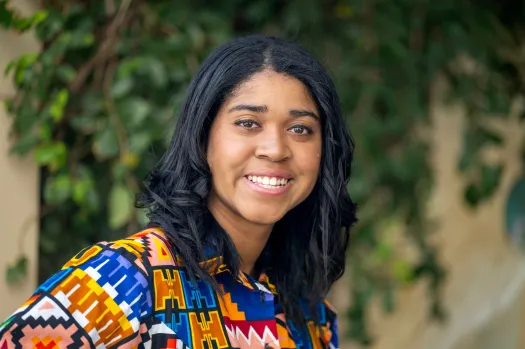
Zuriel Oduwole — From the age of 10, Zuriel Oduwole has been challenging the world to rethink education, leadership, and the power of young voices. The Los Angeles–born advocate, filmmaker, and policy advisor first gained global attention with her documentaries on African history, and she soon turned that momentum into Dream Up, Speak Up, Stand Up, a campaign promoting girls’ education across Africa and beyond. Over the years, Zuriel has met with more than 36 presidents and prime ministers, addressing issues ranging from education and climate change to peace mediation. She has become a global symbol of youth-driven change, consistently proving that children and young people deserve a seat at the decision-making table.
Through her DUSUSU Foundation, Zuriel equips marginalized youth with filmmaking skills, giving them practical tools for employment and self-expression while addressing the realities of out-of-school children. Her impact has been recognized by institutions like the United Nations, Harvard University, and the Nelson Mandela Foundation, and in 2025 she was nominated for the Nobel Peace Prize for her decade-long contributions to education, youth empowerment, and global development. Whether speaking at universities, leading grassroots training in underserved communities, or influencing international policy discussions, Zuriel embodies the transformative power of combining creativity with advocacy to shape the future of learning.
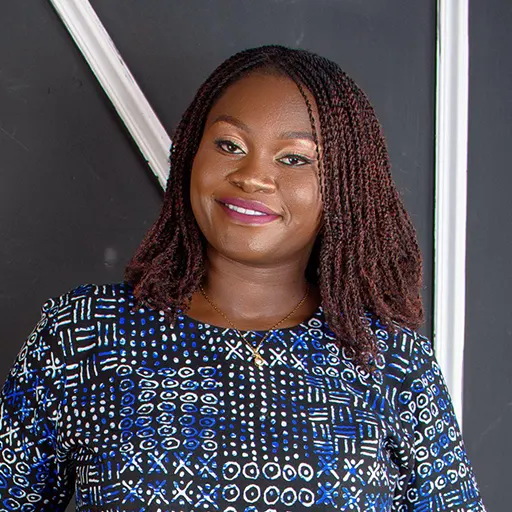
Rhoda Aiyeko — Rhoda is a community leader and social innovator who has dedicated her work to empowering girls, women, and people with disabilities in Kibera, one of Nairobi’s largest informal settlements. As the founding director of the Kibera Community Empowerment Organization (KCEO), she has built initiatives around digital literacy, social entrepreneurship, and food security, transforming the lives of thousands in marginalized communities. A 2015 Akili Dada Fellow, 2017 YALI RLC alumna, and 2019 Xchangemaker Fellow, Rhoda combines grassroots activism with strategic development, proving that sustainable impact begins with unlocking local potential.
Under her leadership, KCEO has reached more than 71,000 people, equipping women and youth with essential skills to thrive in education, business, and technology. With a background in Development Studies and over five years’ experience in project management and SME development, Rhoda has positioned KCEO as a hub for inclusive growth. Through innovation hubs, digital literacy programs, and women-focused entrepreneurship training, she is creating pathways out of poverty while amplifying the voices of those often excluded from opportunity. Her vision is simple but powerful: a sustainable future where women from even the most underserved communities can innovate, lead, and thrive.