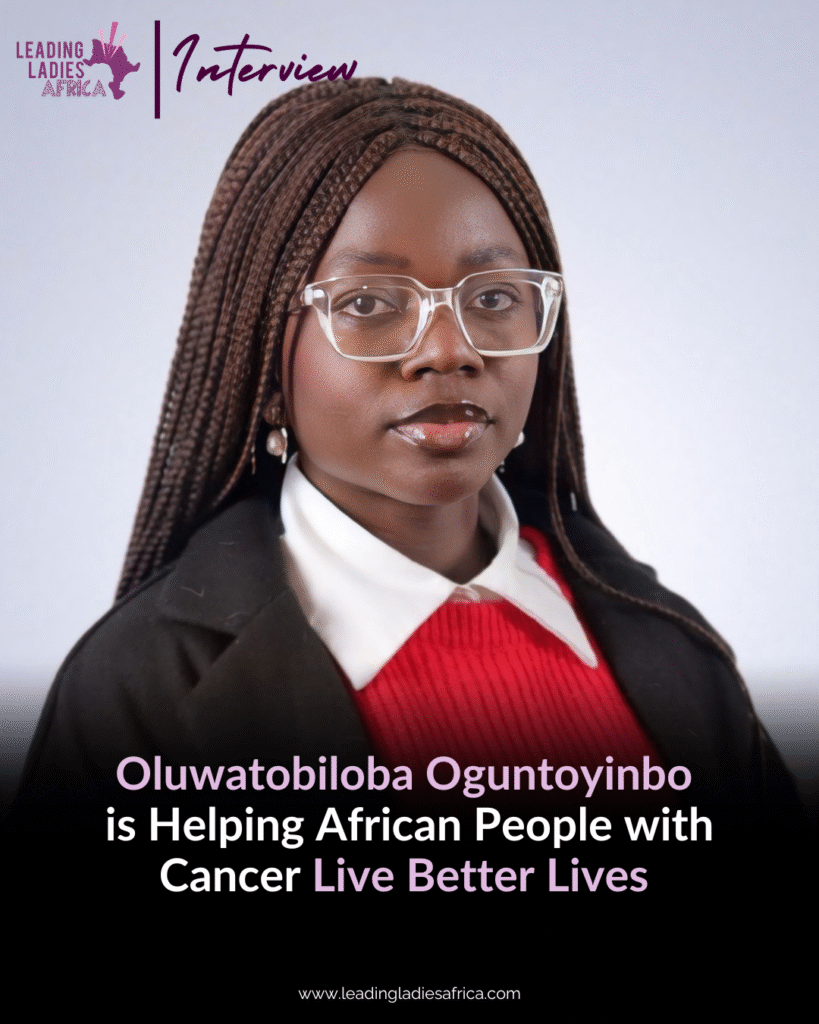
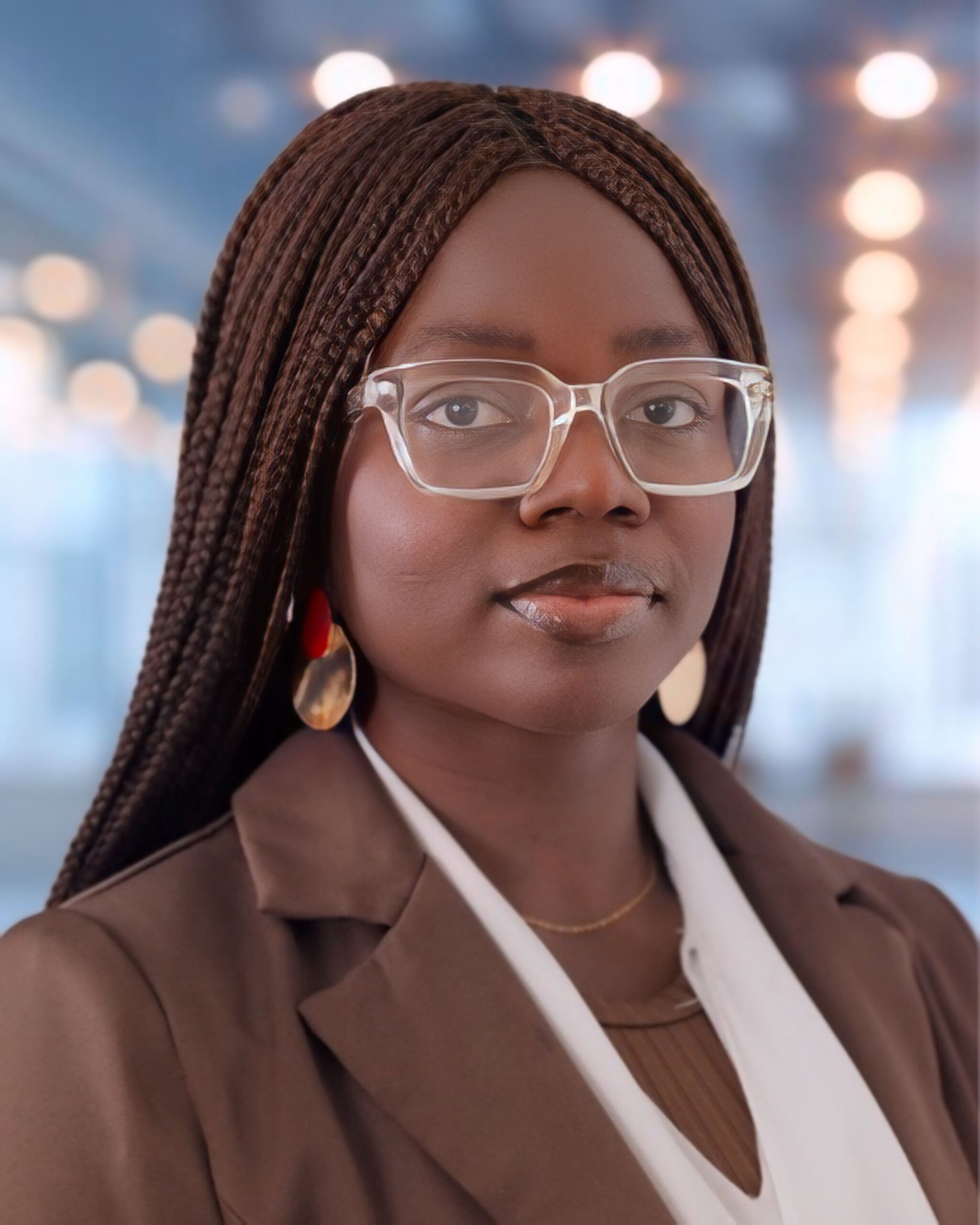
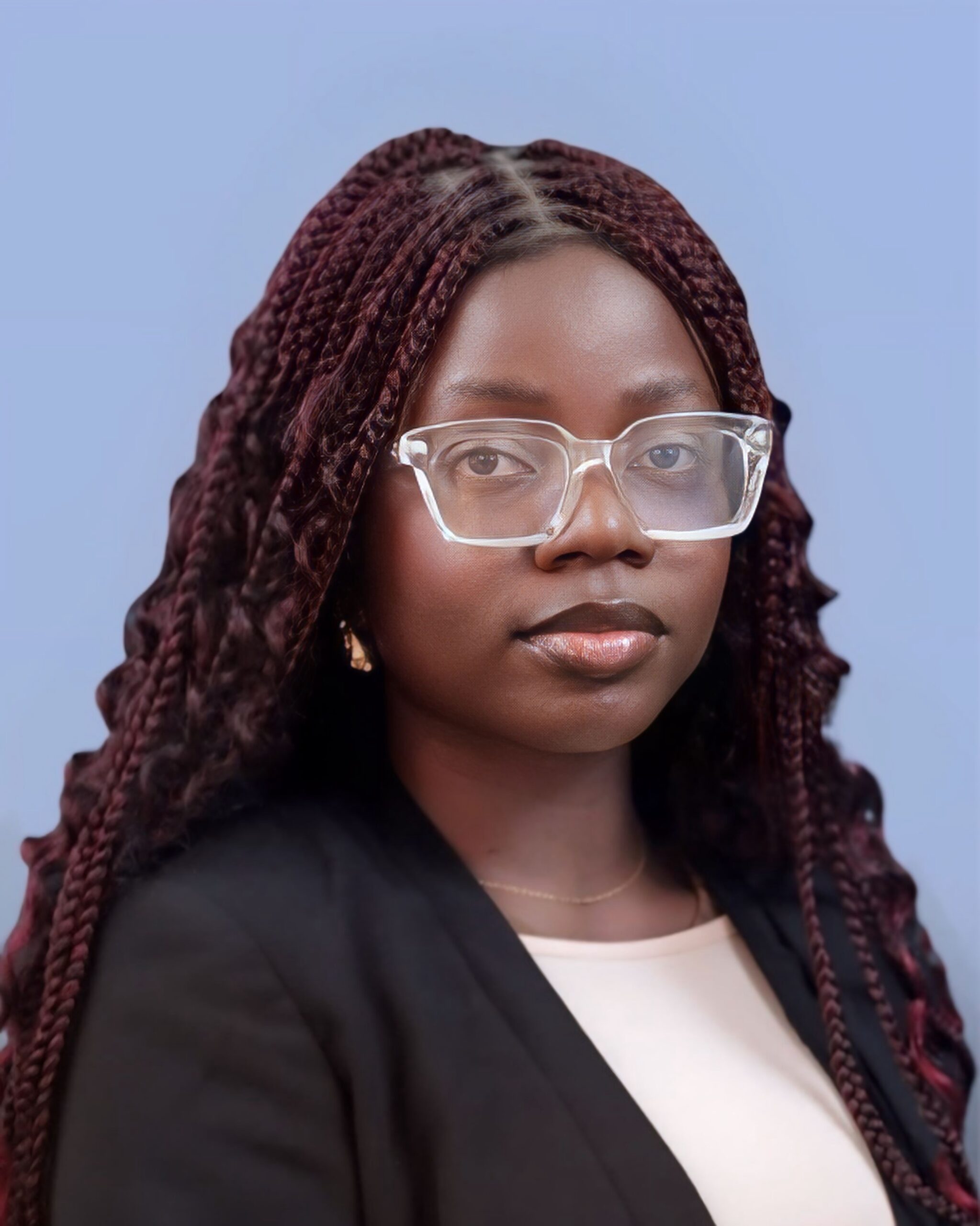
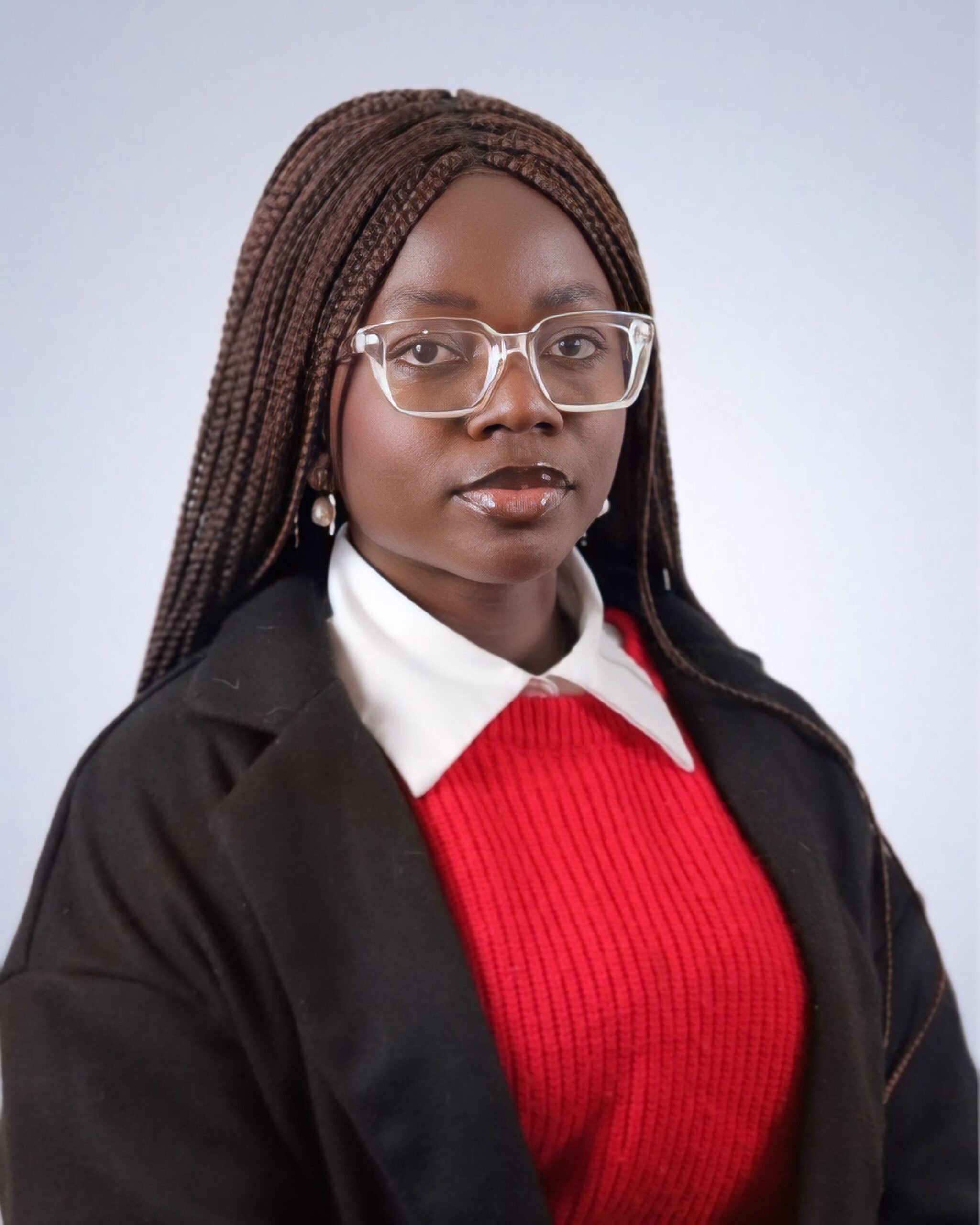
Oluwatobiloba Oguntoyinbo, is a cancer biologist and Founder of Synced Cancer Initiative, the Nigerian nonprofit making sure cancer is no longer a death sentence in Africa.
After losing a loved one to cancer and witnessing firsthand how little was understood about the disease in underserved communities, Tobiloba chose to spring into action. Today, she’s bridging the gap between complex medical science and everyday people, bringing global expertise home through education, advocacy, and research.
With a Master’s degree in Cancer Biology from Western Kentucky University and her work at Tennessee Oncology, she has reached over 50,000 people with simplified cancer information, built patient-friendly tools to help them navigate diagnosis and treatment, and become a leading voice for African inclusion in global oncology trials. She has also written widely shared pieces like “The Potential of AI in Shaping Patient Advocacy”—making sure Africa has a seat at the table in the future of healthcare.
For Tobiloba, cancer care is about rewriting the narrative so more Africans live through cancer, feel empowered, and never have to face it alone.
Read our exclusive interview with this incredible healthcare leader below.
You founded Synced Cancer Initiative to simplify cancer information for patients.
What inspired you to take on this mission, and how has the journey been so far?
The inspiration behind founding SyncedCancer Initiative stems from a personal experience I
had at 18 when I underwent a lumpectomy. At that time, I had no understanding of what a
lumpectomy was—I only felt pain in my breast area and had no idea what was happening.
For those who might be in the same situation I was, unsure of what a lumpectomy is, let me
explain: a lumpectomy is a surgical procedure where a tumor and a small amount of
surrounding tissue are removed. It’s important to note that tumors can vary in nature, and in
my case, the tumor was benign, meaning it was not cancerous. This is why the core mission
of SyncedCancer is to increase cancer awareness by simplifying complex cancer information.
We aim to educate people, prevent cancer, and help individuals fight it more effectively by
empowering them with the knowledge I wish I had when I was younger.
The journey with Synced Cancer Initiative has been incredibly rewarding. Receiving emails
from individuals who share their stories to inspire others and provide feedback on how our
blog is helping them reinforces the importance of our work. These personal connections and
testimonials motivate us to continue our mission and expand our reach.
Cancer misinformation is a major challenge, especially in Africa. What are some of
the most harmful myths you’ve come across, and how does your platform work to
debunk them?
Cancer misinformation remains a significant challenge, especially in Africa, where myths and
misconceptions about the disease continue to thrive. Some of the most harmful myths I’ve
encountered include the belief that cancer is caused by witchcraft or the assumption that it is
communicable through touch. While traditions and spirituality are deeply rooted in many African
cultures, which is a beautiful part of our heritage, it is important to embrace advancements in
science to understand how the human body works. We should not overly “traditionalize” every
illness, treating it as a consequence of supernatural forces.
This belief, in my view, is at the core of the stigma that many cancer patients face. It often leads
to people hiding their illness instead of seeking help, which can delay diagnosis and treatment.
To address this, awareness is crucial. Just as malaria is no longer mystified, cancer can and
should be understood in terms of its medical and scientific reality. SyncedCancer is working to
debunk these myths through our blog and social media platforms and planned outreaches. By providing accurate, accessible information, we aim to educate the public, especially younger
generations, to demystify cancer and reduce the stigma surrounding it.
You currently work with Tennessee Oncology, one of the largest community-based
cancer care organizations in the U.S. How has this experience shaped your
perspective on cancer treatment and advocacy?
Working at Tennessee Oncology has given me a front-row seat to the complexities of cancer
care, from phase 0 clinical trials to the real-life struggles patients face in accessing treatment.
Seeing how personalized medicine and targeted therapies are transforming outcomes has
reinforced my belief in the power of clinical research. However, I’ve also become more aware of
disparities in access to these advancements – especially for African populations. Genetic
differences influence how patients respond to treatment, yet African populations remain vastly
underrepresented in clinical trials. This gap limits the effectiveness of therapies for African
patients and widens global disparities in cancer care.
This experience has fueled my passion for advocacy, especially in ensuring that African patients
are included in clinical trials and have access to cutting-edge treatments. It’s one thing to read
about disparities in research, but witnessing firsthand how early access to innovative therapies
can change a patient’s trajectory has made me even more determined to push for equitable cancer
care worldwide.

Many African patients are unaware of clinical trials and cutting-edge treatments.
What steps can be taken to make these options more accessible and inclusive for
them?
Access to clinical trials and cutting-edge treatments remains limited for many African patients
due to barriers such as inadequate awareness, trust issues, and logistical challenges. Raising
awareness through hospitals, social media, and community outreach can help educate both
patients and healthcare providers about these opportunities. Currently, SyncedCancer focuses
primarily on raising awareness through social media – Simplifying trial information and making
it more culturally relevant will further enhance understanding and participation. Building trust
via engaging community leaders, and healthcare professionals is essential in addressing the
historical skepticism about medical research because I believe all hands must be on deck for us
to make progress in this regard as a continent.
Hence, policy changes that will streamline regulatory processes and encourage pharmaceutical companies to include African populations in trials is crucial for long-term impact, so we need the support of the government as well. Collaboration between researchers, policymakers, and patient advocates is key to breaking these barriers. By working together, we can create a more inclusive clinical trial landscape—one that not only gives African patients better access to life-saving treatments but also ensures they contribute valuable data to global cancer research.
You simplify complex cancer information for a wide audience. How do you ensure
your content remains both scientifically accurate and easy to understand?
The experience I gained from conducting cellular and molecular research in the lab—where
scientific writing follows a strict, evidence-based format—combined with my work with actual
cancer patients who need their medical information explained in the simplest terms, has greatly
influenced how we create content for a wide audience. Our scripts are sourced from reputable
organizations like the American Society of Clinical Oncology (ASCO), the National Cancer
Institute (NCI), and peer-reviewed research to ensure accuracy. We then simplify complex
concepts using relatable analogies, storytelling, and visuals that resonate with our audience.
Additionally, we seek feedback from non-medical audiences to refine clarity. These steps ensure
that our information remains both trustworthy and accessible.6. Women, particularly African
women, are often caregivers when a loved one is battling cancer. How can we better support
women who find themselves in this role?
Women, particularly African women, are often caregivers when a loved one is
battling cancer. How can we better support women who find themselves in this role?
That’s true—most caregivers for cancer patients in Africa are women, and they play a critical
role in a patient’s recovery, providing emotional, financial, and physical support. However,
caregivers also need guidance and resources to help them navigate their responsibilities without
burnout. For instance, the American Cancer Society offers a downloadable Caregiver Guide that
highlights self-care strategies for those looking after cancer patients. Similarly, SyncedCancer
provides a guide on its blog outlining effective caregiving measures. Resources like these ensure
that caregivers receive the support they need to sustain their crucial role without sacrificing their
own well-being.
Breast and cervical cancer are two of the most common cancers affecting African
women. What are some critical things every African woman should know about
prevention and early detection?
Breast and cervical cancer are among the most common cancers affecting African women, but
early detection and prevention can significantly improve outcomes. Every African woman should
know that regular screenings are crucial – mammograms for breast cancer and Pap smears or
Human papillomavirus (HPV) tests for cervical cancer can help detect abnormalities early, even before symptoms appear. Self-breast examinations should be done monthly to identify any
unusual changes, such as lumps or skin dimpling, while HPV vaccination is a powerful tool in
preventing cervical cancer, especially when given at an early age. Lifestyle choices also play a
role—maintaining a healthy diet, staying physically active, limiting alcohol consumption, and
avoiding tobacco can reduce cancer risk.
Additionally, understanding family history is important, as genetic factors can influence cancer susceptibility. By prioritizing preventive measures, women can take proactive steps to protect their health and detect cancer at its earliest, most treatable stage.
The healthcare field, especially in research and advocacy, has historically been
male-dominated. What challenges have you faced as a Nigerian woman in this space,
and how have you navigated them?
Navigating the healthcare field as a Nigerian woman, particularly in research and advocacy,
comes with its challenges. One of the most prominent is the need to prove expertise in spaces
where male voices are often given more weight. In many professional settings, I’ve had to assert
myself more deliberately to be heard and believed in. There is also the challenge of limited
representation – limited women present are realistically occupied with a number of mentees.
Seeing few women in leadership roles can sometimes make the journey feel isolating. To
overcome these, I have leaned on continuous learning, building credibility through my work to
let it speak for itself, and seeking out networks that support women in healthcare and research.
Through SyncedCancer, I hope to inspire more women to step into advocacy and research
disregarding age and skin color, ensuring that diverse perspectives are included in shaping the
future of cancer care.
Your work is deeply rooted in service and advocacy. What keeps you motivated,
even on the toughest days?
What keeps me motivated, even on the toughest days, is the impact of the work itself—knowing
that every effort, no matter how small, contributes to empowering someone with life-saving
information or access to better care. When I hear stories of patients who feel more informed
about their treatment options because of something SyncedCancer shared, it reinforces why I do
this work.
I also remind myself that change takes time. The challenges in cancer advocacy and
research are vast, but every step forward—whether it’s raising awareness, influencing policy, or
supporting a caregiver—matters. Surrounding myself with like-minded individuals, learning
from those who have walked this path before me, and staying connected to the real stories of
patients and families help me push through difficult moments. Ultimately, my motivation comes from the belief that no one should feel lost or powerless when facing cancer, and that keeps me
going.
If you could change one thing about how cancer awareness and treatment are approached in Nigeria and across Africa, what would it be and why?
The perception of cancer as a death sentence in Africa is deeply ingrained, and it’s unfortunate,
especially given the growing number of survivors who have achieved better outcomes through
early diagnosis and proper medical care. The shift in mindset is crucial, and providing accurate,
easy-to-understand information is the first step toward making that change. When people are
better informed about early detection, preventive measures, and available treatments, they are
more likely to take proactive steps toward their health. Beyond awareness, integrating this
knowledge with better access to affordable screening programs and treatment would make a
significant impact. Also, a government policy that covers a percentage of cancer care costs
would go a long way in making treatment accessible for more people. When people are both
informed and empowered to act, we can begin to shift the narrative around cancer and improve
survival rates across Africa.
It’s been a privilege to share my journey and the work we’re doing at Synced Cancer Initiative
with Leading Ladies Africa. The impact of platforms like yours in amplifying the voices of
women in advocacy, healthcare, and beyond is truly inspiring. Cancer awareness and equitable
access to treatment require a collective effort, and I’m grateful for every opportunity to drive that
mission forward. Thank you for this conversation and for the incredible work you do in
highlighting women who are making a difference.