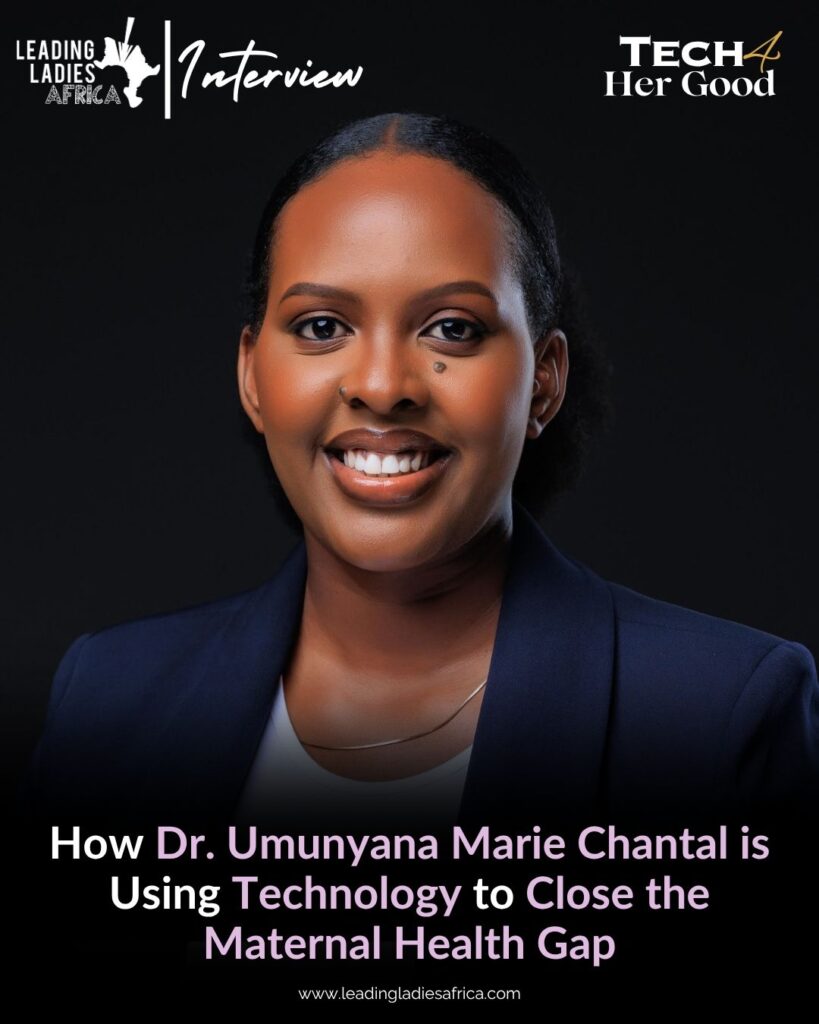
Growing up in rural Rwanda, Dr. Marie-Chantal Umunyana watched women travel long distances for care while questions went unanswered and warning signs went unrecognised. She watched distance and unreliable information make pregnancy and childbirth more dangerous than they needed to be. And she never forgot it.
Years later, as a doctor and then as a mother, she found herself sitting with the same question from a different angle, how many women were navigating pregnancy, childbirth, and the postpartum period without the information they needed to make confident decisions? How many were waiting until a concern became a crisis because they did not know it needed urgent attention? How many were simply doing it alone?
That question became Umubyeyi Elevate, a women-led health innovation company built on the belief that care must extend beyond the clinic. That women deserve trustworthy, culturally relevant health information in their own languages, through the channels they already use, at the moments between appointments when questions do not stop but doctors are not available.
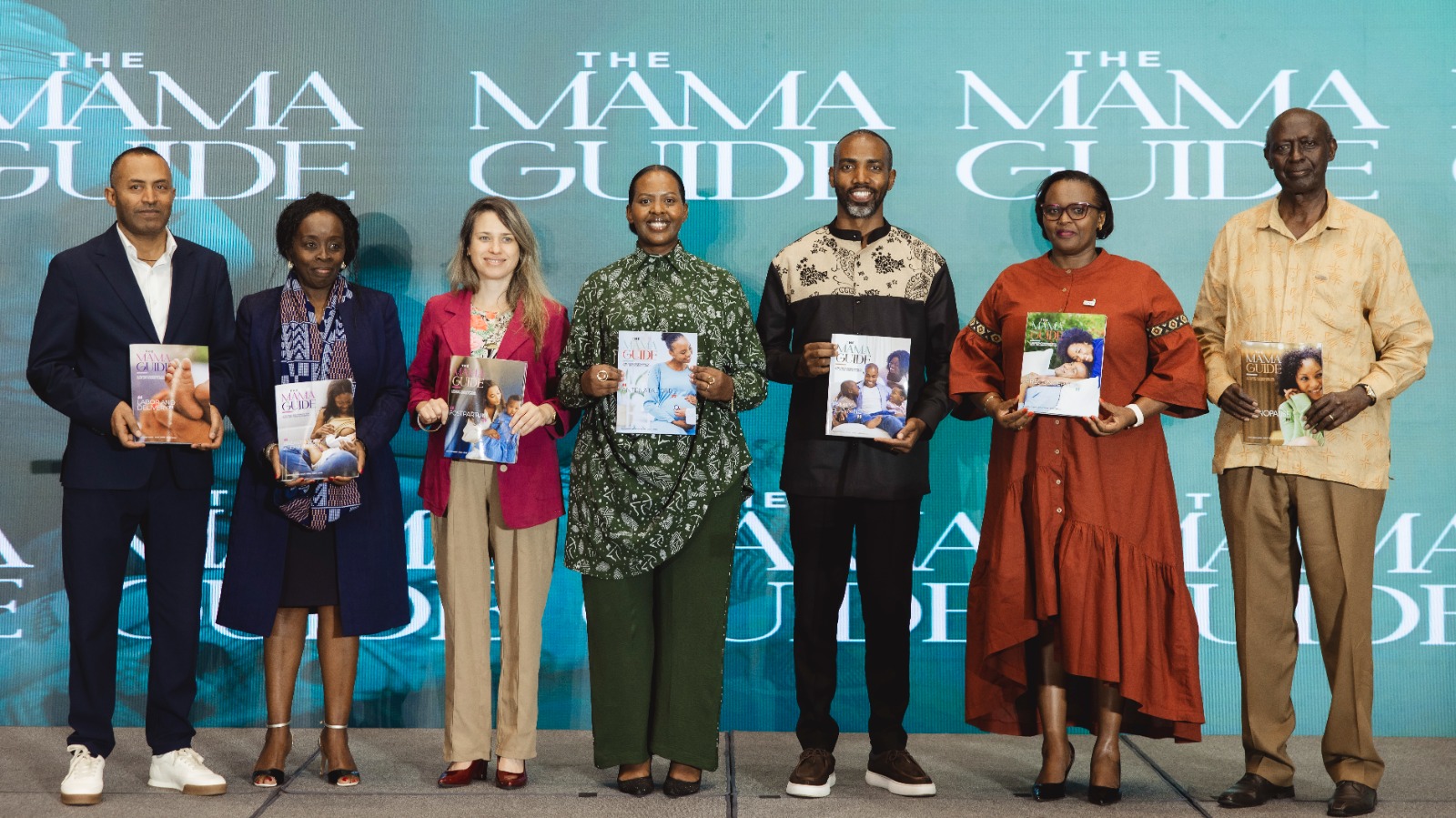
Dr. Marie-Chantal Umunyana is a Rwandan medical doctor, maternal health advocate, and founder of Umubyeyi Elevate. Through initiatives including Mama Guide, she brings together health education, community engagement, and digital innovation to support women and families across different stages of life. Her work is grounded in a simple but radical belief: the women most affected by healthcare challenges should be the ones helping to shape the solutions.
For the Tech4HerGood campaign, Dr. Marie-Chantal’s story is proof of one of technology’s most powerful possibilities, not to replace healthcare, but to close the gap between women and the care they need. To make sure that when a woman recognises a warning sign, she knows what to do next, and to ensure that geography, language, and limited resources are no longer the things standing between a woman and her health. Technology closes the gap, and Dr. Marie-Chantal is building the evidence for why.
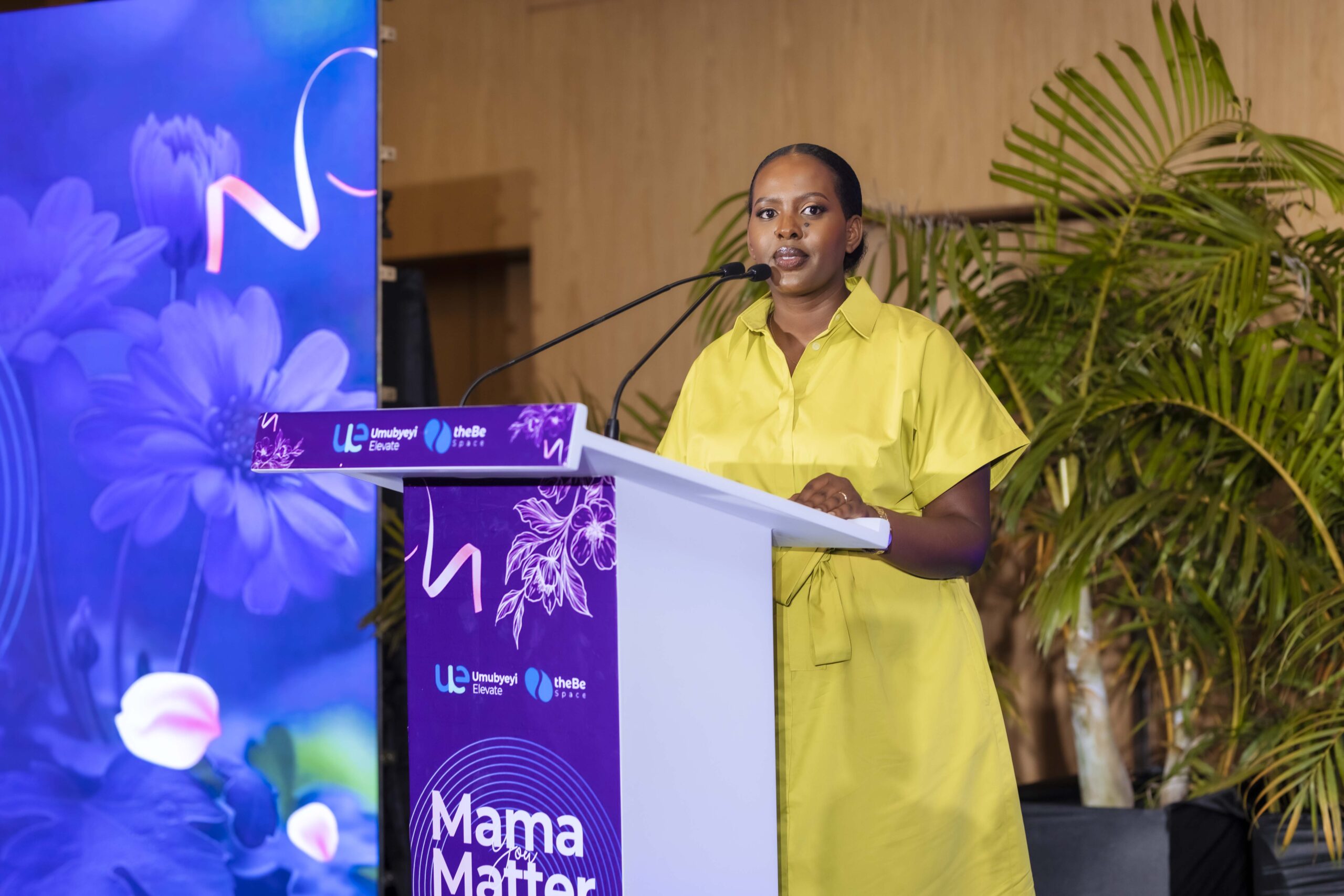
Before the doctor, founder and digital health innovator, who is Marie-Chantal, and what experiences have shaped the way you see healthcare and the communities you serve? Before any of my titles, I am a woman, a wife, a mother of two daughters, and someone who cares deeply about how people experience care.:
Before any of my titles, I am a Christian woman, a wife, a mother of two daughters, and someone who cares deeply about how people experience care.
Working as a doctor taught me that a woman’s health is shaped by much more than what happens during a consultation. I met women who needed clear information, someone to listen without judgment, or support they could turn to before a concern became urgent. Becoming a mother made that even more personal. I understood how many questions can arise between appointments, even when you have medical knowledge.
Those experiences shaped the way I see healthcare. People need to feel informed and respected, and the support we offer has to make sense in the context of their daily lives. That is what continues to guide me in the communities I serve: listening first, making health information easier to understand, and helping women feel confident asking questions and making decisions for themselves and their families.
You grew up in rural Rwanda and witnessed maternal healthcare challenges firsthand. How did those experiences shape your decision to build a digital health platform, and what gap did you know technology could help close?
I grew up in rural Rwanda, where distance, limited resources, and unreliable information made pregnancy and childbirth more dangerous than they needed to be. Women often traveled far for care, while questions and warning signs went unaddressed. My medical training and later, motherhood showed me that care must extend beyond the clinic. Women also need trustworthy information, guidance, and reassurance between appointments.I believed technology could help close that gap by bringing credible, culturally relevant support closer to women. It cannot replace doctors or clinics, but it can extend their reach and help women access the right support at the right time.
Umubyeyi Elevate is built around making reliable maternal and child health information more accessible. What changes when a woman can access the right health information at the right time, especially in places where access to healthcare professionals may be limited?
When a woman has the right information at the right time, it can change when she decides to seek care. She may recognize that a symptom needs attention, know where to go, and feel confident taking action sooner. In places where reaching a healthcare professional is difficult, that can help reduce delays that might otherwise put her or her child at risk.
It also changes what happens beyond the hospital walls. A woman can better understand her pregnancy, prepare for birth, care for her baby, and ask informed questions when she does see a provider. Her family can understand how to support her and when to help her seek care.
At Umubyeyi Elevate, we want reliable guidance to be available in those everyday moments between appointments. Information cannot replace clinical care, but it can help women recognize when they need it and make decisions with greater confidence.
Technology is often presented as the solution to everything. From your experience building in digital health, where can technology genuinely transform health outcomes, and where does it still fall short?
Technology can make a real difference when it helps a woman take the next step toward care. She may find trustworthy information in a language she understands, recognize a warning sign, and know where to seek help. It can also help health workers share guidance and stay connected with families between visits.AI adds possibilities. It could help make health information easier to understand, adapt it to a woman’s questions or stage of life, and help her find relevant support more quickly. But in healthcare, a confident sounding answer can still be wrong. AI tools need careful clinical review, protection of personal information, and clear direction to a health professional when a concern needs individual care.Technology still falls short when a woman cannot afford data, lacks privacy to ask a sensitive question, or lives too far from the services she needs. That is why I believe we must start with her reality and build tools that connect her to trusted people and accessible care. The goal is to improve health beyond the hospital walls while making it easier to reach the hospital when it matters.
Women are often the primary users and beneficiaries of health technologies, but they are not always the people designing them. Why does it matter for African women to be part of building the technologies that shape healthcare on the continent?
It matters because the people designing a health tool decide which problems it solves and whose experience it takes seriously. If women are absent from those decisions, a product may look promising but miss everyday realities: a shared phone, limited data, the need for privacy, or a question a woman feels uncomfortable asking in a clinic.African women bring knowledge of their communities, languages, healthcare systems, and the ways families make decisions. As a doctor and a mother, I have learned things from women’s conversations that I would never have understood from clinical data alone. Those insights should shape a technology from the beginning, not be added after it has been built.African women are also not one group with one set of needs. We need women from different communities involved as founders, clinicians, researchers, designers, and users, with a real say in the decisions. That is how we build health technologies that women can trust and use in their own lives.
You’ve worked at the intersection of medicine, technology and social impact. What have you learned about designing technology that actually responds to people’s lived realities rather than simply giving them another digital platform to use?
I have learned to begin with a person’s story and reality, not with an app. What has she experienced? What challenges shape her decisions? What language does she use? Does she have a private moment to ask a sensitive question? And if the answer tells her to seek care, is that care actually within reach? Those questions shape a useful solution more than a list of digital features.Women and health workers need to be involved throughout the design process, including testing what we create and telling us when it does not work. That is one reason we have approached the Mama Guide in both print and digital formats: useful information should be available in a form that fits people’s lives, experiences, and ways of learning.I also think we must measure more than how many people open a platform. The deeper question is whether someone saw her reality reflected in the information, understood it, felt able to act on it, and reached the right support when she needed it. If a tool cannot help with those steps, we need to keep listening and improve it.
There are still significant gaps in access to quality healthcare information across Africa. If you could use technology to close one major gap in maternal and child health today, what would you tackle first, and what would that solution look like?
I would tackle the gap between receiving health information and being able to act on it. A woman may hear about danger signs during pregnancy, but still be unsure what they look like, whether her concern is urgent, or where she can get help. Information makes the greatest difference when it helps her make that next decision.
I would build a locally adapted maternal and child health service that works through channels women already use: basic phones, community health workers, and printed materials. It would offer clear guidance in local languages on pregnancy, childbirth, postpartum recovery, and newborn care, while helping women find appropriate nearby services and understand when to seek care.Data would be an essential part of making the service better. With women’s consent and strong privacy protections, we could learn which questions come up most often, where people struggle to find care, and where guidance needs to be clearer. That evidence could help health workers and partners respond to needs they might otherwise miss.I would measure success by whether women understand the guidance and can act on it, and whether the service helps them reach care when they need it. That is the thinking behind Mama Guide: start with women’s lived realities, listen to what the data and their experiences tell us, and keep improving the support we offer.
What would you say to the African woman who sees technology as something created for other people, rather than a space where she can build, innovate and solve problems in her own community?
I would tell her: technology belongs to you too. You do not need to know how to code to begin. Your understanding of your community;what women need, what they hesitate to ask, and what stands in their way; is expertise.When I started Umubyeyi Elevate, I did not have every answer. I began with a problem I had seen growing up, as a doctor, and as a mother, then found people to help me build. I would encourage her to talk with a few women, try one small solution, and learn from their response. It could begin on paper or through a WhatsApp group. What matters is starting with a real need and letting the people you hope to serve shape what comes next.