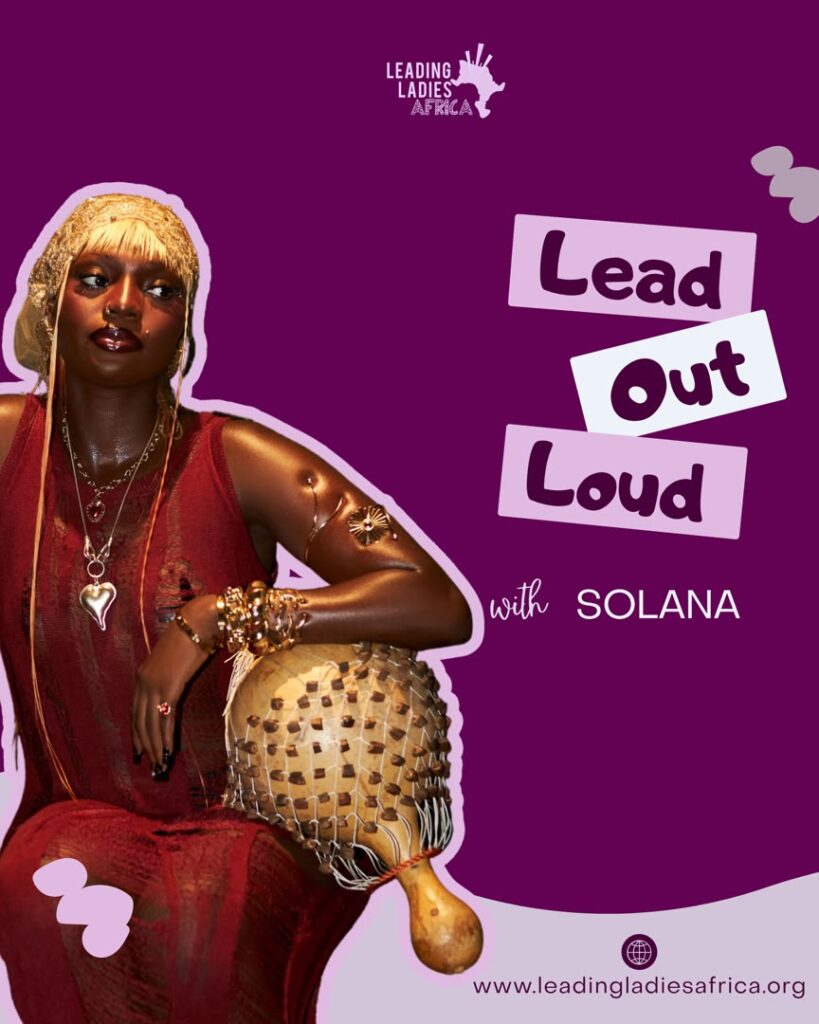
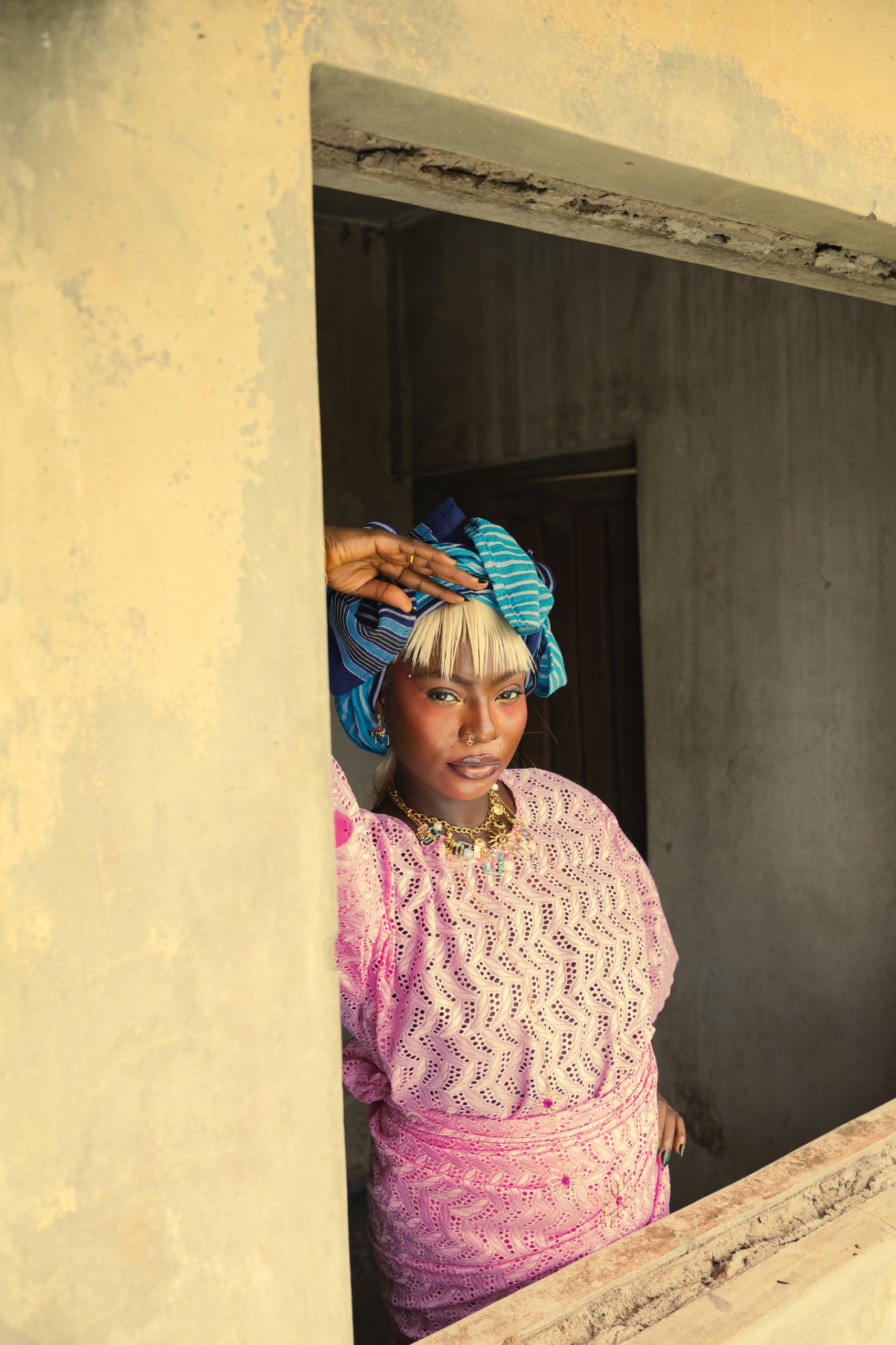
Solana did not set out to pioneer a genre. She was just being herself. A Lagos girl who grew up deeply rooted in Yoruba culture, she started writing songs at six years old and never really stopped. By the time she got to university, music had outgrown the private space she had kept it in, and when her roommate introduced her to a recording studio, something clicked into place that never clicked back out.
She started making music the only way she knew how, authentically, experimentally, and completely rooted in who she was. She blended Yoruba language and cultural storytelling with modern pop melodies, Afrobeats, electronic textures, and Afro-tech sounds. She did not have a name for it yet. But the people listening did. They called it YoruPop. And it stuck.
Born Ogunlana Oluwabusolami Habibat, Solana, a name coined from her own surname and first name, meaning light, has been building quietly and consistently since catching the attention of Mr Eazi’s emPawa30 cohort in 2020. She has collaborated with Falz and Joeboy. She has navigated an industry that told her her sound was too unconventional, too niche, too different. And in 2026, when she released Okunkun, a song she had written in 2023 and watched get rejected for years, the world finally caught up with what she had always known.
Okunkun surpassed 1.1 million streams. SZA co-signed it on Instagram. Rolling Stone named her an artist to watch, and YoruPop went from a sound to a movement.
In this conversation, Solana opens up about where she came from, what YoruPop really means, where she was emotionally when she wrote Okunkun, and what she would tell every young Nigerian girl with a sound in her head that does not fit into any existing box.
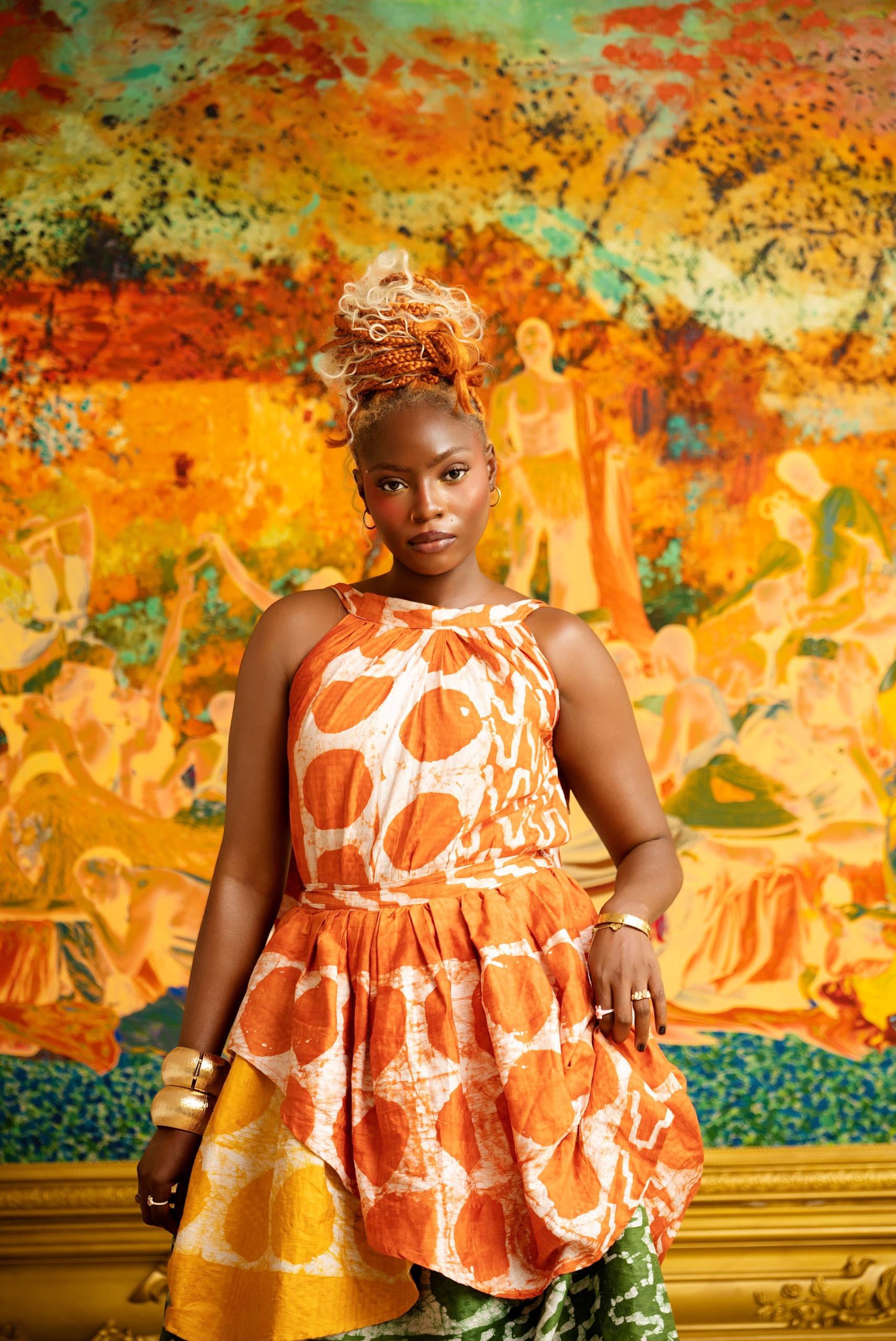
Ogunlana Oluwabusolami Habibat decided to become Solana. How did that happen?
Music has always been my way of expressing myself, right from childhood. I fell in love with writing and singing at a very young age, and that passion just kept growing. The name Solana is actually coined from my surname and my name, and its meaning alludes to light. I also call myself Light, so everything just aligned naturally. It felt like the perfect name to represent who I am as an artist.
You are pioneering something called YoruPop. Explain it to someone who has never heard of it.
YoruPop is my own way of blending Yoruba culture with urban culture. I am just expressing my culture through my music in a way that is true to my roots and cool. People actually gave it the name YoruPop and it stuck. I was just creating something as a Yoruba girl who grew up in Lagos State.
Did you sit down one day and decide you were going to pioneer a whole genre, or did it just happen organically?
It happened very organically. I am very experimental with my creativity while still staying true to myself. I never woke up trying to create a new genre. I was simply making the kind of music that felt authentic to me. The more I embraced my Yoruba identity without trying to fit into trends, the more people began to recognise the sound as something distinct. That is how YoruPop was born.

Tell us about Okunkun. Where were you emotionally when you wrote it?
Okunkun came from a very honest place. It reflects moments when life feels uncertain and you are surrounded by darkness, but you choose to keep moving anyway. For me, it was about resilience, faith, and refusing to let difficult seasons define me. I think that is why so many people connected with it. They saw their own story in it.
What would you tell a young Nigerian girl who has a sound in her head that does not fit into any existing box?
I would tell her — EXPRESS YOURSELF. Do not try to fit into someone else’s box. The things that make you different are usually the things that make people remember you. Stay consistent, keep learning, trust your instincts, and do not be afraid to stay true to yourself and how you want to express life. Authenticity will always outlive trends.
This or That — Yoruba Culture Edition
Amala or Ofada? — Amala
Owambe DJ or Live Band? — Live Band
Gele or Natural Hair? — Gele
Aso-oke or Adire? — Aso-oke