The beauty industry had been telling African women what they should use. Oke Maduewesi wanted to create something that actually understood what they needed. Fifteen years later, that simple conviction has grown into Zaron Cosmetics, a beauty brand with a footprint across Africa and a story that goes far beyond makeup.
In 2011, Oke left a management career at Zenith Bank, returned to Nigeria and turned an idea she had developed during her MBA at the University of Leeds into a business. At the time, the market was full of products, but too many African women were still navigating shades, formulas and beauty products that had not really been created with them in mind. Oke saw the gap and decided to build into it.
She started Zaron with a straightforward belief: African women deserved quality, affordable beauty products made specifically for their skin tones, their needs and their realities. Not products adapted for them later, or an afterthought, but a brand that understood its customer from the beginning.
What she built over the next fifteen years is a testament to what can happen when a clear idea meets the willingness to stay with it. Zaron Cosmetics has grown to 25 franchise stores, more than 800 distributors and a presence across Nigeria, Ghana, Kenya, Zimbabwe and Botswana. The vision has expanded beyond colour cosmetics too, with Skin by Zaron bringing the same focus on African consumers into skincare and wellness, but the numbers only tell one part of Oke’s story.
Long before she became the founder of a growing African beauty brand, Oke experienced a loss that could have changed the trajectory of her life entirely. In 2005, at just 30 years old and pregnant with her second child, she lost her husband in the Sosoliso plane crash. She was left to navigate grief, motherhood and the question of what came next. Six years later, she left banking and began building again.
That context makes the fifteen-year story of Zaron even more remarkable, because this is not simply a story about spotting a gap in the beauty market and turning it into a successful business. It is a story about resilience, reinvention and the quiet determination to keep moving when life has given you every reason to pause.
Today, Oke is looking back on fifteen years of Zaron, what it took to build the brand, the decisions that shaped it, the challenges that tested her, and the lessons she has gathered along the way, and as she looks toward what comes next.
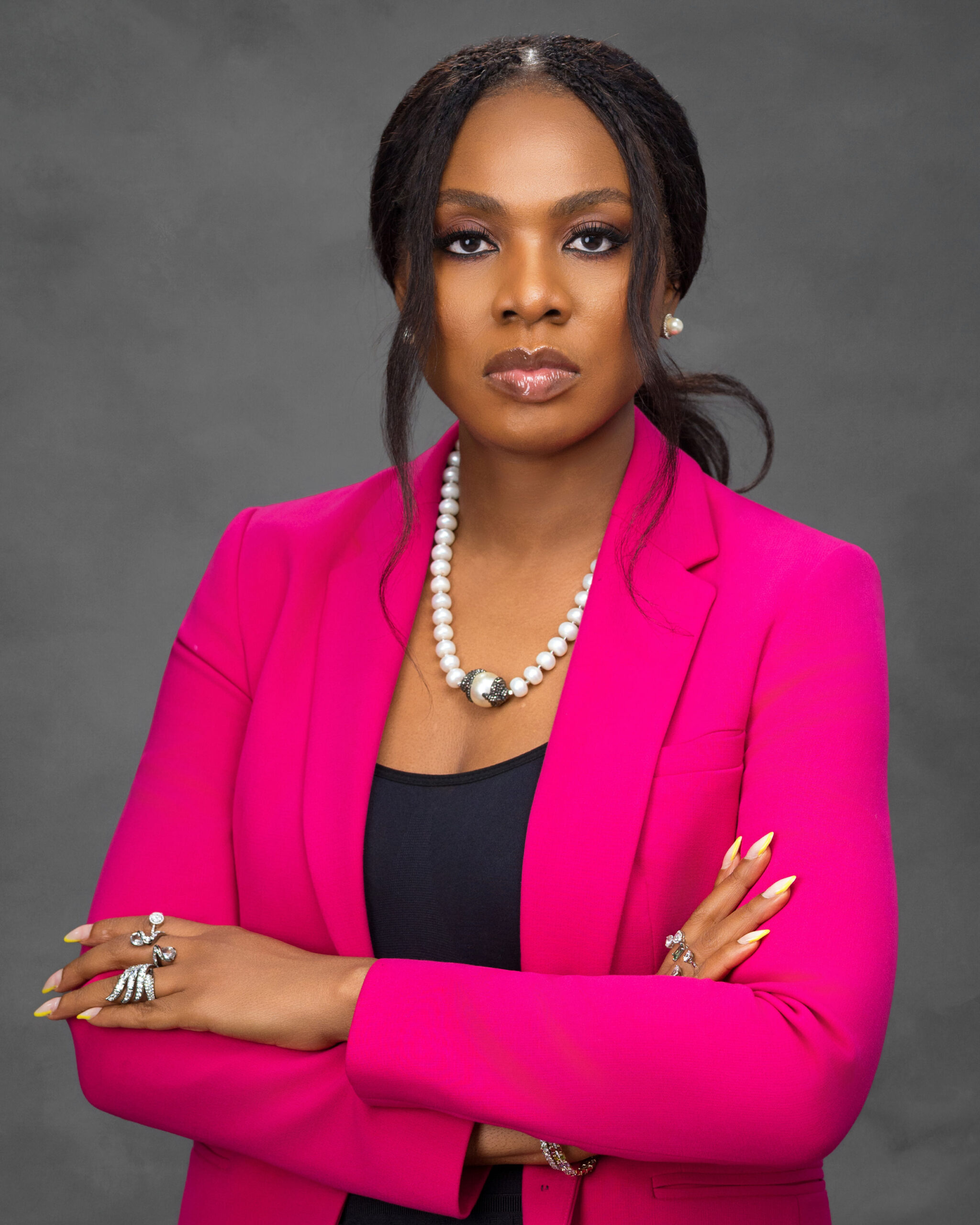
Before the 25 franchise stores, the 800 distributors, and the brand that has changed how African women see themselves in beauty, who is Oke Maduewesi, and what shaped her?
Oke Maduewesi is a woman from Delta State. I often describe myself as a Niger Delta girl. I was born into a family of six daughters and raised in Benin City in a disciplined Christian home.
My upbringing gave me a strong foundation. My mother was very strict, and the values she instilled in me shaped my character, work ethic, and sense of responsibility. I later built a successful career in banking, rising to the position of Senior Manager before leaving to establish Zaron Cosmetics.
When I reflect on my journey, I recognize that many factors have shaped the woman I am today. These include my upbringing, environment, relationships, professional experience, and, most importantly, my faith.
One of the most defining experiences of my life was losing my husband at the age of 30. At the time, I had two young daughters and suddenly faced the responsibility of raising them on my own.
That experience required me to develop a level of resilience and inner strength I did not know I possessed. It taught me to accept responsibility, remain focused, and continue moving forward despite uncertainty and personal loss.
Ultimately, I am shaped by every stage of that journey. Those experiences have influenced the way I lead, make decisions, respond to challenges, and approach my responsibilities as a mother, business leader, and entrepreneur.
Zaron Cosmetics turned 15 this year. When you look back at the woman who launched this brand in 2011, what do you want to say to her?
I would say, “Well done. Your vision, courage, and resilience have produced something meaningful.”
I would acknowledge the determination it took to begin the journey and the consistency required to sustain it over 15 years. I would also remind her that her achievement extends beyond building a successful business. She has demonstrated to her daughters what is possible through faith, hard work, and perseverance.
I would encourage her to continue trusting herself and the vision because God has been present throughout every stage of the journey.
Most importantly, I would tell her to keep going. There is still more to build, more to learn, and a greater impact to make.
From one brand to 25 franchise stores, 800 distributors, and a presence across five African countries, that kind of growth does not happen without enormous sacrifices. What has building Zaron actually cost you, and has it been worth it?
Building Zaron has cost me time.
It has required time that could have been invested in friendships, personal relationships, and being more present for my children. There have been moments when my responsibilities as a mother had to compete with the demands of building the business. Whenever I have time with my children, however, I make a conscious effort to ensure that it is meaningful and of good quality.
The journey has also required sacrifices in some of my relationships. Building a business of this scale demands an extraordinary level of focus, energy, and commitment, and those demands inevitably affect other areas of your life.
Would I have done things differently? Honestly, I do not think so.
I feel blessed to have the life I have, and I genuinely believe I was meant to be an entrepreneur and to do this work. I have no regrets about the path I chose.
Every meaningful pursuit comes with trade-offs, and these have been mine. I have accepted them, made peace with them, and remain deeply grateful for the journey. Despite the sacrifices, building Zaron has been worth it.
You expanded into skincare and wellness with Skin by Zaron. What made you decide that makeup was only the beginning, and what does that expansion say about your vision for what Zaron ultimately becomes?
Even before we launched, the vision was always to build Zaron Cosmetics. Our ambition was to create a comprehensive beauty brand that could eventually serve consumers across different areas of the industry.
Makeup was simply our starting point. Expanding into other categories was always part of the plan, but it was important to move at the right time and ensure that each decision made commercial sense for the business.
When the opportunity arose to enter skincare with Skin by Zaron, we believed the timing was right and took that step. Thankfully, the decision has been commercially successful and has strengthened the broader Zaron brand.
Beauty is a diverse and constantly evolving industry, with many categories and opportunities still to explore. I believe there is much more for Zaron to accomplish.
Skin by Zaron is therefore not the final destination. It represents another important step towards the larger vision we have always had for the business.
The market will soon see more of what we have been developing. We are preparing something we believe is appropriate for Zaron’s 15th anniversary, and we are very excited to introduce it.
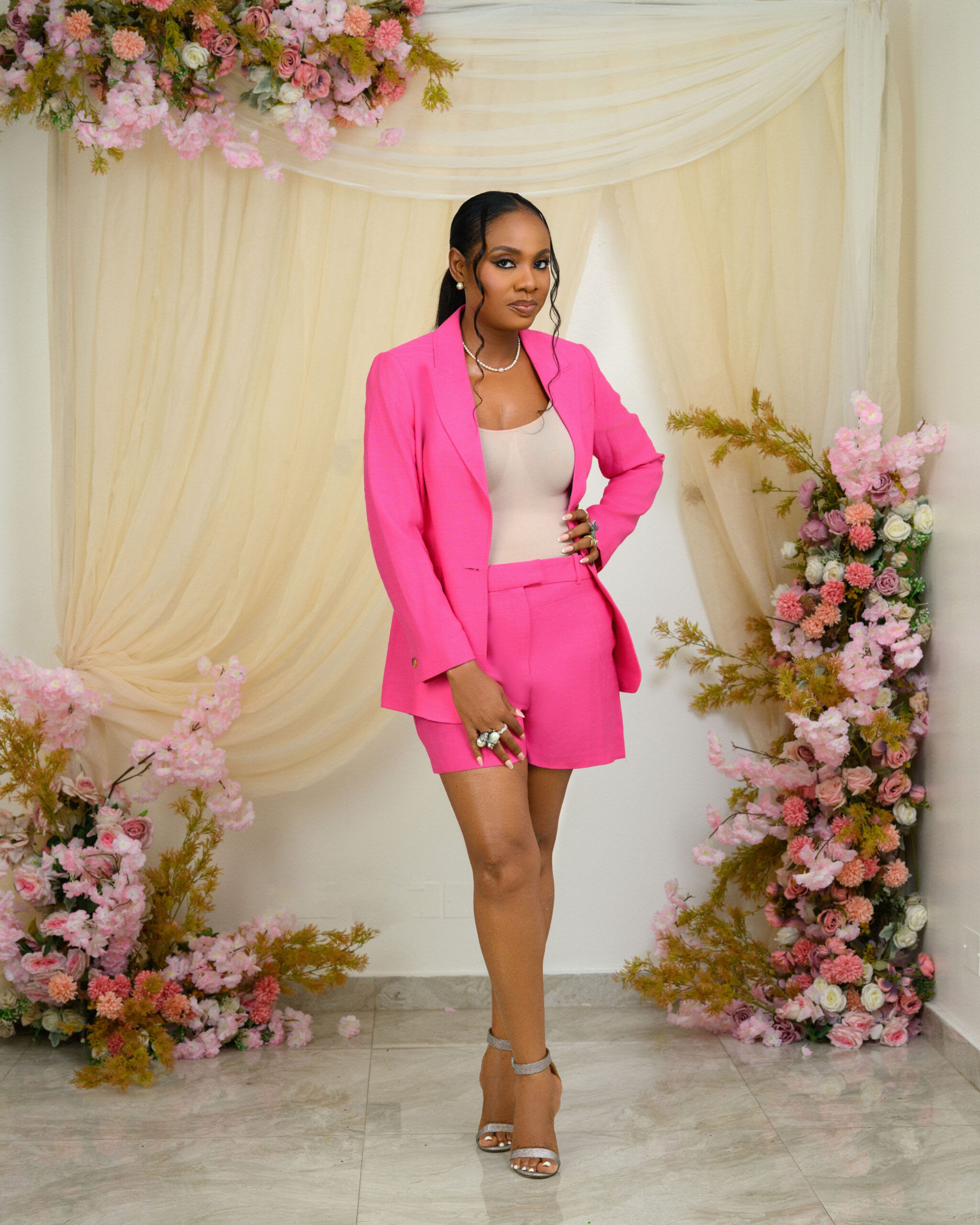
You built Zaron specifically for Black women and African skin tones, at a time when the global beauty industry was largely ignoring us. What do you want every African woman who has ever picked up a Zaron product to feel when she uses it?
I want her to feel seen. I want her to feel visible, confident, bold, and beautiful.
We once developed a campaign centred on brown skin and Black identity, celebrating the diverse shades and expressions of beauty among Black women. That message has always been central to Zaron’s brand purpose.
We want African women to feel comfortable in their skin and confident in who they are. Most importantly, we want them to know that their beauty needs are recognised, understood, and valued.
Every woman deserves access to products developed specifically with her complexion, undertones, and preferences in mind. She should be able to walk into a beauty store, find her shade, and see herself represented in the products, campaigns, and customer experience.
Zaron was established to address a clear gap in the beauty market. We understood that women of colour represented a significant consumer segment whose needs were not being adequately served. Our response was to develop relevant, high-quality products and build an inclusive brand around a deep understanding of that consumer.
For us, representation is not simply a marketing message. It is part of our business strategy, product development process, and long-term brand commitment.
Whenever an African woman picks up a Zaron product, I want her immediate response to be, “This was made for me.”
You have built an empire quietly, without chasing the spotlight. What do you want every woman who is building something significant in silence to know about the power of that kind of focused, intentional work?
There is real value in remaining true to yourself. You do not have to build in the same way everyone else does.
Throughout my journey, maintaining a relatively low profile was a deliberate choice. It reflected who I am, and it allowed me to remain focused on building the business.
That approach also ensured that Zaron remained at the forefront. The business is Zaron Cosmetics, not Oke Maduewesi. I am grateful for that distinction because the brand must be able to stand independently of its founder if it is to grow, remain relevant, and ultimately outlive her.
My advice to any woman building something meaningful is to understand what works for her. If positioning yourself as the face of your business supports your strategy and feels authentic, there is nothing wrong with that. However, if you prefer to lead from behind the scenes, you can still build a highly visible and successful company.
Do not allow external expectations to pressure you into becoming someone you are not. When a founder loses her authenticity, the business can eventually lose its authenticity as well.
Know yourself, define your strategy, remain intentional, and stay focused on the work. Success does not always require personal visibility. Sometimes, the most powerful thing you can do is build quietly and allow the strength of the business to speak for itself.
What is the one piece of advice you would give to every African woman who has a business idea she has been sitting on, waiting for the right time, the right resources, or the right moment to begin?
I have a three-part framework that I call the Three Roadmaps: believe in the idea, take action, and make it work.
The first is the power of the mind. Every business begins with an idea, but the founder must first believe that the idea is achievable. You need a clear vision of what you want to build and the confidence to pursue it.
A positive mindset has been one of my greatest strengths. It has helped me remain focused on possibilities, even when circumstances were difficult, and has played an important role in Zaron’s growth.
The second roadmap is action. An idea cannot create value while it remains in your mind. Write it down, develop a plan, set realistic timelines, and begin taking practical steps towards execution.
A lack of capital should not always prevent you from starting. When I was building Zaron, I had a clear picture of where I wanted the business to go. I started with that long-term vision, worked backwards, and addressed each challenge as it arose. You may not have every resource at the beginning, but clarity gives you a direction from which to start.
The third roadmap is making it work. This is the daily reality of entrepreneurship. There will be operational challenges, financial pressures, and many reasons to give up. Building a sustainable business requires discipline, resourcefulness, resilience, and the willingness to keep finding solutions.
Nigeria can be a difficult environment in which to build a business, but it also offers significant opportunities for entrepreneurs who understand the market and are prepared to remain committed.
My advice is simple: believe in your idea, translate it into action, and remain disciplined enough to make it work.
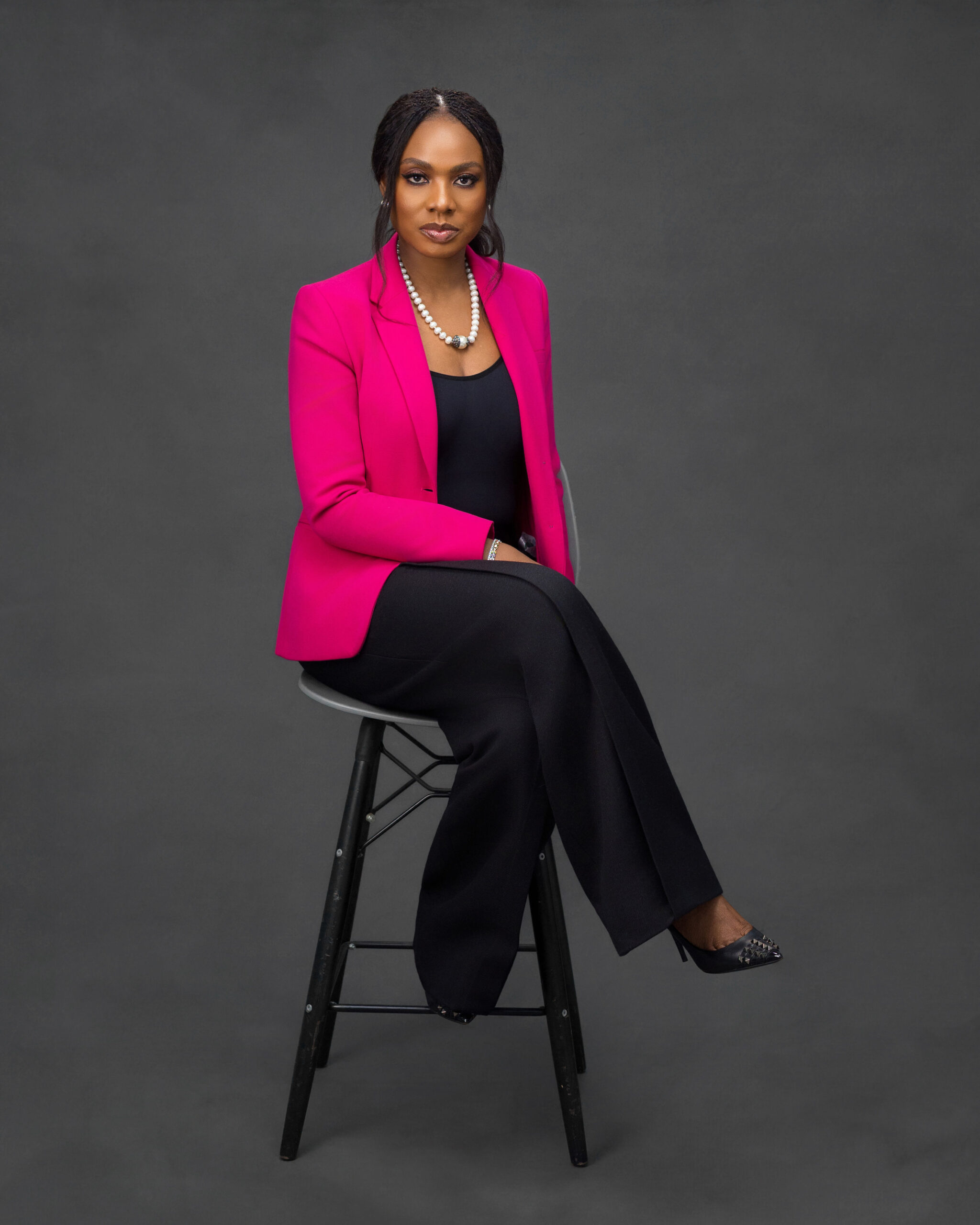
Zaron turns 15 this year. When you sit with that number, really sit with it, what does it mean to you? Not as a milestone, but as a measure of something deeper?
Honestly, it still feels like yesterday.
I often say that I never believed Zaron would fail. That confidence did not come from arrogance. It came from my positive outlook and a deep conviction that the business would succeed.
What I could not have anticipated was the scale of the impact Zaron would have on so many lives. That is what humbles me most and what I am most grateful for.
Through the business, we have created employment, developed people, supported entrepreneurs, and built economic opportunities across our franchise and distribution networks. We have also been able to reach individuals and underserved communities through our corporate social responsibility initiatives.
When I reflect on 15 years, I do not see only a business anniversary. I see 15 years of growth, resilience, purpose, and meaningful impact. I see the people who have contributed to the journey, the businesses that have grown alongside us, and the communities we have had the privilege of supporting.
It has been an incredibly humbling experience, and I am deeply grateful for the journey.
Fifteen years from now, when someone walks into a Zaron store anywhere on this continent, what do you want them to feel? And what do you want them to know about the woman who refused to give up on this vision?
I want every woman who walks into a Zaron store to feel seen, represented, and confident that the products were created with her needs in mind.
I want her to recognize Zaron as an authentically African brand with world-class standards. It should be a brand that understands the African woman, celebrates her beauty, and develops high-quality products specifically for her and for women of colour.
I am proud to be a Black African woman, and I am equally proud that we have built a business around serving a consumer who was overlooked for far too long.
I have always said that I want Zaron to outlive me. Fifteen years from now, I want the company to remain relevant, commercially successful, and committed to improving lives. I want it to continue creating opportunities, expanding across markets, and representing women of colour with authenticity.
As for the woman behind the vision, I would like people to know that she believed deeply in what she was building. She remained committed through every challenge and worked to create something larger than herself.
Ultimately, I want Zaron to be remembered as a brand created for the woman of colour by a woman of colour. That, for me, is the legacy.