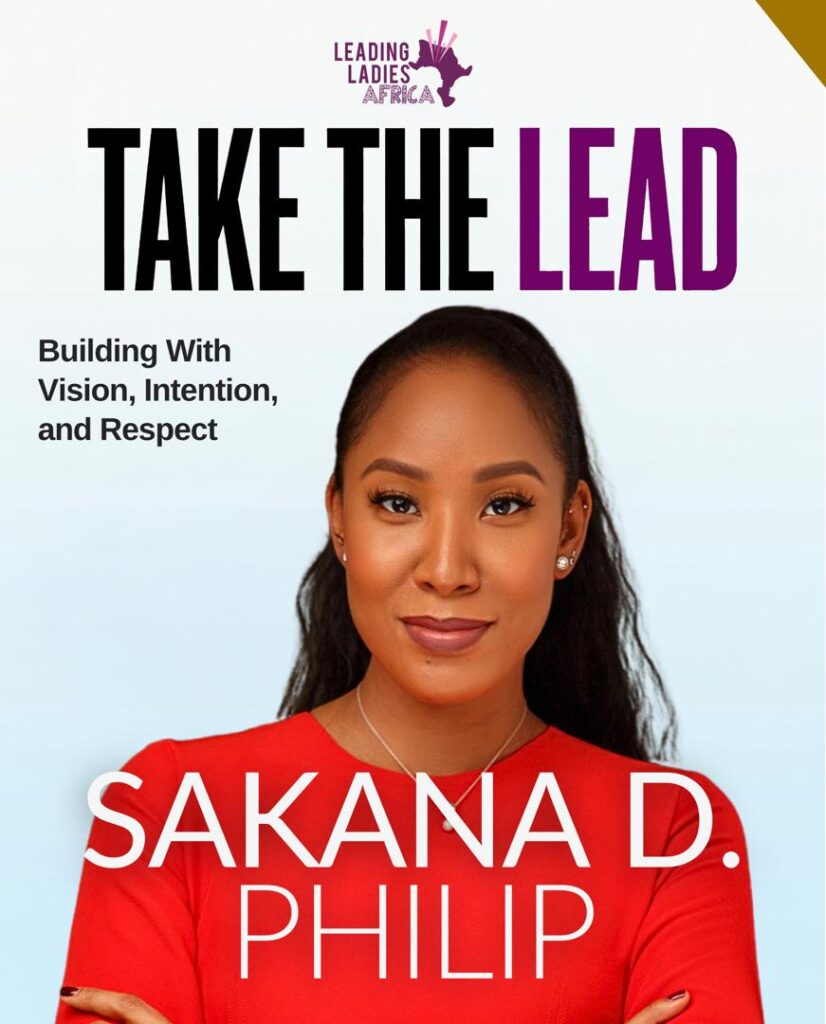
When Sakana D. Philip drives through parts of Abuja, she does not simply see buildings. She remembers the conversations, the difficult decisions, the late nights, and the challenges that had to be solved before those developments became reality.
Nearly 20 residential projects across the city bear the fingerprints of her work, her strategic thinking, her communications expertise, her ability to hold a long-term vision in an industry that is often driven purely by numbers. And yet, she will be the first to tell you that real estate, at its core, has never been about buildings. It has always been about people.
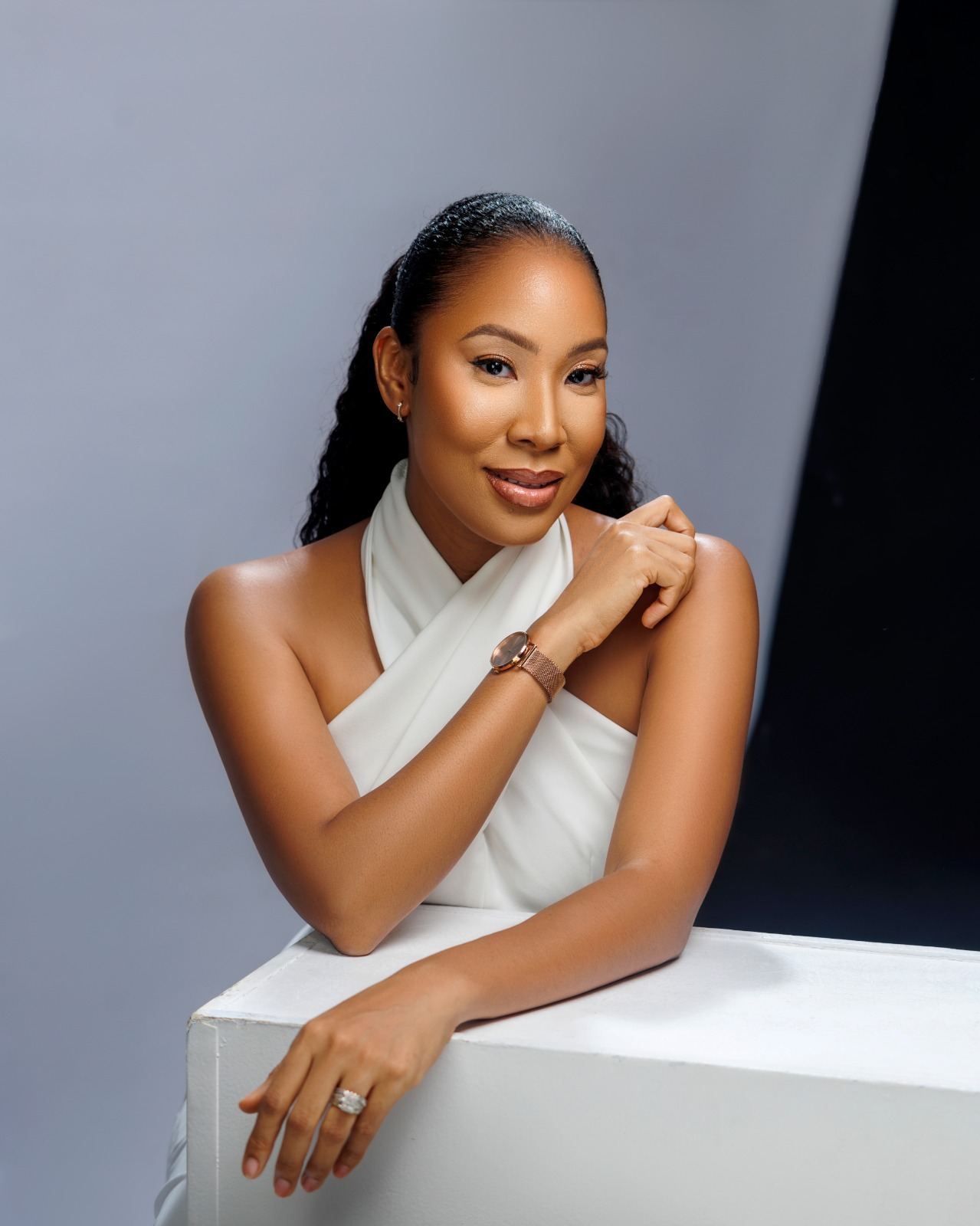
Sakana D. Philip is the Director of Corporate Communications and Branding at Cosgrove Investment Limited — one of Nigeria’s leading real estate development companies. With over 15 years of experience in Nigeria’s real estate sector, she has played a pivotal role in the conceptualisation, branding, sales, and management of nearly 20 residential developments across Abuja, contributing significantly to the city’s evolving urban landscape. Before joining Cosgrove, she spent eight years at Brains & Hammers Limited, building deep expertise in real estate development, sales, and stakeholder management.
Her academic foundation is as unconventional as her career path. She holds a Bachelor’s degree in Mass Communication, a Master’s in International Relations from Coventry University, and has completed executive education at Harvard Business School, a combination that has given her a perspective most people in her industry simply do not have.
She understands how perception shapes reality. She understands systems, negotiation, and the broader forces that influence markets. And she understands how to align vision with execution in a way that creates lasting value long after construction is complete.
In this conversation, Sakana opens up about what 15 years in Nigeria’s real estate industry has truly demanded of her, what it has taken to hold a people-centred vision in a numbers-driven industry, and what she wants the next generation of women entering real estate and corporate leadership to understand before they start.
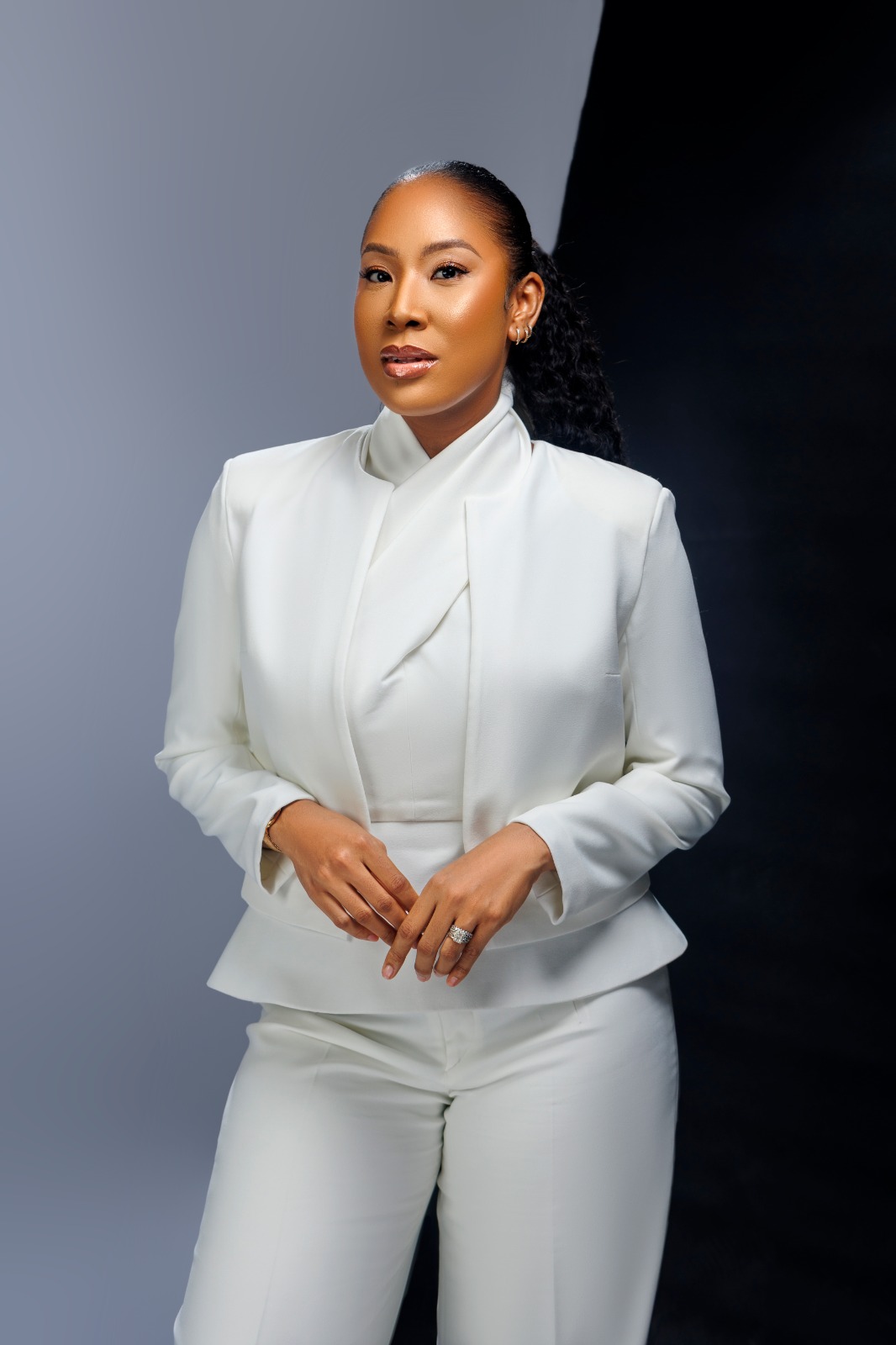
Sakana, you have spent over 15 years shaping some of Abuja’s most significant residential developments. How do you describe what you do to someone meeting you for the first time?
People often assume real estate is simply about constructing buildings or selling properties, but my work has always been much broader than that. I help transform ideas into places where people can build their lives and legacies. Whether I’m involved in shaping the vision for a new development, positioning a brand in the market, leading communications, or driving commercial strategy, my role is ultimately about creating value that lasts long after construction is complete.
For me, real estate is where strategy, storytelling, business, and human experience intersect.
You started with a background in Mass Communication, went on to earn a Master’s in International Relations from Coventry University, and completed executive education at Harvard Business School. What has that unconventional combination of disciplines given you that a traditional real estate career path never could?
This interdisciplinary perspective has become one of my greatest strengths which have also carried me through the businesses I run today.
Mass Communication taught me how perception shapes reality. International Relations taught me to understand people, systems, negotiation, and the broader forces that influence markets. Harvard challenged me to think strategically, make better decisions under complexity, and lead with a global perspective.
Together, those experiences changed how I approach anything I do. I don’t just ask whether a project is worth taking on, I ask why it matters, who it serves, how it will be remembered, and how it creates sustainable value over time.
You have been involved in the conceptualisation, branding, sales, and management of nearly 20 residential projects across Abuja. Looking at the city’s skyline today, what does it mean to you to know your fingerprints are on it?
It’s deeply humbling.
When I drive through parts of Abuja, I don’t simply see buildings. I remember the conversations, the difficult decisions, the late nights, the challenges that had to be solved before those developments became reality.
What makes me proud isn’t simply that the projects exist. It’s knowing that families now call those places home and lives continue to unfold there.
To know that something you helped conceptualize has become part of a city’s story is an incredible privilege.
You spent eight years at Brains & Hammers before joining Cosgrove. What did that season of your career build in you, and what were you ready for that you could not have been without it?
Brains & Hammers gave me my foundation.
It exposed me to every stage of the development journey. From concept and sales to customer relationships and execution. More importantly, it taught me resilience.
Real estate demands patience, adaptability, and the ability to make sound decisions even when circumstances are constantly changing.
By the time I joined Cosgrove, I wasn’t simply looking for a new role. I was ready to contribute strategically, influence larger conversations, and help shape not just projects, but the direction of an organisation.
You have said that successful real estate is not about buildings but about creating places that inspire confidence, foster connection, and stand the test of time. What does it take to hold that vision in an industry that is often driven purely by numbers?
The numbers matter, they always will. But if numbers become the only measure of success, we lose sight of why we build in the first place.
Every successful development must be commercially viable, but it should also improve people’s quality of life. It should create trust, strengthen communities, and continue delivering value decades after the ribbon-cutting ceremony.
I believe the most successful developers understand that profitability and purpose are not competing priorities. The strongest businesses are built when both exist together.
Real estate development and corporate leadership in Nigeria are still spaces where women often have to work harder to be taken seriously. What has that looked like in your own journey, and what have you refused to let it cost you?
I focused on becoming exceptionally prepared. Consistency eventually speaks louder than assumptions.
What I’ve refused to sacrifice is my authenticity. I’ve never believed that leadership requires becoming someone else. You can lead with empathy, humility, emotional intelligence, and strength at the same time.
The goal isn’t simply to earn a seat at the table. It’s to create lasting value once you’re there and to create room for the other women with you to shine as well.
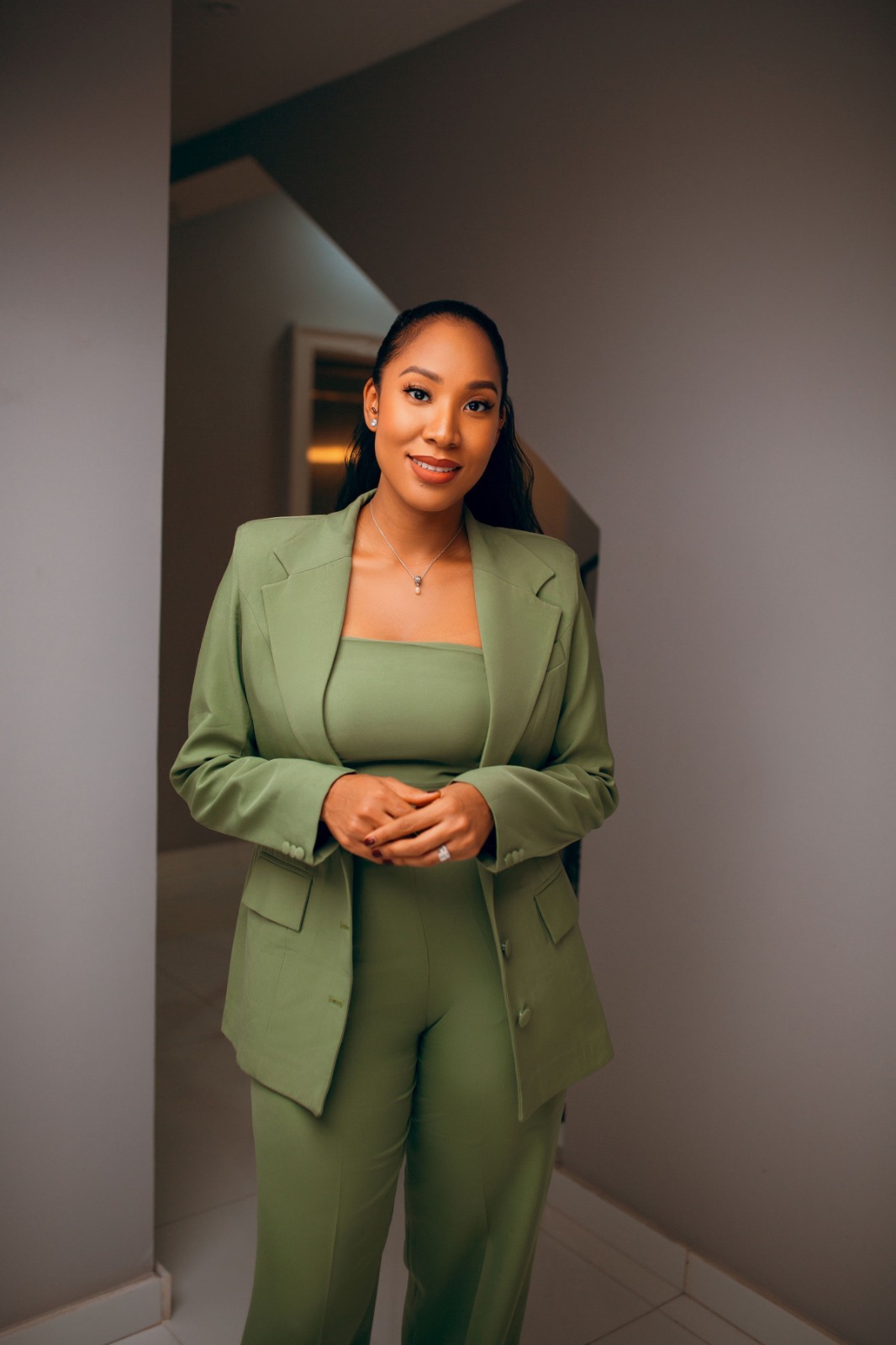
What needs to change in Nigeria’s real estate industry for women to move from being present in these spaces to truly shaping them?
Representation is important, but influence matters even more.
We need more women leading investment decisions, heading development projects, shaping policy, sitting on boards, and mentoring the next generation.
That requires organisations to intentionally create pathways for leadership, not simply opportunities for participation.
It also requires women to continue investing in their expertise, building strong professional networks, and supporting one another rather than competing for limited spaces.
When diverse perspectives shape decisions, the entire industry becomes stronger.
What do you want the next generation of women entering real estate, branding, and corporate leadership to understand before they start?
Learn how to communicate clearly, negotiate confidently, and solve problems others avoid.
Success is rarely about one defining moment. It’s usually the result of showing up consistently over many years.
When all is said and done, what do you want the communities you have helped build to say about the woman behind them?
I hope they remember that these projects were built with vision, intention, and respect for the people who would one day call those places home.