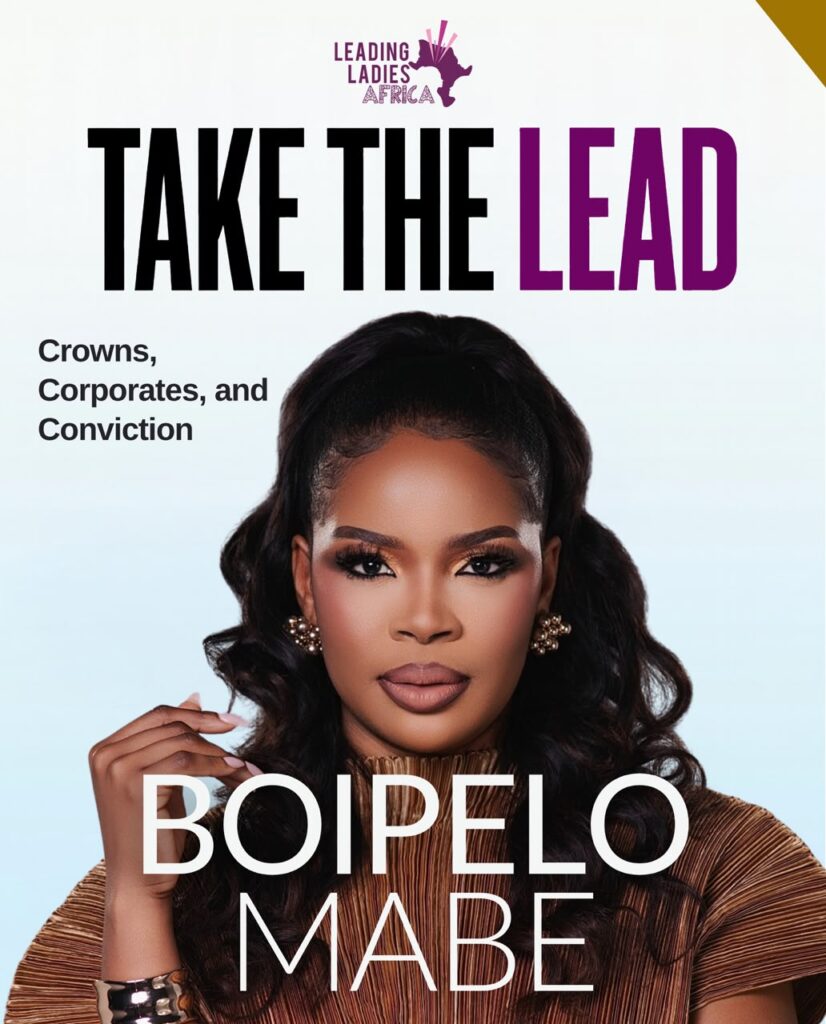
Boipelo Mabe will tell you, without hesitation, that she is the daughter of a taxi driver from Alexandra, and she says it with pride.
Alexandra is one of South Africa’s oldest townships, a place of extraordinary energy, culture, and resilience, and a place where economic hardship and inequality are daily realities. Growing up there, Boipelo learned quickly how to be resourceful, how to keep moving forward, and how to believe in a future that her circumstances had not yet made visible to her. That belief took her far.
Today, Boipelo is the Senior Digital Communications Manager at Telkom Group, one of South Africa’s most prominent telecommunications brands, following senior roles at Cell C and FNB. She is an MBA graduate of Wits Business School, a former Miss South Africa first runner-up, the first ever winner of the Clicks Cover Girl competition, a broadcast media veteran, a brand strategist, a sought-after speaker, and the woman behind #Binspired, a platform dedicated to helping young South African women see what is possible for their lives.
She funded her MBA herself. She walked into rooms where she did not see herself reflected and chose to stay anyway. She navigated spaces that did not always know what to do with a woman who carried visibility and substance in equal measure and she refused to choose between them.
Her journey has not been about fitting into boxes. It has been about proving, consistently, that you do not have to.
In this conversation, Boipelo opens up about what the journey from Alexandra to corporate leadership truly demanded of her, how she thinks about building influence that actually lasts, what is still holding women back from owning their seat at the table, and what she wants every young girl growing up in a township across South Africa to know about ambition, possibility, and everything waiting for her on the other side of where she started.
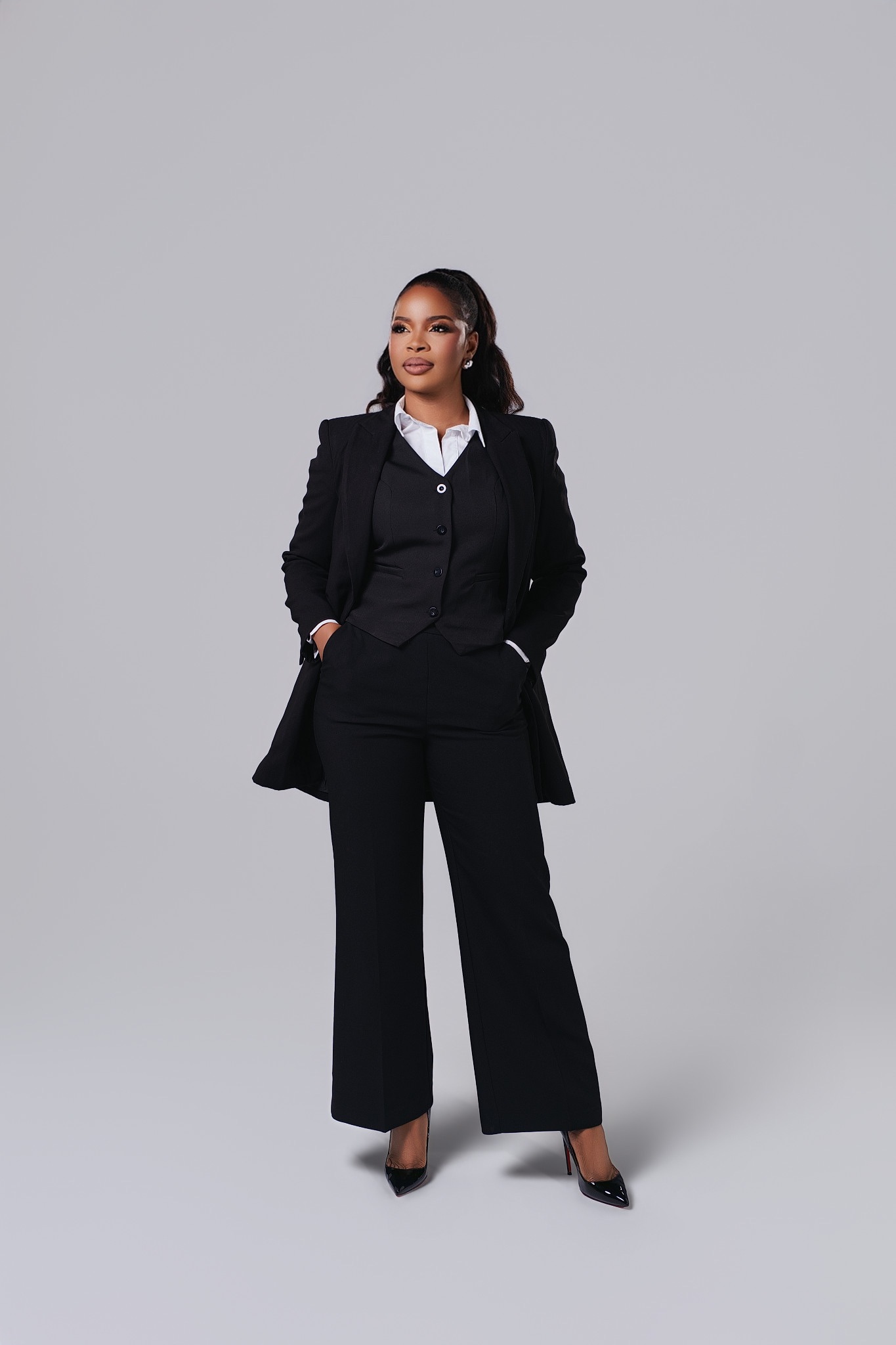
You are a daughter of Alexandra, a pageant queen, an MBA graduate, and a senior corporate leader, all at once. Before every title, who is Boipelo, and what shaped her?
Before every title, I am a curious girl from Alexandra who dared to believe that her story could be bigger than her circumstances.
For those who may not know it, Alexandra is one of South Africa’s oldest townships. It is a place filled with incredible energy, culture, ambition and resilience, but it is also a place where many people face the realities of economic hardship, inequality and limited access to opportunities. Growing up there means you learn very quickly how to make a plan, how to be resourceful and how to keep moving forward even when the odds are stacked against you.
I was fortunate to be raised by hardworking parents who believed in me long before I had any reason to believe in myself. My family supported even my wildest dreams. Whether it was pageantry, media, education or business, they never made me feel like my aspirations were too big for where I came from.
Growing up in Alexandra taught me resilience, but it also taught me perspective. It taught me that talent is everywhere, but opportunity is not. It taught me the power of community and the importance of reaching back once you’ve found your footing. It showed me that some of the most extraordinary people come from the most ordinary circumstances.
Every title I’ve earned has been shaped by those lessons. The pageant queen, the MBA graduate, the corporate leader; those are all parts of my story, but they are not the story itself. At my core, I am someone who believes deeply in progressive growth, service and possibility. Someone who believes that where you start does not have to determine where you finish and that sometimes the most powerful thing you can do is become the example you once needed to see.
You grew up in Alexandra, the daughter of a taxi driver, and today you lead digital communications strategy at one of South Africa’s biggest corporates. What did that journey demand of you that no MBA could have prepared you for?
My MBA was a defining chapter in my journey. It broadened my understanding of business, sharpened my strategic thinking, and challenged me to think bigger about the impact I wanted to have as a leader. What makes it particularly meaningful to me is that I funded it myself. It wasn’t just an investment in my education; it was an investment in my future and a commitment to becoming the kind of leader I aspired to be.
That said, while my MBA equipped me with valuable frameworks and business skills, there are some lessons that no qualification can teach you.
No qualification can fully prepare you for walking into rooms where you don’t see yourself reflected, navigating self-doubt when you’re the youngest person at the table, or carrying the responsibility of being an example of what is possible for others who come from backgrounds like yours.
The journey from Alexandra to corporate leadership demanded courage. It required me to learn how to advocate for myself, embrace discomfort, and remain confident even when I was still figuring things out. There were moments when I questioned whether I belonged, but over time I learned that belonging isn’t something you wait to be given, it’s something you build through consistent contribution and showing up authentically.
Most importantly, I had to stop waiting for permission. Many of the opportunities that changed my life came because I raised my hand, stepped forward, and trusted myself before I had all the answers. Whether it was entering pageants, pursuing opportunities in media, taking on bigger roles in corporate South Africa, or enrolling for an MBA, growth came from being willing to take the leap before I felt completely ready.
Looking back, I’ve realised that success isn’t about having everything figured out. It’s about having the courage to keep moving forward, even when the path isn’t entirely clear.
You have held senior roles at Cell C, FNB, and now Telkom, three of South Africa’s most prominent brands. What has navigating corporate leadership at that level taught you about building influence that actually lasts?
I’ve learned that influence is not built through authority; it’s built through trust.
Titles may open doors, but trust keeps them open. The leaders who have had the greatest impact on me were not necessarily the most senior people in the room. They were the people who consistently delivered, built meaningful relationships, listened deeply, and created value for others.
Sustainable influence comes from being known for something. For me, that has been combining strategic thinking with storytelling and using communication as a tool to drive business outcomes. When people trust your competence and your character, influence becomes a natural by-product.
Digital communications is one of the fastest-moving functions in any organisation. As the person responsible for Telkom Group’s digital voice and executive storytelling, how do you stay ahead of the curve while keeping the brand grounded?
One of the biggest misconceptions about digital communications is that it’s primarily about platforms. In reality, it’s about people.
The platforms, algorithms and technologies are constantly evolving, and with the rise of AI, that pace of change is only accelerating. But what hasn’t changed is people’s desire to connect with stories that are authentic, relevant and meaningful.
A big part of my role is staying close to emerging trends, shifts in consumer behaviour and the evolving digital landscape. However, I try not to get distracted by every new platform or trend that emerges. Instead, I always come back to a simple question: what matters to our audience, and how does this help us communicate our story more effectively?
For me, staying ahead of the curve is about maintaining a balance between curiosity and discipline. Curiosity helps you understand what’s next, while discipline helps you distinguish between what is merely trending and what is strategically valuable.
Ultimately, whether I’m shaping an organisation’s digital voice or supporting executive storytelling, my focus remains the same: using communication to build trust, create connection and ensure that our stories resonate with the people we’re trying to serve.
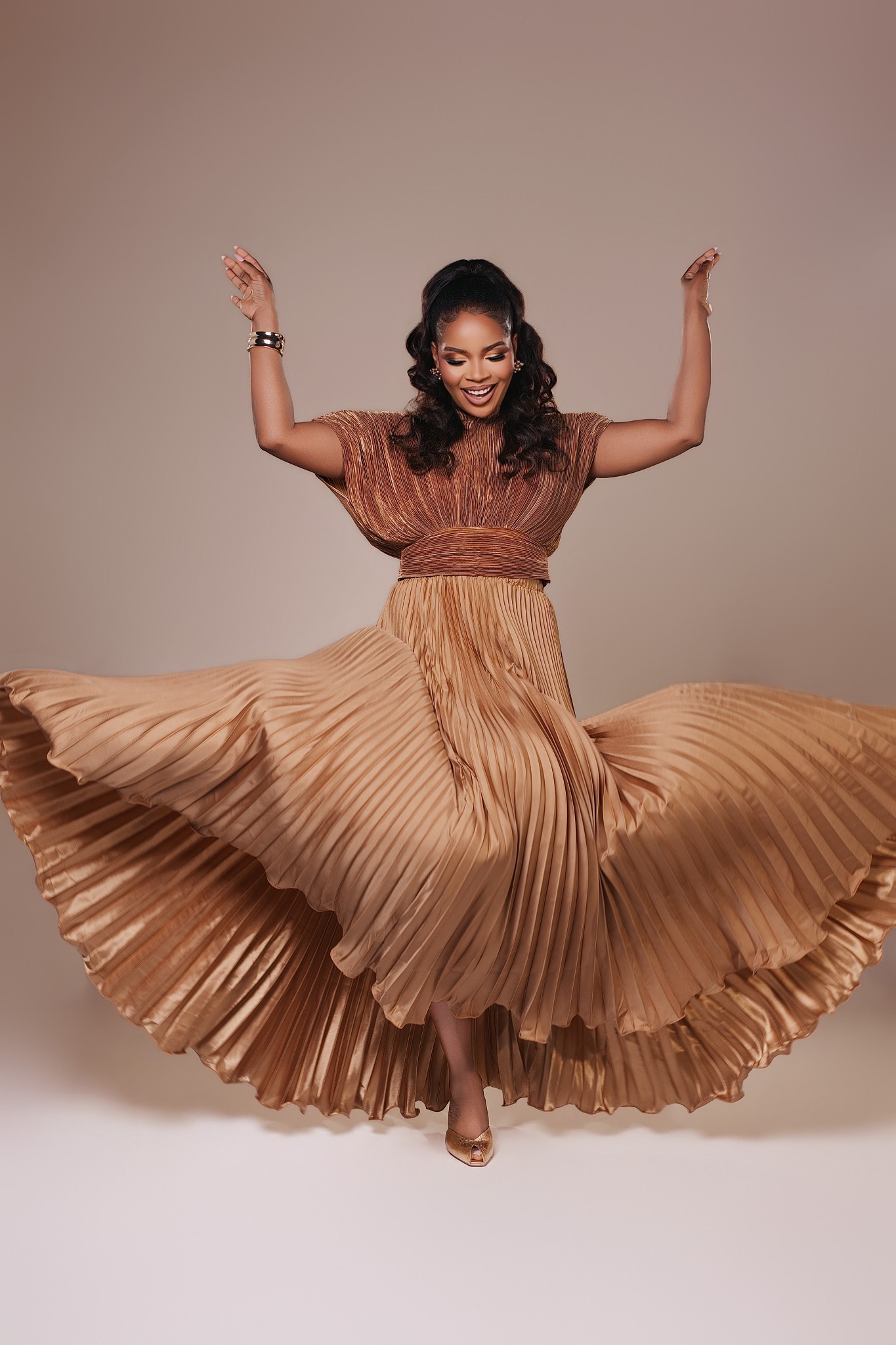
You moved from pageantry and broadcast media into the boardroom. Corporate spaces do not always know what to do with women who carry visibility and substance in equal measure. What have you had to navigate?
For a long time, society has been comfortable placing women into neat categories. You’re either intelligent or beautiful. Strategic or creative. Ambitious or approachable. Corporate or public-facing. We often expect women to choose one lane and stay in it.
I’ve spent much of my career challenging that idea.
Coming from pageantry and media, there were certainly moments when people made assumptions about what I could or couldn’t do before getting to know my work. But over time, I realised that I didn’t need to spend my energy convincing everyone. Consistent results have a way of speaking for themselves.
What I’ve come to appreciate is that every chapter of my journey has added something valuable to the leader I am today. Pageantry taught me confidence and presence. Media taught me storytelling and communication. Corporate South Africa taught me strategy, leadership and business acumen.
For a while, I viewed these experiences as separate parts of my story. Today, I see them as my competitive advantage. The ability to connect with people, communicate effectively, think strategically and lead with authenticity has been shaped by all of those experiences, not despite them.
I believe women are at their most powerful when they stop trying to fit into the boxes that others create for them and instead embrace the full complexity of who they are. I’ve learned that you don’t have to choose between being visible and being credible, or between being authentic and being ambitious. You can be all of those things at once.
You hosted She Means Business, a show dedicated to women entrepreneurs. As someone who has navigated both media and corporate spaces as a woman, what do you think is still holding women back from owning their seat at the table?
One of the biggest barriers facing women today is not a lack of capability, but sometimes a lack of permission; permission we’ve often been conditioned to seek from others before giving it to ourselves.
Many women spend so much time trying to be fully prepared before stepping forward. We want to have every qualification, every answer and every requirement ticked off before putting ourselves forward for an opportunity. While preparation is important, growth often happens before we feel completely ready.
I’ve certainly experienced moments in my own journey where I questioned whether I was ready for the next step. Over time, I’ve learned that confidence doesn’t come before action; it comes from taking action and proving to yourself that you can figure things out along the way.
Many women also underestimate the value of their voice and perspective. We often focus on what we don’t know rather than recognising the unique experiences, insights and viewpoints we bring to the table. Yet some of the most meaningful contributions come from people who see things differently.
Owning your seat at the table starts with recognising that you were invited there for a reason. You don’t need to have all the answers. You need to be willing to contribute, remain curious and trust that your perspective has value.
The women who inspire me most aren’t necessarily the loudest in the room; they’re the ones who are confident enough to take up space, share their ideas and back themselves, even while they are still learning and growing. That’s where real confidence comes from.
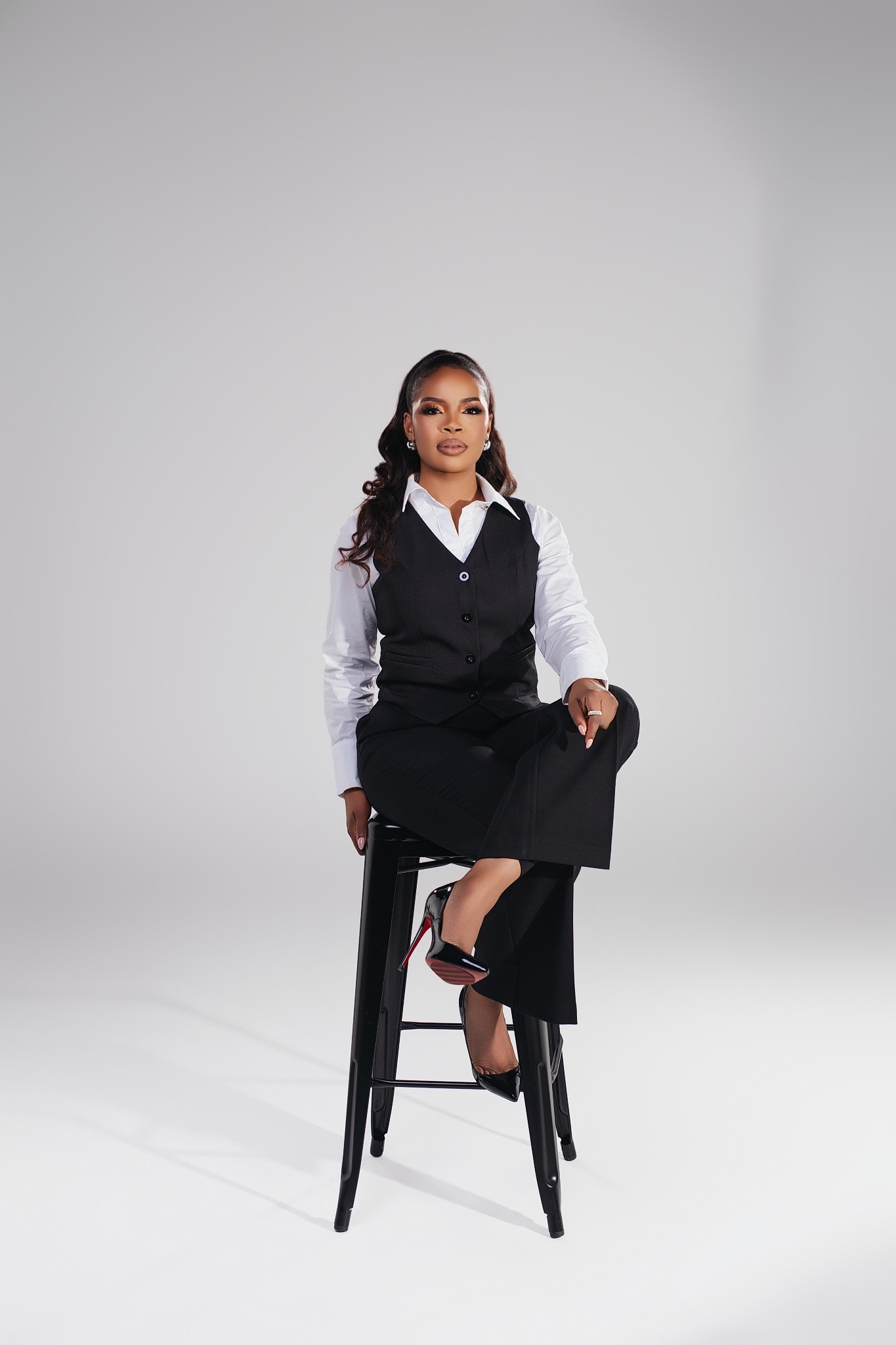
Your hashtag is #Binspired. But inspiration without access only goes so far. What does meaningful empowerment for young South African women actually look like to you, beyond the motivation?
For me, meaningful empowerment starts with exposure because you don’t know what you don’t know. Growing up in Alexandra, there were opportunities, careers and possibilities that simply weren’t visible to me. It wasn’t a lack of ambition; it was a lack of access to information and exposure to what was possible.
That’s really what #Binspired embodies. It’s not just about inspiring people to dream bigger; it’s about helping them see what is possible for themselves. Because the moment you’re exposed to new ideas, people and opportunities, your world expands. Exposure creates access, and access creates opportunity.
Throughout my own journey, some of the most significant turning points came from a conversation, a mentor or someone sharing knowledge that helped me see a path I didn’t know existed. That’s why I’m passionate about education advocacy and sharing what I’ve learned along the way. Sometimes a single piece of information can change the trajectory of someone’s life.
In an age of information overload, access to the internet has become one of the greatest enablers of opportunity. Yet having access to information and knowing how to use it are two different things. We need to go back to basics and ensure young women have access to practical, relevant knowledge that can help them navigate education, careers, entrepreneurship and life itself.
To me, empowerment is not simply telling young women that they can succeed. It’s helping them see what’s possible, connecting them to opportunities, and equipping them with the tools and information they need to turn their potential into progress.
You call yourself the daughter of a taxi driver with pride. What do you want young girls growing up in townships across South Africa to know about ambition, about possibility, and about what is waiting for them on the other side of where they started?
I want them to know that where you start is not where you have to finish.
Your environment may shape you, but it does not have to limit you.
Some of the world’s greatest leaders, innovators, entrepreneurs, and change-makers started with very little. What separated them was not privilege alone, it was persistence, courage, and the willingness to keep moving forward.
Dream boldly. Work relentlessly. Stay curious. And never allow anyone to make you feel small because of where you come from.
There is a place for you in rooms you haven’t entered yet, industries you haven’t discovered yet and opportunities you cannot yet imagine. Believe that you belong there, and then do the work required to meet that future version of yourself.
Your story is not a disadvantage. It is your power.
You have worn a crown, built a corporate career, and used every platform to pull other women forward. When all is said and done, what do you want the name Boipelo Mabe to stand for?
I hope my name stands for possibility.
I hope that when people look at my journey, they see more than the titles and achievements. I hope they see proof that your beginning does not determine your ending. That success does not have one look, one background or one path. That you can come from humble beginnings, dream boldly, reinvent yourself multiple times, and still create a life that exceeds your own expectations.
I hope people see a woman who never allowed herself to be defined by a single label. A woman who embraced every chapter of her journey
More than any title, I want to be remembered for creating access. For sharing knowledge, opening doors and helping people see possibilities they may not have seen for themselves. Because exposure changed my life. It showed me opportunities I didn’t know existed and helped me imagine a future bigger than my circumstances.
If my journey encourages even one young woman to dream bigger, back herself more boldly, and step into spaces she once thought were beyond her reach, then that will mean far more to me than any title or accolade ever could.