There are leaders who hold seats at the table and then there are leaders who change what happens at the table entirely. Brenda Msangi-Kinemo is firmly in the second category.
She is the Chief Executive Officer of CCBRT, one of East Africa’s largest specialised healthcare institutions and the first Tanzanian and first woman to hold that role in the organisation’s history. She is a Global Board Director of World Vision International, providing governance oversight across operations in more than 90 countries. She sits on the boards of Exim Bank Tanzania, Tanzania Pharmaceutical Industries, World Vision Tanzania, and the CEO Roundtable of Tanzania. She serves as a Senior Health Compliance Advisor and Senior Member of the International Medical Advisory Board at International SOS and she is the founder of Dear Girl Child BMK, a pan-African platform dedicated to helping girls and women step fully into their potential.
With more than two decades of leadership experience spanning healthcare, governance, and organisational transformation, Brenda has built a reputation as one of Africa’s most consequential executives, not because of the rooms she has entered, but because of what she has done inside them. She pioneered the deployment of Lean Management within Tanzania’s healthcare ecosystem. She helped shift her own board from all-male to 60% female representation. And through every milestone, she has remained anchored in five values and one unshakeable conviction: God first. Always.
A Harvard-certified corporate director, TEDx speaker, pharmacist, MBA holder, and doctoral candidate, Brenda is as impressive on paper as she is human in person. Her leadership is not built on authority, it is built on service, stewardship, and the deep belief that when a woman truly understands who she is, everything changes.
In this conversation, Brenda opens up about what it meant to walk through CCBRT’s doors as its first African and first female CEO, what real sustainable innovation in African healthcare actually requires, and what she wants every young woman watching her to understand about power, how to get it, how to hold it, and how to use it well.
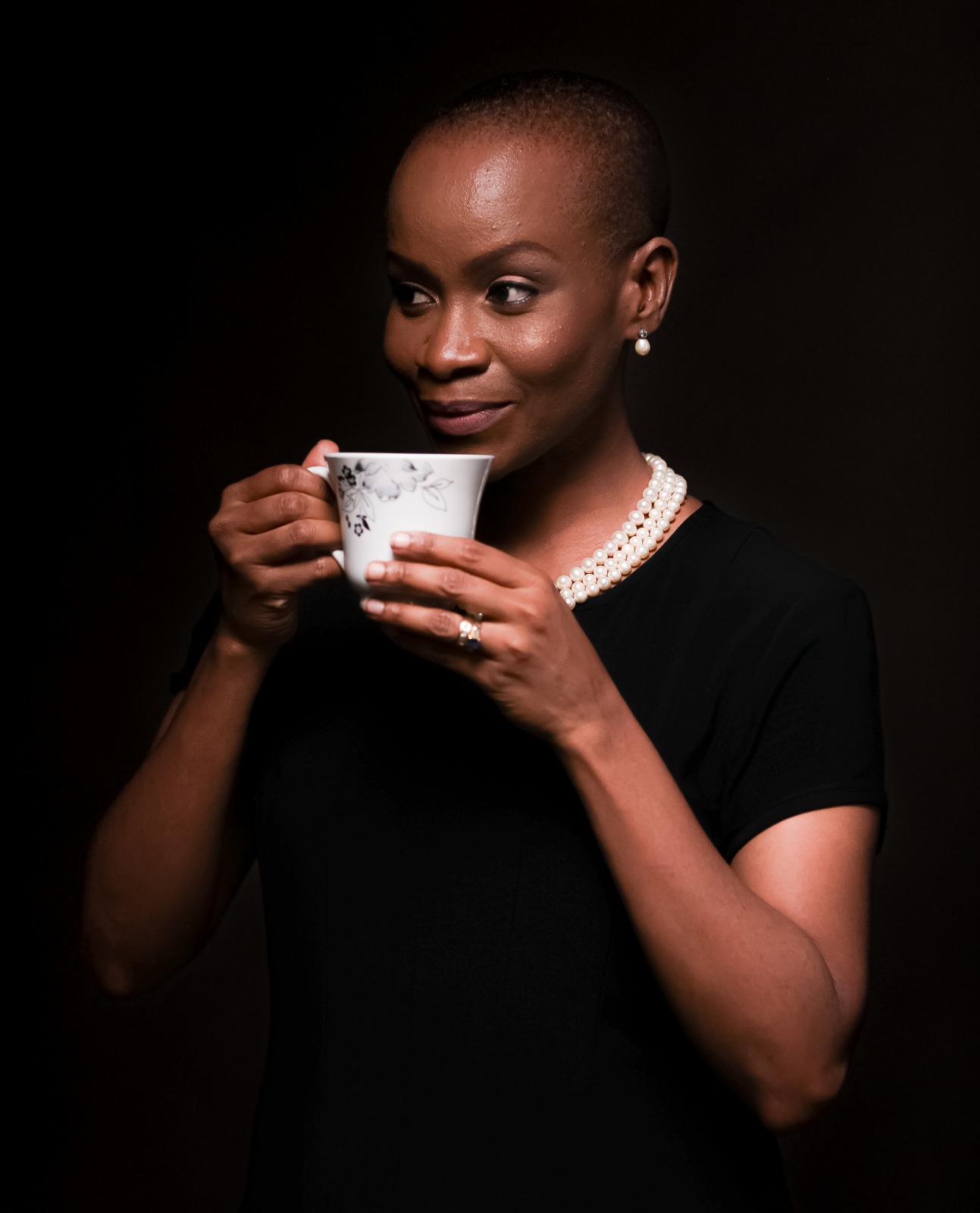
You are a pharmacist, an MBA holder, a Harvard-certified corporate director, a doctoral candidate, a CEO, a global board director, and the founder of a Pan-African mentorship platform. Before every credential and every title, who is Brenda, and what shaped her?
I exist to inspire others to believe that it can be done, regardless of the odds stacked against them. If my journey teaches anything, it is that limitations are often far less permanent than they appear.
One thing people quickly discover about me is that my sense of humour is one of my greatest assets. It has carried me through some of the toughest moments of my career and reminded me not to take myself too seriously, even when the stakes are high.
I light up when I witness transformation in others, especially when a conversation or a well-placed question helps someone connect their own dots, gain clarity, and step more confidently into their potential. Those moments are incredibly rewarding because they remind me that sometimes the greatest impact comes not from giving answers, but from helping people discover their own.
No matter what hat I am wearing (CEO, board director, mentor, speaker, wife, mother, or friend), five values consistently guide me: Passion, Persistence, Continuous Learning and Growth, Knowledge Sharing, and Having Fun Along the Journey.
And above all, I put God first. Always. My faith is my anchor, my compass, and the foundation upon which everything else is built.
You became the first African woman to lead CCBRT, one of Tanzania’s largest healthcare and disability organisations. What did it mean to walk through that door, and what did you carry with you when you did?
Yes, I am the first African and the first woman to lead the organisation.
To be honest, being a woman did not initially feel particularly significant to me. What I was immediately reminded of, however, was that I was the first African to hold the role. I still remember comments along the lines of “Mbongo anaenda kuua taasisi”—which loosely translates to “a local Tanzanian is going to destroy the institution.” 😊 That was almost eight years ago.
Those comments could easily have become a distraction, but I chose to see them differently. Rather than focusing on proving people wrong, I focused on proving what was possible. I remained committed to the mission, trusted my capabilities, and concentrated on delivering results.
The reality of being a woman in leadership became more apparent when I joined my own board, which at the time consisted entirely of men. Rather than accepting the status quo, I became intentional about helping to shift the narrative. Today, women represent 60% of our board. Yet this was not an isolated experience. Across various boards I have served on and within many executive leadership forums, I have consistently encountered similar gender imbalances.
These experiences strengthened my conviction that representation matters—not simply because it is fair, but because diverse leadership produces better decisions, stronger governance, richer perspectives, and ultimately more sustainable outcomes.
Looking back, what carried me through was not a determination to become the first African or the first woman. It was a belief in my capabilities, a commitment to stay focused despite the noise, and the resilience to keep moving forward even when others doubted me.
And if I am completely honest, there was one more thing: my mother’s prayers. Those were, and continue to be, a powerful force behind me. Wah! 😊
Perhaps the greatest lesson I have learned is that being the first is never really about you. It is about widening the path so that others can follow more easily after you.
You lead an organisation that serves some of the most vulnerable people on the continent; mothers, children, people living with disabilities. How does that weight show up in the way you lead every single day?
It is a blessing because I get to witness, first-hand, the impact of the work we do every single day. When the days become particularly challenging, I simply walk through the corridors and see the lives being transformed. Those moments remind me why our work matters and renew my energy and determination to keep pushing towards our goals.
In a nutshell, I have a very demanding job, but it is also incredibly rewarding. The challenges are significant, but so is the privilege of knowing that what we do makes a real difference in people’s lives.
You pioneered the deployment of Lean Management within Tanzania’s healthcare ecosystem. In a sector as complex and under-resourced as African healthcare, what does real, sustainable innovation actually require?
Real, sustainable innovation in African healthcare is not primarily about technology, new equipment, or large budgets. It is about solving real problems in a way that creates lasting value for patients, healthcare workers, and the health system.
One of the biggest misconceptions is that innovation requires abundant resources. In my experience, innovation often thrives under constraints. When resources are limited, you are forced to rethink processes, eliminate waste, and focus on what truly matters.
When we introduced Lean Management at CCBRT, the goal was not simply to improve efficiency. The goal was to create a culture of continuous improvement where every member of staff, from clinicians to support teams, felt empowered to identify problems and contribute solutions. Sustainable innovation happens when people closest to the work become part of the solution.
For innovation to endure, three things are essential.
First, it must be anchored in a genuine need. Innovation should solve a real challenge affecting patients, staff, or the organisation, not simply introduce something new for the sake of being new.
Second, leadership commitment is critical. Innovation requires leaders who are willing to challenge the status quo, make difficult decisions, and remain committed even when results are not immediate.
Third, innovation must be embedded into systems and culture. If innovation depends on one individual, one donor, or one project, it is unlikely to last. Sustainable innovation becomes part of how an organisation thinks, works, and makes decisions every day.
In the African healthcare context, I believe the future belongs to organisations that can combine innovation with discipline—using limited resources wisely, leveraging partnerships, empowering people, and continuously improving the way care is delivered.
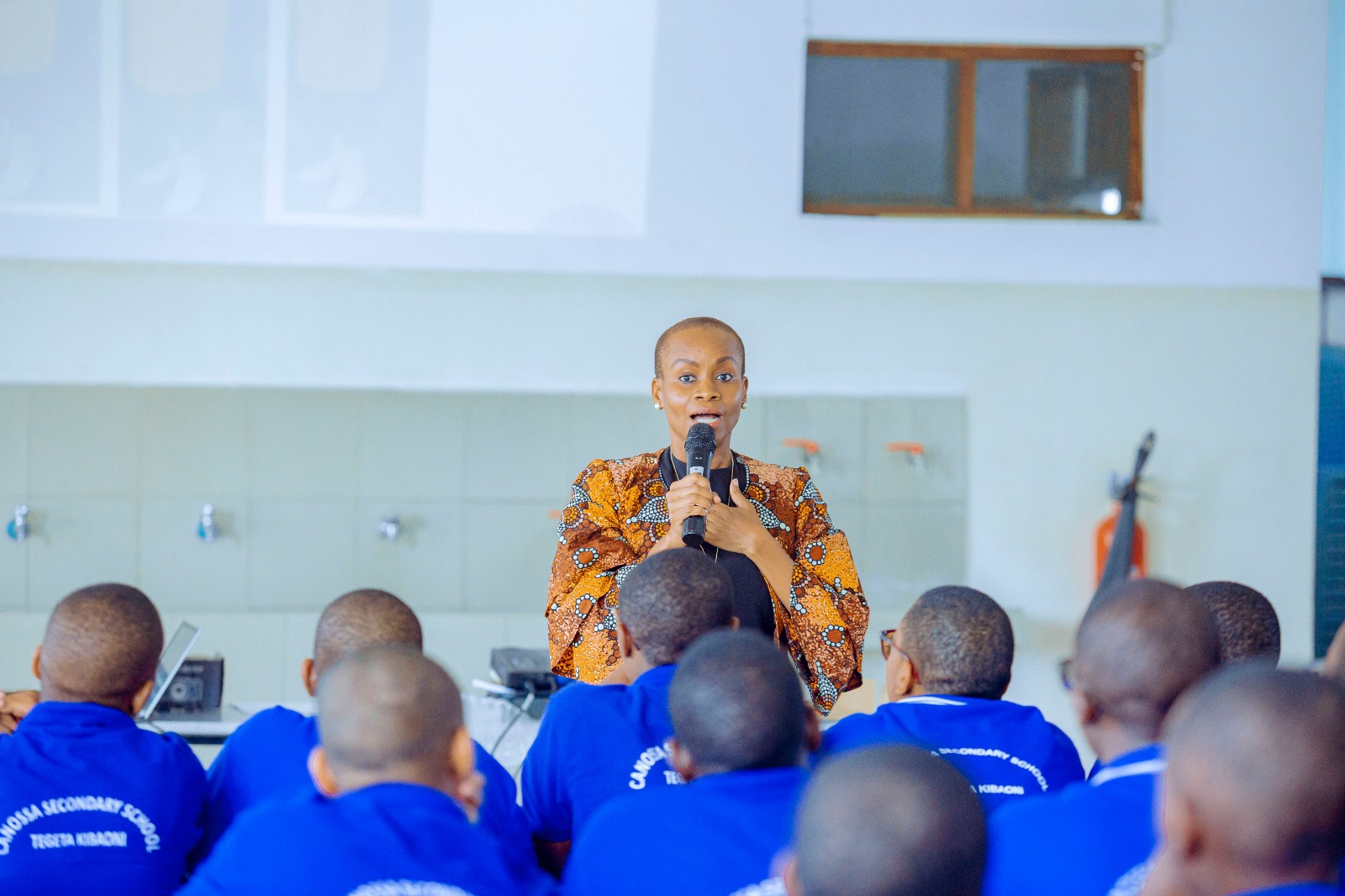
You sit on boards locally and globally, from the CEO Roundtable of Tanzania to World Vision International. As an African woman holding governance influence at that level, what responsibility comes with that seat?
Holding a seat at the board table is both a privilege and a profound responsibility. For me, governance is not about status or oversight alone; it is about stewardship. You are entrusted with decisions that affect people, communities, organisations, and in some cases, future generations.
As an African woman in those spaces, I am deeply conscious that I represent perspectives that have historically been underrepresented in many leadership and governance conversations. That comes with a responsibility to ensure that decisions are not only financially sound and strategically robust, but also inclusive, equitable, and grounded in the realities of the people they ultimately impact.
I believe board members have a responsibility to ask the questions that others may not ask. To challenge assumptions. To think long-term. To safeguard purpose while ensuring sustainability. Good governance is not simply about protecting today’s performance; it is about protecting tomorrow’s relevance and impact.
There is also a responsibility to open doors for others. I am mindful that many women and young leaders are watching those of us who occupy these seats. Representation matters, but representation alone is not enough. We have a responsibility to mentor, sponsor, and create pathways for the next generation of leaders to participate in decision-making and governance.
Whether I am serving on a local board in Tanzania or a global board such as World Vision International, I try to bring the same perspective: courage to ask difficult questions, commitment to the mission, and a focus on creating sustainable impact.
Ultimately, I believe the true measure of governance is not the decisions we make while we hold the seat, but the strength, integrity, and resilience of the institution long after we have left it.
You founded Dear Girl Child BMK to cultivate character, resilience, and executive potential in young women across Africa. What gap did you see that made you decide to create a platform?
Dear Girl Child BMK was born from a gap I kept seeing over and over again throughout my journey as a leader, mentor, speaker, mother, and board director.
I met incredibly talented, intelligent, and capable women who had all the ingredients for success, education, ambition, opportunities, and potential, yet many of them were quietly struggling beneath the surface.
Some had lost themselves in the many roles they played for everyone else and no longer knew who they were beyond their titles. Some were exhausted and burnt out, pouring into everyone around them while running on empty themselves. Others were ready to lead but felt stuck, waiting for permission, validation, or an invitation that never seemed to come.
I met women who were highly accomplished yet still doubted themselves. Women who knew what they were capable of but did not fully believe it. Women who had achieved what society told them success should look like, yet felt unfulfilled and disconnected from their deeper purpose. I also met women carrying quiet financial anxiety, earning, providing, and succeeding on paper, but lacking the confidence and freedom they desired in their personal lives.
What struck me was that the challenge was rarely competence. These women were more than capable. The challenge was identity, confidence, resilience, and the internal narratives that were limiting what was possible for them.
As I reflected on my own journey, I realised that many of the lessons that shaped me (about confidence, discernment, resilience, leadership, courage, purpose, and faith) were lessons I learned through experience, often the hard way. I began asking myself: what if more women could access those insights earlier? What if they had a community that not only inspired them but also understood the real burdens they were carrying?
That question became Dear Girl Child BMK.
I did not create the platform because women lack potential. I created it because I saw too many women living beneath their potential. I wanted to create a space where women could reconnect with who they are, build resilience, strengthen their confidence, discover their purpose, develop their leadership capacity, and step fully into the lives they were created to live.
Because when a woman truly understands who she is, everything changes. She stops shrinking. She stops waiting for permission. She leads with confidence. She makes decisions with conviction. She builds healthier families, stronger organisations, and more vibrant communities.
Ultimately, Dear Girl Child, BMK exists to help women become the fullest expression of who they were created to be. Because when one woman rises, she rarely rises alone; she brings others with her.
You have been named Most Inspiring Female Corporate Leader in Africa and Outstanding CEO by the Pan-African Women Economic Summit. What does recognition like that mean to a woman who clearly was never building for the applause?
This is a tough question for me because, if I’m being honest, I have always struggled with recognition. When I show up fully in my work, I am not thinking about awards or accolades. Those recognitions have never been the goal.
Throughout my career, I have been driven by purpose rather than awards. Whether leading a healthcare institution, serving on boards, mentoring young leaders, or building Dear Girl Child BMK, my focus has always been on impact on the lives being changed, the opportunities being created, and the systems being strengthened.
Recognition is meaningful because it tells you that the work is making a difference. It validates the sacrifices, the difficult decisions, the setbacks, and the perseverance that often happen behind the scenes and away from public view. But it is not the destination.
What matters most to me is when a woman tells me she found the courage to pursue her dream, when a patient regains their independence, when a young leader steps into their potential, or when an organisation becomes stronger and more sustainable because of the work we have done together.
I also see these recognitions as a reminder that leadership is never a solo journey. Every achievement reflects the contribution of many people: teams, mentors, colleagues, family, and communities who have believed in and supported the vision. In that sense, I receive these honours not only on my own behalf, but on behalf of everyone who has walked the journey with me.
Most importantly, recognition creates responsibility. It challenges you to remain authentic, continue learning, and use your platform to create opportunities for others. If the recognition ends with me, then it has limited value. But if it inspires another woman to believe that she, too, can lead, serve, and make a difference, then it becomes truly meaningful.
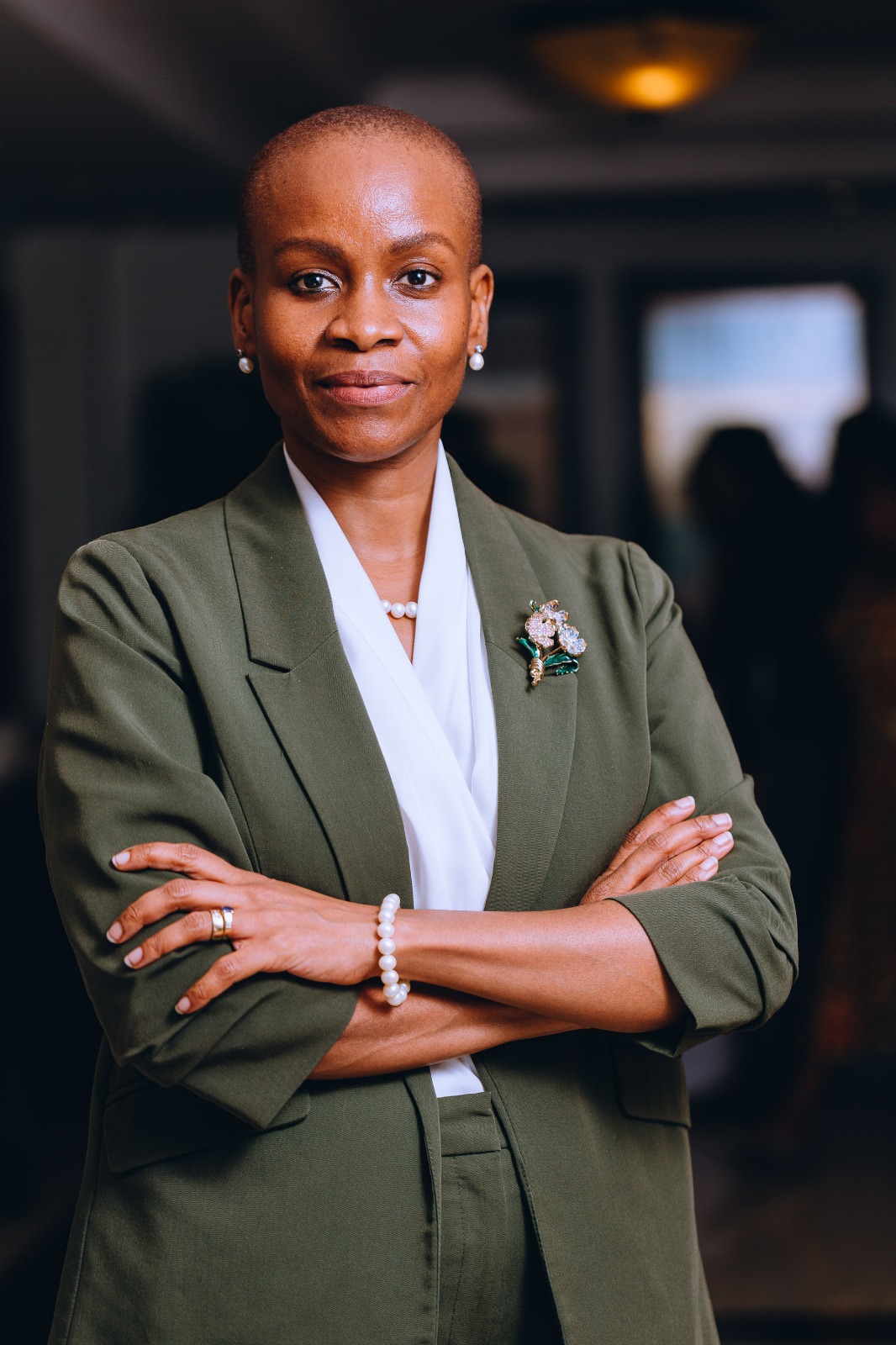
You chair the CEO Apprenticeship Programme and mentor young women through Dear Girl Child BMK. What is the one thing you want the next generation of African women leaders to understand about power; how to get it, how to hold it, and how to use it well?
I would want the next generation of African women leaders to understand that power is often misunderstood.
Many people think power comes from a title, a position, or a seat at the table. Those things may give you authority, but they do not necessarily make you a leader. In my experience, the most impactful leaders are not those who rely on power; they are those who inspire and influence others.
In fact, power has a way of revealing character. It amplifies who you already are. If you lead with humility, integrity, and purpose, power strengthens those qualities. If you lead from ego or self-interest, power exposes that too.
That is why my advice to young women is: don’t seek power; seek growth.
Invest in yourself, build your competence, strengthen your character, develop your expertise and become a lifelong learner. Have the humility to keep learning, regardless of how successful you become, and stay current in a world that is constantly evolving.
Influence is earned through credibility, consistency, and character. When people trust your judgment, respect your values, and see the impact of your work, influence naturally follows. And when influence follows, opportunities and leadership positions often do too.
I would also encourage women not to hide. Too many talented women are doing incredible work in silence. Don’t be afraid to make yourself visible. Share your ideas. Contribute to conversations. Build your personal and leadership brand intentionally. Visibility is not about self-promotion; it is about ensuring that your value, expertise, and contribution can be seen and accessed by others. More often than not, it is your reputation and leadership brand that open doors long before you walk through them.
And when power eventually comes, hold it with humility. Remember that leadership is about service, not status. Use your influence to create opportunities for others, to elevate voices that are not being heard, and to build institutions that will outlive you.
Ultimately, I believe the best leaders are not remembered because of the power they held, but because of the people they inspired, the lives they impacted, and the legacy they left behind.
When the history of healthcare leadership in Africa is written, what do you want Brenda Msangi-Kinemo’s chapter to say?
I hope my chapter is not ultimately about Brenda Msangi-Kinemo.
I hope it is about the people whose lives were changed, the institutions that were strengthened, and the leaders who emerged because someone believed in them.
If history is kind enough to remember me, I would want it to say that I was a leader who used every platform entrusted to me, whether in healthcare, governance, or mentorship, to leave things better than I found them.
I would want it to say that she helped prove that quality healthcare is not a privilege reserved for a few, but a right that should be accessible to all, including the most vulnerable members of society. That she challenged conventional thinking, built partnerships, and helped create sustainable models that expanded access to care and restored dignity to those who needed it most.
I would want it to say that she led with courage, conviction, and compassion. That she was willing to make difficult decisions when necessary, but never lost sight of the human beings behind the numbers, the strategies, and the policies.
Beyond healthcare, I would hope it says that she opened doors. That she invested in people, especially women and young leaders, and reminded them that their circumstances did not define their potential. That she used her influence not to elevate herself, but to elevate others.
Most importantly, I would want it to say that she remained true to her values. That she led with integrity, served with humility, and never forgot that leadership is ultimately an act of stewardship.
At the end of the day, titles will be forgotten, awards will gather dust, and positions will be filled by others. What endures is the impact we have on people and the legacy we leave behind.
So if my chapter is ever written, I hope it simply says: “She used her life, her leadership, and her influence to create opportunities, restore dignity, and leave the world a little better than she found it.”