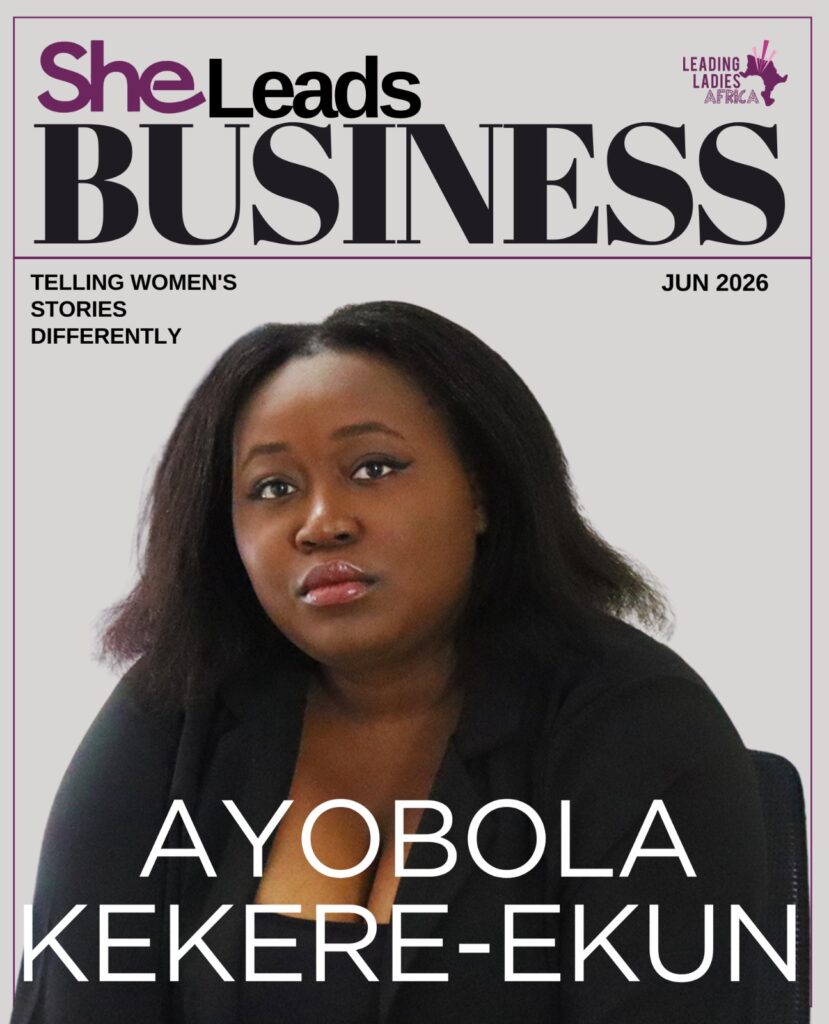
There are careers, and then there are callings. For Ayobola Kekere-Ekun, the line between the two has never existed.
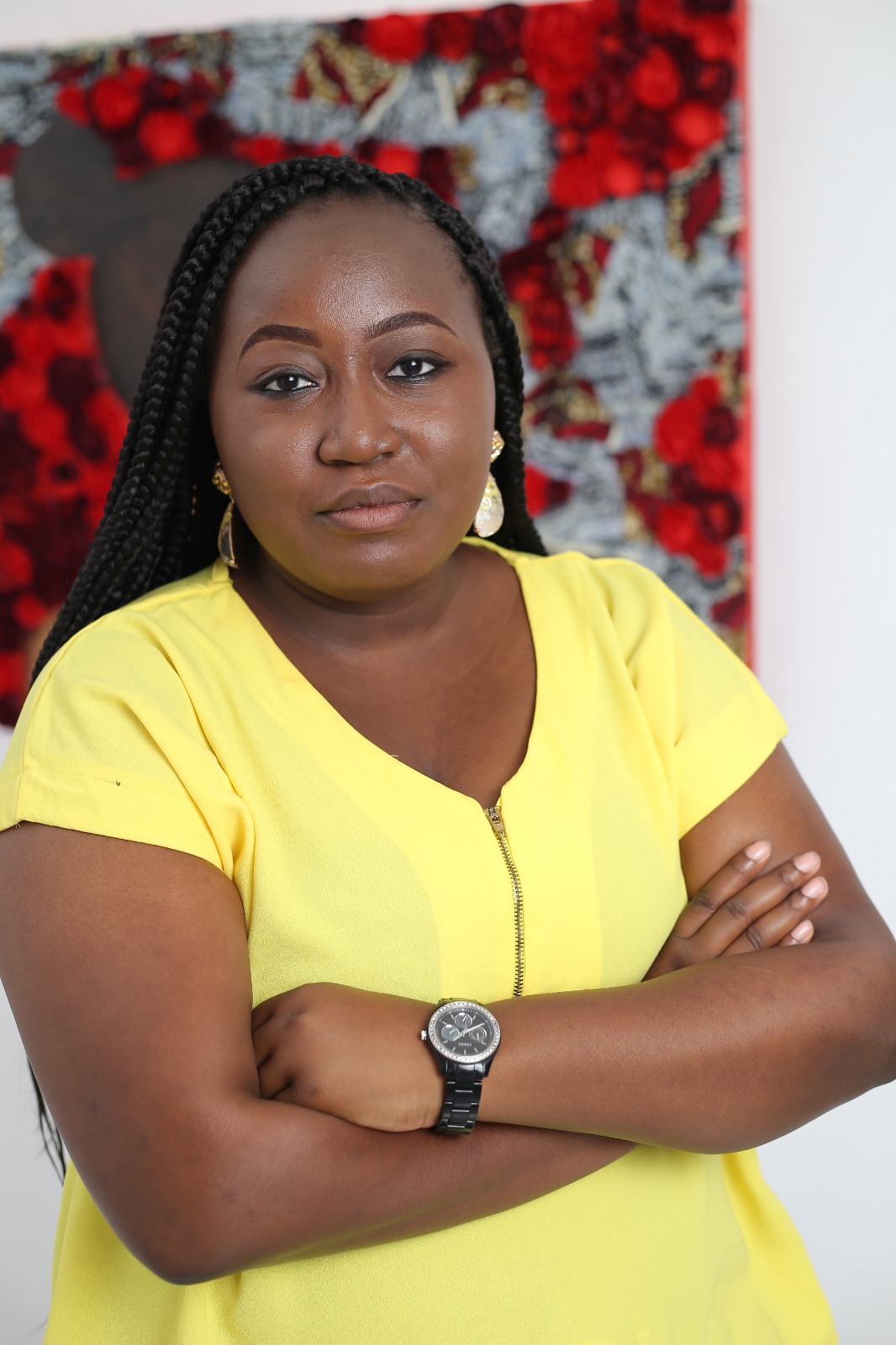
Born and raised in Lagos and now living and working in South Africa, Ayobola is a contemporary visual artist whose intricate paper quilling work has travelled from the walls of ABSA Gallery in Johannesburg to Art021 in Shanghai, HOFA in London, and UTA Artist Space in Los Angeles. She holds a PhD in Art and Design from the University of Johannesburg, and her work; rooted in gender, mythology, memory, and trauma has earned her grants from the Rele Art Foundation, the Future Awards Africa, and a $5,000 grant from Alicia Keys and Swizz Beats that funded her solo exhibition, Resilient Lines.
Beyond the accolades and the global exhibition circuit, Ayobola is building something quieter and more enduring, a body of work that asks every woman who stands before it to reconsider what she thinks she knows, and how she thinks she knows it.
In this conversation, she takes us through the accidental discovery that changed everything, what it truly takes to fund and sustain a creative career in Africa, and what she wants every girl in Lagos who has ever been told art is not a real career to understand about the difference between difficult and impossible.
You are an artist, an academic, and a storyteller using paper and pattern to challenge how the world sees Nigerian women. Who are you at your core — and what set all of this in motion?
I’d say the driving force underneath everything, from the talent for art to the drive to pursue a career in that space, is curiosity. I tend to be quite inquisitive the minute anything catches my interest. A big part of how I know I’m exactly where I’m supposed to be is that it’s been a decade and I still have so many unanswered questions about my practice.
You chose paper quilling, one of the most meticulous and time consuming art forms in existence. How did you discover it, and what made you commit to it as your primary language of expression?
I discovered quilling entirely by accident. I didn’t even know it was called quilling when I first started working with paper the way I do. I was in a space where I was almost desperately open to a new idea, and when I had that eureka moment with a flyer that had been handed to me, I think I just fell in love with all the possibilities the material had to offer. It was like I was truly seeing paper for the first time.
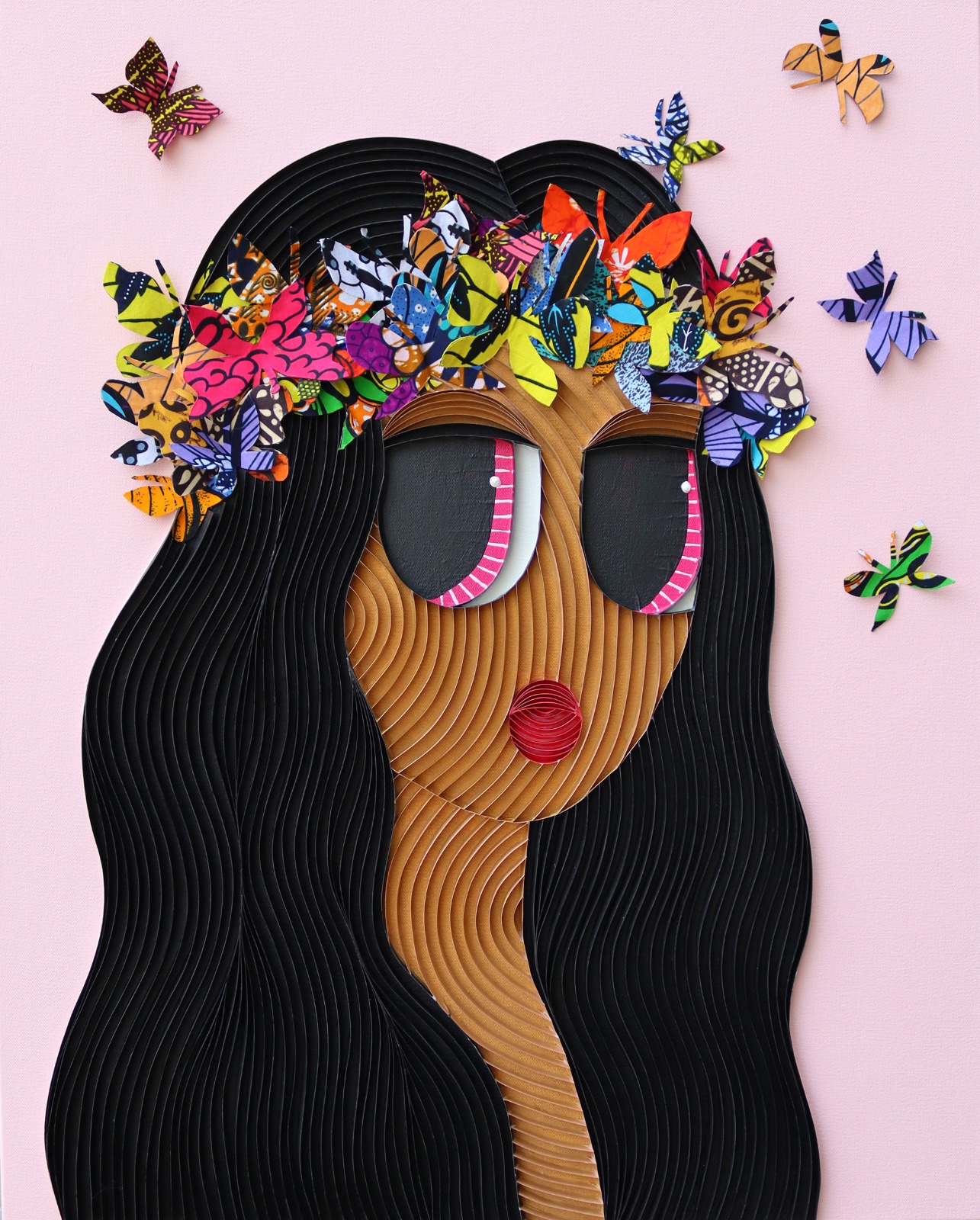 Your first exhibitions were in Lagos and then Johannesburg, then London. Walk us through what those early years of putting your work into the world actually felt like.
It felt like the perfect balance between audacity and pure ambition. I had nothing to lose and everything to gain, and so while I had my fair share of insecurities, looking back, I was also incredibly fearless. I believed I had found something worth exploring, and I was eager to share it.
Alicia Keys and Swizz Beats gave you a $5,000 grant that funded your solo exhibition Resilient Lines. What did that moment do to you and what did it confirm about the path you had chosen?
It was incredibly unexpected! It was still a relatively early period in my career, and I was at a point where I hadn’t received much “validation” around my work. Being selected for that grant was huge for me. It also made me realise I never wanted to wonder what might have happened. Not trying, not throwing my hat into the ring simply wasn’t an option.
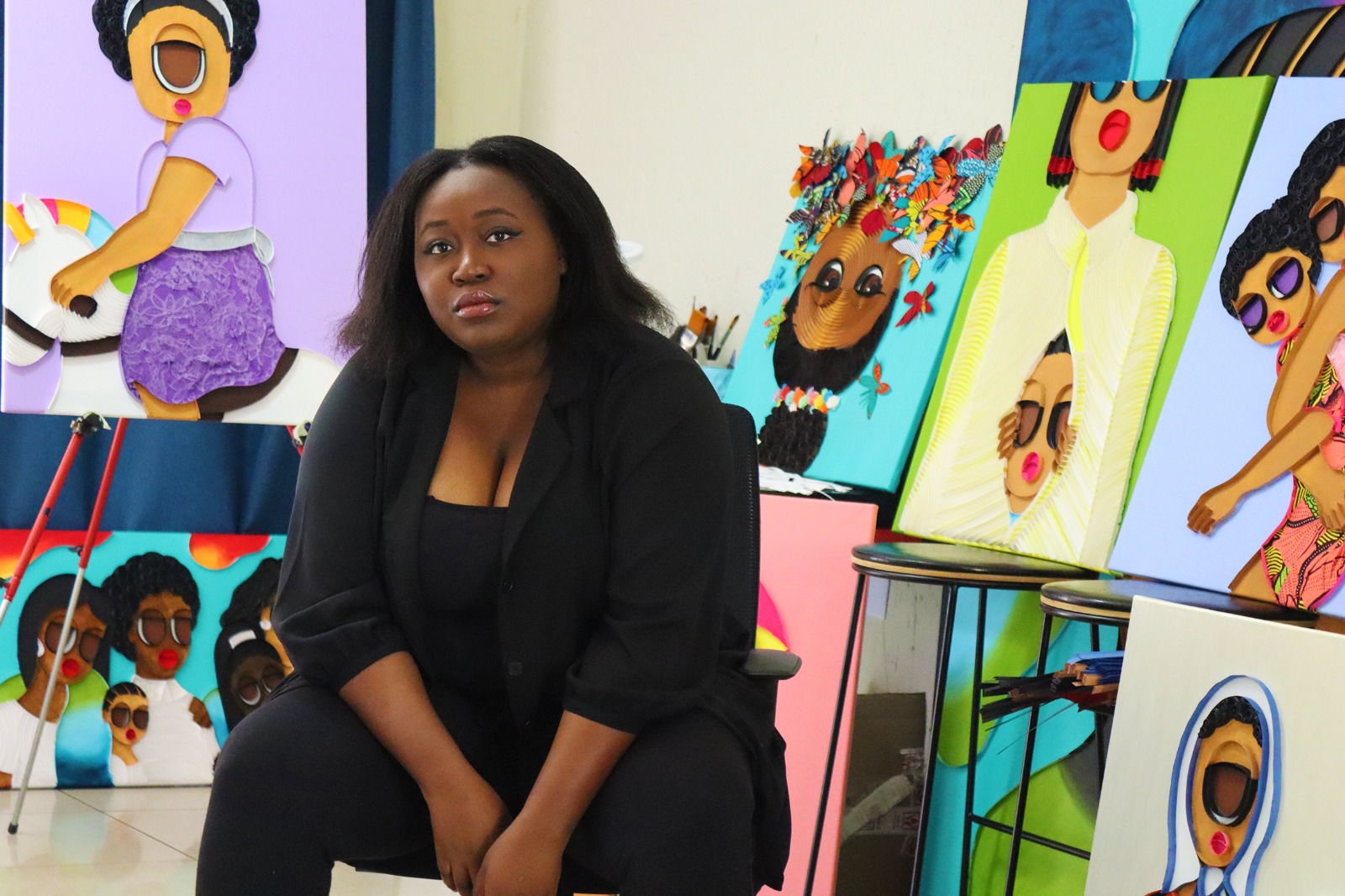
Your art explores Nigerian femininity, power dynamics, and the experiences of women in spaces that were not built to celebrate them. Where does that fire come from and what do you want every woman who stands in front of your work to feel?
Regardless of the body of work I’m engaging in, I always want people, especially women, who view my work to reconsider. Reconsider what you think you know, and how you think you know it. When people see my work they often don’t realise it’s paper at first. They also often assume the subject matter must be happy simply because it looks the way it does. Asking a few questions quickly shifts the reality. That moment of shifting and recalibrating one’s beliefs and understanding will always be the feeling I hope to elicit.
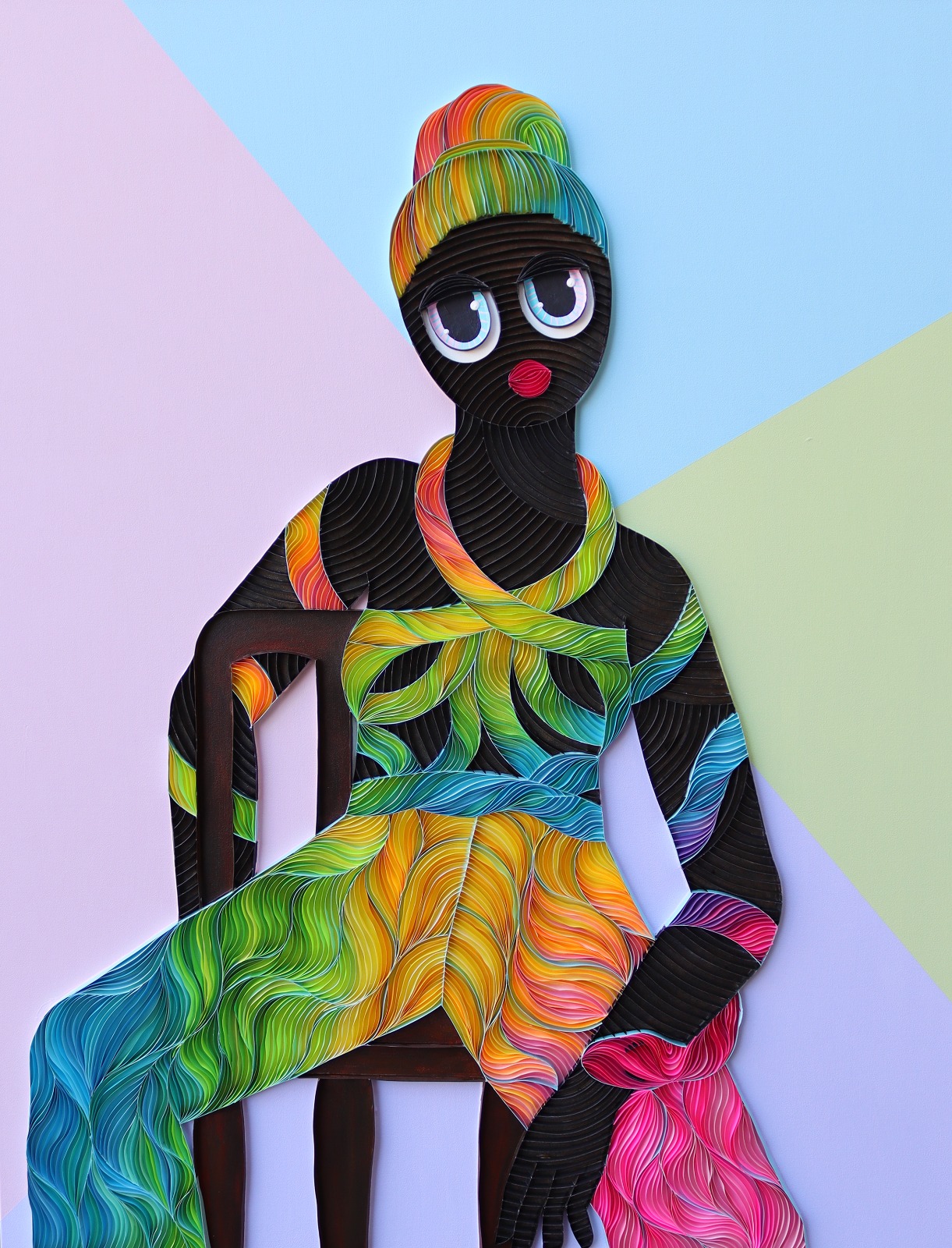
Female artists in Nigeria have historically been overlooked and underdocumented. What does it mean to you to be creating work at a time when that narrative is finally being challenged
It’s an honour. Like my peers, I’m standing on the backs of so many women who have paved the way for me. I can only hope I am doing enough to pay it forward.
You received grants from the Rele Art Foundation, the Future Awards Africa, and internationally from Alicia Keys and Swizz Beats. For upcoming artists who don’t know how to fund their work or get it seen, what do you want them to understand about how you built visibility and support for your craft?
It’s important to be excruciatingly honest with yourself about what you want for yourself as an artist and as a professional. Everything, strategy, and the decisions that drive that goal need to spring from that clarity.
For every young girl in Lagos who loves art but has been told it is not a real career, what do you want your story to say to her directly?
Difficult and impossible are two very different things. Whichever flavour you choose to battle, time will pass either way.
Beyond the exhibitions and the accolades, what do you want Ayobola Kekere-Ekun and her art to leave behind for Nigerian women, for African art, and for every girl who was told her creativity was not enough?
Even if you agree it’s not enough, do it anyway.