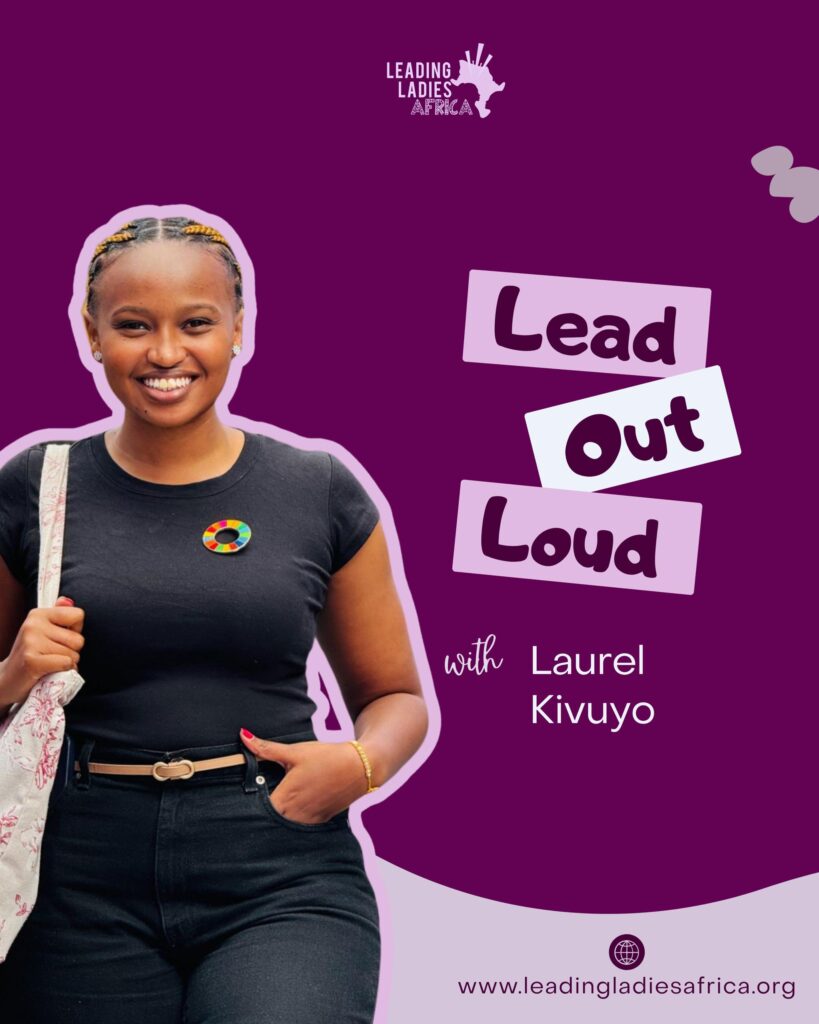
Lead Out Loud With Laurel Kivuyo, The Maasai Girl Who Took Climate Justice All The Way To The UN
There is a particular kind of courage that comes from knowing exactly where you are from and refusing to let the world forget it. Laurel Kivuyo has that courage in abundance.
Growing up in the Maasai community in Arusha, Tanzania, Laurel developed a connection to the natural world that was not just personal but also deeply communal. Her people’s way of life is tied to the land, to the environment, to everything that climate change threatens. That early understanding did not just inspire her. It lit a fire.
She founded Climate Hub Tanzania in 2021 with no neat business plan and no financial cushion, just a stubborn belief that something had to exist that didn’t yet. What started as a small youth platform has since grown into a nationwide NGO reaching over 1,000 people through school programmes, fellowships, and an AI-powered learning platform. She has taken climate education into 103 schools, created economic opportunities for rural women through eco-friendly briquette production, and built pathways for young people who were passionate and ready but had nowhere to plug in.
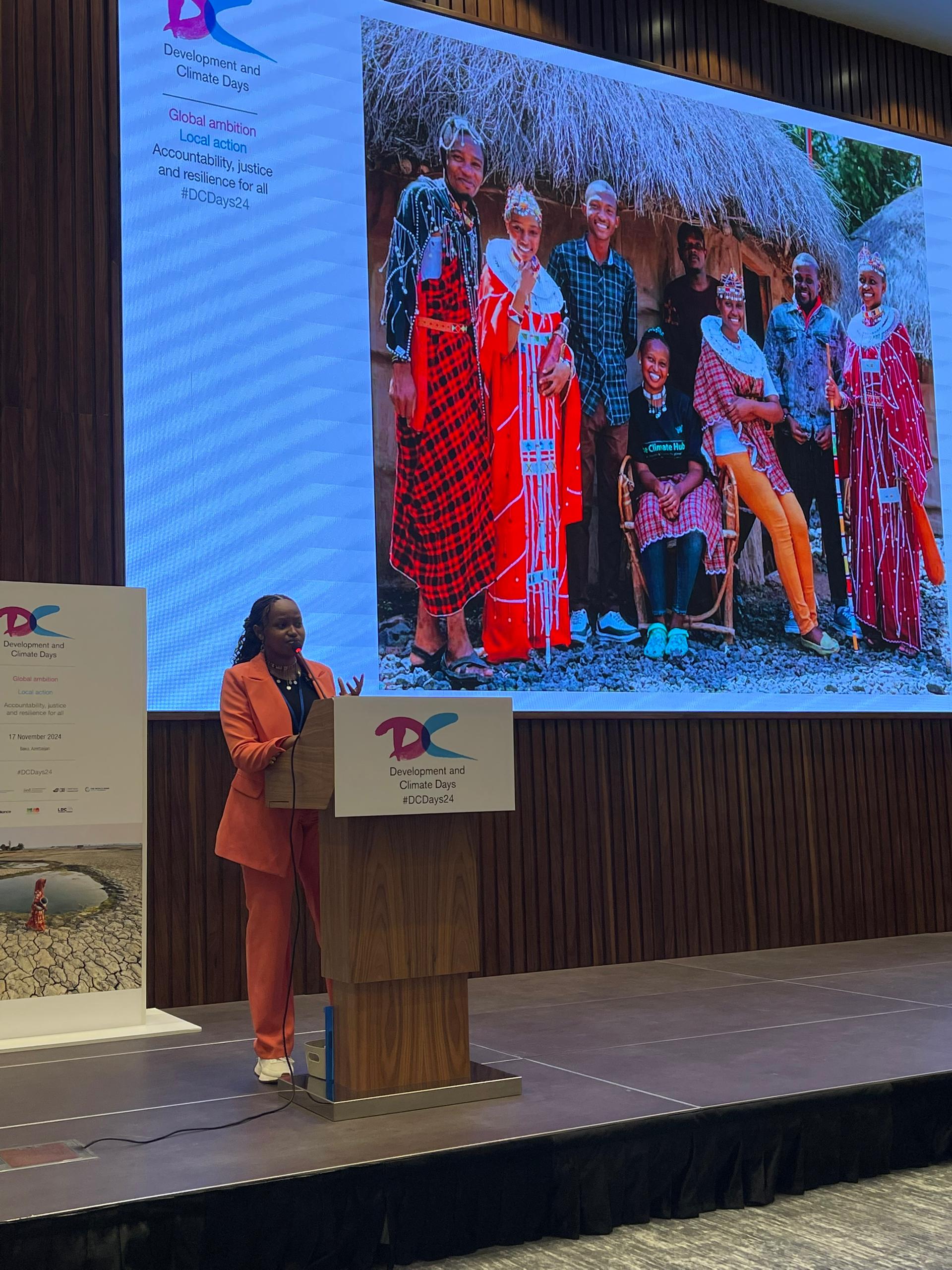
Then she took it global. As Tanzania’s National Youth Environment Ambassador, she mobilised over 10,000 young people in climate action. As SADC Climate Youth Envoy, she represented the voices of youth from 16 Southern African nations. She has negotiated on behalf of the African Group at COP and addressed world leaders at the UN General Assembly. She has been featured on BBC, CNN and DW. And she is currently a Weidenfeld-Hoffmann Trust graduate at the University of Oxford, where her research digs into carbon markets, land rights and the politics of climate finance in sub-Saharan Africa.
But ask Laurel who she is and she will tell you she is still just a Maasai girl from Arusha. A bridge between communities and policy rooms. Between local knowledge and global frameworks. Between the young people asking what they can do and the spaces where decisions actually get made.
We sat down with her to talk about Climate Hub Tanzania, what she wishes someone had done for her when she was starting out, and why she still decompresses by cooking and taking the longest nap she can get away with.
Maasai community girl, Environmental Health Scientist, UN speaker, BBC and CNN featured, who exactly is Laurel Kivuyo in her own words?
I am a Maasai girl from Arusha, Tanzania who refused to believe that the communities most affected by climate change should have no voice in the conversations about it. That refusal became a life’s work. I founded Climate Hub Tanzania, I negotiate on behalf of youth at COP, I speak at the UN, but underneath all of that I am still someone deeply rooted in where I come from, trying to make sure that where I come from is not left behind. I think of myself as a bridge. Between communities and policy rooms, between local knowledge and global frameworks, between the young people asking what they can do and the spaces where decisions actually get made.
Laurel Kivuyo
What does Laurel do when she needs to completely decompress — like fully switch off from saving the planet?
Honestly? I cook and I sleep. No agenda, no strategy just me, a recipe I feel like trying, and then the longest nap I can get away with.
What is something people assume about you because of everything you have achieved that is completely wrong?
That I must be well-off. There’s this idea that if you’ve spoken at the UN or been on BBC and CNN, you come from money or have some cushion underneath you. I don’t. A lot of what I’ve built has been from sheer stubbornness and believing something had to exist that didn’t yet. The work looks polished from the outside but the journey has been anything but comfortable.
Laurel Kivuyo
You founded Climate Hub Tanzania at what point exactly and what were you thinking, did you have a full plan or were you figuring it out as you went?
Absolutely not a full plan and anyone who tells you they did is lying. I knew there was a gap. Young people in Tanzania were passionate, curious, ready but there was no real infrastructure for them to plug into, no pathway from caring about climate to actually doing something about it. So I started building one. It was messy and uncertain and I was figuring it out as I went, but I think that’s also what made it real. CHT grew out of necessity, not a neat business plan.
You are building pathways for young women in climate spaces, what do you wish someone had done for you when you were starting out?
I wish someone had just opened a door and said you belong in this room. Not as a token, not as the young African girl there to add diversity to a panel, but as someone with something substantive to contribute. A lot of my early energy went into proving I deserved to be in spaces I absolutely deserved to be in. What I try to do for young women now is skip that part, tell them early, tell them clearly, and then back it up with actual opportunity.
Laurel Kivuyo
Fun Q&A
Favorite food? Wali Samaki Nazi (Rice and Coconut Fish)
Favorite color? Green and Brown
Your response time on whatsapp? Evenings
Your go-to outfit for a casual brunch? Solo Dress
Your go-to hobby to destress? Cook really and maybe a movie