Africa did not break the planet but Africa is fixing it anyway and the women leading that charge are doing it with everything they have. While the world debates timelines and targets in air-conditioned conference rooms, these women are in the thick of it; in the communities, the classrooms, the courtrooms, and the fields where climate change is not a policy paper but a daily, lived emergency.
They are the ones who grew up watching lakes disappear, farms fail, and families displaced by floods that had no business being there and instead of looking away, they built movements, founded organisations, engineered solutions, and walked into every room that mattered until someone listened.
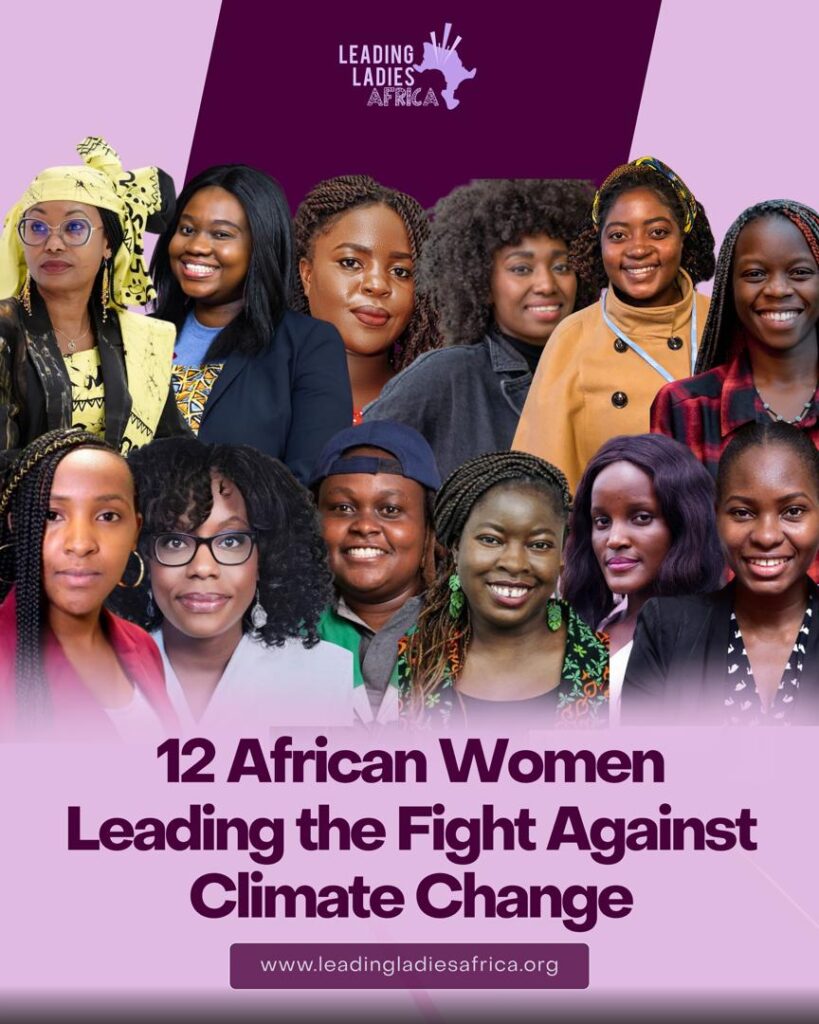
This International Mother Earth Day, we are celebrating 12 African women who looked at the climate crisis and chose action over despair, community over comfort, and the future over everything else.
Their work is not abstract. It is 50,000 young people striking for change in Uganda. It is a song heard across continents fighting for women’s right to own their land. It is indigenous knowledge finally making it onto a map. It is a $10 stove that has transformed two million lives. It is proof that the most powerful climate solutions on earth are already here, they just needed a woman willing to build them.
Meet 12 African Women Leading the Fight Against Climate Change.
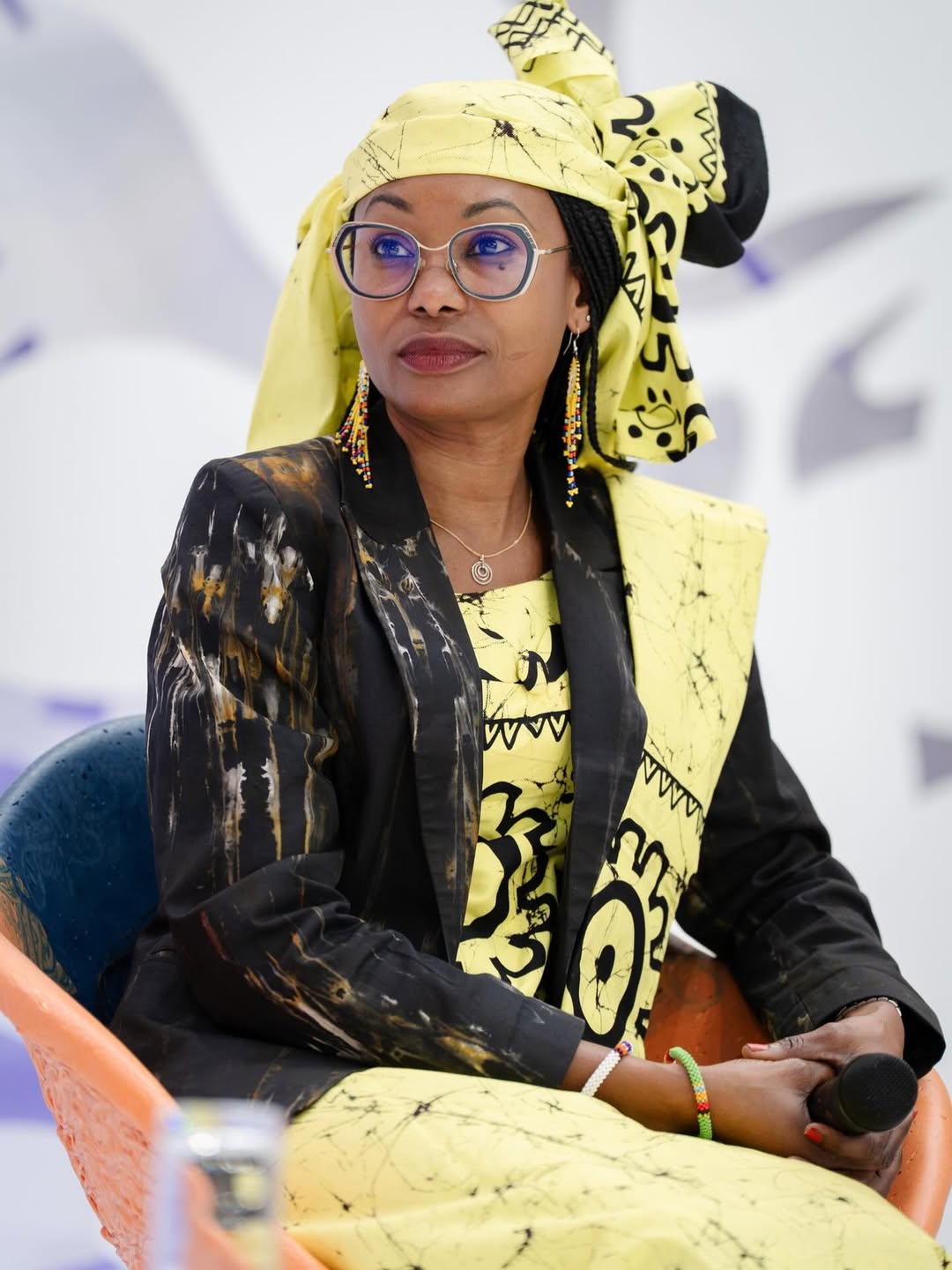
Hindou Oumarou Ibrahim — Hindou Oumarou Ibrahim is the Coordinator of the Association of Indigenous Peul Women and Peoples of Chad (AFPAT), an organisation she founded in 1999 to champion the rights of indigenous women and communities on the frontlines of climate change. Growing up between N’Djamena and the nomadic Mbororo communities of Chad, Hindou witnessed firsthand what climate change looks like when it is not abstract, when the lake your entire community depends on shrinks to 10% of its former size and your people are forced off their ancestral lands in search of survival. She responded with strategy, co-leading the Indigenous Peoples Pavilion at COP21, COP22, and COP23, collaborating with UNESCO to 3D map Chad’s Sahel region using indigenous knowledge, and in 2016, representing civil society at the historic signing of the Paris Climate Agreement.
A UN Sustainable Development Goals Advocate, National Geographic Emerging Explorer, Time Magazine climate champion, and Rolex Awards laureate, Hindou sits at the intersection of ancient wisdom and modern climate science. Her message is clear and uncompromising: you cannot solve a crisis while ignoring the people living inside it.
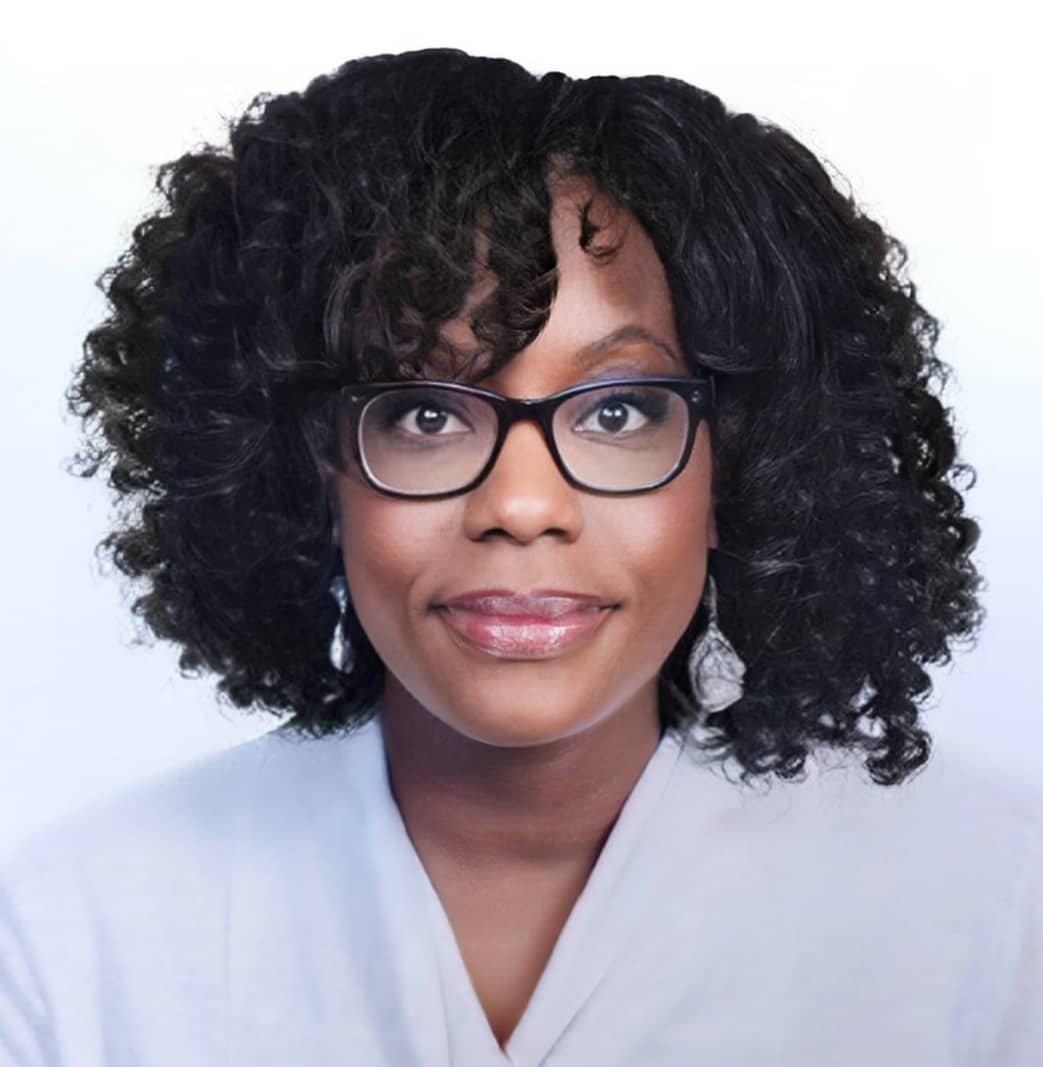
Dr. Oulie Keita — Dr. Oulie Keita is the Executive Director of Greenpeace Africa, one of the continent’s most powerful environmental organisations and she arrived carrying twenty years of experience and a mandate bold enough to match the crisis. Mali-born and internationally forged across the United Nations, the African Union, and civil society organisations spanning 32 African countries, Dr. Keita stepped into the role with a singular conviction: Africa did not cause this climate catastrophe, but Africa will lead the fight against it. Her appointment came at a moment of converging environmental emergencies, deforestation in the Congo Basin, overfishing in West Africa, fossil fuel dependence in South Africa and her strategy is rooted in African Consciousness, dismantling the extractivist, neo-colonial economic models still plundering the continent’s resources.
Before Greenpeace, she served as Executive Director of YouthConnekt Africa, connecting young people across 32 countries for socioeconomic transformation. Dr. Oulie Keita is not just running an environmental organisation, she is building a movement.
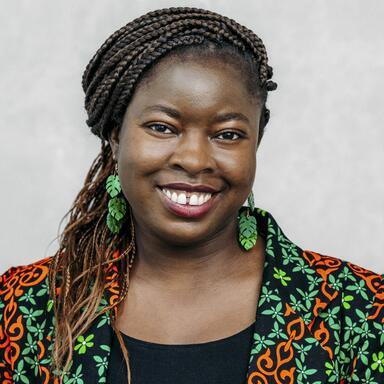
Adenike Oladosu — The founder of ILeadClimate, Adenike Oladosu, looked at a continent bleeding from a crisis it barely caused and built a pan-African movement demanding the restoration of Lake Chad and putting African youth where they belong, at the centre of every climate decision that affects them. A first-class Agricultural Economics graduate from Nigeria, Adenike initiated her country’s school strike for climate, attended COP25 as a Nigerian youth diplomat, and has since carried Africa’s climate story to the UN Climate Change Conference, the World Economic Forum, and stages across Europe.
Recognised by UNICEF Nigeria as a young changemaker, awarded the highest human rights honour by Amnesty Nigeria, named an International Climate Protection Fellow at the Alexander von Humboldt Foundation, and included on BBC’s 100 Women list in 2024, Adenike Oladosu is the voice a generation of African climate activists didn’t know they were waiting for.
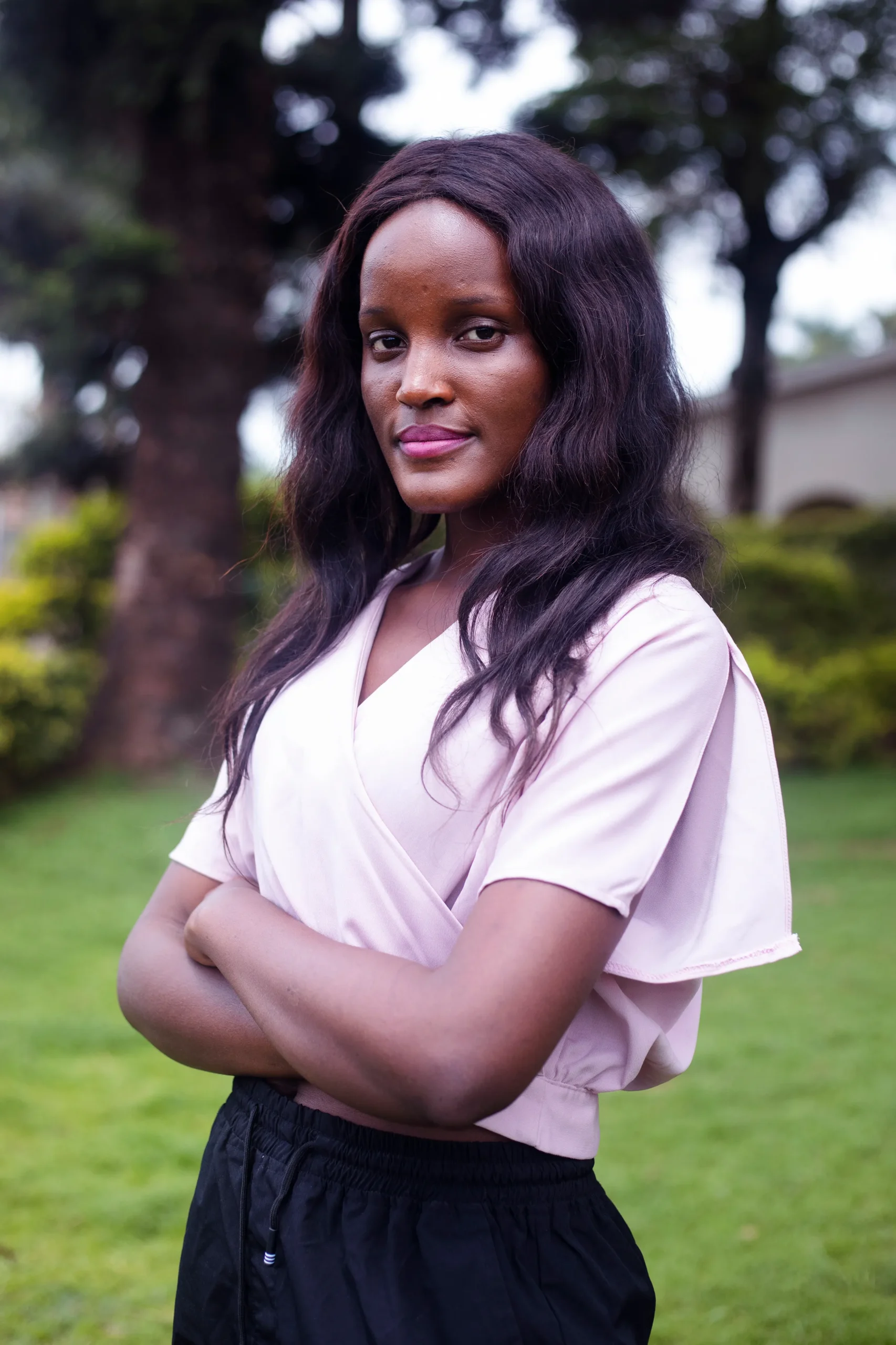
Vanessa Nakate — The founder of both the Rise Up Movement and Youth for Future Africa, Vanessa Nakate began her climate journey alone, a solitary striker outside Uganda’s Parliament in January 2019, inspired by Greta Thunberg but driven by something far closer to home. She watched floods destroy farms, droughts starve communities, and a continent bear the heaviest consequences of a crisis it did the least to create, then, she decided that silence was not an option. What started as a one-woman protest grew into a continental movement, taking her to COP25, the World Economic Forum in Davos, the Desmond Tutu International Peace Lecture, and the cover of TIME magazine. She also launched the Green Schools Project, transitioning thirty Ugandan schools to solar energy and eco-friendly stoves. When the Associated Press cropped her out of a photo featuring white climate activists at Davos in 2020, she didn’t just call it out, she turned it into a global conversation about whose voices matter in the climate crisis.
A UNICEF Goodwill Ambassador, UN SDG13 Young Leader, BBC 100 Women honoree, and Bill & Melinda Gates Foundation Goalkeepers Award winner, Vanessa Nakate made sure Africa would never be cropped out again.
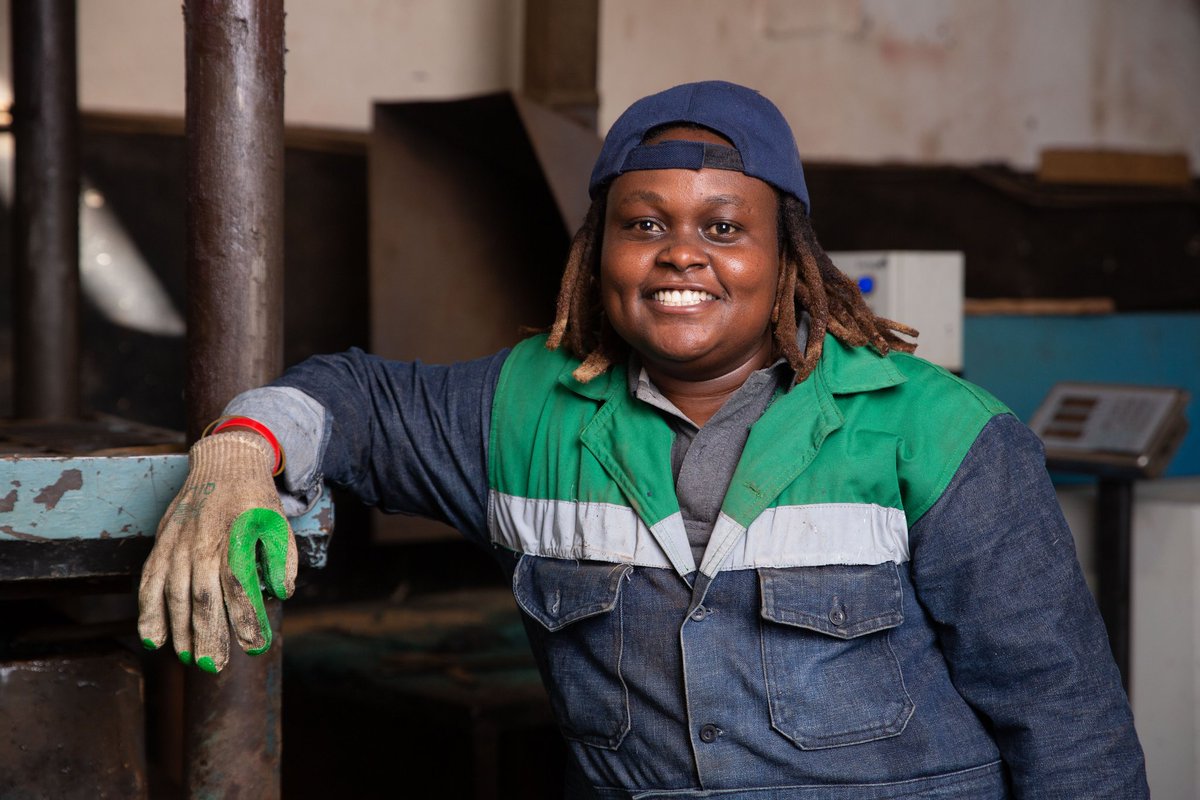
Nzambi Matee — Gjenge Makers, Nzambi Matee’s Nairobi-based startup, does something that sounds impossible until you hold one in your hands: it takes the plastic waste choking Kenya’s streets and turns it into bricks stronger than concrete. A mechanical engineer by training, Nzambi quit her job as a data analyst in 2017, retreated to a lab in her mother’s backyard, and spent a year obsessing over the perfect ratio of sand to plastic, pausing her social life, enduring neighbour complaints, and testing her materials at the University of Colorado Boulder until everything was exactly right. By 2018 she had her first brick. By 2019 she had designed and built her own machine to manufacture them at scale. Her factory has since recycled around 20 tonnes of plastic waste and counting.
In 2020, the United Nations Environment Programme named her Young Champion of the Earth for Africa, recognising not just an inventor, but a woman who looked at Nairobi’s plastic-strewn streets and decided to pave a completely different future.
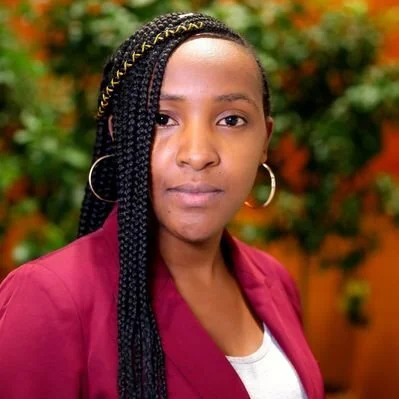
Elizabeth Wathuti — Green Generation Initiative founder Elizabeth Wathuti didn’t wait for a climate summit, a viral moment, or anyone’s permission, she started where she was, with what she had, in the forests of Nyeri County, and built a movement that has since planted over 30,000 trees across Kenya. By high school she had founded an environmental club. By university she was leading Kenyatta University’s Environmental Club, organising tree planting drives, clean-ups, and climate education campaigns across the country. In 2016, she channelled all of it into the Green Generation Initiative, an organisation nurturing young Kenyans to love nature, build climate resilience, and plant trees one seedling at a time. A proud Wangari Maathai Scholarship recipient and member of the Green Belt Movement, Elizabeth has attended multiple UN Conferences of the Parties and spoken openly about the barriers, including impenetrable climate jargon, that shut young people out of the rooms where decisions are made.
Named Africa Green Person of the Year in 2019, recognised by the Duke and Duchess of Sussex on International Youth Day, and honoured with the Diana International Award, Elizabeth Wathuti proves that the most powerful climate action sometimes begins long before the world is watching.
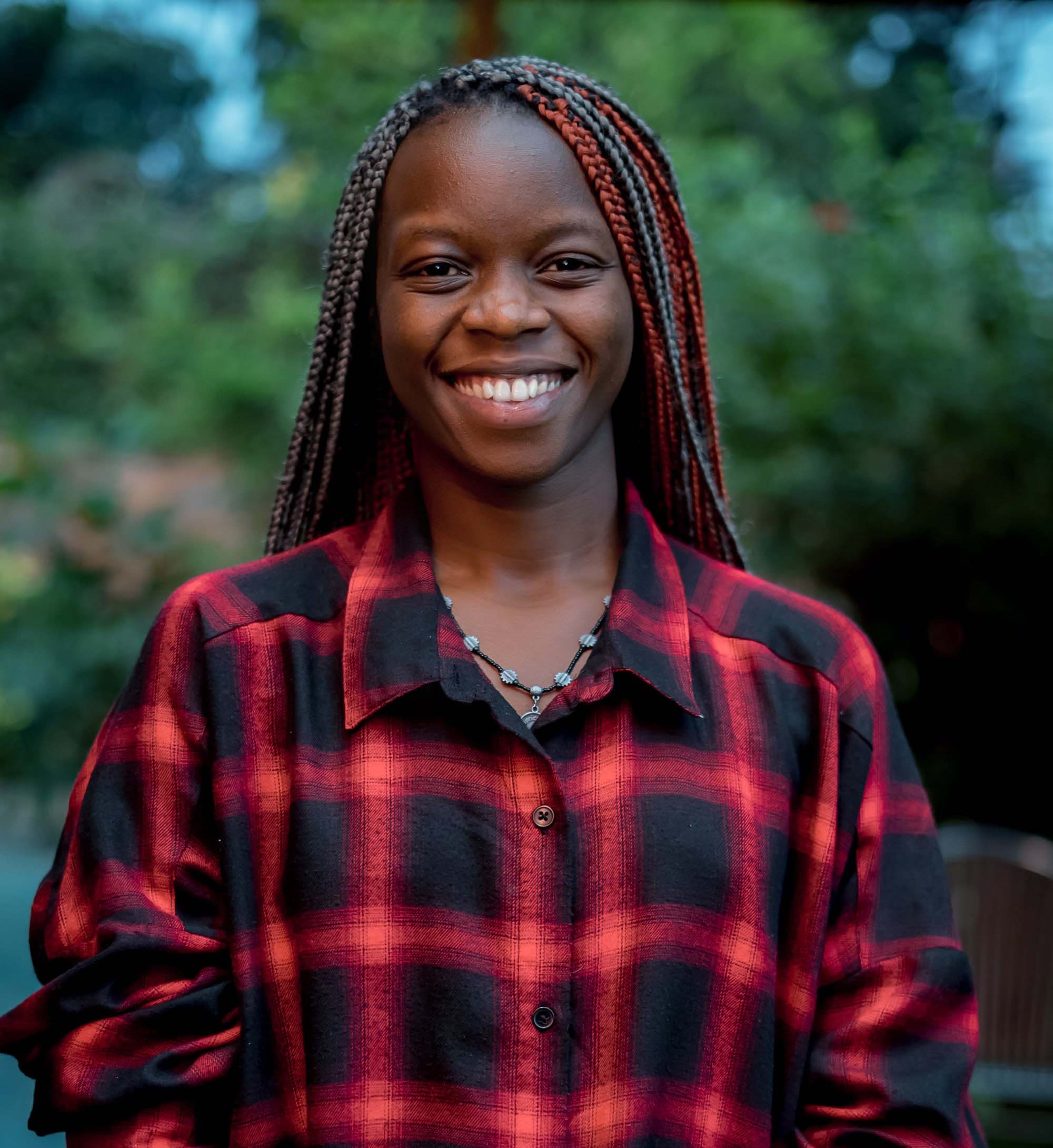
Ineza Umuhoza Grace — The CEO of The Green Protector and co-coordinator of the Loss and Damage Youth Coalition, Ineza Umuhoza Grace has spent her entire career turning personal pain into policy change and she has the results to prove it. Her story begins at age five, when a flood swallowed her family’s home in Kigali, Rwanda, planting a seed of climate consciousness that would eventually grow into one of the most impactful youth-led climate coalitions on the planet. In 2017, she founded The Green Protector, an organisation that now engages 25 schools and universities and has worked with over 3,500 young people on climate action and environmental education. In 2020, she co-founded the Loss and Damage Youth Coalition, an alliance of over 600 young people from 60 countries and by COP27, their campaign had succeeded in convincing world leaders to establish a fund to compensate the most vulnerable nations for climate-related losses.
A National Geographic Young Explorer, Global Citizen Prize winner in 2023, and one of 100 Top African Conservation Leaders, Grace also negotiated for Rwanda at the UNFCCC, all before the age of 30. In a movement that often talks about the future, Ineza Umuhoza Grace is already living it.
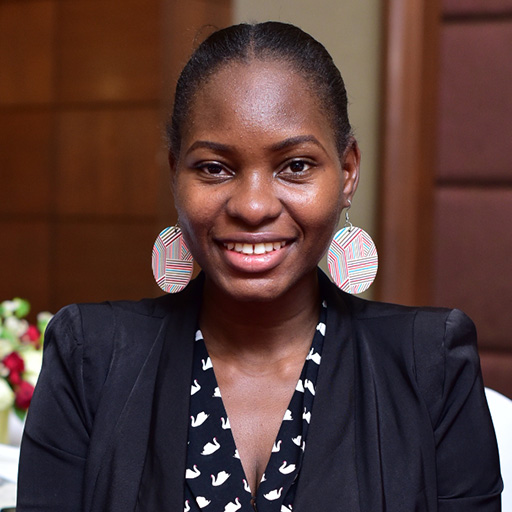
Hilda Flavia Nakabuye — Hilda Flavia Nakabuye walked into a climate dialogue she wasn’t invited to and refused to be quiet, that birthed Uganda’s Fridays for Future movement (now East Africa’s largest youth climate movement) with over 50,000 members across six countries. It was 2017, and what she heard at that meeting in Kampala changed everything. She finally understood that climate change was the force that had been silently destroying her grandmother’s farm for years. She began as a volunteer, but quickly realised that volunteering wasn’t enough, the world needed a movement, so she built one. She led school strikes in Kampala and gave a plenary speech at COP25 in Madrid alongside Greta Thunberg, from the C40 Mayors Summit in Copenhagen to panels at the University of Colorado Boulder, Hilda has carried Uganda’s climate story to every room that matters.
She has also been fiercely vocal about race and diversity in the climate movement, calling out environmental racism when Vanessa Nakate was cropped from a Davos photo and declaring that “the debate on climate change is not for whites only.” Hilda Flavia Nakabuye didn’t just join the climate movement, she expanded who it belongs to.
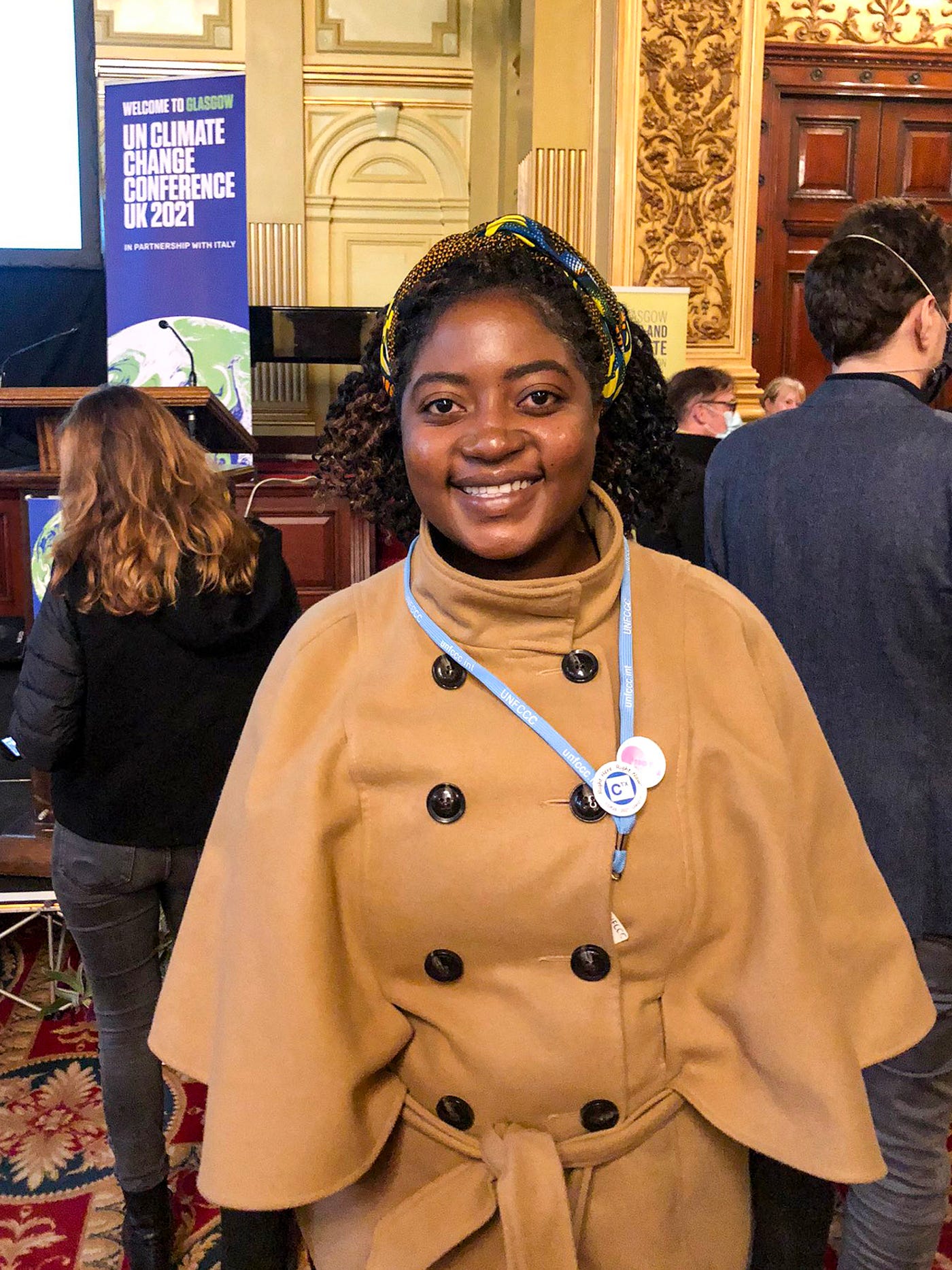
Elizabeth Gulugulu — As the former Global Focal Point for the Children and Youth Constituency of the UNFCCC, known as YOUNGO, Elizabeth Gulugulu sat at one of the most influential intersections in global climate governance and made sure young African voices were heard loud and clear. Armed with a Master’s degree in Biodiversity Conservation and over six years of experience in environmental and youth initiatives, Elizabeth has not just participated in the climate conversation, she has helped write it. She has contributed to several landmark publications including the Youth Stock Take of UNFCCC Processes, the African Youth Needs Report on Climate Action, and the Youth Needs Analysis for Capacity Building towards UNFCCC Programmes, documents that shape how the world understands and responds to young people’s role in climate action. She has also consulted for the UN’s Food and Agriculture Organisation and the United Nations Development Programme as a young author and climate change specialist.
In a world that often asks young Africans to wait their turn, Elizabeth Gulugulu is already at the table and she brought a pen.
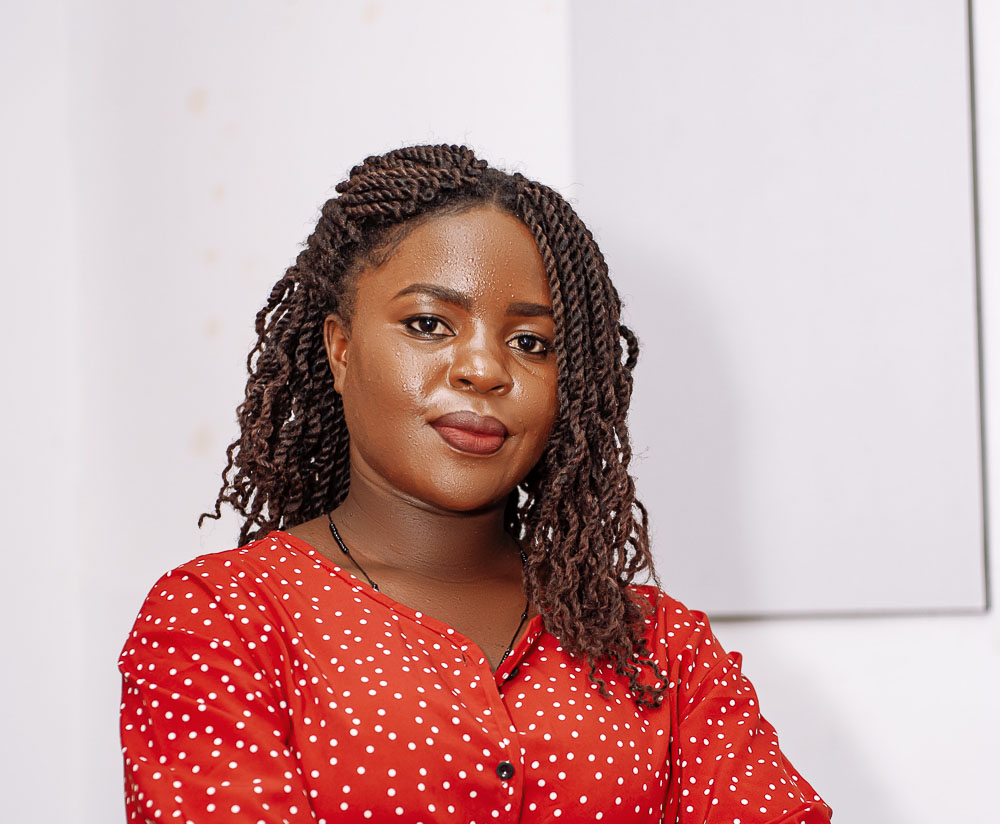
Liberatha Kawamala — Libe Green Innovation, the social enterprise Liberatha Kawamala built from the ground up in Tanzania, is doing what governments have struggled to do, tackling the country’s plastic waste crisis head on through recycling, upcycling, and sheer entrepreneurial will. Driven by a conviction that the planet deserves better than to be buried in plastic, Liberatha has carved out a reputation as one of East Africa’s most tenacious eco-warriors, earning the title of East Africa Earth Champion and recognition from the Tony Elumelu Foundation, the United Nations Development Programme, and the World Business Angel Investment Forum, where she serves as a country partner.
Named among the Top 100 Young Conservation Leaders in Africa and one of the Top 10 Most Influential Women in Tanzania’s Development, she is also a Global Goals Champion advancing the UN’s Sustainable Development Goals on decent work and industry innovation. In a country where plastic waste remains a pressing environmental emergency, Liberatha Kawamala is not waiting for solutions to arrive, she is manufacturing them.

Marina Agortimevor — As the Coordinator of the Africa Just Transition Network, Marina Agortimevor sits at the nerve centre of one of the most critical conversations happening on the continent right now, who gets to benefit from Africa’s shift away from fossil fuels, and who gets left behind. A certified Professional Electrical and Electronics Engineer with a Master’s in Business Administration, Marina brings rare depth to the climate space, crossing solar energy, power transmission and distribution, electrical manufacturing, and international development with the kind of fluency that only comes from years of doing the work across both government and private sectors.
She also volunteers as Lead for the Ghana Chapter of the Council on Women in Energy and Environmental Leadership, because she understands that an energy transition without women at the helm is no transition at all. In a field dominated by technical jargon and male voices, Marina Agortimevor is making sure that justice, not just technology, is at the heart of Africa’s clean energy future.
Inna Modja — Long before most artists were writing songs about the planet, Malian-French singer and UN Goodwill Ambassador Inna Modja was already using her voice as a weapon against every system designed to silence women and strip them of their power. Born in Bamako, Mali into a Fula family and raised on Ray Charles, Ella Fitzgerald, and the swinging rhythms of the Rail Band of Bamako, Inna built a music career that took her from the streets of Mali to the top of the French charts. But it is her work off the stage that sets her apart. As a Goodwill Ambassador for the United Nations Convention to Combat Desertification, she has channelled her platform into land rights, climate justice, and the fight against desertification, releasing the song “Her Land” in 2024 to amplify the campaign for women’s land ownership globally.
She is also the co-founder of Code Green, an NGO at the intersection of social and climate justice. For Inna Modja, the microphone has always been a tool for transformation and the planet is her most important audience yet