Across Africa and beyond, a revolution is unfolding, not with weapons, but with voices. In courtrooms and conference halls, on social media platforms and street marches, through code and community organizing, women are dismantling the structures that have long enabled gender-based violence to thrive in shadows.
These are stories of architects building new realities: a senator turning her experience with digital attacks into national advocacy, a survivor transforming eight bullet wounds into a movement that educates thousands, a doctor converting a consulting room into a frontline of justice that now spans continents.
From Ethiopia to Botswana, from Tunisia to Nigeria, women are refusing to accept violence as inevitable, whether it manifests in physical assault, child marriage, or the increasingly pervasive threat of online harassment and digital abuse.
The sixteen women profiled here represent different battles in the same war. Some focus on changing laws, others on changing minds. Some build digital safe spaces, others march through physical streets. But together, they form an undeniable truth: the fight against gender-based violence is being led by those who understand its cost most deeply and envision its absence most clearly.
This is their work. These are their stories. And this is how change actually happens.
1. Malkia John
Malkia John is a Kenyan engineer and feminist tech advocate who founded Sauti Salama, a digital platform that provides safe, anonymous support to survivors of gender-based violence. Motivated by her own experience surviving GBV, she uses her background in engineering, data science, and AI to design tools that connect women and girls to legal aid, mental-health support, and emergency assistance. Her work has earned her recognition as an ITU “Gender Champion,” highlighting her role in shaping inclusive and safe digital spaces for women.
Her impact in curbing digital gender-based violence is rooted in technology, community support, and policy advocacy. Through Sauti Salama, she has helped hundreds of survivors access critical services, while also training over 500 women and girls in digital safety, cybersecurity, and online privacy. She uses machine-learning models to map GBV hotspots, enabling proactive responses from communities and policymakers. Beyond innovation, Malkia amplifies the global conversation on online abuse, pushing for gender-responsive tech and ethical digital governance that protects women in an increasingly digital world.
2. Njeri wa Migwi
Njeri wa Migwi is a Kenyan human-rights defender, GBV activist, and survivor whose personal experience with long-term domestic abuse inspired her to become a powerful voice for vulnerable women and girls. She co-founded Usikimye in 2019, a grassroots organisation that provides safe houses, emergency rescues, legal and medical support, counselling, and long-term rehabilitation for survivors of sexual and gender-based violence. Through her leadership, Usikimye has become one of Kenya’s most active survivor-support networks, filling critical gaps left by state institutions and offering a lifeline to women and children escaping abuse.
Beyond physical violence, Njeri plays a key role in confronting technology-facilitated gender-based violence. Using her strong online presence, she raises awareness, helps survivors seek discreet digital support, and openly speaks about the online harassment and threats she herself faces as an activist. By pushing for national recognition of issues like femicide and digital abuse, organising public campaigns, and challenging societal silence, she amplifies survivor voices and drives conversations that influence policy and shift cultural norms. Through both digital advocacy and on-the-ground rescue work, Njeri wa Migwi stands at the frontline of the fight against violence targeting women in Kenya.
3. Sandra Kwikiriza
Sandra Kwikiriza is a Ugandan feminist and digital rights activist, best known as the founder and Executive Director of HER Internet, a feminist organization that protects female sex workers. Her work focuses on digital security, privacy, online safety, and creating inclusive digital spaces for structurally silenced women. Through her background in human rights advocacy, media training, and feminist organizing, she has dedicated her career to ensuring that marginalized women can navigate online spaces freely, safely, and without fear of discrimination or violence.
Her impact in curbing digital gender-based violence is both practical and structural. Under her leadership, HER Internet offers digital security training, psychosocial support, and safe-space convenings that equip vulnerable women with the tools they need to protect themselves online. She has also led research efforts documenting technology-assisted violence against female sex workers, research that has shaped national and regional conversations around digital rights. Through advocacy campaigns, community organizing, and policy engagement, Sandra has raised awareness on online violence, challenged harmful norms, and pushed for more inclusive approaches to digital rights, making her a leading voice in the fight against digital gender-based violence in East Africa.
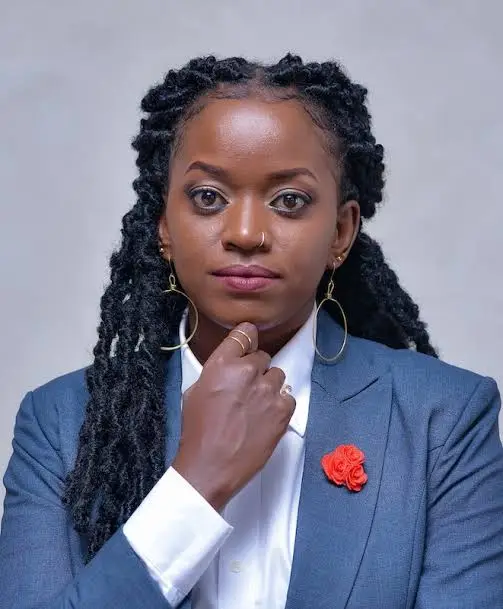
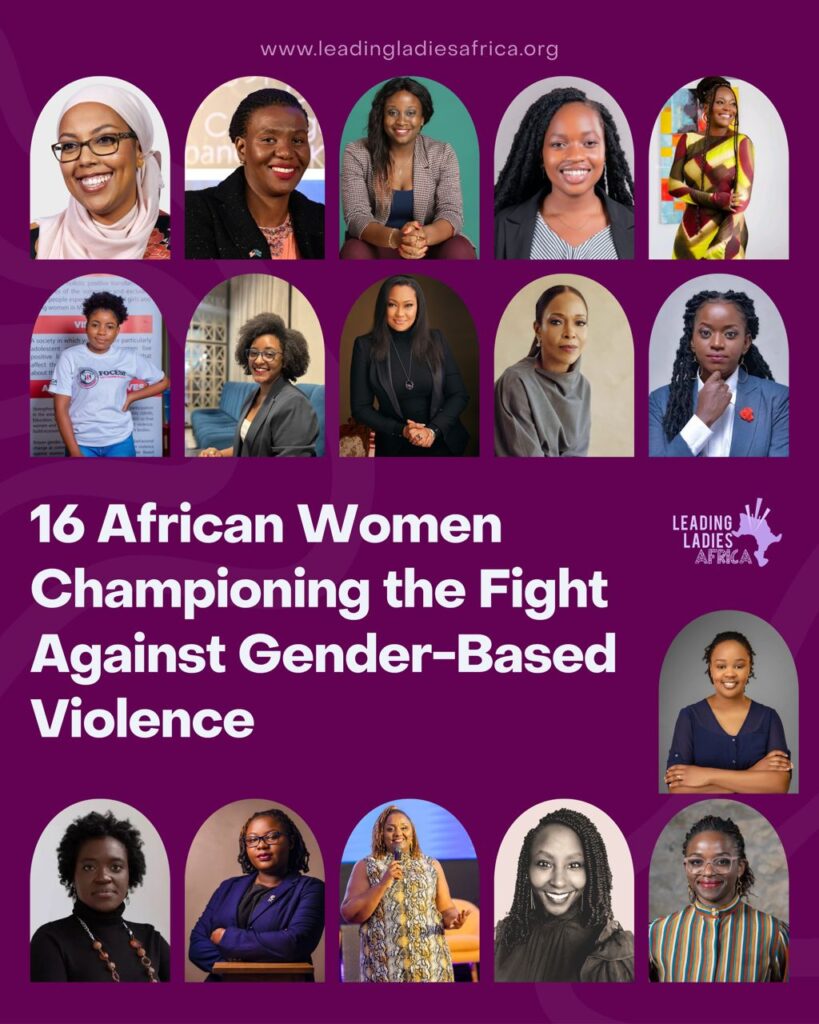
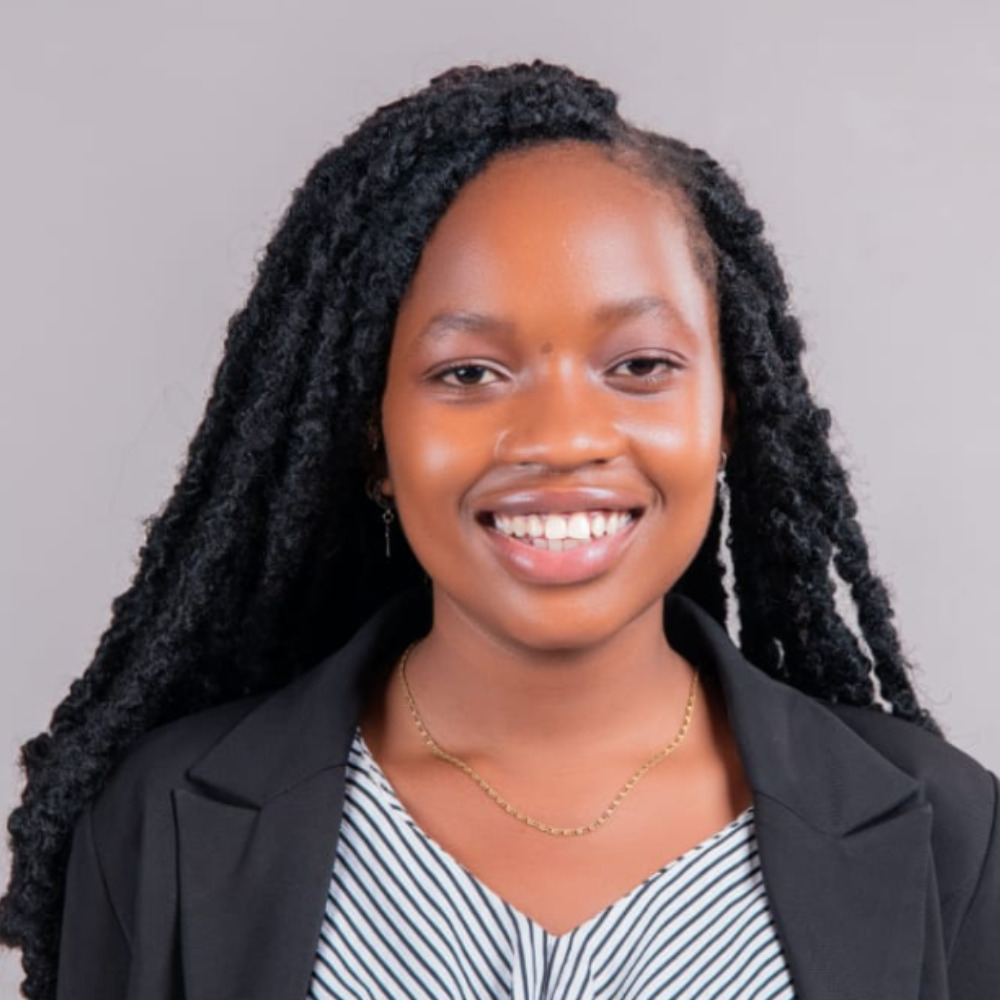
4. Natasha Akpoti Uduaghan
Natasha Akpoti‑Uduaghan is a Nigerian lawyer and politician, currently serving as the Senator representing Kogi Central, and notably the first elected female senator from Kogi State. Before entering politics, she founded the Builders Hub Impact Investment Program (BHIIP), focusing on social entrepreneurship and community development. Her career has been defined by advocacy for women’s empowerment, social justice, and public service, positioning her as a prominent voice in Nigeria’s political and civic landscape.
Beyond her political role, Natasha has become a high-profile example of the dangers of digital gender-based violence against women. She has publicly shared experiences of online harassment, defamation, and cyber threats, including impersonation and coordinated smear campaigns. Highlighting how women in leadership are targeted in digital spaces. By speaking out, petitioning authorities, and advocating for systemic reforms, she has drawn attention to the urgent need for safer online environments, platform accountability, and stronger protections for women, making her a critical figure in the fight against technology-facilitated gender-based violence in Nigeria.
5. Peninah Kimiri
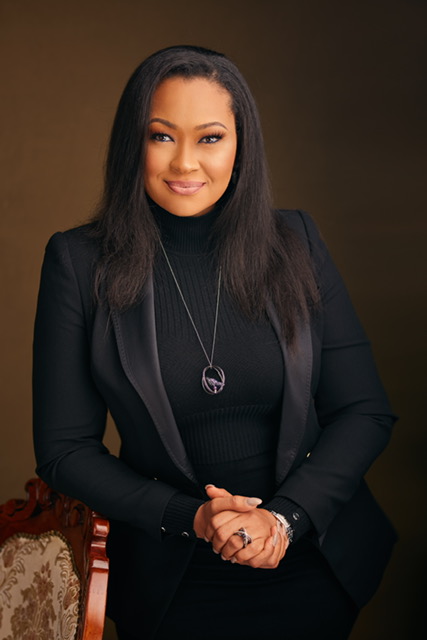
Peninah Kimiri is the co-founder of Genderjobs.org a global expert in Gender-Based Violence prevention, leading transformative programs across Africa, Southeast Asia, Eastern Europe, and the Middle East. Her work sits at the intersection of technology, power, and protection, advancing strategies to prevent and respond to technology-facilitated GBV in both humanitarian and development settings.
With over a decade of experience, Peninah has advised international organizations on survivor-centered systems, overseen fundraising efforts exceeding USD 10 million, and championed innovation in GBV prevention and response. Her commitment is rooted in ethics, evidence, and the voices of those most affected, ensuring that every intervention uplifts survivors while creating sustainable, long-term impact.

6. Selam Mussie
Selam Mussie Tadesse is an Ethiopian media and communications consultant, gender-media specialist, and activist with over a decade of experience working at the intersection of media, gender, conflict, and social change. She has led and advised on initiatives focusing on gender-based violence, women’s rights, and child protection, leveraging media and digital platforms to educate, raise awareness, and drive social transformation. Selam is the founder of Kelela Guides, a digital platform designed to provide accessible information and guidance to parents, teachers, and caretakers on preventing and responding to child sexual abuse and broader gender-based violence. Through her work, she emphasizes creating safe digital spaces and amplifying marginalized voices, particularly those of women and children.
Her impact in curbing digital gender-based violence lies in combining education, advocacy, and media reform to address both immediate risks and structural causes of abuse. By training media practitioners on gender-sensitive reporting and fostering community awareness, she helps reshape public discourse and societal norms that perpetuate violence. Kelela Guides empowers caregivers and communities with tools to prevent abuse and support victims, while her broader advocacy builds resilience against online harassment and digital attacks targeting women. Selam’s work exemplifies how media, education, and digital tools can be strategically used to combat gender-based violence in Africa and beyond.
7. Dr.Kemi Dasilva Ibru
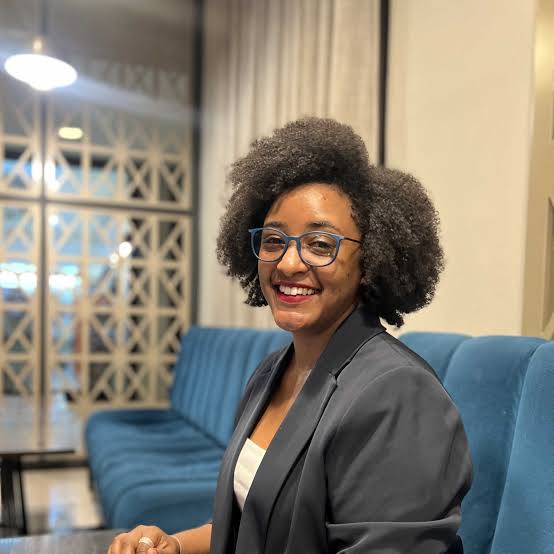
Dr. Kemi DaSilva-Ibru is a doctor who turned her consulting room into a frontline of justice. As the Founder of the Women at Risk International Foundation (WARIF), she has built one of Nigeria’s most powerful movements fighting sexual violence, rape, and human trafficking. Where many see silence, she hears survivors. Where systems fail, she builds safer ones, equipping girls with knowledge, rescuing women from harm, and pushing hard conversations into public spaces.
Seven years ago, Dr. DaSilva-Ibru launched the first WARIF No Tolerance March in Lagos to coincide with the UN 16 Days of Activism. What started as a local statement quickly became a global movement, growing to 18 cities across Africa, Europe, North America, and even Australia and Bangkok. Through marches, awareness campaigns, school programs, policy advocacy, and survivor-centered care, she has transformed gender-based violence from a private shame to a worldwide call for action, showing that one bold step can ignite a movement that spans continents
8. Nanjala Nyabola
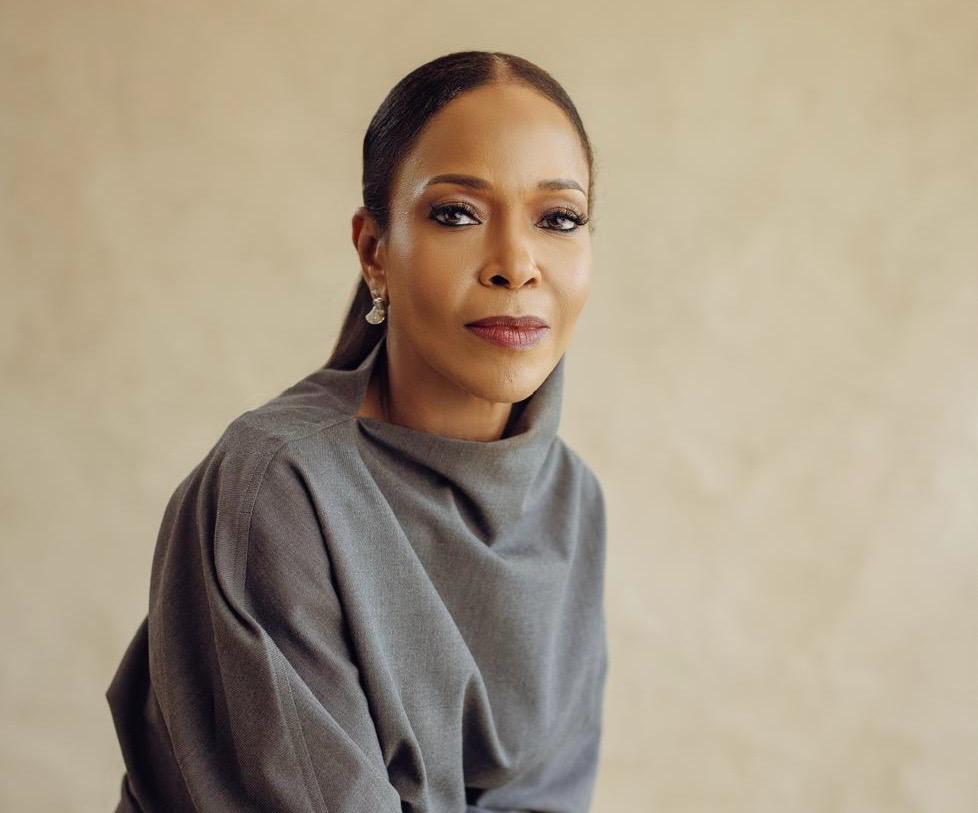
Nanjala Nyabola is a Kenyan writer, political analyst, and digital rights advocate whose work sits at the intersection of technology, feminism, and social justice. Through books like Digital Democracy, Analogue Politics, and her feminist scholarship, she exposes how digital spaces often reproduce offline inequalities, making women more vulnerable to harassment, exclusion, and digital violence.
Her impact lies in reframing digital GBV as a structural issue, not just a social-media problem. She shows how technology amplifies patriarchal power, highlights the disparate impact on women, and advocates for African feminist approaches that are context-driven, intersectional, and justice-focused. Nyabola’s analysis has influenced activists, scholars, and policymakers to view digital rights and gender rights as inseparable, and to build solutions that empower women, protect their voices online, and strengthen feminist organising in digital spaces.
9. Nebila Abdulmelik
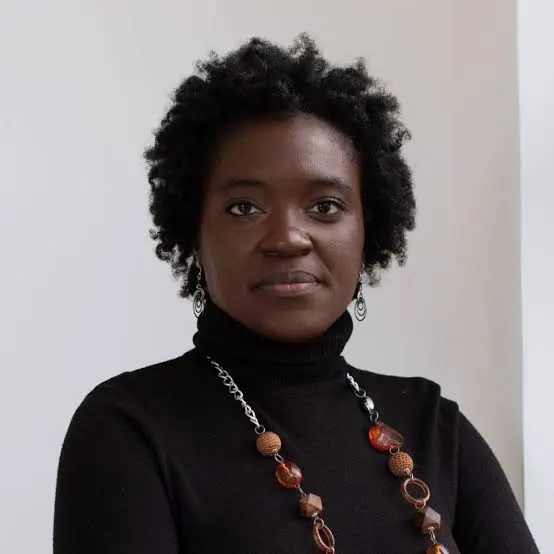
Nebila Abdulmelik is an Ethiopian feminist activist whose advocacy has shaken systems and amplified the voices of survivors. She rose to prominence with the #JusticeforLiz campaign, which demanded justice for a 16-year-old Kenyan girl who was raped in 2013, gathering over 2 million signatures and sparking conversations across Africa about sexual violence and accountability.
Born in Addis Ababa as the youngest of three sisters, Nebila’s early experiences with discrimination shaped her commitment to women’s rights. She has worked with FEMNET, the African Union, and other human rights organizations across more than 40 countries, championing policies and campaigns that protect women and girls from gender-based violence and ensure their stories are heard.
10. Julie Owono
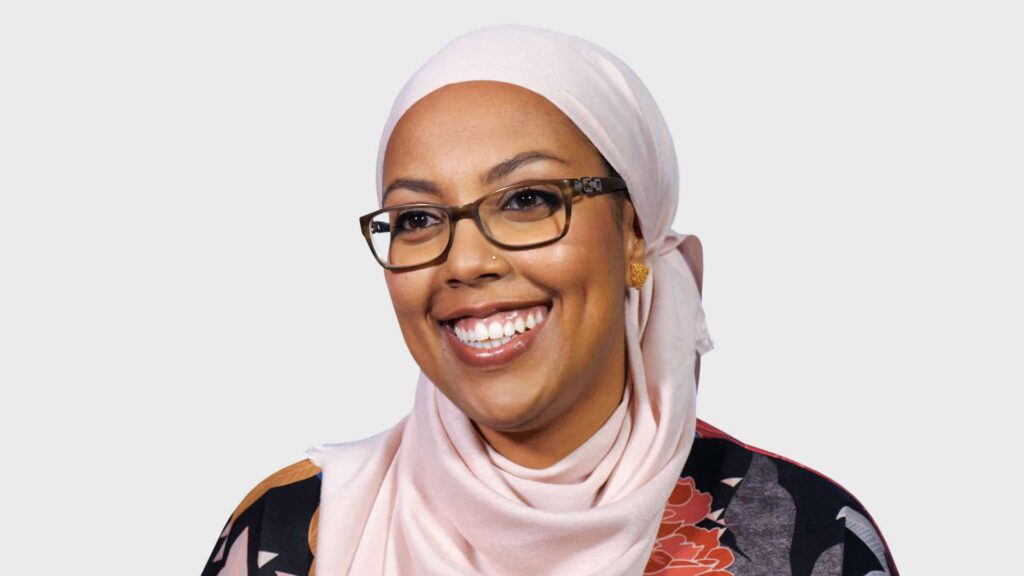
Julie Owono is a Cameroonian-French lawyer, digital-rights advocate, and Executive Director of Internet Without Borders. She is also an inaugural member of the Meta Oversight Board, where she helps shape global standards for online content moderation. With affiliations at Harvard and Stanford, Owono works at the intersection of human rights, technology, and governance, focusing on how digital spaces can remain open, safe, and inclusive , especially for marginalized groups. Her work positions her as a leading voice in worldwide debates on digital freedom, access, and responsible tech governance.
Through Internet Without Borders and the Oversight Board, she pushes platforms to adopt transparent, accountable moderation systems that address harassment, sexist hate speech, doxxing, and other forms of online abuse targeted at women. Owono also highlights how digital-violence silences women’s voices, especially in African contexts, and uses research, policy engagement, and multi-stakeholder governance to promote safer online environments where women can participate fully without fear of retaliation or harm.
11. Lilian Olivia Orero
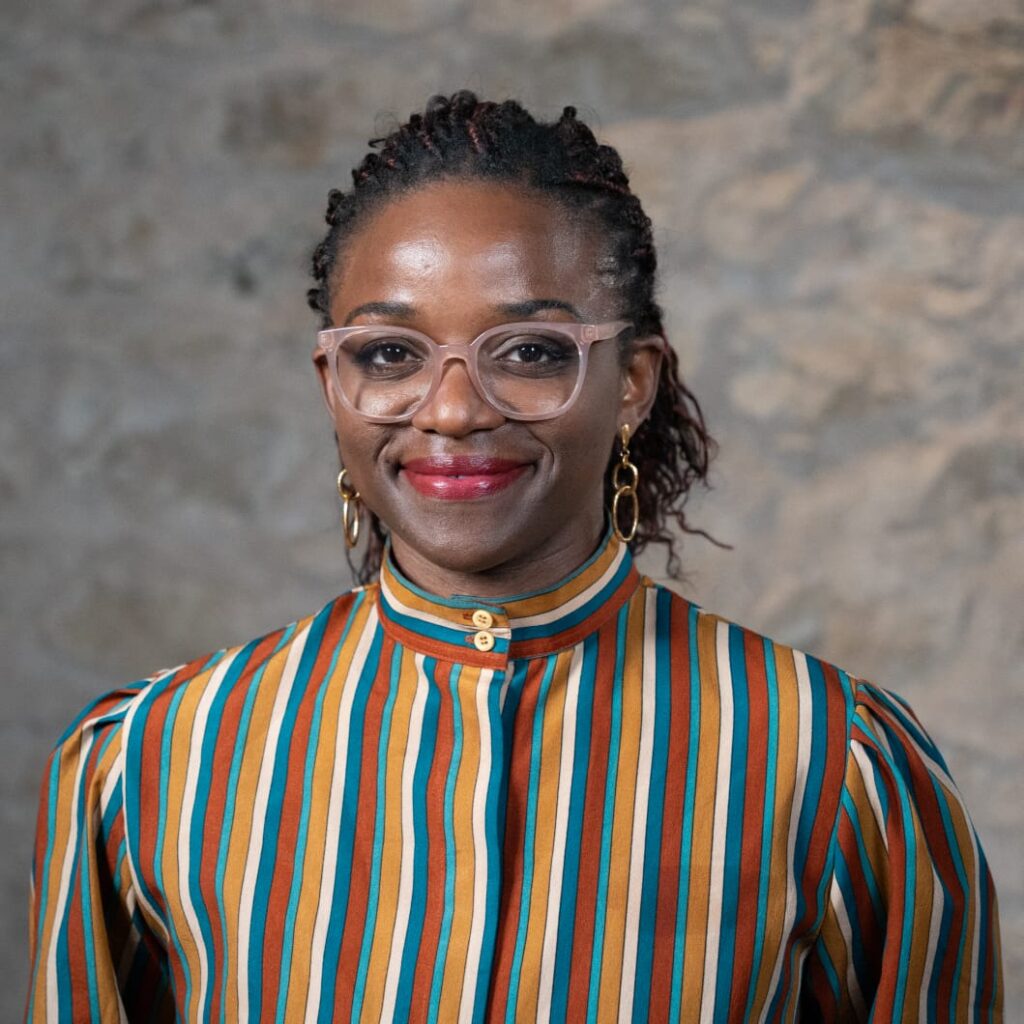
Lilian Olivia Orero is a Kenyan lawyer and digital rights advocate, specializing in the intersection of gender, technology, and law. She is the founder of SafeOnline Women Kenya (SOW‑Kenya), a civil society initiative dedicated to protecting women and girls from digital gender-based violence. With experience in research, policy advocacy, and data governance, she has been recognized as a Mandela Washington Fellow and a Datasphere Initiative Fellow, among other honors. Her work focuses on addressing emerging online risks, including harassment, doxing, deepfakes, and AI bias, ensuring that women can safely navigate digital spaces.
Through her leadership at SOW‑Kenya, Orero empowers women by providing digital literacy training, creating safe reporting platforms like SafeHer, and advocating for policy reforms to better protect women online. She emphasizes evidence-based advocacy, using data to influence inclusive digital policies and regulations. Her work has brought visibility to the often-overlooked issue of digital gender-based violence, shaping safer and more equitable digital environments in Africa and inspiring systemic change that centers women’s rights and online safety.
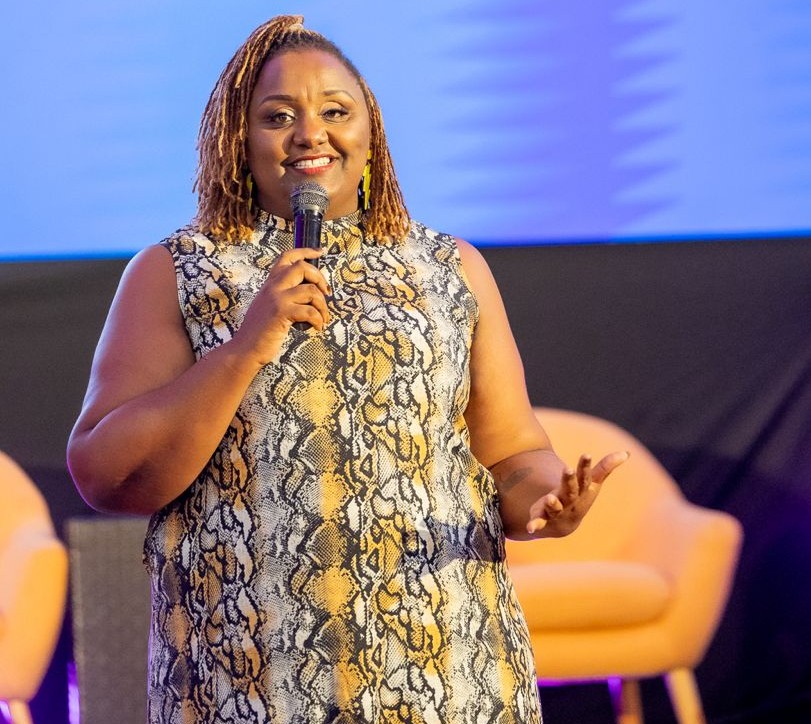
12. Chioma Agwuebo
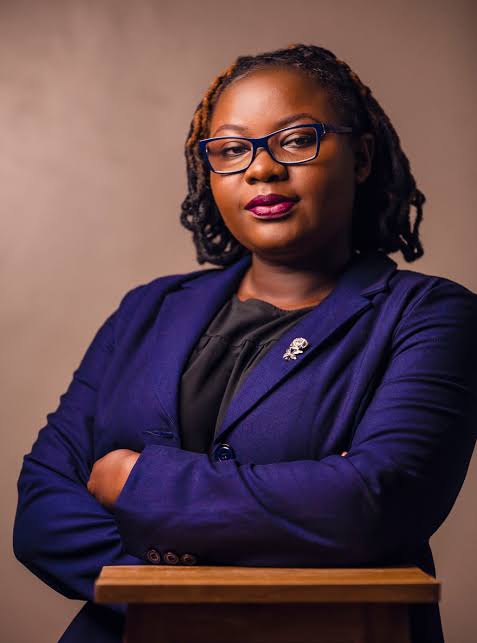
Chioma Agwuegbo is on a mission to make technology a tool for empowerment. As Executive Director of TechHerNG, she is breaking barriers for women in tech, politics, and society, showing that innovation without impact is meaningless. From mentoring first-time women politicians to co-creating digital solutions for gender-based violence, Chioma turns technology into action, not just theory.
At the heart of her work is KuramNG, ‘Kuram’ means “Keep Me Safe” in Tiv. This initiative, supported by Hivos through the Digital Defenders Partnerships, provides women and minority groups with resources to understand, report, and seek justice for online gender-based violence. By combining research, community engagement, and digital literacy, Chioma is creating a safe space where women can learn, collaborate, and pass on digital empowerment to the next generation, securing a future where technology protects as much as it empowers.
13. Sigi Waigumo Mwanzia
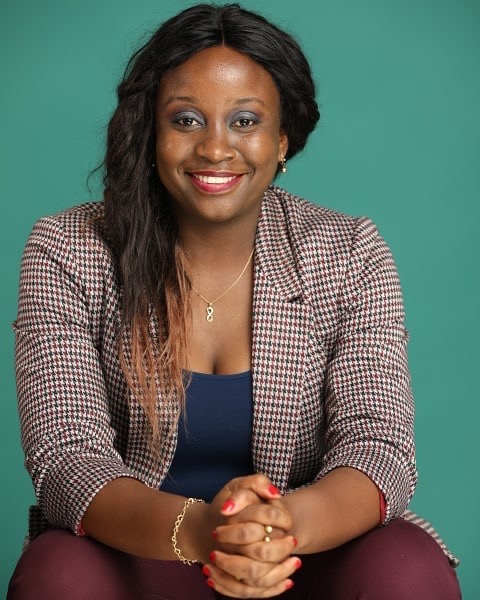
Sigi Waigumo Mwanzia champions digital rights and fights technology-facilitated gender-based violence across Africa. As Founder and CEO of the Digital Rights and Freedoms Regional Hub and a Specialist Consultant with UNFPA Kenya, she uses her expertise in law, policy, and technology to safeguard online spaces and advocate for survivors.
A technology lawyer with experience in multi-jurisdictional digital and social policy initiatives, Sigi has bridged global civil society, private sector, and intergovernmental organizations to create systemic change. A Google Public Policy Fellow, Stanford alumna, and Associate Arbitrator at the Chartered Institute of Arbitrators, she continues to shape policies and programs that protect digital rights and empower women in the rapidly evolving online world.
14. Lusungu Kalanga
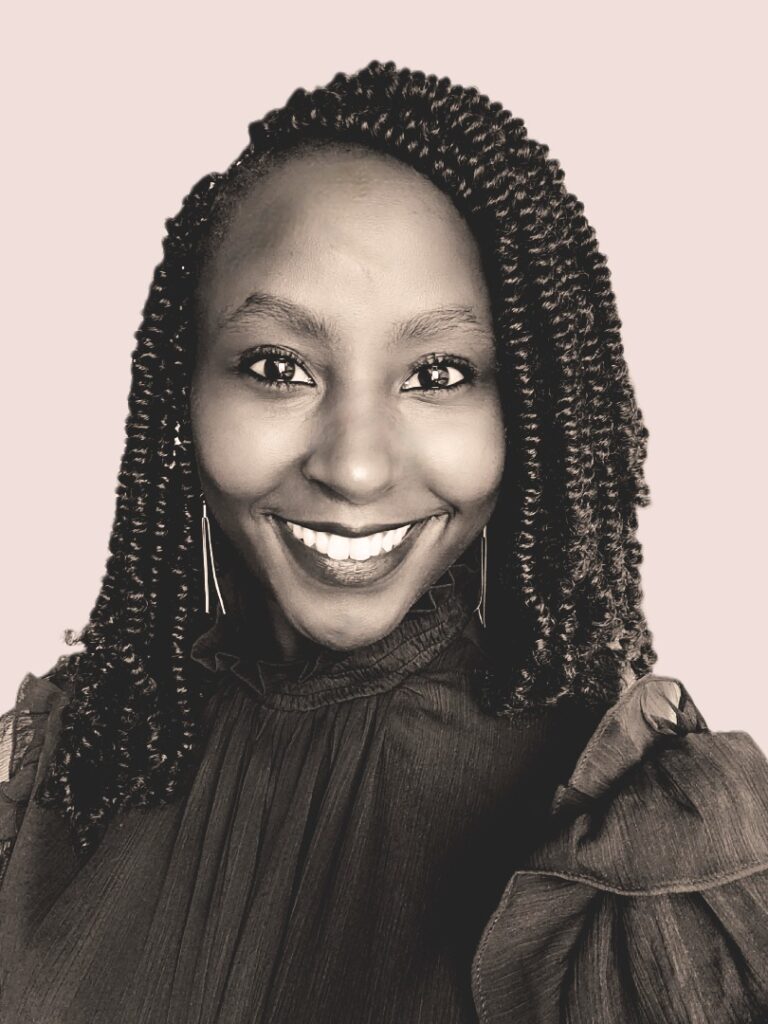
Lusungu Kalanga is a Malawian feminist activist and GBV strategist whose work spans communities, governments, and continents. As GBV Principal Consultant at Social Development Direct and Co-Chair of Womankind Worldwide, she designs programs and policies that prevent violence against women and girls while strengthening national response systems. Lusungu also amplifies African feminist voices through her podcasts, including Feministing While African and And The Women Came, creating spaces for dialogue, solidarity, and leadership.
Lusungu’s journey into activism was inspired early, following her father to development project sites and witnessing firsthand the inequities faced by women and girls. From co-founding Growing Ambitions, a mentorship space for young women, to influencing Malawi’s minimum marriage age law, her work embodies strategic advocacy and transformative social change. Recognized by the Moremi Initiative as one of Africa’s 25 outstanding young women leaders, Lusungu continues to push for a world where women and girls thrive free from violence and inequality.
15. Christie Banda
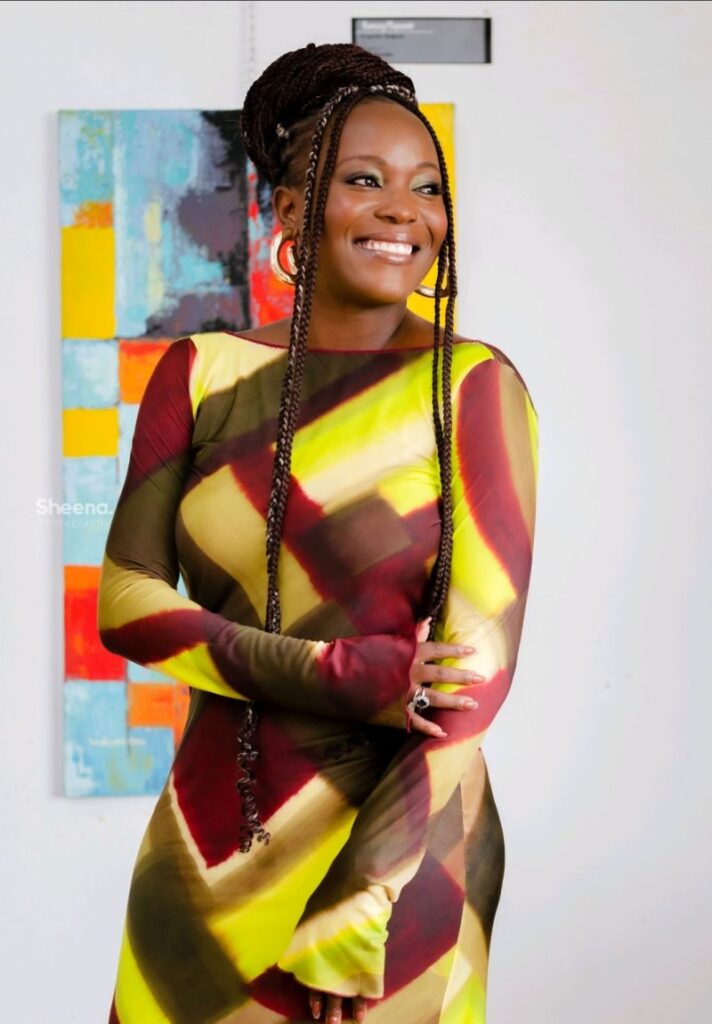
Christie Banda has spent over a decade turning passion into action. As the Founding Director of the Woven Agenda Foundation in Malawi, she fights for women and children, dismantling the systems that allow gender-based violence to persist. Her work has been recognized by the Generation Equality Forum, and she continues to lead advocacy efforts against child marriage and sexual violence, proving that policy change and community action can go hand in hand.
For Christie, this work is personal. She believes every child deserves dignity, safety, and a life free from abuse. Through research, advocacy, and community engagement, she amplifies survivors’ voices and holds systems accountable, turning reflection into strategy, and strategy into real-world impact.
16. Malebogo Molefhe
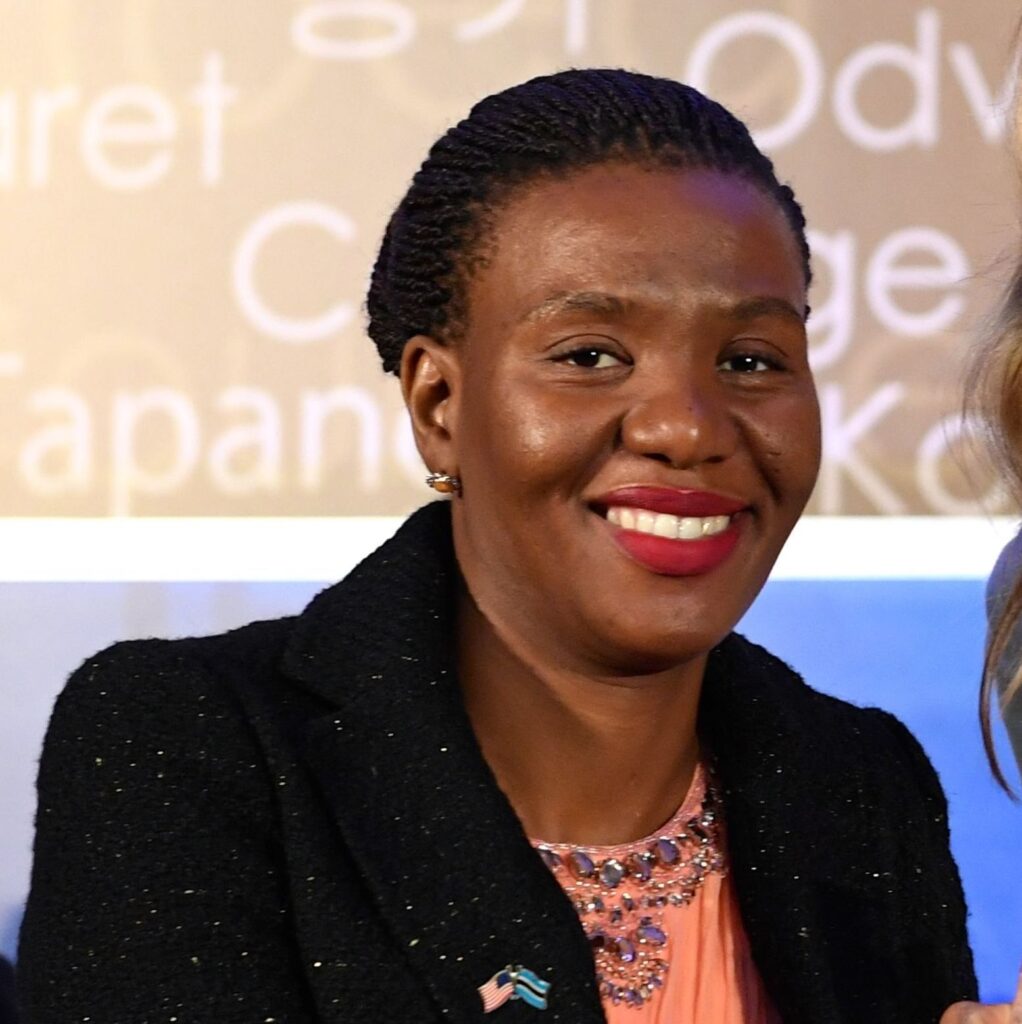
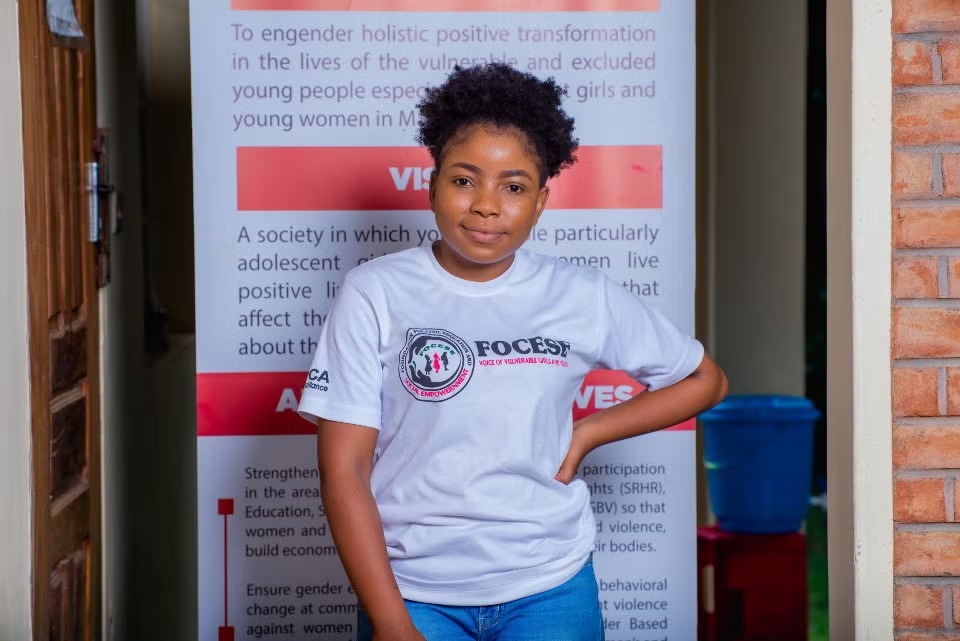
Malebogo Molefhe uses her platform as a GBV advocate to transform personal tragedy into societal change. A former professional basketball player from Botswana, she survived being shot eight times by her former boyfriend and turned that experience into a lifelong mission: raising awareness, educating communities, and supporting survivors of gender-based violence.
Through radio programs, workshops, and collaborations with state and non-governmental organizations, Malebogo empowers young girls with knowledge about their rights, self-esteem, and resilience. She also partnered with Botswana’s Ministry of Education to create programs teaching children about GBV, ensuring prevention starts early. In recognition of her courage and impact, she became the first Botswanan woman to receive the International Women of Courage Award in 2017.