“If you don’t evolve, you die.”
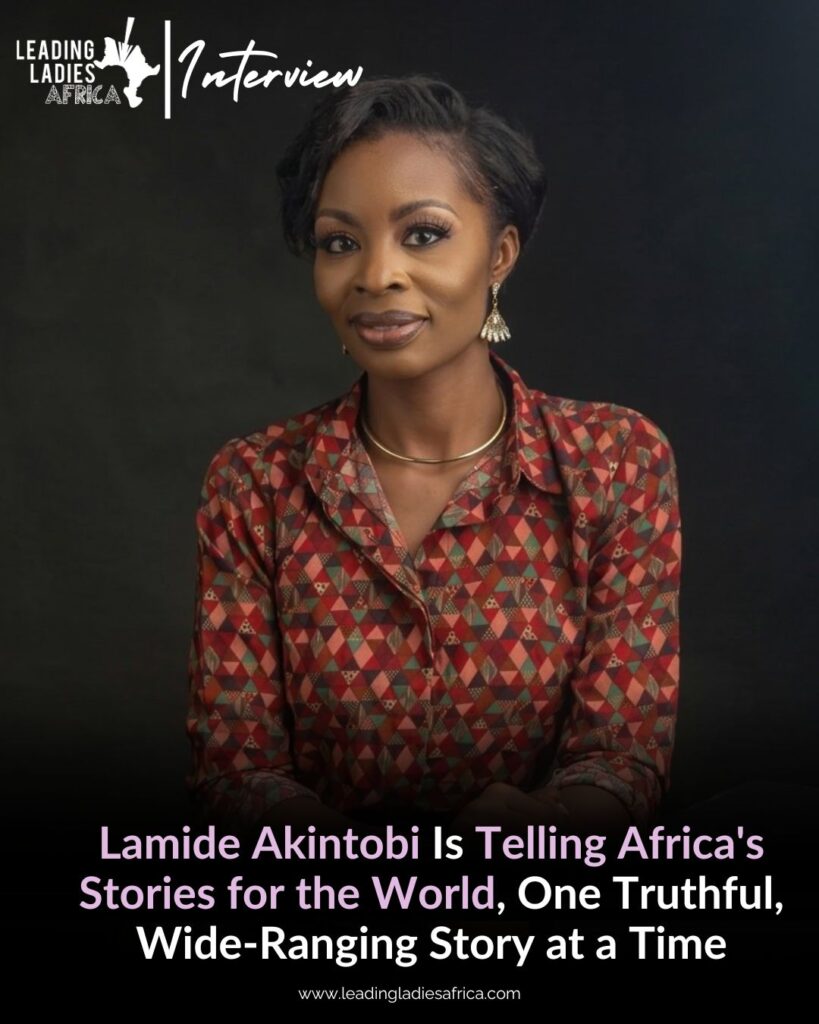
Lamide Akintobi said it, and she has spent over 15 years living it. From her early days as a news anchor at Channels TV to co-creating and producing The Spot at EbonyLife TV, to now working as a cross-platform producer and digital contributor at CNN International, Lamide has never stayed still long enough to be defined by just one thing. She has been in front of the camera and behind it, on air and in the edit suite, pitching stories and building the structures that make those stories possible. And somewhere in the middle of all of that, she built Something Special Media Productions, a boutique media services company that holds all the parts of her that her day job was never quite big enough to contain.
Lamide Akintobi is a journalist, award-winning former news anchor, TV show host, producer, moderator, and media readiness trainer with over 15 years of experience across some of Africa’s most prominent media platforms. She holds a Bachelor’s degree in Broadcast Journalism and Spanish from Texas A&M University and a Master’s in International Journalism from City University, London. Today, she produces Africa-focused stories for one of the world’s most recognised news networks, and she takes that responsibility seriously.
What makes Lamide’s story compelling is not the career she has built. It is the conviction she has built it on, that African stories are worth telling not to justify our humanity or change anyone’s perception, but simply because they are. That pivoting is not failure. That influence is not measured in followers but in the trust people place in you when it matters most. And that the key to the next part of any journey is the willingness to keep evolving.
In this conversation, Lamide opens up about the lessons that shaped her, what she has learnt about African storytelling from a global platform, and what she wants every young woman entering media today to focus on before she chases the spotlight.
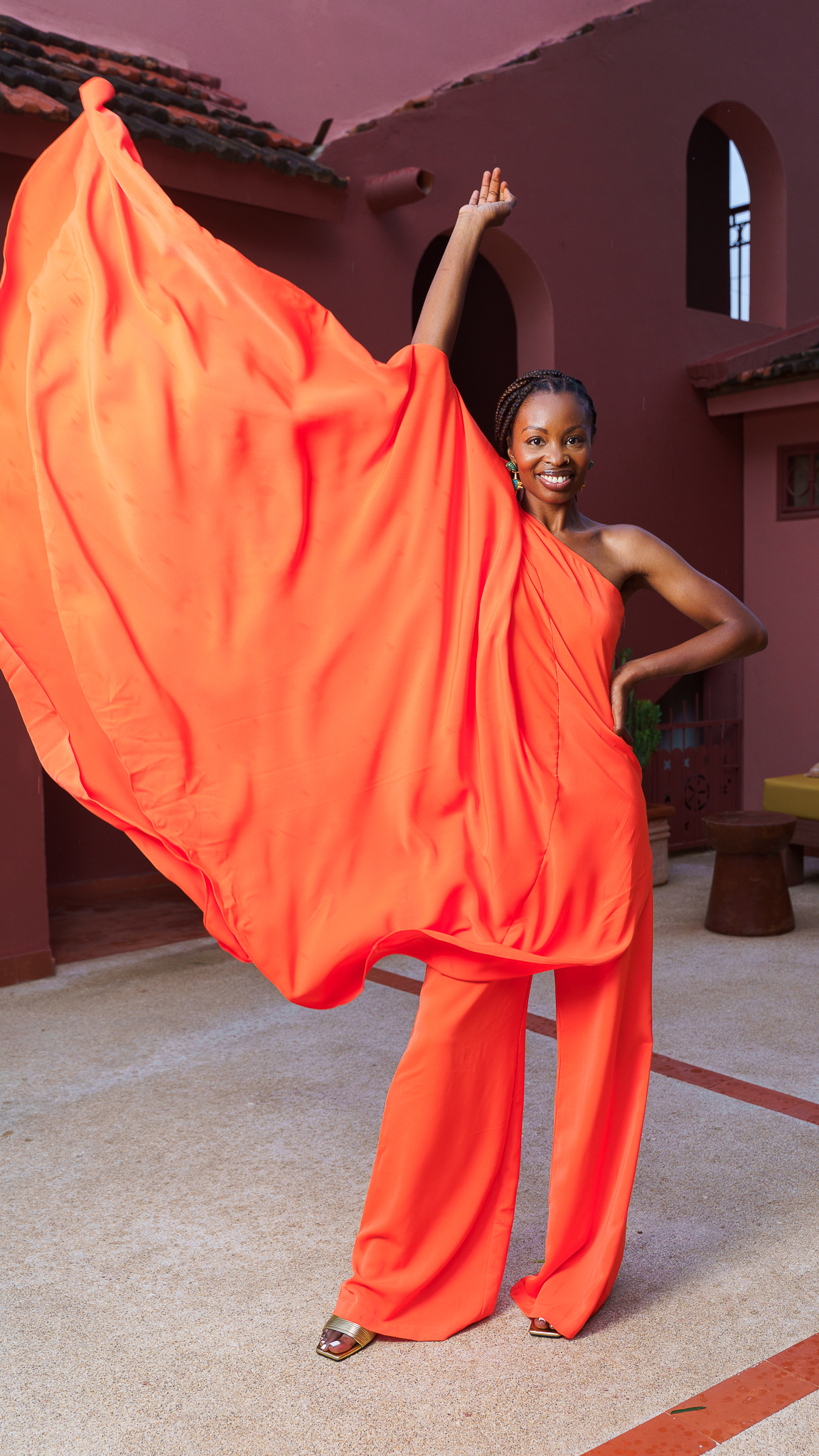
When you look at the woman you are today, beyond the titles and the work, what has shaped who Lamide Akintobi has become?
All my life experiences have – through loss, rejections, failures, health challenges, as well as the small and big wins, my community and my faith; all those things have shaped and refined me, and they continue doing so as I grow older.
You’ve worked across Channels TV, EbonyLife and CNN, while also building your own media company. What has driven your decision to keep evolving throughout your career?
If you don’t evolve, you die, and I never want to feel like I can’t stretch myself, try new things, and learn different ways to do the same thing. Especially in such a rapidly changing world and industry. Some things I’ve done were born out of curiosity, for example, my media services company was born partly because I was project managing something (which, despite months of work, never saw the light of day, by the way!) and I had to make sure I had a structure in place before I needed it. Other things I’ve done were born out of necessity – diversifying my skills by transitioning from being on camera at Channels TV to writing, editing and eventually producing the shows I was on to ensure I can play in different spaces. That helped me move into a Project Manager, and eventually a Channel Manager role at Hi-Media, where I helped conceptualize and build out some things I’m very proud of, even though the company eventually shit down. At Ebonylife TV, I got to build on all the things I’d learned to co-create and produce ‘The Spot’, one of my proudest achievements. From the initial show concept to the set, along with segments within many of the other shows on the channel, Ebonylife was another training ground to deepen and broaden my skill set. Also, practically speaking, I have to work to earn a living to afford the things I enjoy, so if I don’t evolve and strive for excellence in my work, I literally won’t be able to provide value I can charge for. Ultimately, it’s about having the freedom to make certain choices.
You currently produce Africa-focused stories for a global audience. What do you think international audiences still misunderstand about Africa, and how can African storytellers help change that narrative?
I think the narrative has changed a lot, and that brings me a lot of joy, and there are still many parts of the world – and people in those parts – that aren’t curious enough to investigate their perceptions of Africa(ns) as backwards or limited, or as the great Chimamanda Ngozi Adichie said, only having a single story, and I don’t believe that African storytellers should take on the responsibility to change that narrative. We should dedicate ourselves to telling as many truthful and wide-ranging stories as we possibly can from every corner we inhabit. But we shouldn’t feel burdened to tell those stories *just* to change the narrative, if and when a huge part of the audience isn’t willing to accept that we are just as innovative, flawed, basic, exceptional, happy, funny…as they are. Justifying our humanity or capacity shouldn’t be the reason we tell our stories. Our stories are worth telling because they are.
Your work with CNN International has given you a front-row seat to telling African stories for a global audience. What has that experience taught you about the power and responsibility of African storytelling?
It’s a serious responsibility, and I don’t take it lightly. It’s taught me different ways to speak up about how we’re represented and what we choose to focus on. It’s taught me to be careful and intentional about what stories we’re telling and which angles we approach them from, because the decisions we make about each story can have a big impact. I remember a story I did in Ghana on agriculture, and months after, a founder we featured shared that they’d gotten calls and opportunities directly from people who had seen the show and were curious enough to reach out. I don’t take the credit – these guys were doing great work, and amplifying it provided wider visibility and access to some opportunities a little sooner. It is a privilege to use the platform to tell worthy stories that show the breadth of who we are and the incredible things we’re doing across the continent.
The media landscape has changed dramatically since you started your career. What skills do you think young media professionals need today that weren’t as important when you were starting out?
Flexibility, adaptability and critical thinking stand out the most. You have to be ready for anything and say yes, then figure out the path while you’re moving. You have to be teachable – there’s no room for “I know what I know and I don’t need to know anything else.” We need to be more agile, more open-minded, more curious and more willing to ask questions than ever – audiences aren’t the same, nor are the ways we consume content. So you have to keep exploring, keep being willing to try new things, and in this age of AI, keep remembering the fundamentals: ethics and truthfulness. They are non negotiable and their place in good storytelling must never change.
You’ve also built Something Special Media Productions. What made you decide to build something of your own alongside your work in mainstream media?
I’m still very much in build-mode here. But because I’m Lamide the host, the moderator, the media-readiness trainer, the “pick my brain for your project” consultant, I must also have a place for those offerings, and that’s what SSMP is for. It also serves to remind me that I should create, build and nurture something that expresses different aspects of my creativity and capabilities, because as much as I love my job, I am not just my job.
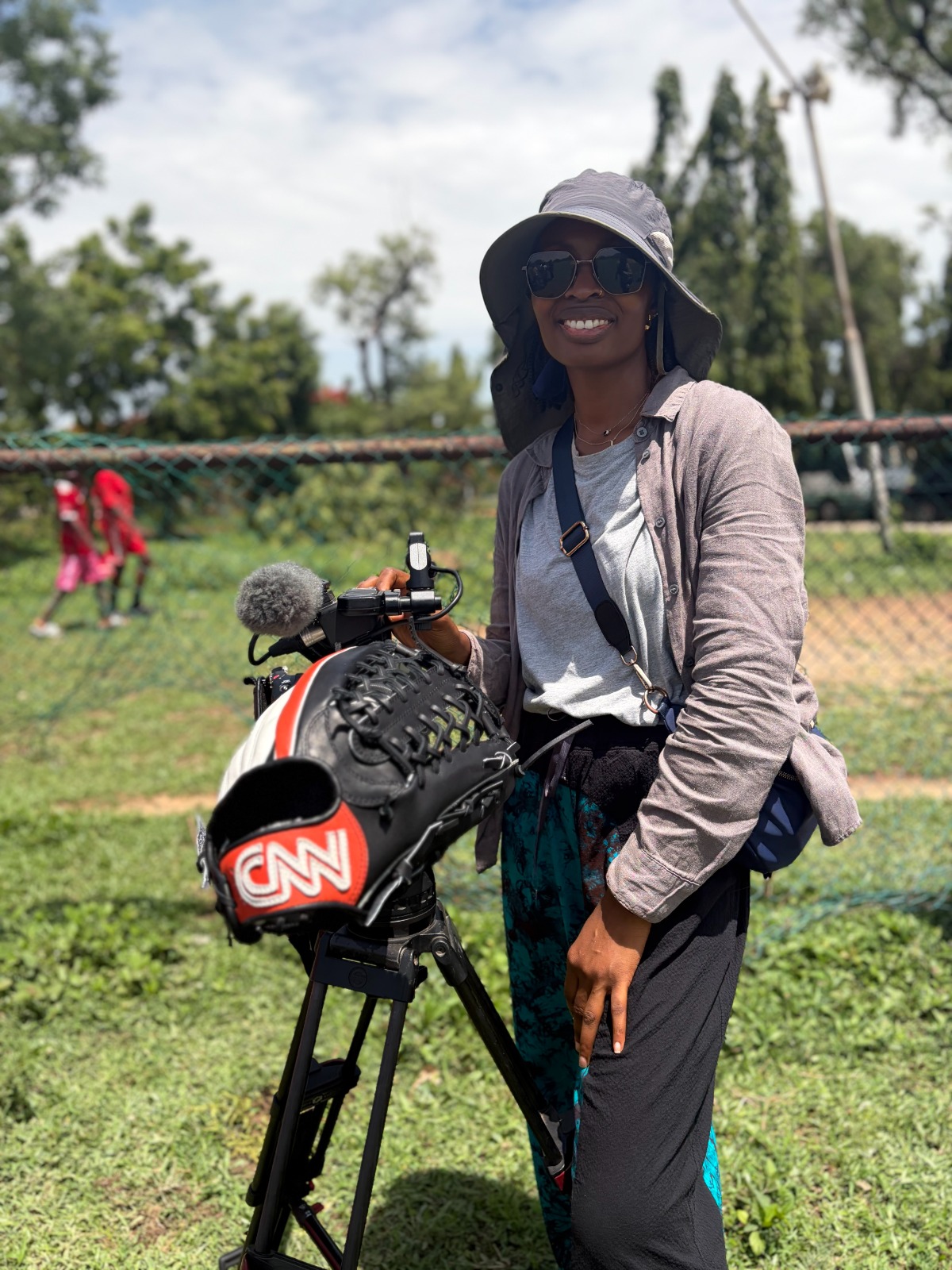
For women in media, visibility can open doors, but influence often requires something more. What do you think women need to do to move from being visible to having real influence?
I think having a real champion who is invested in your growth helps, and a sponsor who can speak your name in rooms and be willing to vouch for you is crucial. Also, the ability to build and nurture valuable and mutually beneficial relationships – with your peers, those further ahead, and those who are coming behind you. Betting on yourself and doing things on your own, iterating in real time and just doing (and sharing about) the work, even though it’s not perfect and polished is also important. Another element here is integrity. I do my best to live by it, personally and professionally, and I believe to have true influence, its vital. Being a person of integrity means people grant you access to tell their stories, knowing you’ll do your best to do them justice. It’s influence that doesn’t necessarily shout or look like millions of followers and likes per se (and no shade to that, because that also has value), but is shown in the trust I have from my team when we’re out on the field producing, or from my superiors/colleagues when I pitch a story. It’s influence that means my word is trusted when it comes to internal decisions about who and what we feature at times. Building that intentionally and consistently and then sharing some of the high quality work that comes out of it, is part of that “more” too.
What is one career lesson you had to learn the hard way that you wish someone had told you earlier?
To never accept less than you’re worth
For a young African woman who wants to build a career in journalism or media today, what would you tell her to focus on before chasing the spotlight?
Focus on being excellent, being diligent, honing your craft. Be observant and curious about what you’re interested in and what’s happening in other places and spaces outside your own, and keep learning.
If your career could leave one message for the young women entering African media today, what would you want it to say?
That pivoting is not failure, and evolving will always be the key to the next part of the journey.