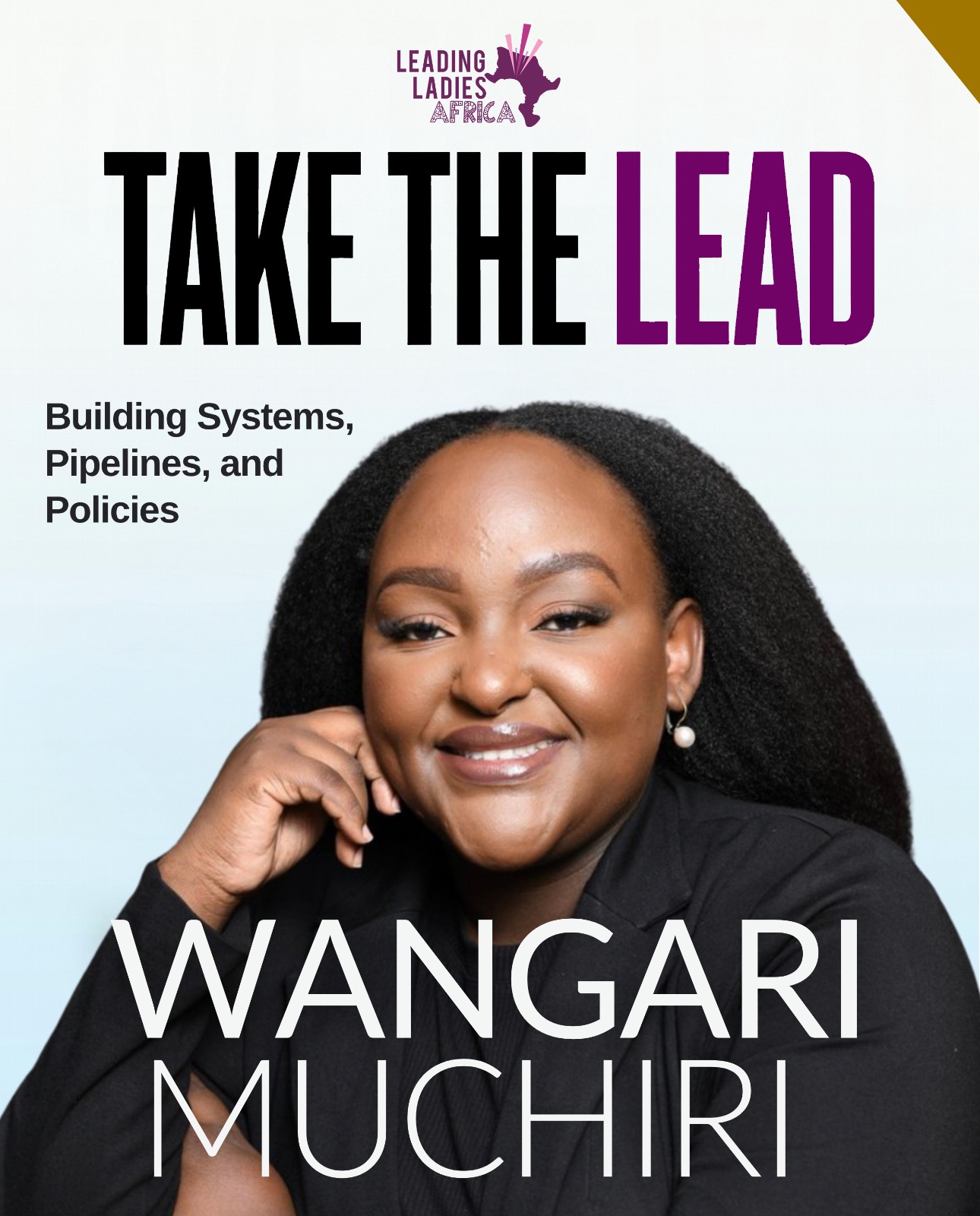
Wangari Muchiri has a question she has been asking since childhood and it has shaped everything she has built.
Why do some communities thrive while others stay in the dark?
For Wangari, that question was never abstract. Growing up, she saw energy not as a sector but as a daily reality, the difference between a child who can study at night and one who cannot. That curiosity became an engineering degree in Australia, an energy planning qualification in Sydney, and an Executive MBA from Oxford on full scholarship. It became 15 years of driving systemic change across Africa’s clean energy landscape and it became RE.Think Energy, a think and do tank built not to generate brilliant strategy documents that die in PDF form, but to actually make things happen.
Wangari Muchiri is the CEO of RE.Think Energy and Advisor to the Global Wind Energy Council, one of Africa’s most influential voices in the clean energy transition. During her tenure as Africa Director at GWEC, installed wind capacity across Africa grew from 6 GW to 10 GW. She delivered policy coordination with over 15 African governments and drove programme revenue growth exceeding 200% in 24 months. She has received recognition from the Obama Foundation, Greenpeace, Oxford University, and GWEC and she has visited over 50 countries, each one deepening her conviction that the energy transition is not a future conversation for Africa. It is an urgent present one.
Her message to the world’s most powerful energy institutions is clear and uncompromising: Africa is not a charity case in the energy transition. It is the opportunity and she is done waiting for anyone to figure that out.
In this conversation, Wangari opens up about what it truly feels like to be the African woman in global energy rooms, what Africa keeps getting wrong in its transition, why energy access is one of the most powerful levers for women’s liberation that the world keeps undercounting, and what she wants every young African woman in STEM to understand about taking space that was never built for her.
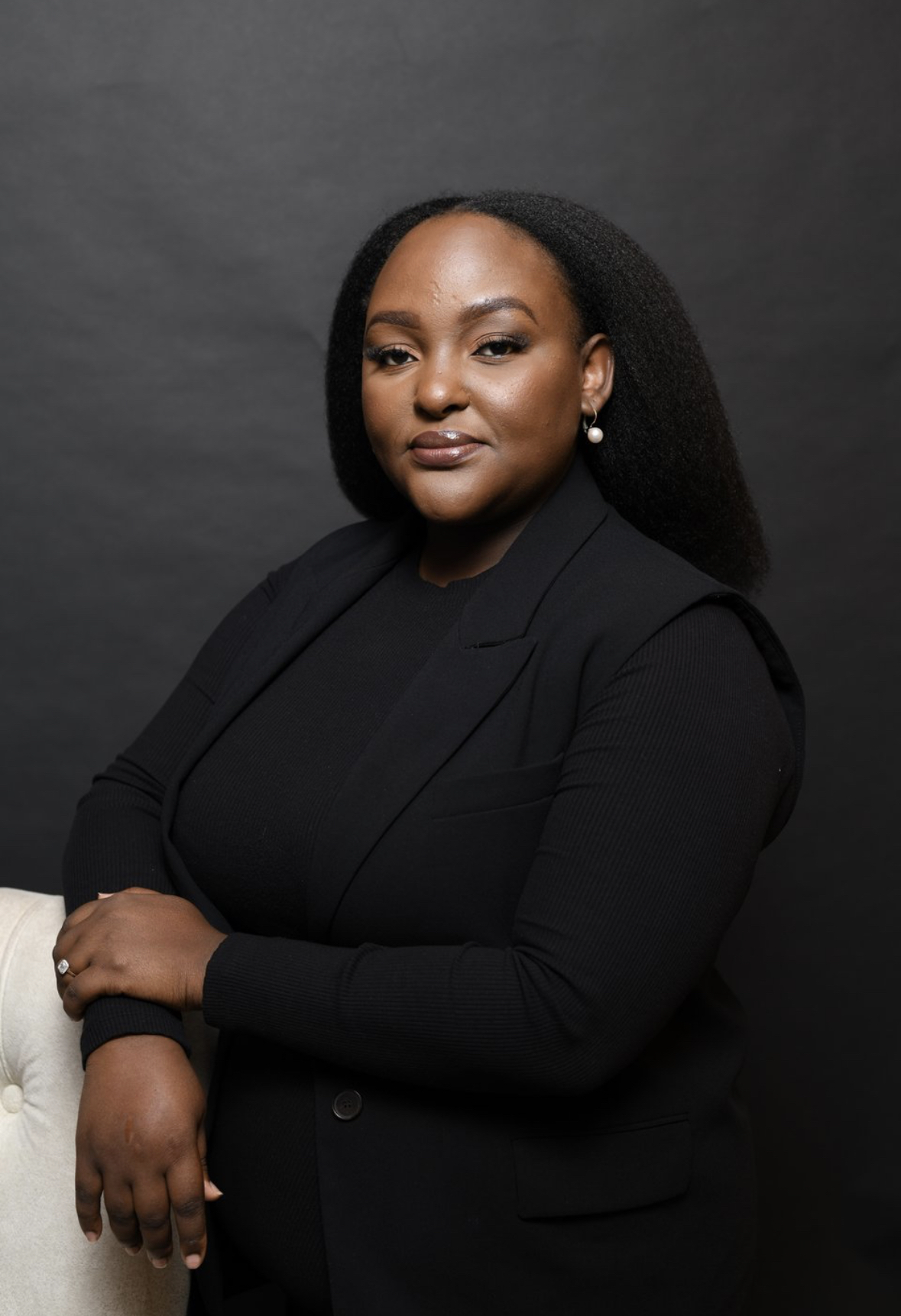
You have spent your career at the intersection of energy and Africa’s future. But before the councils, the consultancies, and the credentials, who is Wangari Muchiri?
I’m an engineer at heart — someone who has always wanted to know how things actually work and then fix the ones that don’t. Long before the titles, I was a girl curious about systems: why some communities thrive and others stay in the dark, sometimes literally. That curiosity never left. Everything I do now — the policy, the ventures, the boardrooms — is really just that same instinct at scale. I’m also an incurable traveller; I’ve been to over 50 countries, and every one of them taught me that energy isn’t an abstract sector, it’s the difference between a child who can study at night and one who can’t. Strip away the credentials and you’ll find someone who simply refuses to accept that Africa should wait its turn.
You studied renewable energy engineering in Australia and energy planning at the University of Technology Sydney before earning an Oxford MBA. What did moving across continents to build that foundation teach you about what it takes to come back and serve Africa on your own terms?
That you have to leave to truly see home clearly — and then you have to come back, because no one will build Africa’s future for us. Studying engineering in Australia and later doing my Executive MBA at Oxford gave me world-class tools, but it also showed me how often Africa is talked about and how rarely it’s talked with. The hardest lesson was that competence travels but context doesn’t — frameworks built for mature grids in temperate economies often collapse on contact with African realities. Coming back on my own terms meant refusing to be a translator of other people’s solutions. It meant having the technical credibility to sit in any room globally, and the rootedness to know which of those ideas actually serve us and which we should politely decline.
You advise the Global Wind Energy Council and Global Solar Council, two of the most influential bodies shaping renewable energy globally. What does it feel like to be an African woman sitting in those rooms, and what do you want those institutions to understand about what Africa truly needs from the global energy conversation?
Honestly? It feels like carrying a continent on your shoulders and being mistaken for the note-taker — at least at first. Advising bodies like the Global Wind Energy Council and the Global Solar Council means I’m often the African voice and the woman’s voice in conversations that will shape where billions of dollars and gigawatts go. What I want those institutions to understand is this: Africa is not a charity case in the energy transition, it’s the opportunity. We hold some of the best solar and wind resources on the planet and the youngest workforce. What Africa needs is not pity or pilot projects — it’s capital at fair cost, technology transfer without strings, and a seat at the table when the rules are written, not after.
You founded Re.Think Energy as a think and do tank, not just to generate ideas but to actually make things happen. What gap were you seeing that made you decide advisory work alone was not enough?
I kept watching brilliant strategy documents die in PDF form. The advisory world is full of people who can tell you precisely what should happen — and a desperate shortage of people willing to make it happen and carry the risk. That’s the gap. I founded RE.Think Energy as a think and do tank because Africa doesn’t have the luxury of analysis without action. We don’t just recommend investable pipelines — we incubate them. We don’t just write about battery storage and local manufacturing — we work to build the ecosystems. The transition will not be consulted into existence. Someone has to actually move, and I’d rather be in the arena than narrating it.
You have worked across Africa, Oceania, and beyond. What has working across that many contexts taught you about what Africa specifically needs to get right in its energy transition and what it keeps getting wrong?
Working across Africa, Oceania and beyond taught me that the technology is rarely the hard part — the enabling environment is. What we need to get right is the unglamorous infrastructure of progress: bankable policy, regulatory certainty, and grids that can actually absorb the power we generate. What we keep getting wrong is importing whole solutions instead of building local capacity — we celebrate a solar farm switched on, then watch the value, the jobs, and the spare parts all flow back offshore. We also fragment ourselves; 54 countries negotiating separately against unified global capital is a losing posture. Get the policy and the localization right, stop treating each project as a one-off favour, and the investment follows.
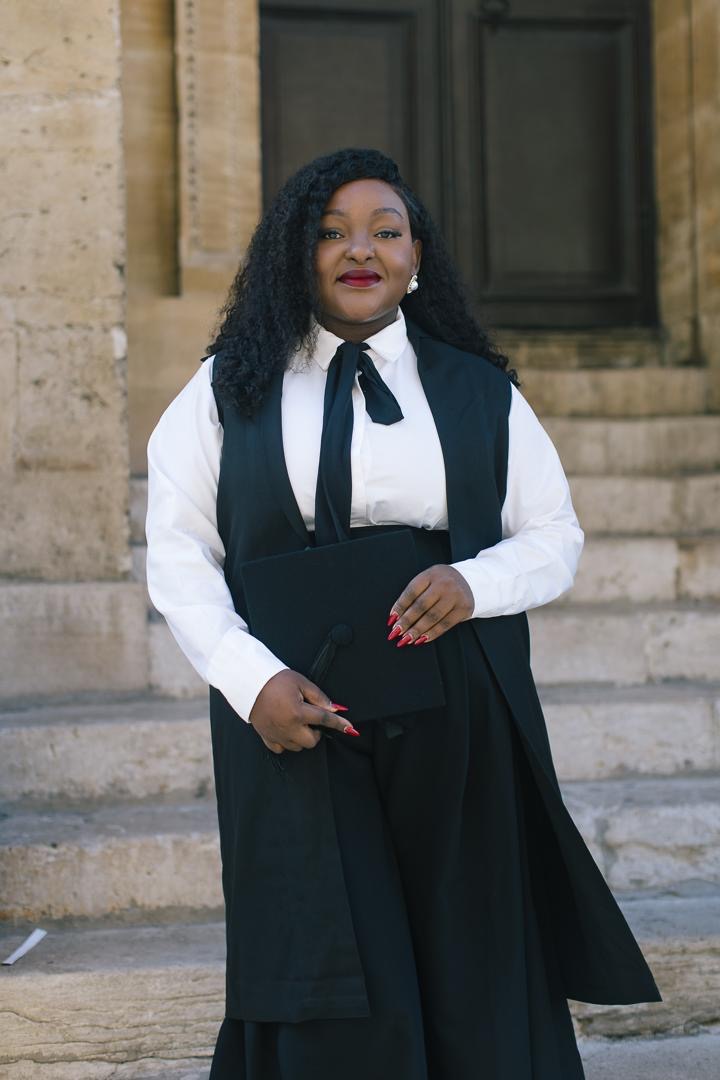
Renewable energy is often framed as a future conversation for Africa. You are saying it is an urgent present one. What does Africa stand to lose every single year it delays a serious commitment to clean energy and who pays the highest price?
Every year of delay, Africa pays twice — once in the development that doesn’t happen, and again in locking itself into expensive, dirty energy that the rest of the world is abandoning. We lose industrialization we could have powered cleanly, jobs we could have created at home, and leverage we could have held in global markets. We burn money importing fuel we could have generated from our own sun and wind. And who pays the highest price? The poorest — and within them, women and rural communities who have contributed least to the climate crisis and yet absorb its sharpest edges. The cruel irony is that the continent that did least to cause the problem is being asked to wait the longest for the solution. I refuse that bargain.
Women and girls are disproportionately affected by energy poverty, they spend more time collecting fuel, they study by unsafe light, they cook over fires that damage their health. What do you want policymakers to understand about the direct line between energy access and women’s liberation?
It’s not a metaphor — it’s a measurable, daily reality. When there’s no clean energy, it is women and girls who pay in time and in health: hours lost gathering fuel instead of learning or earning, lungs damaged by cooking over open fires, study and safety cut short the moment the sun goes down. Energy poverty is, in practice, a tax on female potential. So when I talk to policymakers, I tell them: every megawatt you bring to a community is also an hour given back to a girl, a breath she doesn’t have to fight for, a business her mother can finally run after dark. Energy access isn’t a women’s issue tucked into the energy agenda — it’s one of the most powerful levers for women’s freedom we have, and we keep under-counting it because the people it frees aren’t the ones writing the budgets.
What is the most dangerous myth about renewable energy in Africa that you want to dismantle and what does the truth actually look like?
That renewables are a luxury Africa can’t afford yet — that we must burn our way through fossil fuels first, get rich, and go green later, like everyone else did. That myth is both wrong and dangerous. The truth is the opposite: renewables are now the cheapest source of new power on earth, and Africa, with no legacy fossil infrastructure to unwind, is uniquely positioned to leapfrog straight to clean, distributed energy — the way we skipped landlines and went straight to mobile. The “develop dirty first” story isn’t a law of economics; it’s a hand-me-down assumption that conveniently keeps us dependent. We don’t need to repeat the world’s mistakes to earn the right to its solutions.
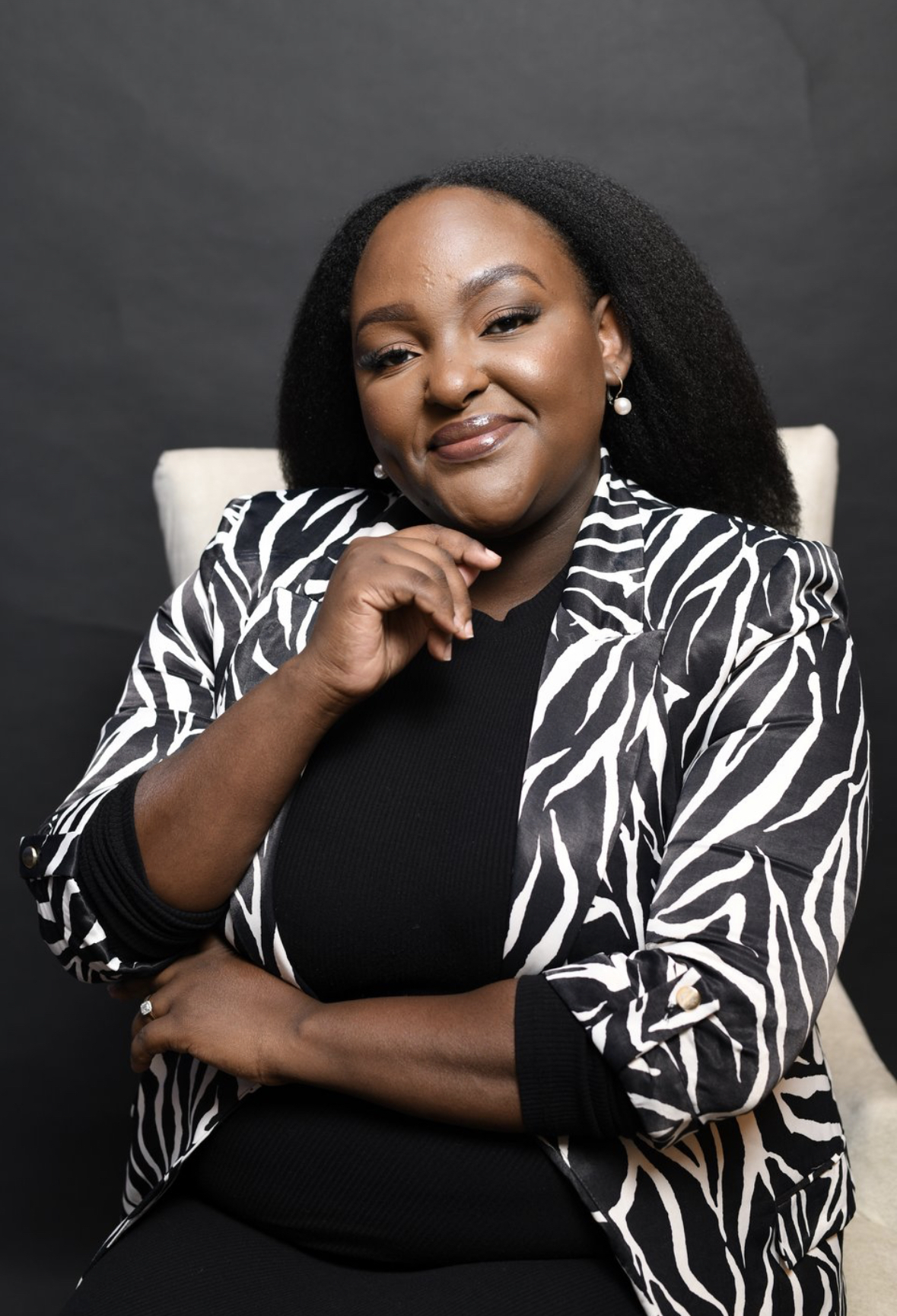
Engineering and energy policy are still spaces where African women are significantly underrepresented. What has navigating that reality taught you and what would you say to every young African woman considering a career in STEM who is wondering if there is space for her?
It taught me that the room not being built for you is not the same as the room not being yours. I’ve learned to let my work be the argument, to find the few who open doors and become that person for others, and never to shrink to make my presence more comfortable for anyone. To every young African woman wondering if there’s space for her in engineering or energy: there isn’t — yet — and that is exactly why we need you to take it. The space isn’t found, it’s made, and it’s made by women willing to be the first so that others can be the many. You are not too late, you are not too few, and you are certainly not too much. Build anyway.
Beyond the advisory roles and the think tank, what is the legacy you want Wangari Muchiri to leave behind for African women in energy, for the continent, and for every girl who grows up in a home that is finally powered by the sun?
I want a future where my being “the African woman in the room” is utterly unremarkable — because the room is full of us. For African women in energy, I want to leave proof that you can lead at the highest global level without leaving your roots or your values at the door. For the continent, I want to leave systems, not just stories — pipelines, policies, and local capacity that outlast any one person, including me. And for the girl growing up in a home finally powered by the sun: I want her to never know the version of Africa that asked her to wait. If she takes clean, reliable power for granted, and aims higher than I ever could because of it — then I’ll have done my job.