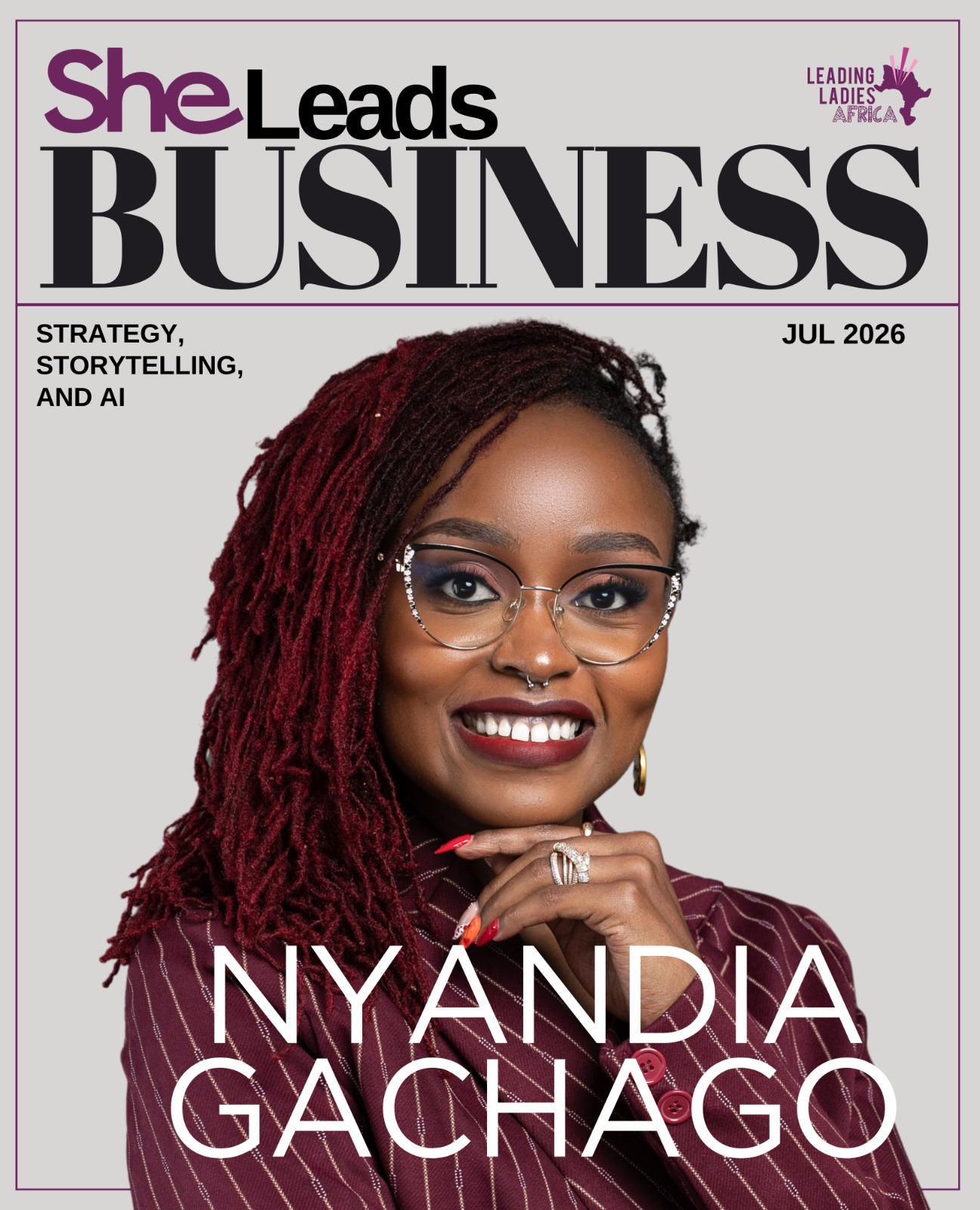
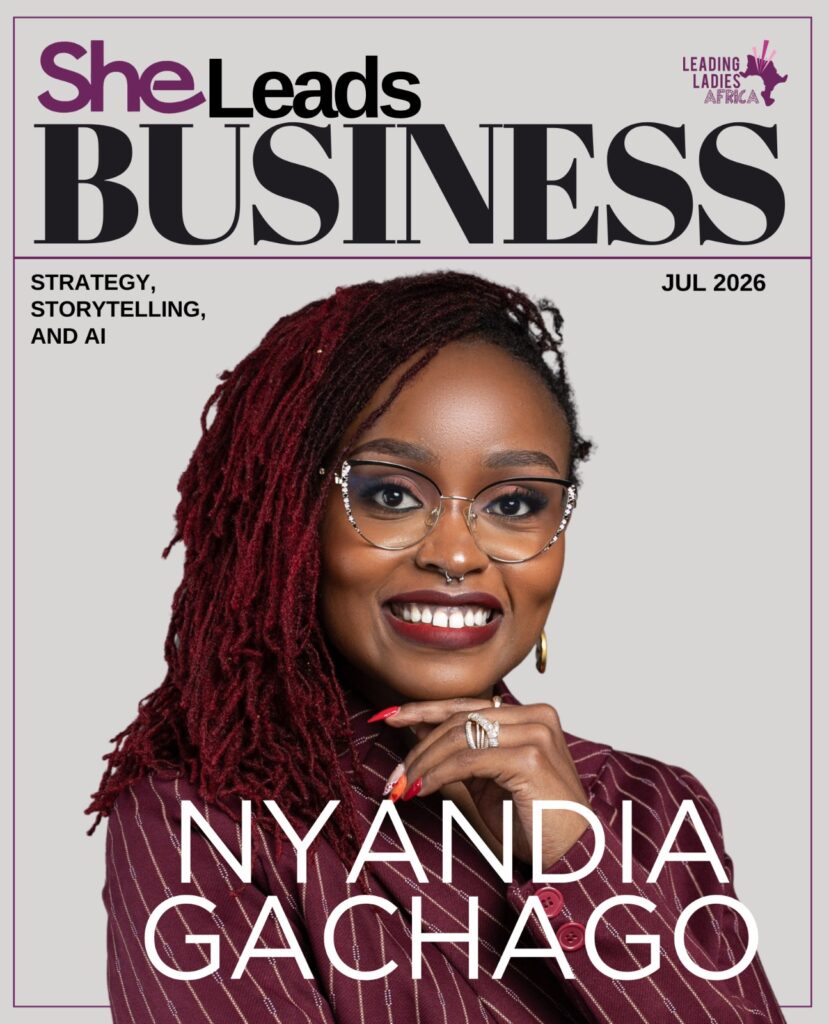
Nyandia Gachago does not want Africa to simply consume the future. She wants Africa to help build it. That conviction is at the heart of everything she does, from her decade-long career spanning marketing, PR, digital strategy, and AI, to the two companies she has built to make that vision a reality.
Nyandia is the co-founder of MintyLime, an AI-centric creative agency helping African brands compete at a global standard through strategy, creativity, and technology. She is also the founder of Minty Academy, an AI school built specifically for brands and creatives who want to do more than keep up with the future. She is also a marketing strategist, communications professional, digital activist, AI trainer, entrepreneur, and storyteller and above all of that, a mother, a wife, and a partner.
Over nine years of building across some of Africa’s most diverse industries, Nyandia has worked with everyone from startups to large enterprises, from corporate leaders to grassroots entrepreneurs. She has trained women from boardrooms to community halls. And she has consistently done one thing above all else: helped people think differently about communication, technology, and the stories they tell about themselves.
Her belief is simple but radical: the right story can grow a business, shift perception, create opportunity, and even influence policy and culture. And in the age of AI, African women should not just be users of that power. They should be shaping how it is built, applied, and governed.
In this conversation, Nyandia opens up about why she decided to bet on her own vision, what she sees as AI’s greatest opportunity for women entrepreneurs, and what she wants every woman who is still waiting to feel ready to finally understand about owning her expertise.
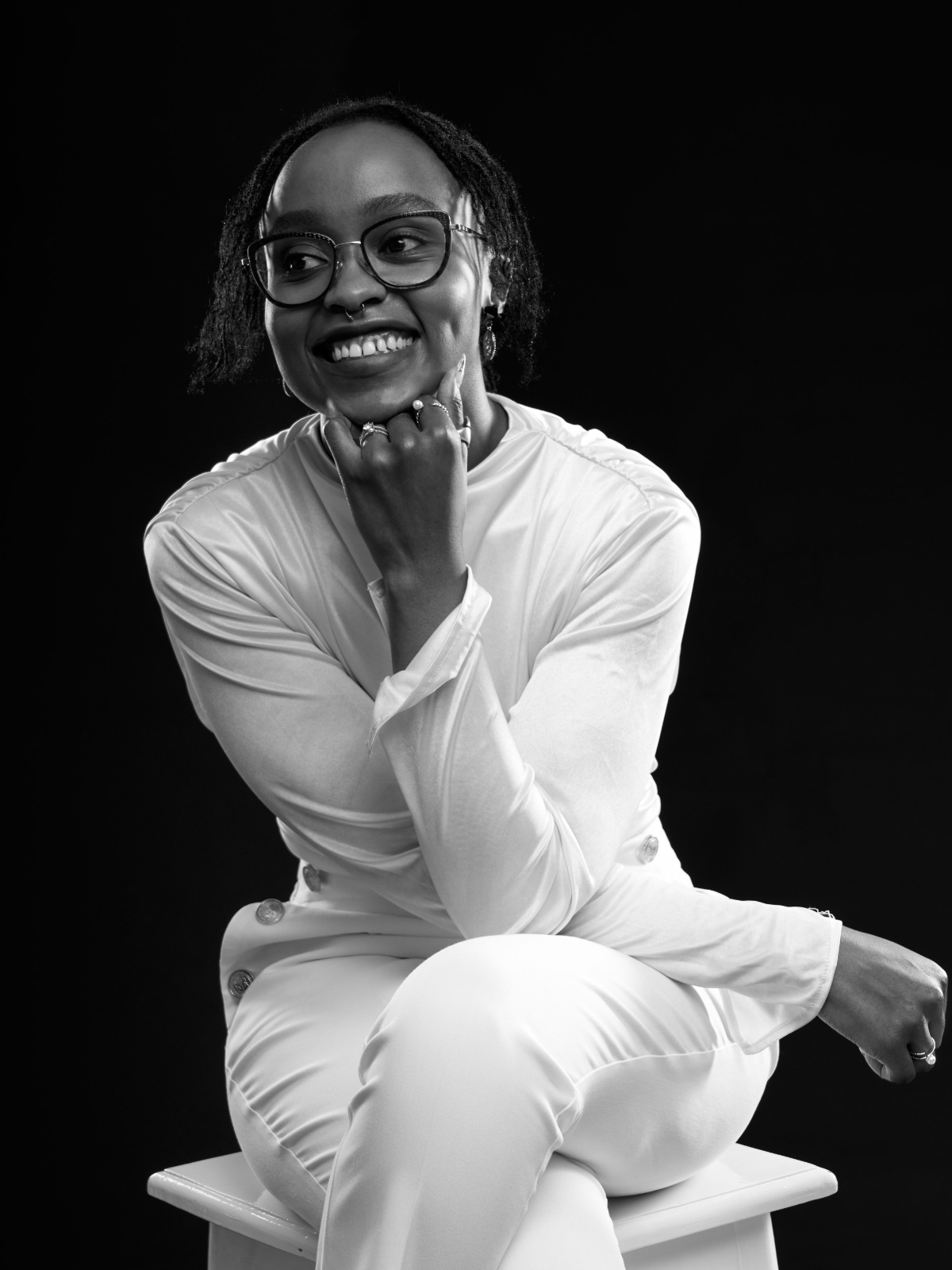
Nyandia, we would love to get to know you — who is Nyandia Gachago and what drives the work you do every day?
I’m a marketing strategist, communications professional, digital activist, AI trainer, entrepreneur, and storyteller at heart. I’ve spent over a decade working across branding, PR, digital strategy, and emerging technology, helping businesses and people communicate better, grow smarter, and position themselves more intentionally.
I’m also the co- founder of MintyLime, an AI-centric creative agency focused on helping African brands compete at a global standard through strategy, creativity, and technology. And Minty Academy- An AI school for brands and Creatives
What drives me every day is impact. I genuinely believe communication can change lives. The right story can grow a business, shift perception, create opportunity, or even influence policy and culture. I’m deeply passionate about making knowledge accessible, especially around AI and digital transformation, because I do not want Africa to simply consume the future. I want us to help shape it.
I’m also a Mom, a Wife, A Partner
You have built a career spanning marketing, PR, digital strategy, and AI across some very diverse industries. What was the moment you decided to go out on your own and build something for yourself?
For a long time, I was helping build powerful brands, systems, and campaigns for other people, and I loved the work. But eventually, I realized I had ideas, perspectives, and solutions that deserved their own platform and identity.
The turning point was understanding that I did not just want to execute marketing. I wanted to shape conversations around innovation, technology, African storytelling, and business growth in a more intentional way.
I also saw a major gap in how businesses were approaching digital transformation and AI. Many brands were either overwhelmed by technology or using it superficially. I wanted to create a company that could bridge strategy, creativity, and AI in a way that actually made sense for African businesses.
Building MintyLime was not just a business decision. It was a decision to bet on my own vision.
You have worked with everyone from startups to large enterprises, from corporate leaders to grassroots entrepreneurs. How do you adapt your approach so that your work truly meets each client where they are?
I think one of the biggest mistakes professionals make is assuming every client needs the same solution packaged differently. They do not.
A startup founder trying to survive month-to-month has very different realities from a multinational with established systems and large budgets. A grassroots entrepreneur may not need jargon or complex frameworks; they need practical, implementable solutions that move the needle immediately.
So my approach always starts with listening and understanding context first. What are their actual pain points? What resources do they have? What does success realistically look like for them?
From there, I adapt communication, strategy, platforms, and even measurement differently. Sometimes the right solution is a sophisticated AI-driven funnel. Sometimes it is simply fixing customer communication or helping a founder finally articulate their value properly.
Good strategy is not about sounding intelligent. It is about being useful.y
AI and digital strategy are at the heart of what you do. How are you seeing African businesses respond to the shift towards AI — and where do you think the biggest opportunities lie for women entrepreneurs specifically?
We are currently at a very interesting point in Africa. There is excitement around AI, but there is also fear, misinformation, and a lot of uncertainty.
Some businesses are still treating AI like a trend or a gimmick. Others are beginning to realize this is a foundational shift similar to the internet or mobile technology. The companies that will thrive are the ones asking: “How do we use AI to become more efficient, more creative, and more competitive?”
For women entrepreneurs especially, AI is one of the greatest equalizers we have seen in a long time.
You can now build systems, automate operations, create content, conduct research, improve customer service, analyze markets, and scale visibility without needing massive teams or huge budgets. That changes everything.
I think the biggest opportunity is not just using AI tools, but positioning women as builders, educators, strategists, and decision-makers within the AI ecosystem itself. African women should not only be users of technology. We should be shaping how it is built, applied, and governed.
Over nine years in, what is the most valuable business lesson you have learned that no certification or course could have taught you?
Relationships are one of the greatest forms of capital.
Not networking in the transactional sense, but genuine relationships built on trust, consistency, integrity, and value. Some of my biggest opportunities did not come from pitching aggressively. They came from years of showing up, doing excellent work, solving problems well, and building credibility.
I have also learned that strategy means very little without execution. Many brilliant ideas fail because nobody follows through consistently enough.
And perhaps the hardest lesson: growth requires boundaries. Especially as a founder, you eventually realize that not every opportunity is aligned, not every client is healthy for your business, and not every urgent thing deserves your energy.
Marketing is a crowded space. What has been your strategy for standing out and building a reputation that speaks for itself?
I decided very early that I did not want to be known for noise. I wanted to be known for insight.
Anyone can post trends or repeat what everybody else is saying. I try to focus on helping people think differently, especially around consumer behavior, storytelling, AI, business strategy, and digital culture.
I also believe deeply in education-led visibility. A lot of my growth has come from teaching, speaking, training, and openly sharing knowledge. When people consistently learn from you, they begin to trust your thinking.
And honestly, authenticity matters. I do not try to sound overly polished or detached from reality. I speak from experience, from wins and failures, from working directly with brands and people across different sectors. That relatability has helped build real connection and credibility.
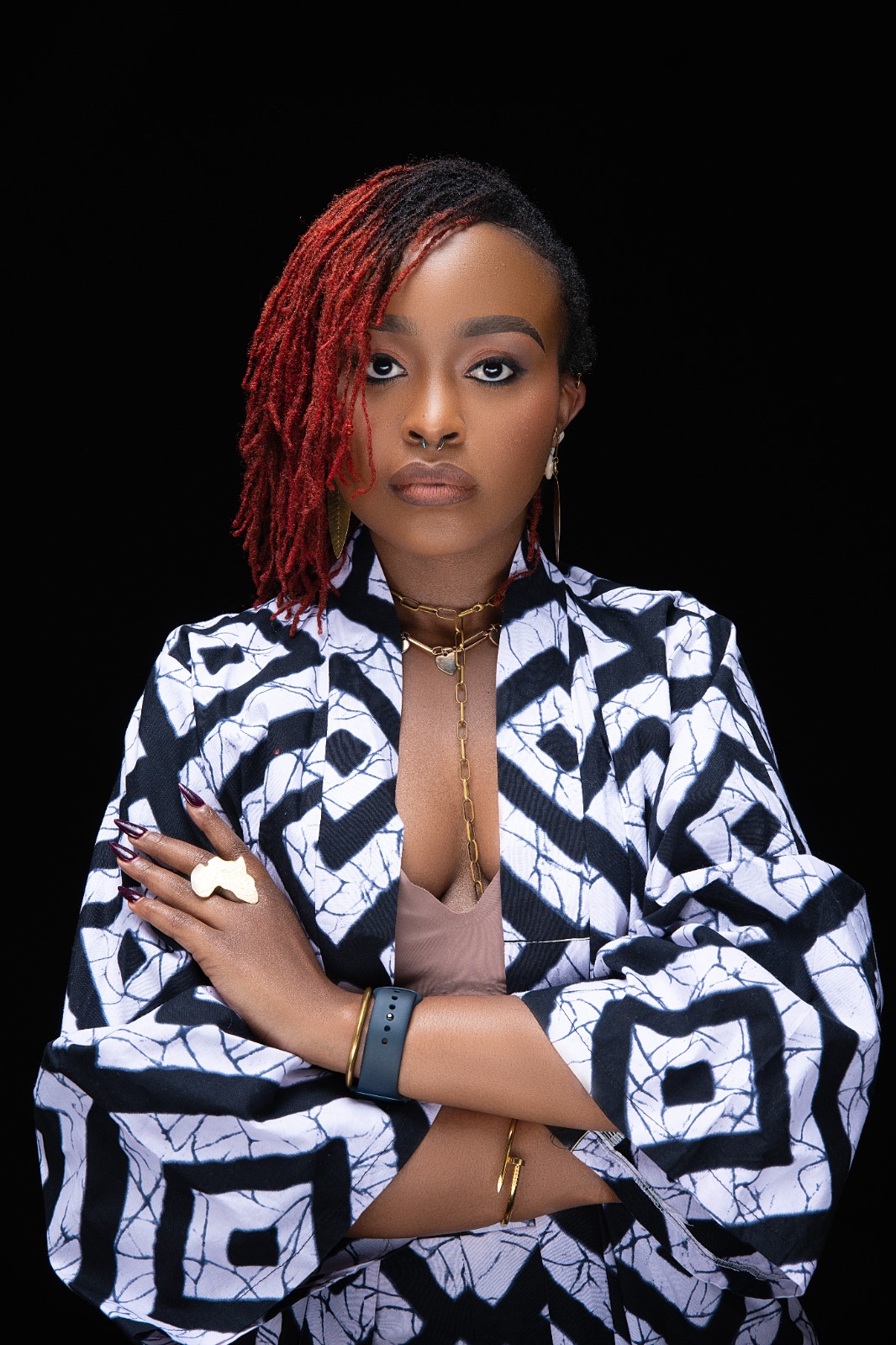
Many women hesitate to call themselves experts or position themselves boldly in their industry. What would you say to the woman who is still waiting to feel “ready enough” to own her expertise?
You will probably never feel fully ready.
Many women are waiting for certainty before they take up space, while other people with half the experience are confidently positioning themselves every day.
Expertise is not about knowing everything. It is about consistently solving problems, learning continuously, and bringing value through your experience and perspective.
I would encourage women to stop shrinking themselves to appear humble or acceptable. There is a difference between humility and self-erasure.
Own your work. Speak about your achievements. Share your knowledge. Apply for the opportunity. Start before you feel completely prepared.
Confidence is often built through action, not before it.
You have trained women from corporate boardrooms to grassroots communities. What systemic barrier do you see holding women back the most and what needs to shift?
One of the biggest barriers is still access; access to information, capital, networks, mentorship, and visibility.
There are incredibly brilliant women everywhere, but many are excluded from the rooms where opportunities, partnerships, funding, and strategic conversations happen.
I also think society still conditions many women to prioritize being agreeable over being ambitious. That affects negotiation, leadership positioning, pricing, confidence, and even innovation.
What needs to shift is not just policy, but mindset and infrastructure. We need more women in decision-making spaces, more accessible digital education, more intentional mentorship, and more ecosystems designed to support women sustainably rather than symbolically.
Most importantly, we need to normalize women taking up space without apology.
When all is said and done, what do you want the work of Nyandia Gachago to stand for and what do you hope you leave behind?
I want my work to stand for impact, innovation, courage, and possibility.
I want people to say that I helped African businesses think bigger, communicate better, and embrace the future more confidently. I want young women, especially African women, to see that they do not have to choose between intelligence and ambition, creativity and technology, softness and leadership.
I also hope I leave behind systems, communities, and knowledge that outlive me. Not just campaigns or brands, but tangible transformation in how people access opportunity, use technology, and tell their stories.
At the core of everything I do is a very simple belief: the goal is not just to succeed personally. The goal is to leave people, industries, and spaces better than you found them.