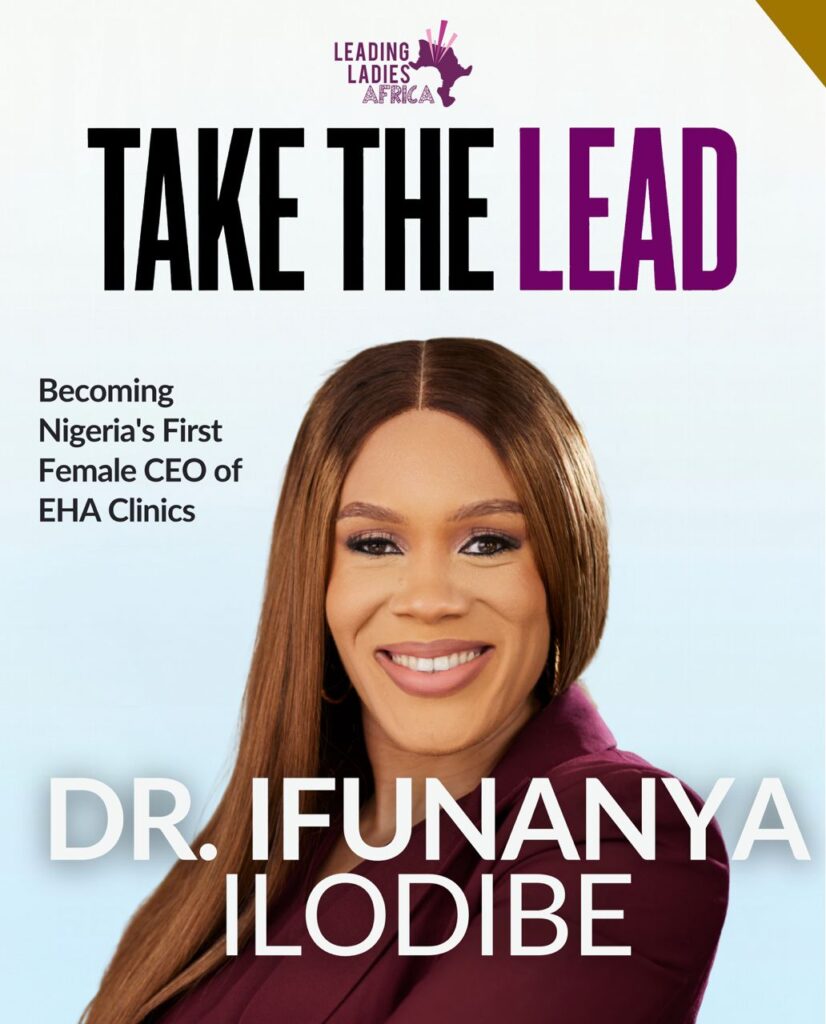
In May 2025, Dr. Ifunanya Ilodibe made history, becoming the first woman and first non-founding CEO of EHA Clinics, one of Nigeria’s most respected primary healthcare organisations but if you ask her about that moment, she will tell you that what she felt first was not pride. It was responsibility.
That is who Dr. Ifunanya Ilodibe is before the milestone. A physician who spent over fifteen years asking harder questions, not just about medicine, but about the systems, structures, and conditions that determine whether good medicine actually reaches the people who need it. A woman who looked at a broken healthcare system and chose to work upstream, where design decisions shape everything that happens at the bedside.
Her path to the top was a climb, deliberate, disciplined, and deeply earned. She joined EHA Clinics in 2019 as Practice and Quality Assurance Manager, built and managed the COVID-19 isolation centre during the pandemic, played a key role in securing JCI accreditation for EHA Clinics Kano, rose to Vice President of Medical Services, then Executive Vice President of Clinical Services, and in 2025 stepped into the CEO role with over fifteen years of clinical and operational leadership behind her.
She holds a degree in Medicine and Surgery from the University of Ghana Medical School, a Master’s in International Health Management and Leadership from the University of Sheffield, and certifications in Healthcare Quality, ISO 9001:2015 Lead Auditing, and Crucial Conversations. She is, in every sense of the word, prepared.
What makes this conversation worth reading is not the resume. It is the woman behind it; the wife, the mother, the reflective leader who believes that closing gaps in healthcare is personal, not theoretical. Who anchors her leadership vision in Zero Harm, Zero Wait, and Zero Waste. Who wants her legacy to be not just that she was first, but that she helped make leadership more imaginable for every woman who comes after her.
This is a conversation about systems, substance, and what it really takes to lead at the highest level, without losing yourself in the process.
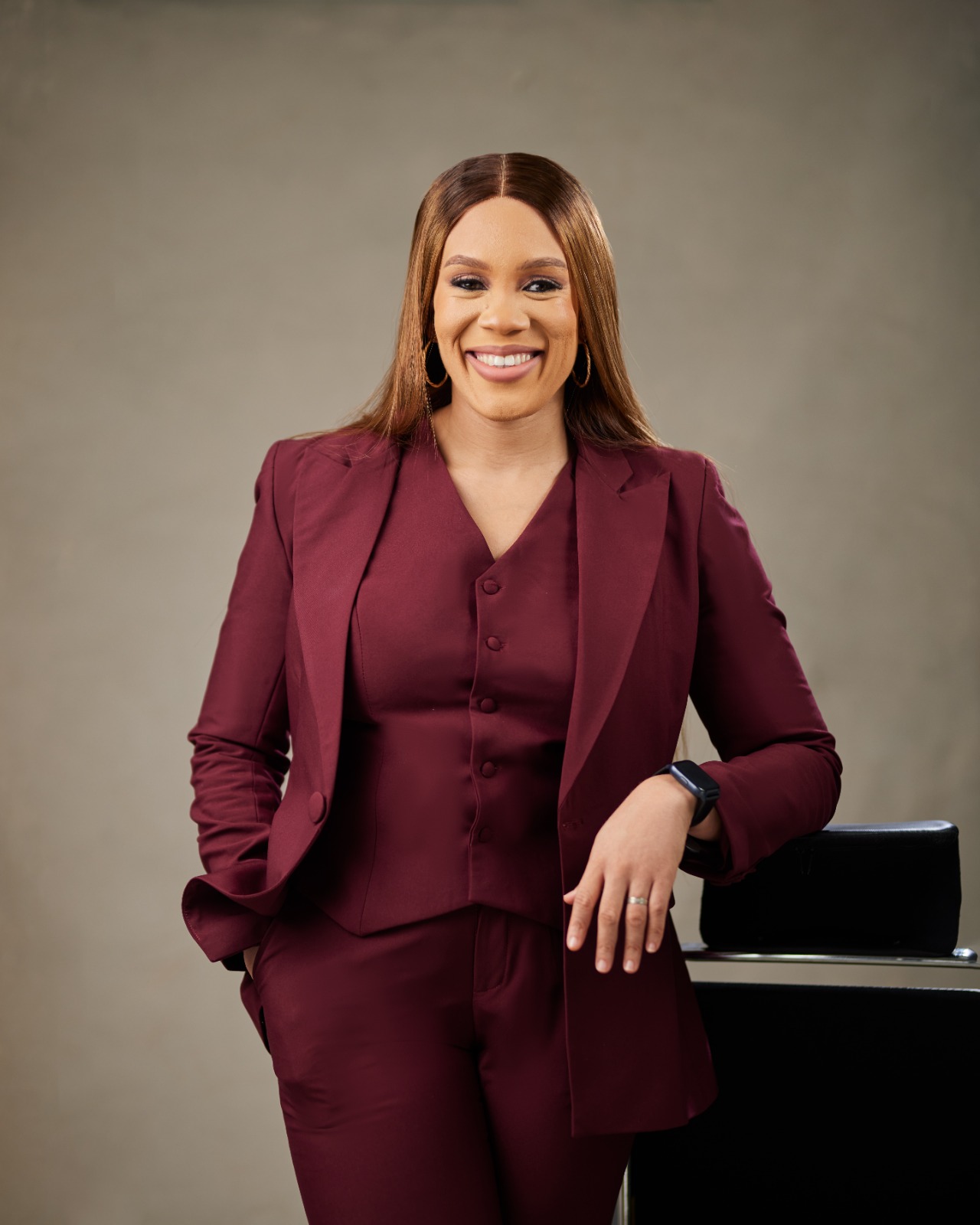
In May 2025, you became the first female and first non-founding CEO of EHA Clinics. Every historic moment has a very human story behind it. Who is Dr. Ifunanya Ilodibe before the milestone?
Before the milestone, I am a doctor who became deeply interested in what makes care actually work — not just at the bedside, but across the system.
Early in my career I began to see that good intentions alone do not produce good patient care. It depends on structure. On whether processes are reliable, standards are clear, teams are genuinely supported, and whether patients can move through care with dignity and trust. That realisation shaped me. It shifted my attention from treatment alone to the conditions that make good treatment consistently possible.
So before any title, I was already someone asking harder questions about quality, safety, access, and consistency.
I was also fortunate to work alongside leaders who invested in me and within organisations whose values aligned with mine. That gave me the room to actually design systems, not just observe broken ones. I didn’t take that lightly then, and I don’t now.
And I am a wife and a mother — which matters, because it keeps the work honest. When the people you love are the ones navigating the healthcare system, gaps stop being theoretical.
I am also someone who values reflection deeply. Leadership gets noisy very quickly, and I’ve learned that the only way to lead well over time is to stay anchored in who you are, not just in what the role demands of you.
You are the first woman to lead EHA Clinics in its history. When you sat in that CEO seat for the first time, what did you feel, and who did you think of?
What I felt most was responsibility.
Not the symbolism of the moment, though I understood that too. What I felt first was the weight of what the role holds — responsibility for the people who trust us with their health, for the teams who carry the work every day, and for the standard we must continue to uphold and improve.
I thought about the many people who shaped my journey, those who challenged me, trusted me, corrected me, and gave me room to grow.
And I thought about my daughters. Not in a ceremonial sense, but in a very personal one. I thought about what it means for girls to see leadership embodied in a way that is thoughtful, disciplined, and real.
I wanted that moment to mean not just that a woman had arrived there, but that substance, preparation, and steady growth had brought her there.
There was a point when you chose healthcare administration over full-time clinical practice — a path many doctors don’t take. What gave you the conviction to step into a version of yourself the world had not yet seen?
It did not feel like walking away from care. It felt like moving closer to some of the questions I could no longer ignore.
As a clinician, your attention is rightly on the patient in front of you. But over time, I found myself increasingly drawn to what happens before that moment and around it.
Why does one patient receive timely, coordinated care while another experiences delays, gaps, or inconsistency?
Why do good professionals still struggle in weak systems?
Why do some organisations improve and sustain quality while others remain dependent on heroic effort?
I realised that many of the problems we experience in healthcare are not just clinical problems. They are design problems. They are process problems. They are leadership problems.
Once I understood that, the decision became clearer. I was not choosing administration for its own sake. I was choosing to work upstream, where I could help shape the systems, standards, and culture that affect care at scale.
Your journey has exposed you to different health systems and levels of care. What are some of the most important lessons that experience has taught you?
One of the clearest lessons for me has been that outcomes in healthcare are shaped by systems more than individual competence.
Through my exposure across different levels of care, I began to see that while talent is critical, it is not sufficient. You can have skilled professionals, committed teams, and the best intentions — but if processes are weak, if accountability is unclear, or if standards are inconsistently applied, then quality becomes fragile.
I have also learned that context matters deeply.
The best solutions are not just technically sound; they are designed for the environment they serve.
That is one of the reasons I value the work we are doing at EHA Clinics, and more broadly within EHA Group. The goal is not simply to deliver care in isolated pockets of excellence. It is to strengthen systems in ways that are people-centered, resilient, and built to last.
That, to me, is where meaningful healthcare leadership lies.
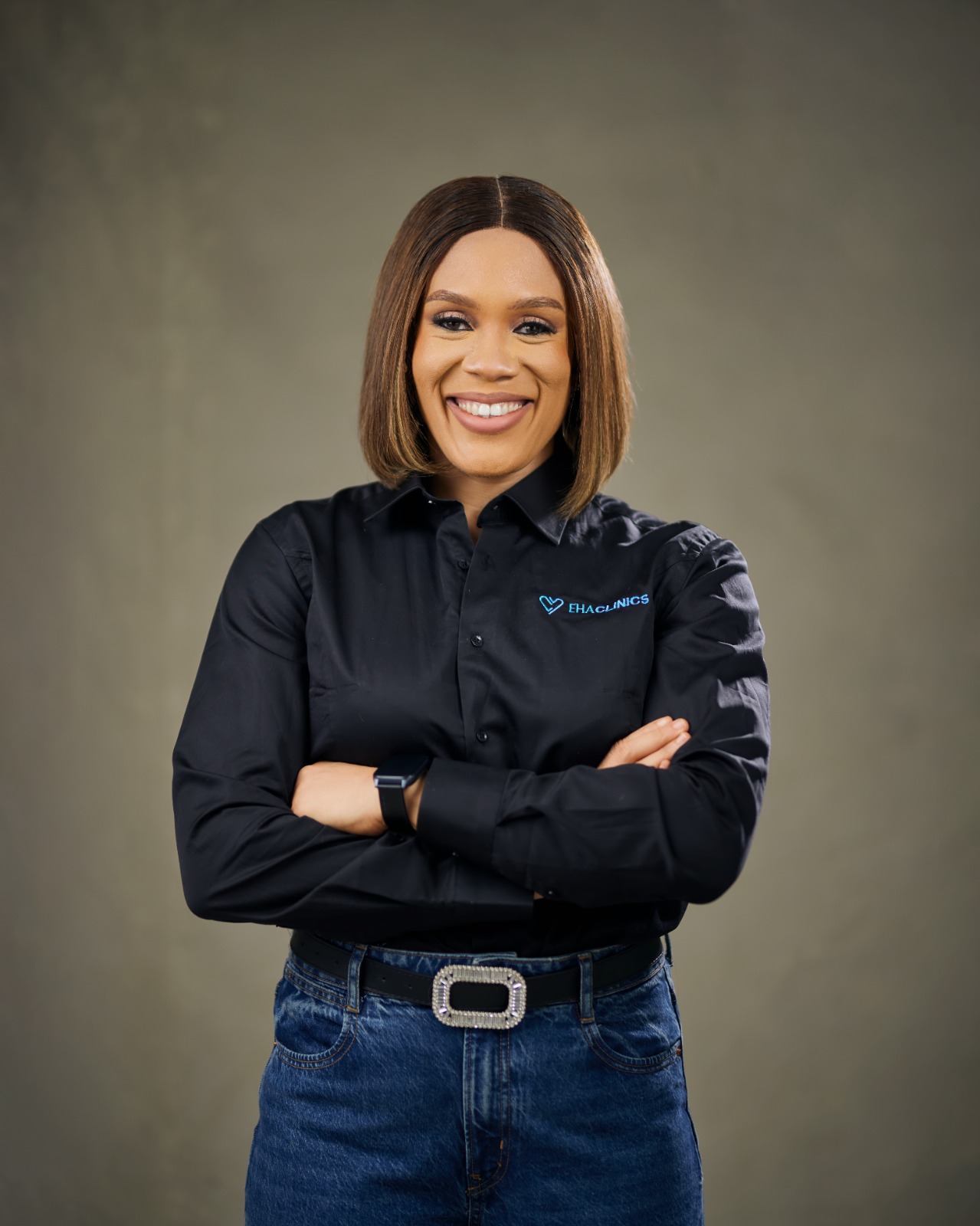
You started as Practice and Quality Assurance Manager and rose steadily into the CEO role. What does that journey say to every woman quietly wondering whether her time will come?
It says that growth is often happening before it becomes visible.
We live in a time where success is often spoken about in terms of big moments, but many careers are built in quieter seasons — seasons of learning, responsibility, consistency, and depth.
That was true for me. There were years of doing the work, building judgment, strengthening teams, solving problems, and growing into larger responsibilities before the title reflected any of that.
So to any woman who is quietly doubting herself, I would say: do not dismiss your quiet seasons. Build substance there. Build discipline there. Build credibility there.
Recognition has its place, but what sustains leadership is not early visibility. It is depth.
When the opportunity comes, what matters most is that you are ready — not just seen.
You have had exposure to different training environments, yet you chose to build your life’s work in Nigeria. What does coming home mean to you, and what do you believe is possible for healthcare on this continent?
For me, coming home was about choosing relevance.
There is a particular kind of meaning in applying your training, your experience, and your energy where the need is real and the opportunity to build is significant.
This is not a place for superficial fixes. It is a place that calls for commitment, system-building, and long-term thinking.
What I believe is possible for healthcare on this continent is far more than incremental improvement. I believe we can build health systems that are trusted, high-quality, contextually designed, and scalable.
We have the talent. We have the insight. What we need is the discipline to keep building systems that can outlast individual effort.
Healthcare leadership has long been a space where women are present, but not often represented at the very top. What needs to change, and what are you personally committed to doing about it?
The first thing that needs to change is how we think about the issue. Women’s leadership should not be treated as an exceptional outcome. It should be the result of a stronger, more intentional pipeline.
Women are already deeply present in healthcare. The real gap is not participation — it is progression. And if we are honest about why that gap exists, we have to talk about what is actually happening in women’s lives during the years when careers accelerate.
For many women, the window of peak career growth coincides almost exactly with the season of building a family — childbirth, young children, the mental and physical load that still falls disproportionately on women. That is not a coincidence. It is a structural collision. And because organisations rarely design around it, many talented women don’t fall behind because of lack of ambition or ability. They fall behind because the system was not built with their reality in mind.
So what needs to change is intentionality — at every stage, but especially at that one. Organisations need to think seriously about how they support women through that season, not just in policy, but in culture. Whether a woman returning from maternity leave is still considered for the next opportunity. Whether flexibility is genuinely available or quietly penalised. Whether the people making promotion decisions are even aware of their own bias.
What I am personally committed to is helping create those conditions — not just encouraging women, but ensuring they have access to stretch opportunities, visible responsibility, honest feedback, and environments where competence is what gets recognised.
Real change happens when support is structural, not just verbal. Words are easy. Designing systems that actually hold space for women at every stage of their lives — that is the work.
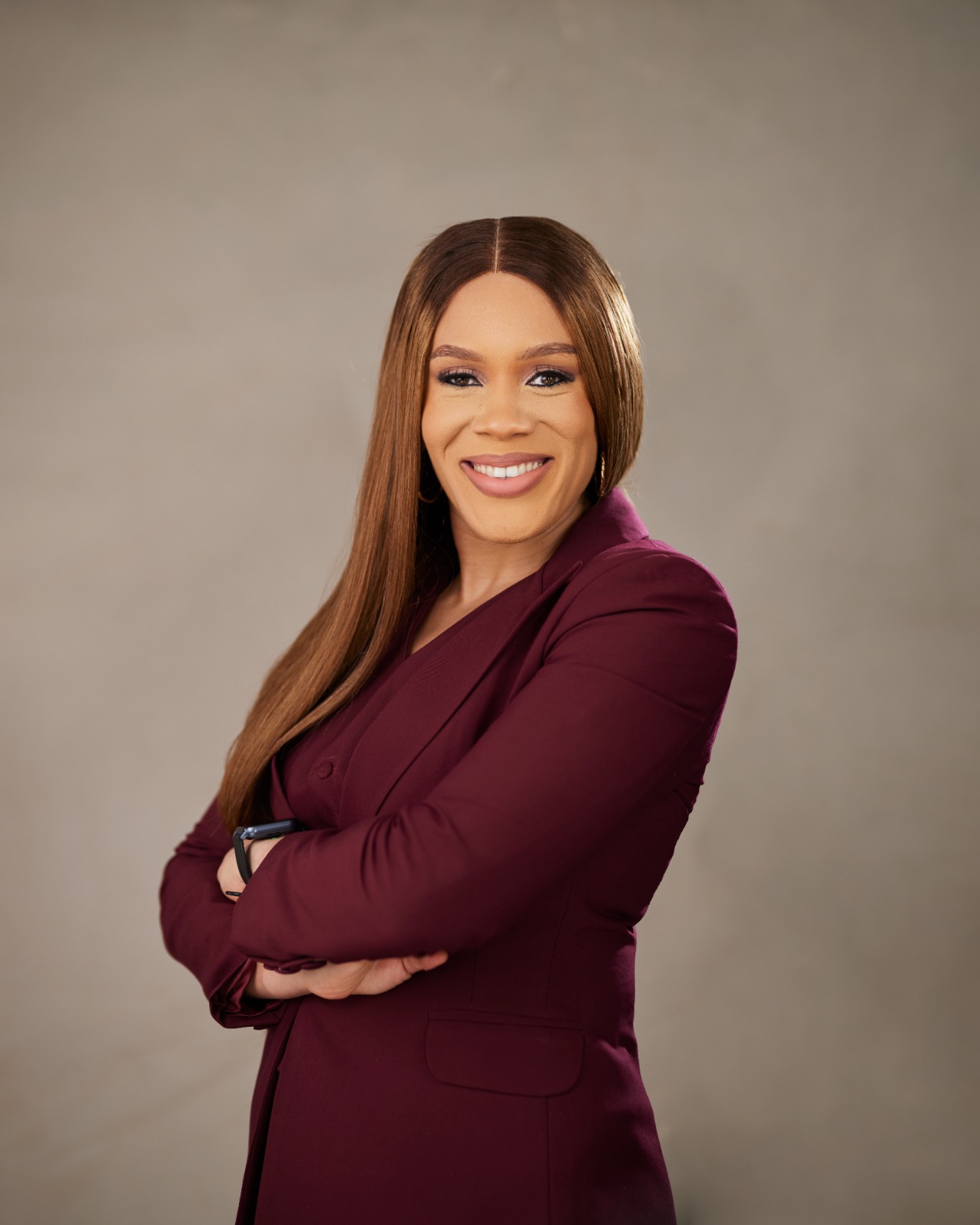
Your leadership vision is anchored in Zero Harm, Zero Wait, and Zero Waste — principles grounded in Lean thinking. How do they shape how you treat, develop, and champion the women around you?
These principles come from Lean thinking, where the focus is on eliminating what does not add value — whether that is harm, delay, or waste, so that systems can perform consistently.
But for me, they are not only operational. They shape how I think about leadership.
Zero Harm, in Lean, is about treating safety as a core value, not just compliance.
In how I lead, that translates to creating environments where people can contribute, grow, and speak up without fear. Especially for women, psychological safety is critical, because without it, capability is often present but not fully expressed.
Zero Wait is about eliminating unnecessary delays, where people, decisions, or progress are held back.
In leadership, that means not allowing potential to sit idle. When someone is ready, the responsibility is to recognise it early and create pathways for growth, rather than delaying it through indecision or bias.
Zero Waste focuses on eliminating non-value-adding activity, including underutilised talent.
And that is particularly important when it comes to women. Too often, capability exists but is not fully seen, trusted, or used. For me, that is a leadership gap, not a talent gap.
So these principles guide how I think about people, protecting them from harm, removing barriers to growth, and ensuring that talent is fully utilised.
What legacy do you hope to leave for healthcare, for Nigeria, and for every woman who dares to lead?
I hope the legacy is deeper than a milestone.
I would want it to be said that we helped strengthen systems in a way that made care safer, more timely, more trusted, and more sustainable — not for a moment, but over time.
I would want it to be said that the work helped demonstrate that high standards in primary healthcare are not aspirational in our context — they are possible, and they can be built deliberately.
For Nigeria, I would hope the legacy is part of a larger story — that we contributed to showing what disciplined, people-centered healthcare leadership can look like when it is rooted in quality, accountability, and long-term thinking.
And for women, I would hope the legacy is not simply that I was the first in a role. I would hope it is that my journey helped make leadership more imaginable, more attainable, and less exceptional for those coming after me.
Because ultimately, leadership is not what you hold.
It is what continues to work, grow, and improve because of what you helped build.