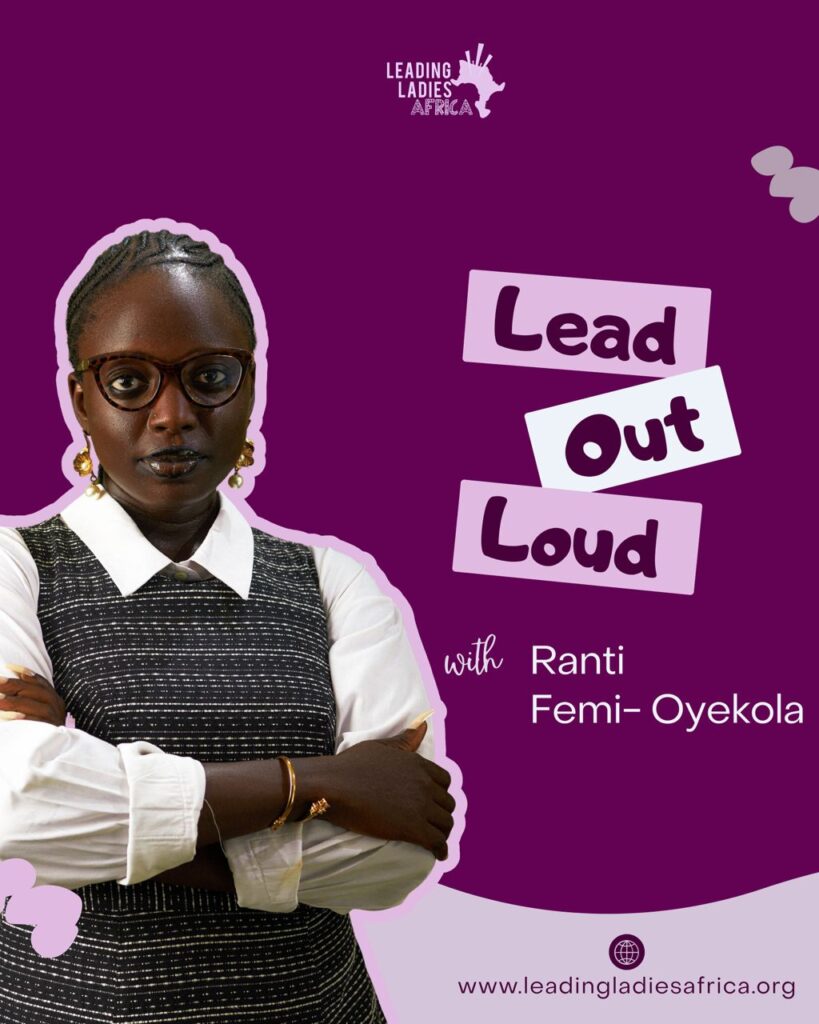
Ranti Femi-Oyekola has been called to the Nigerian Bar, run a food truck, trained at a culinary academy, walked film sets across West Africa, executive produced an award-winning festival-selected film, joined the producing team of The Morayo Show, founded a company protecting African creatives, and is currently building an animated film celebrating young African girls.
She is still going.
Born and raised in Abuja, Ranti studied Law at Benson Idahosa University before training at the Nigerian Law School in Bwari. Getting called to the Bar in 2019 was a proud milestone, structured, respectable, and exactly what her family had hoped for But creativity had always lived alongside the law in her household. Her father is a lawyer. Her mother has always been invested in media and Ranti grew up at the intersection of both, absorbing structure from one parent and storytelling permission from the other.
After law school came Red Dish Culinary Academy, then Rovallion, her catering and food truck business that scaled quickly in Abuja. Then April 2024 arrived and something shifted. She enrolled at EbonyLife Creative Academy, trained in Producing and Directing, and stepped fully into the world she had been circling her entire life.
What she built from there is the kind of thing that makes you sit up straight. Le Pari de Bolaji, award-winning, festival-selected, executive produced, produced, and theme-written by Ranti herself. A producing credit on The Morayo Show. Storytelling engagements across Nigeria, Togo, Benin Republic, and Senegal. A whole company dedicated to giving African storytellers the tools, the legal protection, the education, and the technology to create work that competes globally and belongs to them entirely. And now Gourd of the Sky, an animated film in development with director and animator Daniel Alaka, built to reframe African culture as a source of power for the next generation of girls watching.
Her mission is clear and it has never changed: to help African creators tell powerful stories and own them completely.
In this Lead Out Loud interview, Ranti gets into all of it and she does not hold back.
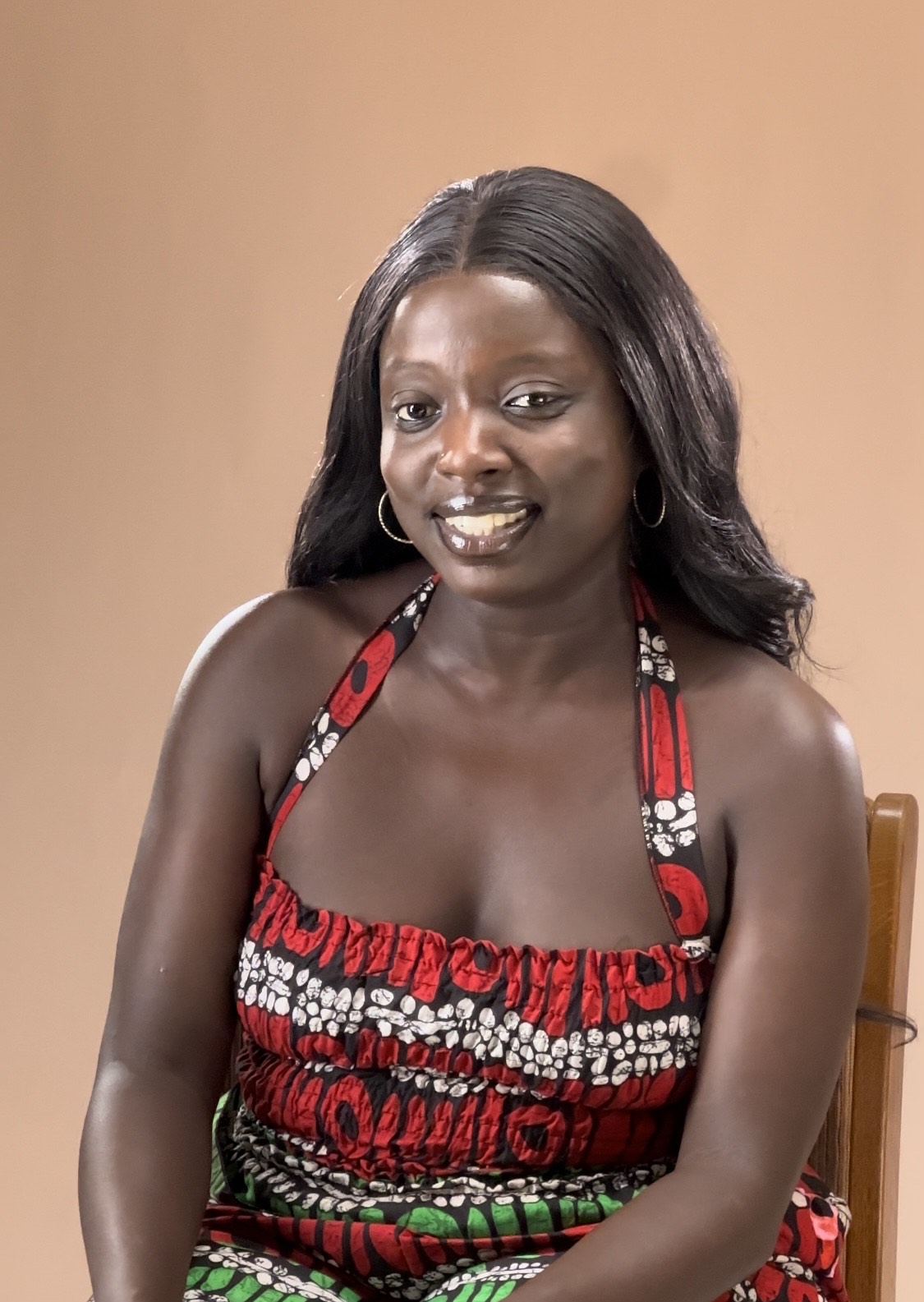
Lawyer turned award-winning producer with festival-selected films and now an animated project. Who is Ranti in three words?
Resilient, Evolving, Intentional.
A little back story. I was born and raised in Abuja, studied Law at Benson Idahosa University, and went on to the Nigerian Law School in Bwari. Becoming a lawyer was a proud milestone for me and my family: structured, respectable, and logical.
Even while studying law, I was drawn to expression. A spontaneous moment led me into radio during university, and that curiosity stayed with me for years. After law school, I launched a catering and food truck business in Abuja called Rovallion. It scaled quickly, and my parents, along with my siblings, continue to support and encourage me through every evolution.
At some point, I realized I had stopped dreaming. In April 2024, I decided to pursue something bigger,
which led me to EbonyLife Creative Academy, a launchpad for creativity, training, and growth. From that point, it has been steady progress.
I believe in self-redemption and reinvention. African women are often encouraged to accept and settle, but growth is the point of living. I’ve seen many young African women choose to evolve repeatedly until they fully align with who they are. That courage inspires me. Sometimes the pressure to remain the same comes not from wisdom but from fear, and I refuse to let fear define my capacity.
We are allowed to grow, to redefine ourselves, to stretch beyond what is familiar without apologizing for it.
So who is Ranti? I am someone who evolves boldly, someone who chooses purpose over comfort, and someone who understands that reinvention requires courage.
Your parents watched you get called to the Nigerian Bar in 2019 and then film sets happened. What was that conversation like at home?
I honestly believe I got my resilience from my parents. They have always believed in me, sometimes even more than I believed in myself. Growing up, my mum would always say I would own a “film house.” I was obsessed with old Nollywood films, memorizing plots, retelling stories, and acting out scenes. I watched advertisements with my dad and lip-synced them from beginning to end — Nigerian ones, international ones. Storytelling fascinated me long before I knew what to call it.
My dad is a lawyer, my mum has always been invested in media, so creativity and structure were both present in our home. They never dismissed my artistic side; they affirmed it. They just didn’t necessarily expect it to become my career path.
Getting called to the Bar in 2019 was a proud family moment. Film sets brought questions: “How exactly are we getting here?” There were boundaries, concerns, and practical considerations. The creative industry doesn’t always operate on a 9–5 schedule — key conversations often happen at night, and opportunities require presence.
There were moments of tension, not because they doubted me, but because they wanted to protect me. I had to show that I wasn’t being impulsive, I was being intentional. The first time I stepped out to explore opportunities seriously, I was younger, and naturally they were worried. Later, when I moved to Lagos to see what more was possible, I was older, clearer, and grounded. That shift made all the difference.
Overall, belief has remained constant. Even amid questions, my parents and siblings continue to support me, giving me the courage to step confidently onto every set.
What’s the most “nobody told me this would happen” moment you’ve had on a film set?
No one really prepares you for how much depends on you as a producer. I knew producing required organization and leadership, but I didn’t fully grasp the level of mental agility it demands: thinking quickly, closing loopholes before they become problems, and remembering details others might forget.
You can’t just have a plan; it must be solid, realistic, achievable, and flexible enough to adjust in real time without passing stress to the team. People depend on your foresight, your calm, your ability to say, “It’s handled,” even while actively handling it.
That responsibility was my biggest surprise. Yet every set has strengthened my confidence and proven that I can lead, anticipate challenges, and solve problems effectively.
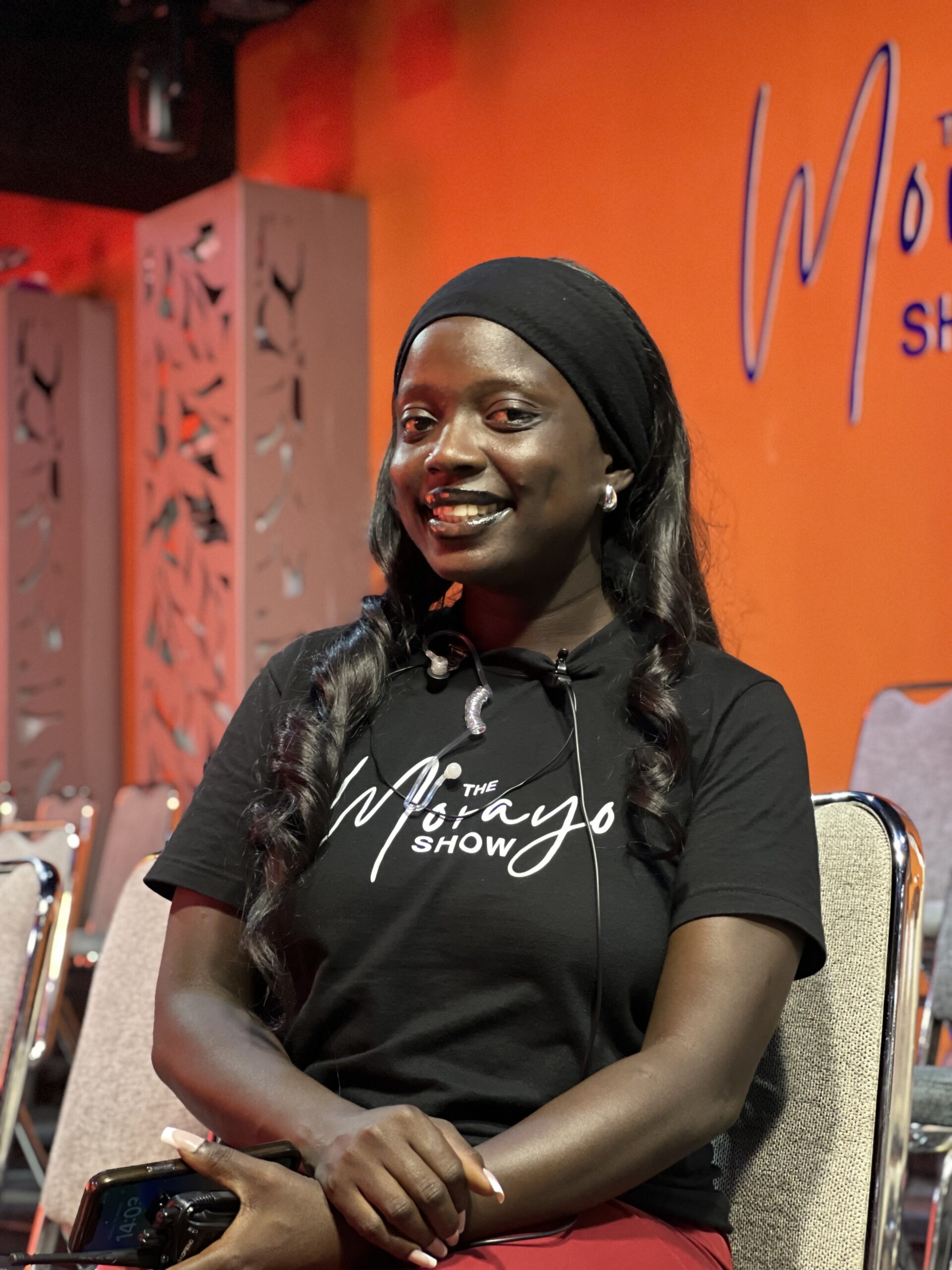
For an animated film celebrating young African women, Gourd of the Sky is such a bold and beautiful name. What inspired it?
It was important to celebrate African culture authentically while keeping it accessible to children.
Gourd of the Sky is directed and animated by Daniel Alaka, winner of the S16 Rising Star Award. Daniel is the animator and director on the project, and he is brilliant at his craft. His visual interpretation brings depth, texture, and emotional clarity to the story in ways that elevate the narrative beyond what I imagined. Working with a director who understands symbolism and cultural nuance so intuitively has been a gift to this project.
Yes, that is the name of the film, and it is titled that way because of what the gourd represents. The gourd, or calabash, is familiar in African life: practical, ordinary, yet often stigmatized.
I wanted to challenge that. I wanted children and adults to see a gourd and feel familiarity rather than fear. To feel home rather than suspicion. To see beauty rather than stigma.
At the same time, the gourd is deeply symbolic. Across African traditions, it represents preservation, value, wisdom, and power. In Gourd of the Sky, it becomes symbolic of the power gourds hold in reference to the abilities they represent for Nia — her strength, her inheritance, her potential. It reflects how tradition and culture can serve as motivators for positive, groundbreaking, and solution-driven actions rather than limitations.
“Gourd of the Sky” felt meaningful because it is grounded in heritage while reaching upward. It captures what the film is truly about: honoring our roots while reminding young African girls that their power is limitless.
What would you tell a young African girl who has a big creative idea but is waiting for permission to start?
You are the permission you need. You are the only permission that truly matters. If you can imagine it, you can achieve it. Growing up, I watched Mo Abudu on Moments with Mo, and she would always say this. As I got older, I understood the depth of that message.
Many limitations start in our own minds before the world presents them. The only person who can stand in the way of your potential is you. You need to examine what you believe about yourself, the world, and what is possible — then choose to expand those beliefs.
My mum always says in Yoruba: “Oluwa t’ọ̀nà r ọ̀ ere kì í jẹ́ kí ara rẹ̀ ṣe é” — good things almost resist themselves at first. When you want to do something truly good, it will seem to fight back. The more stubborn it proves, the more determined you must be.
Take the first step. You are the director of your life, and God is the executive producer. Dream boldly. He has equipped you and wants you to do great things. Don’t limit yourself. You are capable. You are ready. You are allowed to begin.
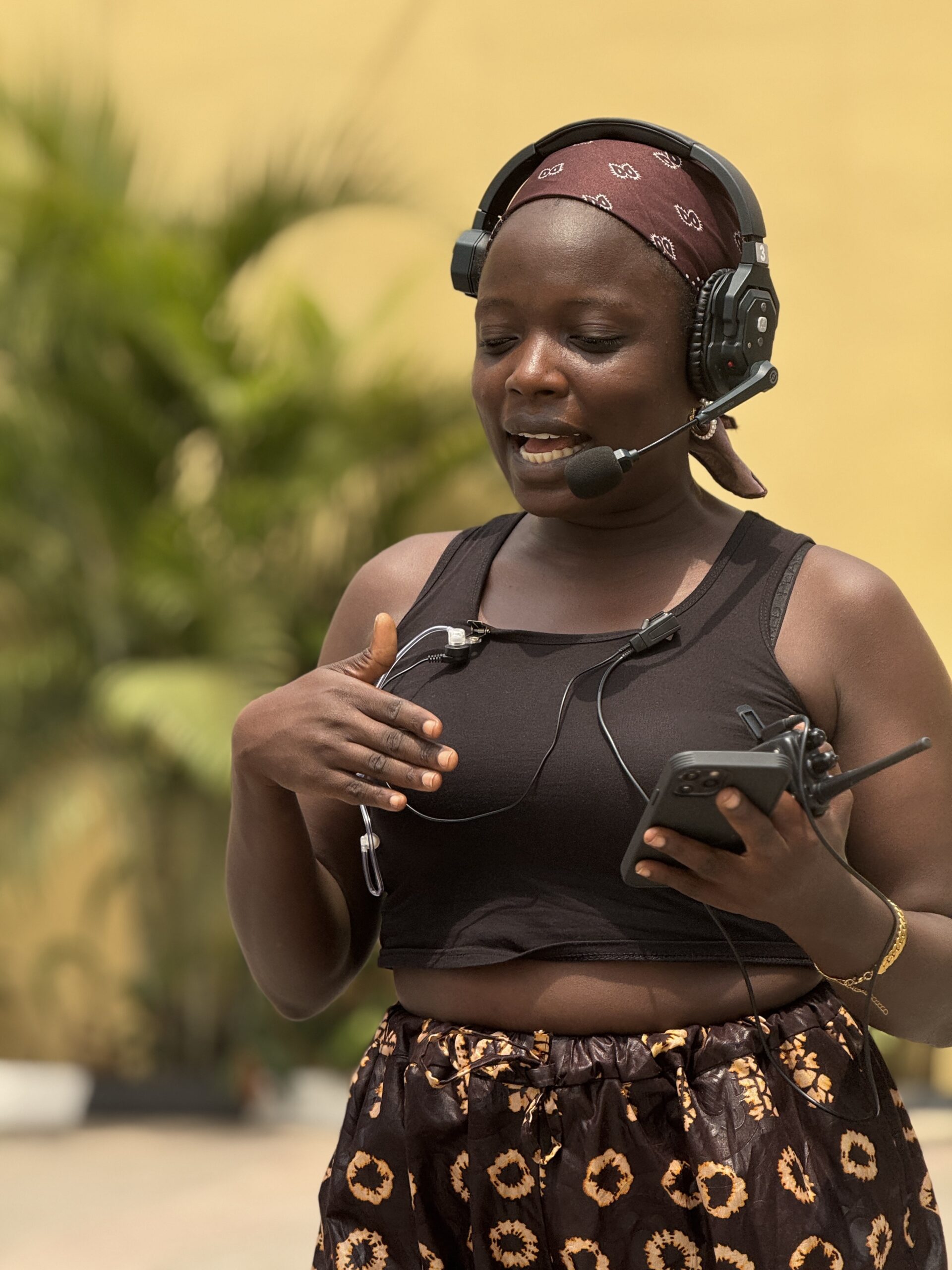
This or That
Suits or Hoodies?
Honestly, I haven’t felt the pull to wear a suit since law school, and even then it was because I was required to. I would pick hoodies because I live an active life and they are practical.
But if I’m being completely honest, the real answer is bubu. A long, flowing bubu feels like it was made for me: practical, comfortable, and cultural. It reflects how I grew up and the way my mum has always dressed. Since bubu isn’t on the list, I’ll say hoodies, but my heart belongs to bubu.
Afrobeats or Amapiano?
Afrobeats, easily. I listen to a lot of Afrobeats, especially from emerging Nigerian artists. You can hear the hunger and creativity. Amapiano is great for parties, but I’m not in that phase anymore. If I could add my
own option, it would be R&B. I grew up on R&B because of my dad — it’s music for the soul.
Phone calls or Voice notes?
Voice notes. Phone calls feel urgent as soon as they come in. Voice notes allow me to revisit conversations, catch details I might have missed, and keep things documented. The lawyer in me appreciates that.
Solo creative or Big team energy?
I’m naturally individualistic and do some of my best foundational work alone. But big visions require strong teams. I care about capacity and expertise rather than numbers. Once the team has the skills, I’ll always choose big team energy