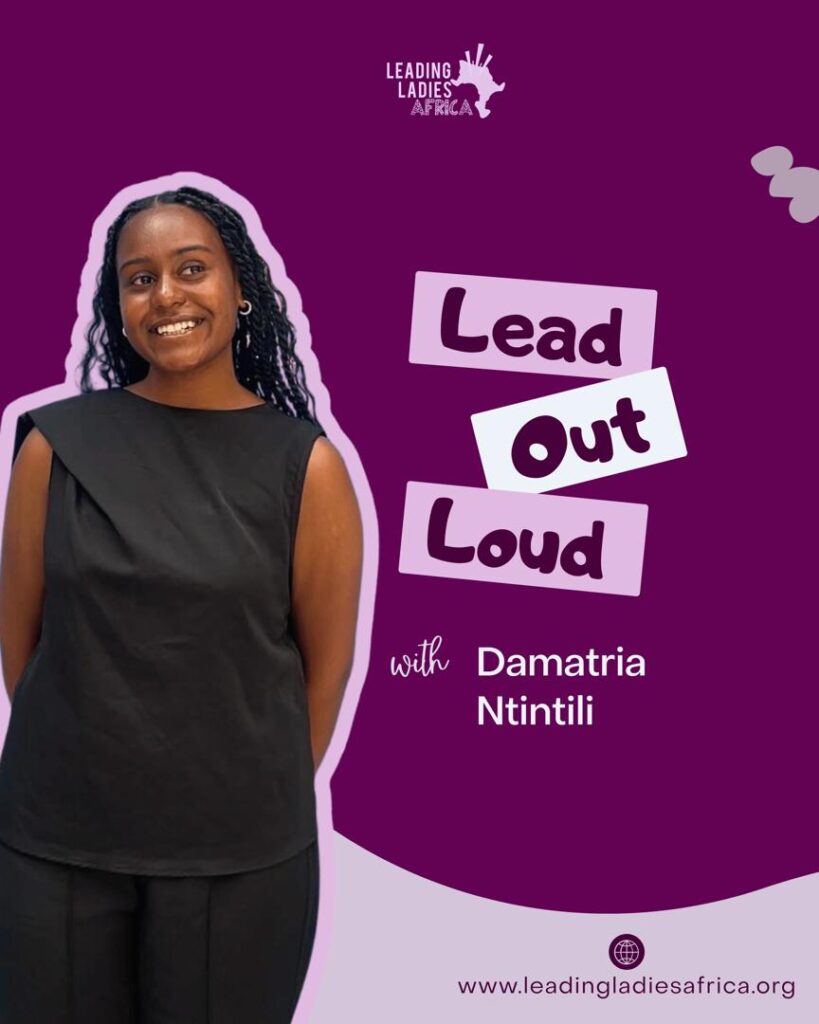
Damatria Ntintili is the kind of person who goes to a concert and leaves thinking about how to make it safer for young people. Not because she can’t switch off, but because she genuinely cares and that care has a way of showing up everywhere she goes.
A student at the University of the Witwatersrand, Program Assistant at Global Africa MUN Agency, facilitator at QRATE where she works to combat period poverty through menstrual education, and a member of the UNICEF Young People’s Action Team, Damatria moves through the world with a quiet intentionality that is hard to ignore. She is also the founder of GenZenZa, a youth-led organisation she built from a very personal place.
As a top achiever who found university far more challenging than anyone had prepared her for, navigating course changes, funding struggles and the weight of figuring it all out largely alone, she decided that no student should have to go through that without support. What started as a conversation became an organisation, and what started as an organisation is quickly becoming a movement.
When she is not running workshops or collaborating with global youth on gender equality and sustainable development, you will find her at a museum, exploring a new African cuisine, or filming a TikTok that manages to be both fun and thought provoking, because that is just who she is.
Meet Damatria Ntintili — student, advocate, founder, and one of the most quietly powerful young women we have had the pleasure of sitting with.
Program Assistant, University of the Witwatersrand student, UNICEF Youth Team member, period poverty advocate and founder of your own organisation — who is Damatria Ntintili when she finally sits down?
When I finally sit down, I’m actually someone who really enjoys youth culture and creative expression. I love concerts and music events, and I recently started a series called Healthy Groove where I talk about party culture and some of the unhealthy behaviours that young people sometimes normalise at these event, especially in South Africa whereby STDs are high amongst young people. It’s my way of having honest conversations about healthy living and having a good time while still enjoying the spaces young people love. In my spare time I also create TikTok videos, usually reflecting on youth life, advocacy, or just sharing thoughts and experiences. I sometimes joke that I take my work home with me—because even when I’m out having fun, I still find myself thinking about youth wellbeing and the conversations we should be having.
What does Damatria do when she is not saving the world?
When I’m not working or advocating, I really enjoy slowing down and learning in different ways. I love visiting museums, spending quality time with my family, and exploring African culture more deeply. Lately, I’ve been doing that through food—trying different African cuisines and learning the stories and traditions behind them. For me, culture, history, and community are such important parts of identity, so those moments help me stay grounded while also reminding me why the work I do matters.
How did you think of the name, GenZenZa?
GenZenZa is actually a play on words. “Gen Z” refers to Generation Z, and “ZenZa” is derived from the Zulu word sebenza, which means “to work.” The idea behind the name is that we are the generation that does—we don’t just talk about change, we actively work towards it. Through GenZenZa, we aim to impact young people, particularly high school learners, by hosting career development workshops and climate literacy sessions that empower them with knowledge, confidence, and a sense that they can shape their own futures.
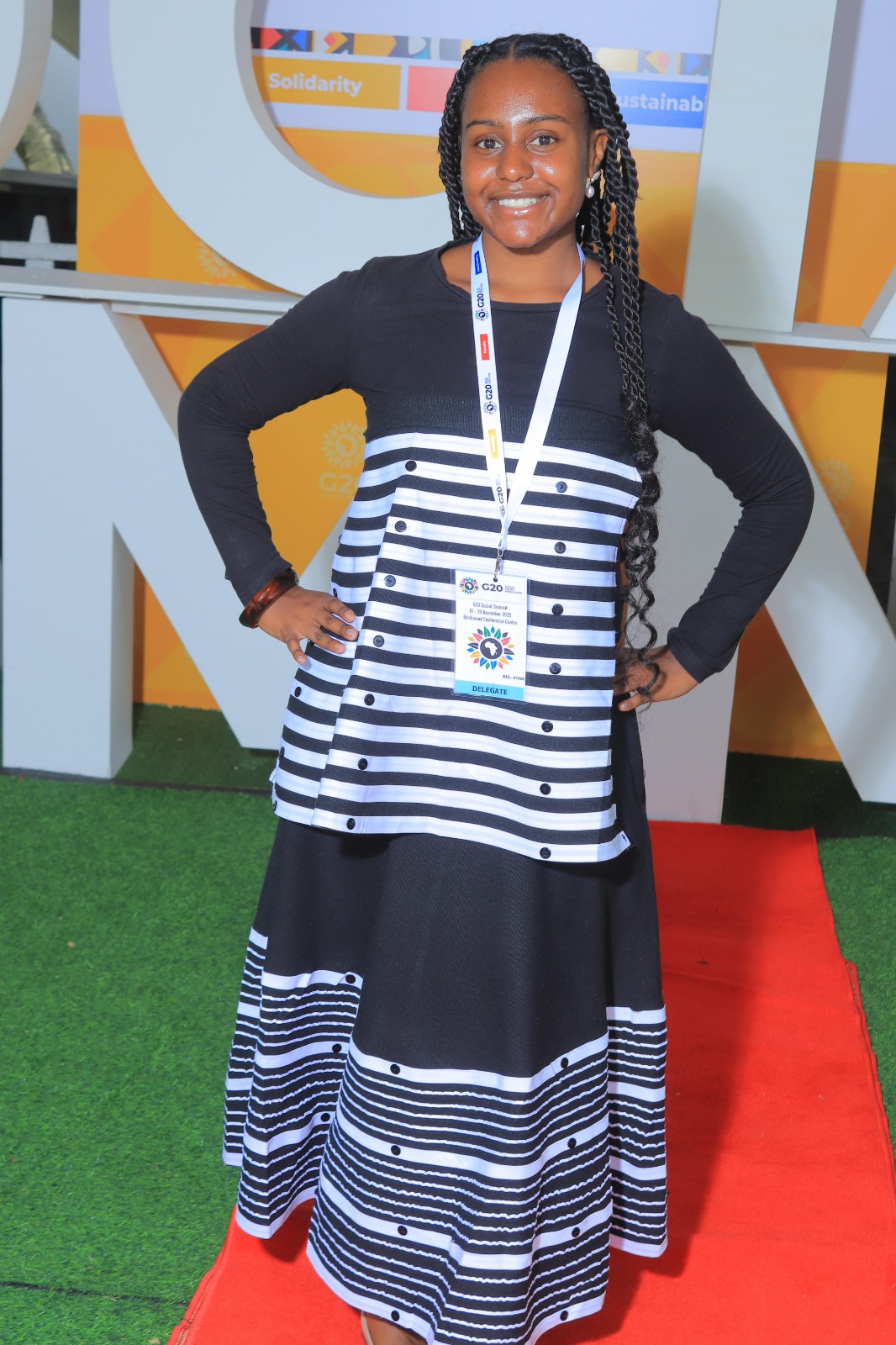
Have you had an impostor syndrome moment and how did you get through it?
Yes, definitely. There have been moments where I’ve walked into rooms and wondered whether I was experienced or qualified enough to be there, especially being a young woman in spaces that are often dominated by older professionals. What helped me push through that was realising that my perspective as a young person is actually valuable and necessary. I remind myself that I’m not there to have all the answers, but to contribute, learn, and represent the voices of young people who are often not included in those conversations.
Give us one unpopular opinion about being a young woman in Africa?
My unpopular opinion is that resilience has become overrated for young African women. We are constantly praised for being strong, hardworking, and able to overcome anything—but sometimes that praise hides the fact that the systems around us are failing us. Young women shouldn’t have to be extraordinary just to access opportunities that should already be available to them. I think instead of only celebrating how resilient young women are, we should be asking harder questions about why they have to be that resilient in the first place.
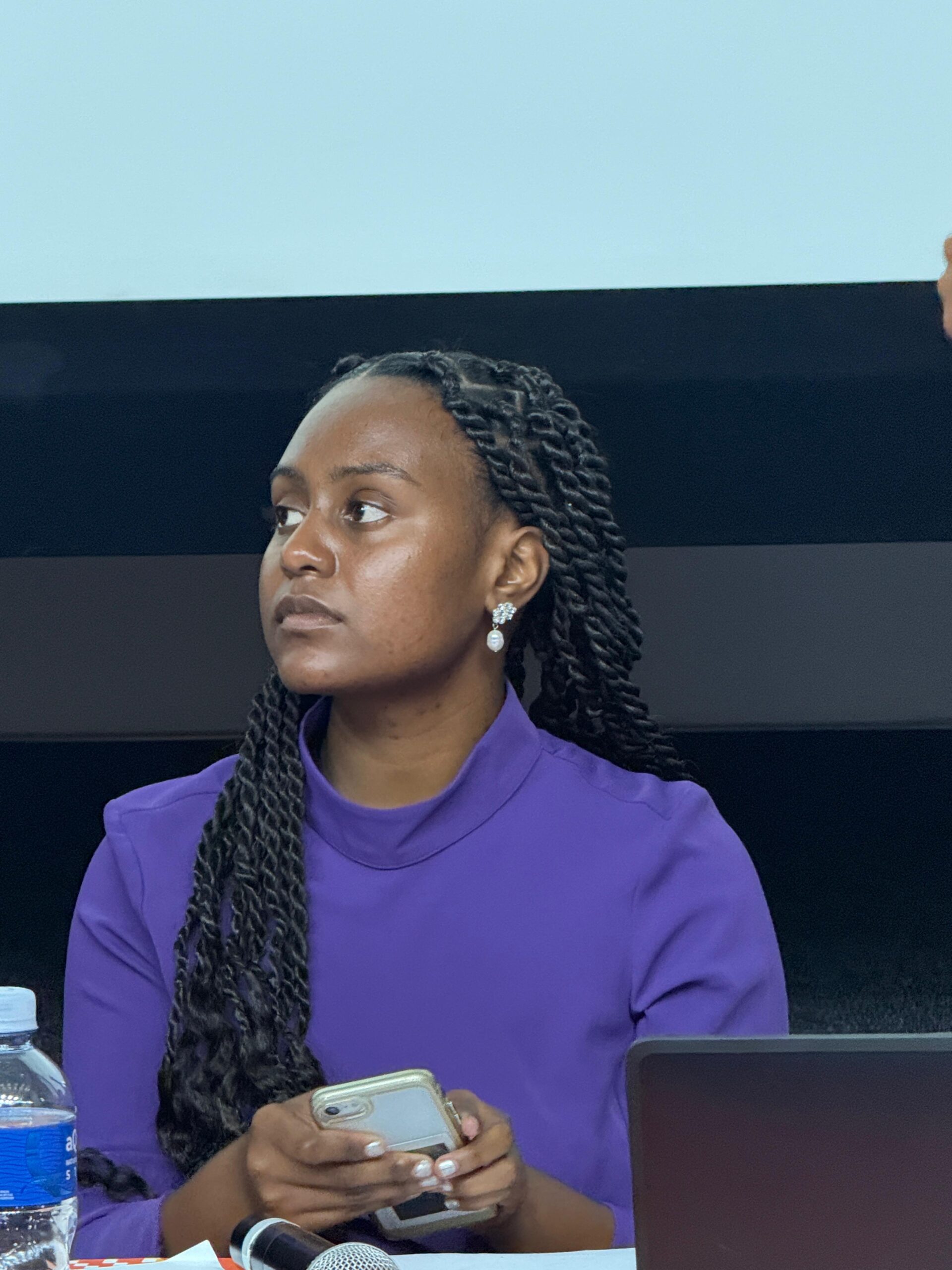
Rate it 1–10
Your work-life balance: 7/10 – I’m very passionate about the work I do, so I naturally invest a lot of time and energy into it. But I’m learning that rest, creativity, and spending time with people I love are also part of sustaining impact.
Your first year of university: 8/10 – It was intense and humbling, but it pushed me to grow quickly. It taught me resilience, independence, and helped me understand the kind of impact I want to have.
Your cooking: 7/10 – I’m getting better! Lately I’ve been exploring African cuisines, so I’ve been experimenting more in the kitchen and learning about different cultures through food.
Your response time on WhatsApp: 4/10 – I’ll be honest… it’s not my strongest point. When I’m busy with work, studying, or projects, I tend to reply much later than people expect.
Your sleep schedule: 6/10 – It’s decent but not perfect. I try to prioritise rest, but sometimes work, ideas, or late-night thinking get in the way.
Your ability to take a day off without feeling guilt: 5/10 – I’m still working on this. When you care deeply about your work and the communities you serve, switching off can feel difficult—but I’m learning that rest is necessary to keep showing up fully.