
In 2015, Boko Haram came to Ngarannam and left nothing standing.
The small community in Mafa Local Government Area, Borno State, had been alive with the kind of ordinary richness that only makes sense when it is gone, Fulani, Kanuri, Shuwa, and Gamargu families living side by side, markets humming, homes full, children growing up knowing exactly where they belonged. Then the insurgents came, and in the violence that followed, all of it was taken. Homes. Livelihoods. The social systems and leadership structures that had held the community together for generations. The people of Ngarannam scattered into displacement camps, carrying nothing but memory and the quiet, desperate hope that one day, they would go back.
For years, that day felt impossibly far away until Tosin Oshinowo showed up

When Boko Haram Took Their Home, She Built It Back.
By the time Tosin walked into the ruins of Ngarannam, she was already one of Nigeria’s most celebrated architects. The Lagos-born founder of CmDesign Atelier had trained at some of the world’s most prestigious architecture firms, Skidmore, Owings and Merrill in London, and the legendary Metropolitan Architecture in Rotterdam, where she worked under Rem Koolhaas, one of the greatest architectural minds of our time. She returned to Nigeria, founded her firm in 2012, and spent the years that followed building a reputation for work that was as intellectually rigorous as it was deeply human.
She could have stayed in the world of global triennials and iconic malls and luxury commissions. Instead, she took everything she had built and carried it to Borno State, because Tosin Oshinowo has always believed that great design belongs to everyone, especially the people who need it most.
She Was Made for This Moment
Tosin grew up in Lagos accompanying her father to construction sites as a child, watching homes rise from bare ground and deciding early that buildings were her language. She excelled in Technical Drawing in secondary school, trained across two of Europe’s most demanding architecture firms, returned home, and founded CmDesign Atelier in 2012, building a portfolio that stretched from luxury residences to cultural institutions to Nigeria’s most iconic commercial spaces.
Her range has always been the point. The Maryland Mall in Lagos — a landmark that brought 50 internationally known brands to the city and houses the largest digital LED screen in Sub-Saharan Africa. A stunning minimal beach house that draws out the natural beauty of the Atlantic on a quiet island near Lagos. The Sharjah Architecture Triennial, one of the most prestigious architecture platforms in the world, which she curated to spotlight design built from conditions of scarcity across Africa and Asia. The 2019 Lagos Biennial. The Venice Architecture Biennale, where she wrote about Afro-modernism and identity and Ile Ila, a contemporary Nigerian furniture line handmade in Lagos using traditional West African fabrics and Nigerian teak wood, bold and colourful where her architecture is minimal and precise.
By the time Ngarannam called, she had spent a career preparing for exactly this.
She Listened Before She Drew a Single Line
Before a pencil touched paper, Tosin sat with the displaced community of Ngarannam and asked what they needed to feel at home again. She didn’t arrive with a vision, she arrived with questions. What did home feel like? What did they miss? What would make them feel like themselves again?
The answer shaped everything: nostalgia and familiarity. They didn’t want something new and foreign, they wanted to feel like themselves again. So she built exactly that.
She Put Their Culture Into the Walls
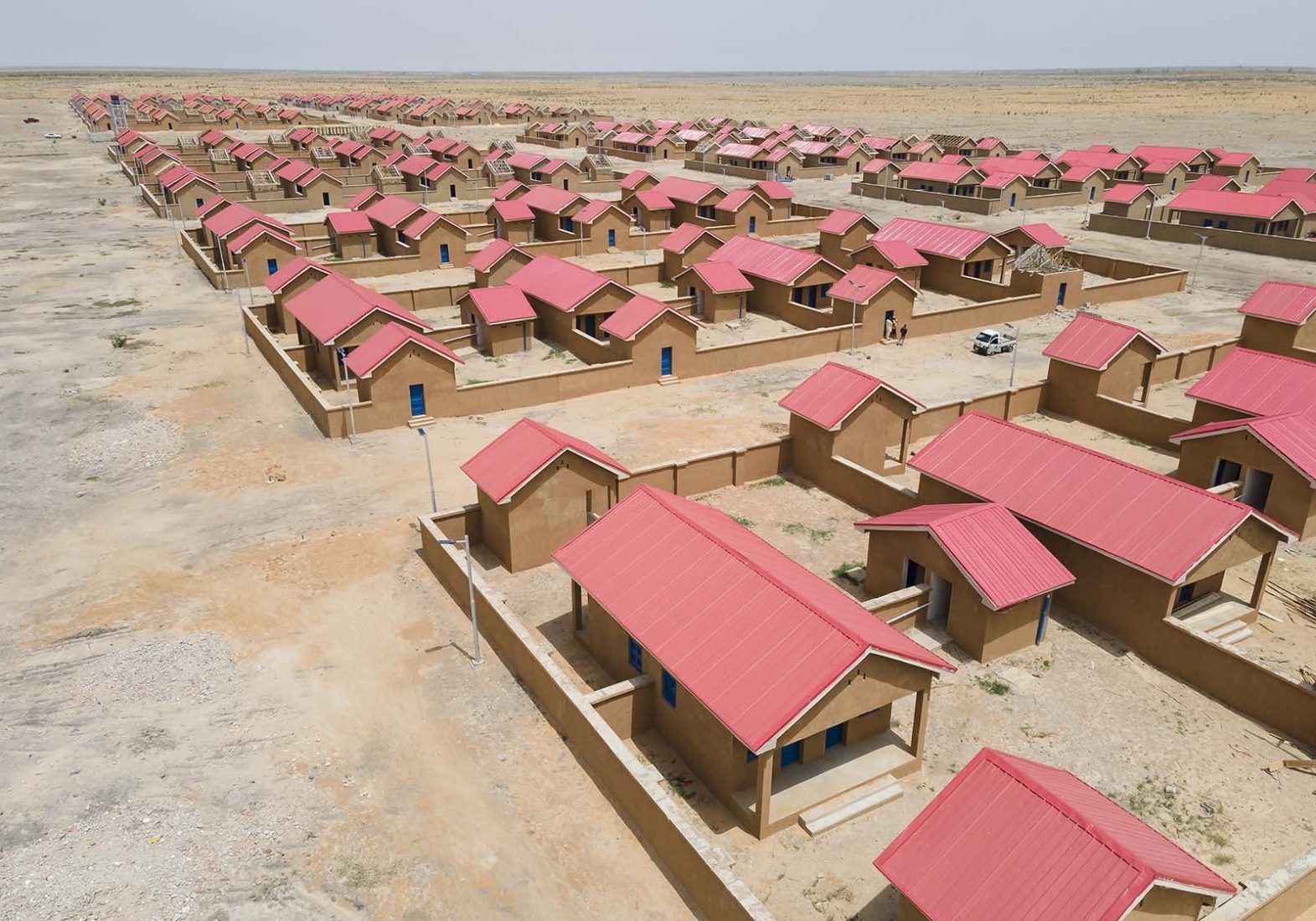
Every home she designed included the Zaure, the traditional Kanuri reception room that separates public space from private space, a feature so fundamental to Kanuri and Islamic culture that to leave it out would have been to build houses without souls. The 500 earth-toned homes were constructed from local materials, arranged in a grid that echoed the village they had known, with coral-pink roofs made from Tyrolean render mixed with ground soil, a colour the community chose themselves, one that needed no expensive paint and could be maintained entirely by local hands.
She didn’t build houses. She rebuilt a people.
She Turned Construction Into a Gift That Keeps Giving
Tosin insisted on hiring local contractors and builders to construct every home, so that when the project ended, the skills wouldn’t leave with it. “Long after the development is completed, they’re able to use it on other projects,” she said. “It’s an opportunity for people to learn, to grow, and to evolve.” A development project that imports all its expertise and then leaves is not development, it is charity with an expiration date. Tosin understood that from the beginning.
She Didn’t Just Build Homes. She Built a Village.
The master plan for Ngarannam went far beyond housing. Tosin designed a primary health clinic so no family would have to travel far for care, a marketplace where economic life could resume, a community centre where people could gather and remember what it felt like to belong to each other, and a police post so that safety was not just hoped for but built in. She designed roads, open spaces, and shaded pavilions that could be organically expanded by the community itself as the village grew. Every structure told the same story, you matter, you belong, and what was taken from you has been returned.
Simplicity Is Her Superpower
There is a philosophy that runs through everything Tosin does, one she traces back to her time under Rem Koolhaas, who taught her that the most powerful buildings are the ones people love without being able to explain why. “So many of us get it wrong by overdoing it,” she has said. “It’s the simplicity in our delivery, people should be able to go into a building and not know why they like it, or be conscious that somebody has done something so powerful.”
In Ngarannam, she didn’t try to make history. She tried to make home and in doing so, she made both.
She Is Rewriting What African Architecture Means
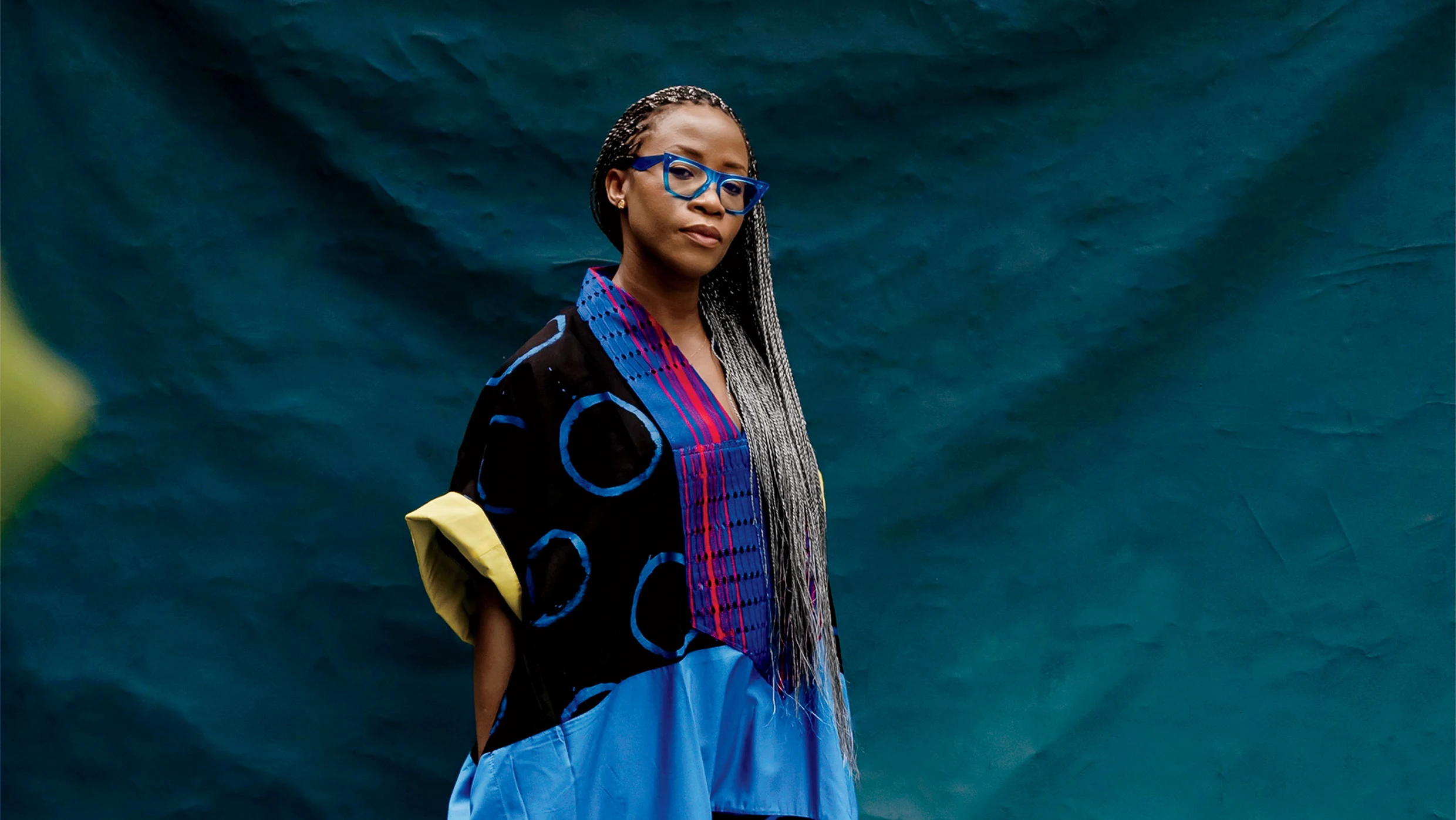
Tosin Oshinowo believes African architecture must be rooted in African lives, in culture, in climate, in scarcity, in the people who will actually live inside the walls. She has spent her career proving that socially responsible design is not a compromise but the highest form of the craft. And in Ngarannam, surrounded by coral-pink roofs rising quietly from the soil of Borno State, 500 families have found home.
She didn’t save Ngarannam. She gave the people of Ngarannam everything they needed to save themselves and that is the most powerful thing a builder can ever do.