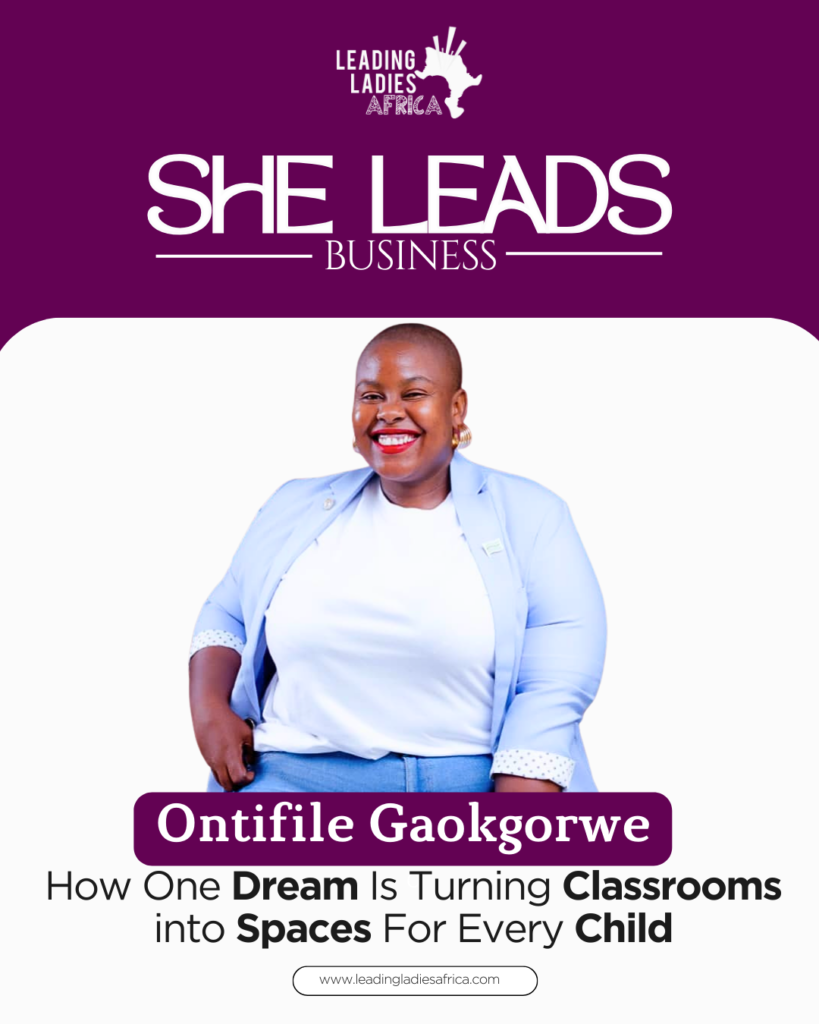
“The dream was for me, not the crowd.” — Ontifile Gaokgorwe ✨
Ontifile knows what it’s like to be misunderstood. Growing up in Botswana, she faced the sting of bullying and watched children with disabilities get left behind, not for lack of potential, but for lack of space.
Instead of staying silent, Ontifile says she chose to become the change she wanted to see.
Today, as the powerhouse behind The Bees Hive Academy and The Inclusion Hub Connect, she is redefining leadership through the lens of “heart and strategy.” From taking bold risks in times of financial uncertainty to advocating for a world where inclusive education is the norm, Ontifile’s journey is a masterclass in resilience. 🌍
In this conversation, Ontifile shares:
- Why she started before she felt “ready.”
- The power of women lifting each other instead of competing.
- How she turned childhood pain into a national mission for equity.
- Why a child’s confidence is the ultimate metric of success.
She isn’t just building schools; she’s restoring dignity. As Ontifile reminds us: “Passion is what will sustain you through the hard seasons.”
Read the full conversation below.
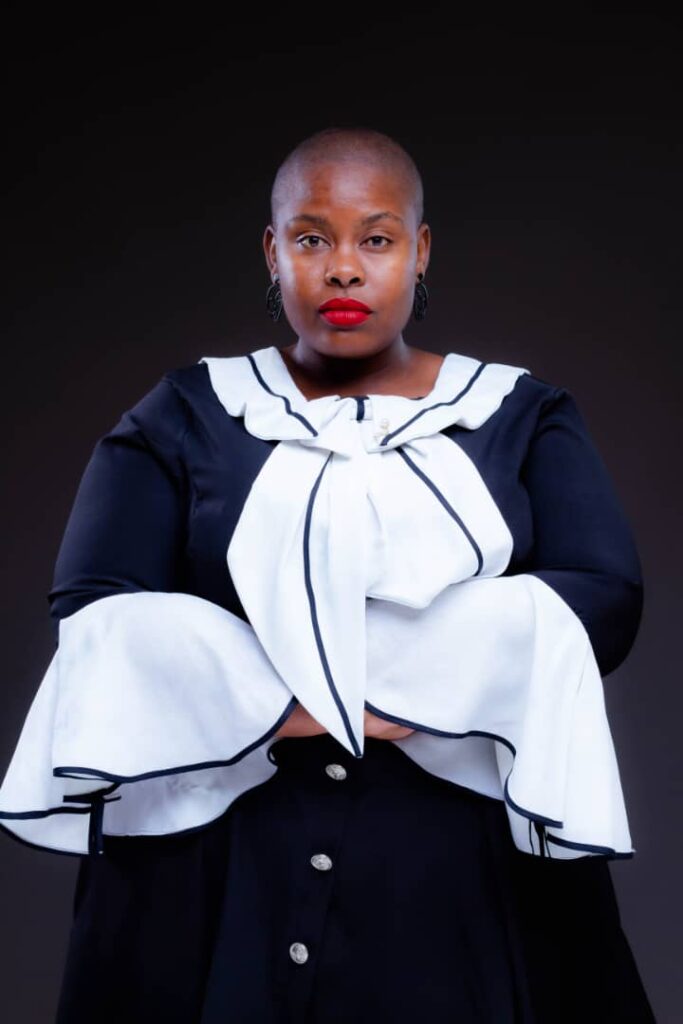
You’ve dedicated your career to inclusive education for children with and without disabilities.What inspired you to start The Bees Hive Academy?
I started The Bees Hive Academy because I knew what it felt like to be excluded andmisunderstood. Growing up, I saw children who are diferently abled left behind not becausethey lacked potential, but because society had no space for them in mainstream classrooms. I wanted to create a school where every child, regardless of ability, is seen, valued, and given thetools to thrive. It began as a small dream in 2016 and has grown into a community of belongingand possibility.
Growing up in Botswana, what experiences shaped the way you lead and the impact you aim to make?
Growing up in Botswana taught me the value of resilience and the deep belief that we mustalways look out for one another. Our culture emphasizes community and responsibility, but mypersonal journey was also shaped by being bullied as a child. Those experiences gave me asensitivity toward others who are excluded or misunderstood. Instead of letting it break me, ithelped me grow into someone who is selfless and empathetic. That empathy evolved into a passion for children who are often overlooked, especially those with learning diferences. Out of that passion came the birth of The Bees Hive Academy, a place where no child is left behind and every child is celebrated for their unique potential.
The Bees Hive Academy and The Inclusion Hub Connect are breaking new ground in earlychildhood education. How did you overcome the early challenges of building these platforms?
The early days were filled with financial strain, skepticism from some in the community, and thechallenge of finding skilled, like-minded teachers. I overcame these hurdles throughpersistence, partnerships, and creativity. I leaned heavily on my network, participated inaccelerator programs, and reinvested every bit of profit back into the vision. Most importantly, Ilet the results (the progress of the children)speak for themselves.
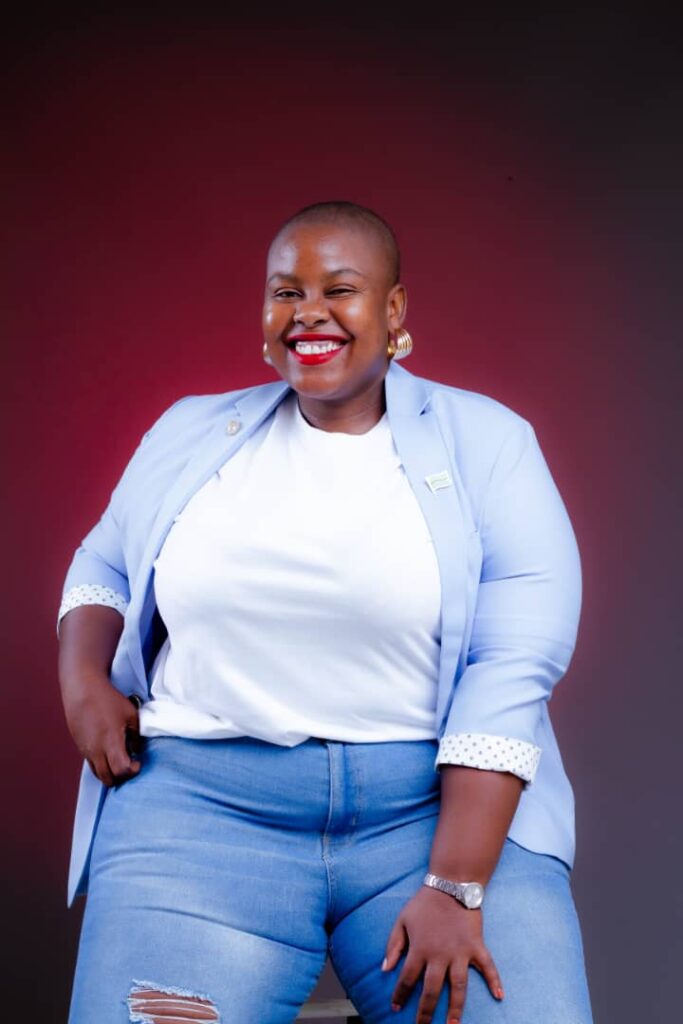
As a Mandela Washington Fellow and award-winning entrepreneur, what has leading withboth empathy and vision taught you?
It has taught me that real leadership balances heart and strategy. Empathy ensures that thework remains human-centered, while vision keeps you moving forward even when challengesarise. I have learned that people will follow a leader who makes them feel seen, heard, andvalued especially when that leader also has a clear plan for where they are going.
What do you think are the biggest barriers keeping women from leadership in education and social impact and how can we break them?
Barriers include limited access to capital, societal expectations about women’s roles, and thelack of mentorship. We can break them by creating funding opportunities specifically for women,amplifying women’s stories of success, and building networks where women mentor andsponsor each other. We also need to challenge stereotypes about leadership because impact has no gender. Women should also be each other’s keepers, lifting one another with support,encouragement, and solidarity. Too often, we find ourselves in competition instead of collaboration, forgetting that there is enough room for all of us to thrive. When women standtogether, they create powerful networks that break barriers and open doors for the nextgeneration. True progress will only come when we choose to celebrate each other’s victories asif they were our own.
Your work focuses on creating equal learning opportunities for children who are oftenoverlooked. How do you measure your impact beyond numbers and statistics?
Beyond enrollment figures or program reach, I measure impact in transformation,that is seeing achild who once struggled to speak confidently lead a class presentation or a song during circletime, or a parent’s joy when their child finally writes their name. I measure it in the trust built withfamilies and the dignity restored to children who were once underestimated.
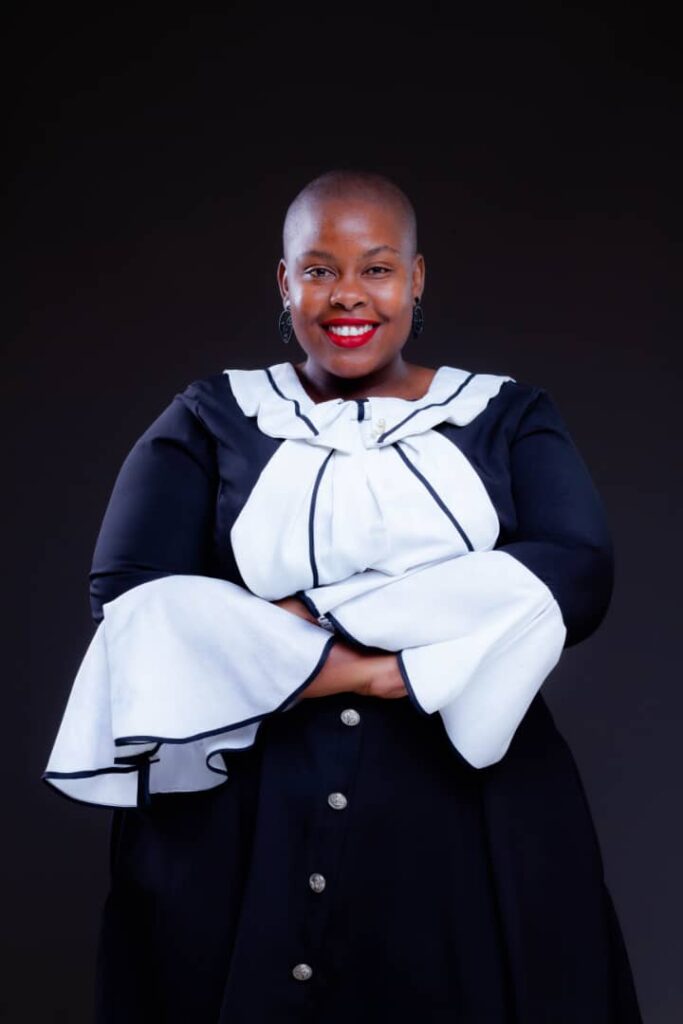
What does equity in education mean to you, and how do you keep it at the center of your work?
Equity means giving every child the resources and opportunities they need to succeed, nottreating everyone the same. It is about meeting children where they are, adapting to their unique needs, and removing barriers to learning. At The Bees Hive Academy and The Inclusion Hub, we keep equity central by designing individualized learning plans, training teachers in inclusivepractices, and involving parents in every step of the journey.
Looking back, what’s one risk or bold decision that changed the course of your journey?
Opening a second branch of The Bees Hive Academy during a time of financial uncertainty was a bold and risky decision. Not only did I take this step in the middle of the school year whenmost parents had already placed their children elsewhere, but I also moved into a new areawhere other established schools already existed. I had no clear picture of how many childrenwould actually enroll, or whether the new branch would be able to sustain itself. Many advised against it, but I knew the demand for inclusive education was growing. Taking that leapexpanded our reach and positioned us for national impact, proving that courage and convictioncan turn uncertainty into opportunity.9. If you could give one piece of advice to a young African woman who wants to start apurpose-driven business, what would it be?Start before you feel ready. Resources will always follow commitment, but courage has to comefirst. Build genuine relationships, stay true to your “why,” and understand that purpose-drivenbusinesses require patience.You are planting seeds that will grow long after you’ve started.Remember, when God gave you the idea or the dream, He didn’t invite anyone else to theconversation. Follow it boldly and make it happen. Do something you are deeply passionate about, not just because you see another person succeeding in it. If you choose a path only forprofit, the moment your business runs at a loss you will quickly give up. Passion is what will sustain you through the hard seasons.Work with other entrepreneurs and see them as collaborators rather than rivals. Do not use competition to create fights; use it to fuel innovation, generate new ideas, and grow your vision.True entrepreneurship is not about who wins, it is about who makes the most impact and builds something that lasts.
Years from now, when people talk about your work, what lasting change or impact would youlike them to remember?
I want them to remember that I fought for children who were often forgotten. That I helped create a shift in Botswana where inclusive education is not an exception but a norm. That everychild we served left with more confidence, more opportunities, and more belief in their worth. Ialso want to be remembered as someone who rose from the pain of being bullied, turned it intopurpose, and chose not to complain but to become the change I wanted to see in my country. My story is not just about building schools but about proving that adversity can birth vision, andvision can transform communities.