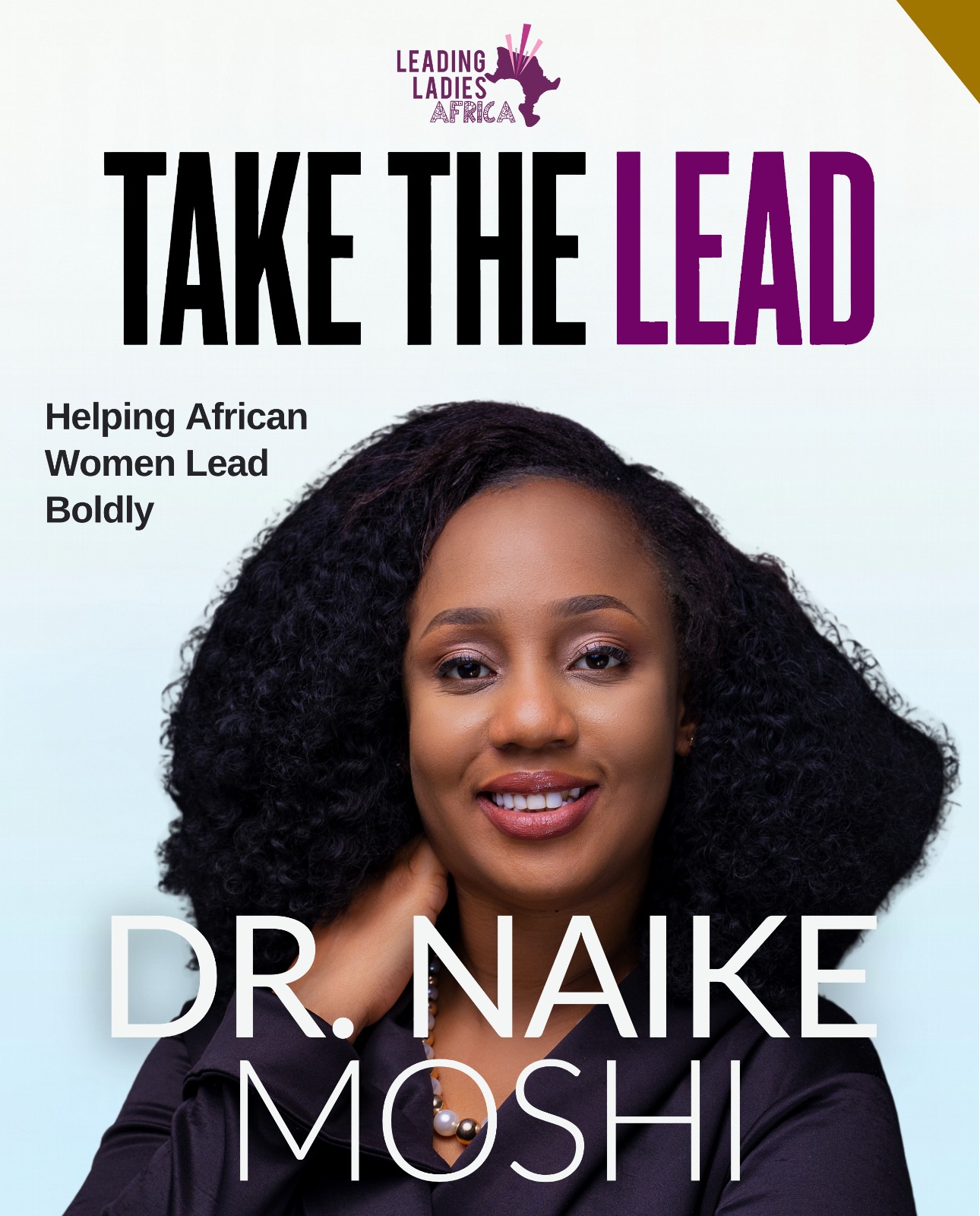
Is it possible to “faith it” until you make it? Can a single conversation really be the catalyst for someone to quit a toxic job and finally build their dream? 🎙️
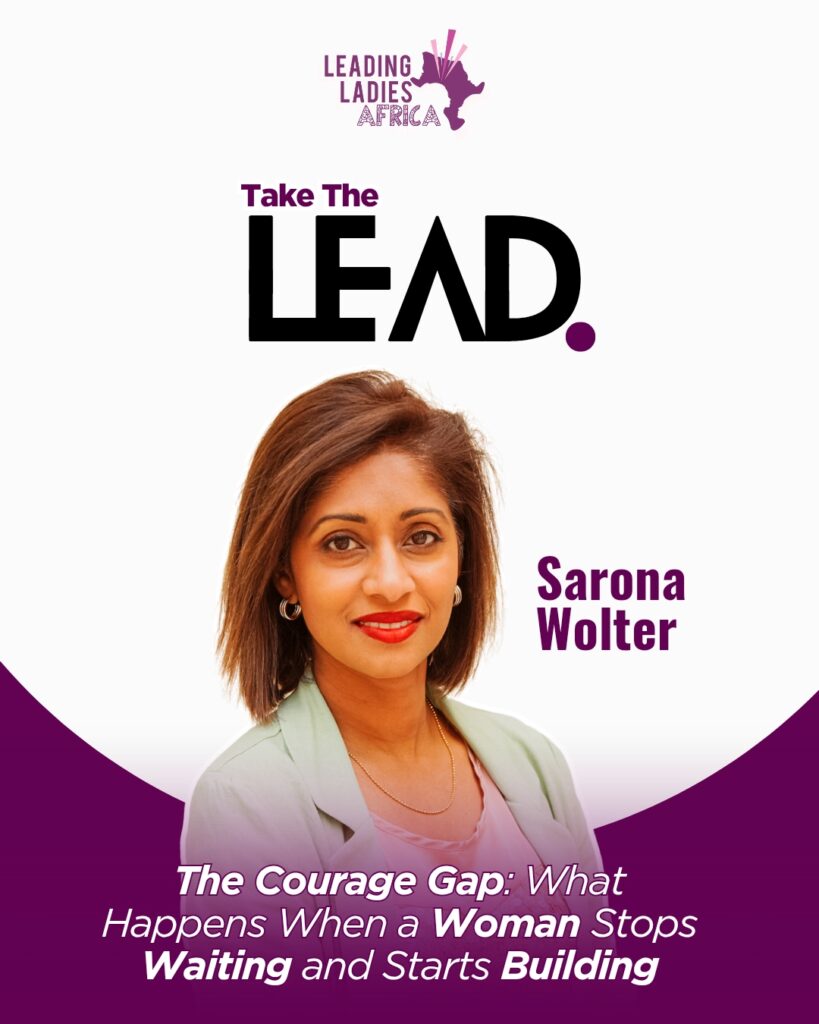
In our latest sit-down with Sarona Wolter, we dived into the reality of what happens when the titles fall away and you’re left navigating a “frosty” new world. We explore her journey from a South African lawyer caught in a cycle of people-pleasing to a global community builder who realized that belonging isn’t something you find, it’s something you build.
Sarona’s story is a masterclass in “unlearning.” She opened up about the creative stifling of moving from the vibrant, vocal energy of Durban to the reserved, structured digital culture of Germany. She didn’t wait for a seat at the table; she built a bridge. Launching the HypeWomen Podcast from a small apartment during lockdown while pregnant, she traded the safety of “shadow jobs” for the vulnerability of the mic. She proves that leadership doesn’t always have to be loud. it just has to be bold.
If you’ve ever felt like you’re living “between worlds” or questioning if your voice still matters in a new environment, this conversation is your permission slip to take a risk.
Read the full conversation below.
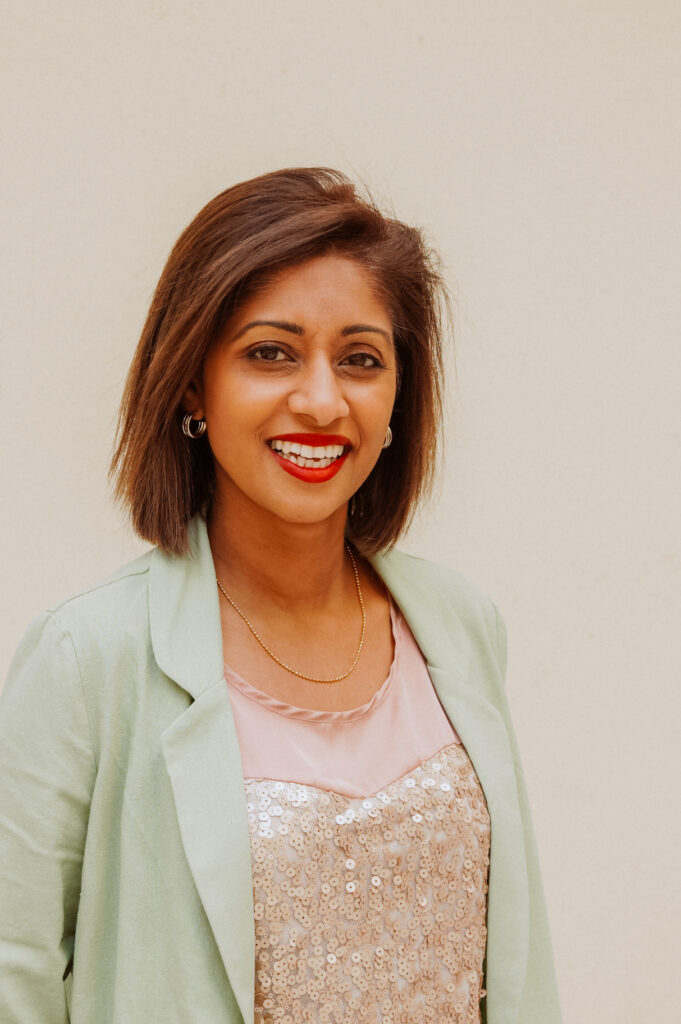
Who is Sarona Wolter, beyond the titles, beyond the bio? How would you describe yourself in your own words.
Once a girl from Durban who never really lived away from home, I was hesitant to embrace change and fearful of risk and caught in a cycle of people pleasing, I found courage through faith and the strength of community to take a few small steps that slowly began to change the trajectory of my life. My journey became more than personal growth, it became a mission to challenge women around me to shift their narrative, at the heart of it I always wanted to be impactful. And in doing so, I showed my two daughters what it means to live with purpose, power, and heart.
Moving from South Africa to Germany must’ve been a big shift. What was the hardest part of that transition for you, personally and professionally?
At first stepping out of the plane in a frosty cold and dark morning in Frankfurt was a huge culture shock, it took me a few years to get used to freezing cold Christmas seasons, mentally I was always in South Africa. There are so many things that I struggled with personally, the stoic nature of people, the mindset of being overly correct which can also lead to inaction. Professionally, I decided against getting my law degree recognized and so I ended up in ‘shadow’ jobs of my initial career path- like copywriting, teaching legal English, digital marketing etc and while these paid the bills I knew I needed to build my own platform to express my voice.
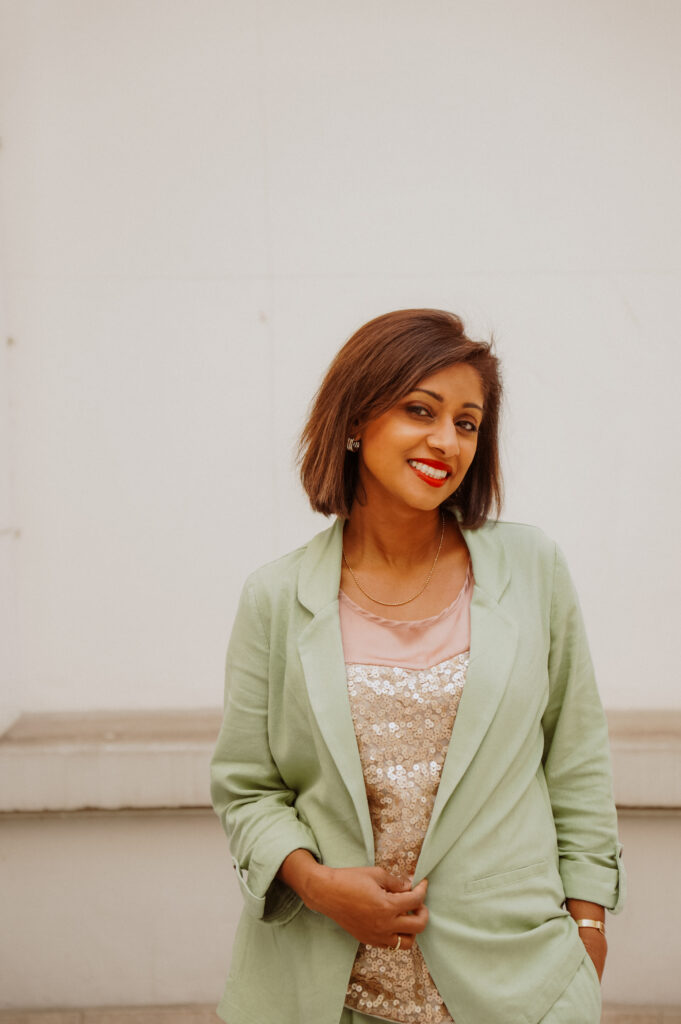
In the early days, without much formal training, what were some mistakes or missteps you made, and what lessons came from them?
In the early days I made a lot of technical errors, like using low quality equipment. I recorded an episode at a seaside café because I thought the atmosphere would be great for the immersive audio experience- turns out the background noise was all we could hear. Luckily the recording was with a good friend who challenged me to get started. I also had a motto that I was going to post content and make progress and not strive for perfection- my goal was to be consistent and then every quarterly make some improvements- because initially it can be overwhelming and most people don’t start because they don’t even know where to begin. There’s a saying, ‘ How do you eat an elephant? One bite at a time.’ So I took small steps at a time. My branding wasn’t perfect either.
With HypeWomen, you cover everything from AI and leadership to perimenopause and the gender investment gap. How do you choose what topics to tackle? Is there a process or just intuition?
The podcast has since evolved into a community, so I gauge what the topics of interest are in our community, connect that with relevant trends and people I know who are good storytellers then these are all ingredients for a great podcast episode. I would say it’s a dance between a process of understanding your audience needs and what’s relevant. And intuition for finding good storytellers to share a topic of interest more vulnerably.
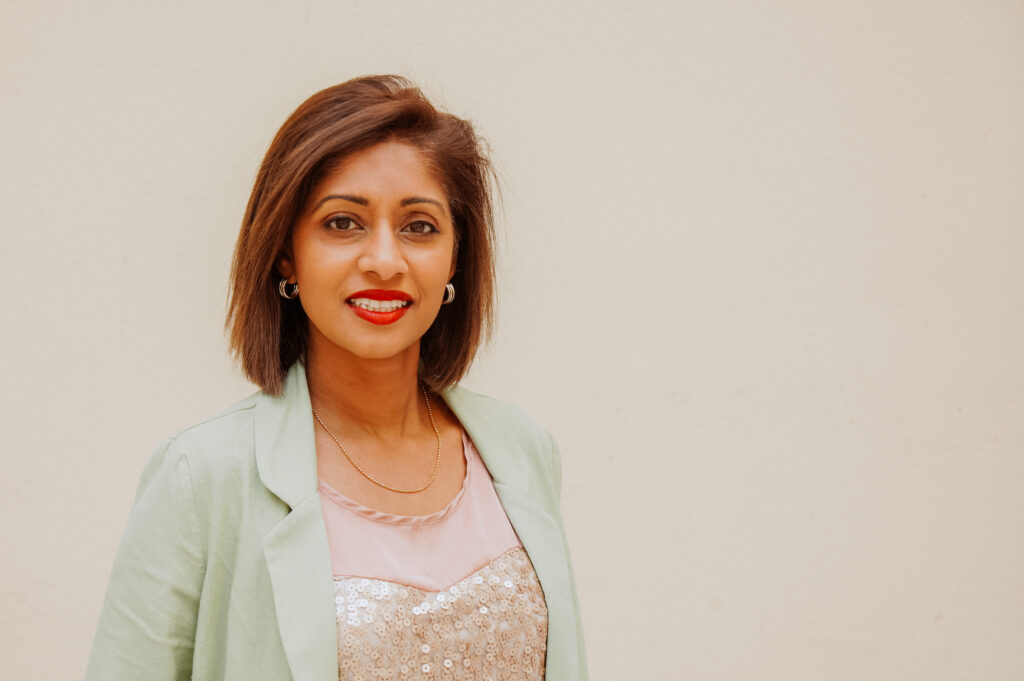
When you started HypeWomen in lockdown, what was one moment early on that made you think, “Wow, this is more than a podcast, this could really make a difference”?
I would get ladies reach out to me from Bonn, the city I live in- these would be expat women from different backgrounds that I would not have ordinarily have met- reach out to me to say, ‘wow your podcast actually speaks into my life, right now. It’s I finally understand that thing I’m going through.’
Also there was a time when I interviewed a guest, and after the interview she said to me- ‘your questions made me rethink everything in my life right now.’ She went on to quit her toxic job and build her business. I also got to interview someone I really admired and didn’t think it would happen-so yeah it’s always great when even I feel stretched by the mission of the podcast. But mostly it’s the conversations these inspire and how it moves people into action.
Germany is known for its structure and order, South Africa for its warmth and fluidity (among other things). How have these cultural differences shaped your style in content creation, community, and leadership?
In South Africa, people are expressive and vocal — especially on social media. Creativity thrives in public spaces, and storytelling is bold, vibrant, and unapologetic. I’ve always admired how South African influencers and advertisers push boundaries and connect emotionally. In contrast, Germany’s digital culture is more reserved. Many people are cautious about what they share online, often due to concerns around data privacy and corporate surveillance. This led me to initially question my own voice — I felt the need to conform, to be more measured, and to “watch what I post.”
Navigating this shift was challenging, especially as I was also adjusting to motherhood and processing culture shock. It wasn’t until I worked at a German agency — and felt creatively stifled — that I realized I needed a space to reclaim my voice. That’s when I launched my podcast, Hypewomen, a platform where I could be creatively free and build community on my own terms.
I’ve learned to take the best of both worlds. From South Africa, I carry the spirit of Ubuntu — the belief in shared humanity — which guides how I build community here in Germany. I encourage connection across cultures, across silos, and across comfort zones. From Germany, I’ve learned the value of strategic thinking, precision, and intentionality.
Leadership, too, looks different in both contexts. South Africa has a higher representation of women in executive roles (around 37% on JSE Top 40 boards), while Germany lags behind at roughly 19.7%. Yet I’ve met many international women who possess quiet power and remarkable leadership skills. This taught me that leadership isn’t always loud — but it must be bold. As a brown woman in Europe, I’ve embraced a leadership style that is both courageous and inclusive, making space for others to thrive while staying true to my own voice. Being South African, living in Europe- I find that I have a greater capacity and curiosity for cultural diversity and opinions. One overlooked leadership trait is the ability to think in times of tension, to critically analyse information and be able to hear or listen to an opposing opinion without reacting, but to understand. This would lead to more nuanced decision making. I’ve learnt that everything isn’t black or white,- every adult should go through a process of unlearning- because the world is changing and the old ways don’t apply. We tend to generalize people and cultures without having context for the complexities- and we need to apply a more nuanced approach. Active listening.
Impostor syndrome is often mentioned by people doing cross-cultural or creative work. Have you faced it, and if so, what are your go-to strategies to push through it?
It might sound unexpected, but I rarely felt imposter syndrome when I was immersed in creative flow. In those moments, I knew I was meant to offer a different perspective — and I often advocated for that point of view to be reflected in global communication strategies. That, to me, is what inclusion truly means: making space for diverse voices, even when they challenge the norm.
Not every idea was welcomed with open arms, but that never stopped me. The real challenge came when I compared myself to others — especially in more structured environments like German workplaces. Sharing a joke or expressing myself freely sometimes triggered self-doubt, not because I lacked ability, but because I allowed comparison to cloud my confidence.
Over time, I learned to ride those waves of discomfort. I’d pause, reflect, and return to my center — to the unique lens I bring to the table. I’m deeply grateful for the friends and mentors who remind me of my strengths, especially in moments of uncertainty. Their support has taught me that not every thought deserves belief — especially the ones that try to dim your light.
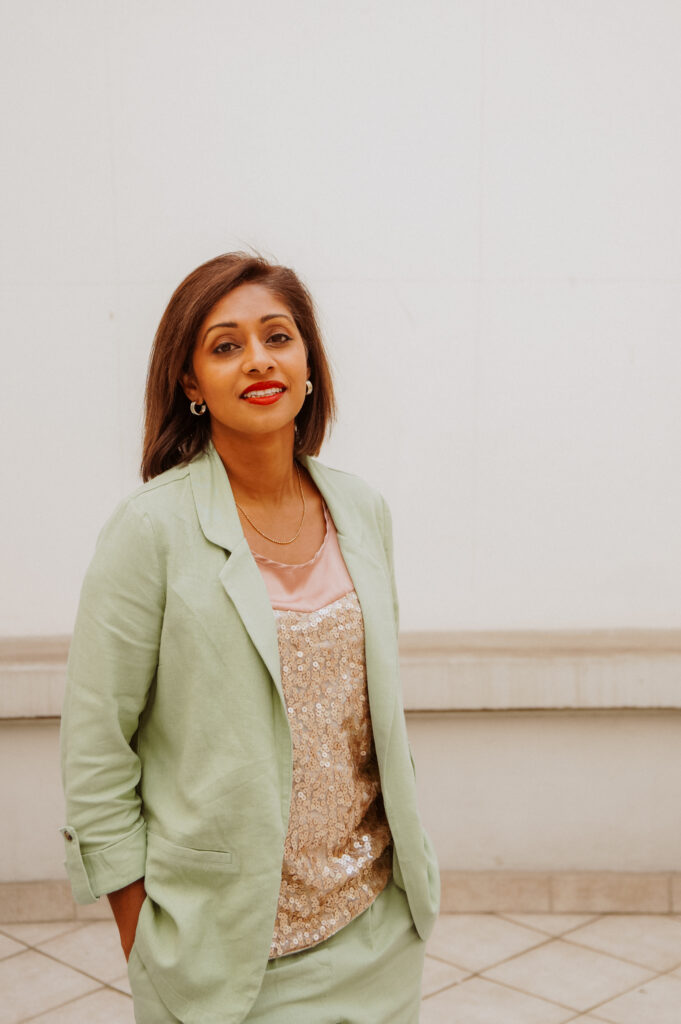
What are some of the biggest challenges for expat or international women when it comes to building networks and belonging, and what advice do you give to overcome those?
One of the earliest hurdles is communication, learning what truly works and what doesn’t. The language barrier is significant; even the most accomplished professionals can find themselves on the margins of society if they aren’t fluent in German. For many international women, this sense of isolation can be overwhelming. The simple act of going to the grocery store, navigating paperwork, or missing out on casual chats with neighbors can make everyday tasks feel daunting and lead to a feeling of disconnect from the community.
Some expats tend to remain within their own circles, forming bubbles that, while comforting, may reinforce separation from the broader society. Expat women can benefit from small steps outside their comfort zones, such as attending local events or initiating conversations in German, even if they feel nervous or unsure. For example, I used to dread German-speaking gatherings, but I made it a goal to attend them anyway. I trusted that, even if I couldn’t follow everything, someone would likely translate or reach out to me—and that alone became a small victory.
Each time I attended a German-language event, I noticed my confidence begin to grow. What started as hesitant greetings eventually turned into full conversations. These milestones, though modest, marked my personal growth and resilience. Over time, I found myself not only participating more actively but also feeling a deeper sense of belonging and accomplishment. To my own surprise, my German improved alongside my courage to connect.
What does success look like now for HypeWomen, and are there dreams or goals you haven’t yet reached but really want to?
Success I’ve come to learn is a moving goal post. It used to be get 10000 downloads, and we have way passed that- but now it’s less about the numbers and more about the impact. If women in our community are inspired to take action and truly live out their dreams, or even take small steps in their personal journey – be it set a boundary in a toxic relationship or speak up in the workplace because they feel encouraged and empowered to make bold moves then that’s truly satisfying. I’ve also grown very grateful for every lesson I learn on this journey, and I have two little daughters who watch me live out this journey- so my goal is to also show them that they co-create the life they want – even if the odds are against them. God is for them. Off course a few panel discussions, keynotes and meeting Oprah is definitely on that list of dreams.
For women who are thinking about starting something like HypeWomen, a podcast, community, or a platform, what is one piece of advice you can share?
Start. Start small, start imperfect but do that thing that makes you feel alive. My four year old- when she gets really excited about something she says, ‘Wow, this is my life.’ I think she means, ‘what a life!’ I encourage women to see their lives like a beautiful work of art and that every small step should be celebrated and lived fully. When I meet strangers and they become my friends- I’m so excited because it means my world view is expanding.
You don’t have to have all the technical stuff figured out, but take a risk, invest in yourself, use AI to help you brainstorm, learn and research and build your strategic networks- all of these will help bring your vision to life. Don’t be afraid about what you don’t know. Faith it till you make it.
There will be setbacks, it’s how we learn to get to the next level.
Take a rest, a reflective pause, but then keep going.