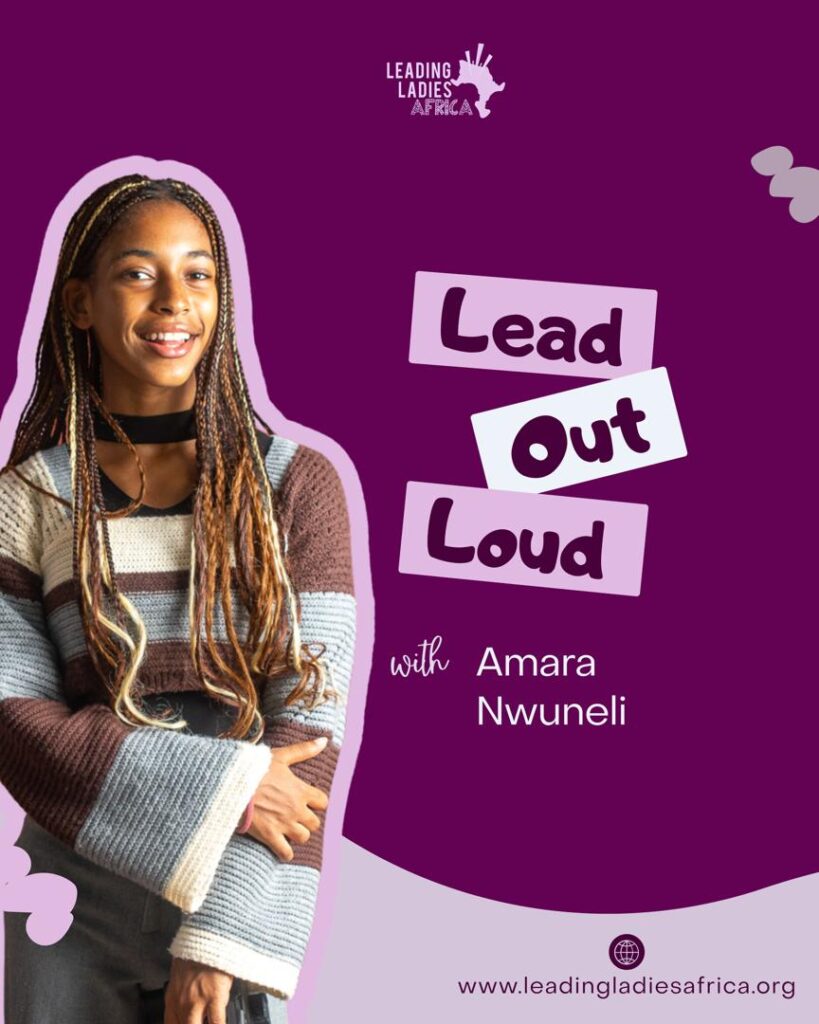
At 17, Amara Nwuneli is doing more than inspiring change, she’s embodying it.
A Nigerian-American youth climate activist and founder of Preserve Our Roots, Amara is transforming underserved communities by turning forgotten land into eco-sustainable green hubs and learning spaces. Her work mobilises young people, volunteers, and partners to champion climate education, environmental justice, and grassroots solutions for communities most impacted by flooding and climate crises.
From redefining what youth-led climate action looks like to creating safe, breathable spaces for the next generation, her story is one of courage, curiosity, faith, and fearless imagination.
In this Lead Out Loud feature, she speaks on identity, intimidation, joy in advocacy, and why the most powerful revolutions start with sincerity.
Meet a young woman who refuses to shrink, soften, or fit into one box.
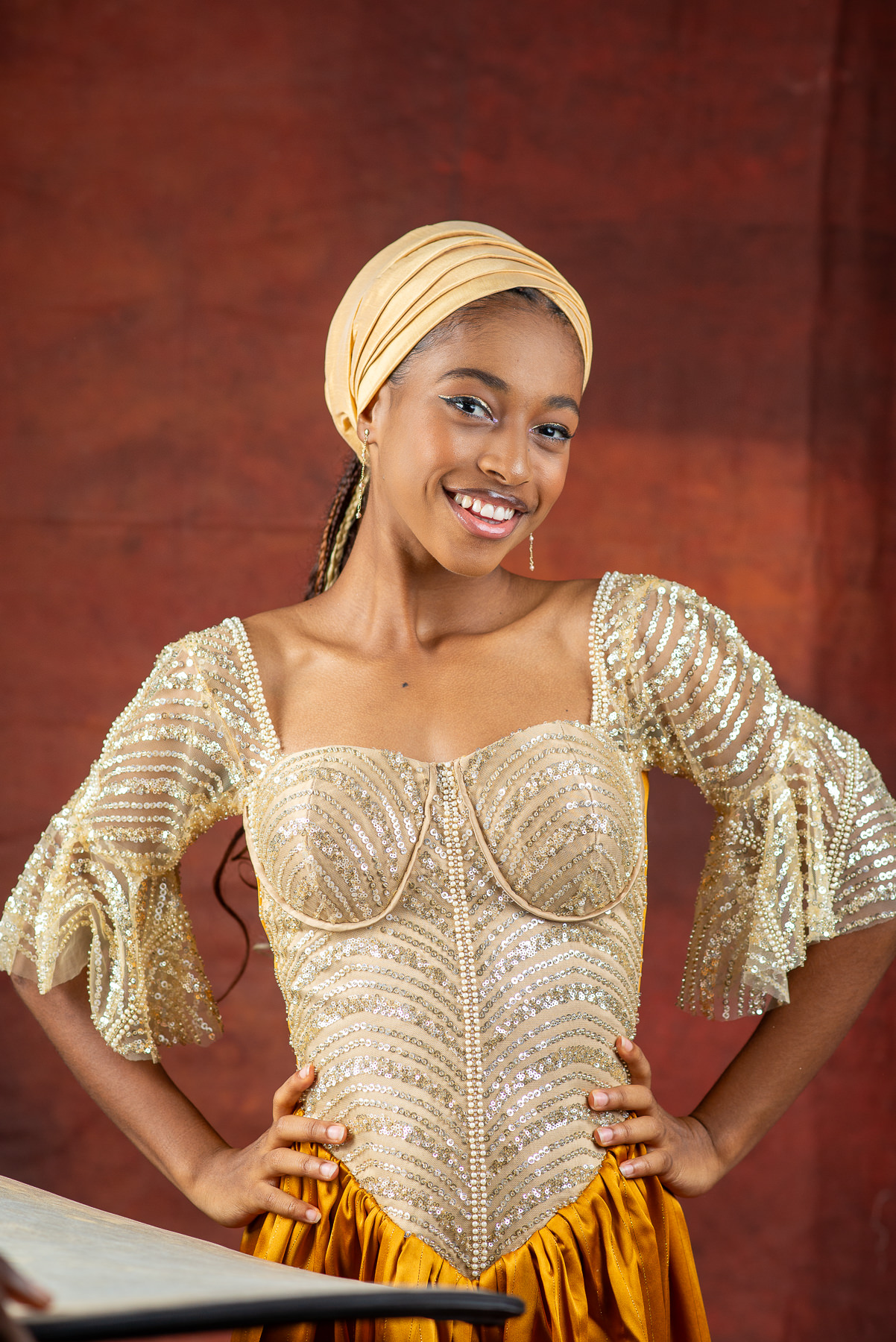
1. You’ve built green spaces, won The Earth Prize, and inspired thousands of young people. Who is Amara Nwuneli in your own words?
I’m someone who was raised inside many worlds at once — the performing arts studios where I learned to tell stories with my whole body, the sports fields where I learned grit and rhythm, and the communities where I saw firsthand what environmental injustice feels like. I don’t fit into one box because I’ve never tried to. I’ve always been the girl who dances and debates, who builds parks and writes essays, who runs track and also spends hours observing people like they’re living poetry.
At my core, I’m someone who believes deeply in human possibility — my own and everyone else’s. I want to live a life that stretches beyond what people say I can or should do. The work I do is just one expression of that desire. But the heart of it is simple: I love connecting with people exactly where they are. I love learning from the Uber driver, the market woman, the volunteer, the child who wanders into a project site with curiosity in their eyes.
Who I am is a young woman who keeps trying, keeps learning, and keeps believing that a fearless, expansive life is within reach — not just for me, but for every young person watching.
2. You’ve mobilized hundreds of volunteers and built green spaces from scratch. What’s one fun part of your work that people probably don’t know about?
Most people only see the polished parts of the work — the finished parks, the big events, the media photos. What they don’t see is how the hardest moments end up becoming the stories that make you laugh until you can’t breathe.
Like the time I traveled to the East for a volunteer project, missed my return flight, got stuck in my village for an extra night, and ended up missing a huge graduation party — and somehow, that accidental detour brought me some of the most unforgettable, grounding conversations with relatives I only see once in years. Or the times I prepared for a pitch for weeks, rehearsed every line, only for an investor to stare blankly and say something like, “So… you build playgrounds out of trash?” And then I’d walk out frustrated and five minutes later burst into laughter because of the absurdity of it all.
Or the moments on project sites where nothing goes right — rain washes out half the work, a truck arrives four hours late, volunteers argue over who gets to spray-paint which tire — and yet those days are the ones people reference years later with a kind of nostalgic joy.
What people truly don’t realize is this:
people in advocacy are some of the most fun, joyful people you’ll ever meet.
We fight hard because we’re trying to protect the younger versions of ourselves — the kid who wanted safe spaces, the kid who wanted clean air, the kid who simply wanted a world gentle enough to breathe in. And because so much of our work is heavy, the joy becomes louder, brighter. Youth programs become full of running jokes, dance breaks, and friendships that feel like family. Capacity-building retreats feel like summer camp with policy notes.
So yes, we’re building parks and mobilizing volunteers. But we’re also building memories, collecting ridiculous stories, and learning to laugh in the spaces between exhaustion and hope. And that is the part of the work most people never see.
3. You mobilize youth, build parks, educate communities, and organize relief efforts. Where do you feel most “in your element” creatively?
I feel most alive in the overlap between imagination and action. Sometimes that’s on a field, walking through a degraded plot of land and choreographing — literally — how it could transform into a green space that breathes life back into a community. Sometimes it’s in a workshop where someone’s vulnerability shifts the whole room. Sometimes it’s alone, watching strangers and creating stories from the way they walk, laugh, argue, or hold their bags. That instinct to observe and imagine comes from growing up performing — dancing, acting, singing — learning to read people’s rhythms and the stories they carry without speaking.
But I also feel deeply in my element when I’m making films or dreaming up the next one. Storytelling gives me that same electric feeling I get on a park site: the sense that I’m capturing a truth that wants to be shared. Film allows me to take all the worlds I move through — activism, art, faith, community — and stitch them together into something alive.
I find that same creative spark when I’m planning an initiative and then stepping into the field to execute it. Give me a mic and a few kids who want to learn, and we can build wonders together. I love supporting and amplifying other people’s dreams; hearing someone say, “Here’s what I want to create,” and being able to push them toward that possibility brings me into a flow state that’s hard to describe. Their hope energizes me. Helping someone else unlock their power feels like one of the purest forms of creativity.
My imagination is fullest when I’m allowed to move, to listen, to direct, to teach, to build, and to nurture the spark in others — blending art, empathy, community, and purpose into something whole.
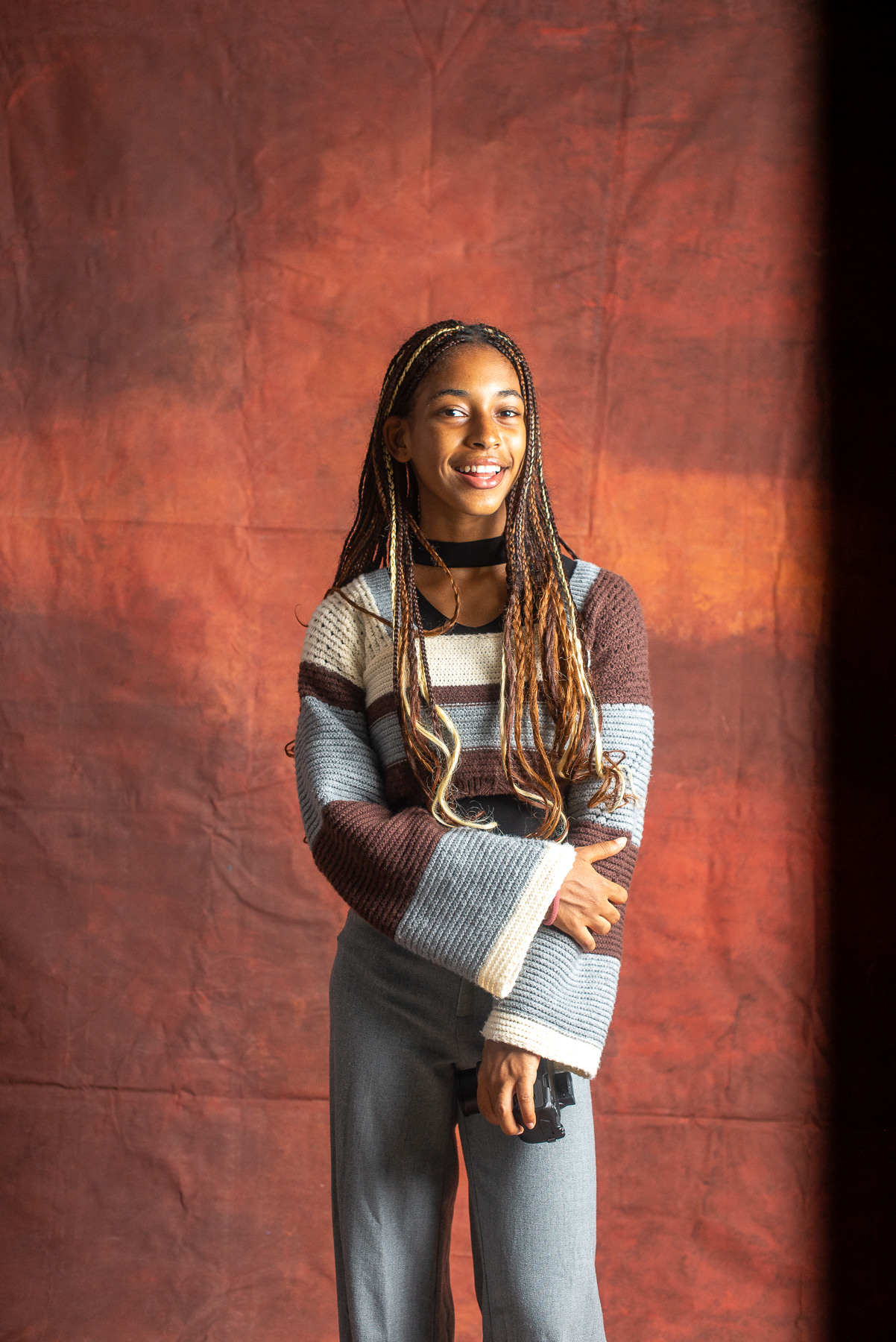
4. You’re 17 and already inspiring young people across Africa to take action. What’s one piece of advice you’d give to someone who wants to start but feels intimidated?
Start small and start close to home. The fear you feel is normal — every changemaker you admire felt it too. The difference is that they didn’t let the fear choose for them. But here’s what people forget: you can learn from everywhere. From your classmates, from elders, from books, from strangers, from the Uber driver who tells you an unexpected story. Inspiration is everywhere if you stay open and curious.
And please, please don’t chase a résumé binder or a perfect LinkedIn page. Don’t build your life around trying to look impressive. Build your life around what you genuinely love. Follow the things that make you feel awake, aligned, and grounded. When you choose purpose over presentation, everything else — opportunities, recognition, impact — falls into place naturally.
You’re not here for a moment; you’re here for the long run. And in the long run, you need something deeper than achievements. You need a center. For me, that center is God. When I seek first the kingdom of God, everything else finds its order. Purpose sharpens, comparison quiets, and clarity rises.
So don’t start with perfection. Start with sincerity. Start with curiosity. Start with what you care about, even if it’s tiny. Start with faith that your path doesn’t need to look like anyone else’s. Just begin — momentum, calling, and grace will meet you halfway.
Quick Fire Round — pick one for each
Early mornings or Late nights?
Early mornings.
There’s something sacred about waking up before the world fully turns on. In Lagos, so many people begin their commute before dawn, and there’s this strange comfort in knowing you’re awake alongside thousands of others whose stories you’ll never know.
Early morning feels like a limbo — between the people who haven’t slept yet and the people who are waking up for work, between the quiet breath of the city and the noise that will swallow it by 9 a.m.
It’s the only time my thoughts speak clearly. I feel like I have my own slice of the world, and the sunrise always reminds me that possibility resets every day.
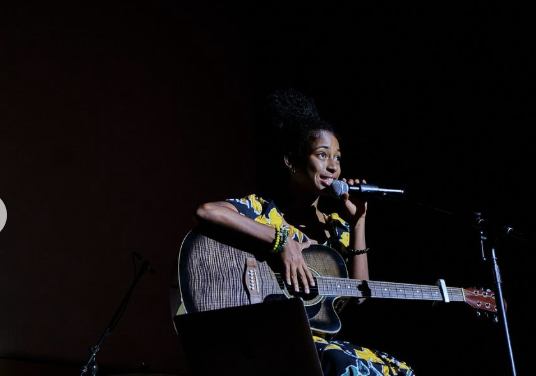
Music or Podcasts?
Music.
I grew up dancing, performing, and battling my friends just for fun, so rhythm has always been part of my identity. Music connects people the way movement does — with instinct, not explanation.
And since we’re speaking of music…
I’m hinting at a new project: Rooted: The Sound of Us” Festival launching this December/January.
It’s a celebration of rhythm, activism, storytelling, and youth culture during the most lively time of the year… Detty December for everyone to collectively enjoy and channel our music to build the nation we want to show the world without leaving anyone behind— so yes, everyone should keep a lookout for that across all our pages.
Building parks or Running workshops?
Building parks.
They’re creative laboratories. Although harder to create and implement (with a frustratingly long process), following through with each new project has the potential to lead a community-wide revolution in each area G.R.E.E.N is introduced to. It is a physical representation of the work that I d, it allows me to be re-inspired, it is the best memories with volunteers, it is a space that will outlive me and it is the deepest sense of connection I experience with communities reminding me the power of true grassroots initiatives over performative volunteering. It merges everything I love — movement, imagination, human connection, and the thrill of transforming something forgotten into a space full of life.
Creating content or Community organizing?
Community organizing.
As much as I love cinema, film, and the art of storytelling, nothing replaces the pulse of being on the ground. Social media amplifies stories — but humans create them.
Being present with people gives me the rawest, most unfiltered truth. The laughter, the hesitations, the tiny moments of trust — you can’t script that. You can’t fake it.
And ironically, those human moments are exactly what make the best content later. People first, cameras second.