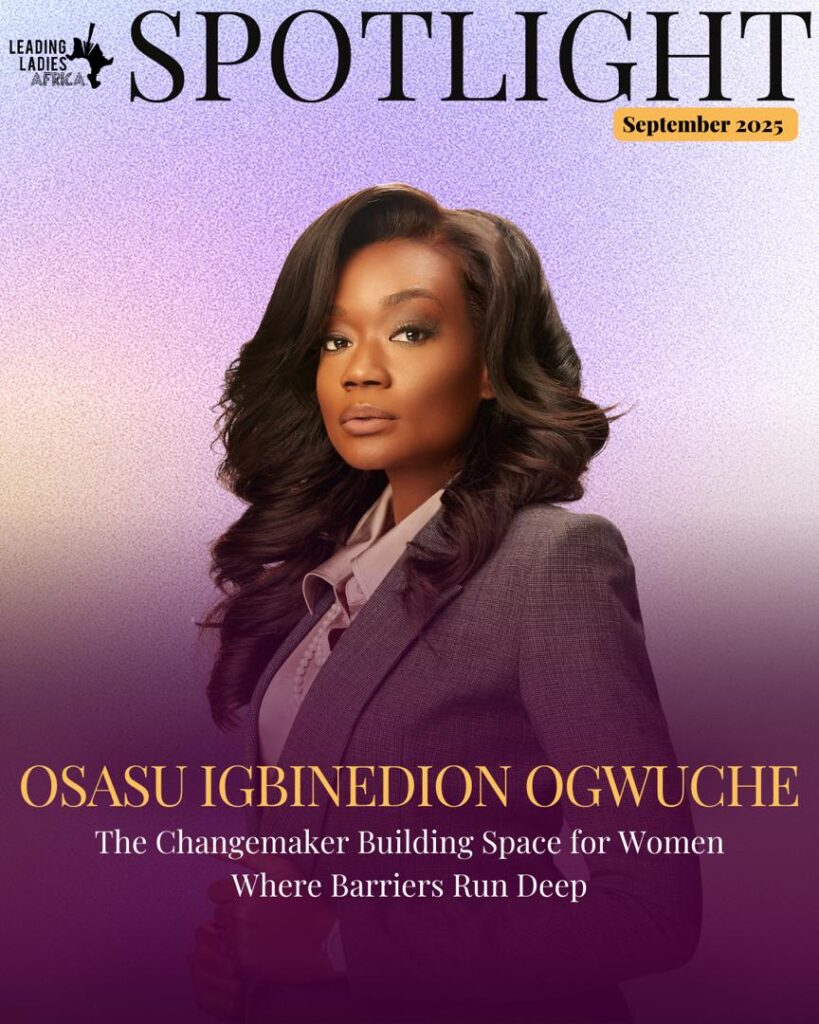
In every generation, there’s a group of women who insist on rewriting the script, no matter how heavy the pen. Ogwuche Osasu is one of them.
Her work sits right in the center of policy, media, advocacy, and philanthropy, but at the heart of it all is one mission: to create space where women can lead boldly, and where young people can dream without limits.
Through TOS Group and TOS Foundation, she has built platforms that challenge stereotypes and dismantle barriers, giving women a seat at the political table, amplifying African stories told with dignity, and creating opportunities that turn knowledge into livelihood.
Osasu’s leadership shows us that equity is not a distant dream, but a structure we can build, brick by brick.
Read the full Spotlight interview below.
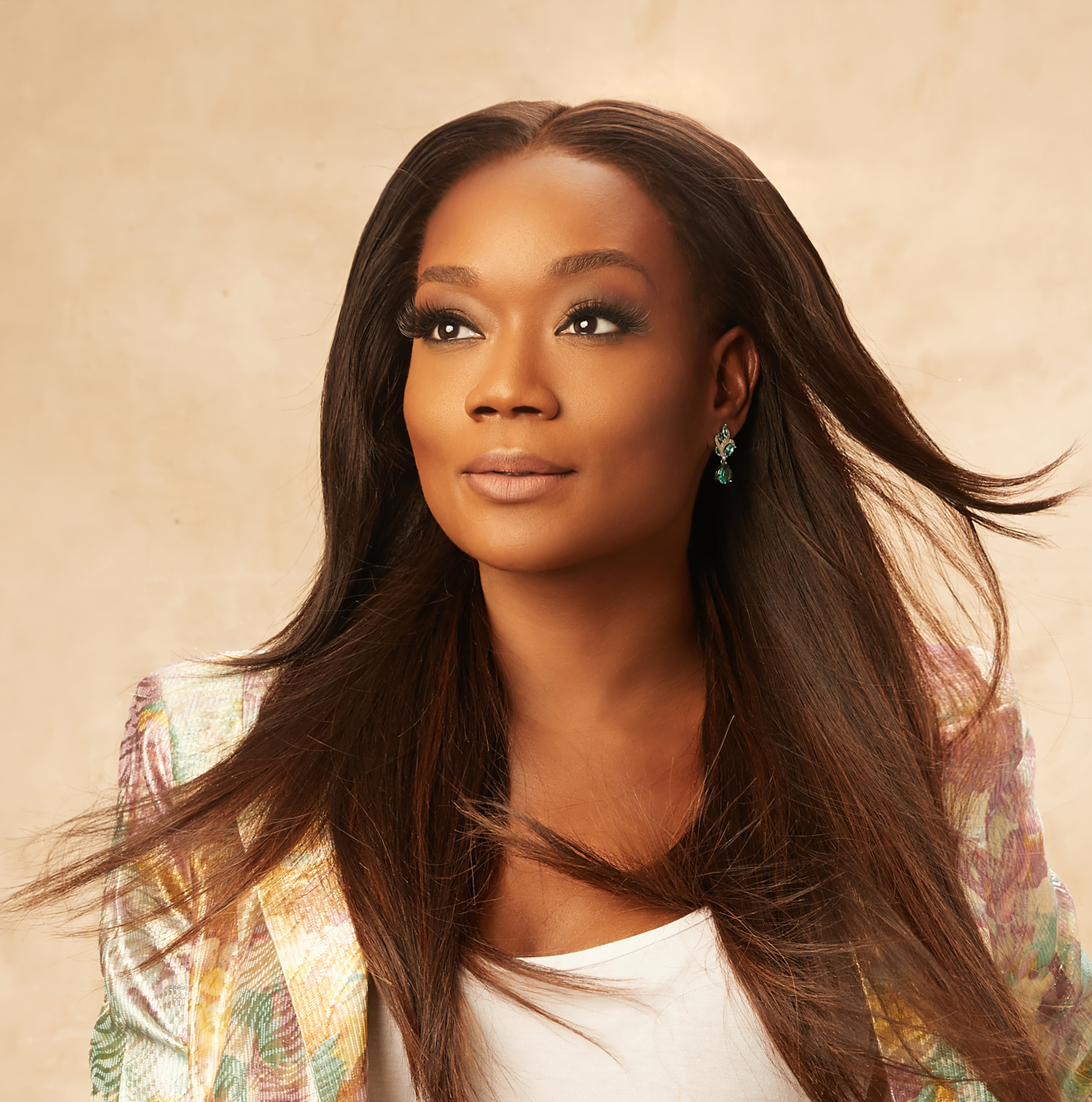
Who is Osasu, and what does she do?
Thank you so much for having me. At my core, I’m a child of God, wife, mother and bridge builder. My work, whether in media, public policy, or development is about connecting people to possibility. I’m the daughter of a generation that sacrificed greatly for Nigeria, and the mother of a generation I believe deserves better. I lead TOS Group, which spans media, policy advocacy, civic engagement, real estate and hospitality. We also have a philanthropic arm called TOS Foundation, which focuses on women and youth empowerment. Every role I take on is in service of the same mission: to build a Nigeria that works for everyone.
What lit your passion for storytelling and development journalism?
I’ve always believed stories are more than words, they’re blueprints. I grew up watching decisions made in closed rooms shape the destinies of entire communities. I wanted to open those rooms. Storytelling became my way of holding power to account, yes but also of reminding us of our shared humanity. When I saw a single interview spark policy change, or a documentary trigger reform, I knew this was bigger than a career. It was a calling.
You’ve been vocal about increasing women’s political participation. Why gender quotas, and why now?
Because now is already overdue. Women make up half the population, yet they remain sidelined in decision-making spaces. Gender quotas aren’t handouts, they’re structural corrections. I advocate for them because we cannot fix a system with only one half of society at the table. I’ve sat with lawmakers, governors, grassroots leaders and the truth is, the momentum is here. What we need now is courage.
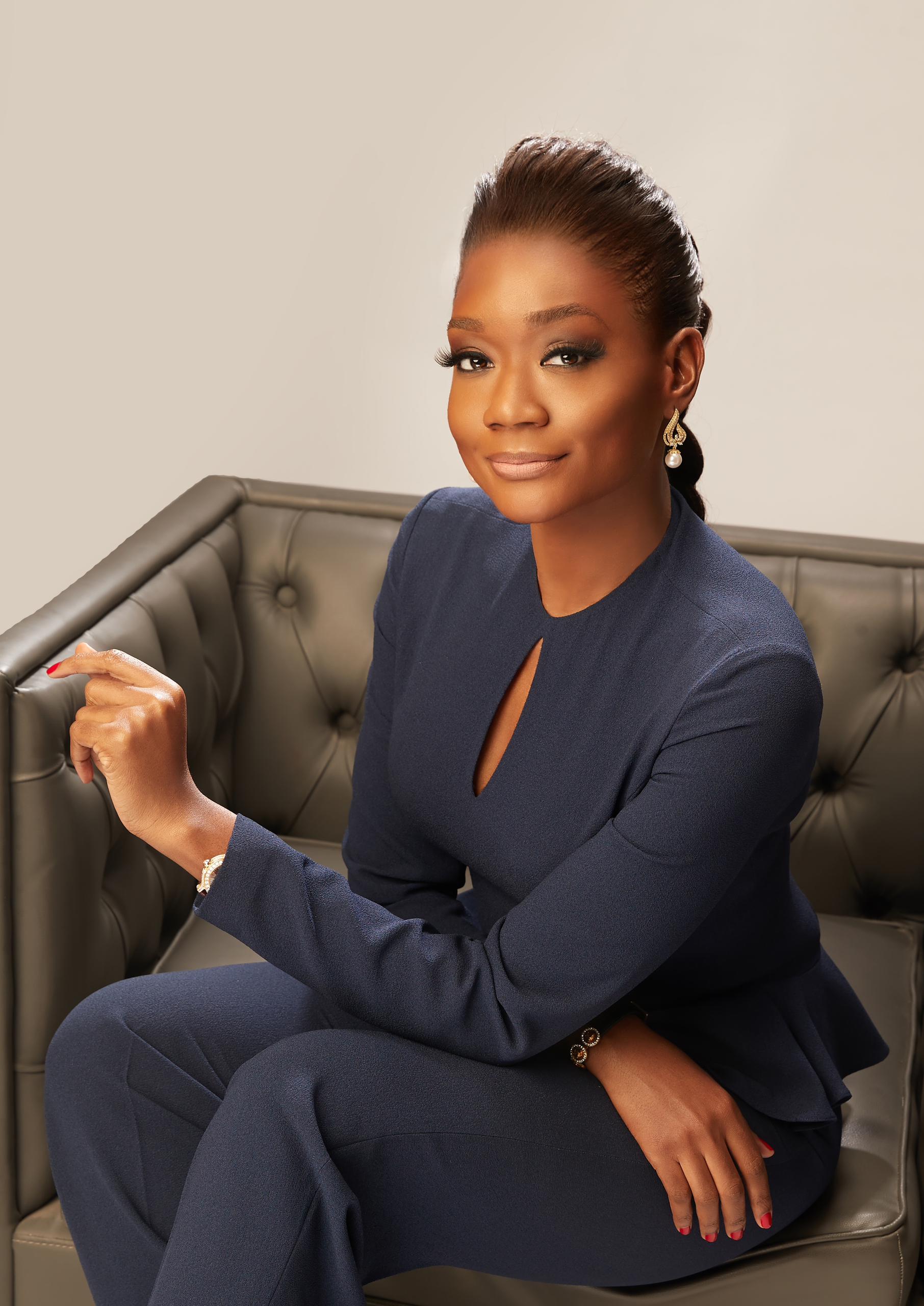
What has working with INEC revealed about the structural barriers women face?
It’s systemic. The barriers begin long before election day; access to party platforms, campaign financing, security, societal expectations. Working with institutions like INEC has shown me that while policy is critical, what truly changes the game is political will backed by public demand. We need to invest in building systems that recognize the unique burdens women face and proactively dismantle them. It’s not about favor, it’s about fairness.
If a young woman said “I want to run, but I’m afraid,” what would you say?
I’d tell her: Your fear is valid. But so is your vision. Every woman who has changed history has felt afraid at some point but she moved anyway. Courage is not the absence of fear; it’s choosing to move despite it. I’d also remind her she’s not alone. There’s a whole ecosystem; sisters, mentors, allies, ready to walk with her. I know, because I’ve helped build it.
What makes a story powerful enough to move policy or shift culture?
Three things: truth, timing, and trust. A powerful story holds up a mirror, but also offers a map. It names the problem and then shows us what’s possible. The stories that move policy aren’t always the loudest, they’re the ones that make people feel seen, and make leaders feel accountable. When you tell a story with integrity and empathy, it becomes impossible to ignore.
Why did you build TOS TV? What stories is Africa still not telling loudly enough?
I built TOS TV because I was tired of seeing Africa through the lens of pity or panic. There was a need for a platform that treated our issues with depth and our people with dignity. We’re still not telling enough stories of African women leading policy, youth building billion-dollar ideas from scratch, or communities solving problems without waiting for aid. We are more than the challenges we face and the world needs to hear that from us.
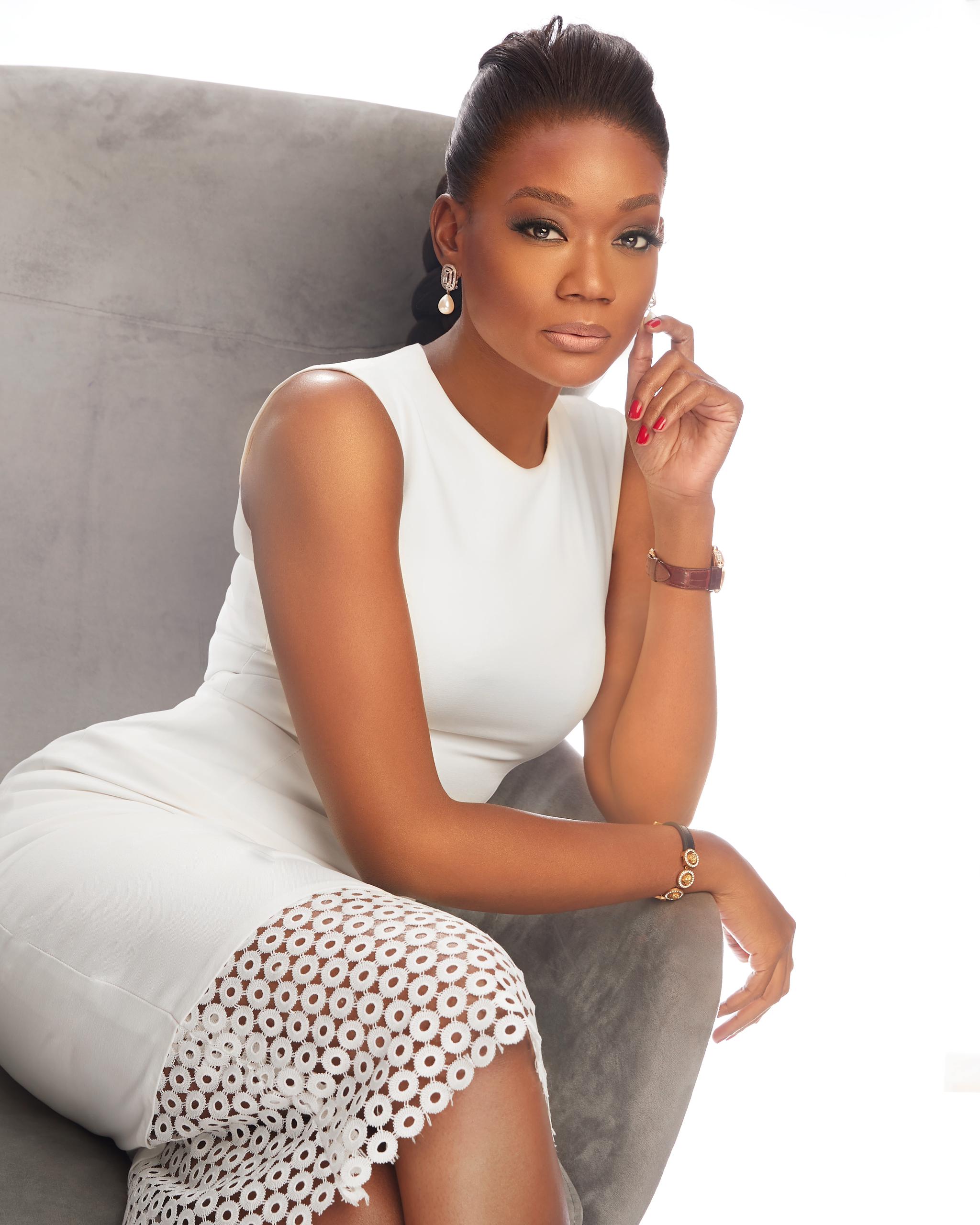
Why are literacy and livelihood so intertwined in your mission?
Because knowledge without opportunity is a broken promise. I’ve met brilliant women who could lead boardrooms but couldn’t access capital. I’ve seen young men with ideas but no tools. Literacy empowers the mind; livelihood sustains the dream. That’s why our foundation focuses on both, so no one is forced to choose between survival and growth.
What narratives must we urgently dismantle?
The myth that leadership is masculine. The belief that poverty is a result of laziness. The idea that our problems are too complex to fix. These narratives don’t just disempower, they distract. Through TOS Foundation and TOS TV, we’re challenging these stories with truth: that women lead effectively, that young people are ready, and that Nigeria’s potential isn’t a cliché, it’s real, if we invest in it.
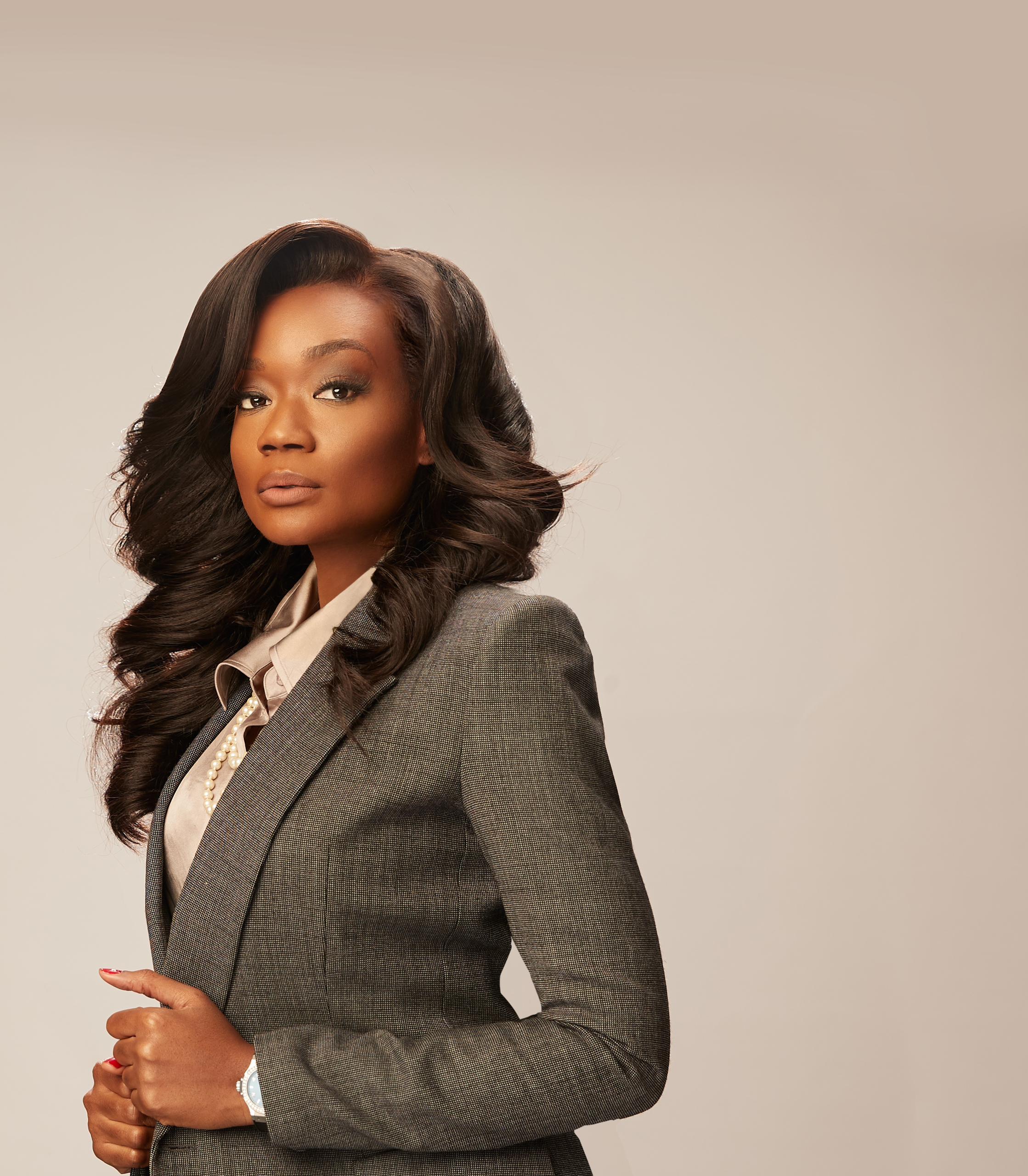
You’ve been called a role model to the girl child. What does that mean to you?
It’s humbling, but it’s also a responsibility. Every decision I make, how I lead, how I speak, how I recover from failure, I know someone is watching. To me, being a role model doesn’t mean being perfect. It means being intentional. It means showing young girls that leadership is possible without losing your values, your voice, or your vision.
What legacy are you building? What’s the story they’ll tell 50 years from now?
I hope they’ll say: She showed us what was possible, and then helped us build it. That I lived with purpose. That I stood for equity even when it was inconvenient. That I created space for women, for youth, for truth. My legacy, I pray, won’t just be in what I built, but in what I helped others believe they could build too.