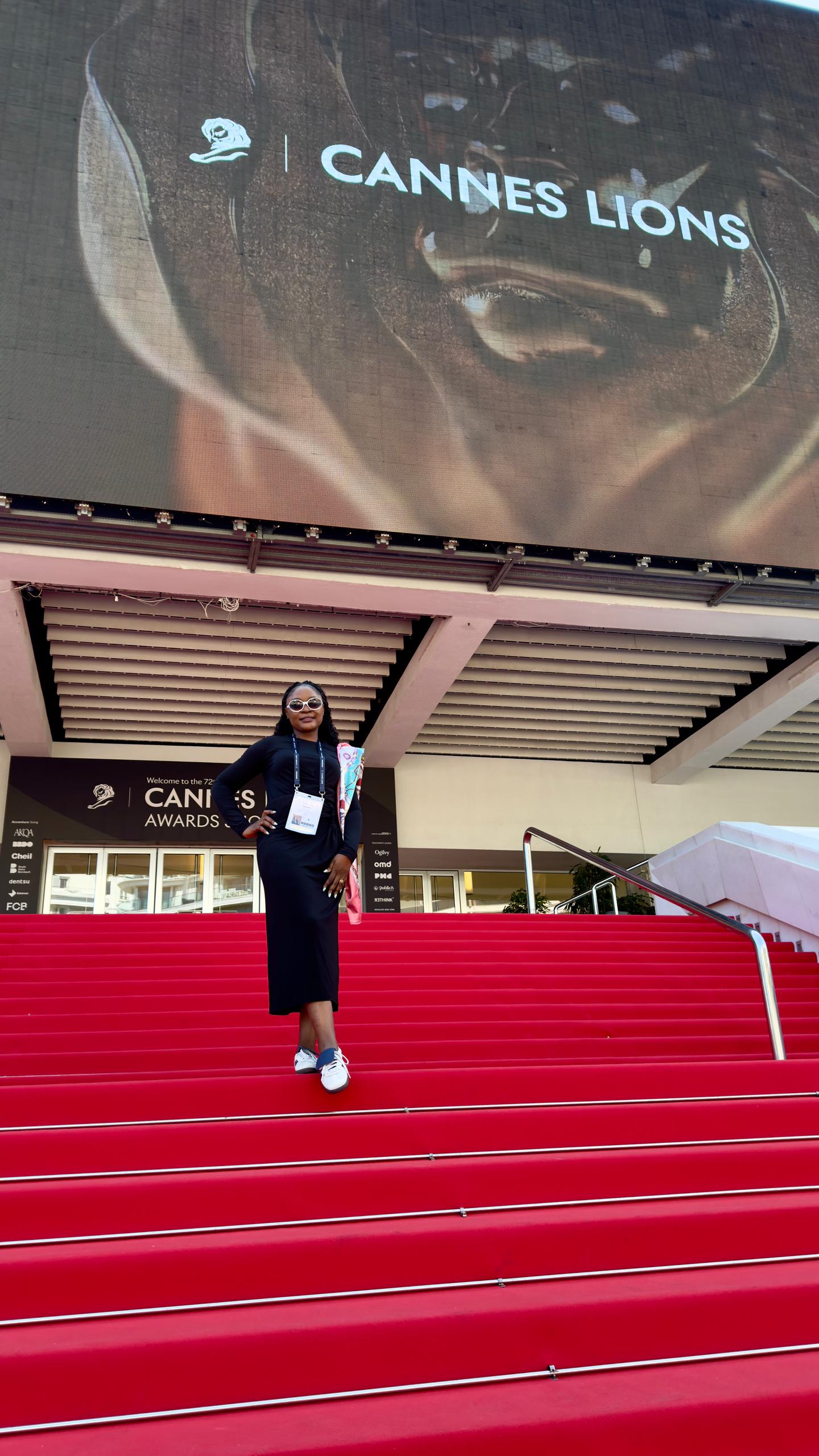
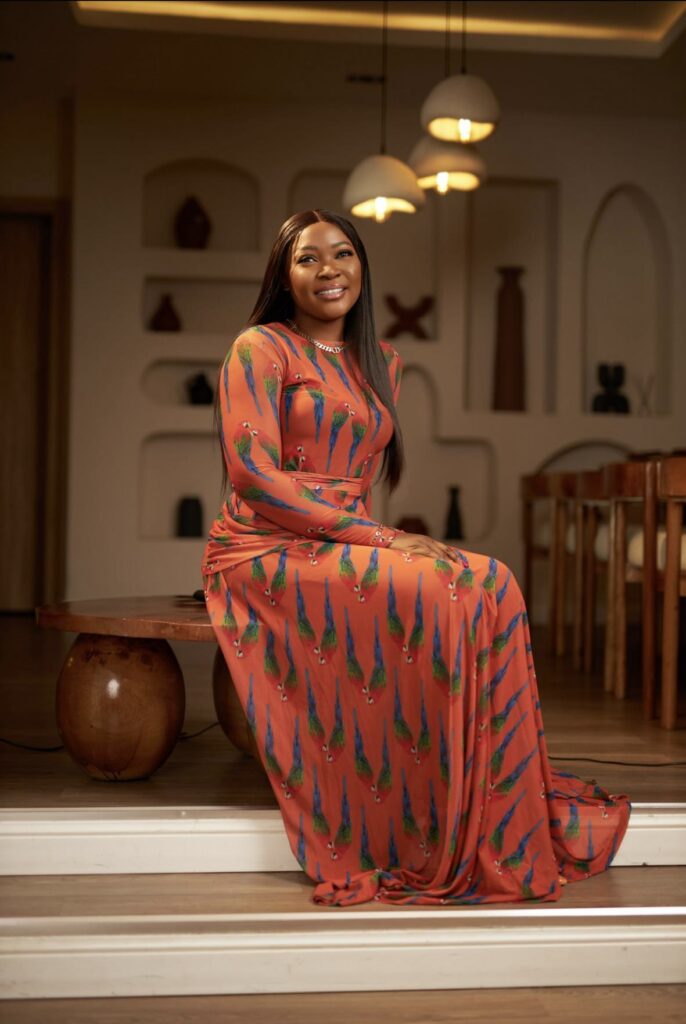
Meet Sandra Amachree, Head of Communications & Marketing at Nigerian Breweries, a global jury chair at Cannes Lions 2025, and a visionary redefining creativity as a catalyst for economic growth in Africa.
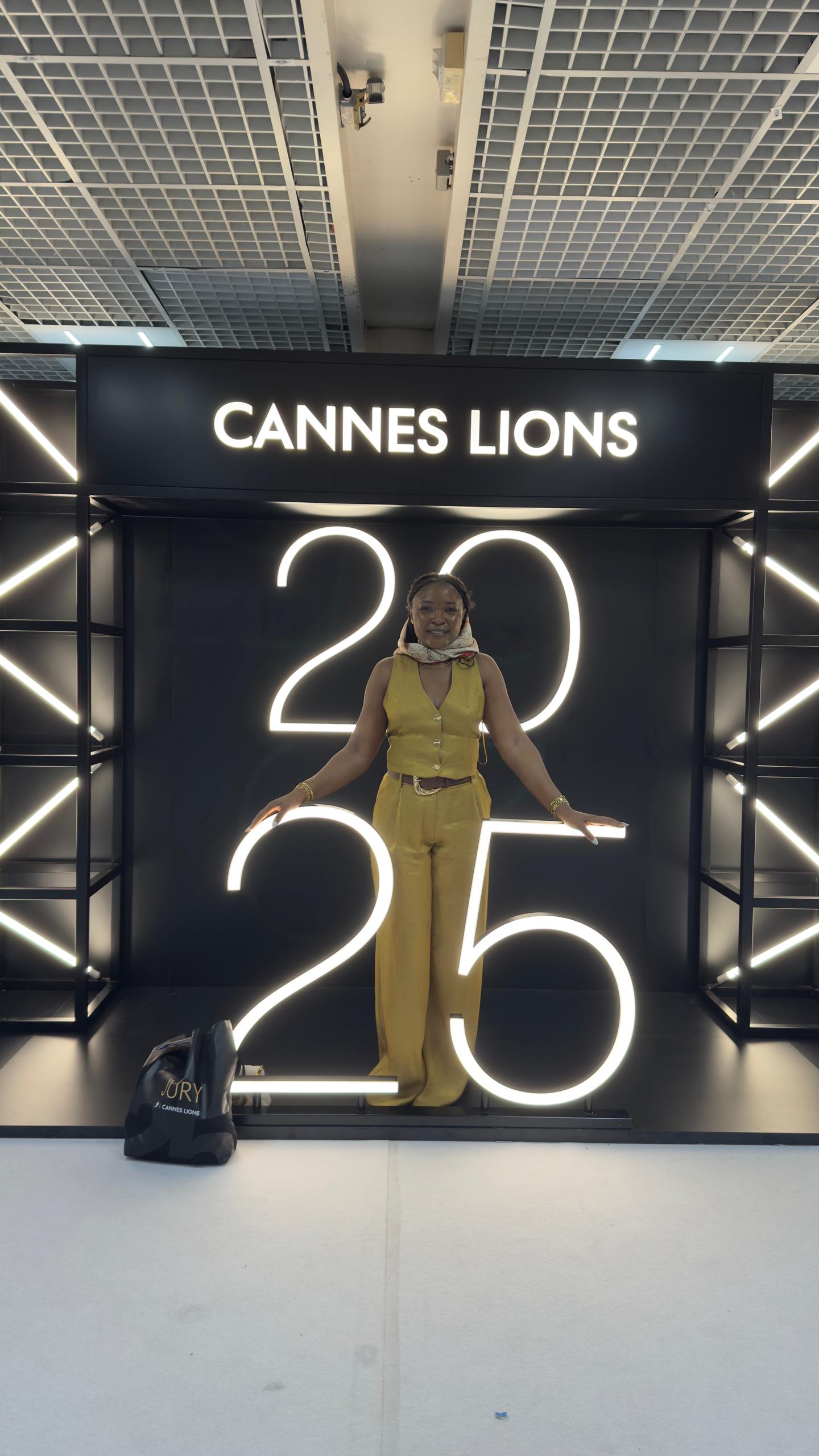
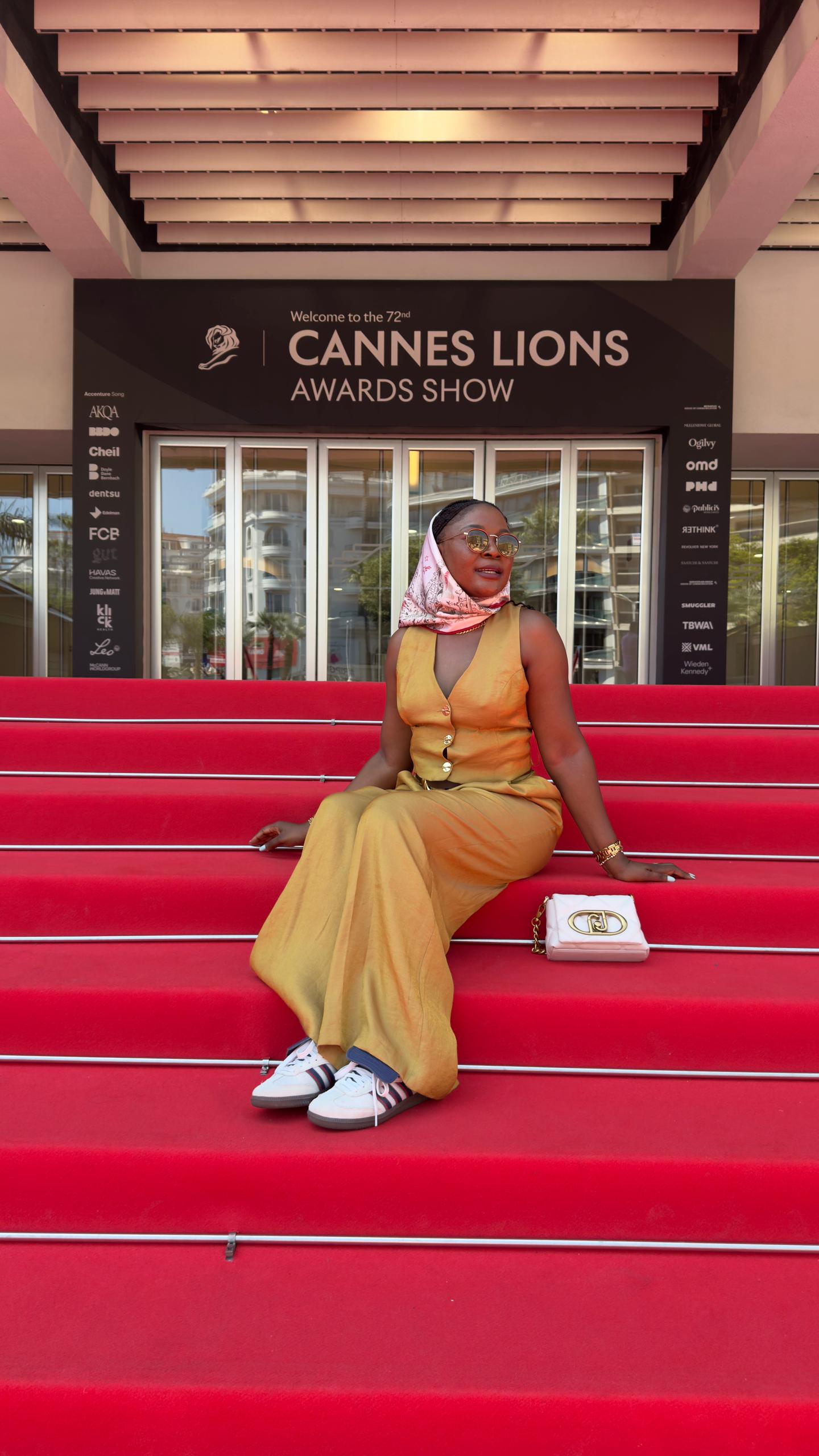
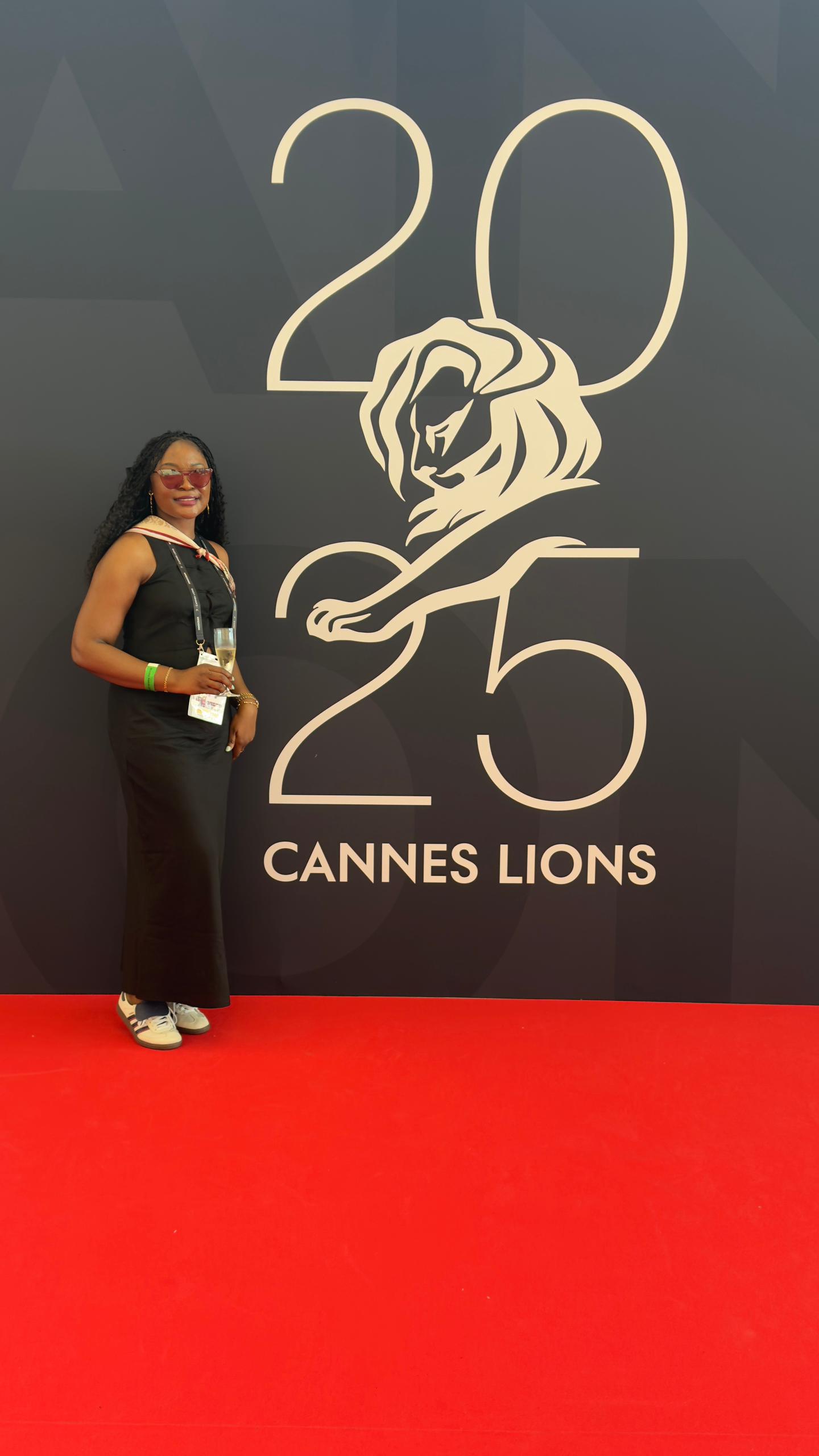
When Sandra took center stage at Cannes Lion Festival m, serving as juror, jury chair, and speaker, she was representing and transforming! In that moment, she reaffirmed her mission: to use creativity not just to tell stories, but to build futures.
She has spent 17 years crafting campaigns in Africa and Europe that marry cultural truth with impactful strategy. One standout example was Her “Detty December” festive campaign for Nigerian Breweries, an emotionally resonant, creator-led campaign that honored Nigerian culture and delivered business results. It was more than marketing; it was cultural belonging.
From winning global awards to helping Nigeria’s most iconic brands evolve, Sandra believes creativity can be more than art, it can also be economic power, jobs, and global influence.
Read our exclusive interview with her and tell us: What’s one way you’ve seen African creativity shape the world?
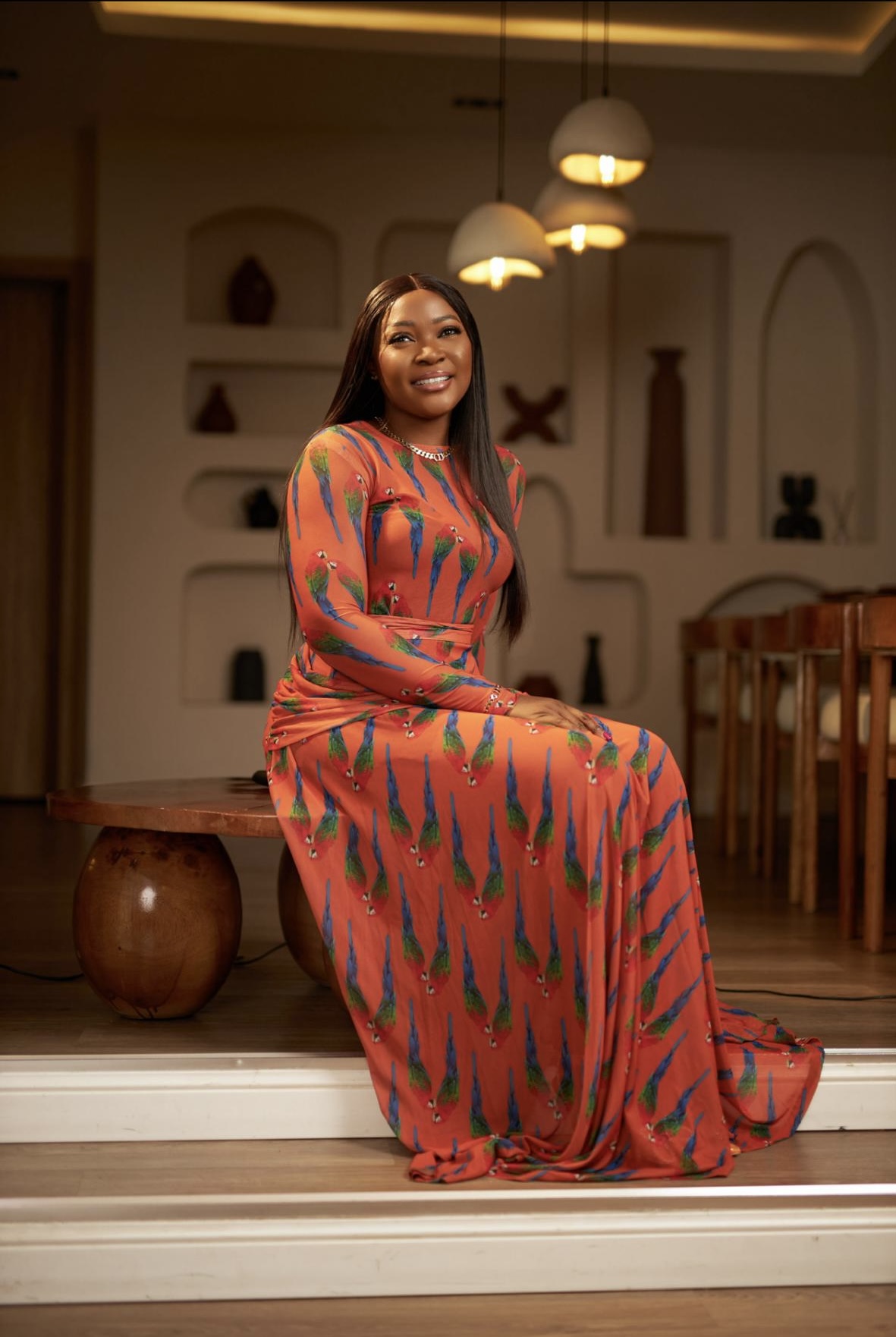
Sandra, you had such a standout presence at the 2025 Cannes Lions Festival. What did that moment mean to you personally and professionally — and what did it reveal about Africa’s place in the global creative industry
Cannes Lions 2025 was transformational. Personally, it reaffirmed my mission to use creativity not just as a tool for storytelling but as a platform for change. Professionally, stepping into global spaces—as a juror, speaker, and Jury Chair—was both a validation and a challenge to lead with even more purpose.
It showed that Africa is not waiting to be invited into the conversation. We’re already shaping it. Our influence is undeniable, and our voice is central to the future of creativity. I left Cannes more inspired and more committed to championing African talent—not just as a niche voice, but as a global creative force.
You’ve worked across both African and European markets for over 17 years. How has that cross-continental experience shaped your leadership style and your approach to storytelling?
Navigating career shifts across Africa and Europe has deepened my adaptability and commitment to lifelong growth. Working in diverse markets—from Nigeria to South Africa and the Netherlands —has sharpened my ability to navigate cultural nuances, human insight and commercial complexity.
These experiences have taught me that storytelling is more than creativity—it’s strategy and structure. It’s about having a deep human knowledge, respecting context, and using data and insight to respond with relevance. Whether I’m building a brand campaign in Nigeria or judging breakthrough work on a global jury or navigating an organizational transition during a major demerger and business reset in Southern Africa, I embrace collaboration and a transformational leadership style.
You’ve described creativity as more than art — as growth, as power. Why do you think African leaders still struggle to see creativity as a serious economic driver?
For a long time, creativity was seen as a “nice to have”—a passion, not a profession. In many African societies, we grew up believing that the most respected careers were doctors, lawyers, or engineers. The creative economy didn’t carry the same weight in boardrooms or family conversations. It was often perceived as informal, unstable, or intangible.
But that mindset is changing—because creativity today is not just cultural—it’s commercial. It’s how brands differentiate, how nations export influence, and how young people build careers in music, fashion, film, content, and tech. And Africa’s creative economy is one of the most scalable and youth-driven sectors on the continent.
Let’s talk about visibility. What barriers still exist for African women in the global marketing and creative industries, and how can we start to dismantle them?
For me, the biggest barrier is still access—access to rooms where decisions are made, access to networks that accelerate growth, and access to opportunities that allow women to stretch beyond functional roles into strategic ones.
That said, access isn’t just granted—it must also be earned and created. That’s where self-development comes in. We have to invest in sharpening our skills, owning our voice, and showing up with confidence and clarity. But we also need intentional sponsorship—leaders who don’t just mentor us, but advocate for us in rooms we’re not yet in.
When personal readiness meets structural support, real change becomes possible—not just for individuals, but for the industry itself.
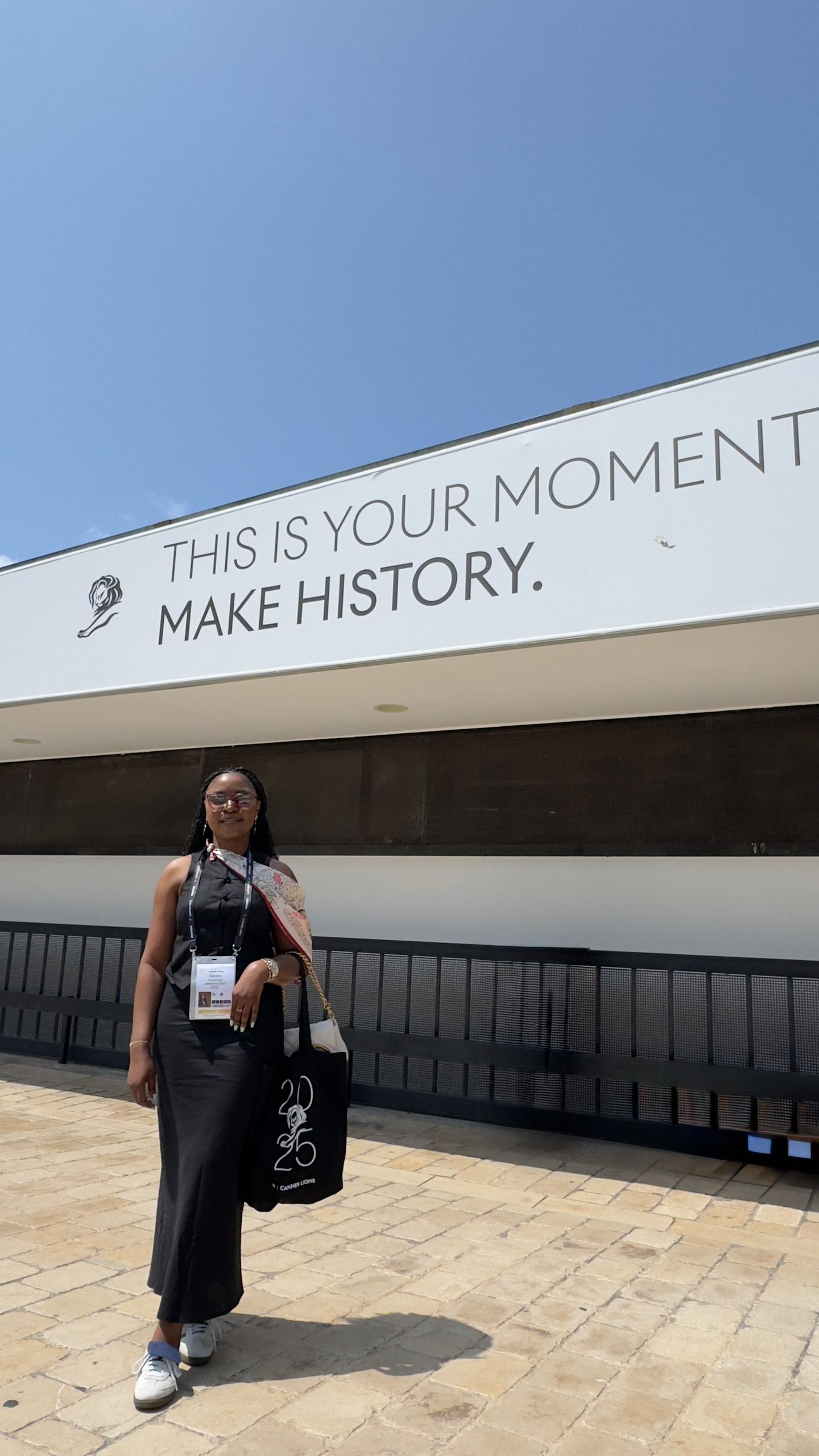
As Jury Chair for the Young Lions Competition, you mentored emerging marketers solving real business problems. What advice would you give to young African women who are just stepping into this space?
Trust yourself. Your lived experience is a creative advantage—it gives you a unique perspective, whether you come from a big city or a small town, your story carries weight and its the very thing that will set you apart. There were times early in my career when I questioned if I belonged—especially in global rooms where very few people looked or sounded like me. But I learned to stop asking for validation and start leading with preparation and purpose.
Also, be intentional about your growth. Stay curious and commit to self-development like it’s part of your job. Read widely, seek feedback and invest in learning opportunities. Say yes to the work that stretches you—even if it scares you a little. And surround yourself with people who speak your name in rooms you’re not yet in. That kind of support matters.
You’ve led the transformation of some of Nigeria’s most iconic brands. Can you share a project that taught you the most about the power of storytelling in business?
One of the most meaningful storytelling projects I’ve recently led was the 2024 Festive campaign for Nigerian Breweries. We wanted to position NB Plc brands as part of Nigeria’s vibrant end-of-year festive energy without forcing our brands into the conversation. So we anchored the campaign in a compelling truth: every Nigerian knows December is more than a month—it’s a whole mood hence why its termed “Detty December”. From jollof rice to the partying, family reunions to music concerts—it’s emotional, chaotic, and unforgettable. It wasn’t just a campaign—it felt like a cultural love letter to Nigerians.
We brought this to life with a visual storytelling execution in collaboration with storyteller and creator Niyi Fagbemi, whose lens captured the heart of the season in ways that felt raw, real, and resonant. It was creator-led, culturally grounded, and built for emotional connection—not just visibility. We invited real people to tell their “Detty December” stories, creating content that felt human and was designed to be shared, not forced. It was storytelling grounded in lived experiences, and it resonated deeply.
That experience reminded me that when storytelling is rooted in cultural truth and co-created with authenticity, you don’t just build awareness—you build belonging. And when a brand earns its place in the culture, it wins more than attention. It wins love.
In one of your panels, you discussed the role of AI and next-gen talent. What excites you most about the future of marketing on the continent — and what scares you?
The next generation of talent is not waiting for permission. They’re creating, collaborating, and moving fast. Add AI to that mix, and the potential to scale ideas and democratise storytelling is incredible. We’re entering a space where creativity and technology can genuinely open up new markets and new voices.
What I’m more cautious about is the pace. Innovation is moving so quickly that we risk losing the depth and intentionality that makes our stories powerful. There’s also the risk of exclusion—if access to these tools and platforms isn’t widespread, we end up amplifying only a few voices, not the full spectrum of African creativity. The future of marketing in Africa should be both bold and inclusive. That’s what I’m committed to helping shape.
You said, “Ideas shouldn’t just win awards—they should build wealth.” What does it look like for African creatives to move from inspiration to monetization at scale?
We need to think like entrepreneurs. Monetization at scale means creating an ecosystem that supports creativity as a real business—from IP protection to distribution and brand partnerships.
It also means building better bridges between talent and opportunity—more platforms that centre African stories and more business skills infused into the creative process. Inspiration is the spark, but monetization is the structure—and when both come together, creativity stops being a hustle and starts becoming an economy.
Leadership can be lonely, especially as a woman in corporate spaces. What keeps you grounded — and what helps you thrive?
For me, it’s learning to trust myself, be selective with my focus and intentional with my time.
What also keeps me grounded is having hobbies – I love to play tennis and I golf. And nurturing relationships that keep me connected to who I am—not just what I do. That personal ecosystem—a circle of friends, family, mentors, and people who see me fully—gives me the resilience to thrive, not just survive. Leadership can be intense, but I’ve learned that being whole matters more than always being “on.”
What’s a core value or principle that guides your leadership, even when the stakes are high or the room is intimidating?
For me, its authenticity. People follow your voice when they believe it comes from a place of truth. I’ve come to realise that I lead best when I’m fully myself—not a louder version, not a version I think the room expects, just me. You may not always be the loudest, but you’ll be trusted—and that lasts longer than hype.
Early in my career, I thought I had to adapt to fit in. Now I know that the strength is in showing up with my own perspective, lived experience, and style. I don’t try to be the smartest or the boldest—I focus on being clear, consistent, and values-led. And when I feel out of place, I remind myself: I’m not here by accident. I’m here because I bring something unique—and that’s enough.
Finally, to every African woman reading this who feels unseen, unsure or unheard — what would you like to tell her about becoming a voice of influence in her industry?
Your voice is valid—even if it shakes. And you don’t need to have it all figured out before you start speaking. Influence isn’t about volume; it’s about value. Start where you are, with what you have, and show up consistently. And please know—you’re not alone. Many of us have walked that path of doubt. We just didn’t stop walking.