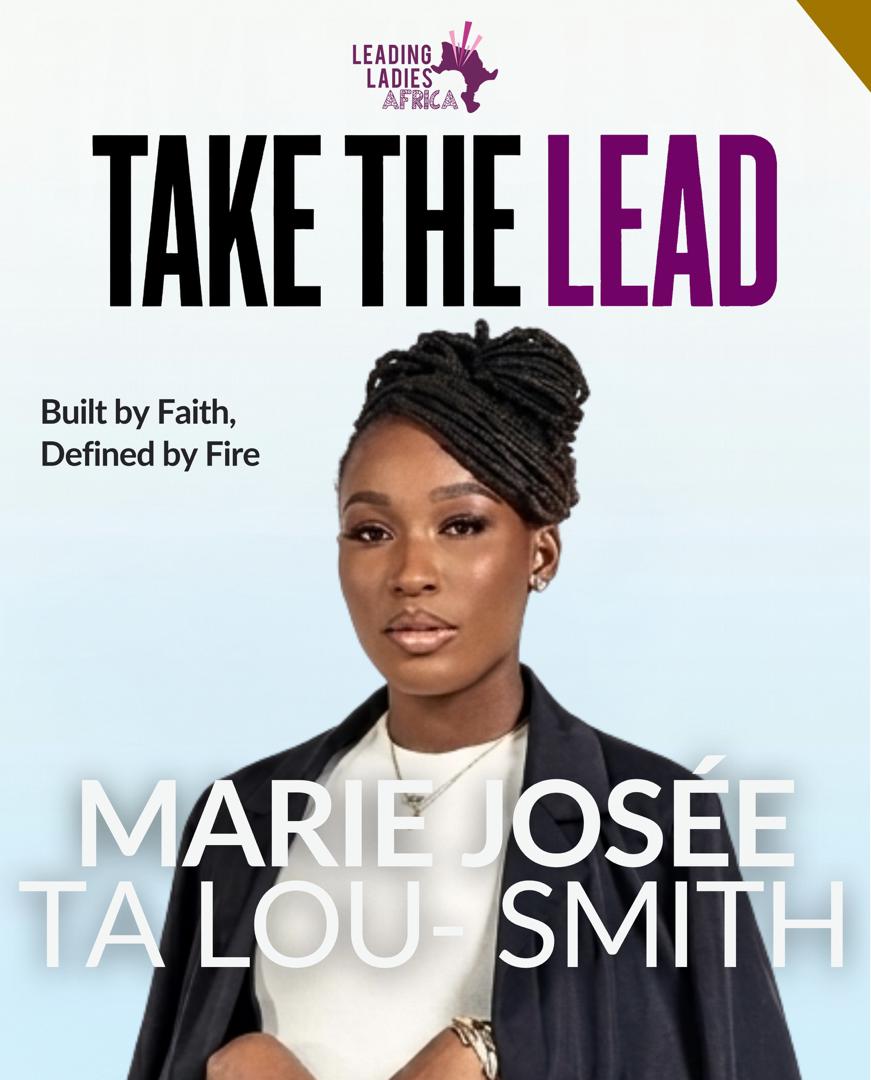
She was just a young woman who believed in the impossible. Today, Marie-Josée Ta Lou-Smith is the fastest African woman in history and the proof that faith, forged through sacrifice, can rewrite what a continent thought it could achieve.
A two-time World Championship silver medalist, World Championship bronze medalist, and World Indoor Championship finalist, Ta Lou-Smith carries Côte d’Ivoire and an entire continent on her shoulders every time she steps onto the track. Her 100m personal best of 10.72 seconds places her ninth among the fastest women ever recorded, and first on African soil, a record she holds alongside the African record in the straight 150m and the Ivorian record in the 200m. Trained by the legendary John Smith, she has stood in finals alongside the greatest sprinters of her generation; Fraser-Pryce, Thompson-Herah, Richardson, and never once looked out of place.
Through injury, mental health battles she refused to keep silent, and the weight of being a symbol for millions of girls who needed to see themselves in a finalist, Ta Lou-Smith chose presence over comfort, every single time. Now, as Vice President of the Ivorian Athletics Foundation, she is turning legacy into infrastructure, and inspiration into opportunity.
This is the story of a woman who ran so others could believe they could too.
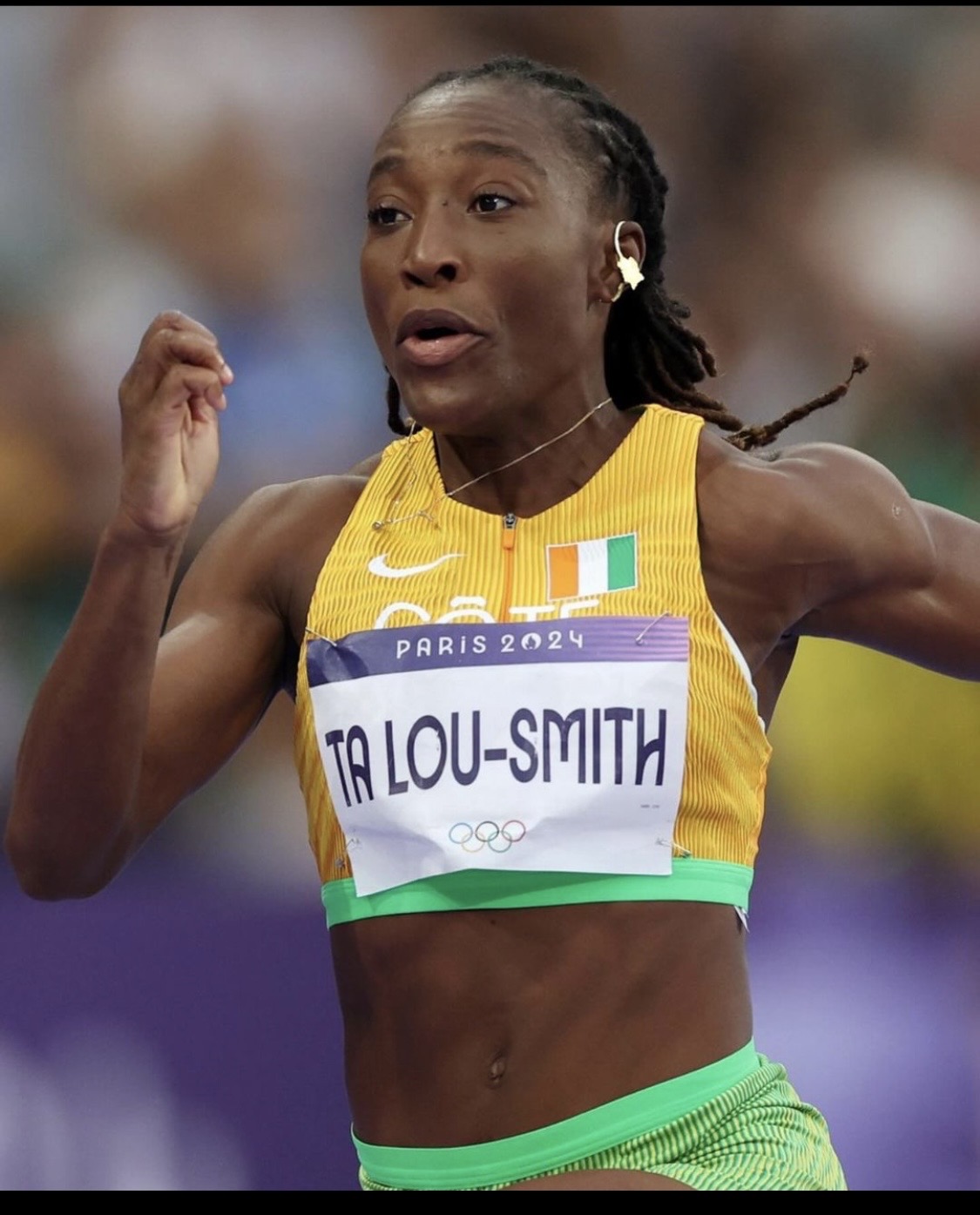
Before Africa knew your name and the world knew your speed — who are you, and what shaped you?
Before the records and the races, I am just a young woman who believes in the impossible. That has never changed. My faith is what shaped me — it is the foundation of everything I am, on and off the track.
You have raced against the greatest sprinters in history — Fraser-Pryce, Thompson-Herah, Richardson. What have those women taught you about yourself?
Standing in those finals alongside women like that, you learn something about yourself very quickly. They have taught me resilience, strength, courage and determination — not just by what they say, but by how they show up. Every single time.
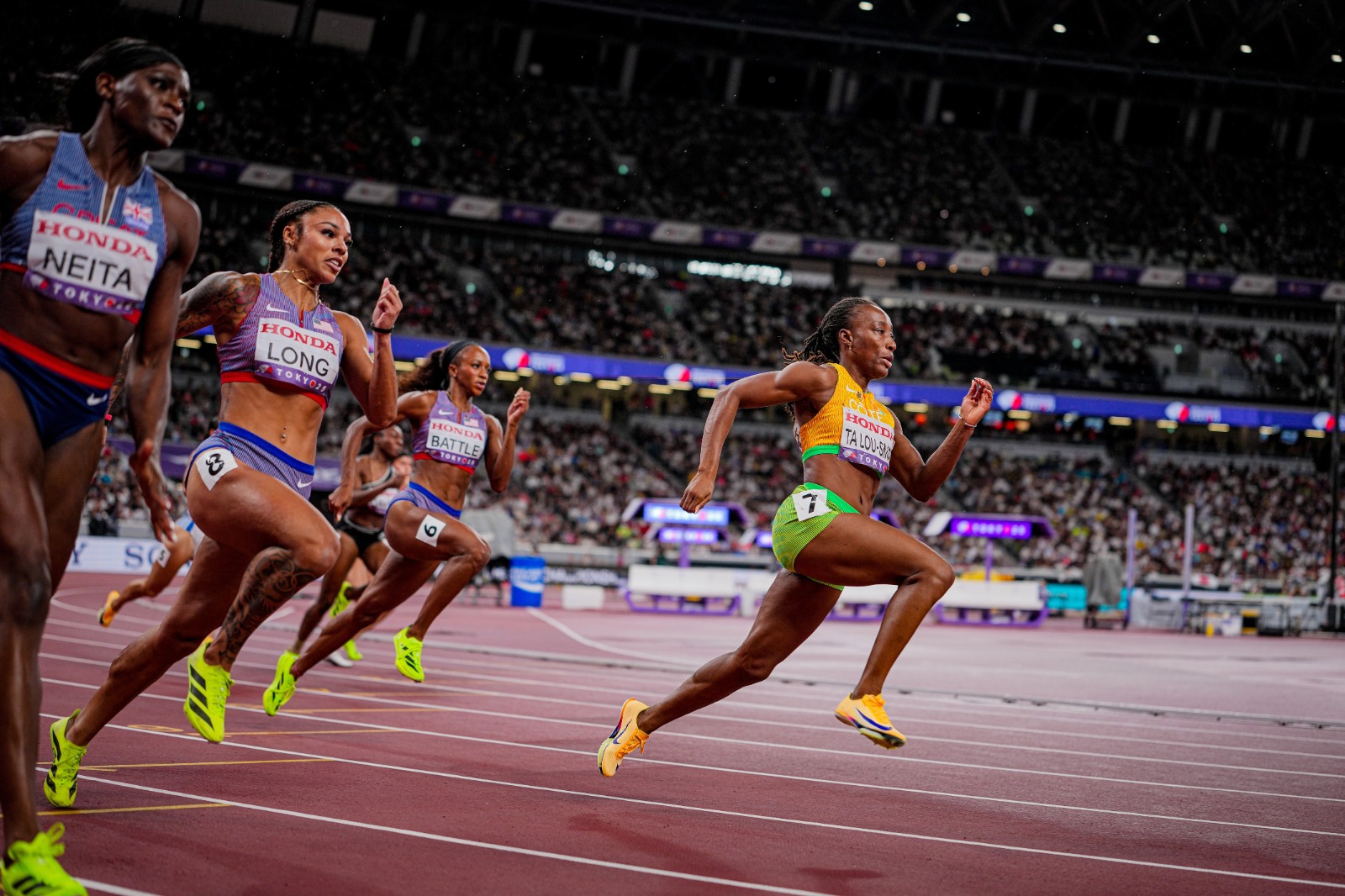
You have competed in a sport dominated by Jamaican and American women for decades. What has it meant to fly the African flag in those finals, and what has it demanded of you?
Flying the African flag in those sprint finals has been a true blessing and an honour. Being able to stamp my name in the history books of athletics — for the continent, for what was once considered impossible — that means everything. But it demands real dedication, real commitment and real sacrifices. Nothing about it comes easy.
You pushed through a full season of injury to make the Paris 2024 Olympic final. What did you say to yourself on the days your body was saying no?
I kept telling myself — you cannot give up. You have a country, a whole continent counting on you. Young girls who see you as an inspiration, as a model. So on the days I had nothing left physically, I asked God to give me the strength I could not find myself.
Mental health is something athletes rarely talk about openly, but you did. What made you decide that speaking to someone was not a weakness but a necessity?
I realised that keeping unresolved things inside is harmful, not just to yourself, but to the people around you. When you speak out, you do not just heal yourself. You give permission to others in the same situation to do the same. That matters more to me than any image.
You have just been appointed Vice President of the Ivorian Athletics Foundation. What is the first thing you want to fix, build or change within Ivorian athletics, especially for women?
I want to use my experience to truly reach athletes — to let them know that someone like me understands what it actually takes to perform at the highest level. I want to close that gap and communicate better. Women in athletics deserve that support system.
Leadership in sport administration has historically been dominated by men. What does it mean to have a woman still actively competing sitting in that seat?
Women have always been told that leadership is not their space. But being a woman still actively competing and sitting in that seat proves otherwise. Once you are given the opportunity, there is nothing a woman cannot achieve. We are strong, competitive, competent and limitless beyond measure — and that position is not just mine. It belongs to every woman who was never given the chance.
Young girls across Côte d’Ivoire and the continent are watching you. What do you want them to understand about what it truly takes to become the best version of themselves, on and off the track?
The best version of yourself is not born from comfort. It is born through the highs and the lows — through dedication, discipline, sacrifice, faith, and even failure and disappointment. Do not run from those moments. They are building you.
What is the legacy you want Marie-Josée Ta Lou-Smith to leave behind, for African women, for sport, and for every person who was told they couldn’t?
My legacy, my brand — it has always been simple. To create opportunities for the unseen, and to give a voice to the voiceless. If I have done that, then I have done something that truly matters.