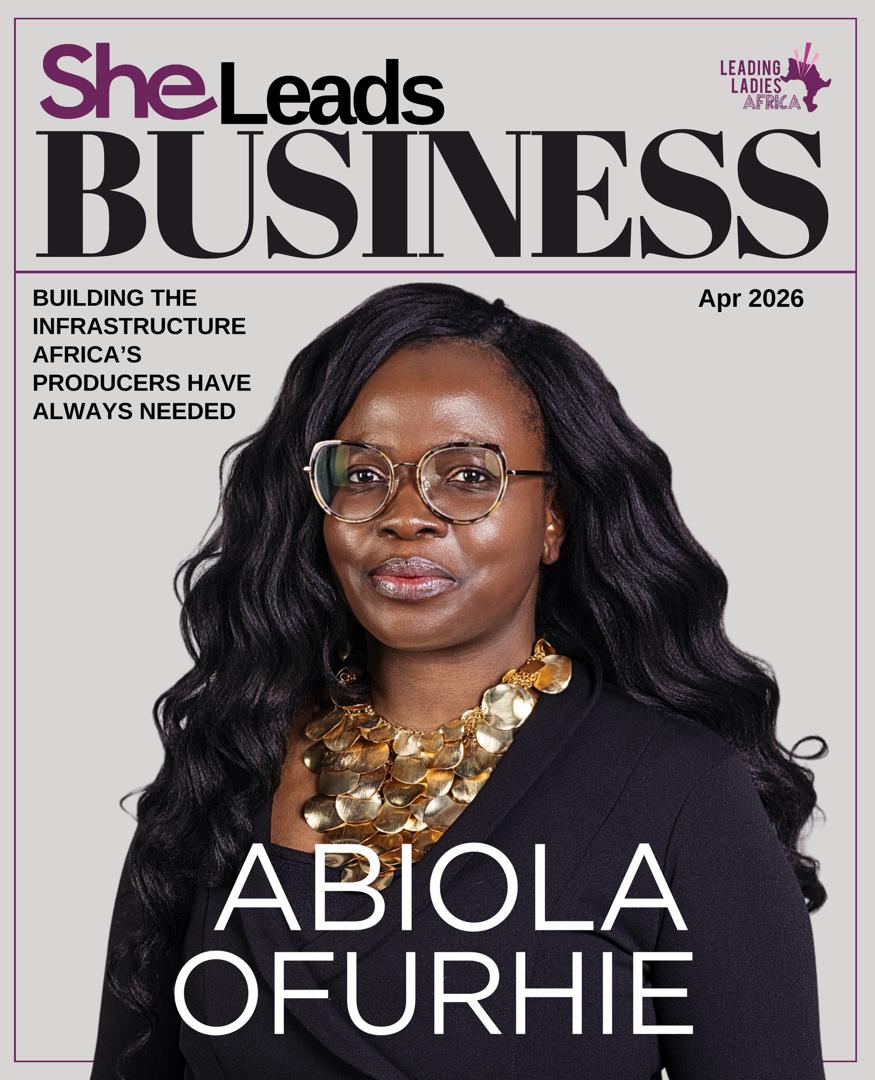
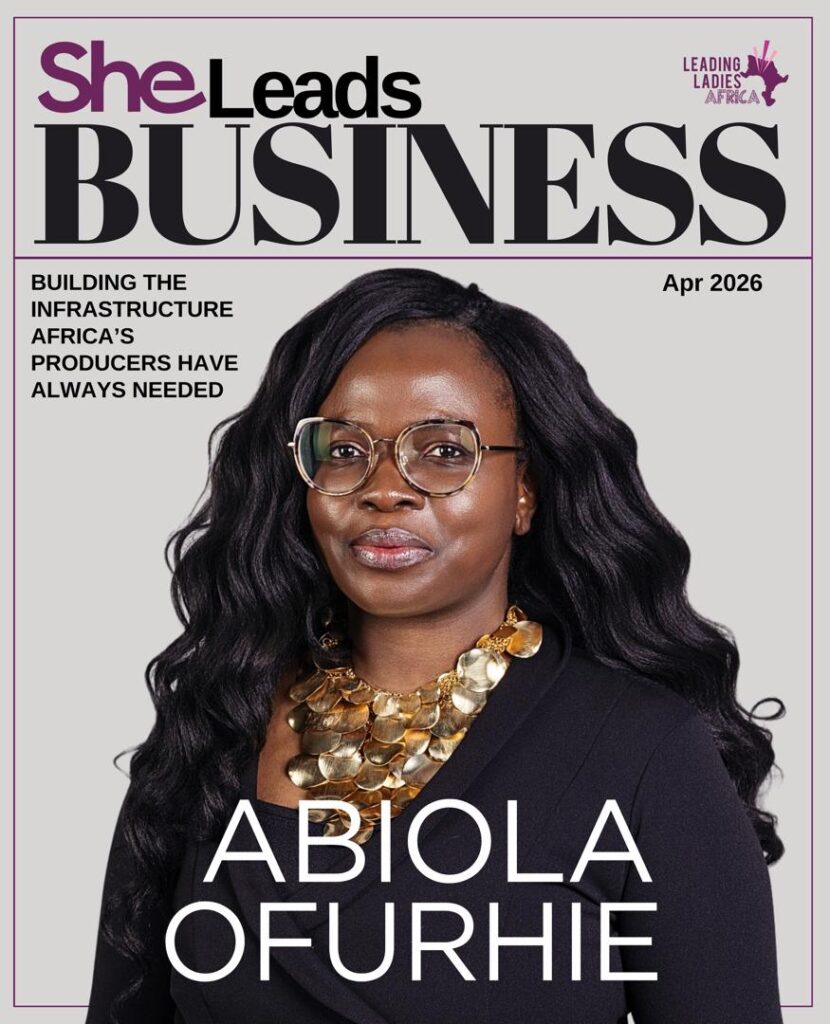
Abiola Ofurhie is a Nigerian-born, Dublin-based founder doing something quietly revolutionary, building the infrastructure that will carry African food products into global markets with the confidence, compliance, and dignity they deserve.
As the founder of Kewve, Abiola is dismantling a centuries-old system that has taken Africa’s raw materials and handed the profits to everyone else and she’s doing it as a wife, a mother of three, and a woman who refused to make herself smaller.
In this conversation, she talks about distance and clarity, resilience and systems, and what it means to build a road so the next African woman doesn’t have to ask for permission to walk on it.
This is her story and it’s only just beginning.
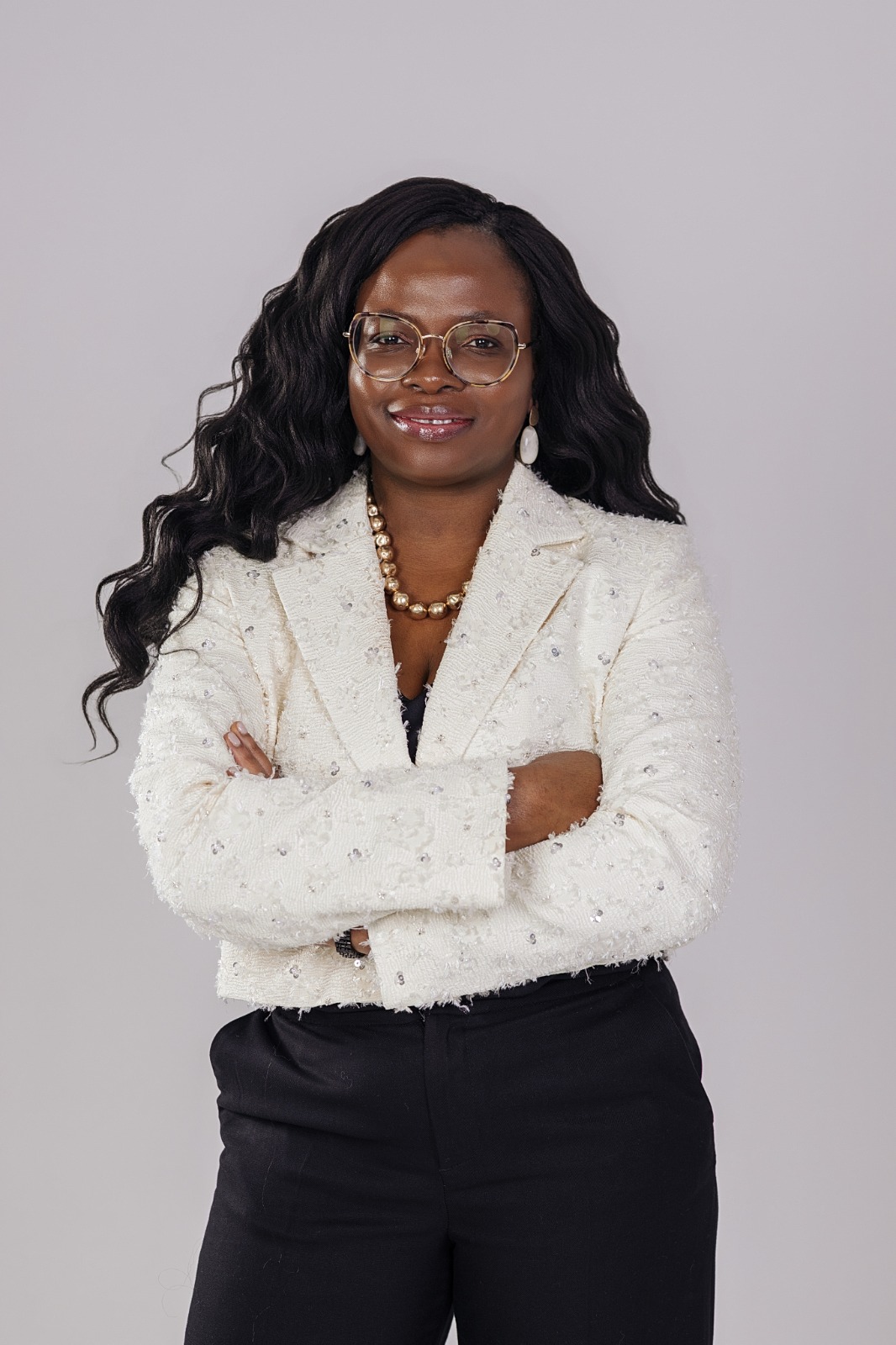
You are a Dublin-based African founder building infrastructure for a continent’s food future. Before we get into all of that, who is Abiola Ofurhie, and what shaped her?
I am a Nigerian woman, wife to an exceptional man, and mother to three kingdom builders, with a deep pride in my African roots. I grew up with a strong sense of purpose, resilience, and a belief that Africa has so much more to offer the world. What shaped me most is seeing the gap between how Africa is perceived and what I know it truly is. That gap pushed me to build. I believe in using technology to solve real-world problems, and Kewve is an extension of that belief.
You are building in Dublin for producers across Africa. How does that distance fuel you and what does it feel like to carry an entire continent’s food future in your hands from thousands of miles away?
Being in Dublin gives me a front-row seat to how global markets operate, while constantly highlighting what is missing and what is possible for African products. The distance doesn’t disconnect me, it sharpens my perspective. It makes the problem clearer and the opportunity bigger. Carrying this mission often feels bigger than me, but it is also a privilege. I see it as building a bridge between Africa and the world.
Africa has been exporting raw materials for centuries while the world profits from the finished product. You are building infrastructure to change that. How personal is that mission to you and what does it mean to be the woman who decided enough was enough?
This mission is deeply personal. I have seen firsthand how African products are undervalued, underrepresented, or rejected due to systems that were never built with us in mind. At some point, I got tired of hearing why things were not working, so I chose to build. For me, it is about shifting Africa from exporting raw materials to exporting value, identity, and excellence.
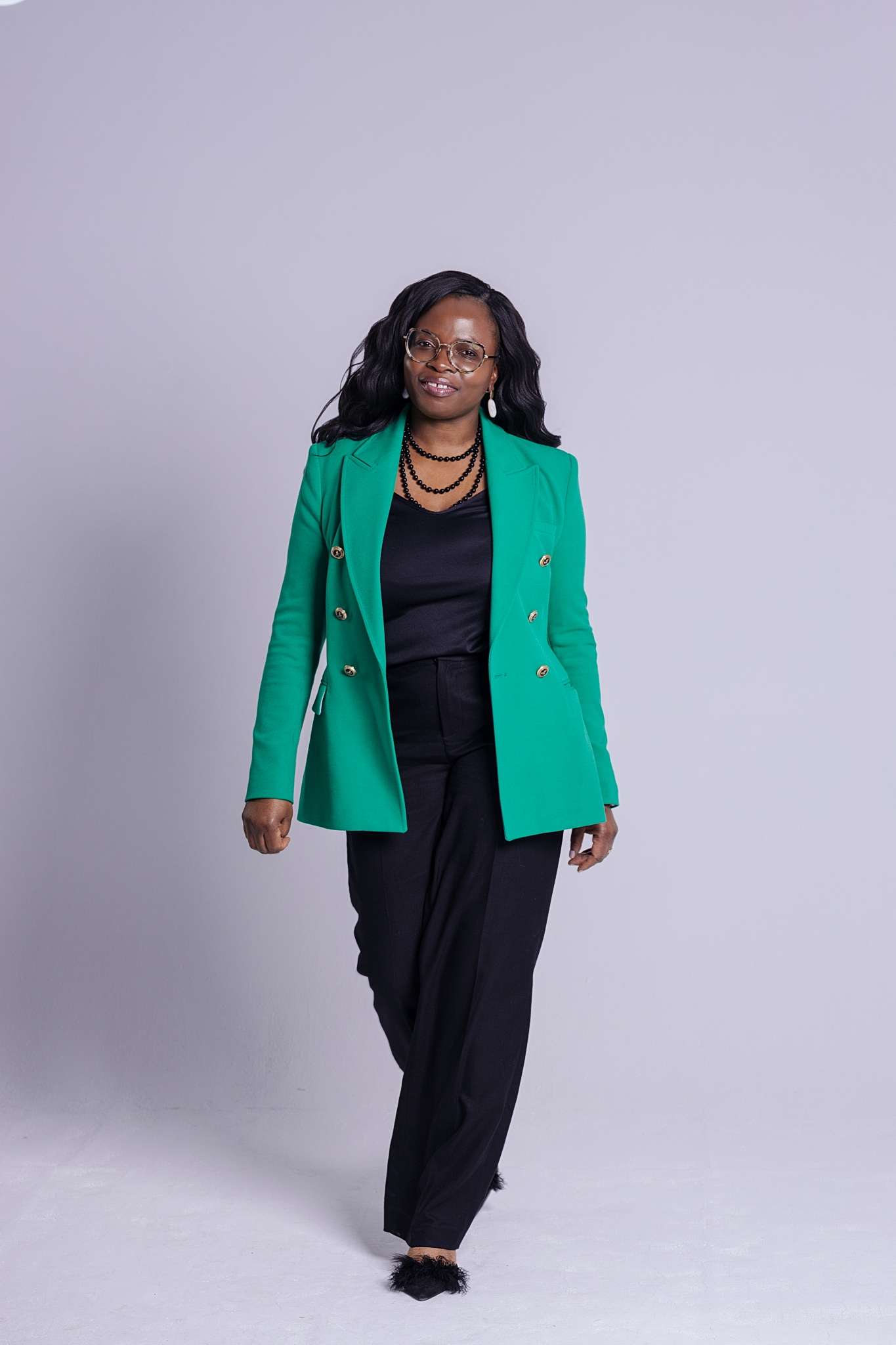
You chose to solve a problem that is complex in a space dominated by men and underfunded when it comes to African founders. What has that demanded of you as a woman and what have you refused to compromise on?
It has demanded resilience, clarity, and a strong sense of purpose. Building in a complex and underfunded space means you must stay grounded in why you started. As a woman, I have refused to compromise on my vision or shrink my ambition. I am building something that matters, and I show up fully for it.
What do you want every African woman who has a product she believes in but a system that keeps shutting her out to know about why you built Kewve?
I want every African woman with a product or vision to know this; sometimes, you may need to build the system needed to bring your product to life, instead of waiting for your product to fit into an existing system that was never built with you in mind. That is what I did with Kewve. We exist to bridge that gap, to help her and others understand what is required, prepare properly, and step into global markets with confidence.
You are proof that you don’t have to be from the biggest city, the biggest fund, or the biggest network to build something that changes the world. What do you want every African woman sitting on a solution to a problem nobody else is solving — to take from your story?
You do not need permission, the perfect network, the perfect moment, or all the funding to start. If you can see a problem clearly, you can begin building a solution. Your background does not limit your impact.
I applied for countless grants and knocked on many doors, hoping for a “yes.” After receiving many “no’s,” I made a shift. I committed to learning deeply, understanding the sector I was building in, and growing with what I had, right where I was.
That mindset changed everything. Start with what you have. Stay open to learning. Build anyway. And grow into the vision as you go.
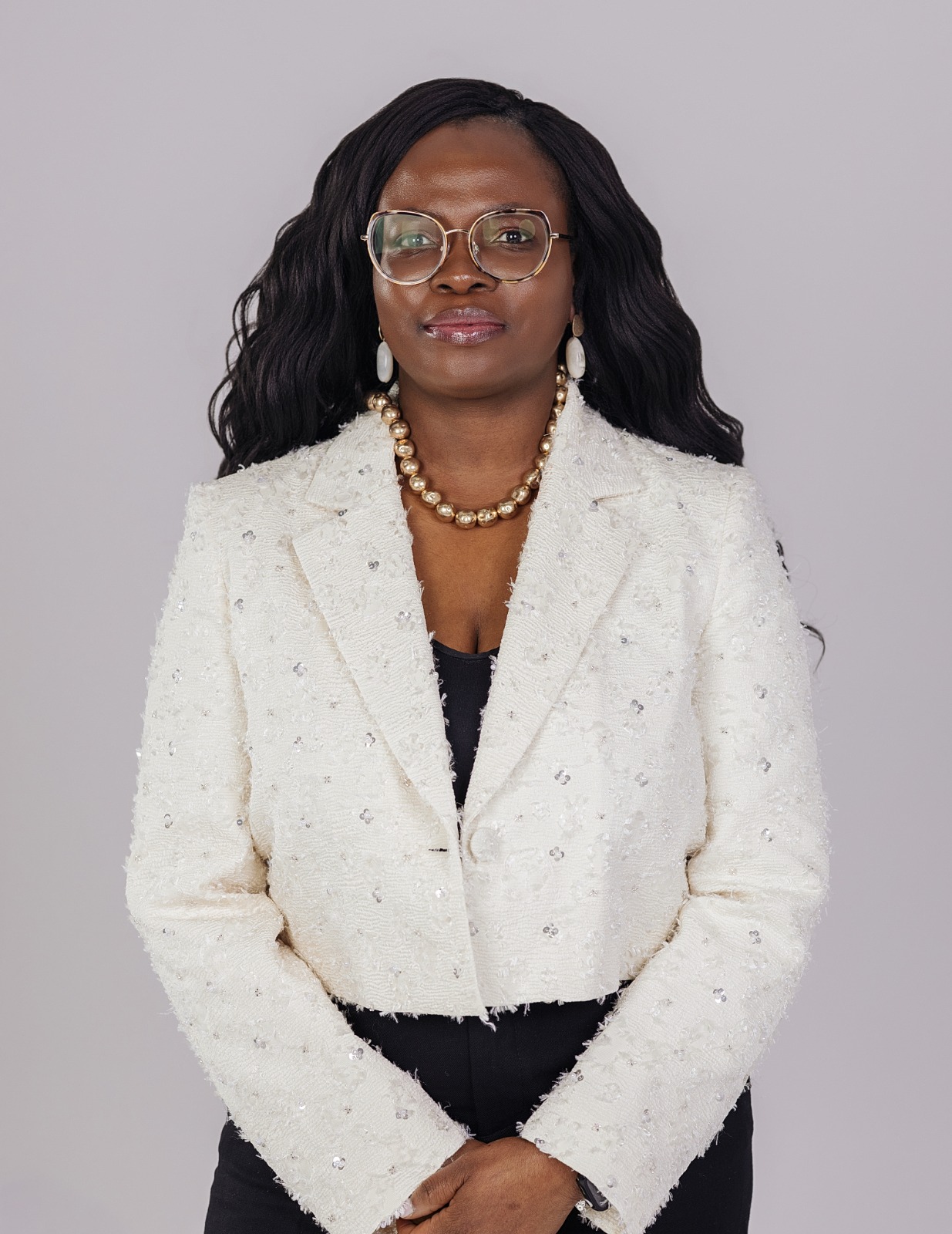
What is the one thing you wish someone had told you before you started building – as a woman carrying a mission this big?
The importance of building systems, not just solutions. When you are solving a big problem, you are not just creating a product, you are creating structure. You cannot scale what you have not systemised.
Kewve is still in its early chapters — what does the next five years look like, and how big is the vision you are building towards?
The next five years is about scale. Kewve becomes the infrastructure layer behind African food exports, preparing millions of producers, enabling seamless trade, and expanding across global markets. The vision is bold, and it is global.
Decades from now, when an African woman ships her product to a global market with confidence, clarity, and zero rejection — what do you want her to know about the woman who built the road she is walking on?
I want her to know that someone chose to build the road when it did not exist, so she could walk it, grow on it, and go even further. Additionally, I also want her to know:
- The world needs her solutions
- She is capable of impossible things • The sky is not the limit, it is the starting point
And if not her, then who?