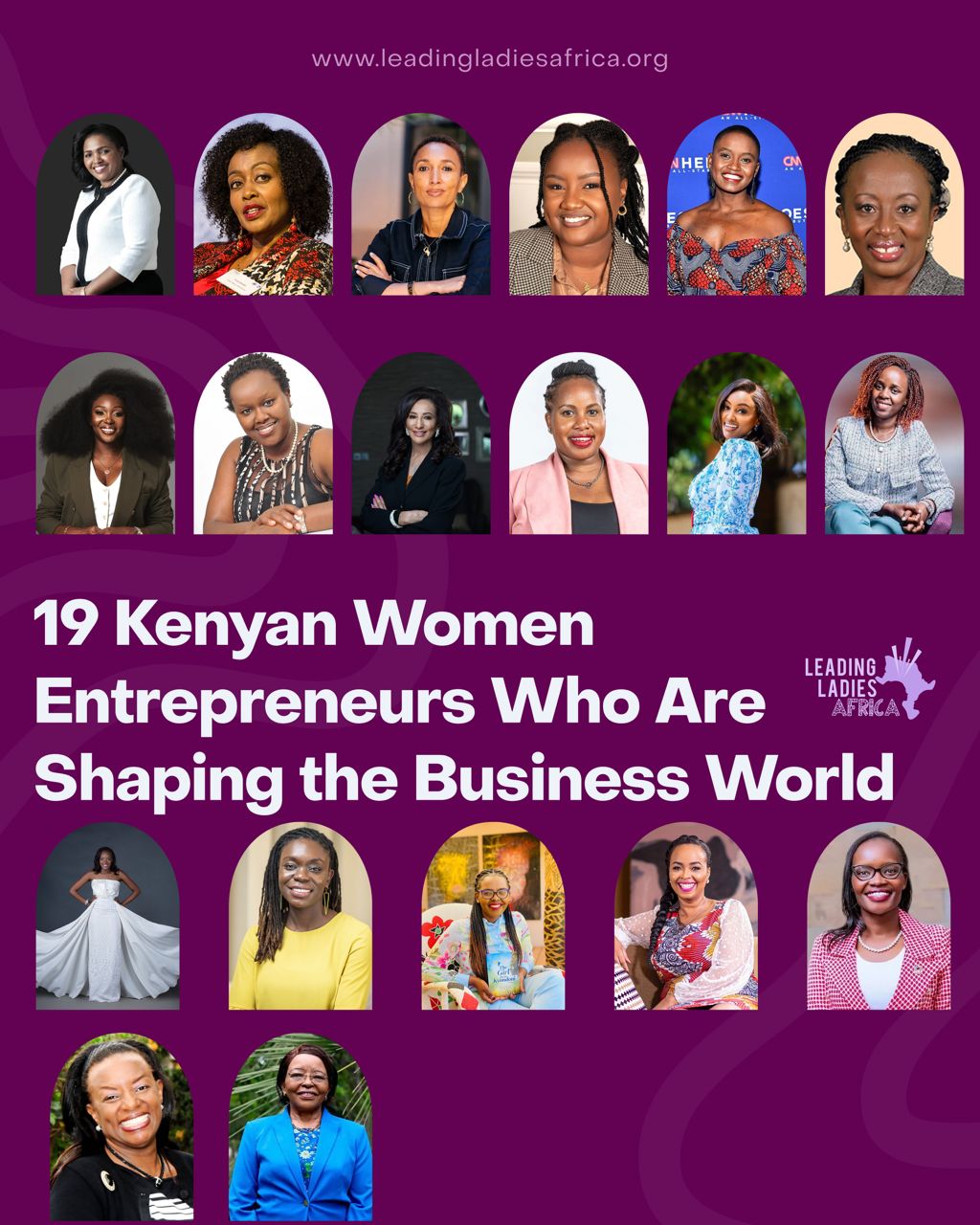
The most exciting entrepreneurship happening on this continent right now has a woman’s name on it and in Kenya, those names are everywhere. We are talking about women who built breweries and broke political ceilings in the same lifetime. Women who quit stable jobs, maxed out their faith, and turned bathroom experiments into haircare brands selling across 12 countries. Women who grew up in slums and went on to win million-pound prizes, feed half a million children daily, and sit across the table from presidents. Women who wrote code that runs across 54 African nations, turned plastic waste into a green economy, and gave 900,000 women their first taste of financial freedom.
They did not wait for the perfect conditions, the right connections, or anyone’s permission. They built breweries and tech firms, hospitals and stove companies, PR empires and fashion labels and in doing so, they have been quietly, boldly, unapologetically shaping the business world. Kenya’s women entrepreneurs are not coming.
They are already here, already building, already winning. Meet the 17 powerhouses doing incredible things in the business world.
Tabitha Karanja — The founder and CEO of Keroche Breweries has built a legacy with her business. Starting in 1997 with fortified wines targeting everyday Kenyans, Tabitha turned a modest venture into the first large-scale brewery in Kenya owned by a non-multinational company. When punishing taxes wiped out her wine market in 2007, she didn’t fold, she switched to gin and vodka, then boldly entered the beer industry in 2008.
Today, Keroche accounts for 20% of Kenya’s beer consumption, with a state-of-the-art plant that cost KSh5 billion to refurbish. In 2022, she took her fighting spirit to the political arena, winning the Nakuru County Senatorial seat by a landslide. Tabitha Karanja is proof that resilience, reinvention, and relentless ambition are the ultimate business strategy.
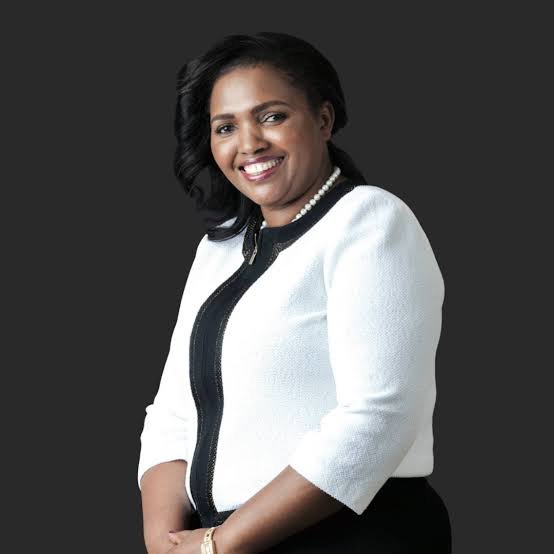
Flora Mutahi — Flora Mutahi is the founder and CEO of Melvin Marsh International, the company that pioneered flavoured teas in Kenya and turned a simple cup of chai into a bold, award-winning brand but Flora’s ambitions never stopped at the teacup. She made Kenyans fall in love with flavoured tea and then set her sights on reshaping an entire continent’s business landscape.
In 2011, she expanded into real estate with Azizi Realtors, and launched the Melvins Mentorship Impact Programme to pour into the next generation of women entrepreneurs. Her influence only grew from there, becoming the first woman to chair the Kenya Association of Manufacturers, then Vice-Chairperson of the COMESA Business Council, a board member of the UN Global Compact, and in 2021, the first female Chairperson of the Kenya Private Sector Alliance (KEPSA). Flora Mutahi builds institutions, and in doing so, she’s building a better Africa.

Wandia Gichuru– Wandia Gichuru is the co-founder and CEO of Vivo Fashion Group, East Africa’s fastest-growing locally designed and locally manufactured fashion business. She left a prestigious career spanning the World Bank, the UN, and JP Morgan to do something that many called a risk to build an African fashion brand from scratch. Today, that “risk” has 30 stores across Kenya, Rwanda, Uganda, and even Atlanta, Georgia.
Launched in 2011, Vivo has grown into a powerhouse of style, affordability, and African identity with brands like Vivo Woman, Safari, and Zoya beloved across the continent. In 2020, she expanded further with Shop Zetu, a multi-brand e-commerce marketplace that has won the Kenyan E-Commerce Fashion Award four years in a row (2021–2024).
A certified life coach and passionate Africanist, Wandia is challenging the world to see Africa through new eyes, and dressing the continent in the confidence it has always deserved.

Wawira Njiru– As the CEO of Food for Education, Wawìra built one of Africa’s most innovative and scalable school feeding programs from the ground up, complete with central hub kitchens, smart logistics, mobile money payments at just KSh15 a meal, and NFC technology that gets food into a child’s hands in under five seconds. Every morning across Kenya, over 500,000 primary school children walk into school and tap a smartwatch to receive a hot, nutritious meal and behind every single one of those meals is Wawìra Njirū.
It all started in 2012 with a dinner party, 80 guests, and KSh126,000 raised by a university student in Adelaide with a plan too bold to ignore. That boldness has since earned her the UN Person of the Year award (2021), the Skoll Award for Social Innovation (2024), and recognition by CNBC as a 2025 Changemaker. Wawìra Njirū proves that the most powerful entrepreneurship is sometimes the kind built not for profit, but for purpose.

Nelly Cheboi — TechLit Africa begins with a simple but radical belief: that a child in rural Kenya deserves the same digital future as any child anywhere in the world. Nelly Cheboi is the founder of that belief made real. Growing up in poverty in the village of Mogotio, Nelly earned a full scholarship to study computer science in the United States and instead of leaving Kenya behind, she brought the future back with her. In 2019, she co-founded TechLit Africa, an organisation that collects donated computers from the US, ships them to Kenya, and builds fully functioning computer labs in rural primary schools.
Today, over 4,000 children aged 5 to 14 are learning digital skills through TechLit’s programme with 10 labs already built and 100 more on the horizon. In 2022, the world took notice: Nelly was named a CNN Hero and featured on Forbes’ 30 Under 30 for Social Impact. She didn’t just escape poverty, she went back to dismantle it, one keyboard at a time.
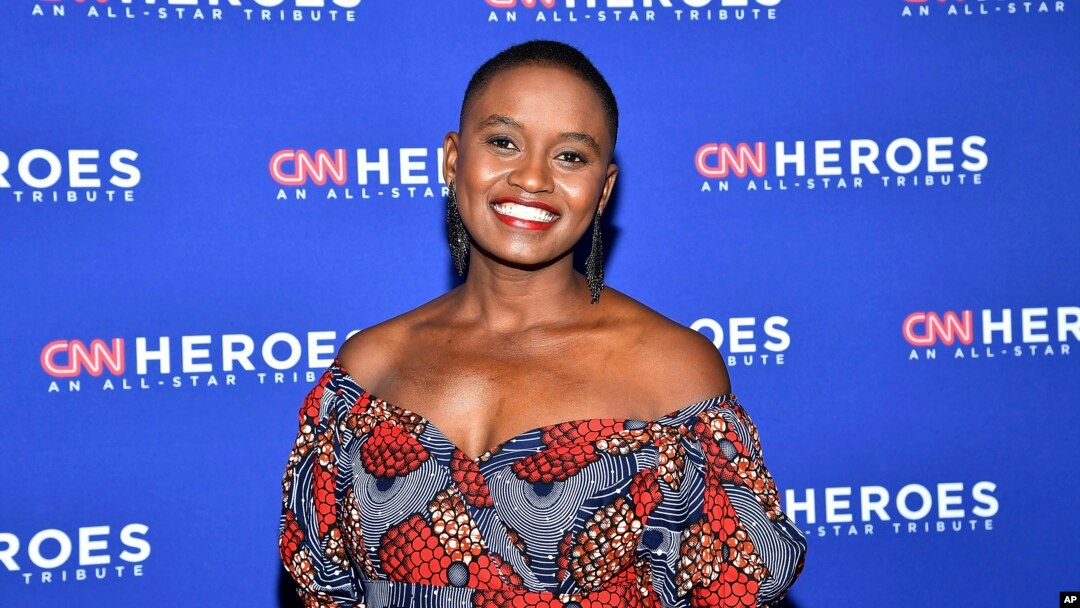
Eva Muraya — Eva Muraya is the Founder and CEO of BSD Group, an award-winning brand strategy and communications company comprising four distinct entities, Brand Strategy & Design Limited, Avid Public Relations, Whiteboard Advertising, and Brandquad Africa. Over two decades, Eva has shaped some of East Africa’s most recognisable brands across banking, manufacturing, government, and beyond. But what truly sets her apart is what she did at BSD’s ten-year mark, she pivoted the company into a champion for women consumers, co-launching the groundbreaking Top 100 Most Loved Brands by Women in Kenya study in partnership with Ipsos, the world’s third-largest market research firm. It was a declaration: African boardrooms must put women at the centre of every decision.
A Stanford SEED, Harvard Business School, and Columbia Business School alumna, Eva is also the co-founder of the Kenya Association of Women Business Owners (KAWBO) and a Director at KEPSA. Her rallying cry? “Fall seven times, rise eight.” In Eva’s world, brands don’t just sell, they transform.
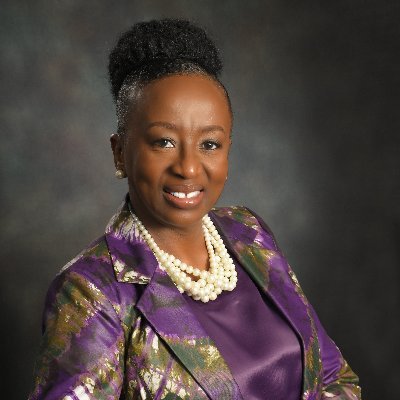
Charlot Magayi — Charlot Magayi founded Mukuru Stoves in 2017 after a childhood and early adulthood defined by the dangers of charcoal cooking, the smoke-filled rooms, the respiratory infections, and the moment her two-year-old daughter was burnt by their traditional stove. She went back to school, studied the science of burning fuels, and designed a stove that sells for just $10, cuts pollution by 90%, and uses significantly less charcoal.
In 2022, she was named one of five global winners of the prestigious Earthshot Prize, receiving £1 million to scale her innovation and Prince William personally called her the “Queen of Africa” for the impact she has had on two million lives. With plans to develop an ethanol-powered model and an eye on the 950 million Africans still cooking with polluting fuels, Charlot Magayi isn’t just designing stoves, she’s redesigning the future of clean energy on the continent, one flame at a time.
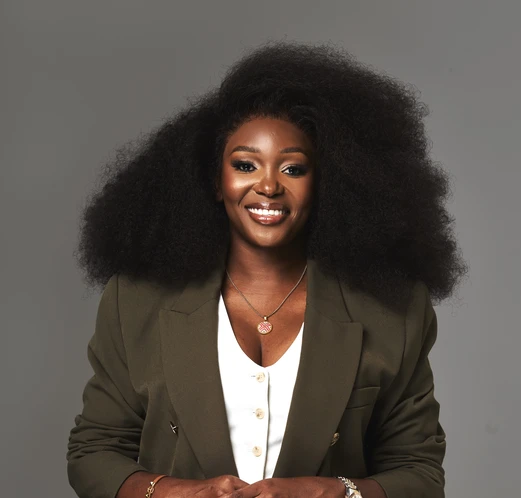
Dorcas Muthoni — Dorcas Muthoni is the founder of OpenWorld Ltd, a software consulting company she launched at just 24 years old that has delivered some of the most impactful technology solutions on the continent. Her firm built ARIS, the African Union’s reporting application used by all 54 member states; the Performance Management System automating public sector contracting for the Government of Kenya; and OpenBusiness, a cloud-based management tool revolutionising how small businesses across Africa operate.
Dorcas didn’t stop at enterprise software. In 2004, she founded AfChix, a regional mentorship and capacity-building initiative for women in computing across Africa, because she understood that building the continent’s digital future meant bringing women along for the journey. A World Economic Forum Young Global Leader, an Anita Borg Change Agent award winner, and a recipient of an honorary doctorate from Pompeu Fabra University in Spain, Dorcas Muthoni proves that the most powerful code can be written right here in Africa.

Gina Din Karuiki — Gina Din-Kariuki is the founder and Executive Chair of Gina Din Corporate Communications, one of East Africa’s most celebrated public relations and strategic communications firms. Founded in 1997 with nothing but faith, prayer, and Barclays Bank as her first client, the company grew to represent some of the continent’s most iconic names, Safaricom, Kenya Airways, Kenya Commercial Bank, and Kenya Red Cross, among others. When Kenya Airways faced a devastating plane crash in Cameroon in 2007, it was Gina’s firm that stepped in to manage the crisis with grace and precision. Her global footprint expanded further when she partnered with Weber Shandwick, one of the world’s leading PR firms, to grow across Africa.
Beyond the boardroom, Gina co-launched the Kenyans for Kenya campaign during the 2011 drought, raising over KSh700 million for famine relief, and was designated Honorary Ambassador by the United Nations Population Fund in 2016. Named East Africa Businesswoman of the Year at the CNBC Africa AABLA Awards in 2015, Gina Din-Kariuki has built the voice of modern African business.
Lorna Rutto– Lorna Rutto co-founded EcoPost in 2009, walking away from a banking career to build a social enterprise that collects plastic waste from across Nairobi and manufactures it into durable, eco-friendly fencing posts and construction materials. EcoPost has recycled over 13 million kilograms of plastic waste, created 300 direct jobs, preserved 4,500 acres of forest, and offset over 160 million kilograms of CO2 emissions. Today EcoPost processes 30 tonnes of waste every single month, channelling it into products used for fencing, residential structures, and traffic signage, while generating approximately 12,000 indirect income opportunities in marginalised communities.
Named the Schwab Foundation Social Entrepreneur of the Year for Africa in 2013 and the UN Person of the Year for Kenya in 2014, Lorna Rutto has built a blueprint for what Africa’s green economy looks like when one determined woman refuses to accept that waste is just waste.
Michelle Ntalami– Michelle Ntalami founded Marini Naturals in 2015 after shaving her head in solidarity with her father during cancer treatment, vowing to live more naturally only to discover that the products she needed simply didn’t exist in Kenya. Selling 50,000 bottles and tubs a month across 12 countries, Marini Naturals is East Africa’s fastest-growing organic haircare line and it started in a bathroom with avocado, aloe vera, and a daughter’s love for her ailing father. When cosmetic scientists told her African women weren’t ready for natural hair products, she launched a YouTube campaign featuring 30 models and 50 natural hairstyles that went viral across the continent and proved them spectacularly wrong.
Now selling across 10 African countries plus France and Turkey, with Europe and the US firmly in her sight, Michelle has built a movement that taught a continent to see its natural hair as the crown it always was.
Mary Njoki — Mary Njoki founded Glass House PR in 2012 and has since grown it into an award-winning pan-African communications firm headquartered in Nairobi with reach across East, West, and Southern Africa. Glass House PR has advised Facebook, Uber, Viber, Nissan, and the governments of Ethiopia and Zanzibar and it started with KSh6,000, a laptop, a modem, and the unshakeable conviction of woman who believed she could redefine public relations in Africa.
Mary’s ambitions stretch far beyond client briefs. In 2017, she launched A Billion Startups, a free mentorship programme helping entrepreneurs master brand visibility across Africa, and created the annual Africa Digital Finance Summit, a continent-wide conversation bringing together governments, central banks, and fintech leaders to shape the future of African finance. A Forbes 30 Under 30 alumna and named one of Kenya’s Top 50 Most Influential CEOs in 2024, Mary Njoki is proof that in business, it’s not where you start, it’s the audacity with which you begin.
Wambui Mukenyi — Since 2009, Wambui Mukenyi has been doing something quietly revolutionary, designing clothing that celebrates African women exactly as they are. Founder of her eponymous label, Wambui Mukenyi, Wambui has spent over 15 years designing bridal gowns that celebrate African women exactly as they are, blending timeless, contemporary silhouettes with an unwavering commitment to craftsmanship and inclusive sizing. While many bridal narratives have been shaped by narrow ideals, her work centres the modern African bride in all her elegance, structure, and individuality. Through every piece, Wambui proves that a wedding gown is never just a dress, it is a quiet yet powerful declaration of confidence, identity, and presence.
With a physical studio in Nairobi and a global digital presence, she has steadily grown her brand into a name synonymous with elegance, identity, and craftsmanship. Wambui Mukenyi is proof that fashion is never just about clothes, at its best, it is a declaration of who you are and where you come from.
Judith Owigar — Judith Owigar is the co-founder and president of AkiraChix, a nonprofit transforming women’s representation in Africa’s tech sector through its flagship codeHive programme, a fully funded, one-year residential training initiative for women aged 18 to 24. AkiraChix has trained hundreds of young women from under-resourced communities across Africa in technology, secured over $800,000 in grants, and built one of the continent’s most respected pipelines of female tech talent. She is also the founder of JuaKali Workforce, a platform connecting Kenya’s informal sector youth to short-term employment opportunities.
A computer scientist by training and a UN-Habitat Smart Mobility consultant by practice, Judith sits at the intersection of technology, gender equity, and sustainable development. Named one of Forbes Africa’s 10 Female Tech Founders to Watch in 2014 and a keynote speaker at the Global Entrepreneurship Summit alongside President Barack Obama, Judith Owigar is quietly, persistently, and powerfully rewriting who gets to shape Africa’s digital future.
Ruth Mwanzia — Ruth Mwanzia founded Koola Waters, a water manufacturing, treatment, and distribution company that puts every bottle through seven stages of filtration, meets Kenya Bureau of Standards and WHO-recommended quality benchmarks, and supplies clean, safe drinking water across eight regions in Kenya. Koola Waters was born from a simple but urgent question: what can one woman do about the water crisis in her own backyard? Ruth grew up in Kitui, a semi-arid region of Kenya where water scarcity was a daily reality and after graduating from university, she decided her answer would be action. Guided by an ethos that puts community at its core, Ruth has woven corporate social responsibility into the fabric of Koola Waters, from tree planting in Kitui to mentorship programmes at universities across Kenya. In an industry dominated by established giants and relentless price wars, Ruth Mwanzia built a brand that competes not just on quality but on conscience, proving that the most powerful businesses are often the ones that begin with a problem you’ve lived yourself.
Cynthia Nyamai — Cynthia Nyamai is the Founder and Managing Director of CN Communications, a PR and media relations firm she established in 2011 after a decorated career as an award-winning business journalist at KTN, where she became the first Kenyan to win the Best Upcoming Business Journalist in Africa award from Diageo. CN Communications has shaped the public narratives of African heads of state, including the presidents of Kenya, Nigeria, and Uganda. Cynthia has since expanded far beyond communications, launching the Entrepreneurship Club in Nairobi to connect SMEs across Africa, hosting The Cynthia Nyamai Show on YouTube, and building interests in housing and fabrics.
A journalist, entrepreneur, connector, and community builder, Cynthia Nyamai proves that the most powerful business tool a woman can own is her voice, and she has never stopped using hers.
Dr. Jennifer Riria — Dr. Jennifer Riria is the Group CEO of Kenya Women Holding, a microfinance, banking, and insurance group whose average loan of less than $600 has transformed millions of households across Kenya. Kenya Women Holding has disbursed $1.3 billion in loans, serves over 900,000 women, and employs 2,800 people, making it Kenya’s largest microfinance provider and it is led by a woman who has devoted her entire career to proving that investing in women is the smartest bet any economy can make.
A distinguished microfinance practitioner, researcher, and gender specialist, Dr. Riria was awarded the Ernst & Young Entrepreneur of the Year for East Africa in both 2013 and 2014 , the latter earning her induction into EY’s Global Hall of Fame. Beyond finance, she spearheads the Tuvuke Initiative for a Peaceful and Fair Electoral Process, because she understands that women’s economic freedom and democratic safety are inseparable. Dr. Jennifer Riria doesn’t just give women loans, she gives them leverage.
Hilda Moraa — Hilda Moraa is the Founder and CEO of Pezesha, a digital financial infrastructure platform providing working capital and credit scoring to small businesses and institutions across Africa. Pezesha has disbursed over 500,000 SME loans across Kenya and Uganda, with 40% going to women accessing formal credit for the very first time. Hilda’s entrepreneurship story started even with her first fintech startup, WezaTele, became the first recorded multi-million dollar tech exit in Kenya’s ecosystem when it was acquired in 2015, a moment that cracked open the imagination of an entire generation of Kenyan entrepreneurs. She then founded Pezesha in 2016, building it into a platform trained on over 300 million data points, with a team that is 50% women and a mission to dismantle the financial inequality holding Africa’s informal businesses back.
A Bloomberg New Economy Catalyst, Forbes Woman Africa Tech & Innovation winner (2024), Obama Leader, and one of the few African women to have raised over $15 million in funding, Hilda Moraa isn’t just building fintech, she’s building freedom, one loan at a time.
Betty Gìkonyo — Dr. Betty Gìkonyo is the co-founder and Chairperson of Karen Hospital, a landmark healthcare facility she helped build from the ground up between 2003 and 2006, alongside her husband. A pediatric cardiologist by training with degrees from the University of Nairobi and a post-doctoral fellowship from the University of Minnesota, Betty led the hospital as CEO for 14 years, growing it into a multi-branch network spanning Nairobi, Karatina, Meru, Nyeri, Nakuru, Kitengela, and Mombasa. But her heart, quite literally, has always been with the most vulnerable.
In 1993, she co-pioneered the iconic Heart Runs, annual charity events that today draw up to 60,000 participants and fund life-saving treatment for children with heart conditions through the Heart to Heart Foundation. From a village near Karatina to the corridors of CNN’s African Voices, Dr. Betty Gìkonyo is living proof that medicine, mission, and entrepreneurship are not mutually exclusive.